
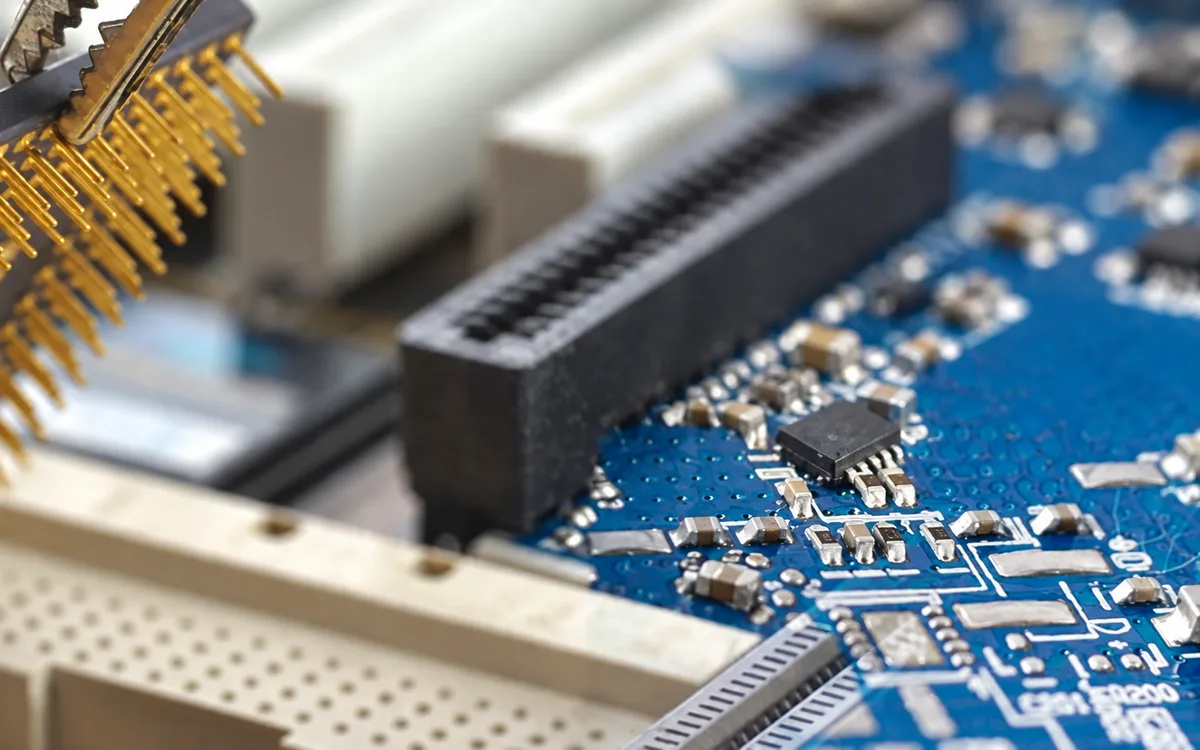
我们为该行业提供的设备
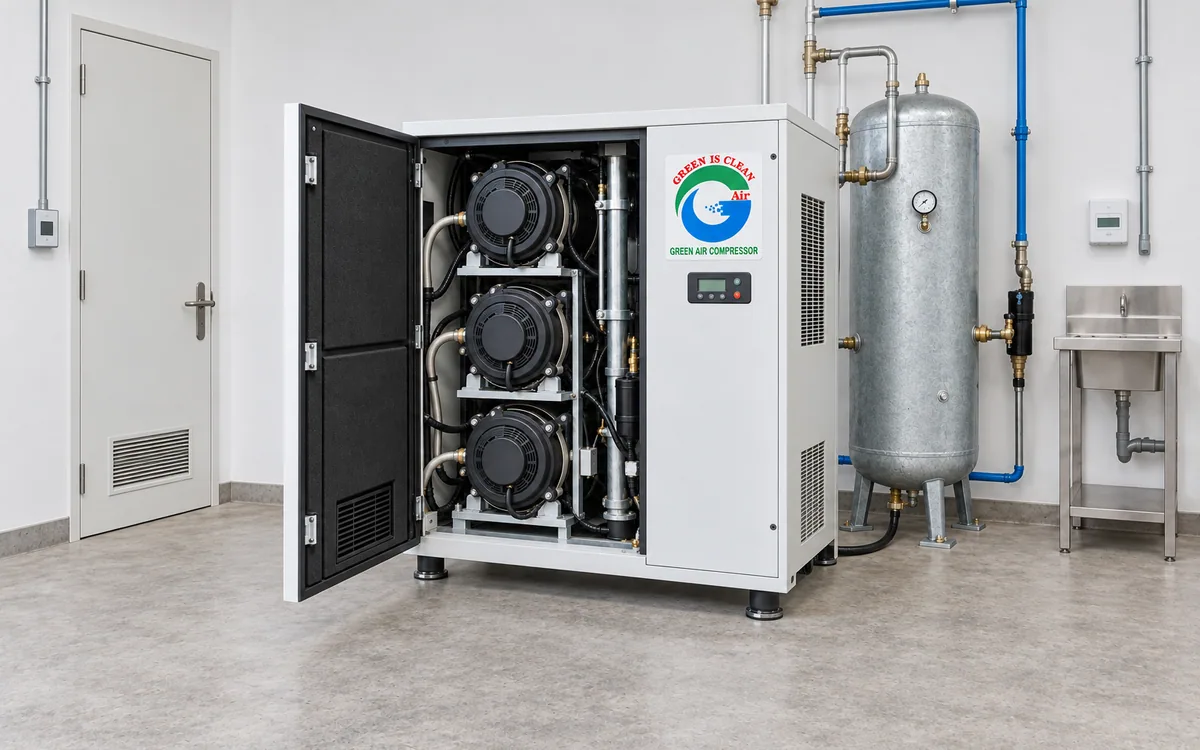
无油涡旋空压机
安静、小巧、真正无油。7.5 至 37 kW,8 bar g。
- 容积流量(FAD)
- 0.8 – 4.0 m³/min
- 工作压力
- 8 bar g
- 电机功率
- 8 – 37 kW
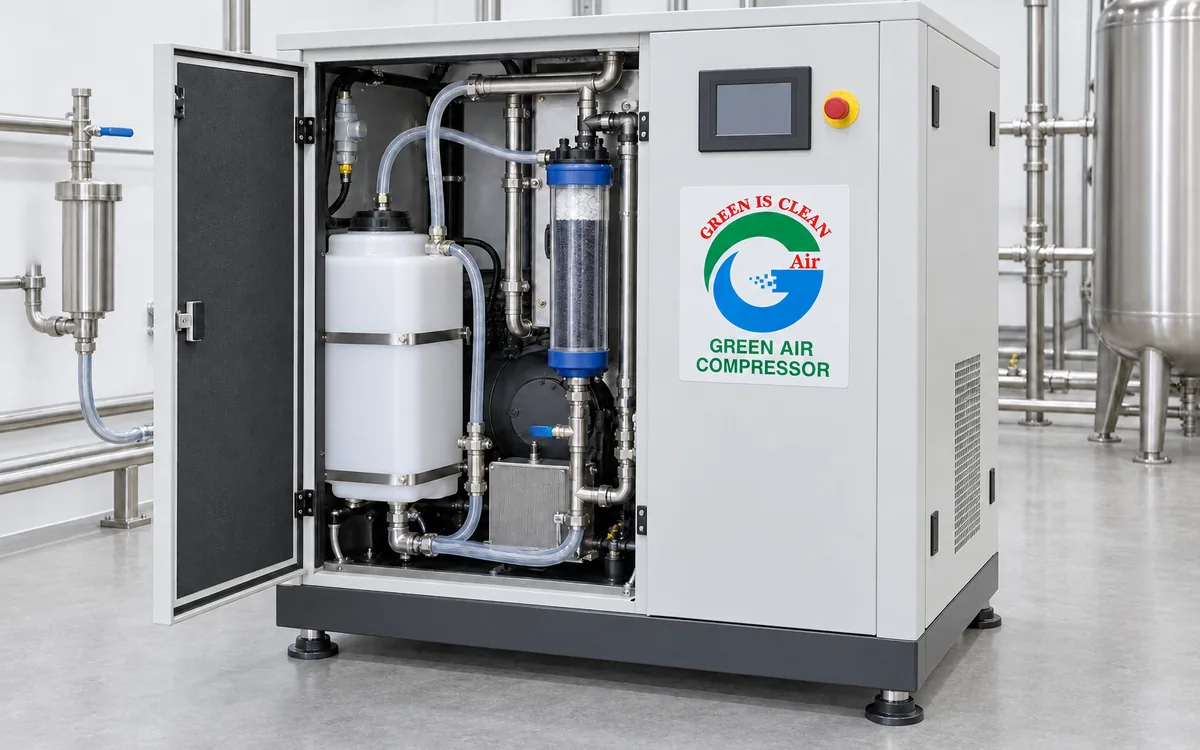
水润滑无油空压机
用水代替油来密封和冷却转子。Class 0 空气,5.5 至 160 kW。
- 容积流量(FAD)
- 0.3 – 27.0 m³/min
- 工作压力
- 7 – 10 bar g
- 电机功率
- 6 – 160 kW
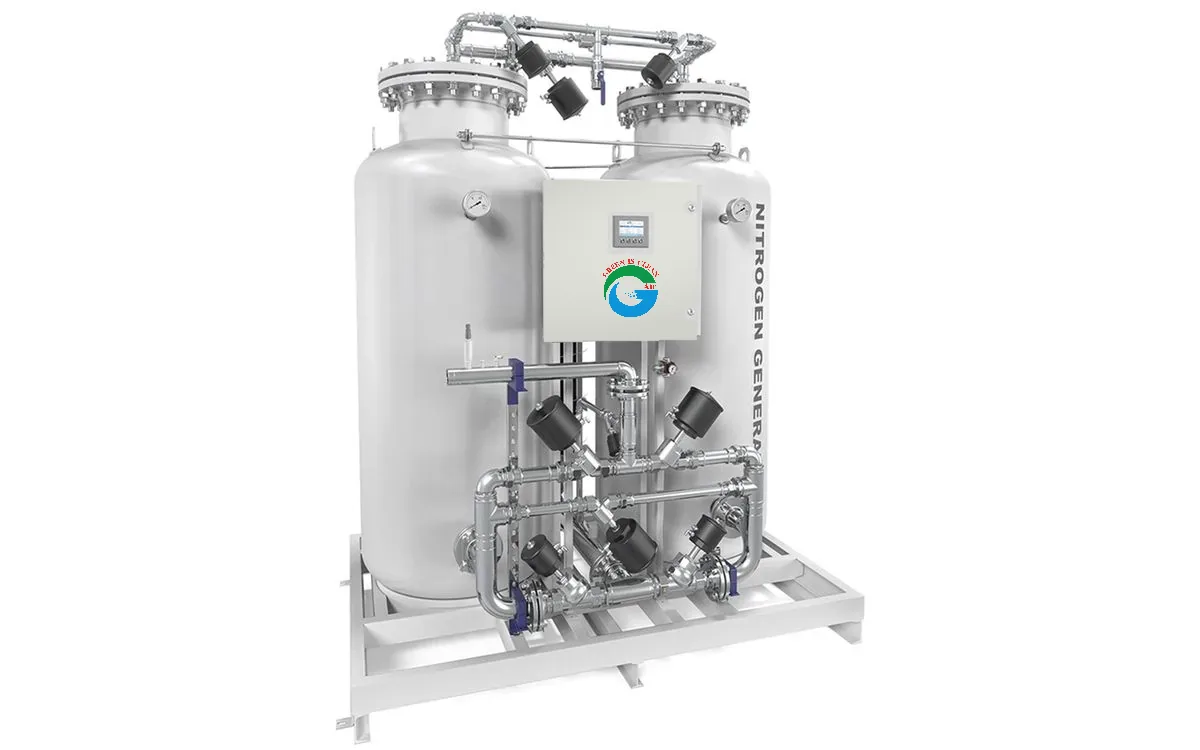
制氮机
在自己厂内制氮,不必再买瓶装气和付运费。
- 重量
- 45 – 1,850 kg
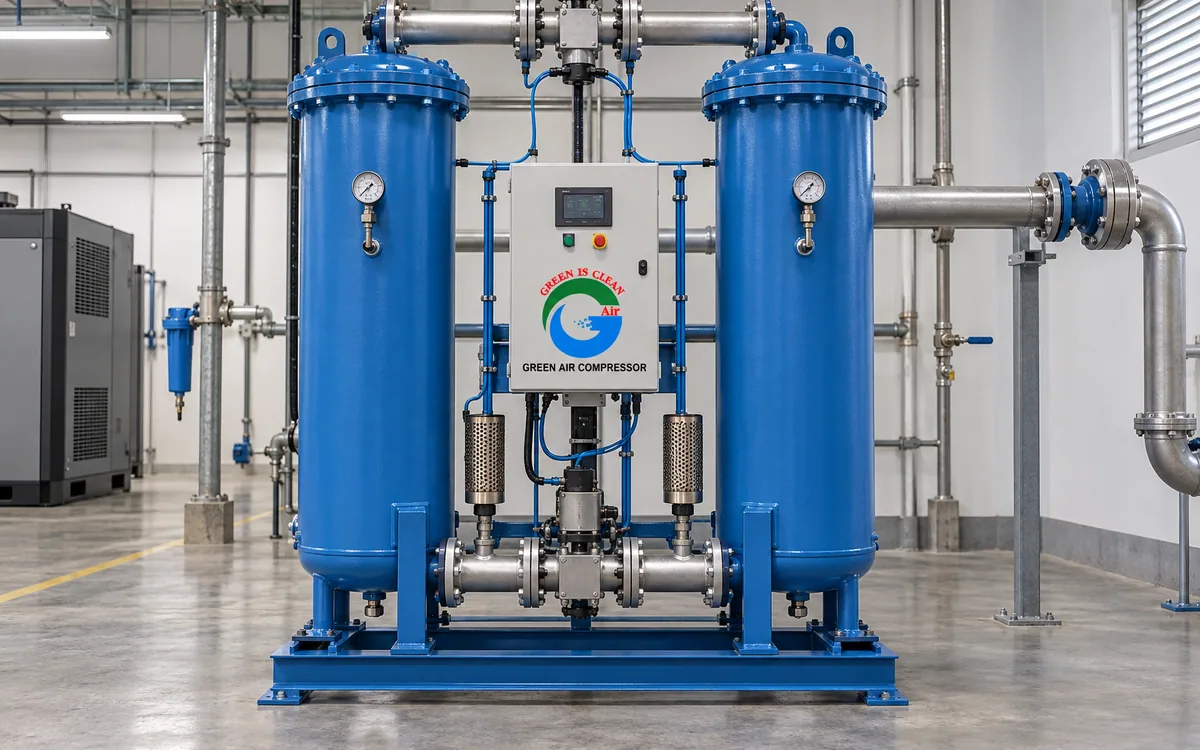
无热再生吸附式干燥机
不用加热器就做到 −40 °C 露点。结构简单、可靠,消耗再生气。
- 容积流量(FAD)
- 1.4 – 80.0 m³/min
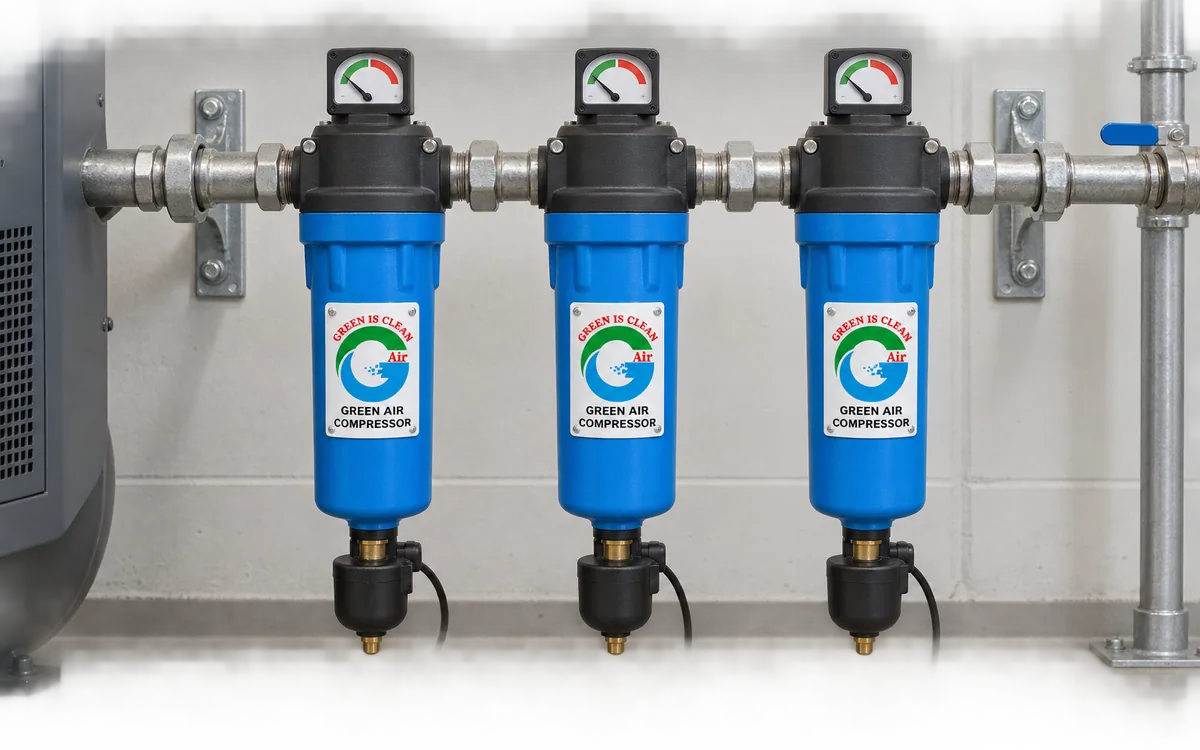
精密压缩空气过滤器
颗粒、聚结与活性炭,按您工艺所需的空气品质分级配置。
- 容积流量(FAD)
- 1.8 – 80.0 m³/min
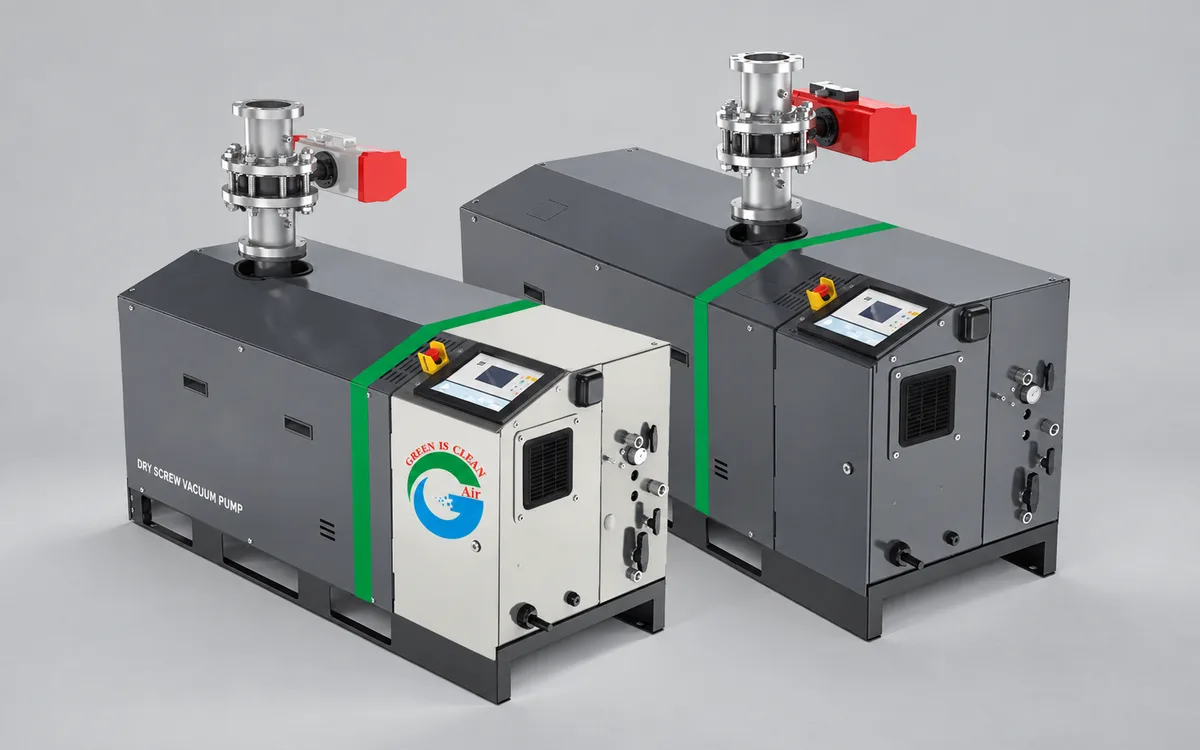
干式螺杆真空泵
深度干式真空,能承受蒸汽与工艺夹带物。
- 工作压力
- 0 – 20 bar g
- 电机功率
- 4 – 63 kW
- 重量
- 250 – 2,750 kg
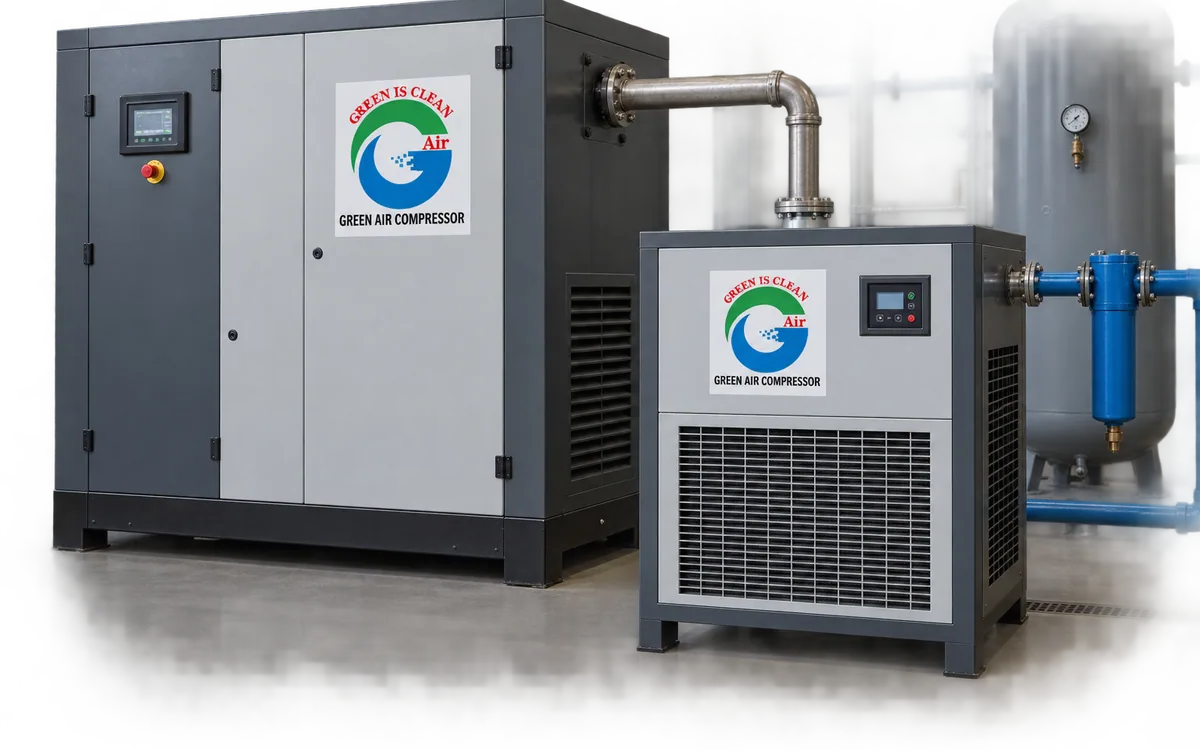
高温型冷冻式干燥机
可直接接收压缩机出口最高 80 °C 的空气,无需前置冷却器。
- 容积流量(FAD)
- 1.2 – 65.0 m³/min
- 电机功率
- 8 – 355 kW
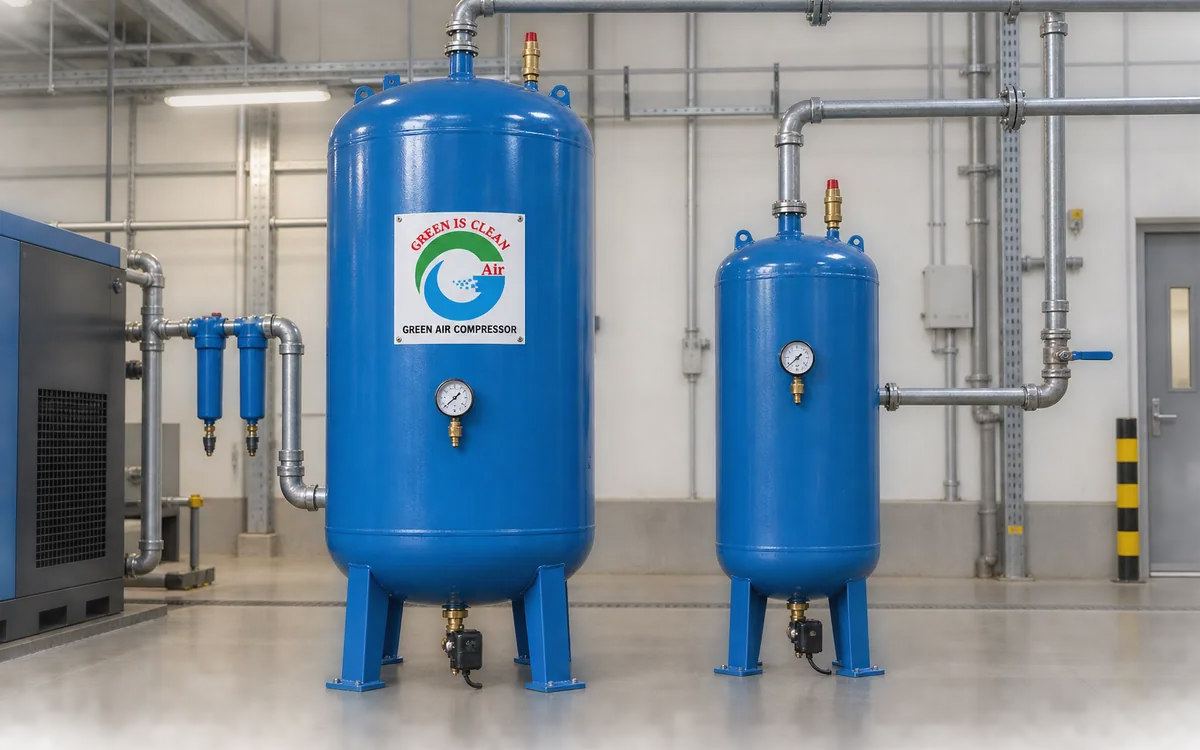
储气罐与储罐
0.3 至 6 m³,碳钢罐与真空罐。8、10 与 13 bar g。
- 工作压力
- 1 – 13 bar g
- 重量
- 99 – 1,240 kg
概述
Electronics manufacturing needs air that is clean, extremely dry and above all consistent. A momentary pressure dip during a pick-and-place cycle or a trace of moisture on a board before reflow is a defect that may not be found until final test.
This is one of the few sectors where we routinely recommend both oil-free compression and desiccant drying as a baseline rather than as an upgrade.
主要优势
Class 0 and −40 °C dew point
The combination that keeps boards and components clean and dry through the whole process.
Stable pressure
Variable speed control holding ±0.1 bar so pick-and-place cycles are repeatable.
Point-of-use filtration
Final filtration at the machine, because the last few metres of pipe matter.
Nitrogen on site
On-site generation for reflow and wave soldering instead of cylinder deliveries.
What the process needs
Oil free and very dry. Electronics assembly is unforgiving about both, and a single carryover event can affect a great deal of product before anybody notices.
Particle count matters here in a way it does not in general industry, so the filtration is specified with the same care as the compressor.
Static and moisture together are the risk on a line. Dew point is specified at the point of use rather than at the dryer, because the pipework between them matters.
- Certified oil free air
- Dew point specified at the point of use
- Particle filtration specified with care
- Pipework material chosen to suit
- Class 0 certificate supplied
- Sterile and high purity options
- Redundancy where the line cannot stop
- Continuous monitoring available
What goes wrong
Dew point measured at the dryer and assumed at the point of use. A long run of the wrong pipework undoes a good dryer completely.
Filtration in the wrong order, which destroys the expensive element with dirt the cheap one should have caught.
And no measurement. A line running on assumption is a line that will find out the hard way.
- Dew point assumed rather than measured at use
- Pipework undoing a good dryer
- Filtration fitted in the wrong order
- Carbon elements left past their life
- No continuous measurement
- Condensate reaching the line
- Over specification wasting energy
- Records missing when they are needed
How we support a line
Measurement at the point of use rather than at the plant room, and a record that can be produced when it is asked for.
Planned work only, in your windows, with rental cover where a machine has to come out.
And honest advice on specification. Class 0 where the air touches the product, and something sensible everywhere else.
- Measured at the point of use
- Continuous record kept
- Planned work in your windows
- Rental cover during removals
- Specification matched to actual contact
- Pipework advice included
- Local engineers in every market
- Priority response on a plan
常见问题
What makes electronics air different?
It has to be clean, extremely dry and above all consistent. A momentary pressure dip during a pick-and-place cycle is a defect that may not be found until final test.
What air quality do you recommend?
Class 0 oil-free with −40 °C dew point as a baseline rather than an upgrade. This is one of the few sectors where we recommend both by default.
Why does pressure stability matter so much?
Pick-and-place timing depends on it. Variable speed control holding ±0.1 bar makes cycles repeatable, which shows up directly in placement accuracy.
Do I need point-of-use filtration?
Yes, the last few metres of pipework matter, especially in an older building where the ring main was installed for a different process.
What about nitrogen for reflow?
On-site generation removes cylinder deliveries and is usually cheaper within two years. Purity requirement depends on the solder process, so it is worth checking rather than over-specifying.
How dry does the air need to be for board handling?
Dry enough that no moisture reaches a board before reflow. −40 °C dew point covers essentially all normal conditions.
Is ESD a consideration for compressed air?
Air itself does not generate charge, but blow-off nozzles can. Ionised nozzles are used where static on a board is a concern.
Do you supply the whole utility package?
Yes, compressor, dryer, filtration, nitrogen generation and the pipework, specified together so the quality class is achieved end to end.
How much air does an SMT line use?
Less than most people assume, but at very high quality. That combination often makes a smaller oil-free machine with good treatment the right answer.
What monitoring should I have?
Continuous dew point at minimum, with alarm. In electronics the failure is silent, so monitoring is how you find out before the defects do.
相关产品
不确定该选哪个型号?
把您的用气量、工作压力和运行小时数发给我们。我们的工程师会完成选型并给出书面建议,不收费,也不构成任何义务。