
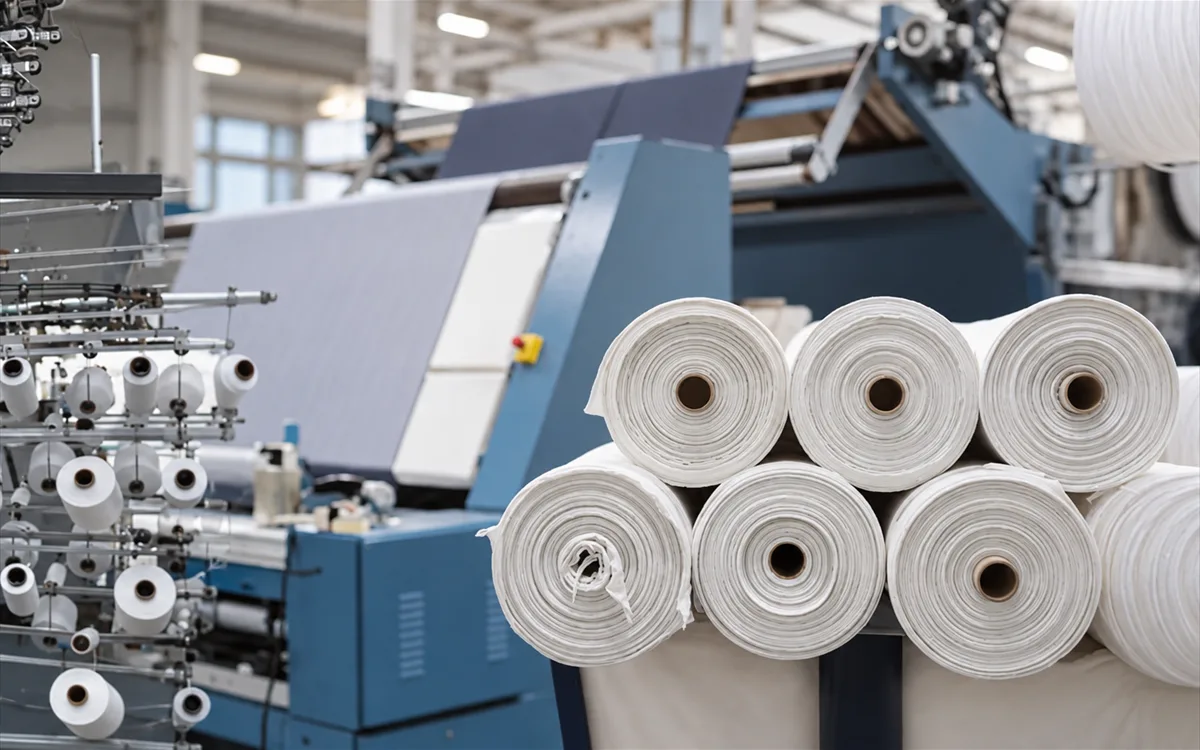
我们为该行业提供的设备
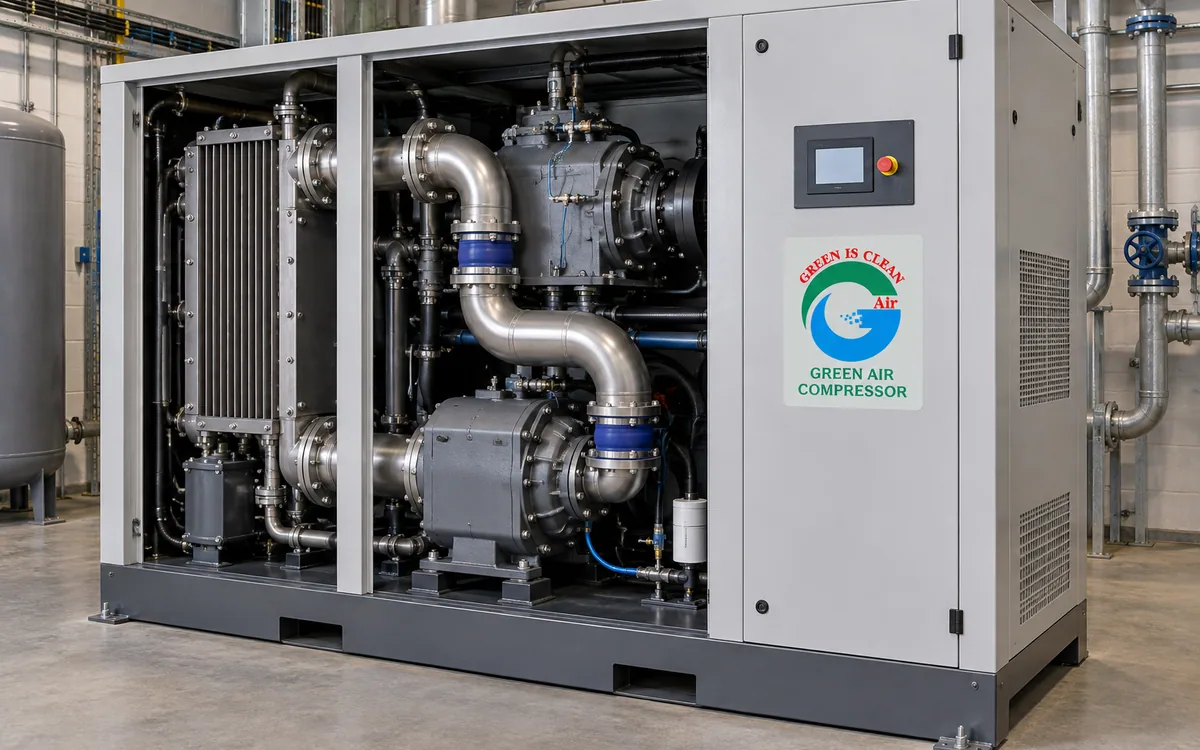
双级螺杆空压机
分两步完成压缩。45 至 500 hp,4.5 至 12.5 bar g。
- 容积流量(FAD)
- 6.6 – 101.3 m³/min
- 工作压力
- 5 – 13 bar g
- 电机功率
- 45 – 355 kW
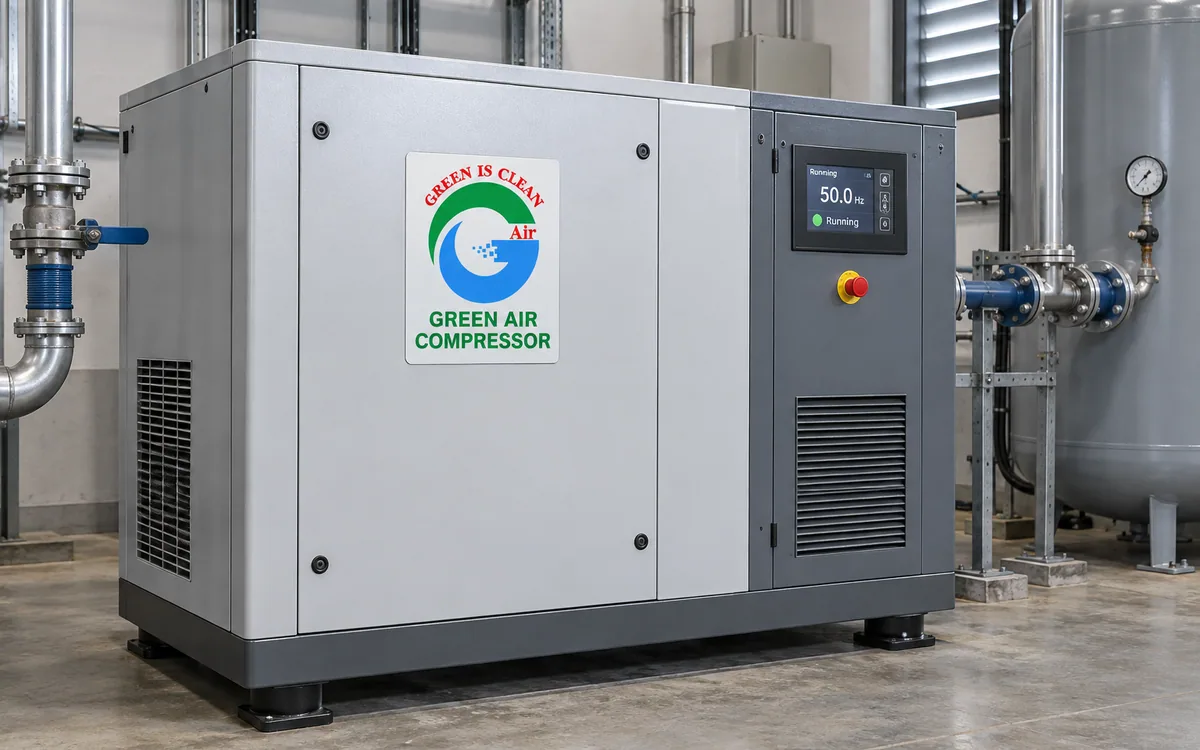
变频螺杆空压机
电机跟着用气量走。7.5 至 280 kW,8 至 13 bar g。
- 容积流量(FAD)
- 0.3 – 50.0 m³/min
- 工作压力
- 8 – 13 bar g
- 电机功率
- 8 – 280 kW
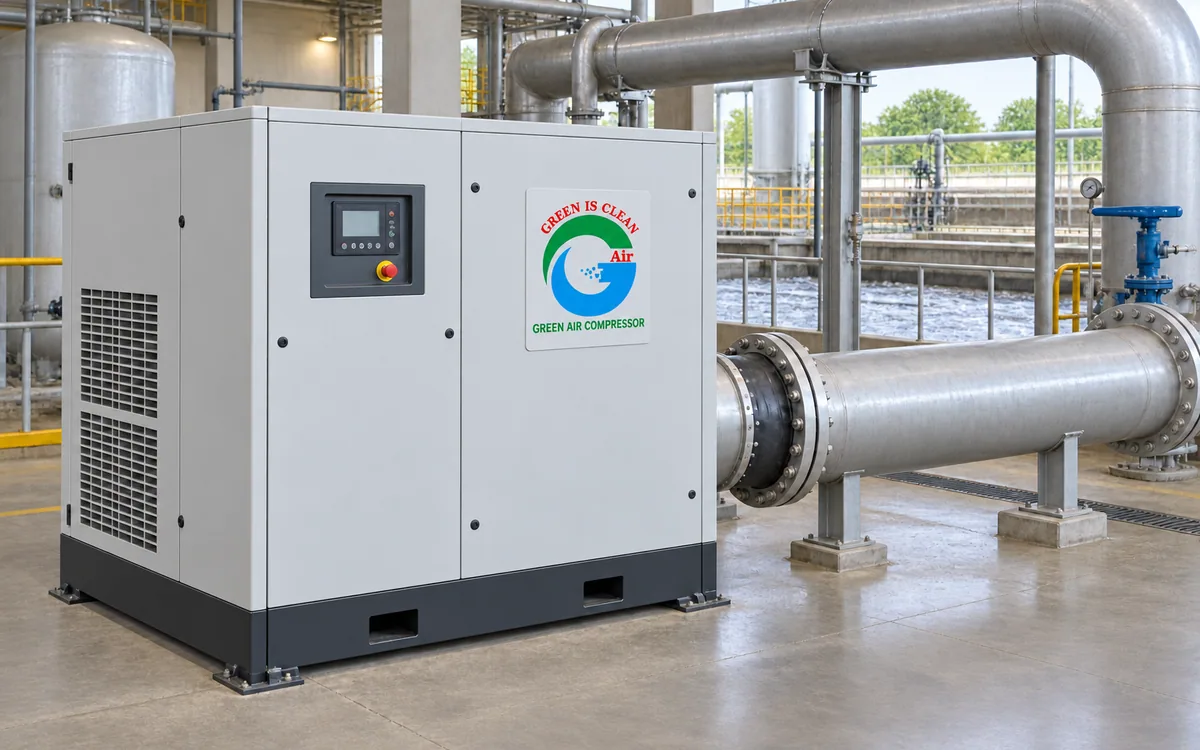
低压螺杆空压机
2 至 4.5 bar g,标准机在这里会白白浪费三分之一的电。
- 容积流量(FAD)
- 2.5 – 56.5 m³/min
- 工作压力
- 2 – 5 bar g
- 电机功率
- 30 – 160 kW
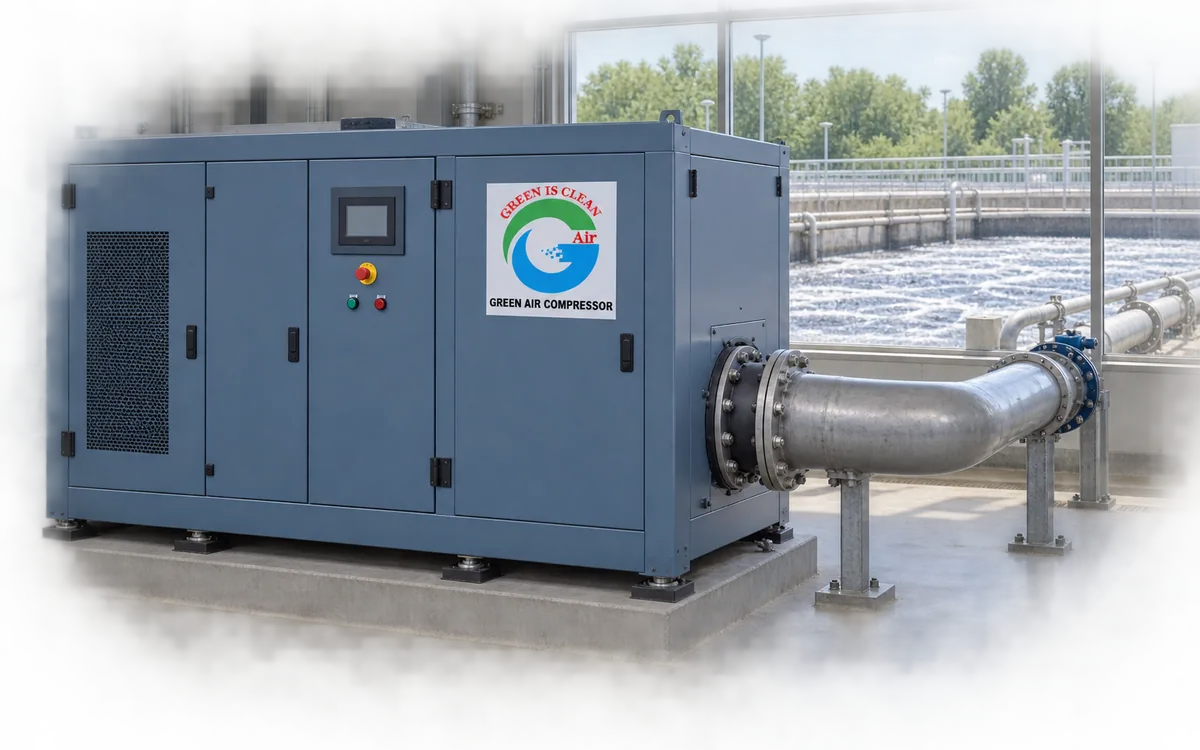
无油螺杆鼓风机
在鼓风机压力段用螺杆压缩。最高 1.5 bar g,22 至 180 kW。
- 容积流量(FAD)
- 15.0 – 98.0 m³/min
- 电机功率
- 22 – 180 kW
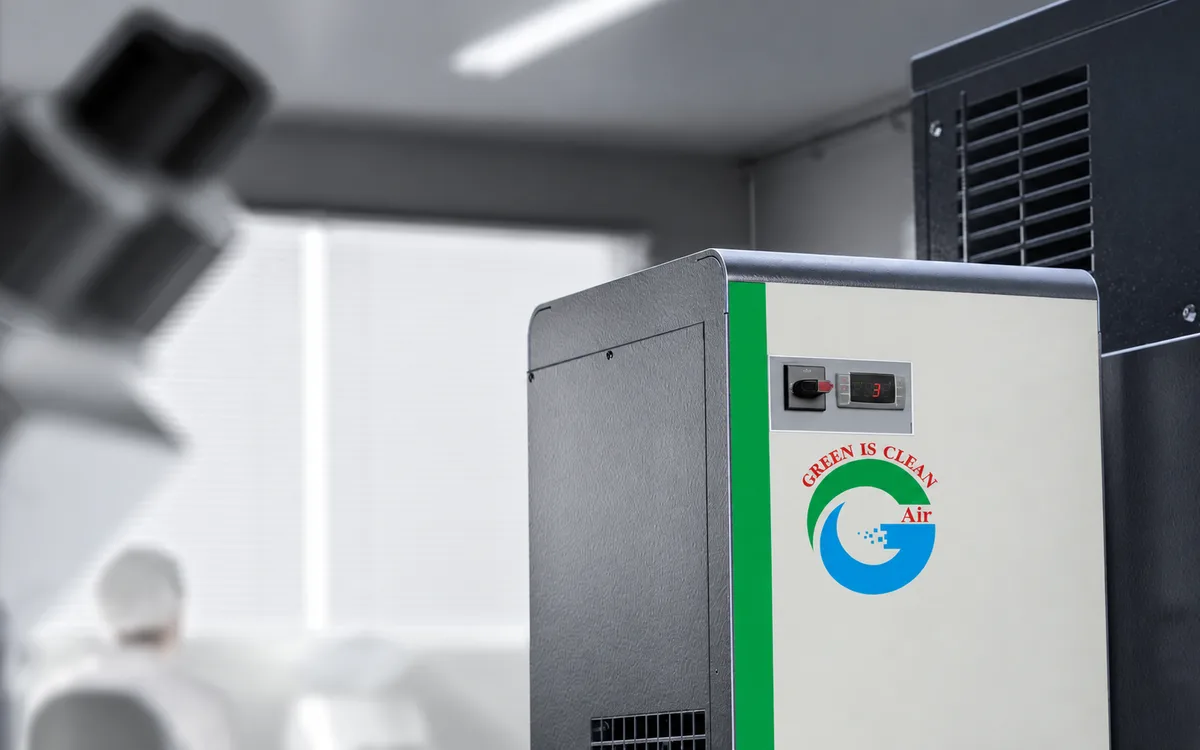
冷冻式干燥机
达到 +3 °C 压力露点的标准、低成本做法。
- 容积流量(FAD)
- 10.0 – 383.3 m³/min
- 工作压力
- 13 – 16 bar g
- 电机功率
- 1 – 32 kW
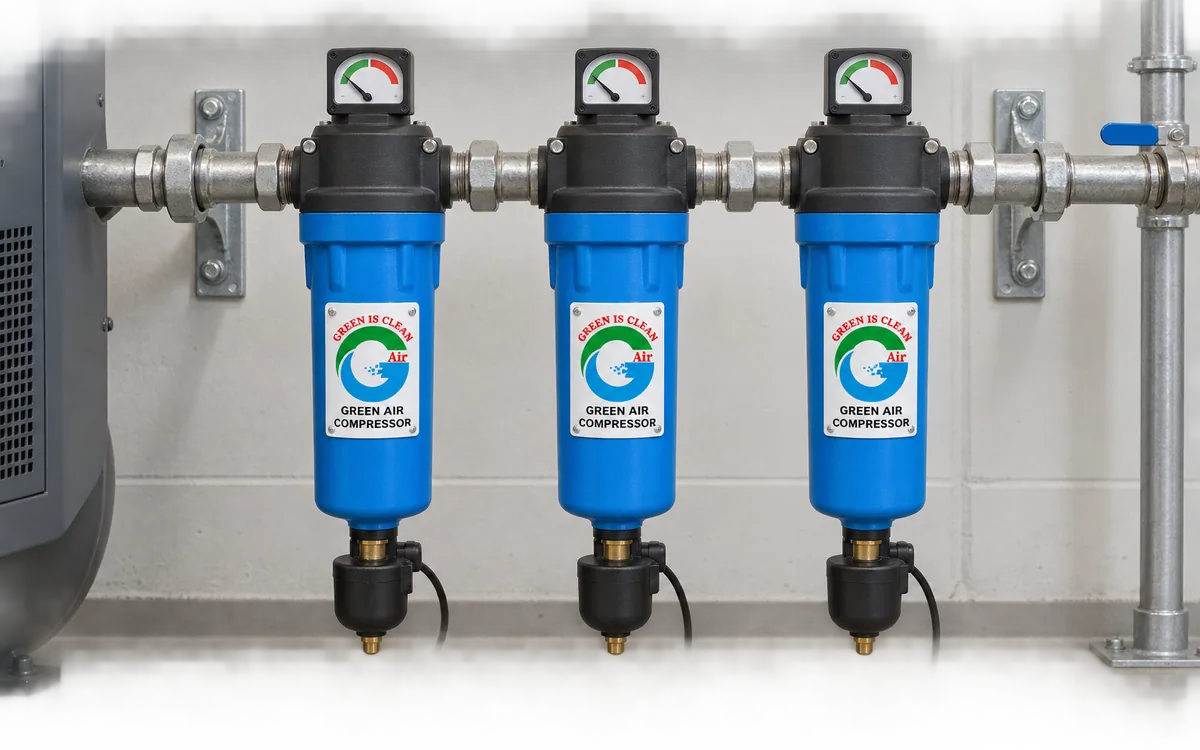
精密压缩空气过滤器
颗粒、聚结与活性炭,按您工艺所需的空气品质分级配置。
- 容积流量(FAD)
- 1.8 – 80.0 m³/min
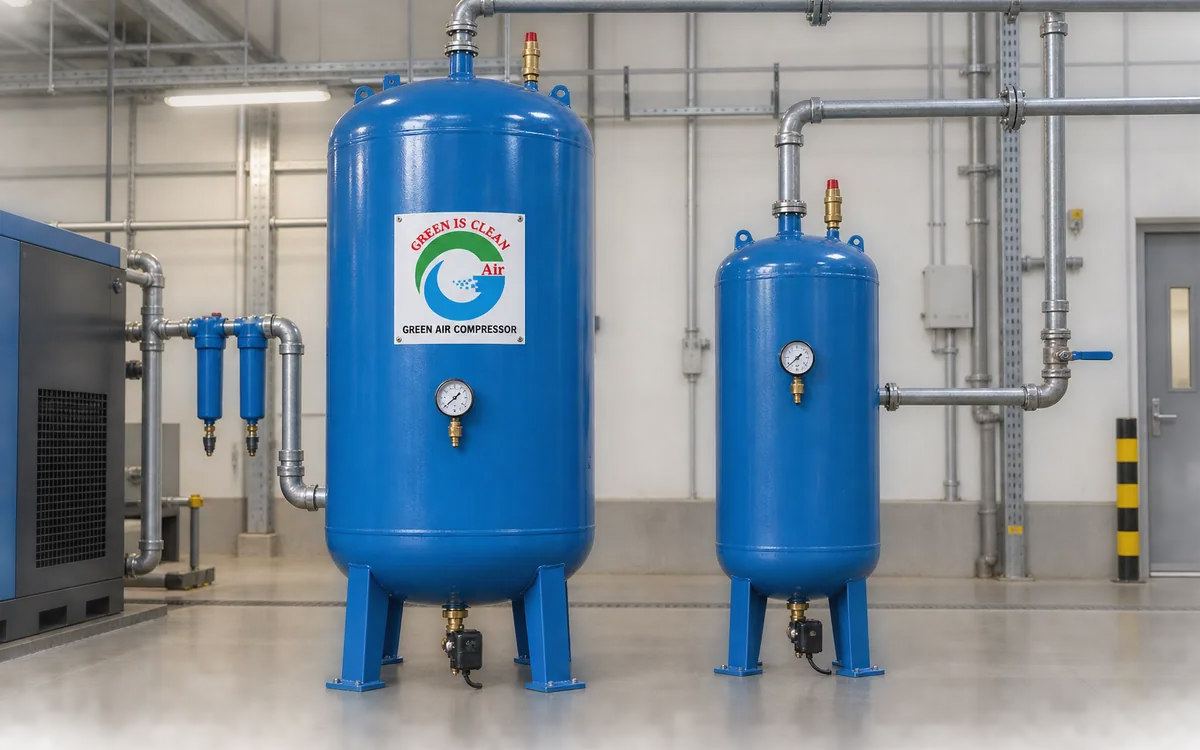
储气罐与储罐
0.3 至 6 m³,碳钢罐与真空罐。8、10 与 13 bar g。
- 工作压力
- 1 – 13 bar g
- 重量
- 99 – 1,240 kg
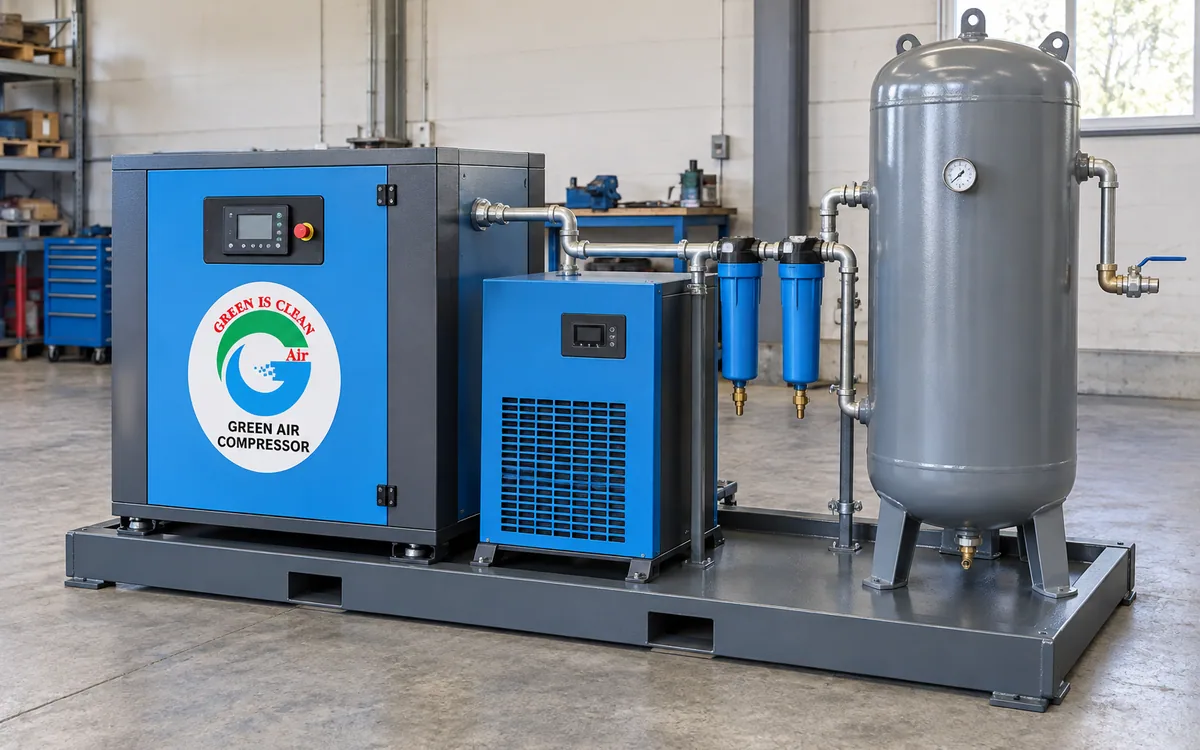
成套一体化空压站
压缩机、干燥机、过滤器与储气罐,作为一件设备交付。
- 容积流量(FAD)
- 0.3 – 25.0 m³/min (9 – 64 cfm)
- 工作压力
- 7 – 30 bar g
- 电机功率
- 4 – 250 kW
概述
In an air-jet weaving shed, compressed air is often the single biggest electricity consumer on site, frequently more than the looms themselves. Air consumption per pick is a production KPI, not a facilities detail.
The other thing textile plants tend to underestimate is air quality. Oil carry-over reaching the yarn causes staining that only appears after dyeing, by which point the fabric is scrap and the cause is nearly impossible to trace.
主要优势
Sized against pick rate
We size from your loom count, pick rate and nozzle pressure, not from a rule of thumb per loom.
Oil-free where it touches yarn
Class 0 air removes the staining risk that shows up only after dyeing.
Pressure control that pays
Holding nozzle pressure to ±0.1 bar lets you run at the lowest workable setting instead of a safety margin.
Heat recovery into dyeing
Dye houses need hot water constantly. Compressor heat recovery is an unusually good fit here.
What a mill needs from its air
Air jet weaving is the largest single consumer of compressed air in most mills, and it runs whenever the looms run. That makes the compressor a production machine rather than a utility.
Cleanliness matters more than dryness here. Nozzles are far more sensitive to oil than to moisture, and an oil carryover event marks cloth in a way that cannot be washed out.
Demand is steady while the looms run and drops sharply when they stop, which is why sequencing and a variable speed trim machine pay for themselves quickly in a mill.
- Air jet weaving is the main consumer
- Nozzles more sensitive to oil than to moisture
- Oil carryover marks cloth permanently
- Refrigerant drying is usually sufficient
- Demand steady while looms run
- Variable speed trim machine pays quickly
- Heat recovery for process hot water
- Dust filtration on the compressor intake
Where mills lose money
Leaks. A weaving shed is full of quick connections and a quarter of everything the compressors make is commonly lost before it reaches a loom.
Pressure. Most sheds run higher than the looms need because one machine somewhere asked for it years ago and nobody revisited the setting.
Intake air. Compressors drawing hot lint laden air work harder and foul faster, and moving the intake is often the cheapest improvement available.
- Leaks across quick connections
- System pressure higher than looms need
- Hot lint laden intake air
- Filters left past their pressure drop
- Unloaded running during changeovers
- Night and weekend running unreviewed
- Condensate discharged untreated
- 系统中任何位置都没有测量
How we support a mill
Local stock and local engineers in Pakistan and in Türkiye, which is where most of the mills we serve are.
Servicing scheduled around your changeovers rather than around our calendar. A mill that has to stop looms for a compressor service has been badly served.
We size against your loom count and your working pressure rather than against a general figure, and we show the energy arithmetic before you commit.
- Local engineers in Pakistan and Türkiye
- Local parts stock in both
- Servicing scheduled around changeovers
- Sized against loom count and pressure
- Energy arithmetic shown before purchase
- Standby and rental cover available
- Leak surveys with ultrasound
- Heat recovery designed with the installation
常见问题
Why is compressed air such a big cost in a weaving shed?
On air-jet looms it is often the single largest electricity consumer on site, frequently more than the looms themselves. Air per pick is a production KPI, not a facilities detail.
What pressure do air-jet looms really need?
Most run comfortably at 6.5–7 bar at the nozzle. Many mills supply 8.5 bar to be safe, which costs roughly 10% more energy every hour the plant runs.
Why do stains only appear after dyeing?
Oil carry-over reaching the yarn is invisible until the dye bath develops it. By then the fabric is scrap and the cause is almost impossible to trace back.
Do I need oil-free air throughout the mill?
Only where air touches yarn or fabric. General plant air can be oil-injected with proper filtration. Specifying oil-free everywhere is expensive and unnecessary.
How do you size a compressor for a weaving shed?
From loom count, pick rate and nozzle pressure, not a rule of thumb per loom. Machine type and fabric width change consumption substantially.
Is heat recovery worth it in textiles?
Unusually so. Dye houses need hot water continuously, so compressor heat has somewhere useful to go. Payback is often under two years.
What dew point do I need?
Enough that no water condenses in the shed pipework. In most mills a refrigerant dryer at +3 °C is adequate. Air-jet nozzles are more sensitive to oil than to moisture.
Why does nozzle pressure stability matter?
Holding ±0.1 bar lets you run at the lowest workable setting instead of adding a safety margin. That margin is pure energy cost across every loom.
Does spinning need the same air quality as weaving?
Lower. Ring and open-end spinning use air for cleaning and transport rather than direct contact, so the quality requirement is less demanding.
How much can a leak survey save in a mill?
A great deal. Textile plants are large, old and full of quick couplings; 20–30% leakage is typical and much of it is fixable in a week.
相关产品

不确定该选哪个型号?
把您的用气量、工作压力和运行小时数发给我们。我们的工程师会完成选型并给出书面建议,不收费,也不构成任何义务。