
Electric vehicle manufacturing
Documented tightening and clean, dry air for battery assembly.

What we supply for this industry
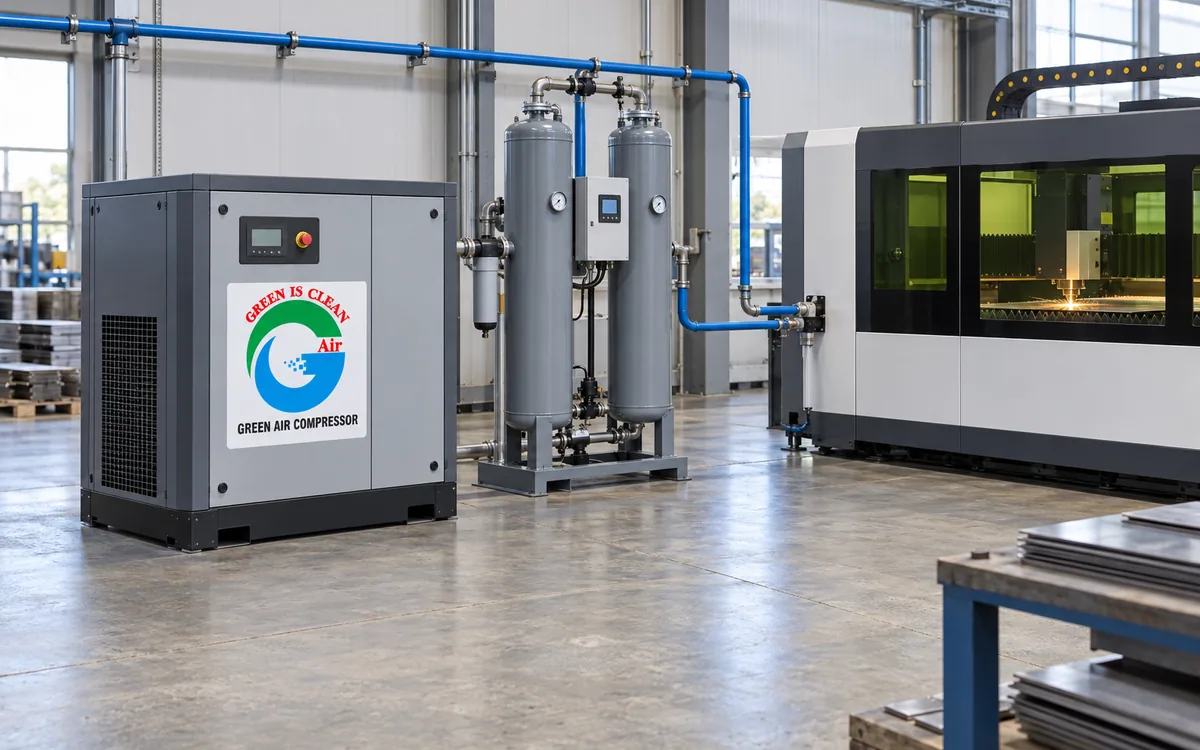
Laser cutting air compressors
Clean dry air at 13 to 16 bar, specified for the cutting head rather than the plant.
- Free air delivery
- 8.5 – 25.0 m³/min
- Working pressure
- 20 – 30 bar g
- Motor power
- 90 – 250 kW
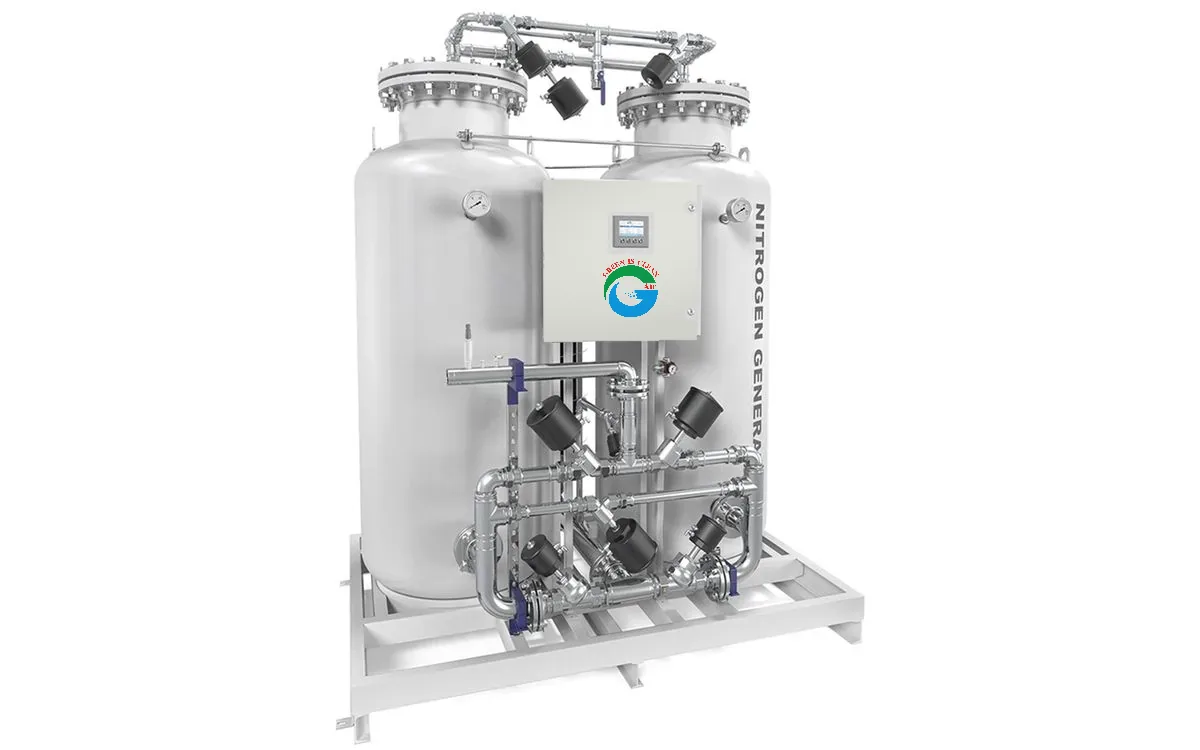
Nitrogen generators
Make your own nitrogen on site and stop paying for cylinders.
- Weight
- 45 – 1,850 kg
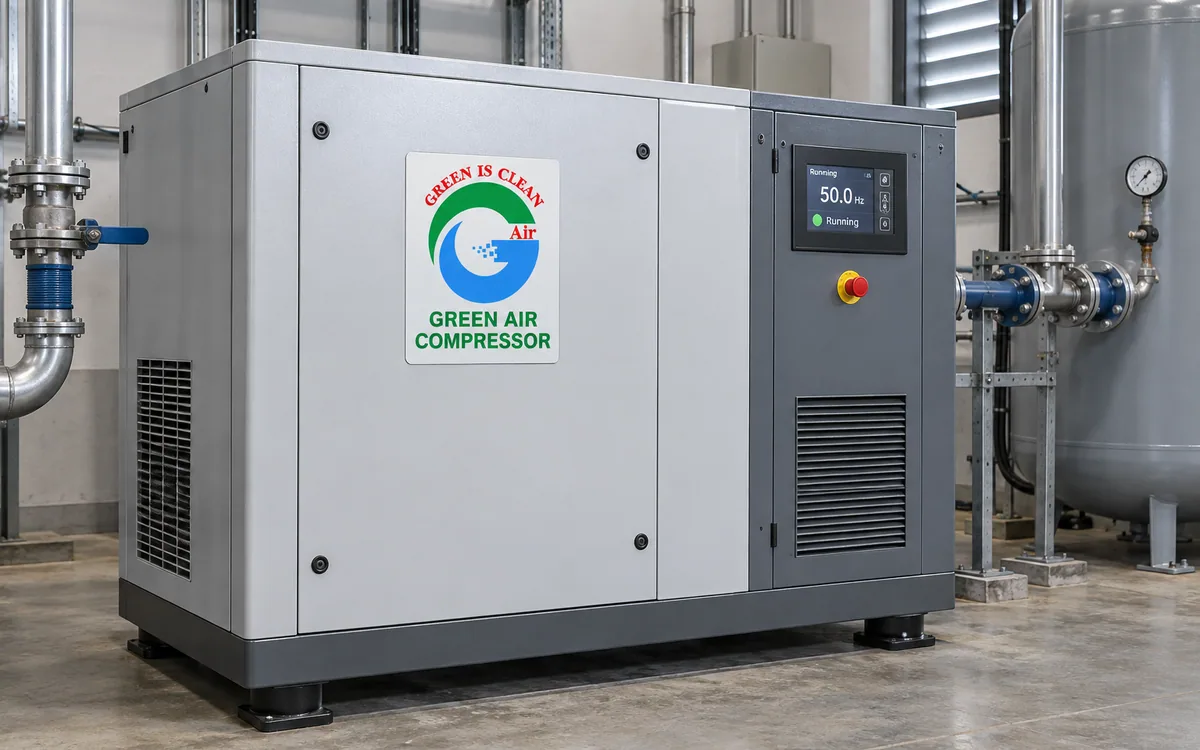
Variable speed screw compressors
The motor follows the demand. 7.5 to 280 kW, 8 to 13 bar g.
- Free air delivery
- 0.3 – 50.0 m³/min
- Working pressure
- 8 – 13 bar g
- Motor power
- 8 – 280 kW
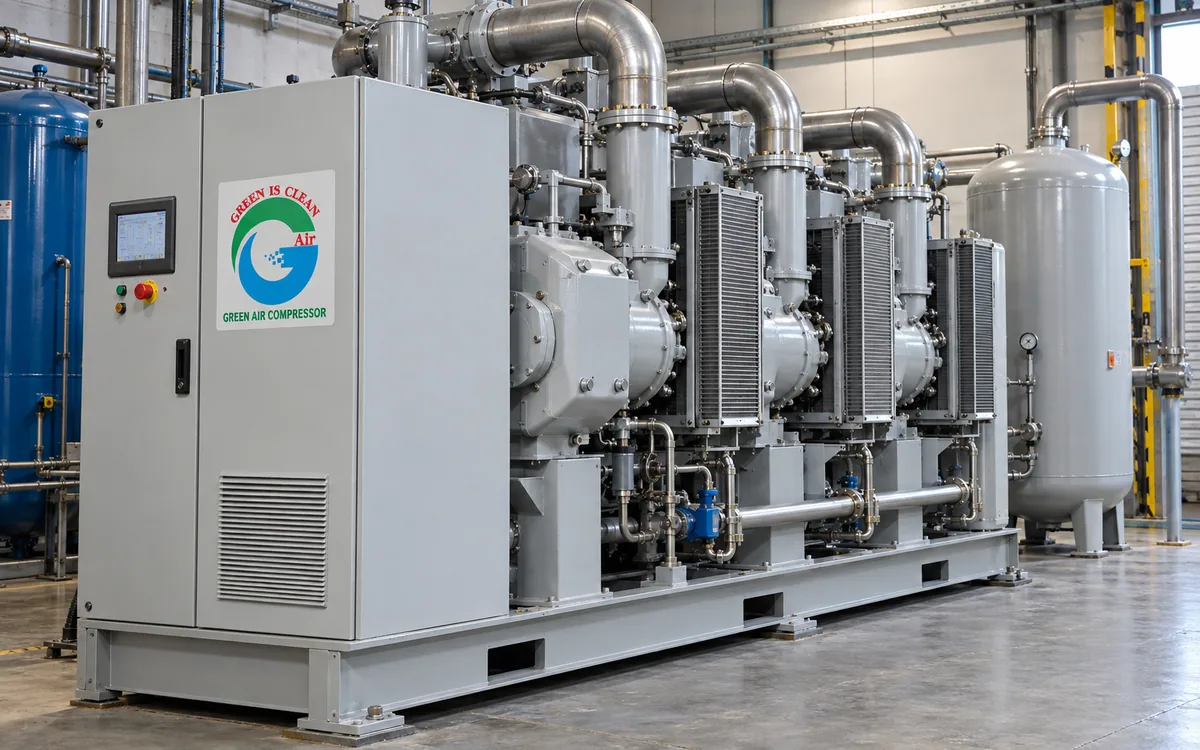
High pressure screw compressors
20 to 35 bar g from a screw machine. 45 to 330 kW.
- Free air delivery
- 2.8 – 43.7 m³/min
- Working pressure
- 20 – 35 bar g
- Motor power
- 45 – 330 kW
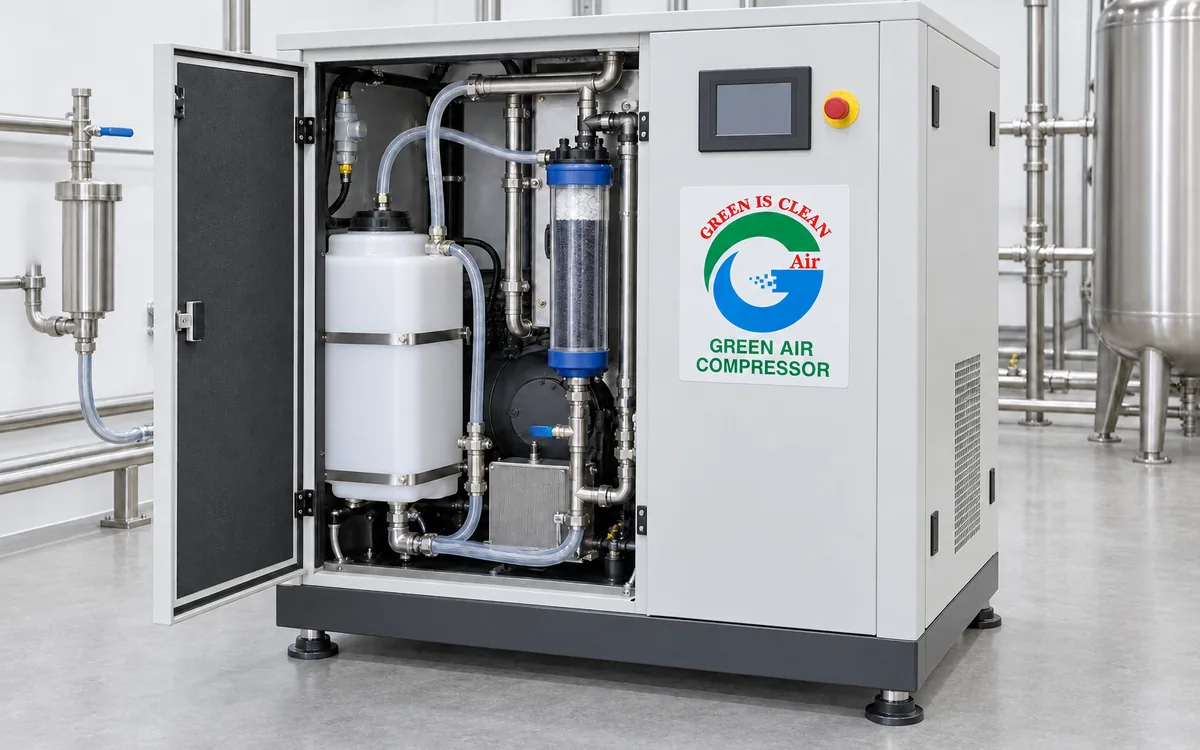
Water lubricated oil free compressors
Water seals and cools the rotors instead of oil. Class 0 air, 5.5 to 160 kW.
- Free air delivery
- 0.3 – 27.0 m³/min
- Working pressure
- 7 – 10 bar g
- Motor power
- 6 – 160 kW
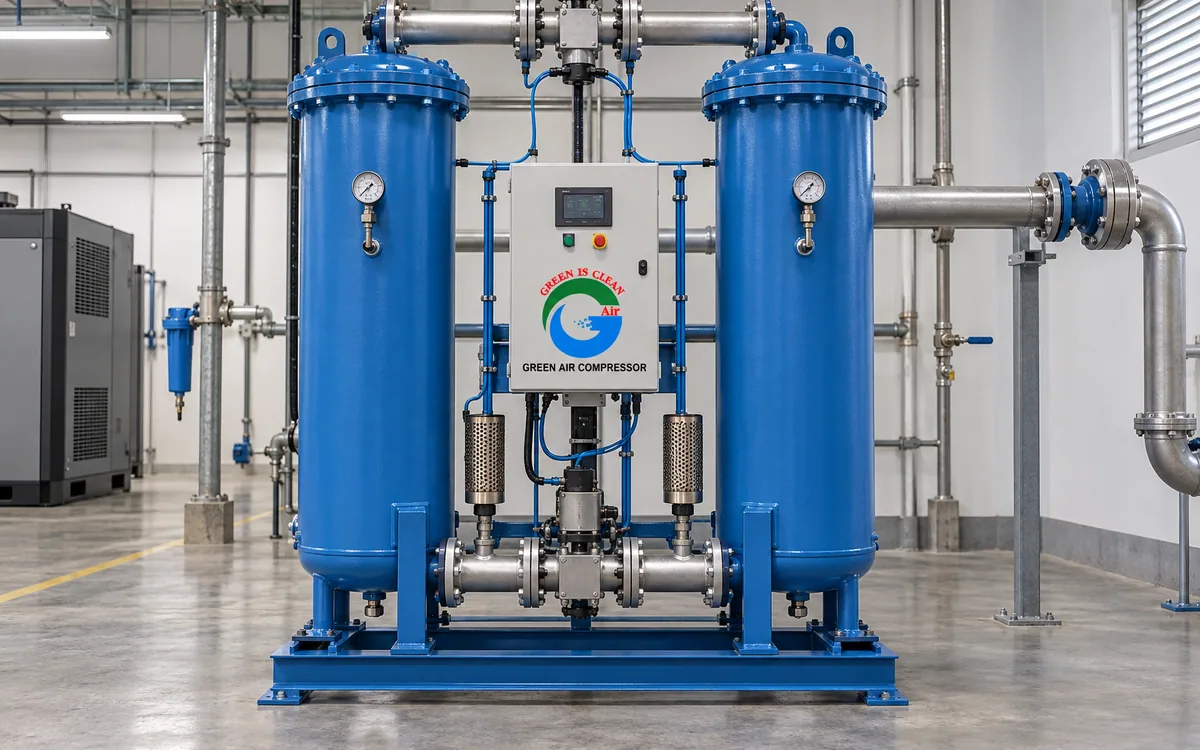
Heatless adsorption dryers
Minus 40 °C dew point with no heater. Simple, reliable, uses purge air.
- Free air delivery
- 1.4 – 80.0 m³/min
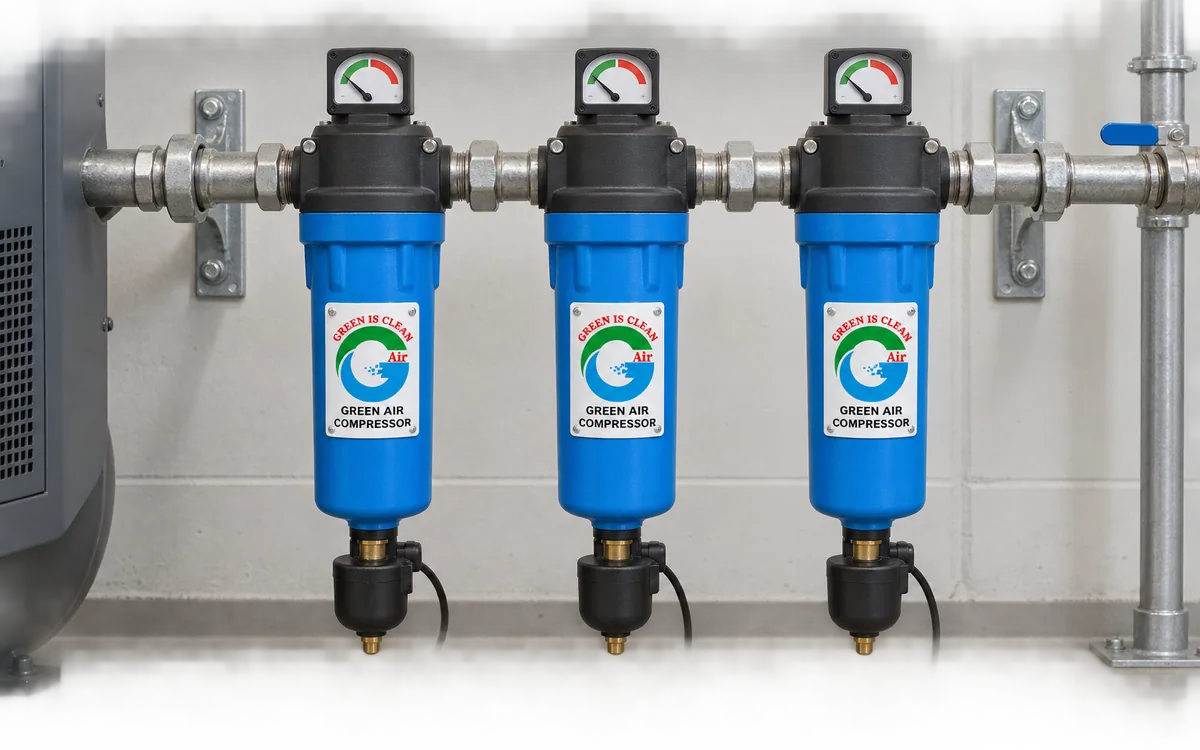
Precision compressed air filters
Particulate, coalescing and activated carbon, to every ISO 8573-1 class.
- Free air delivery
- 1.8 – 80.0 m³/min
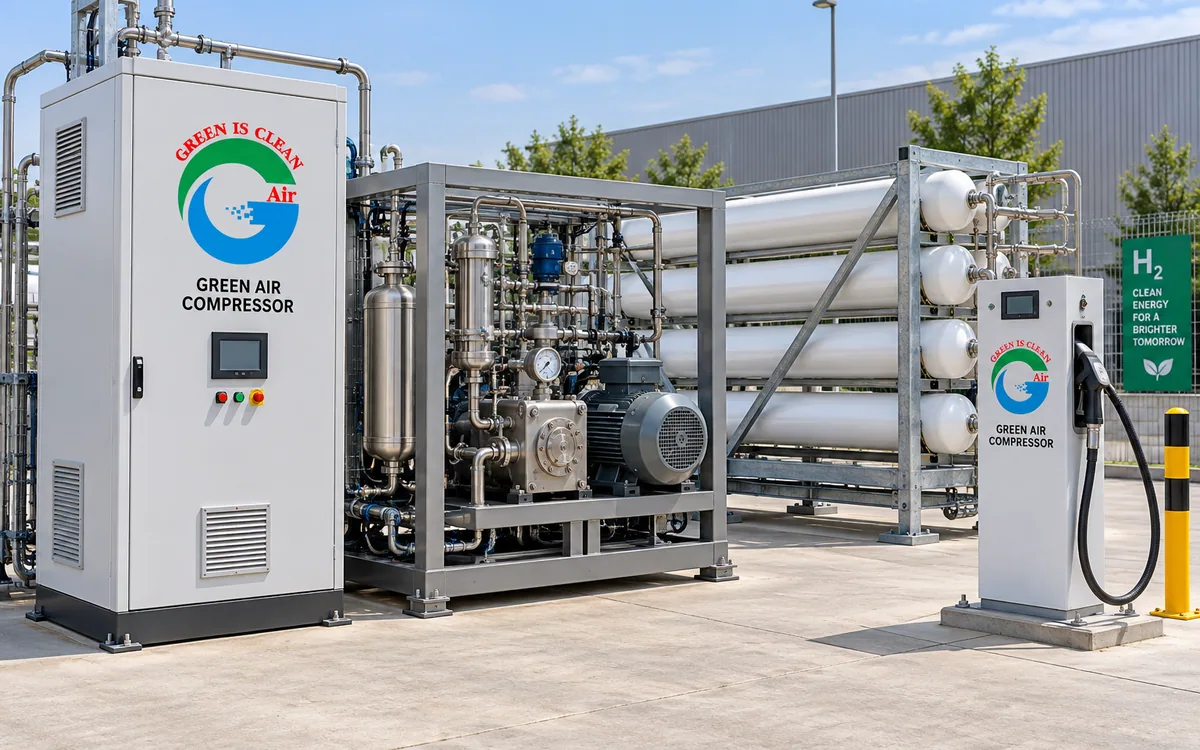
Hydrogen generation systems
Electrolysers, compression, storage and dispensing as one system.
Learn moreOverview
Battery pack assembly brings together two things we do: extremely well-documented bolted joints, and very dry, very clean air. Neither is optional: a busbar connection at the wrong torque is a thermal event waiting to happen, and moisture in a cell assembly area is a safety issue.
Every fastener in a pack needs its torque and angle recorded against the pack serial number, and every dry room needs air at a dew point most factories never have to think about.
Key benefits
Every fastener recorded
Torque and angle logged per joint against the pack serial number for full traceability.
Very low dew point
−70 °C capable drying for dry rooms and cell handling areas.
Oil-free throughout
No hydrocarbon anywhere near cell or electrode handling.
Insulated tooling available
Tools rated for work on live high-voltage assemblies.
What the process needs
Battery and cell work needs very dry air, often drier than anything else in an automotive plant, because moisture is the enemy of cell chemistry.
Dew points of minus forty or lower are normal, which means desiccant drying with a measured reading rather than an indicator lamp.
Oil free is usually required as well, and where it is, it should be certified rather than assumed. The cost of finding out later is measured in cells.
- Very low dew point for cell and battery work
- Minus forty or lower is normal
- Desiccant drying with measured dew point
- Certified oil free where required
- Redundancy on critical lines
- Continuous monitoring and alarming
- Documentation for process validation
- Capacity planned for line expansion
Planning for growth
These plants expand, and the compressed air system is usually the thing that was sized for the first line and then asked to serve the third.
We size for the plan rather than for the current line, and we show what the staged additions would look like so the plant room is laid out once.
Storage and pipework are the parts that are hardest to change later, so they get the most attention at the start.
- Sized for the plan, not just the first line
- Staged expansion designed in
- Plant room laid out once
- Storage and ring main sized for growth
- Sequencing ready for added machines
- Standby capacity planned
- Energy monitoring from day one
- Drawings kept current as the plant grows
How we support a plant
Continuous dew point monitoring with alarms, because on this process a drift matters before it becomes a failure.
Planned servicing in your windows with rental cover, and redundant machines serviced in rotation so standby is always available.
And the documentation kept current, because a plant of this kind is audited by its customers as well as by regulators.
- Continuous dew point monitoring
- Alarms on drift, not just failure
- Planned work in your windows
- Redundant plant serviced in rotation
- Rental cover during removals
- Documentation kept current
- Local engineers in every market
- Annual review as the plant grows
Frequently asked questions
What is different about EV assembly?
Two things we do meet here: extremely well-documented bolted joints, and very dry, very clean air. Neither is optional in battery work.
Why does every fastener need recording?
A busbar connection at the wrong torque is a thermal event waiting to happen. Torque and angle are logged per joint against the pack serial number for full traceability.
What dew point does a dry room need?
Down to −70 °C for cell handling areas. That is desiccant territory and it needs designing in, not adding later.
Why oil-free in battery assembly?
No hydrocarbon should go anywhere near cell or electrode handling. It is a contamination risk that is simply not worth carrying.
What tools do you supply for high-voltage work?
Insulated tooling rated for work on live high-voltage assemblies, alongside the data-capable nutrunners used on the pack itself.
How does torque-and-angle differ from torque alone?
It detects cross-threaded, missing and short bolts that a torque-only tool passes. On a battery pack that difference matters.
Can the tool data go into our MES?
Yes, results are sent to the line system per fastener with a pass or fail against the serial number, which is what makes the record auditable.
What air quality for paint and final assembly?
Class 0 with appropriate drying for anything contacting a surface to be coated. Oil in paint air is an expensive and very visible defect.
Do you help with the utility design?
Yes, dry room load, tool air demand and pack line requirements are sized together rather than as separate purchases.
What redundancy do EV lines need?
Typically N+1 on air and on drying. A dry room that loses its dew point is not something you recover from quickly.
Related products
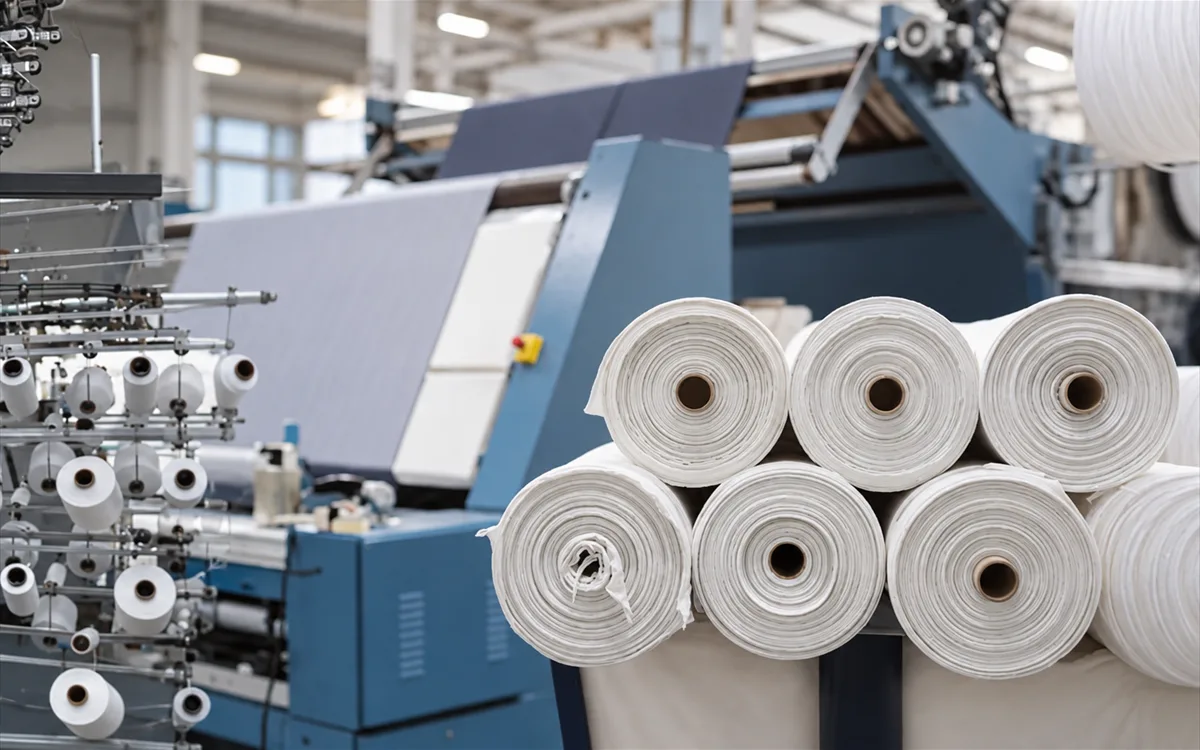
Textiles
Air-jet weaving, spinning and dyeing, where air is the largest utility.
Learn more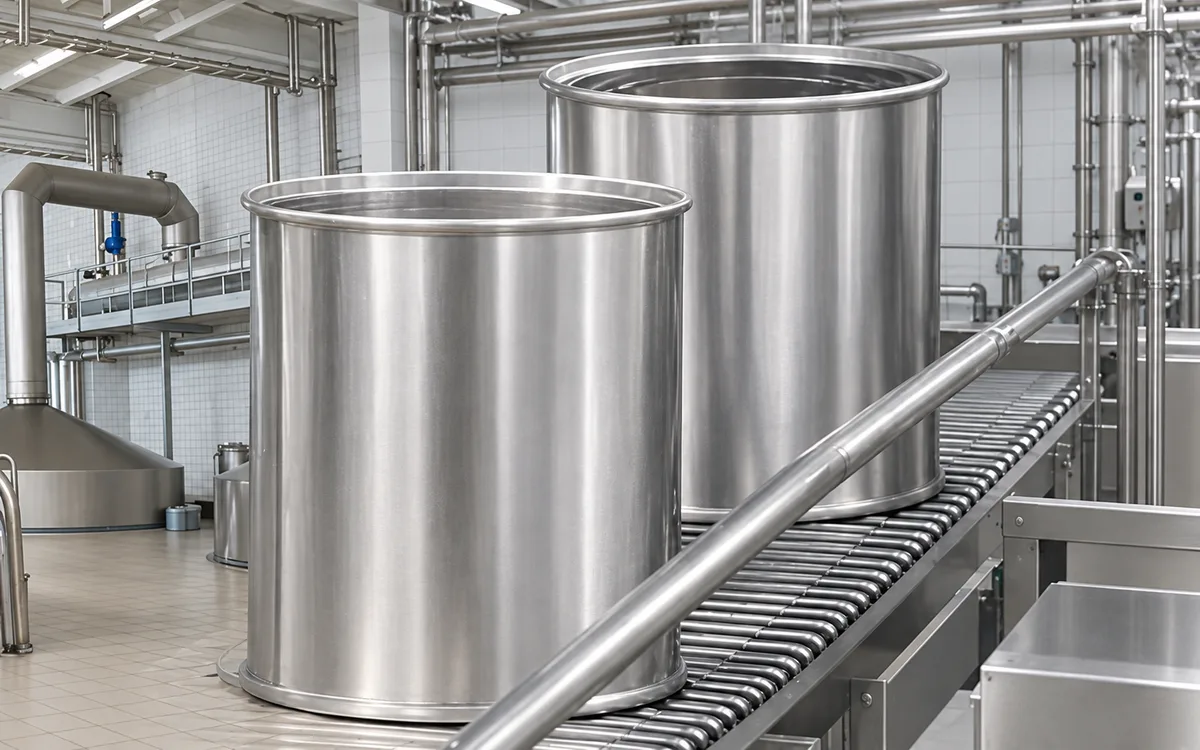
Food and beverage
Class 0 air, documented, for anything that touches product.
Learn more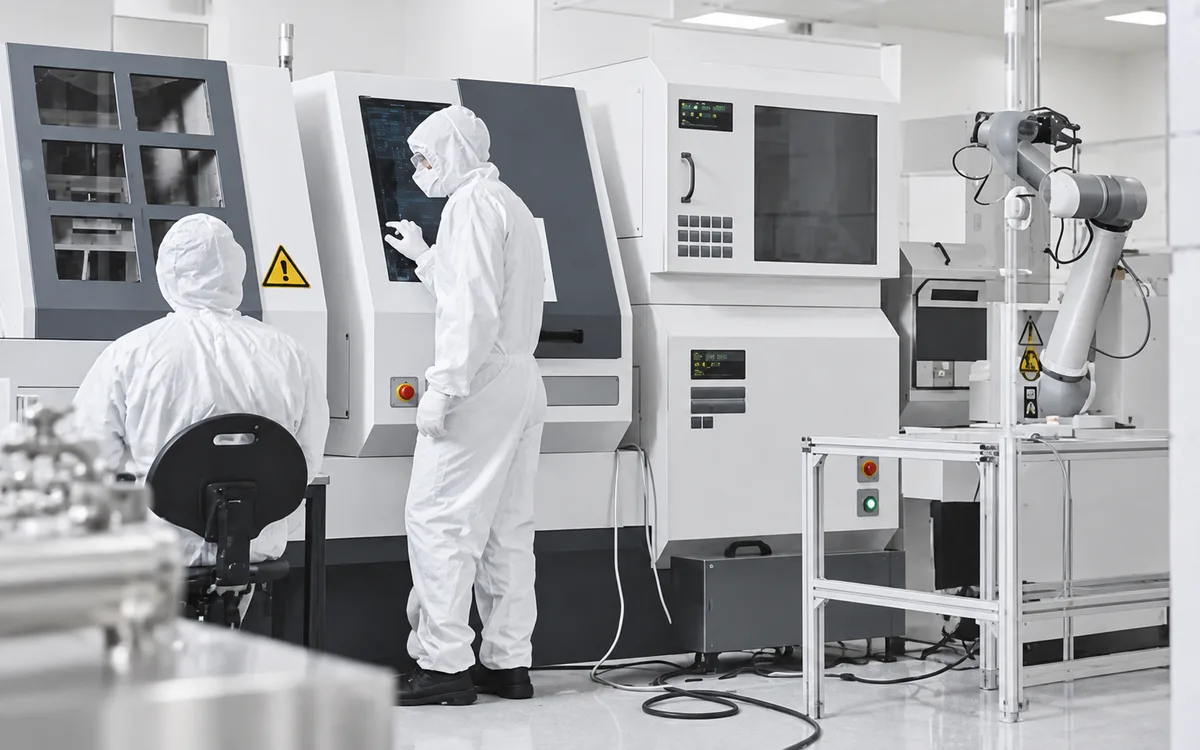
Pharmaceutical
Validated, qualified air systems with full documentation.
Learn more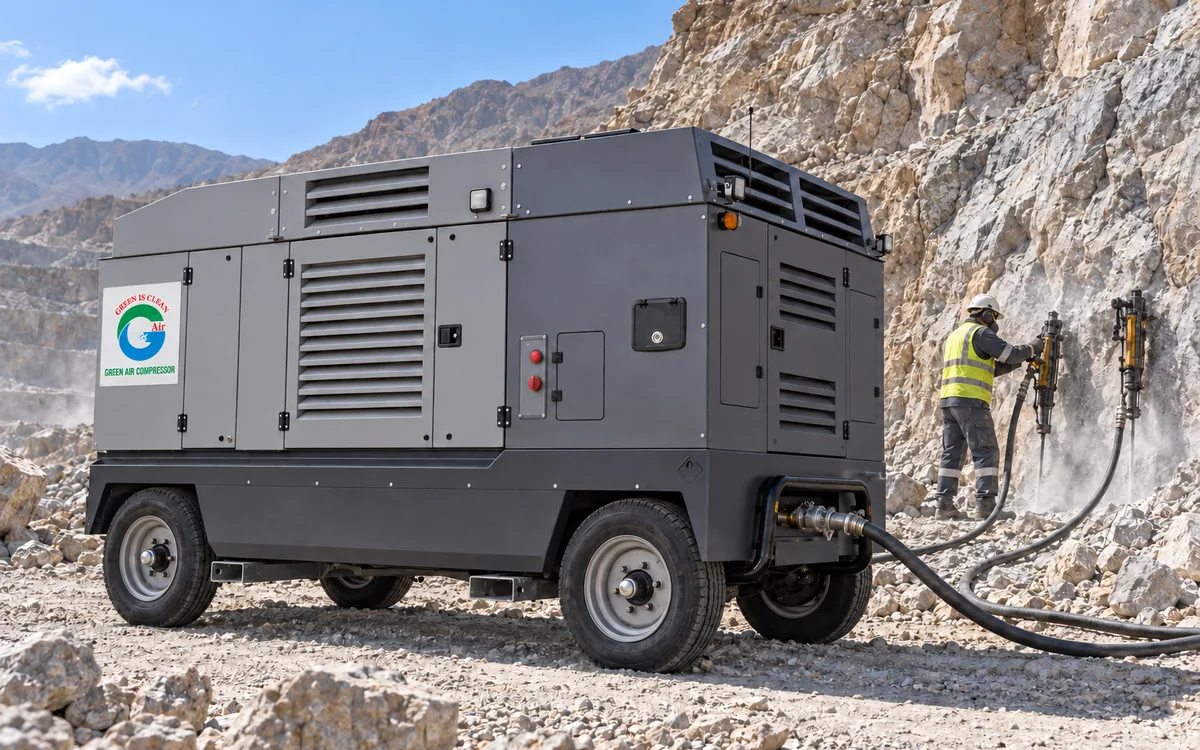
Mining and quarrying
Air and dewatering that survive dust, distance and heat.
Learn moreNot sure which model you need?
Send us your air demand, working pressure and running hours. Our engineers will size the machine and send a written recommendation, no cost, no obligation.