
Nitrogen generators
Make your own nitrogen on site and stop paying for cylinders.
Technical data
- Weight
- 45 – 1,850 kg
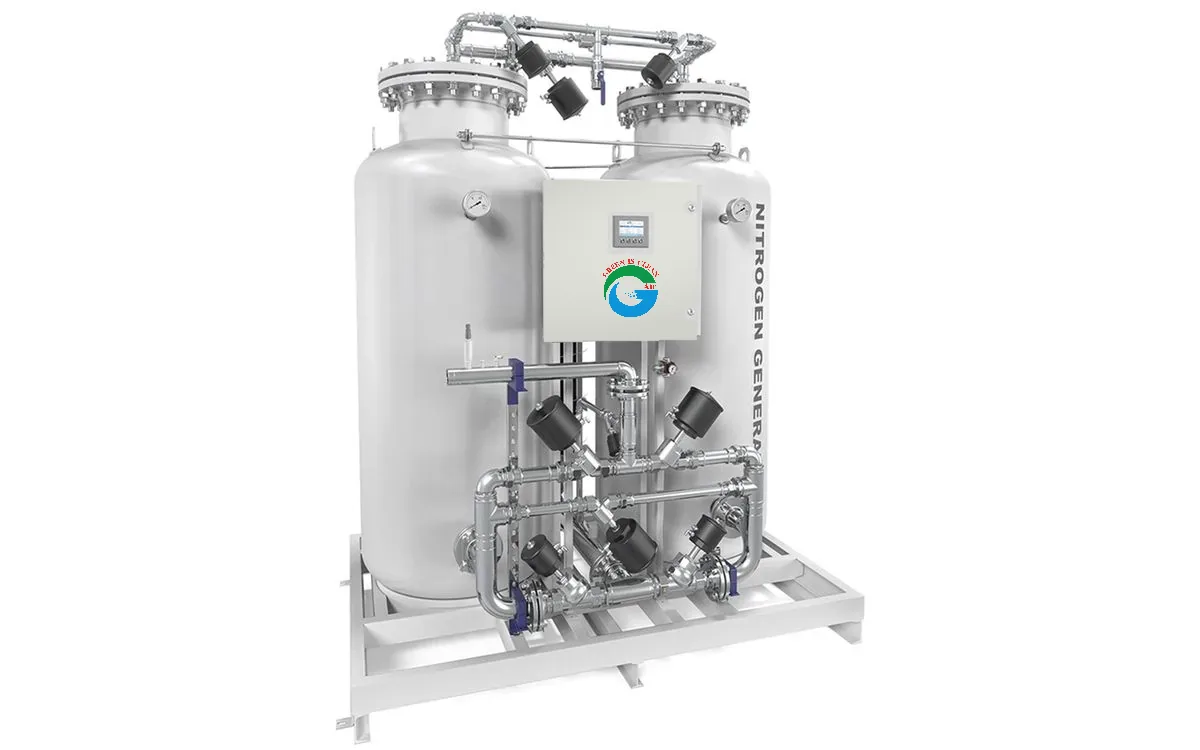
Overview
If you are buying nitrogen in cylinders or as liquid, you are paying for the gas, the container, the delivery, the rental and the empties going back. On-site generation removes all of that except the electricity.
A generator separates nitrogen from the compressed air you already produce, either with carbon molecular sieve (PSA) for high purity or with hollow-fibre membranes for simpler duties. Payback is commonly between one and three years, and we will calculate yours from your actual cylinder invoices.
Key benefits
No more cylinder handling
No deliveries, no rental, no empties, no running out on a Friday night.
Purity you choose
95% to 99.999% depending on the process. Buying more purity than you need is the most common waste.
One to three year payback
We work it out from your last twelve months of gas invoices before you commit to anything.
Runs off your existing air
Feeds from the plant compressed air network, or supplied as a complete package with its own compressor.
How it is built
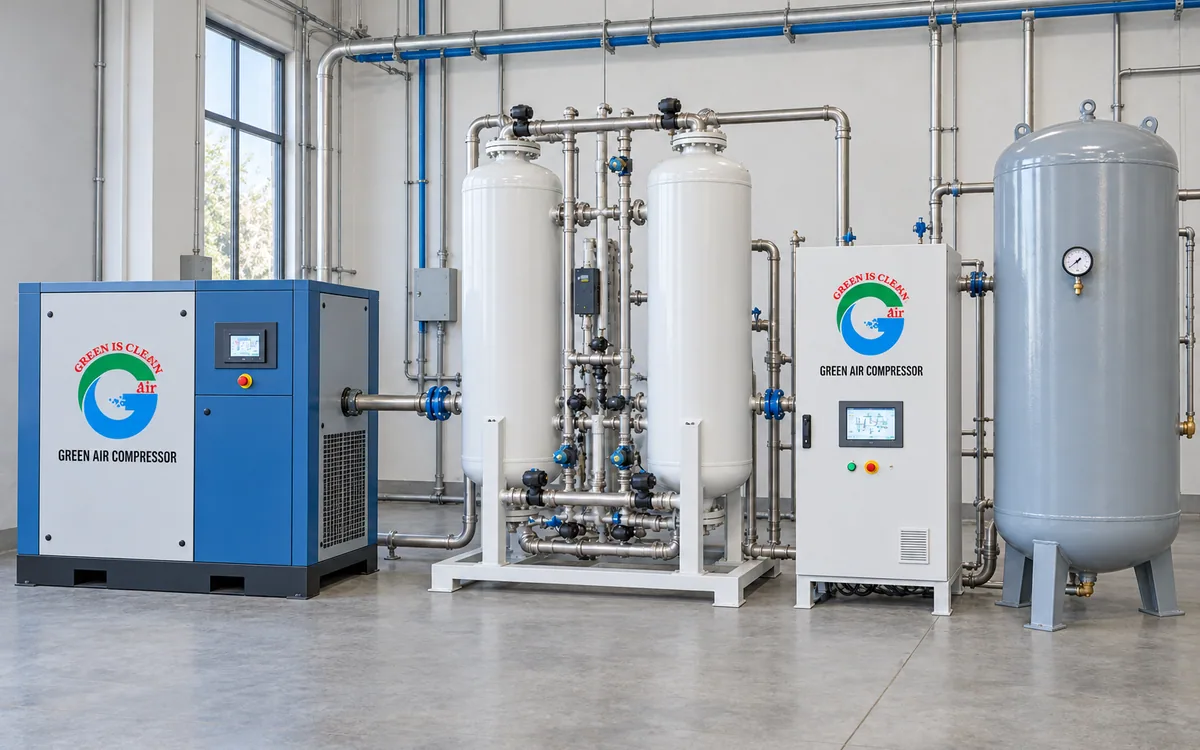
Nitrogen is separated from your own compressed air rather than delivered in cylinders. A membrane or a carbon molecular sieve holds back the nitrogen and lets the oxygen through, and the purity you set decides how much air it takes.
Air quality going in decides everything. Oil or water reaching the membrane or the sieve shortens its life sharply, so the filtration and drying ahead of the generator are part of the machine rather than an accessory.
The generator can run from your existing plant air if you have spare capacity, or come as a package with its own compressor. Which is better depends on how much headroom you already have.
- Membrane or pressure swing adsorption
- Purity from ninety five to ninety nine point nine nine nine per cent
- Runs on your own compressed air
- Complete package with compressor available
- Filtration and drying included in the design
- Buffer vessel sized for your demand
- No cylinder handling or delivery contracts
- Purity monitored continuously
What the controller does
It shows the purity being produced, not just that the machine is running. Purity is the whole product, so it is measured continuously and alarmed rather than checked occasionally.
Purity and flow trade against each other. The controller lets you set the purity your process actually needs, and asking for more than that is one of the most expensive habits in a plant.
Low purity diverts to atmosphere rather than sending out of specification gas downstream. That single behaviour is why a generator can be trusted on a food or pharmaceutical line.
- Purity measured and displayed continuously
- Purity setpoint matched to the process
- Out of specification gas diverted automatically
- Flow and pressure shown
- Buffer vessel pressure monitored
- Service countdown in hours
- Volt free contacts for plant alarms
- Remote monitoring available
Parts and service kits
The filters ahead of the generator are the service item that matters. They protect the membrane or the sieve, and they are the cheapest part of the system to look after.
Membranes and sieve beds are long life items when the air reaching them is clean and dry. When it is not, they become the most expensive lesson in the plant room.
We verify purity after every service and issue the reading. On a regulated line that record is part of the service, not an extra.
- Prefilter elements on the schedule
- Dryer serviced with the generator
- Purity verified and recorded after service
- Membrane and sieve life monitored
- Buffer vessel inspection
- Kits held in local stock
- One visit for compressor, dryer and generator
- Fixed price under a service plan
Model range
- 95% purity
- 1.0 m³/h nitrogen
- Weight
- 45 kg
- Dimensions L x W x H
- 400 × 300 × 900 mm
- 99% purity
- 2.5 m³/h nitrogen
- Weight
- 78 kg
- Dimensions L x W x H
- 500 × 350 × 1,100 mm
- 99.5% purity
- 6.0 m³/h nitrogen
- Weight
- 220 kg
- Dimensions L x W x H
- 800 × 700 × 1,800 mm
- 99.9% purity
- 15.0 m³/h nitrogen
- Weight
- 480 kg
- Dimensions L x W x H
- 1,200 × 900 × 2,000 mm
- 99.99% purity
- 40.0 m³/h nitrogen
- Weight
- 980 kg
- Dimensions L x W x H
- 1,800 × 1,100 × 2,200 mm
- 99.999% purity
- 90.0 m³/h nitrogen
- Weight
- 1,850 kg
- Dimensions L x W x H
- 2,400 × 1,400 × 2,400 mm
FAD measured to ISO 1217 Edition 4, Annex C and E at 1 bar a intake, 20°C, 0% humidity. Noise measured to ISO 2151 in free field conditions, tolerance ± 3 dB(A). Water-cooled versions of every model are available. Ask us for their sheet.
Frequently asked questions
Why generate nitrogen instead of buying cylinders?
Buying it means paying for the gas, the container, delivery, rental and returning the empties. Generating removes all of that except the electricity.
What is the payback?
Commonly one to three years. We work it out from your last twelve months of gas invoices before you commit to anything. It is arithmetic, not a sales claim.
What purity do I actually need?
Food packaging usually works at 99.5%. Laser cutting stainless needs 99.999%. The jump between them roughly doubles the running cost, so it is worth checking rather than assuming.
PSA or membrane. What is the difference?
Membrane is simpler and suits 95–99% purity at modest flows. PSA uses carbon molecular sieve and reaches 99.999%, which is where most industrial duties sit.
Does it need its own compressor?
It can feed from your existing plant air, or be supplied as a complete package with its own compressor. Which is better depends on how much spare capacity you already have.
How much compressed air does it consume?
That is the real running cost, and it rises steeply with purity. At 99.999% you need considerably more feed air per Nm³ of nitrogen than at 99.5%.
How reliable is it?
No moving parts in the separation stage on a membrane unit, and only valves on a PSA. The compressor feeding it is usually the part that needs attention.
What happens if it fails? Do I lose production?
We usually keep a cylinder bank as backup with automatic changeover, so a fault becomes a service call rather than a stoppage.
Can it fill cylinders?
With a booster, yes. That is a common arrangement where a site needs both a piped supply and portable cylinders.
What maintenance does it need?
Pre-filtration changes on schedule, valve service on PSA units, and purity monitoring. Poor pre-filtration is what shortens the life of the sieve or membrane.
Related products
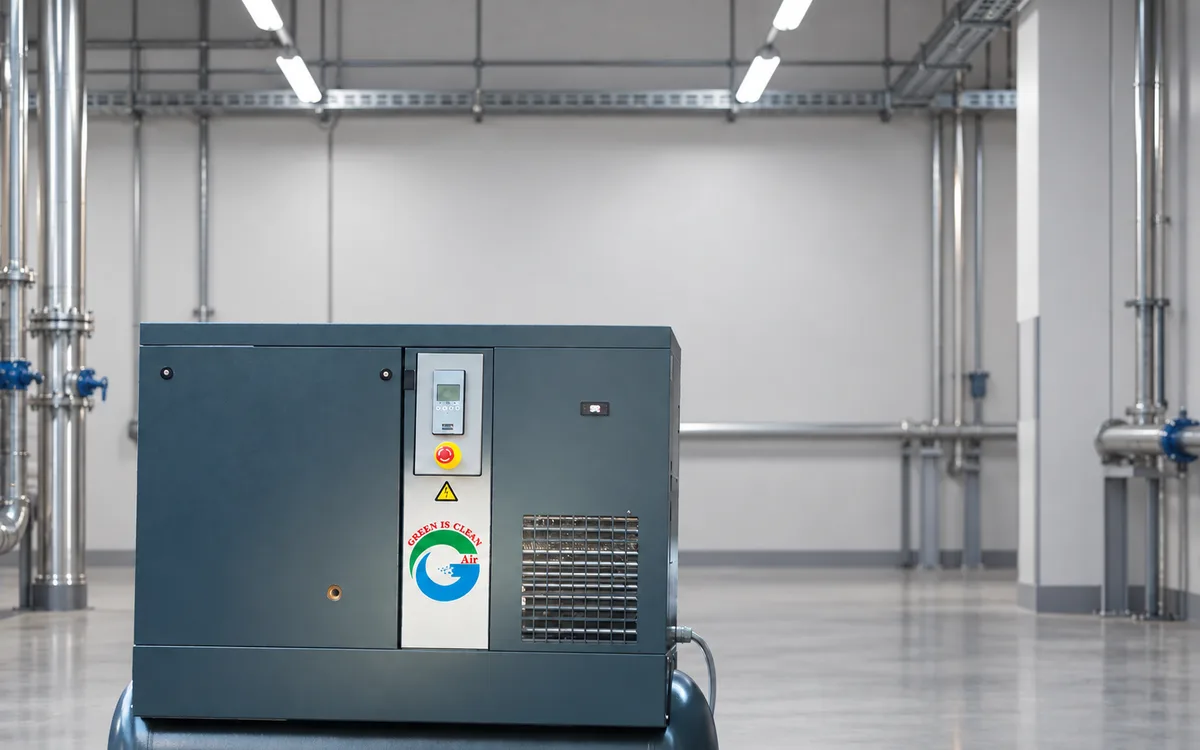
Air compressors
Rotary screw, oil-free and piston compressors from 2.2 to 355 kW.
- Free air delivery
- 0.1 – 109.0 m³/min (9 – 882 cfm)
- Working pressure
- 2 – 1,000 bar g
- Motor power
- 2 – 355 kW
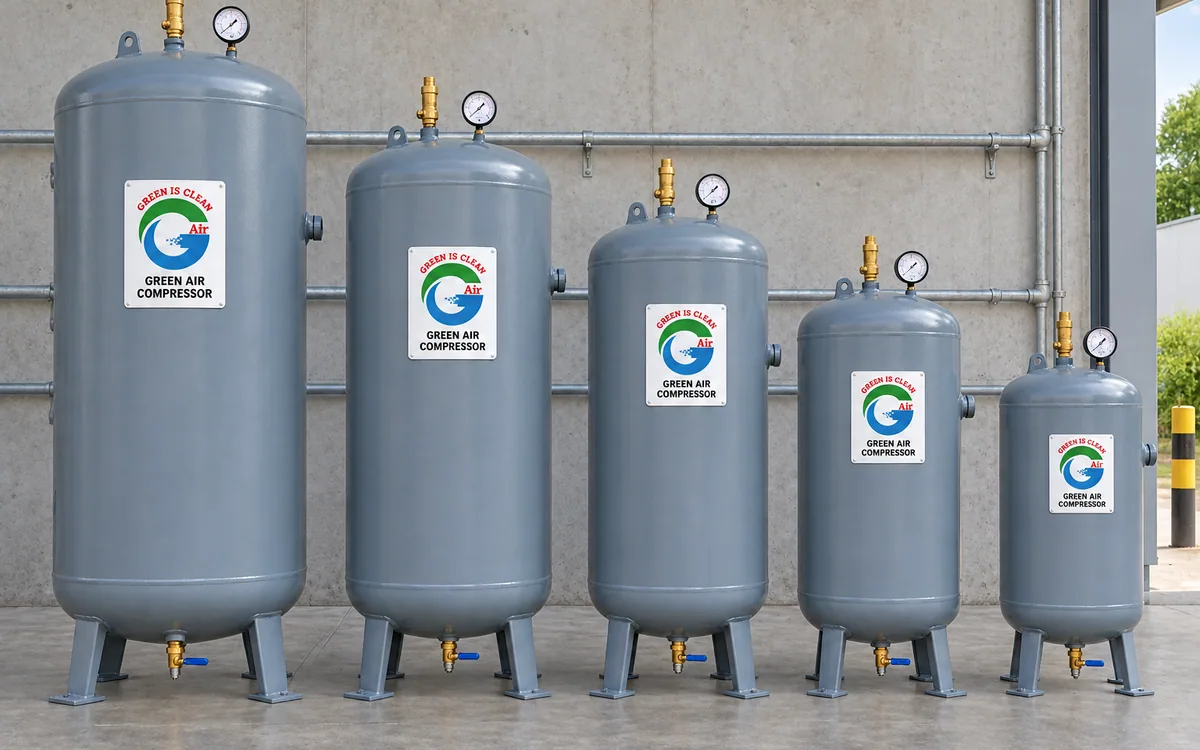
Air receivers and tanks
Storage, separation and the vessel that stops your compressor short cycling.
- Working pressure
- 1 – 13 bar g
- Weight
- 99 – 1,240 kg
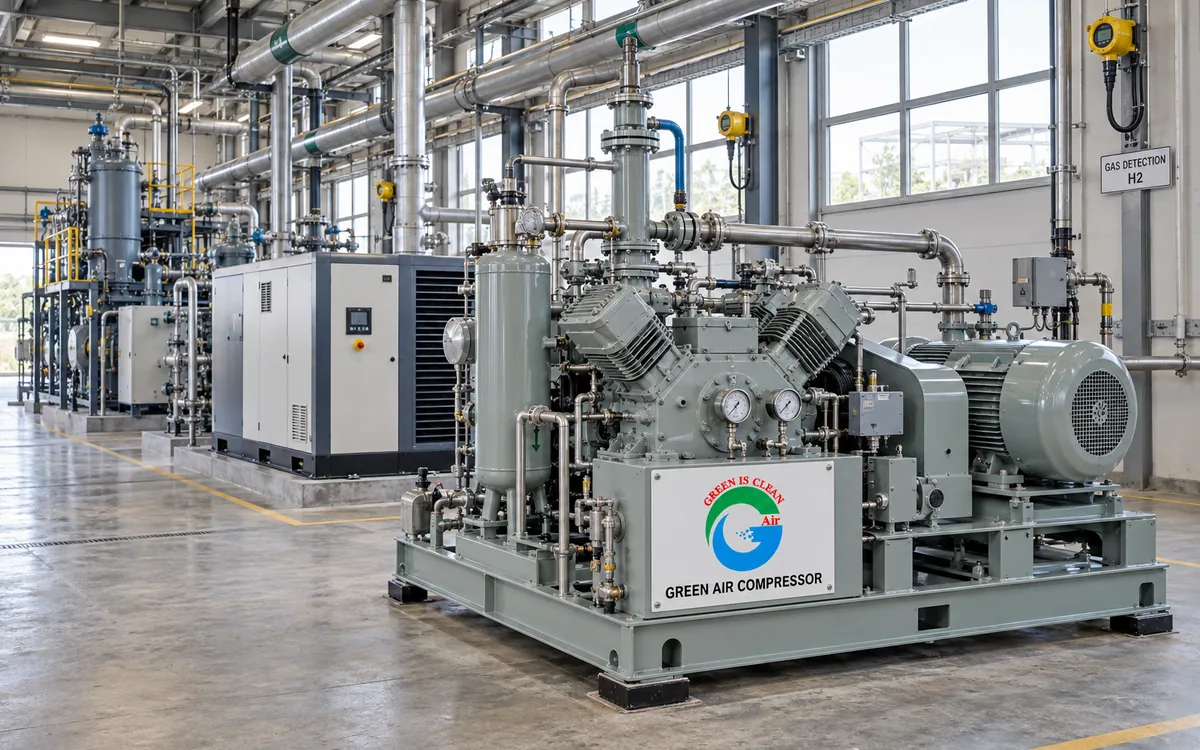
Gas compressors
Nitrogen, oxygen, biogas, LPG, natural gas, ammonia, argon and boil off gas.
- Free air delivery
- 10 – 3,500 Nm³/h
- Working pressure
- 1 – 210 bar g
- Motor power
- 4 – 250 kW
Oxygen and hydrogen generation
Making the gas on site instead of paying for cylinders and deliveries.
- Working pressure
- 4 – 5 bar g
Not sure which model you need?
Send us your air demand, working pressure and running hours. Our engineers will size the machine and send a written recommendation, no cost, no obligation.