
Food and beverage
Class 0 air, documented, for anything that touches product.
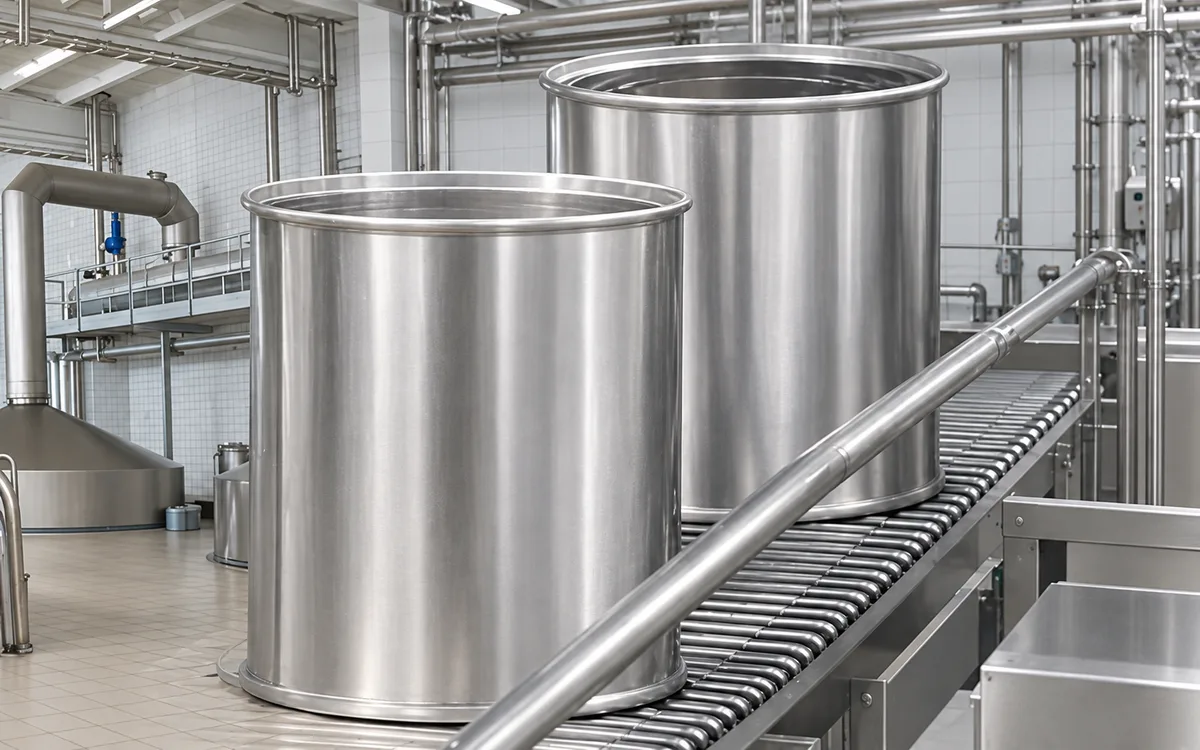
What we supply for this industry
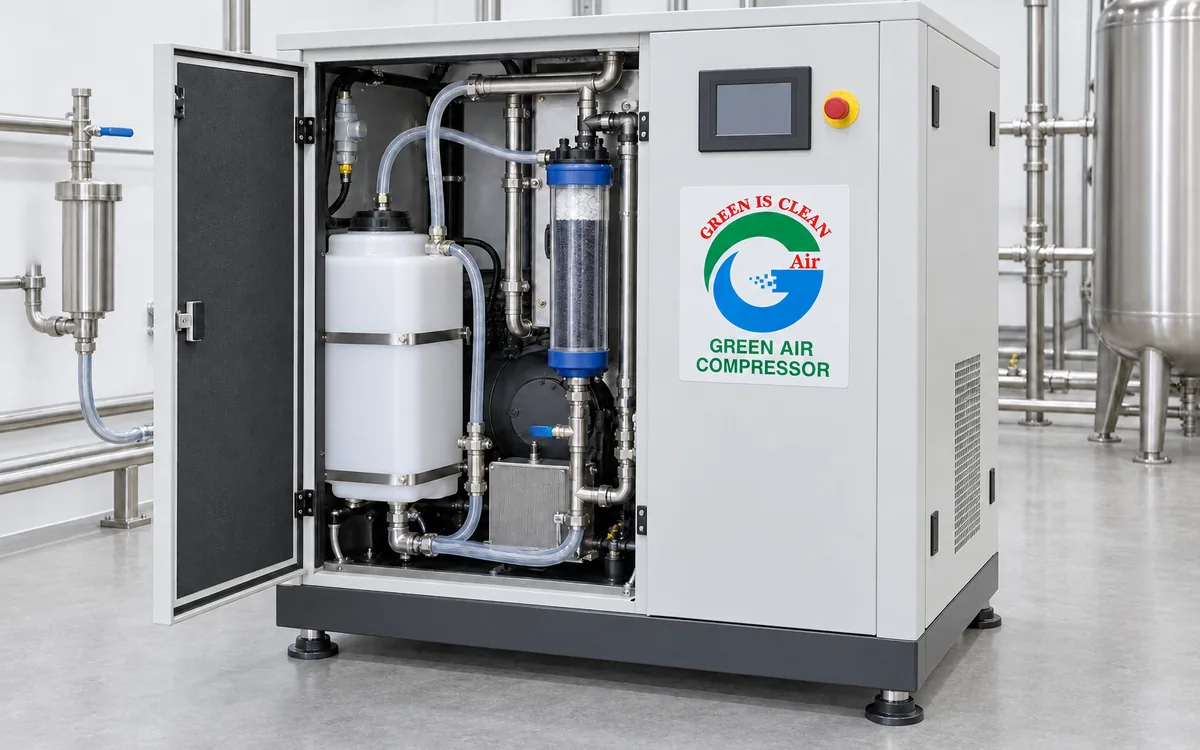
Water lubricated oil free compressors
Water seals and cools the rotors instead of oil. Class 0 air, 5.5 to 160 kW.
- Free air delivery
- 0.3 – 27.0 m³/min
- Working pressure
- 7 – 10 bar g
- Motor power
- 6 – 160 kW
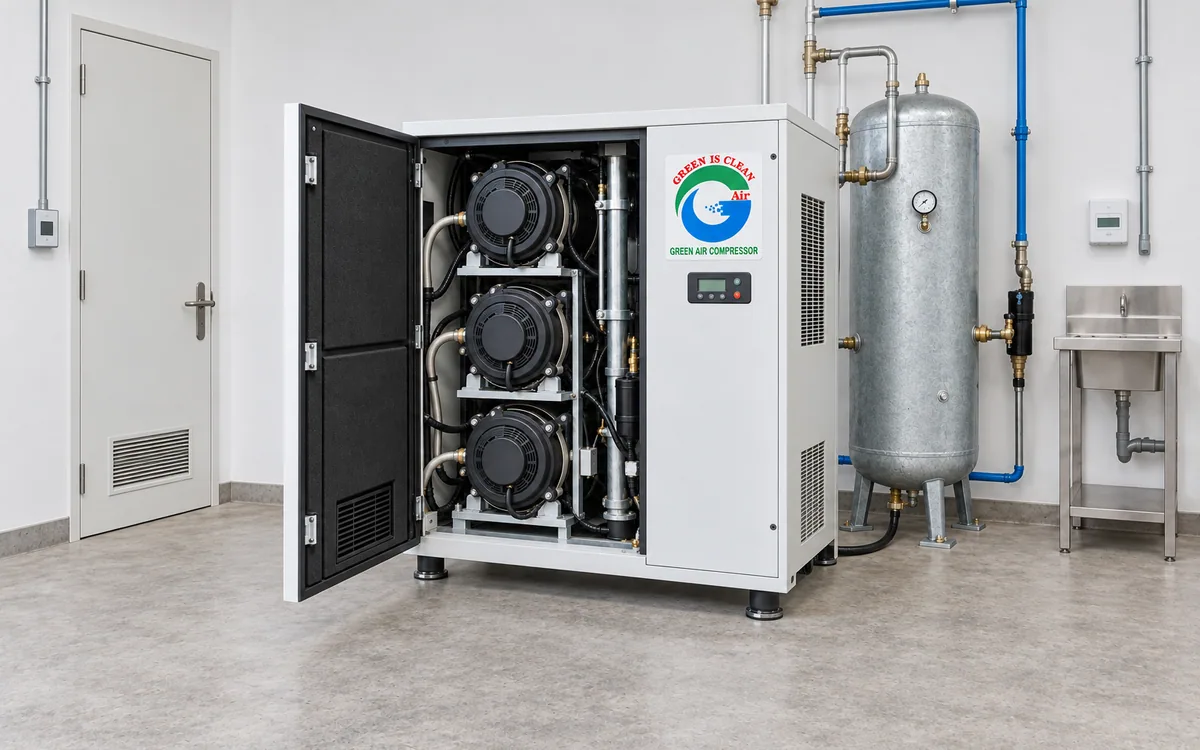
Oil free scroll compressors
Quiet, small, genuinely oil free. 7.5 to 37 kW at 8 bar g.
- Free air delivery
- 0.8 – 4.0 m³/min
- Working pressure
- 8 bar g
- Motor power
- 8 – 37 kW
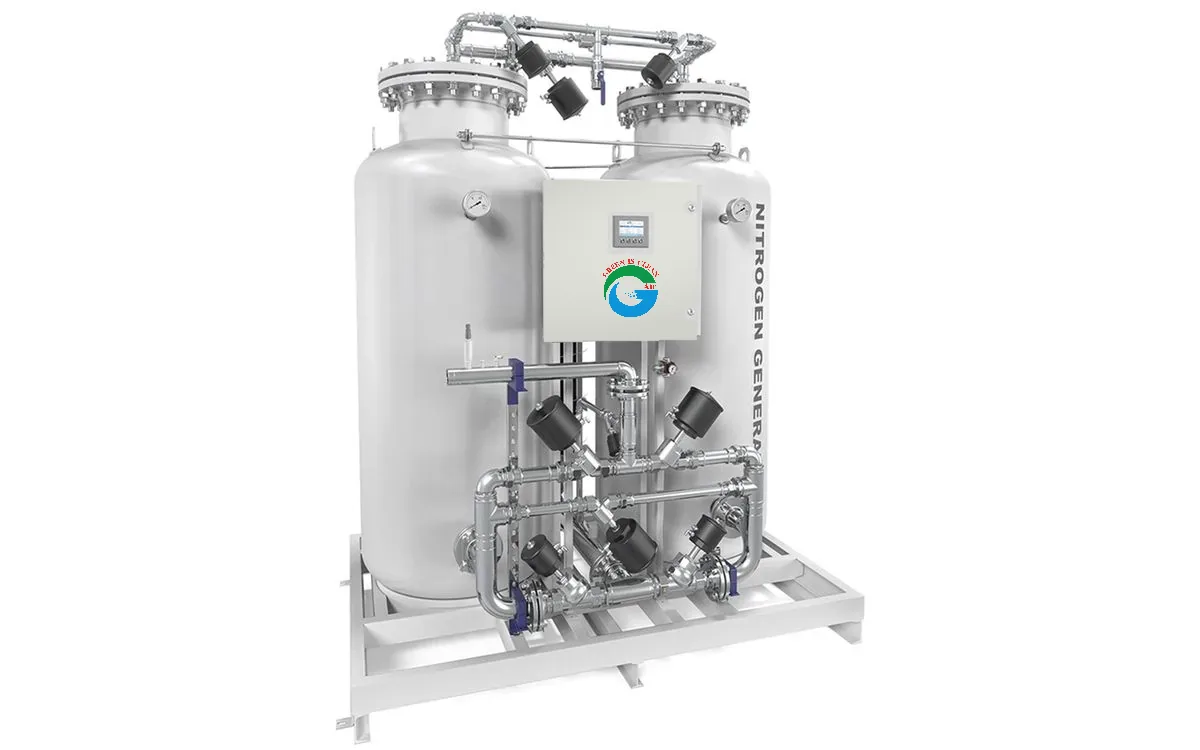
Nitrogen generators
Make your own nitrogen on site and stop paying for cylinders.
- Weight
- 45 – 1,850 kg
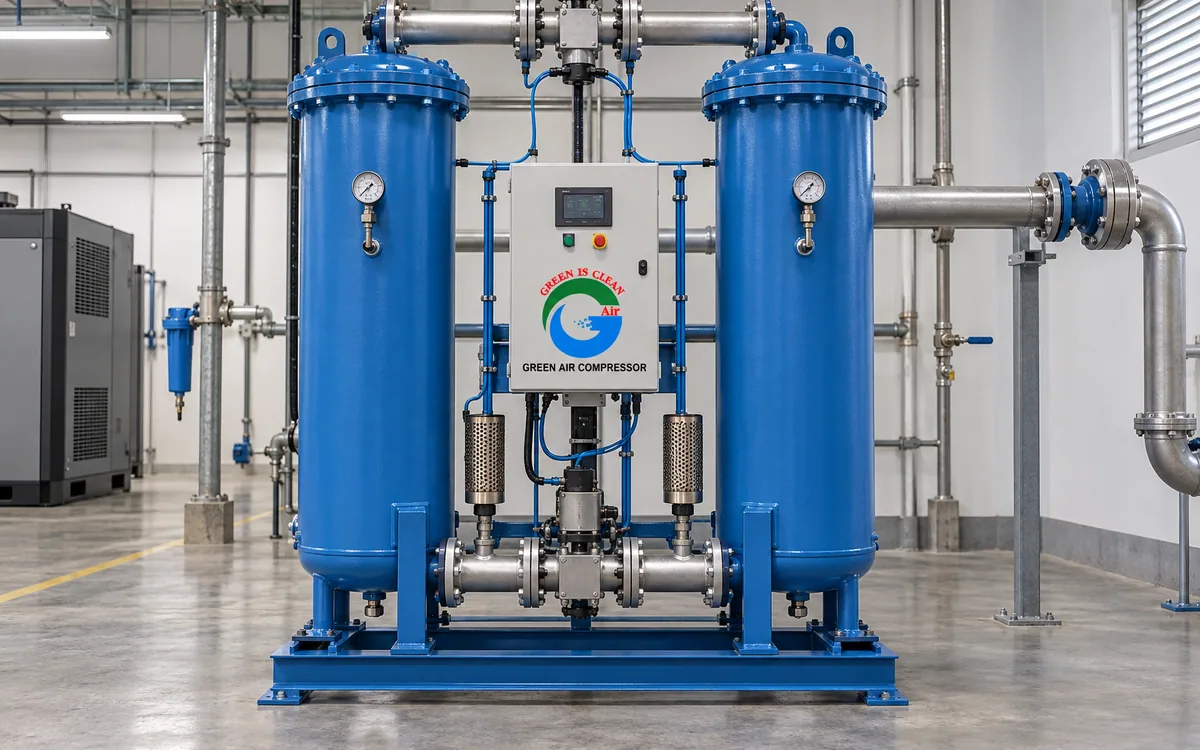
Heatless adsorption dryers
Minus 40 °C dew point with no heater. Simple, reliable, uses purge air.
- Free air delivery
- 1.4 – 80.0 m³/min
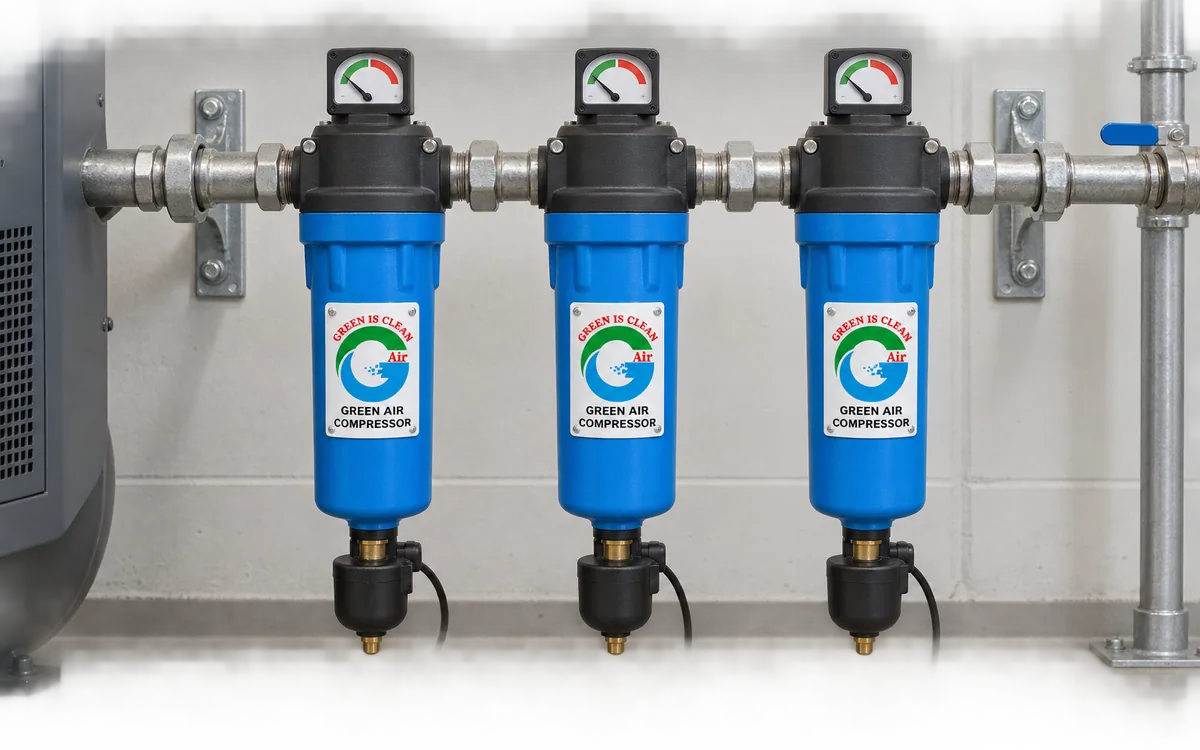
Precision compressed air filters
Particulate, coalescing and activated carbon, to every ISO 8573-1 class.
- Free air delivery
- 1.8 – 80.0 m³/min
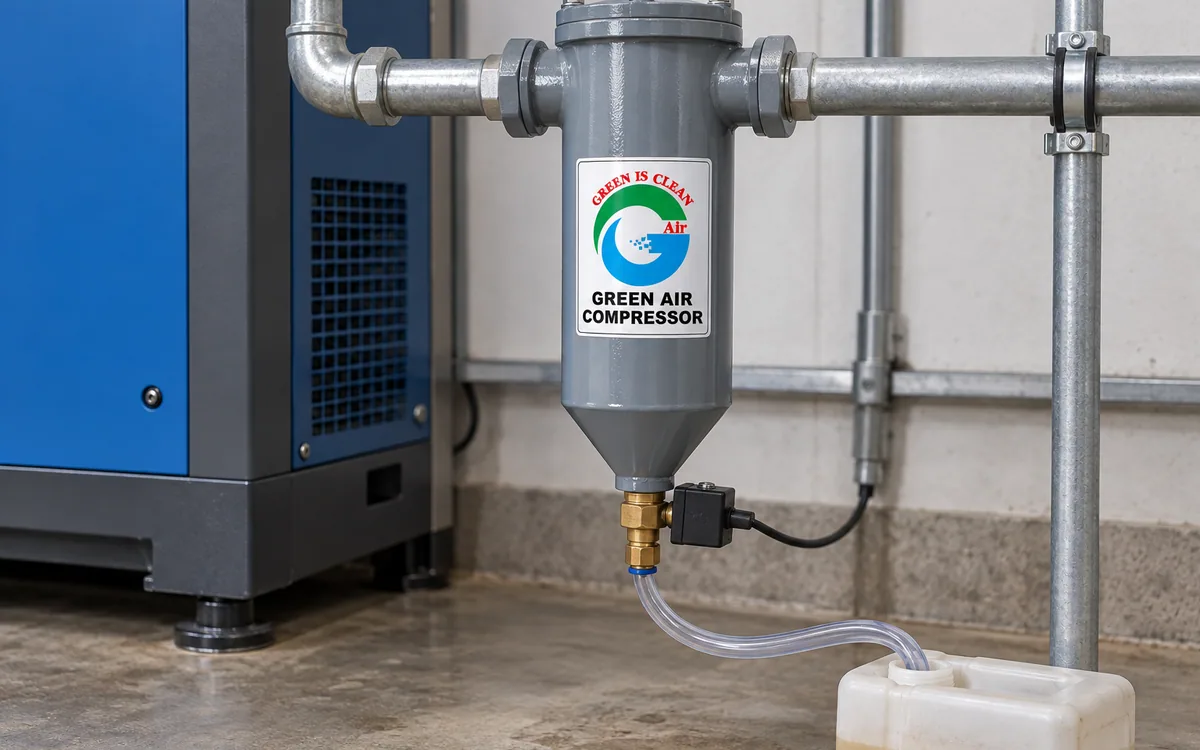
Cyclone water separators
Spins the bulk water out before it reaches the filters or the dryer.
- Free air delivery
- 0.6 – 60.0 m³/min
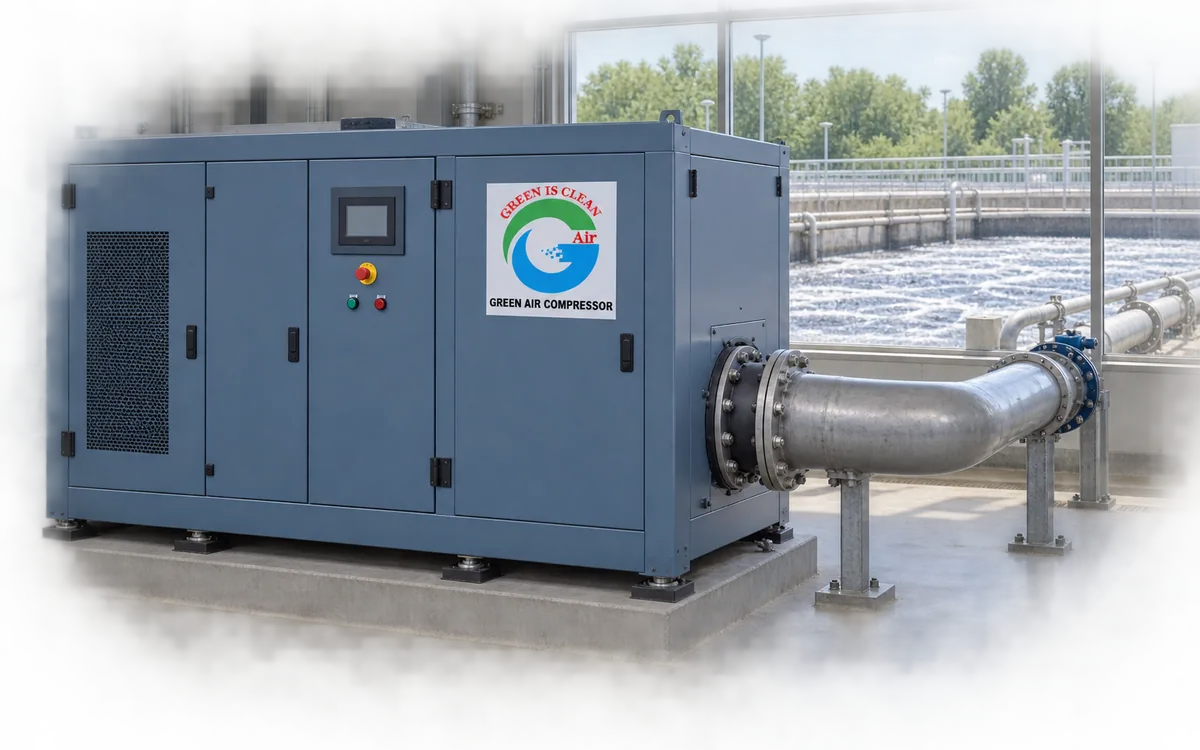
Oil free screw blowers
Screw compression at blower pressures. Up to 1.5 bar g, 22 to 180 kW.
- Free air delivery
- 15.0 – 98.0 m³/min
- Motor power
- 22 – 180 kW
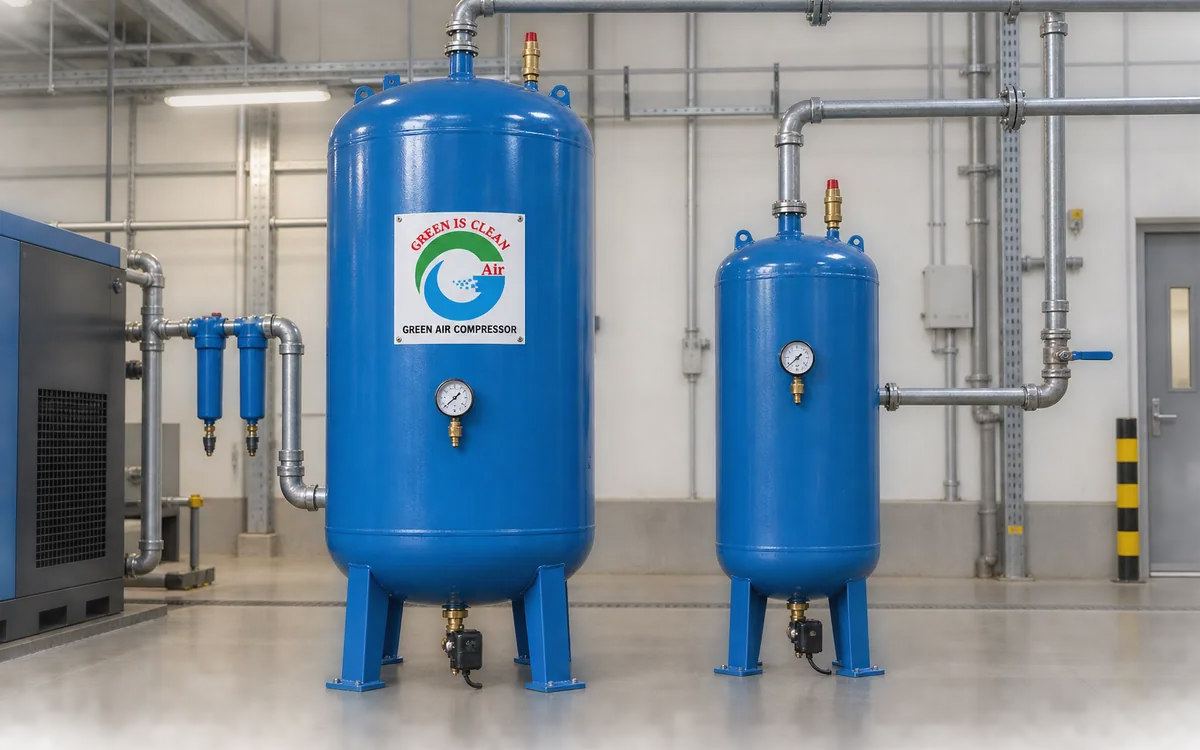
Air receivers and storage tanks
0.3 to 10 m³, carbon steel, stainless and vacuum. 8, 10 and 13 bar g.
- Working pressure
- 1 – 13 bar g
- Weight
- 99 – 1,240 kg
Overview
Any air that contacts food, packaging that contacts food, or the surfaces either of them touch is part of your food safety system. That means it has to be specified, filtered, monitored and documented like any other critical control point.
In practice that usually means oil-free compression, drying to the required dew point, sterile filtration at point of use, and a record showing the air quality achieved, which is what an auditor will ask to see.
Key benefits
Class 0 by design
Oil-free machines remove contamination risk instead of managing it with filters that can fail.
Audit-ready records
Air quality testing and certification documentation supplied for BRC, FSSC and HACCP files.
Correct dew point
Specified against your coldest pipework run, so no condensation reaches a filler.
Hygienic installation
Stainless ring mains, sanitary point-of-use filtration and drainable low points.
What the process needs
Where air touches the product, or touches anything the product will touch, it has to be oil free rather than filtered until it is nearly oil free. A filter that fails silently does not announce itself until a batch is ruined.
Air quality is set by contact rather than by the industry. General factory air is typically ISO 8573-1 class 3.4.3, and food contact air is 1.2.1 or better.
Dryness matters as much as cleanliness. Water in the line reaches the filling head, and on a dry goods line it also reaches the powder.
- Oil free where air contacts product
- Class 0 certification supplied
- ISO 8573-1 1.2.1 or better for contact air
- Dryness specified with cleanliness
- Nothing oily to treat as condensate
- Sanitary filtration and housings
- Documentation for audits supplied
- Validation support available
What an audit will ask for
The Class 0 certificate for the machine, the filtration specification, and the record that both are still current. Auditors ask for the current documents rather than the original ones.
The service record against the serial number, showing that the air quality path has been maintained rather than assumed.
The dew point being achieved, measured rather than indicated. A lamp on a dryer is not evidence.
- Class 0 certificate, current not original
- Filtration specification documented
- Service record against the serial number
- Dew point measured and recorded
- Certificates reissued after any works
- Records kept by us on your behalf
- Copies issued for your quality system
- Support during the audit itself
How we support a plant
Certificates reissued after any work that could affect the air path, because an auditor asks for the current one.
Servicing planned around your production rather than around ours, and where the line cannot stop we arrange a rental machine for the duration.
We will also tell you where you are over specified. Filtering to pharmaceutical class for a packaging area is money spent every hour for nothing.
- Certificates reissued after every works
- Servicing planned around production
- Rental cover during a shutdown
- Honest advice where you are over specified
- Oil free and oil injected compared properly
- Condensate handled to discharge rules
- Local engineers in every market we serve
- Documented history for resale or audit
Frequently asked questions
Is compressed air part of my food safety system?
Yes, any air contacting food, food-contact packaging or the surfaces either touches has to be specified, filtered, monitored and documented like any other control point.
Do I need oil-free everywhere?
No, and specifying it everywhere is expensive. Oil-free for direct-contact air, oil-injected with proper filtration for general plant air, is the usual sensible arrangement.
What will an auditor ask to see?
Air quality test results against ISO 8573-1, the specification you designed to, and monitoring records. Having the certificate but no monitoring data is where audits usually go wrong.
What air quality class should I aim for?
1.2.1 or better for direct-contact air. General plant air is typically 3.4.3. The point is to specify each line for what it actually does.
What dew point do I need?
Specified against your coldest pipework run, so no condensation reaches a filler. In a chilled area that usually means desiccant drying, not refrigerant.
Where should point-of-use filters go?
As close to the application as practical. The last few metres of pipework are often the dirtiest part of the system, especially where older line is still in place.
Do I need stainless pipework?
For direct-contact air, yes, with drainable low points. Galvanised line sheds scale as it ages and that scale ends up in the product.
Can compressor heat be used in the plant?
Very often. Clean-in-place hot water is a continuous demand in most food plants, which makes heat recovery unusually attractive here.
What about nitrogen for packaging?
On-site generation at 99.5% covers most modified atmosphere packaging and removes cylinder deliveries, rental and running out on a Friday night.
How do I document the system for certification?
We supply air quality testing, certificates and the specification documentation for BRC, FSSC and HACCP files as part of the installation.
Related products
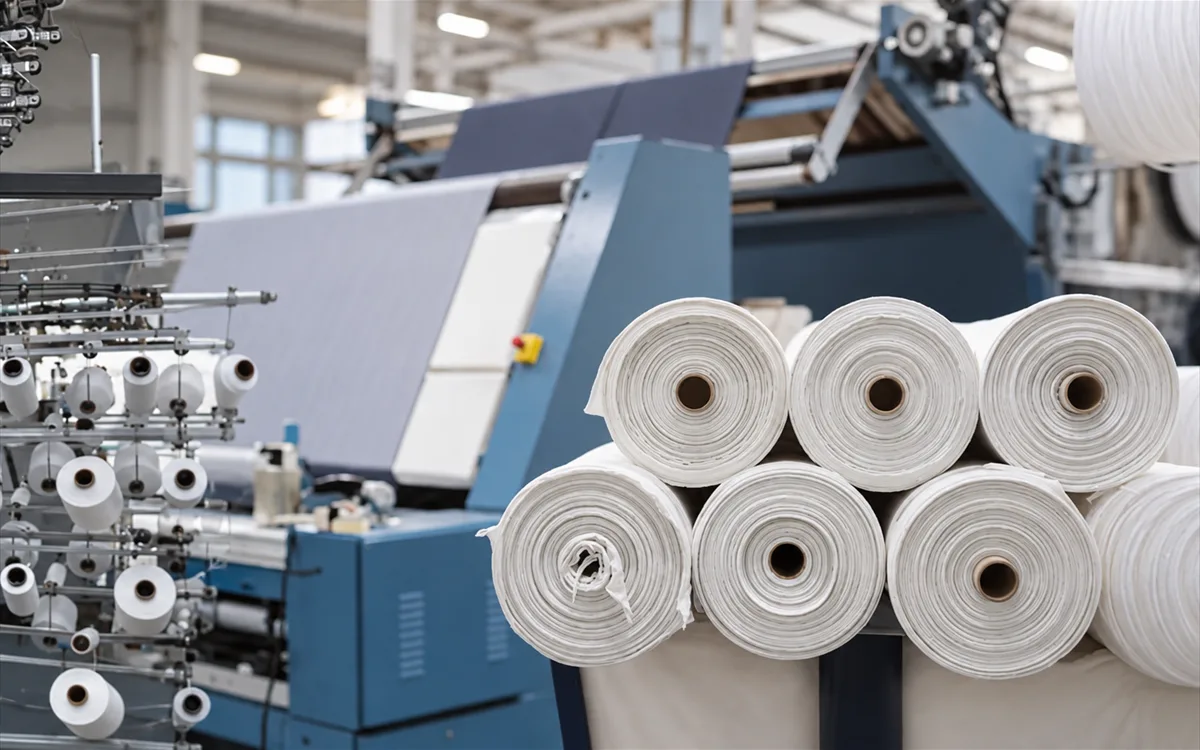
Textiles
Air-jet weaving, spinning and dyeing, where air is the largest utility.
Learn more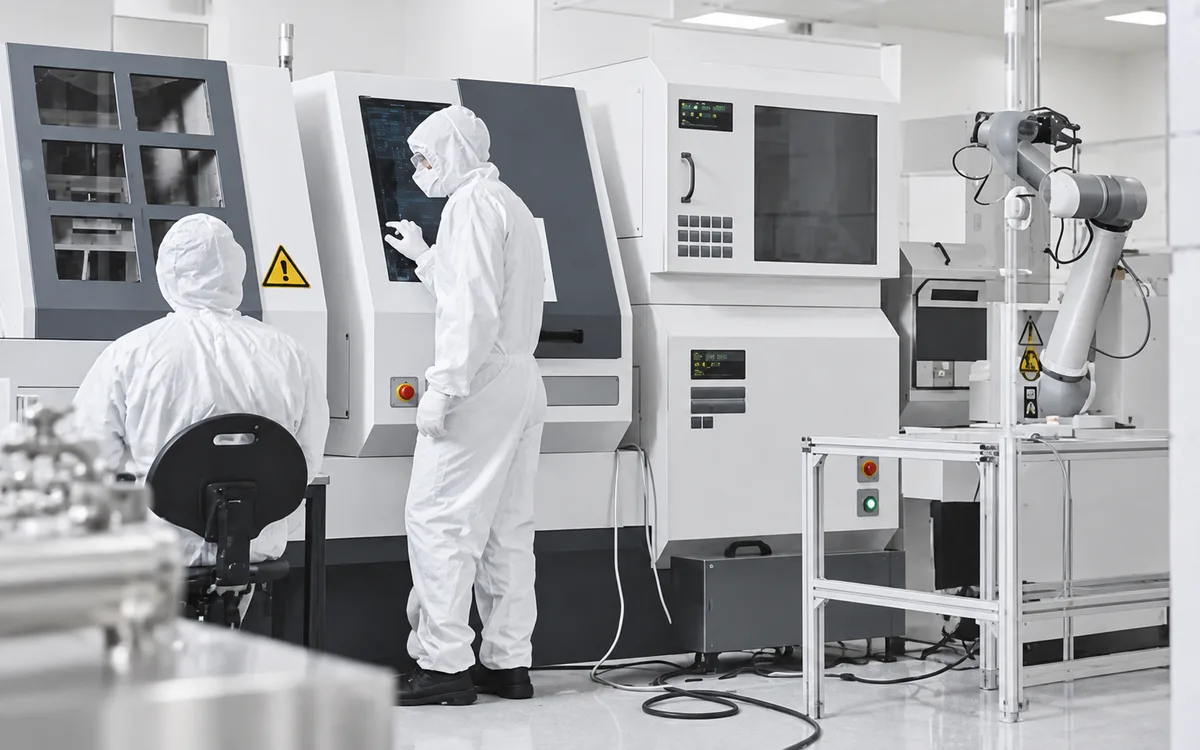
Pharmaceutical
Validated, qualified air systems with full documentation.
Learn more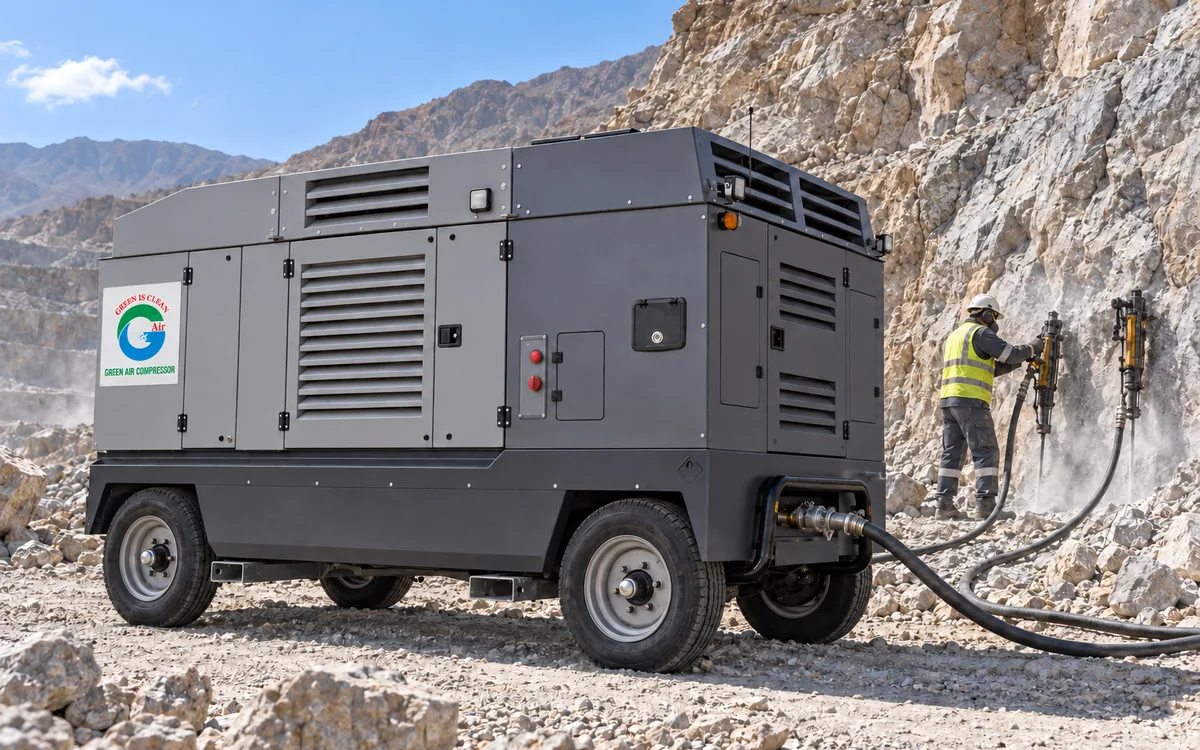
Mining and quarrying
Air and dewatering that survive dust, distance and heat.
Learn more
Construction
Portable air, pumps and tools that arrive when you need them.
Learn moreNot sure which model you need?
Send us your air demand, working pressure and running hours. Our engineers will size the machine and send a written recommendation, no cost, no obligation.