
Construction equipment
Portable compressors, dewatering pumps and handheld breaking tools.
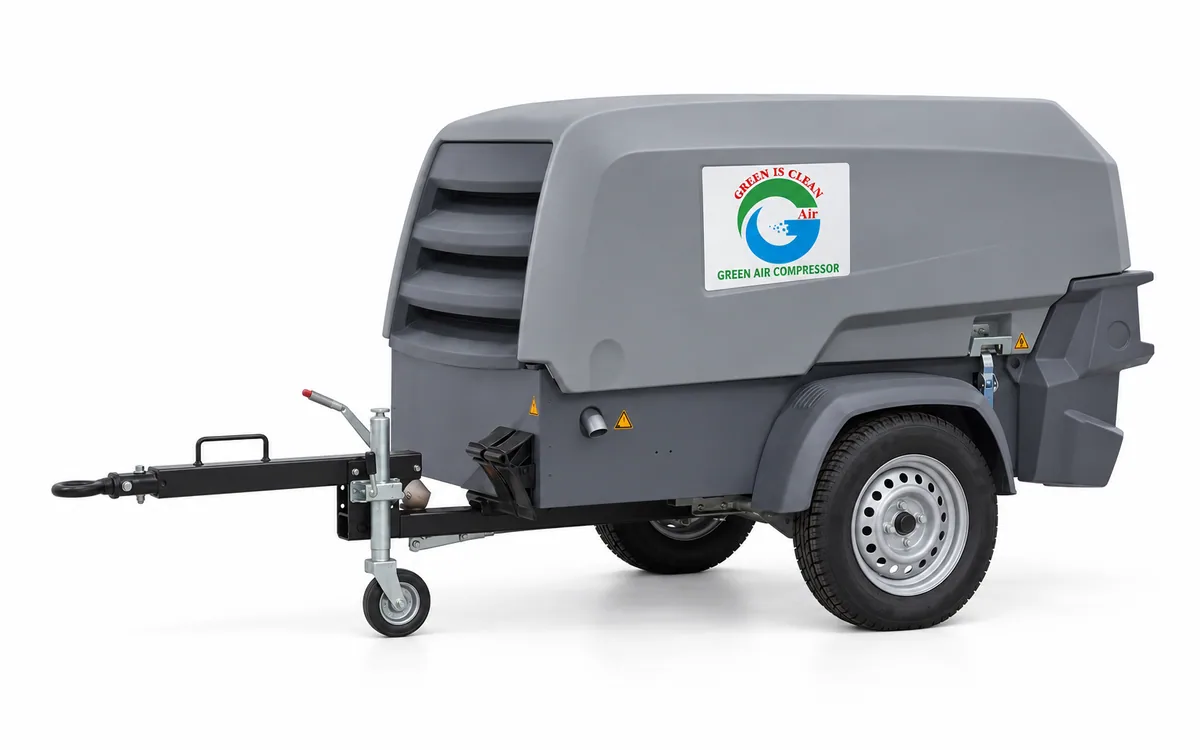
Overview
Site equipment gets treated differently from factory equipment. It is loaded onto a truck, dropped in the mud, run by whoever is available, and expected to start again the next morning.
Everything in this division is specified with that in mind: galvanised chassis, ground-level service points, dust-tolerant filtration and parts that are actually held in stock in Lahore, Riyadh, Dubai, Muscat and İstanbul.
In this range
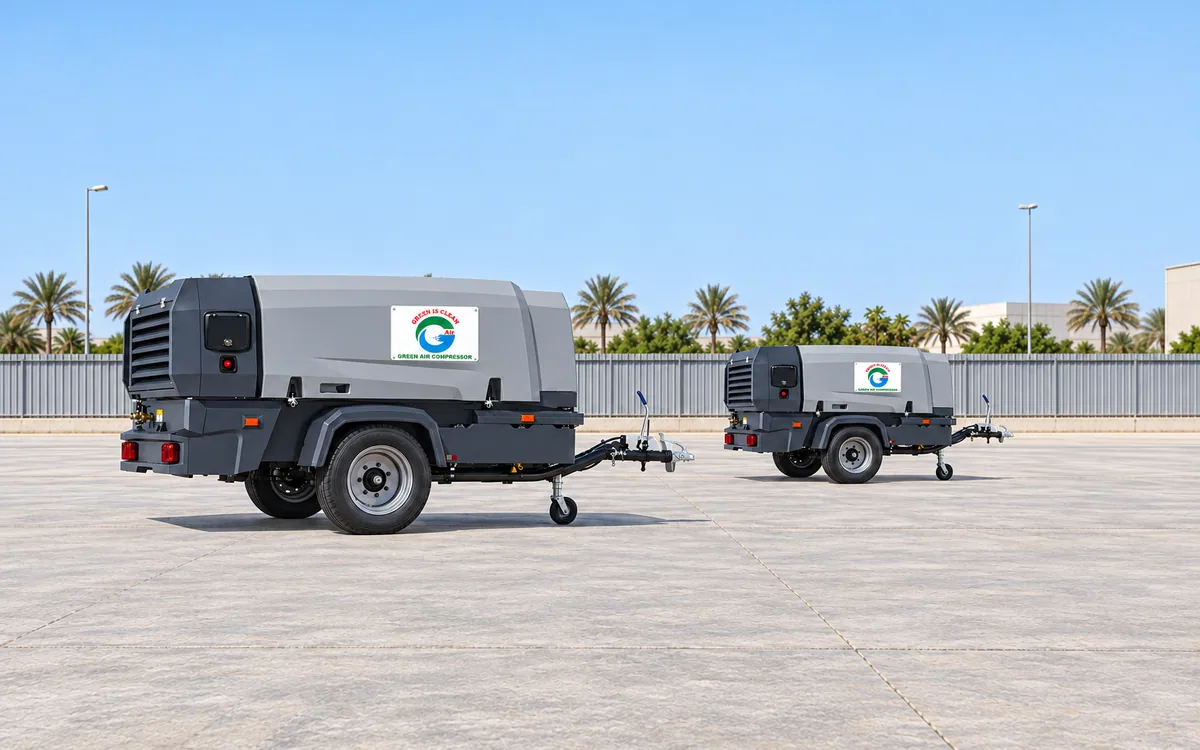
Mobile air compressors
Diesel and electric portable compressors from 185 to 1600 cfm.
- Free air delivery
- 1.5 – 27.0 m³/min (106 – 954 cfm)
- Working pressure
- 5 – 24 bar g
- Motor power
- 30 – 224 kW
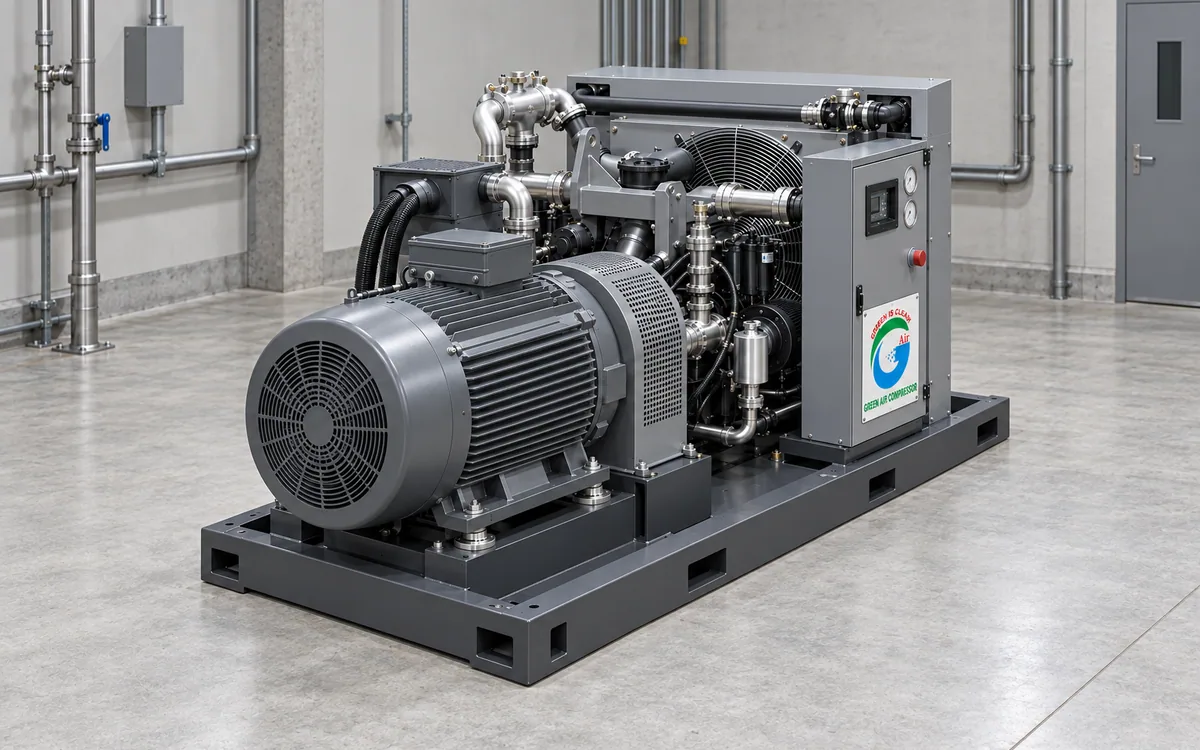
Portable specialty equipment
High-pressure boosters and purpose-built site packages.
- Free air delivery
- 10.0 – 16.0 m³/min
- Working pressure
- 7 – 40 bar g
- Motor power
- 75 – 129 kW
Key benefits
Built for sites, not adapted for them
Canopies that take knocks, lifting and towing points as standard, and service access that works on the wheels.
Serviced where the machine is
On site, fleet by fleet, so a machine never comes off hire for a routine service.
Machines in days
A stock range held ready, because a job with a start date does not wait for a build slot.
One view of the whole fleet
Hours, fuel, location and service countdown for every unit in one list.
Parts and service across the fleet
Everything here is serviced on site and the whole fleet is planned as one schedule rather than machine by machine. A unit that leaves site for a routine service is a unit off hire.
Kits are boxed by interval, so the engineer arrives with one box and the service is finished in one visit. On a dusty site the intake filter interval belongs to the site rather than to the manual.
Parts are held in every country we trade in. A site compressor waiting on a part is a site waiting on a part, and the transport time is usually the real downtime.
- Serviced on site, never moved for a service
- Whole fleet planned on one schedule
- Kits boxed at 250, 500 and 1,000 hours
- Engine and airend done in one visit
- Intake filter interval set by site conditions
- Parts held in every country we trade in
- Telemetry used to plan the visits
- Fixed price under a service plan
What is in this division
Portable compressors, dewatering pumps, breakers and handheld tools, plus the boosters, controllers and stock machines that sites keep asking for.
All of it is built for a site rather than adapted for one. Canopies that take knocks, lifting and towing points as standard, and service access that works while the machine sits on its wheels.
It is supported the way sites need it supported, which means on site rather than in a workshop.
- Diesel and electric portable compressors
- Submersible and surface dewatering pumps
- Breakers and handheld tools
- High pressure boosters for site work
- Machines held in stock for fast delivery
- Hire, hire purchase and purchase
- Serviced on site, not in a workshop
- Fleet telemetry across everything
Sizing and hiring
Count the tools running at the same time and add twenty five per cent. Two breakers need roughly seven cubic metres a minute and a single rock drill can need more than four breakers together.
Hire covers the peaks so the fleet is sized for the normal week rather than the worst one. We will show where the crossover to purchase sits rather than letting a hire quietly outrun it.
On the larger machines check transport first. Axle loads and permits can take longer to arrange than the equipment takes to deliver.
- Tools counted running at the same time
- Twenty five per cent added for losses
- Hire for peaks, purchase for the base
- Crossover to purchase shown honestly
- Transport and permits checked early
- Stock machines available in days
- Operator training on handover
- One service schedule for the fleet
Datasheets in this range
Two pages each: what the machine is, what it is for, and the measured table. Built from this site, so a sheet can never say something the page does not.
Frequently asked questions
What size portable compressor do I need?
Add up the air consumption of every tool that runs at the same time, add 20% for hose and coupling losses, then 10% for tool wear. Two medium breakers comes to about 4.5 m³/min, which is why the 185 cfm machine is the most common on site.
Diesel or electric?
Diesel where there is no supply, which is most sites. Electric indoors, in tunnels, on night work in residential areas, or anywhere a site rule bans engine exhaust. It is also cheaper per unit of air.
How much air does a breaker use?
A medium 18 kg breaker uses roughly 1.4 m³/min (50 cfm) at 6 bar. A large road breaker is nearer 2.0 m³/min (70 cfm).
Why do my tools feel weak on a big compressor?
Usually the hose, not the compressor. A 19 mm hose at 30 metres drops meaningful pressure. Going to 25 mm often fixes a complaint that looked like an undersized machine.
Should I buy bigger than I need to be safe?
No, an oversized diesel compressor spends its life lightly loaded, which burns more fuel per unit of air and eventually glazes the engine bores. Size it properly and it lasts longer.
Will it start on a cold morning?
Our machines have cold start assistance to −10 °C. The more common failure is a flat battery from a machine standing over a long weekend: a solar trickle charger solves it cheaply.
How long does a tank of fuel last?
The tank is sized for a full working shift at full load. Machines rarely run at full load all day, so most crews get well over a shift.
Can you service it on site?
Yes, our mobile vans carry filters, oil, belts and the common failure parts, so a routine service takes about two hours where the machine stands, no transport at either end.
Can I hire instead of buying?
Yes, from a day to a year, delivered and commissioned. If a long hire turns into a purchase, the rental paid is credited against the machine.
What about dewatering. Do you supply pumps too?
Yes, from a 12 kg portable pump for a trench to high head pumps lifting 200 metres out of a shaft. Same service team, same parts stock, one supplier to hold responsible.
Related products
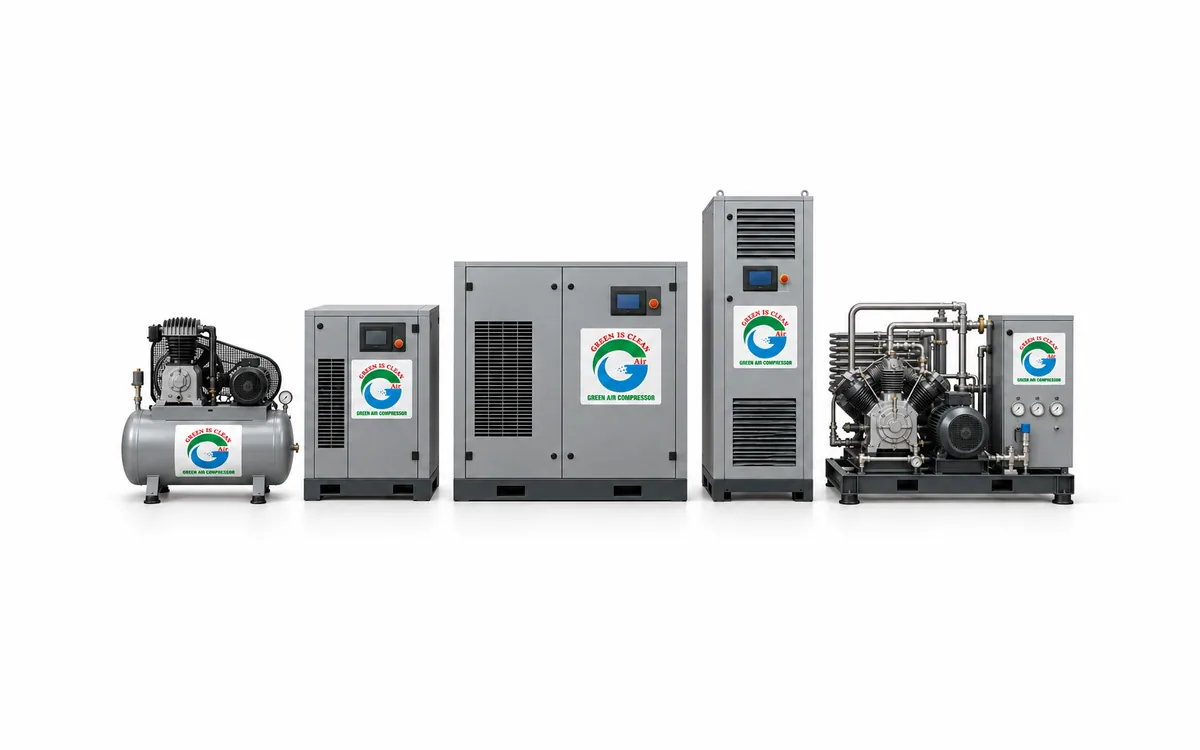
Compressors and air treatment
Screw, oil-free, piston and process compressors, plus everything downstream.
- Free air delivery
- 0.1 – 418.0 m³/min (9 – 882 cfm)
- Working pressure
- 1 – 1,100 bar g
- Motor power
- 1 – 450 kW
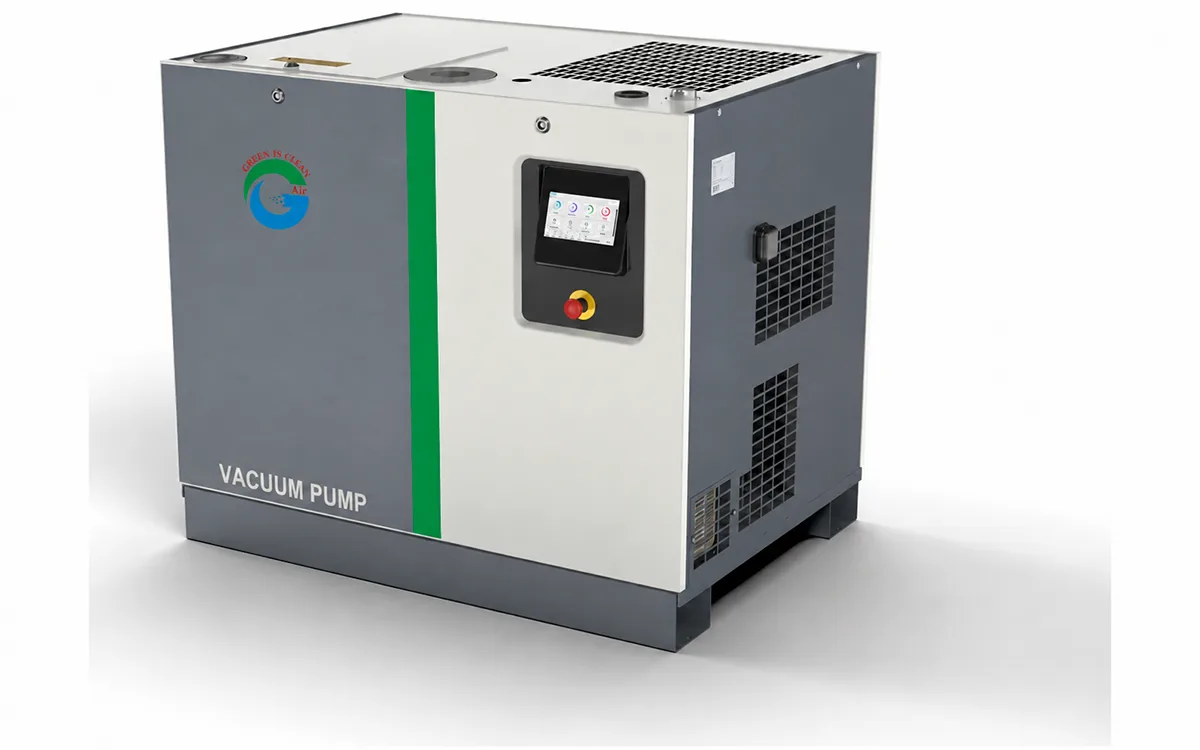
Vacuum solutions
Dry, oil-sealed and liquid ring vacuum pumps, plus full vacuum service.
- Working pressure
- 0 – 20 bar g
- Motor power
- 4 – 63 kW
- Weight
- 250 – 2,750 kg
Not sure which model you need?
Send us your air demand, working pressure and running hours. Our engineers will size the machine and send a written recommendation, no cost, no obligation.