
Textiles
Air-jet weaving, spinning and dyeing, where air is the largest utility.
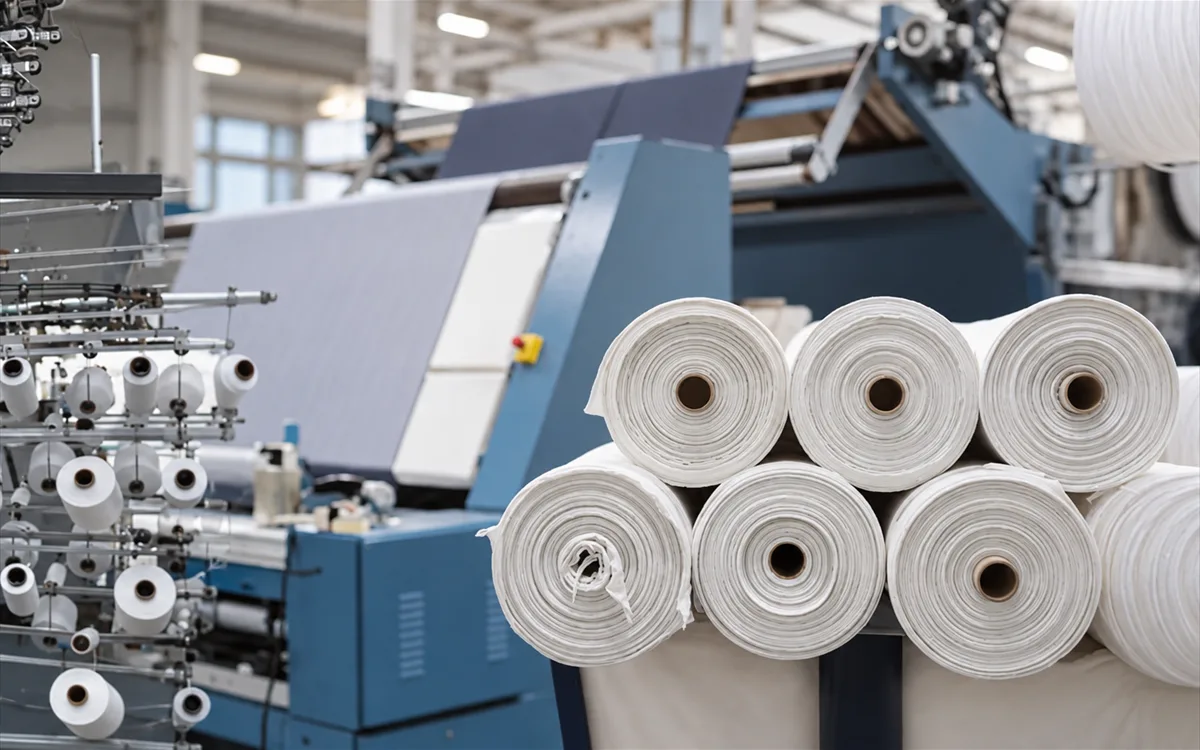
What we supply for this industry
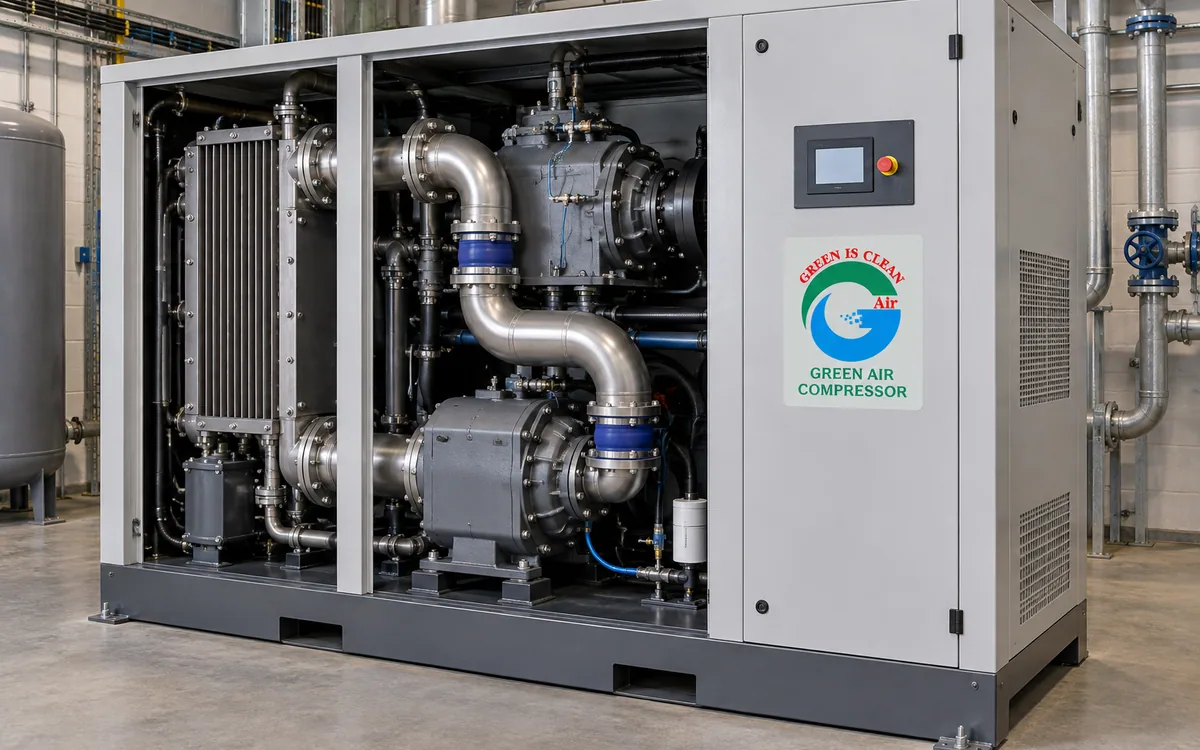
Two stage screw compressors
Compression in two steps. 45 to 500 hp, 4.5 to 12.5 bar g.
- Free air delivery
- 6.6 – 101.3 m³/min
- Working pressure
- 5 – 13 bar g
- Motor power
- 45 – 355 kW
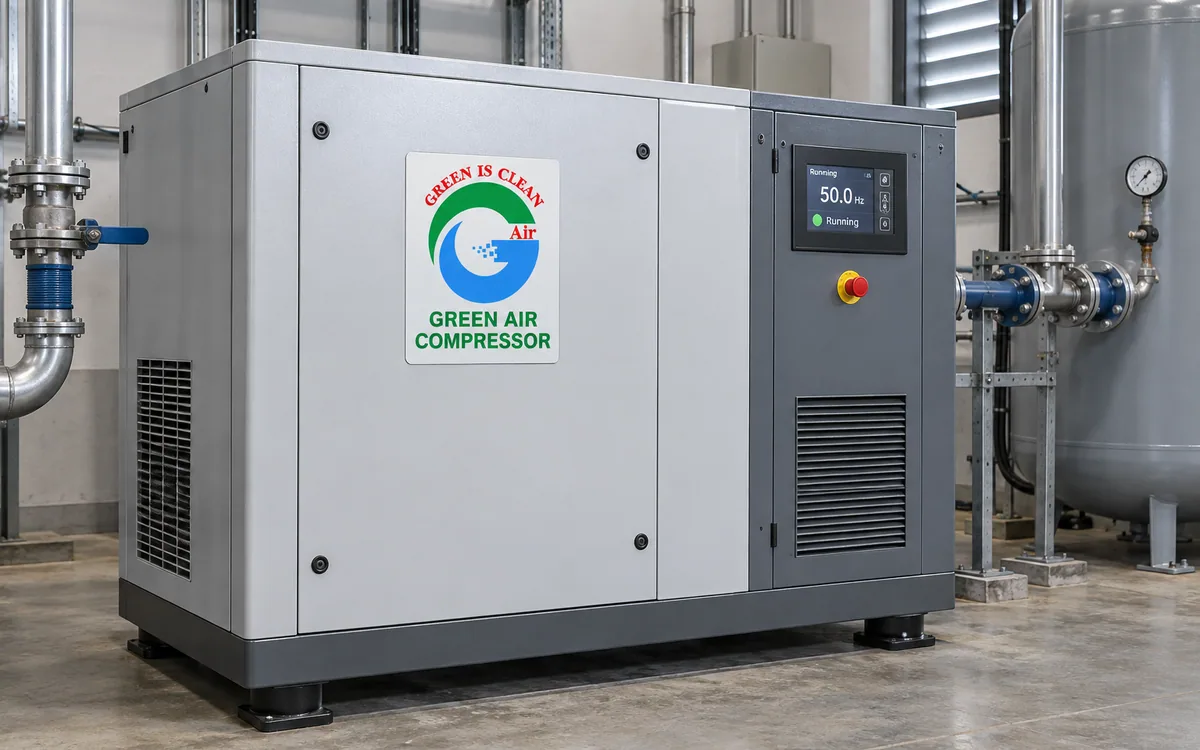
Variable speed screw compressors
The motor follows the demand. 7.5 to 280 kW, 8 to 13 bar g.
- Free air delivery
- 0.3 – 50.0 m³/min
- Working pressure
- 8 – 13 bar g
- Motor power
- 8 – 280 kW
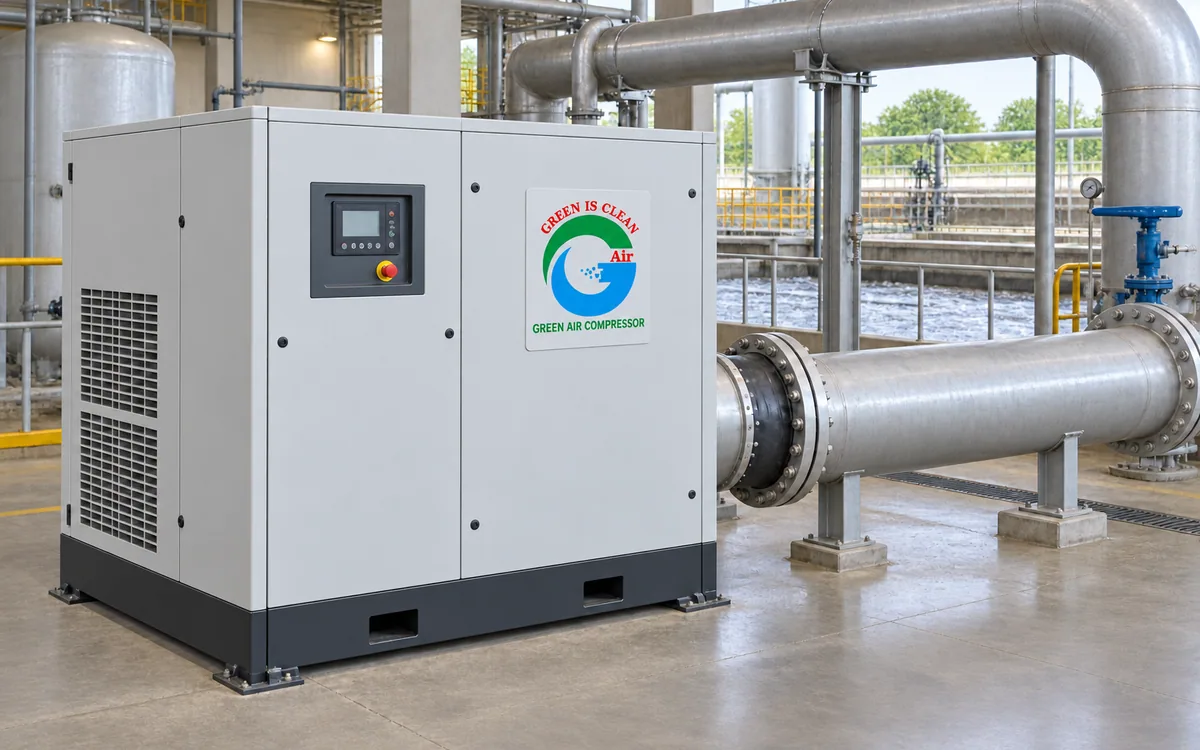
Low pressure screw compressors
2 to 4.5 bar g, where a standard machine would waste a third of its energy.
- Free air delivery
- 2.5 – 56.5 m³/min
- Working pressure
- 2 – 5 bar g
- Motor power
- 30 – 160 kW
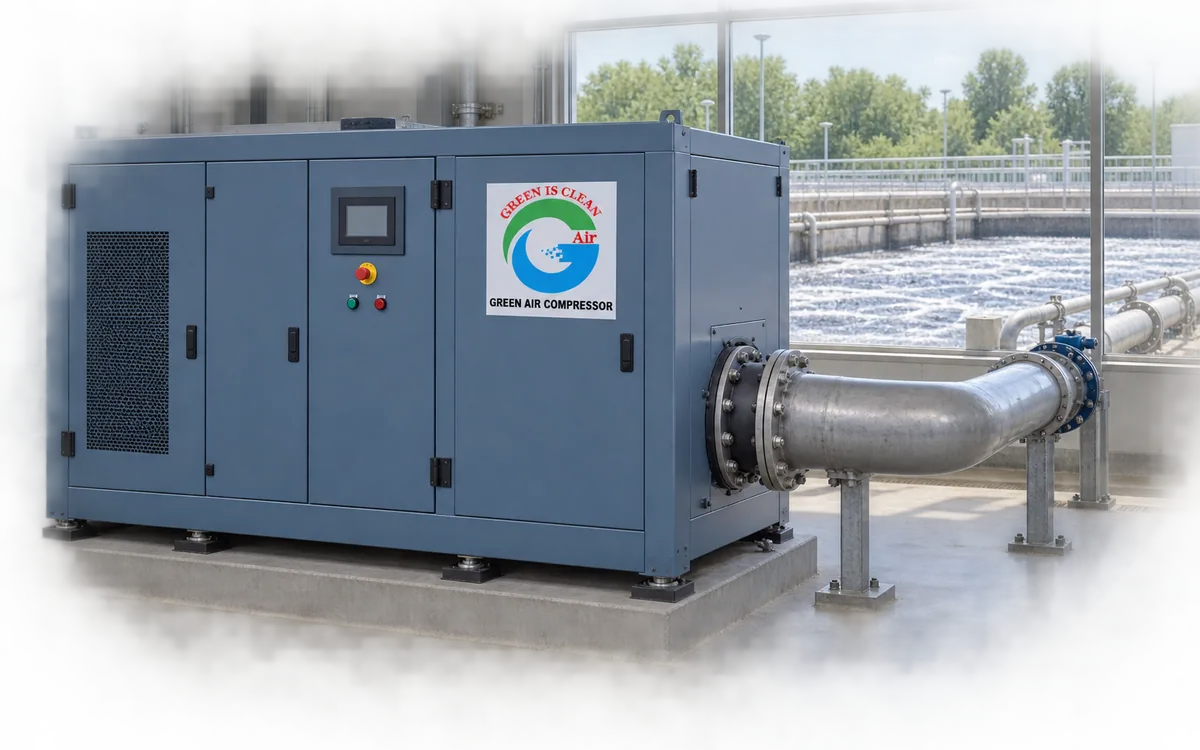
Oil free screw blowers
Screw compression at blower pressures. Up to 1.5 bar g, 22 to 180 kW.
- Free air delivery
- 15.0 – 98.0 m³/min
- Motor power
- 22 – 180 kW
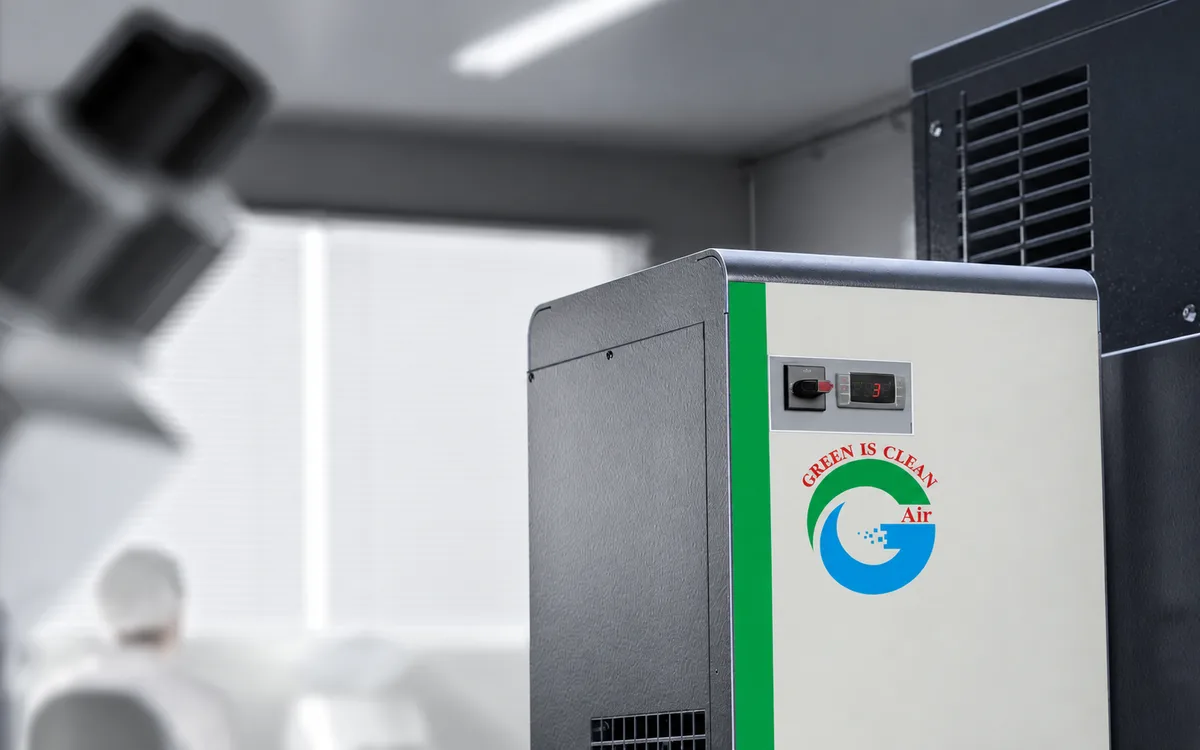
Refrigerant air dryers
The standard, low-cost way to reach a +3 °C pressure dew point.
- Free air delivery
- 10.0 – 383.3 m³/min
- Working pressure
- 13 – 16 bar g
- Motor power
- 1 – 32 kW
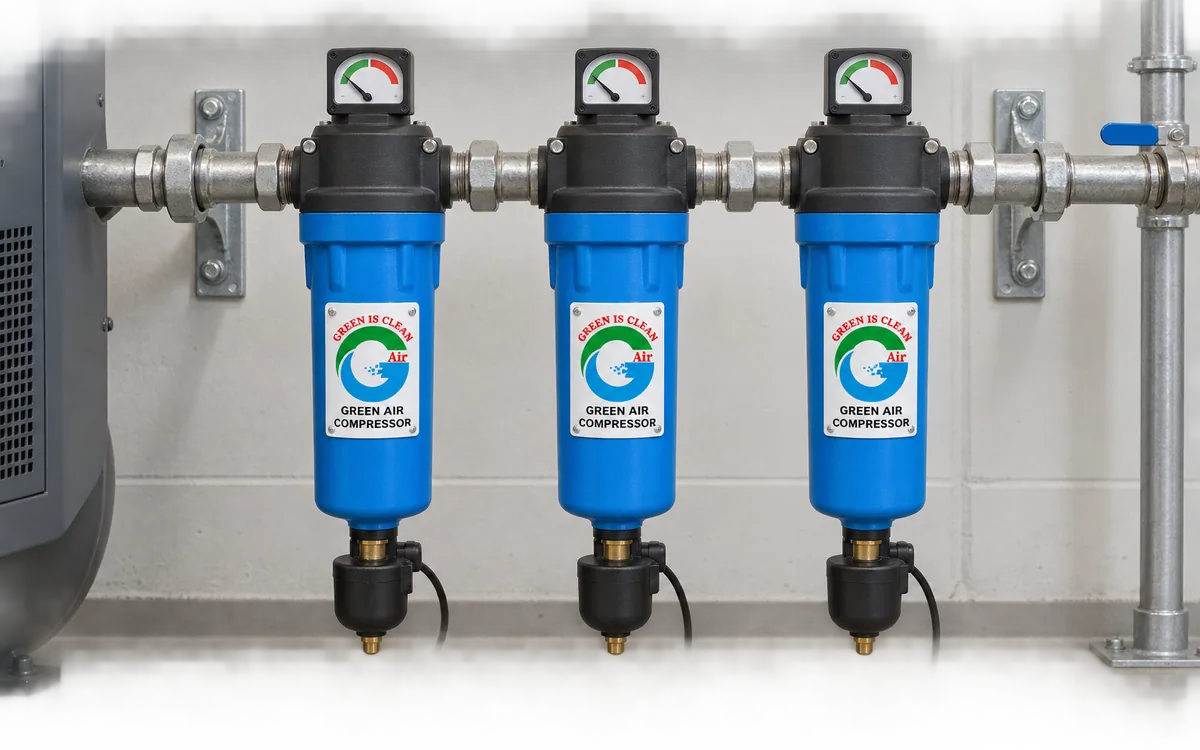
Precision compressed air filters
Particulate, coalescing and activated carbon, to every ISO 8573-1 class.
- Free air delivery
- 1.8 – 80.0 m³/min
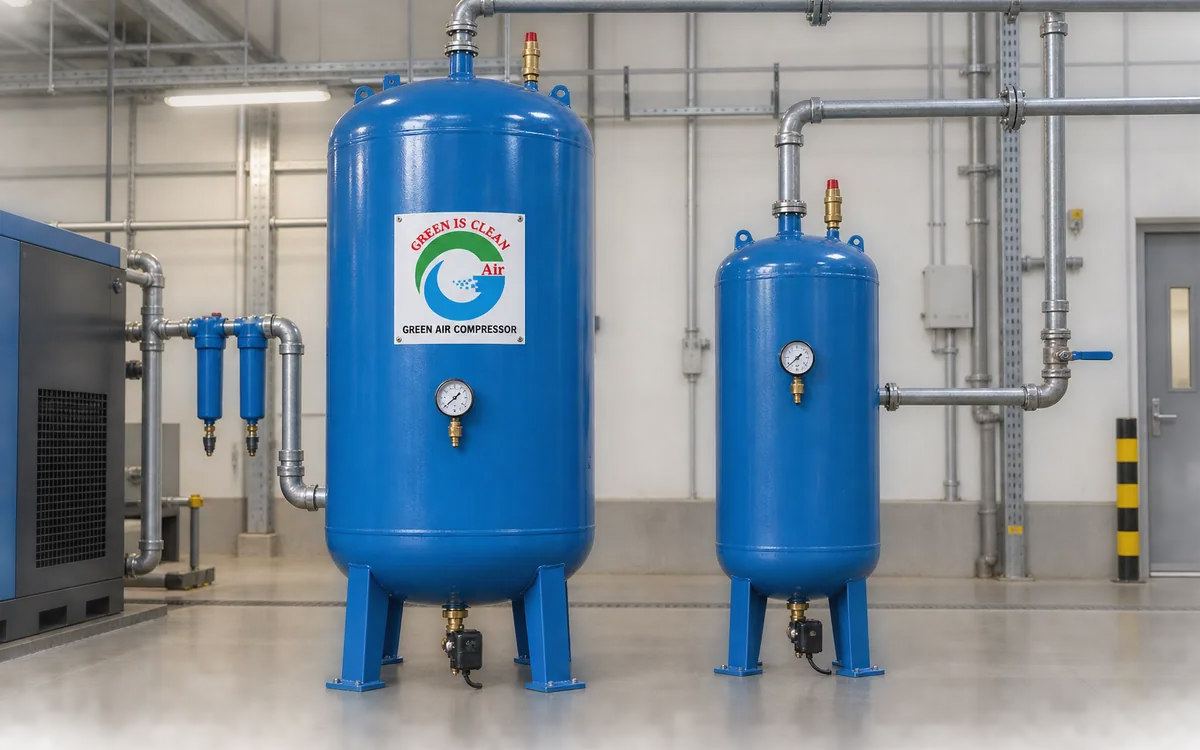
Air receivers and storage tanks
0.3 to 10 m³, carbon steel, stainless and vacuum. 8, 10 and 13 bar g.
- Working pressure
- 1 – 13 bar g
- Weight
- 99 – 1,240 kg
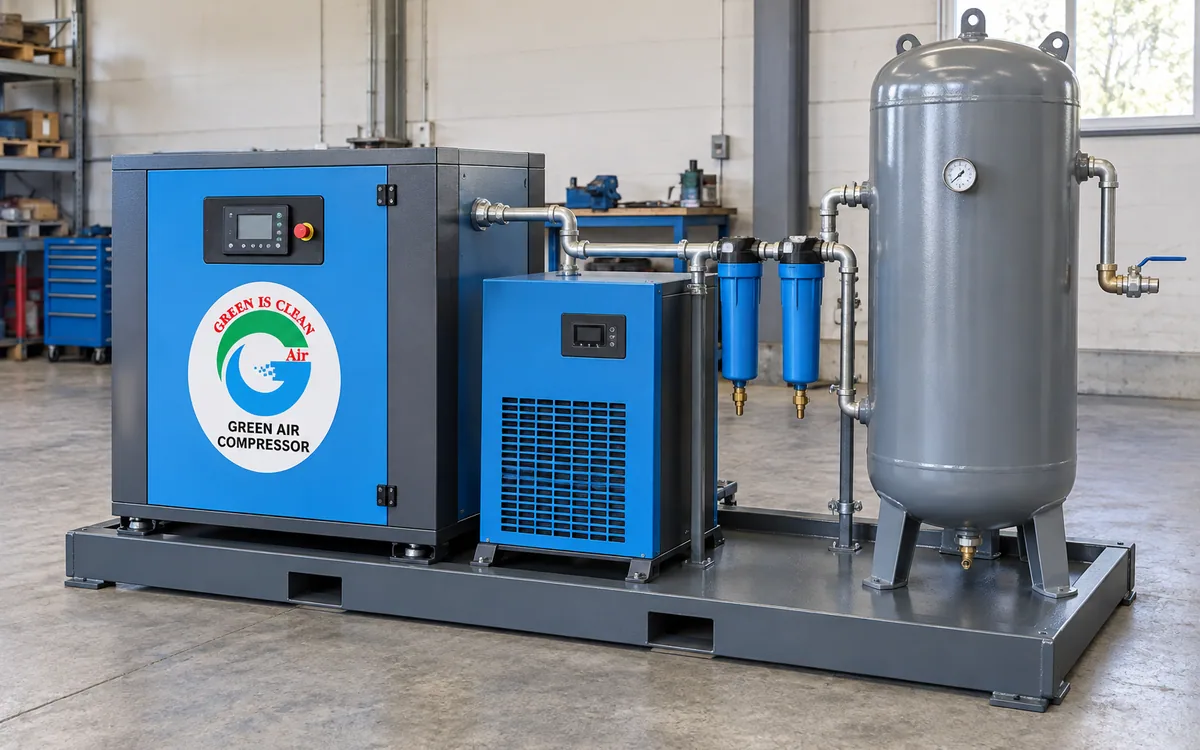
Packaged and integrated air stations
Compressor, dryer, filters and receiver supplied as one item.
- Free air delivery
- 0.3 – 25.0 m³/min (9 – 64 cfm)
- Working pressure
- 7 – 30 bar g
- Motor power
- 4 – 250 kW
Overview
In an air-jet weaving shed, compressed air is often the single biggest electricity consumer on site, frequently more than the looms themselves. Air consumption per pick is a production KPI, not a facilities detail.
The other thing textile plants tend to underestimate is air quality. Oil carry-over reaching the yarn causes staining that only appears after dyeing, by which point the fabric is scrap and the cause is nearly impossible to trace.
Key benefits
Sized against pick rate
We size from your loom count, pick rate and nozzle pressure, not from a rule of thumb per loom.
Oil-free where it touches yarn
Class 0 air removes the staining risk that shows up only after dyeing.
Pressure control that pays
Holding nozzle pressure to ±0.1 bar lets you run at the lowest workable setting instead of a safety margin.
Heat recovery into dyeing
Dye houses need hot water constantly. Compressor heat recovery is an unusually good fit here.
What a mill needs from its air
Air jet weaving is the largest single consumer of compressed air in most mills, and it runs whenever the looms run. That makes the compressor a production machine rather than a utility.
Cleanliness matters more than dryness here. Nozzles are far more sensitive to oil than to moisture, and an oil carryover event marks cloth in a way that cannot be washed out.
Demand is steady while the looms run and drops sharply when they stop, which is why sequencing and a variable speed trim machine pay for themselves quickly in a mill.
- Air jet weaving is the main consumer
- Nozzles more sensitive to oil than to moisture
- Oil carryover marks cloth permanently
- Refrigerant drying is usually sufficient
- Demand steady while looms run
- Variable speed trim machine pays quickly
- Heat recovery for process hot water
- Dust filtration on the compressor intake
Where mills lose money
Leaks. A weaving shed is full of quick connections and a quarter of everything the compressors make is commonly lost before it reaches a loom.
Pressure. Most sheds run higher than the looms need because one machine somewhere asked for it years ago and nobody revisited the setting.
Intake air. Compressors drawing hot lint laden air work harder and foul faster, and moving the intake is often the cheapest improvement available.
- Leaks across quick connections
- System pressure higher than looms need
- Hot lint laden intake air
- Filters left past their pressure drop
- Unloaded running during changeovers
- Night and weekend running unreviewed
- Condensate discharged untreated
- No measurement anywhere in the system
How we support a mill
Local stock and local engineers in Pakistan and in Türkiye, which is where most of the mills we serve are.
Servicing scheduled around your changeovers rather than around our calendar. A mill that has to stop looms for a compressor service has been badly served.
We size against your loom count and your working pressure rather than against a general figure, and we show the energy arithmetic before you commit.
- Local engineers in Pakistan and Türkiye
- Local parts stock in both
- Servicing scheduled around changeovers
- Sized against loom count and pressure
- Energy arithmetic shown before purchase
- Standby and rental cover available
- Leak surveys with ultrasound
- Heat recovery designed with the installation
Frequently asked questions
Why is compressed air such a big cost in a weaving shed?
On air-jet looms it is often the single largest electricity consumer on site, frequently more than the looms themselves. Air per pick is a production KPI, not a facilities detail.
What pressure do air-jet looms really need?
Most run comfortably at 6.5–7 bar at the nozzle. Many mills supply 8.5 bar to be safe, which costs roughly 10% more energy every hour the plant runs.
Why do stains only appear after dyeing?
Oil carry-over reaching the yarn is invisible until the dye bath develops it. By then the fabric is scrap and the cause is almost impossible to trace back.
Do I need oil-free air throughout the mill?
Only where air touches yarn or fabric. General plant air can be oil-injected with proper filtration. Specifying oil-free everywhere is expensive and unnecessary.
How do you size a compressor for a weaving shed?
From loom count, pick rate and nozzle pressure, not a rule of thumb per loom. Machine type and fabric width change consumption substantially.
Is heat recovery worth it in textiles?
Unusually so. Dye houses need hot water continuously, so compressor heat has somewhere useful to go. Payback is often under two years.
What dew point do I need?
Enough that no water condenses in the shed pipework. In most mills a refrigerant dryer at +3 °C is adequate. Air-jet nozzles are more sensitive to oil than to moisture.
Why does nozzle pressure stability matter?
Holding ±0.1 bar lets you run at the lowest workable setting instead of adding a safety margin. That margin is pure energy cost across every loom.
Does spinning need the same air quality as weaving?
Lower. Ring and open-end spinning use air for cleaning and transport rather than direct contact, so the quality requirement is less demanding.
How much can a leak survey save in a mill?
A great deal. Textile plants are large, old and full of quick couplings; 20–30% leakage is typical and much of it is fixable in a week.
Related products
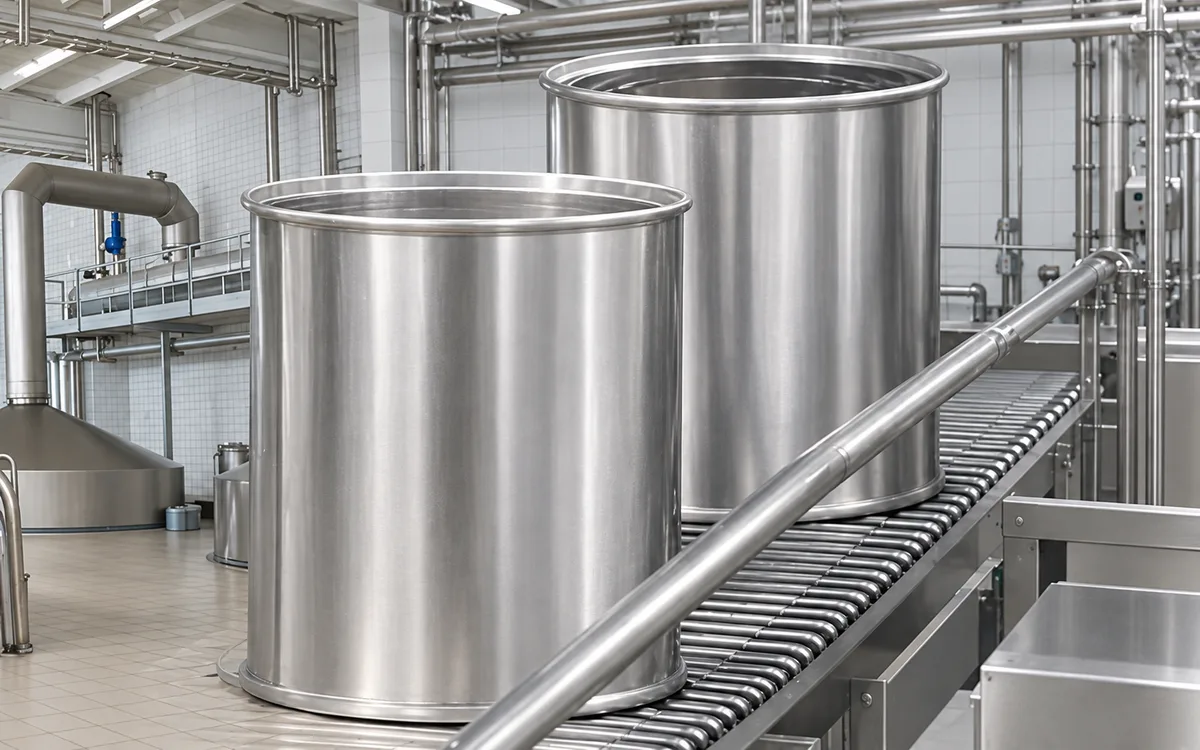
Food and beverage
Class 0 air, documented, for anything that touches product.
Learn more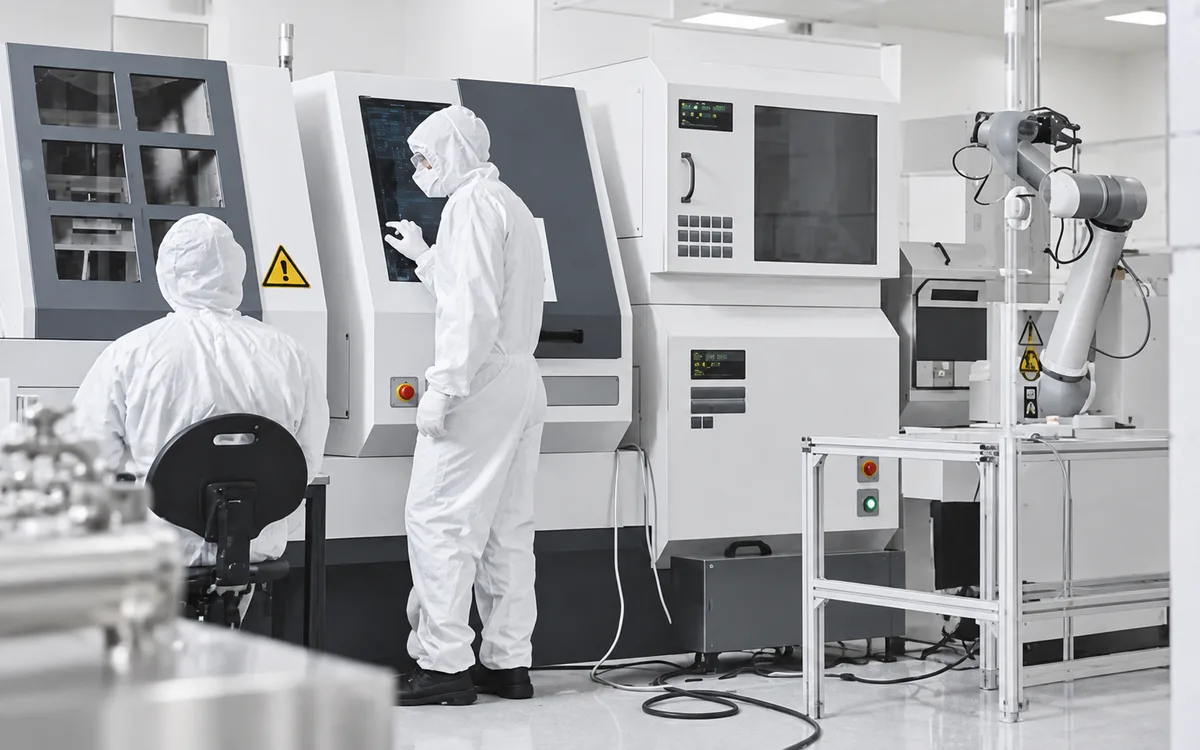
Pharmaceutical
Validated, qualified air systems with full documentation.
Learn more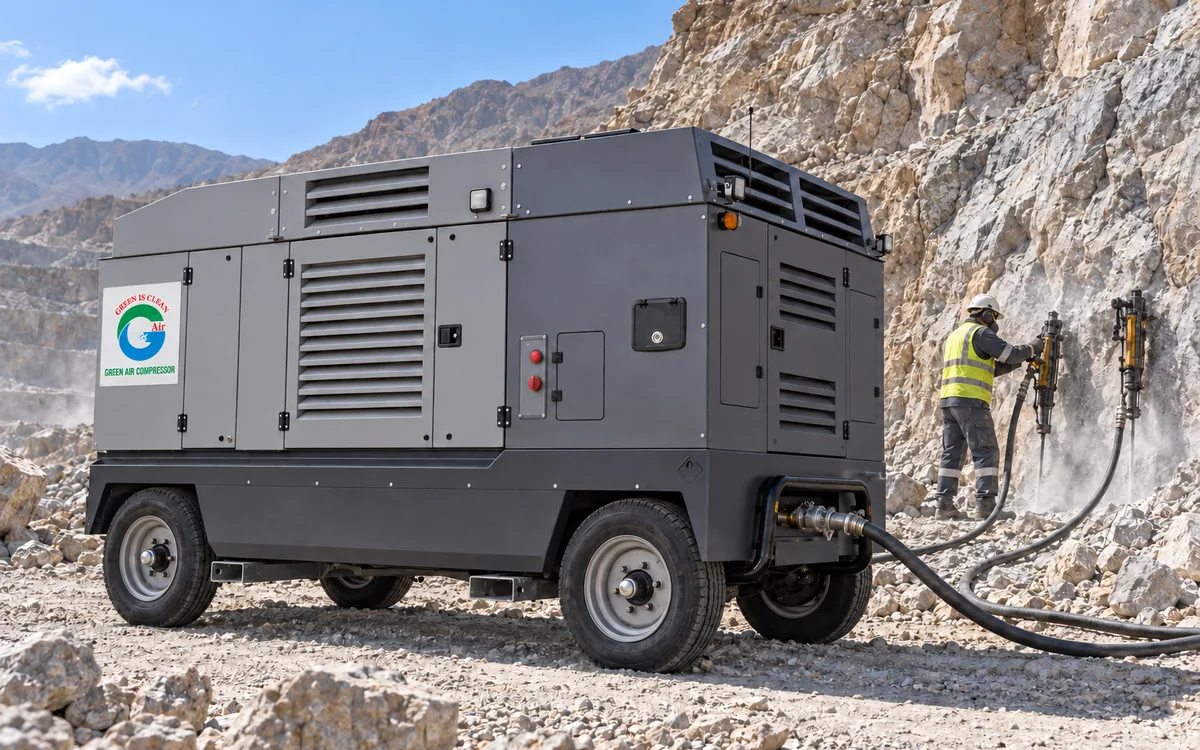
Mining and quarrying
Air and dewatering that survive dust, distance and heat.
Learn more
Construction
Portable air, pumps and tools that arrive when you need them.
Learn moreNot sure which model you need?
Send us your air demand, working pressure and running hours. Our engineers will size the machine and send a written recommendation, no cost, no obligation.