
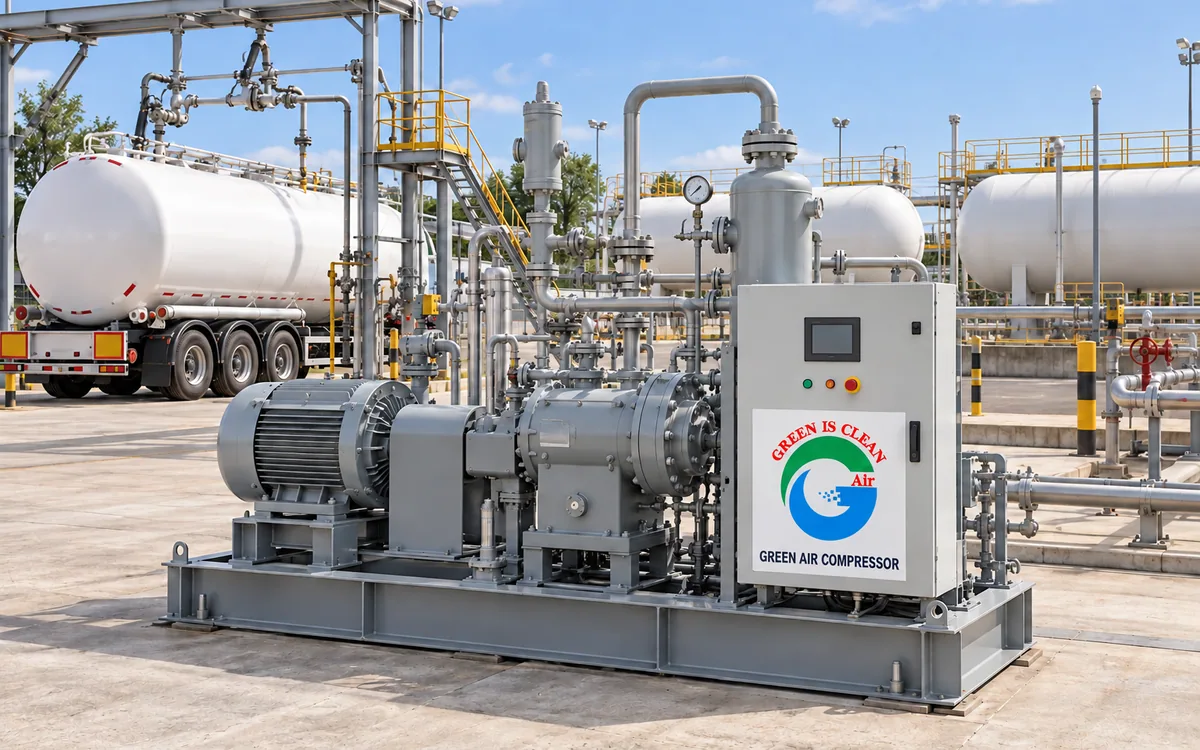
概述
Moving LPG between vessels, recovering vapour from a tank that is being filled, or emptying a road tanker down to its heel all need a compressor rather than a pump, because what is being moved is vapour.
These are machines built for a flammable gas in a classified area. The construction, the driver, the instrumentation and the protection are all governed by that, and they are specified against the site's area classification rather than chosen from a range.
主要优势
Built for classified areas
Drivers, instruments and electrical equipment selected to the zone the machine will stand in.
Vapour recovery as standard duty
Recovering vapour during filling is both a loss reduction and, increasingly, a legal requirement.
Tanker emptying to the heel
Takes a road or rail tanker down further than a liquid pump can, which is product recovered rather than returned.
Sealed against loss
Seal arrangement chosen for a gas where leakage is a safety matter before it is a commercial one.
Where a compressor beats a pump
A liquid pump moves the liquid and stops when the liquid stops, leaving a tanker with a heel of product and a vessel full of vapour. A compressor moves the vapour, which is how the last of the product is recovered and how the receiving vessel's pressure is managed.
In practice most installations use both: a pump for bulk transfer and a compressor for vapour balance and for stripping out the last of the load. The compressor is also what recovers vapour during filling instead of venting it.
The safety case drives everything else. Area classification, the driver type, the instrumentation and the shutdown logic are settled before the machine is selected, not afterwards.
What we need to quote
Gas compressors are not selected from a catalogue. The gas itself decides the materials, the seals and the safety case, and two plants asking for the same machine on paper often need different builds.
Four answers cover most of it: the gas and its composition, the suction pressure and temperature, the discharge pressure required, and the flow. With those we can size the machine and tell you whether it should be a screw, a reciprocating or a centrifugal.
Then the site questions. Area classification, whether the gas is wet or contains hydrogen sulphide, what the local authority requires, and whether the duty can stop. Those decide the seal arrangement and whether you need one machine or two.
- Gas composition and molecular weight
- Suction pressure and temperature
- Discharge pressure required
- Flow, normal and maximum
- Area classification
- Whether the duty can be interrupted
机型范围
- 16 bar g
- —
- 外形尺寸 长 x 宽 x 高
- 1000 × 710 × 865 mm
- 16 bar g
- —
- 外形尺寸 长 x 宽 x 高
- 1000 × 710 × 865 mm
- 16 bar g
- —
- 外形尺寸 长 x 宽 x 高
- 1000 × 710 × 865 mm
- 16 bar g
- —
- 外形尺寸 长 x 宽 x 高
- 1000 × 710 × 865 mm
- 16 bar g
- —
- 外形尺寸 长 x 宽 x 高
- 1450 × 800 × 1300 mm
- 16 bar g
- —
- 外形尺寸 长 x 宽 x 高
- 1000 × 710 × 865 mm
- 16 bar g
- —
- 外形尺寸 长 x 宽 x 高
- 1000 × 710 × 865 mm
- 16 bar g
- —
- 外形尺寸 长 x 宽 x 高
- 1000 × 710 × 865 mm
- 16 bar g
- —
- 外形尺寸 长 x 宽 x 高
- 1860 × 1680 × 930 mm
- 16 bar g
- —
- 外形尺寸 长 x 宽 x 高
- 1400 × 900 × 1180 mm
- 16 bar g
- —
- 外形尺寸 长 x 宽 x 高
- 1400 × 900 × 1180 mm
- 16 bar g
- —
- 外形尺寸 长 x 宽 x 高
- 1400 × 900 × 1180 mm
- 16 bar g
- —
- 外形尺寸 长 x 宽 x 高
- 1400 × 900 × 1180 mm
- 16 bar g
- —
- 外形尺寸 长 x 宽 x 高
- 1400 × 900 × 1180 mm
- 16 bar g
- —
- 外形尺寸 长 x 宽 x 高
- 2000 × 1700 × 1400 mm
- 16 bar g
- —
- 外形尺寸 长 x 宽 x 高
- 2000 × 1700 × 1400 mm
- 16 bar g
- —
- 外形尺寸 长 x 宽 x 高
- 2000 × 1700 × 1400 mm
容积流量按 ISO 1217 第四版附录 C 与 E 实测,进气 1 bar(a)、20°C、湿度 0%。噪声按 ISO 2151 在自由场条件下测量,公差 ± 3 dB(A)。每款机型均有水冷版本,可向我们索取其数据表。
常见问题
Why not just use a pump?
A pump moves liquid. It cannot recover vapour or strip a tanker down to its heel, and both of those are product you have already paid for.
What area classification does it need?
That is a property of your site, not of the machine. Tell us the zone and we specify the driver, the instruments and the protection to suit it.
Can it handle mixed gas?
Yes, but composition changes the selection. Give us the range of compositions the plant actually sees rather than a nominal one.
How much product does vapour recovery actually save?
It depends on your throughput and your vapour pressure. On a busy loading rack it is usually a large number and we calculate it from your figures.
Is vapour recovery a legal requirement?
Increasingly, and it varies by country. We state what applies where the plant is rather than assuming your local rule matches the neighbouring one.
Can it empty a road tanker completely?
Down to its heel, which is much further than a liquid pump reaches. That last portion is product recovered rather than returned to the depot.
What drives it?
An electric motor suited to the zone, or a hydraulic or air drive where the classification demands it. That decision comes from the safety case, not from preference.
How is it protected?
Gas detection, high and low pressure trips, temperature protection and a defined shutdown logic, specified with the machine rather than added afterwards.
What maintenance does it need?
A published schedule with seals and valves as the routine items. Seals matter more here than on an air machine because leakage is a safety event.
Can you commission it?
Yes, with our own engineers, and we train your operators as part of the supply rather than leaving a manual on the panel.
相关产品
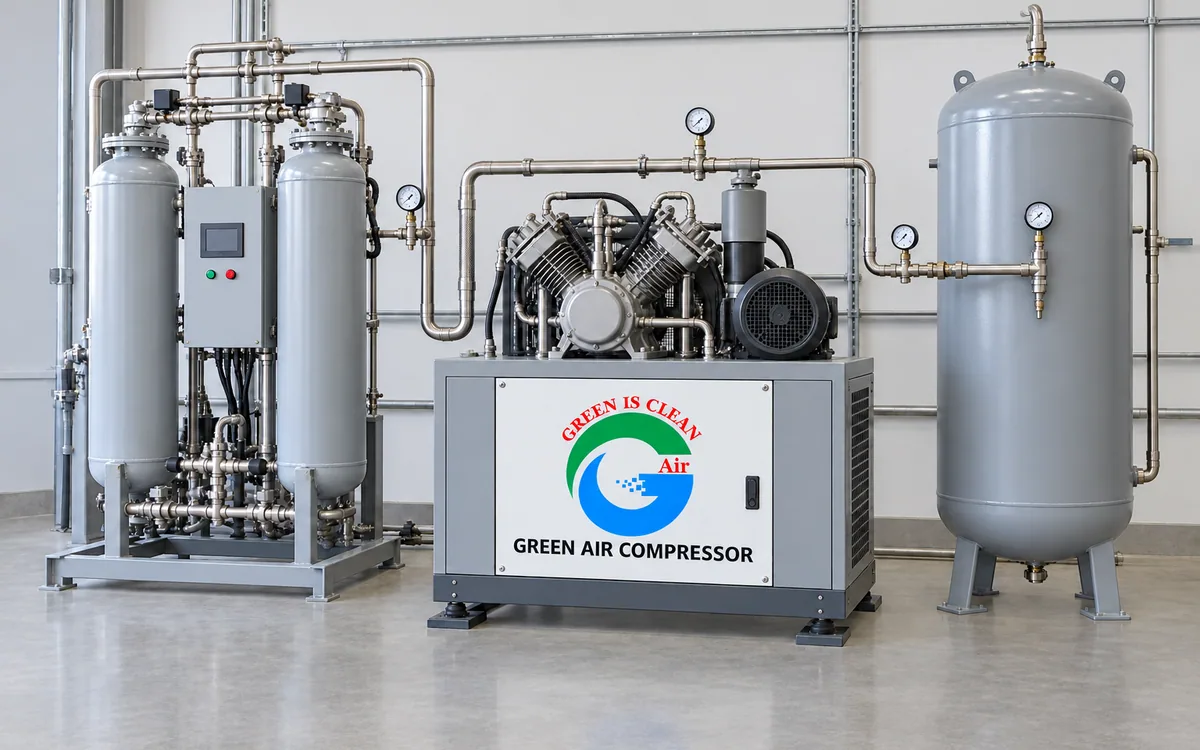
氮气压缩机
用于氮封、吹扫与工艺的氮气增压与循环。
- 容积流量(FAD)
- 90 – 3,000 Nm³/h
- 工作压力
- 3 – 160 bar g
- 电机功率
- 22 – 250 kW
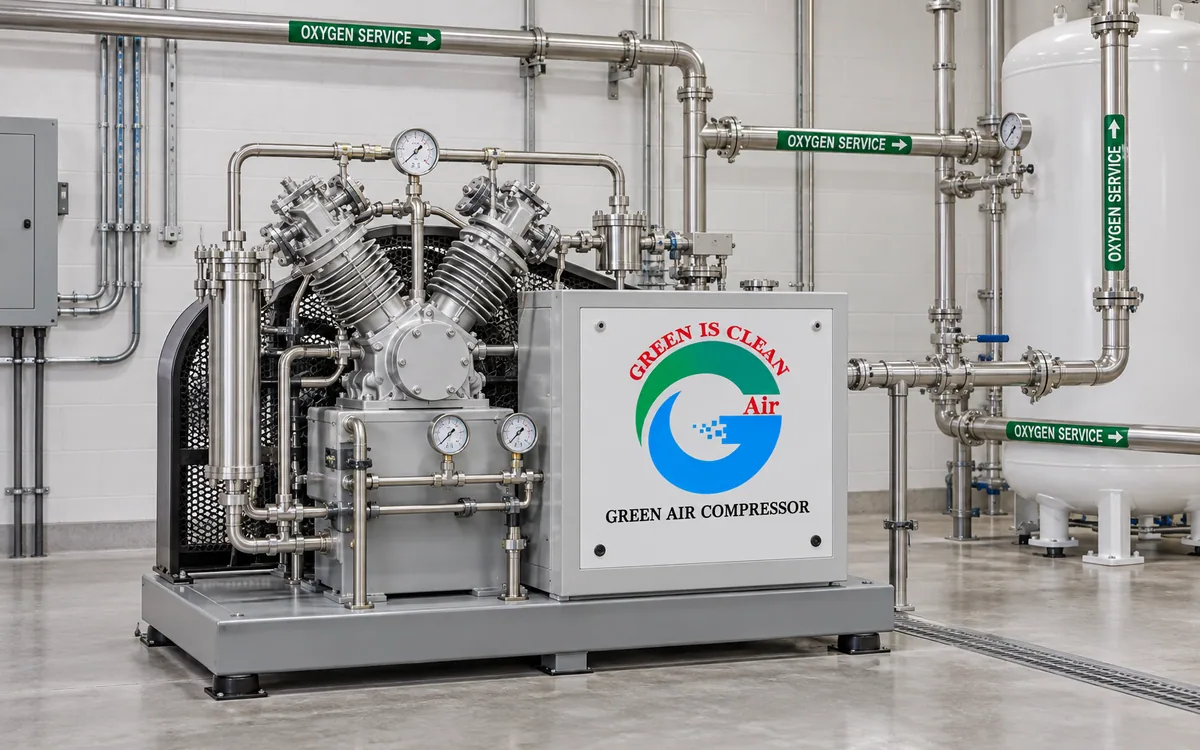
氧气压缩机
必须无油,按氧气使用标准制造并做洁净处理。
- 容积流量(FAD)
- 30 – 120 Nm³/h
- 工作压力
- 120 – 150 bar g
- 电机功率
- 11 – 30 kW
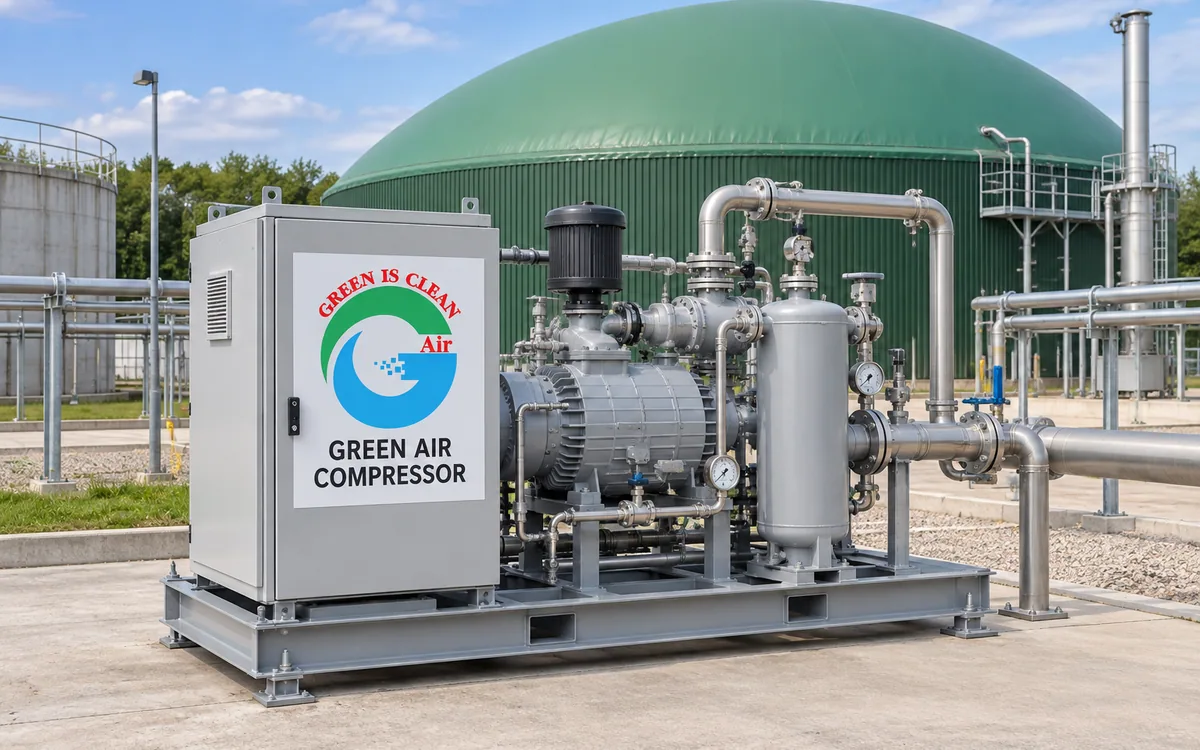
沼气压缩机
含水、有腐蚀性、成分多变的气体,处理它而不被它吃掉机器。
- 容积流量(FAD)
- 50 – 700 Nm³/h
- 工作压力
- 5 – 45 bar g
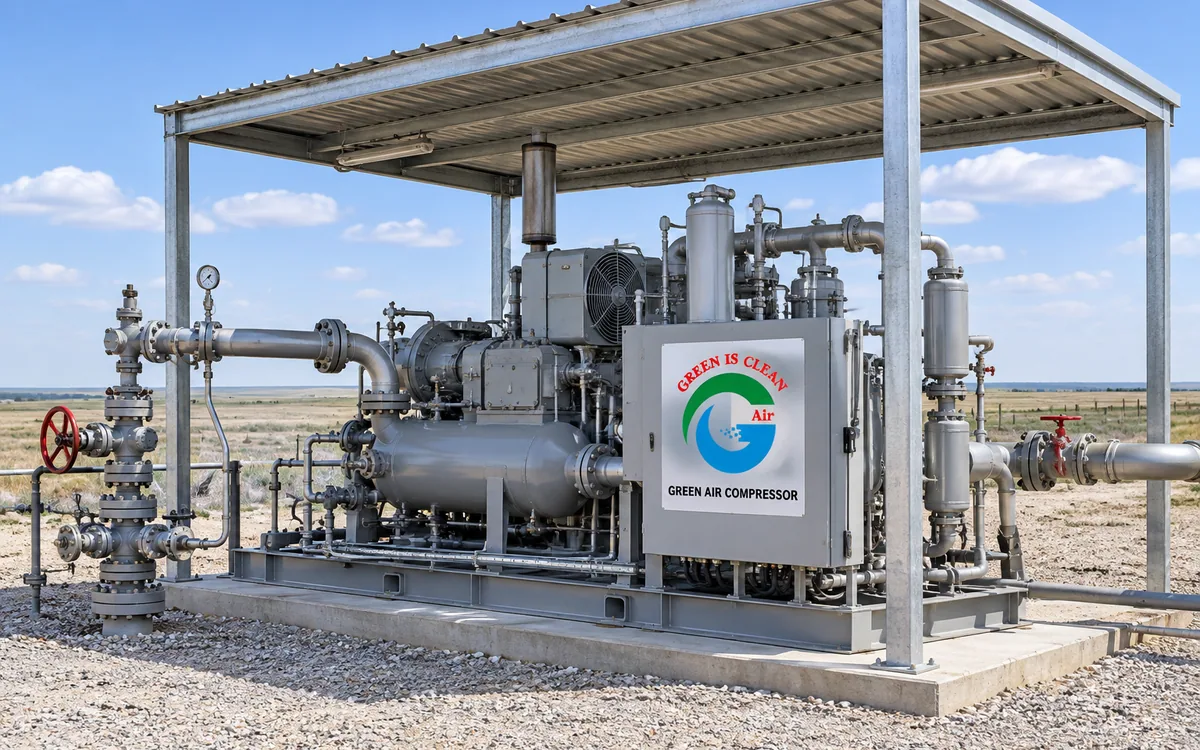
天然气压缩机
井口、集输、增压与燃料气工况。
- 容积流量(FAD)
- 10 – 3,400 Nm³/h
- 工作压力
- 1 – 210 bar g
不确定该选哪个型号?
把您的用气量、工作压力和运行小时数发给我们。我们的工程师会完成选型并给出书面建议,不收费,也不构成任何义务。