
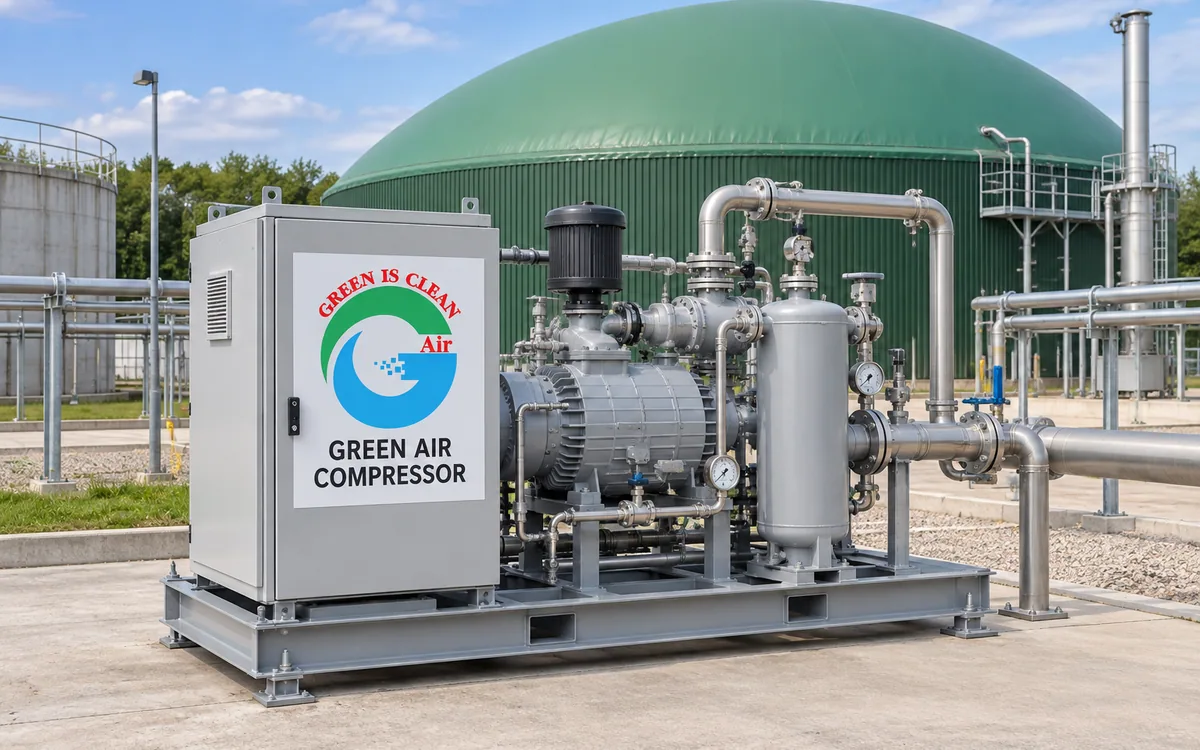
概述
Biogas is roughly sixty per cent methane, forty per cent carbon dioxide, saturated with water, and carrying hydrogen sulphide. That last component is the problem: with water present it makes an acid that will destroy an ordinary compressor's internals in months.
A biogas machine is therefore built around corrosion rather than around pressure. Stainless wetted parts, seal materials chosen for H2S, condensate removed before it can sit anywhere, and a gas path that tolerates a composition that changes as the digester does.
主要优势
Built for hydrogen sulphide
Wetted parts and seals chosen for wet, sour gas rather than adapted from an air machine.
Tolerates a changing gas
Digester output varies with feedstock and temperature. The machine is selected for that range, not for one analysis.
Condensate handled
Water removed where it forms rather than left to collect where it corrodes.
Sized with the upgrading plant
Whether the gas goes to a CHP engine, a grid injection skid or a boiler changes the specification considerably.
What the gas does to a machine
Hydrogen sulphide plus water makes a weak acid. It attacks carbon steel, it attacks copper alloys quickly, and it embrittles some elastomers. On a machine not built for it the first symptom is usually a seal, and the second is the airend.
The other thing biogas does is vary. A digester fed on a different feedstock this month produces a different gas, and a machine selected at one composition can be well off its curve at another. We select against the range, not the average.
Where the gas is going matters too. A CHP engine wants modest pressure and tolerates some moisture; a grid injection plant wants it dry, clean and at line pressure. Those are different machines.
- Stainless wetted parts
- Seals selected for H2S service
- Condensate drained at every low point
- Selected across the digester's real range
- Matched to CHP, boiler or grid injection
- Area classification addressed in the design
What we need to quote
Gas compressors are not selected from a catalogue. The gas itself decides the materials, the seals and the safety case, and two plants asking for the same machine on paper often need different builds.
Four answers cover most of it: the gas and its composition, the suction pressure and temperature, the discharge pressure required, and the flow. With those we can size the machine and tell you whether it should be a screw, a reciprocating or a centrifugal.
Then the site questions. Area classification, whether the gas is wet or contains hydrogen sulphide, what the local authority requires, and whether the duty can stop. Those decide the seal arrangement and whether you need one machine or two.
- Gas composition and molecular weight
- Suction pressure and temperature
- Discharge pressure required
- Flow, normal and maximum
- Area classification
- Whether the duty can be interrupted
机型范围
- 16 bar g
- 50 Nm³/h
- 16 bar g
- 120 Nm³/h
- 4.5 bar g
- 280 Nm³/h
- 45 bar g
- 350 Nm³/h
- 45 bar g
- 500 Nm³/h
- 45 bar g
- 700 Nm³/h
性能按 ISO 1217 附录 C,进气 20 °C、1 bar(a)。数据为典型值,以最终确认为准。可向我们索取所选机型的检测报告。
常见问题
Does the gas need cleaning first?
Usually yes. Removing bulk H2S and water before the compressor extends its life considerably, and it is cheaper than building that tolerance into the machine.
What if the gas composition changes?
It will. We select against the range the digester actually produces across the year rather than a single analysis from one day.
Can it feed a grid injection plant?
Yes, but that duty needs dry, clean gas at line pressure and it is a different specification from feeding a CHP engine. Tell us the destination first.
Why does H2S do so much damage?
With water present it forms a weak acid. It attacks carbon steel, eats copper alloys quickly and embrittles some elastomers, usually showing up first at a seal.
What are the wetted parts made of?
Stainless steel, with seals selected for sour service. Adapting an air machine by changing the seals alone does not survive a digester.
How is the condensate handled?
Drained at every low point, where it forms, rather than left to collect where it corrodes. It is a design decision, not an installation afterthought.
Is it explosion protected?
It is specified to your site's area classification, which decides the driver, the instruments and the electrical equipment. That is settled before selection.
What pressure do I need for a CHP engine?
Modest, typically under a bar or two, and the engine builder states it. Grid injection is a different question and needs line pressure and dry gas.
How often does it need servicing?
More often than an air machine, because the gas is aggressive. The schedule is published and the parts are held locally rather than ordered from Europe.
Can you supply the upgrading plant too?
We supply the compression and work with the upgrading supplier on the interface. Getting those two specified together is what stops a plant underperforming.
相关产品
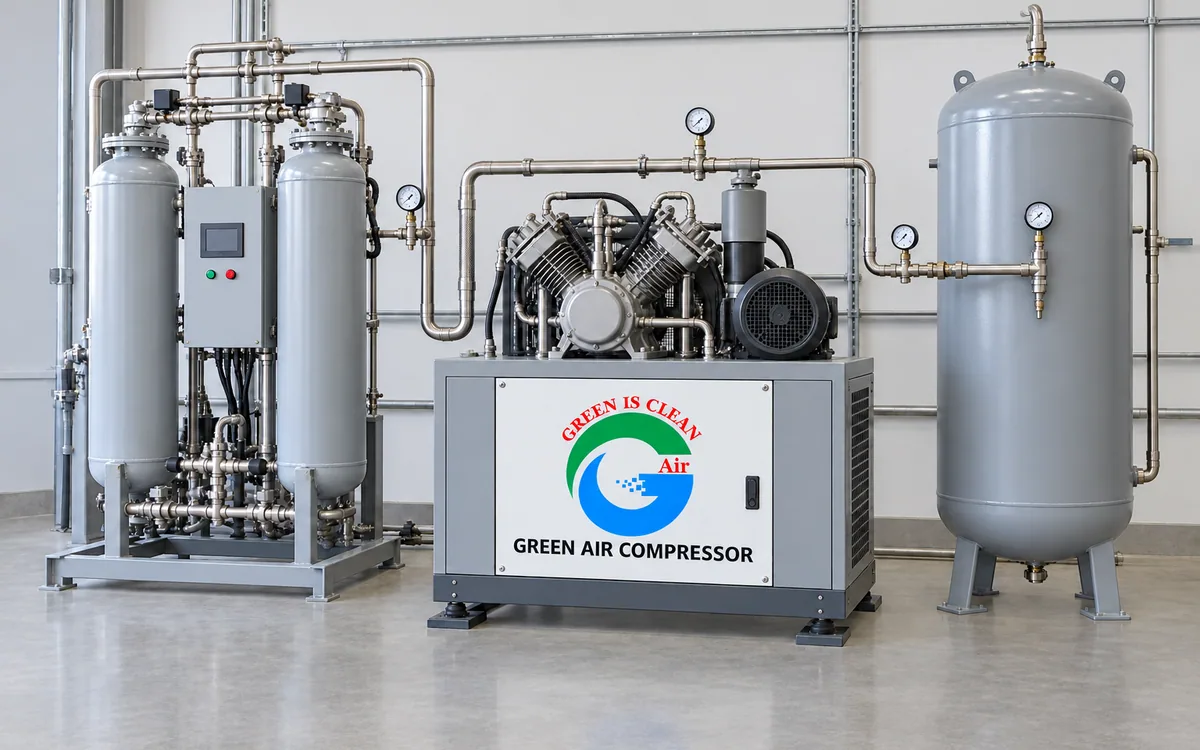
氮气压缩机
用于氮封、吹扫与工艺的氮气增压与循环。
- 容积流量(FAD)
- 90 – 3,000 Nm³/h
- 工作压力
- 3 – 160 bar g
- 电机功率
- 22 – 250 kW
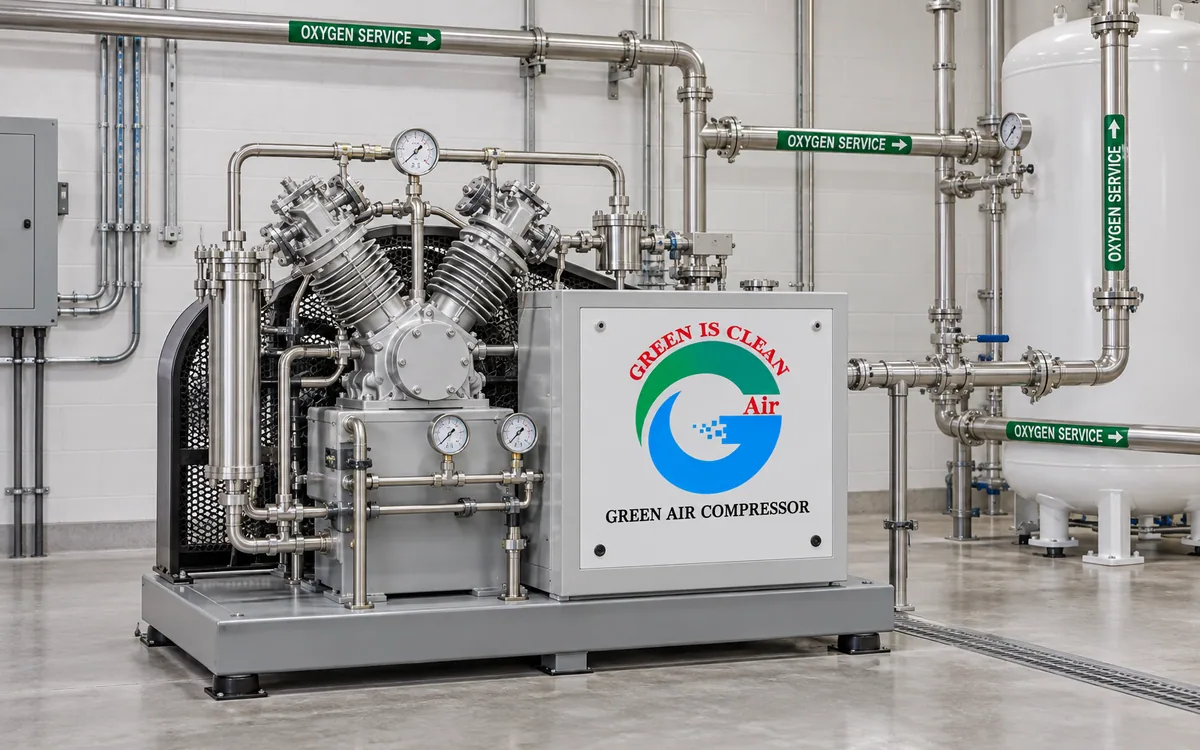
氧气压缩机
必须无油,按氧气使用标准制造并做洁净处理。
- 容积流量(FAD)
- 30 – 120 Nm³/h
- 工作压力
- 120 – 150 bar g
- 电机功率
- 11 – 30 kW
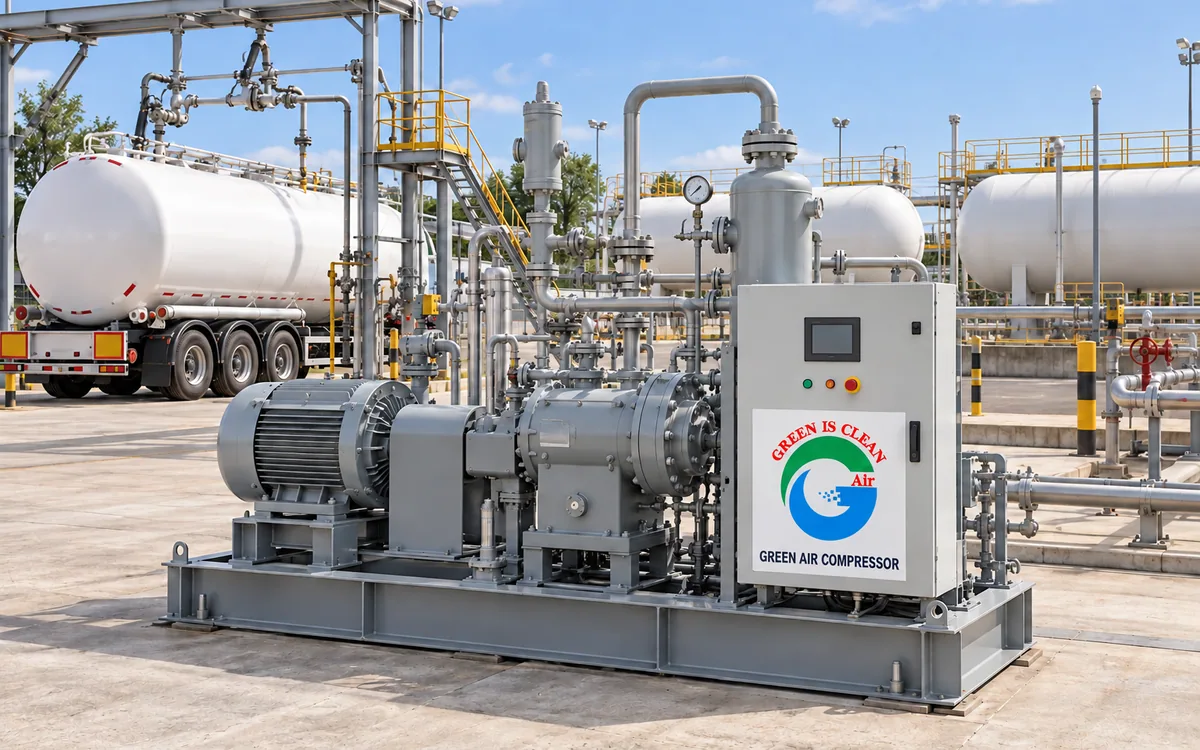
液化石油气与烃类气体压缩机
丙烷、丁烷与混合气的输送、回收与蒸气处理。
- 工作压力
- 16 bar g
- 电机功率
- 4 – 110 kW
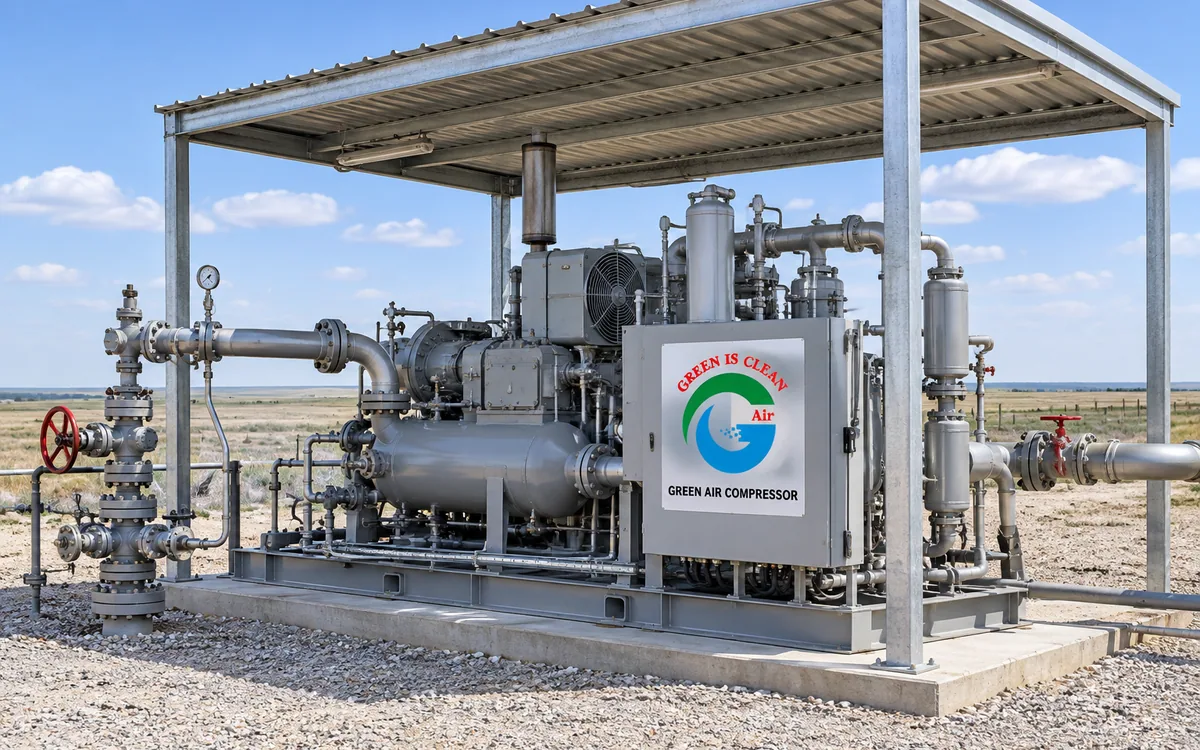
天然气压缩机
井口、集输、增压与燃料气工况。
- 容积流量(FAD)
- 10 – 3,400 Nm³/h
- 工作压力
- 1 – 210 bar g
不确定该选哪个型号?
把您的用气量、工作压力和运行小时数发给我们。我们的工程师会完成选型并给出书面建议,不收费,也不构成任何义务。