
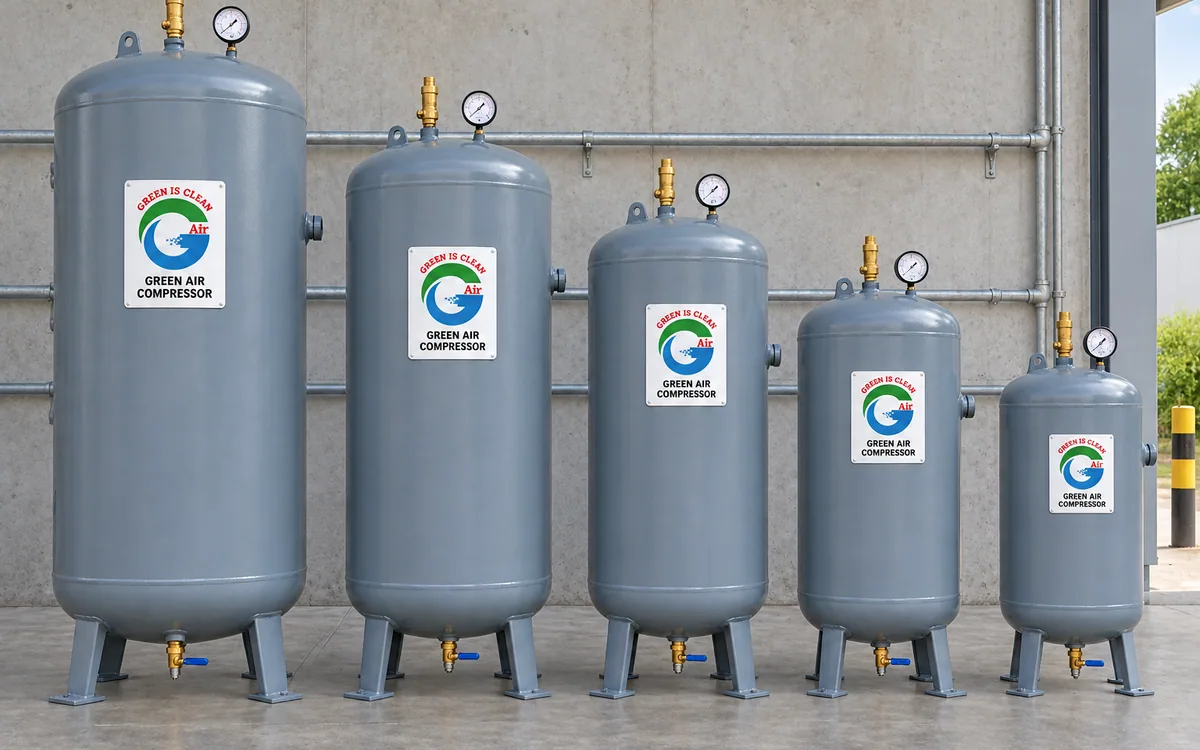
概述
The cheapest component in a compressed air system and the one most often undersized. A receiver stores air for the peaks, lets water drop out before the ring main, and stops a compressor starting forty times an hour.
Carbon steel for general duty, stainless where the air touches product, and negative pressure vessels for vacuum systems. All of them are pressure vessels and all of them are subject to inspection.
本系列包含
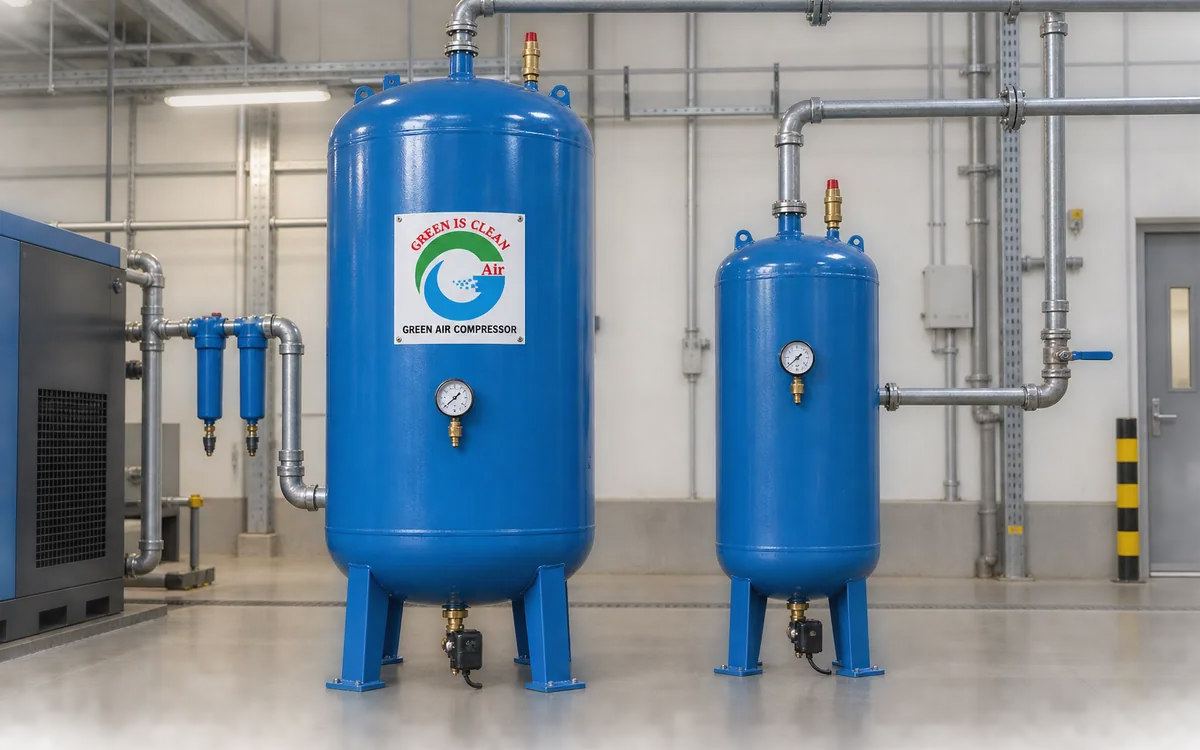
主要优势
The cheapest fix on the system
A compressor that short cycles is usually not a compressor problem. More storage costs a fraction of anything else you could do about it.
Separation before the dryer
Air slows down inside a vessel and drops its water there. That is work the dryer then does not have to pay for.
Carbon steel, stainless or vacuum
Q235-B and Q345R for general duty, S30408 where the air touches product, and negative pressure vessels for vacuum systems.
Certified and documented
Material certificates and test records with every vessel, because an inspector who cannot see the papers will fail a sound tank.
What a receiver is actually for
Three separate jobs, and most specifications only think about the first. It stores air, so a short heavy demand is met from the tank rather than from a bigger compressor that idles the rest of the day.
It separates. Air slows right down inside a vessel, and water and oil fall out of it there instead of travelling into your ring main. Every litre that drops out in the receiver is a litre the dryer never has to handle.
And it damps. Without enough storage a small compressor starts and stops dozens of times an hour, and starting is what wears out contactors and motors. Correct storage turns forty starts an hour into six.
- Storage for short heavy demands
- Water and oil separate out here
- Fewer starts, longer motor life
- Pressure held steadier across the plant
- Automatic drain fitted and piped
- Safety valve and gauge as supplied
Sizing it, and where to put it
Six to ten litres of storage for every litre per second the compressor delivers is the starting point on a fixed speed machine. Then check starts per hour: under ten is comfortable, over twenty is a machine being worn out.
A variable speed machine still needs a receiver. It has removed the cycling problem, not the peak demand and not the separation, so the sizing gets smaller rather than disappearing.
Where one part of the plant has a large short peak — a blow off, a cleaning cycle, a burst of tools — a second receiver next to that demand is worth far more than the same volume back in the compressor room.
本系列的数据表
每份两页:这台机器是什么、用在哪里,以及实测数据表。内容由本站生成,因此数据表不可能说出页面上没有的话。
常见问题
What size receiver do I need?
Start at six to ten litres for every litre per second the compressor delivers, then check starts per hour. If the machine cycles more than about ten times an hour it needs more.
Do I still need one with a variable speed compressor?
Yes. A VSD removes the cycling problem, not the peak demand or the water separation. The vessel gets smaller, not unnecessary.
Carbon steel or stainless?
Carbon steel for general plant air. Stainless where the air is in contact with food, pharmaceutical or medical product, because a carbon steel vessel eventually sheds scale into it.
Does a receiver need inspecting?
Yes, it is a pressure vessel, and the authority and the interval differ across the countries we trade in. We tell you which applies before the vessel ships.
Where should it go?
Close to the compressor for cycling and separation, and a second one close to a large local demand if you have one. The two do different jobs.
Can I use an old receiver I already have?
Only if it is in date for inspection and correctly rated for your pressure. Reusing a vessel with no documentation is how an installation fails an audit.
What fittings does it come with?
Safety valve, pressure gauge and drain connection as supplied. The automatic drain is specified with it rather than left as an afterthought.
How much water actually collects in it?
On a hot humid day, litres an hour from a mid sized compressor. That is exactly why the drain matters more than most people expect.
What is a vacuum receiver?
A vessel built for negative pressure rather than positive. It is a different design and an ordinary air receiver must never be used on a vacuum system.
Does a bigger receiver save energy?
Indirectly, yes. It reduces cycling, lets the compressor run in longer blocks and stabilises pressure, which usually allows a lower system setting.
相关产品
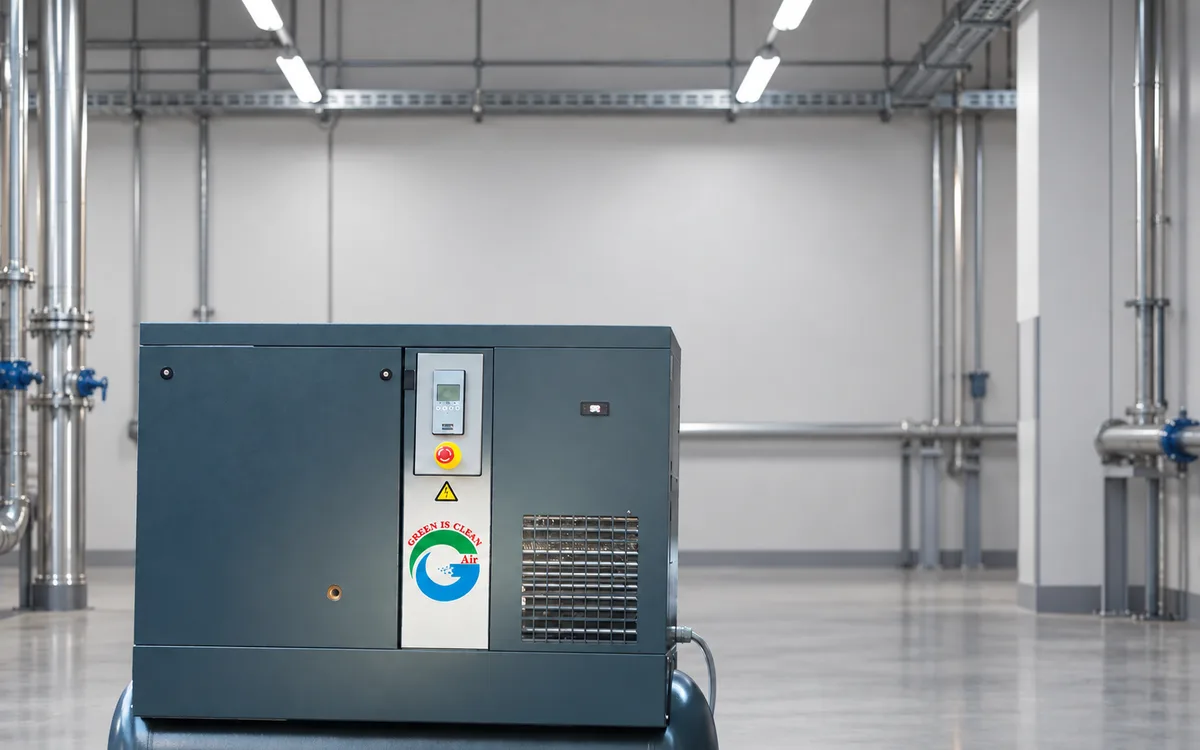
空气压缩机
2.2 至 355 kW 的螺杆式、无油式与活塞式压缩机。
- 容积流量(FAD)
- 0.1 – 109.0 m³/min (9 – 882 cfm)
- 工作压力
- 2 – 1,000 bar g
- 电机功率
- 2 – 355 kW
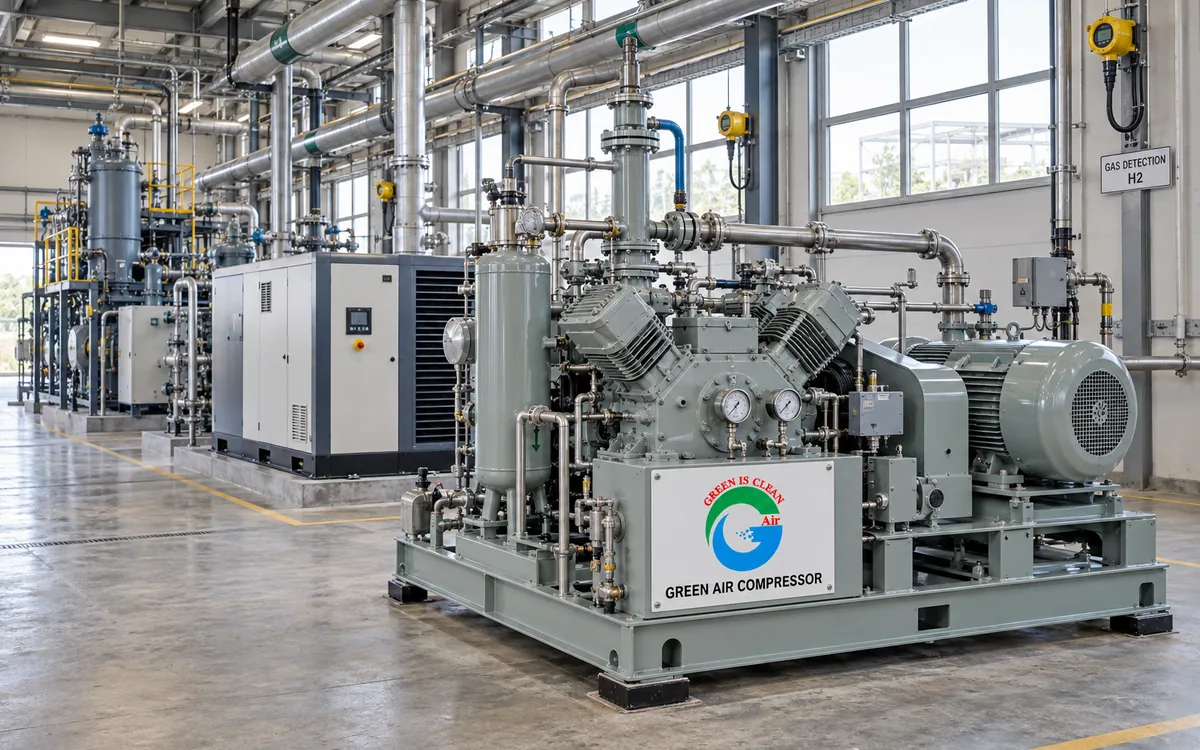
气体压缩机
氮气、氧气、沼气、液化石油气、天然气、氨气、氩气与蒸发气。
- 容积流量(FAD)
- 10 – 3,500 Nm³/h
- 工作压力
- 1 – 210 bar g
- 电机功率
- 4 – 250 kW
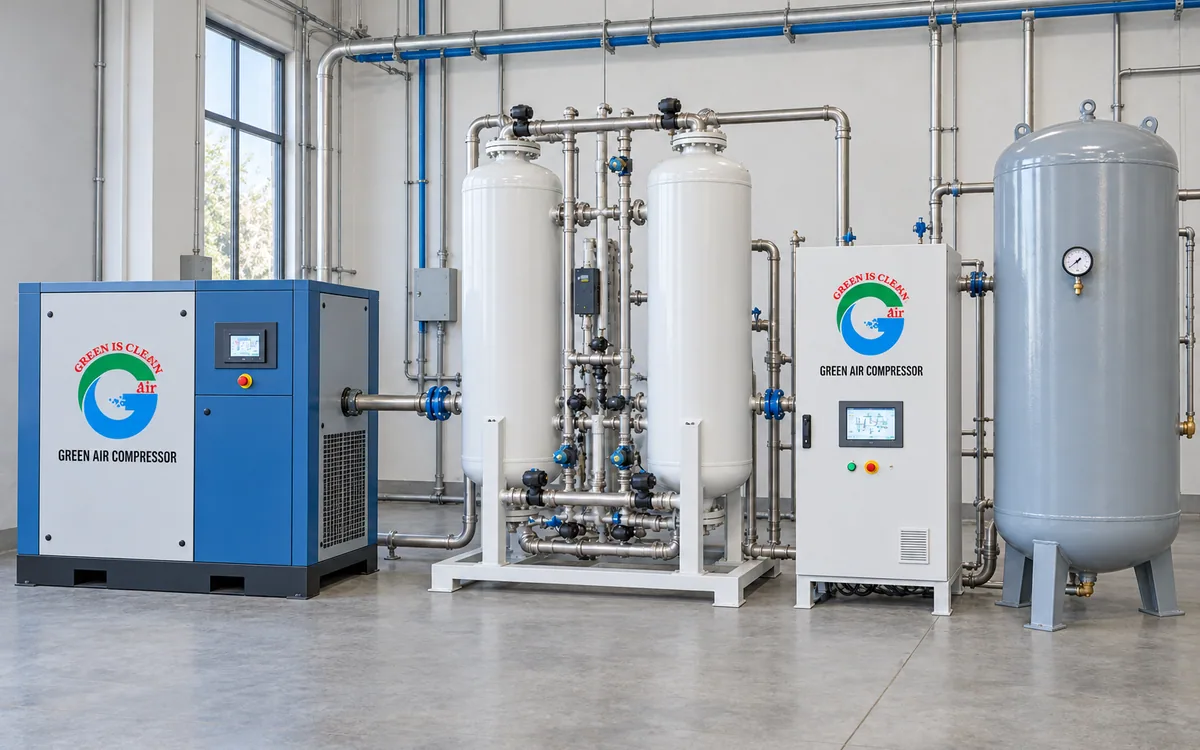
制氧与制氢
在自己厂内制气,不必再为瓶装气和运输付钱。
- 工作压力
- 4 – 5 bar g
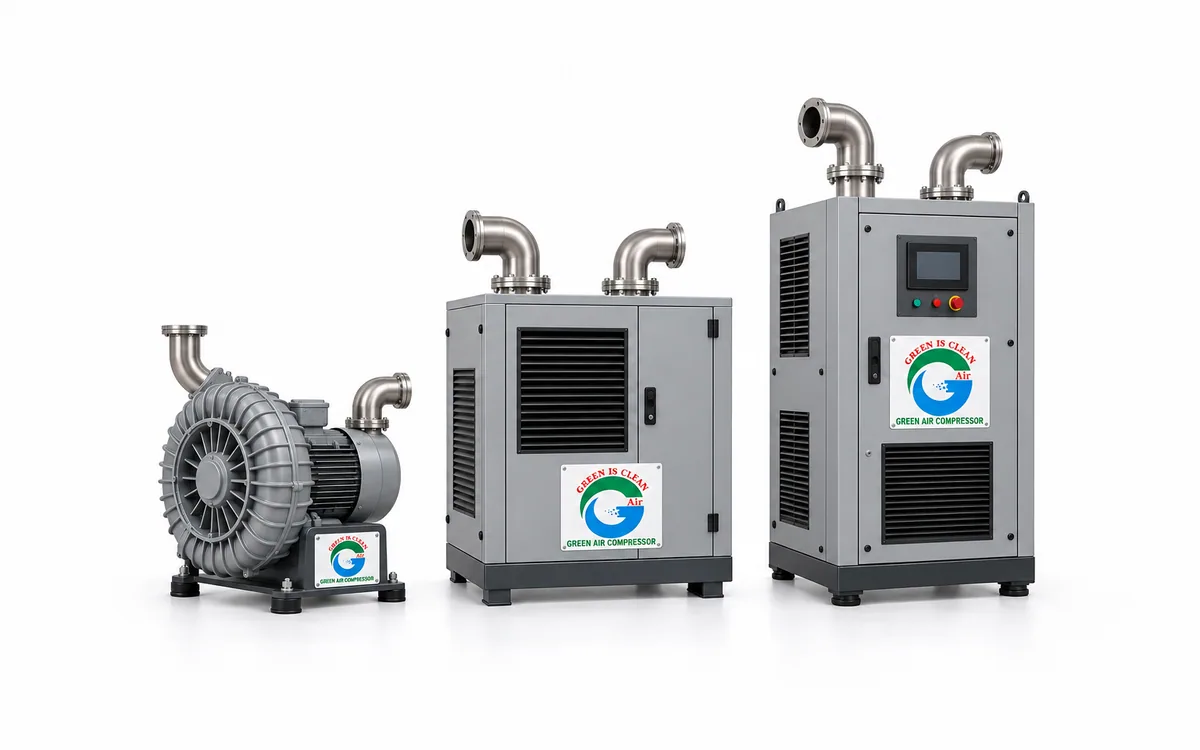
鼓风机
用于曝气与输送的大流量、低压空气。
- 容积流量(FAD)
- 12.6 – 418.0 m³/min
- 工作压力
- 1 – 1,100 bar g
- 电机功率
- 22 – 450 kW
不确定该选哪个型号?
把您的用气量、工作压力和运行小时数发给我们。我们的工程师会完成选型并给出书面建议,不收费,也不构成任何义务。