
Construction
Portable air, pumps and tools that arrive when you need them.
What we supply for this industry
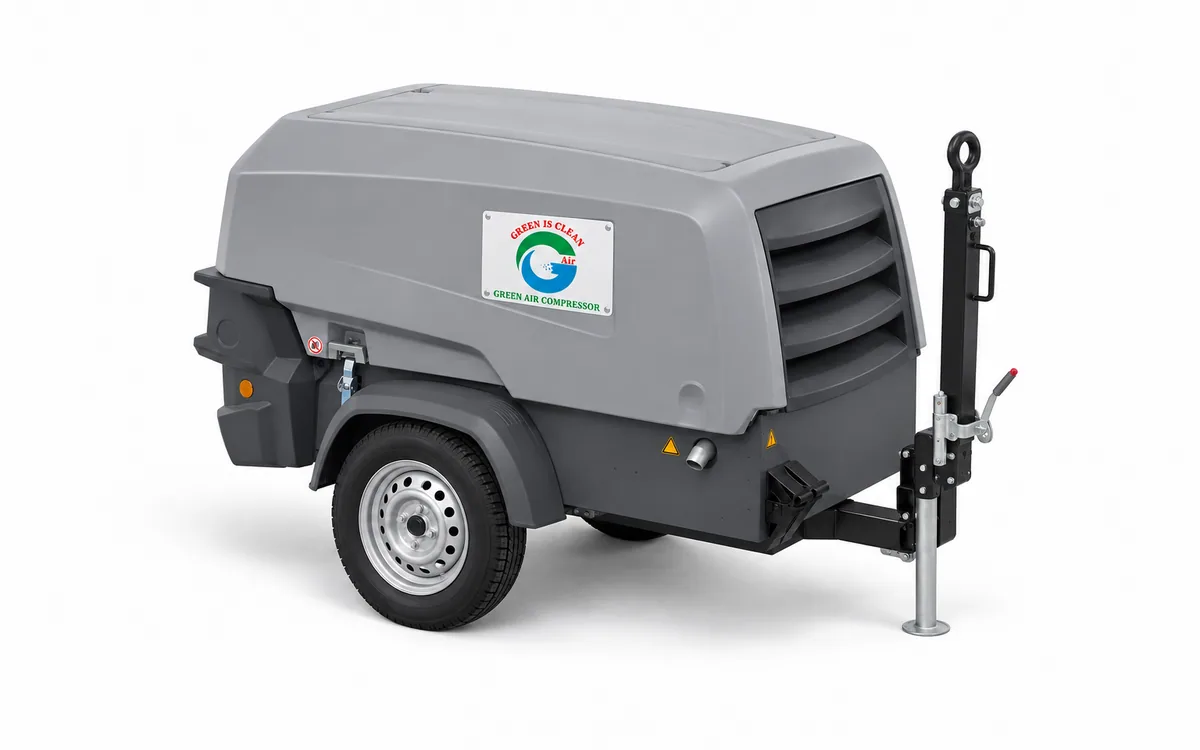
Diesel portable compressors
Towable diesel units for sites with no power supply.
- Free air delivery
- 3.0 – 10.5 m³/min (106 – 371 cfm)
- Working pressure
- 5 – 14 bar g
- Motor power
- 35 – 90 kW
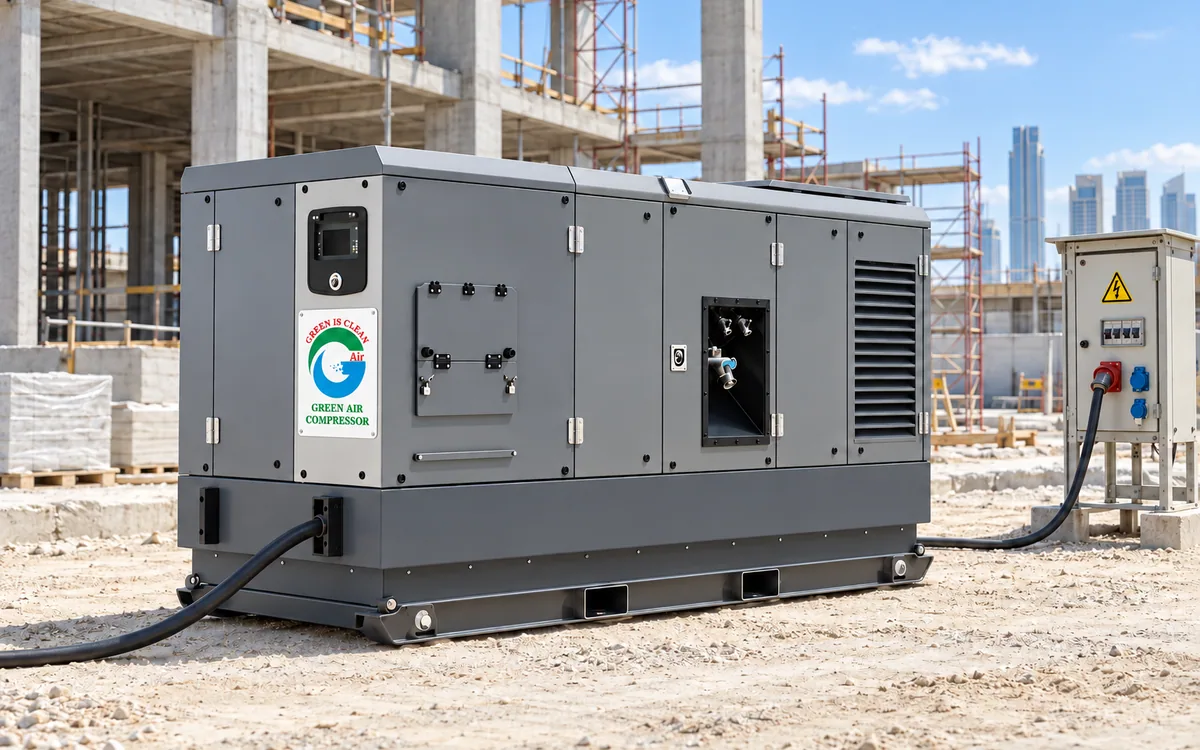
Electric portable compressors
Zero-emission site air where a power supply is available.
- Free air delivery
- 1.5 – 5.0 m³/min (124 – 177 cfm)
- Working pressure
- 5 – 12 bar g
- Motor power
- 30 kW
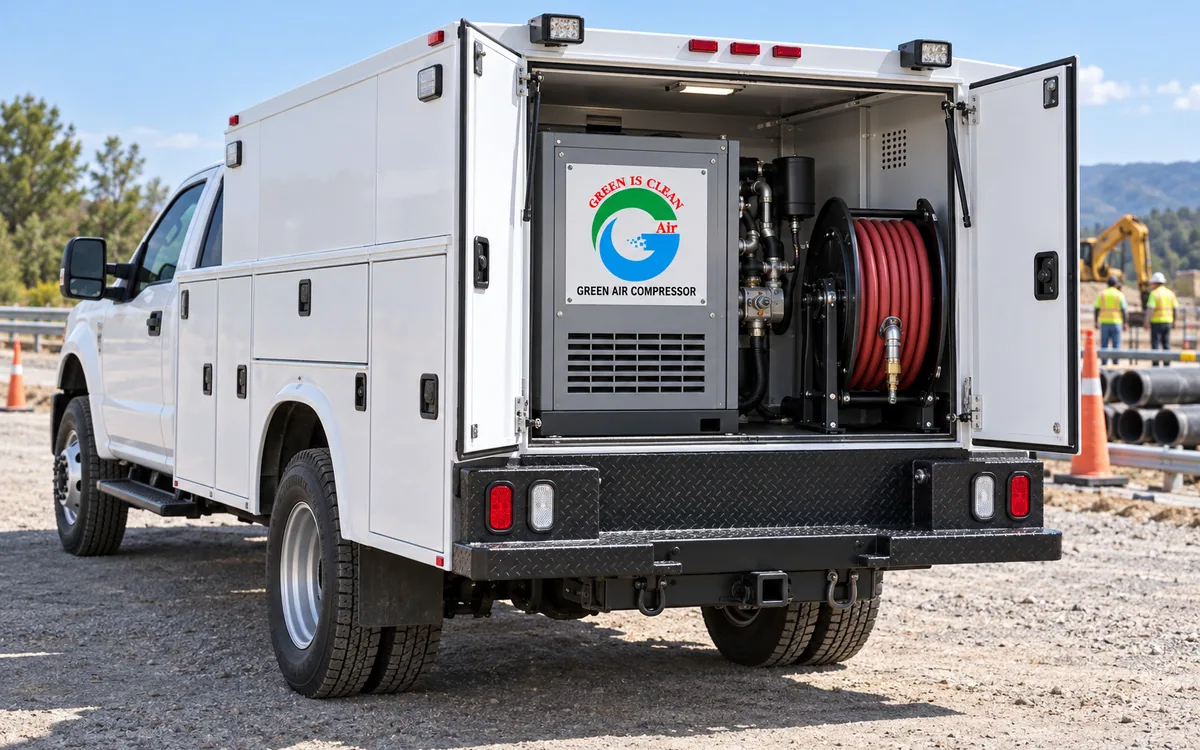
Truck mounted air compressors
A compressor and its power on a vehicle chassis, for service fleets and utilities.
- Free air delivery
- 7.1 – 13.6 m³/min
- Working pressure
- 10 – 25 bar g
- Motor power
- 23 – 42 kW
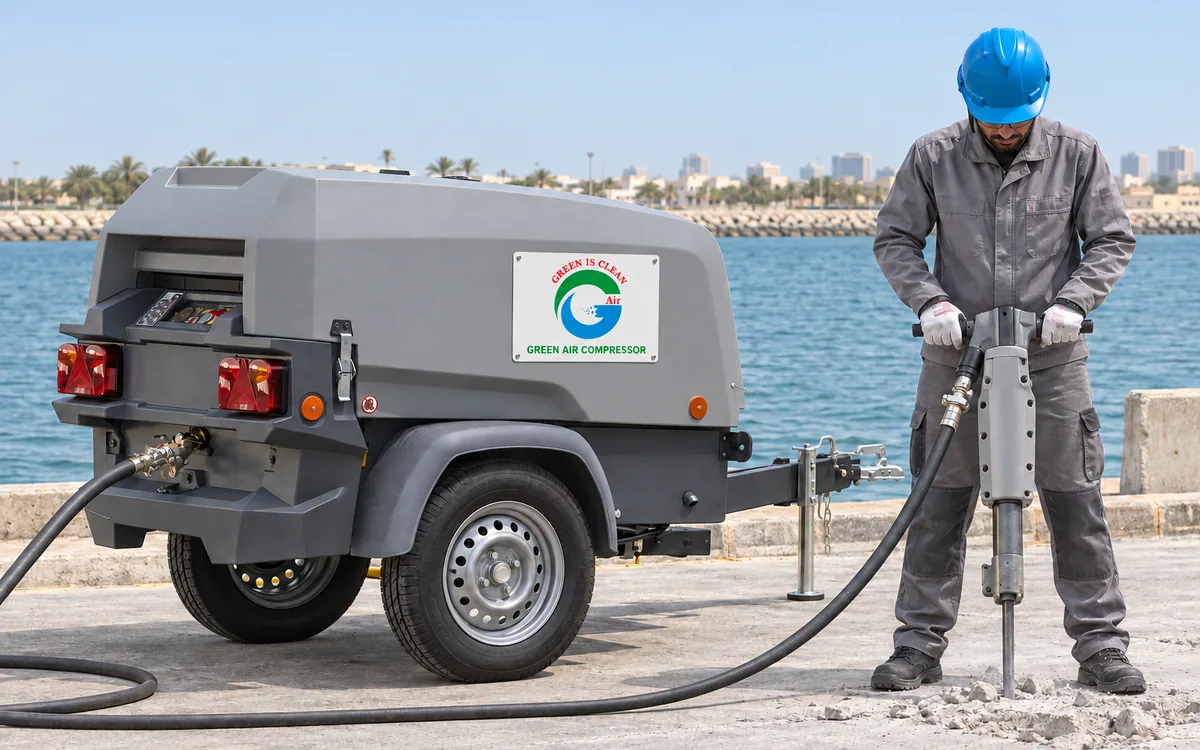
Ready-to-go compressor range
Standard specification machines held in stock for immediate delivery.
Learn more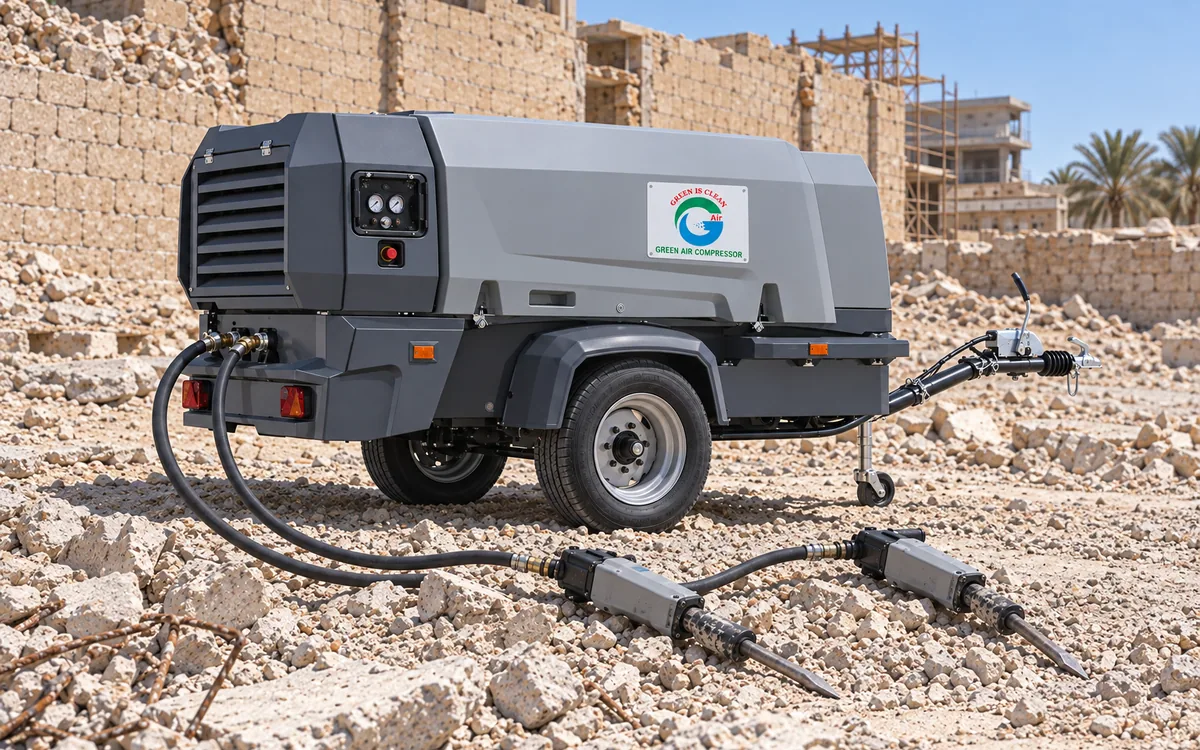
Medium portable diesel compressors
185 to 400 cfm, the general-purpose site range.
- Free air delivery
- 5.5 – 10.0 m³/min (194 – 353 cfm)
- Working pressure
- 5 – 14 bar g
- Motor power
- 55 – 90 kW
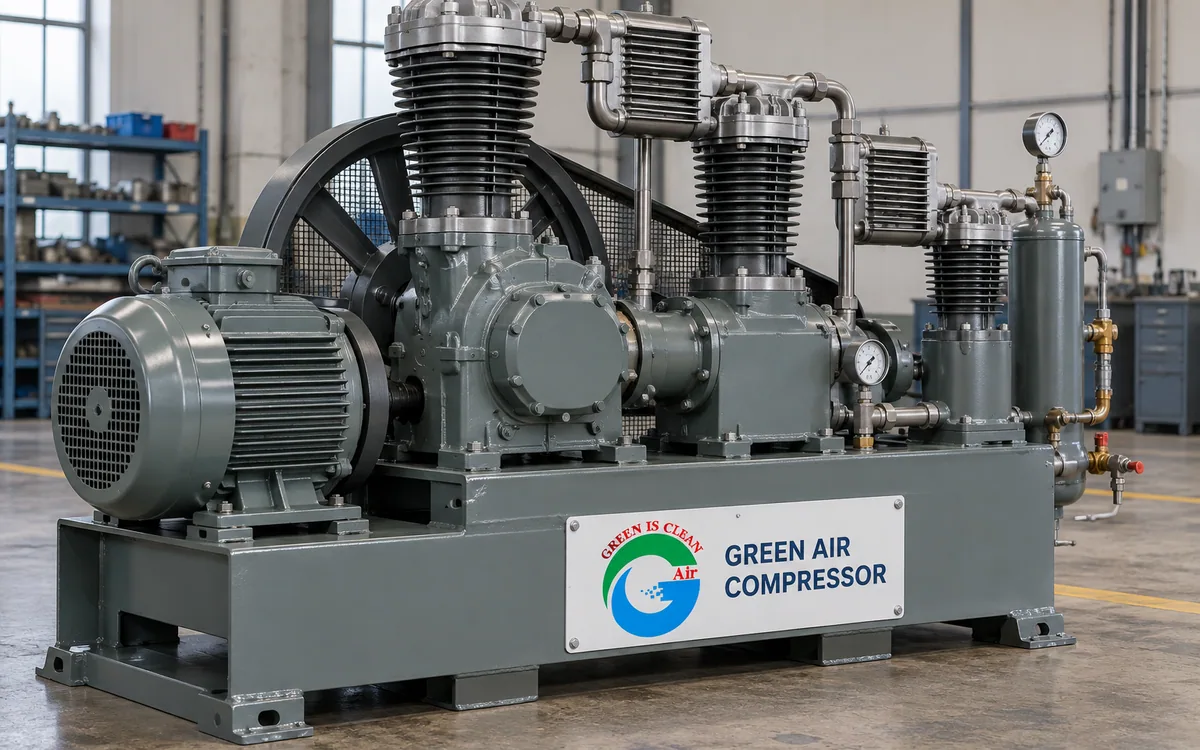
High pressure piston compressors
Multi stage reciprocating machines from 40 to 350 bar g.
- Free air delivery
- 6.5 – 25.0 m³/min (229 – 882 cfm)
- Working pressure
- 40 bar g
- Motor power
- 75 – 250 kW
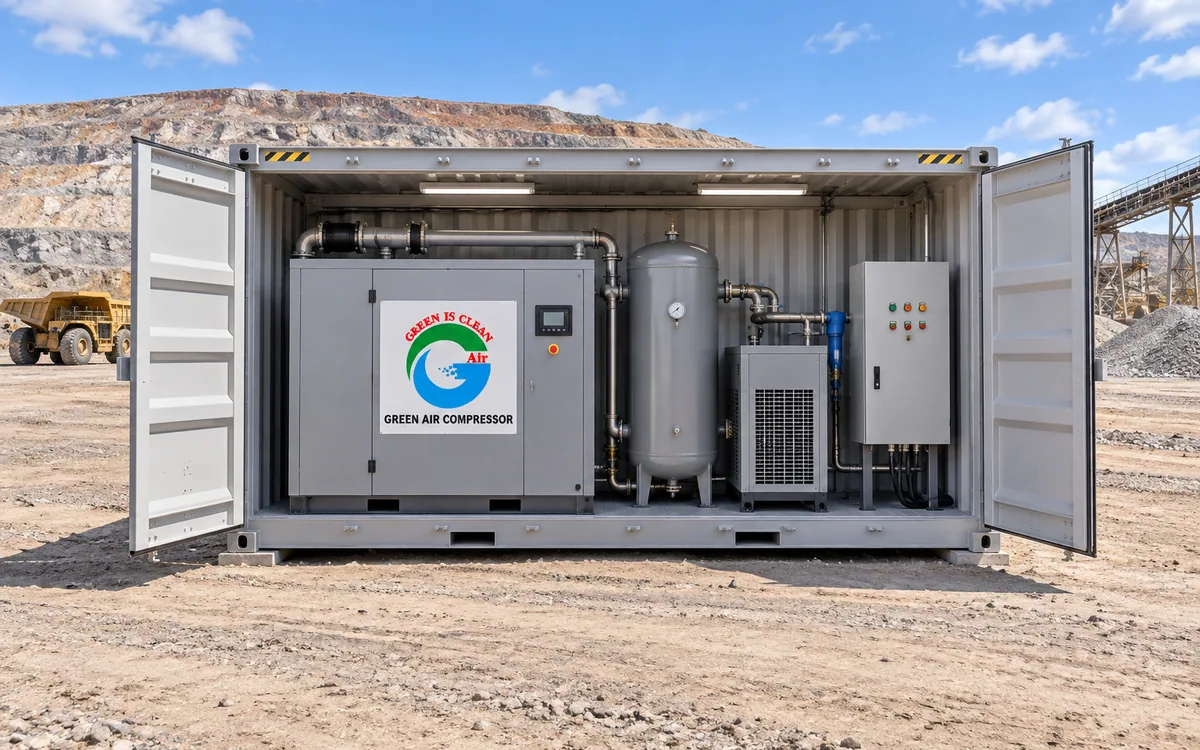
Containerised air compressors
A complete air station inside a shipping container. Ready to run on site.
Learn more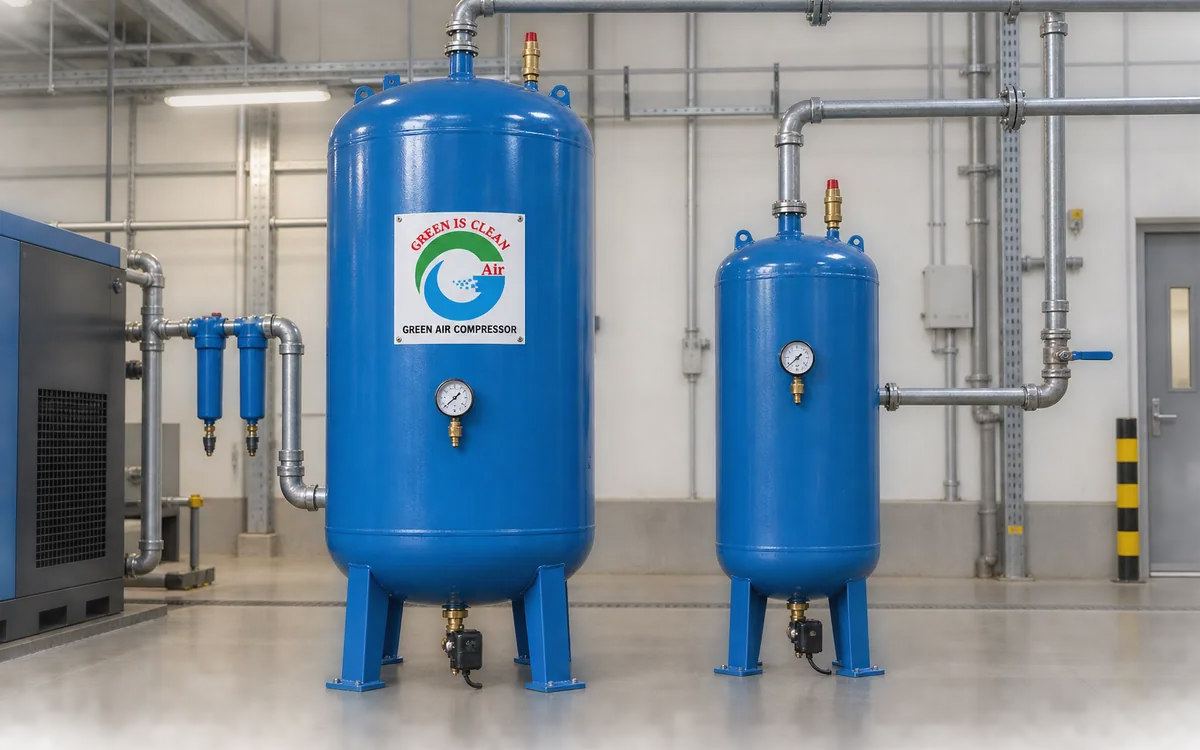
Air receivers and storage tanks
0.3 to 10 m³, carbon steel, stainless and vacuum. 8, 10 and 13 bar g.
- Working pressure
- 1 – 13 bar g
- Weight
- 99 – 1,240 kg
Overview
Construction equipment is judged on availability more than anything else. A machine that is 5% more efficient but takes three days to fix is worse than one that is average and gets repaired the same afternoon.
We build the offer around that: stock machines available at short notice, mobile service on site, and a rental fleet so a breakdown never becomes a programme delay.
Key benefits
Available at short notice
Stock machines in every country for the sizes contractors actually order.
Serviced on site
Mobile vans carrying parts. Machines do not leave the job for routine work.
Rental as backup
A hire unit can be on site while yours is repaired.
Sized from your tool list
We calculate the air requirement including hose losses and simultaneous use.
What a site needs
Air for breakers, drills and blasting, delivered by machines that survive being moved, rained on and left in the sun.
Sizing is the usual mistake. Count the tools running at the same time and add twenty five per cent, because two breakers need roughly seven cubic metres a minute and a single rock drill can need more than four breakers together.
Hose is the other one. A nineteen millimetre hose at thirty metres drops meaningful pressure, and going to twenty five often fixes a complaint that looked like an undersized machine.
- Tools counted running at the same time
- Twenty five per cent added for losses
- 25 mm hose on long runs
- Machines built for site handling
- Diesel where there is no supply
- Electric indoors and on night work
- Fuel tanks sized for a full shift
- Lifting and towing points as standard
Keeping a site working
Serviced on site, not in a workshop, and the whole fleet in one visit rather than machine by machine.
Fuel logged against running hours is the report contractors ask for most, because consumption that does not match the hours is visible the same week rather than at the end of the job.
Rental covers the peaks so the fleet is sized for the normal week rather than for the worst one.
- Serviced on site in one fleet visit
- Fuel logged against running hours
- Telemetry with location and service countdown
- Rental to cover peaks
- Kits boxed by interval
- Intake filters sized for dusty sites
- Out of hours support available
- Project length agreements
How we support a contractor
Stock machines available in days rather than weeks, because a job with a start date does not wait for a build slot.
Hire, hire purchase and purchase all available, and we will say which makes sense for the length of the work rather than defaulting to a sale.
Operator training on handover, which cuts damage more than any other single thing we do.
- Stock machines available in days
- Hire, hire purchase or purchase
- Honest advice on which suits the job
- Operator training on handover
- Damage reporting with photographs
- Off hire checks available
- One schedule for the whole fleet
- Local support in every country we serve
Frequently asked questions
What matters most on a construction site?
Availability. A machine 5% more efficient but three days from a repair is worse than an average one that gets fixed the same afternoon.
How quickly can you deliver a machine?
We hold the sizes contractors actually order in stock in each country, so delivery and commissioning is usually within a week: sometimes days.
Do you service on site?
Yes. Mobile vans carry filters, oil, belts and common failure parts, so routine work happens where the machine stands rather than costing a day of transport each way.
How do I size air for my tool list?
Add the simultaneous tools, add 20% for hose and coupling losses, then 10% for tool wear. Send us the list and we will do it.
Should I buy or hire?
Hire for short projects and peaks, buy where the machine will be used continuously across jobs. Long hires can usually be credited against a purchase.
What if my machine breaks mid-project?
A hire unit can be on site while yours is repaired, usually within 24 hours. That is the main reason contractors put us on the supplier list.
Do you supply dewatering pumps too?
Yes, from a 12 kg trench pump to high head units. One supplier for air, pumps and tools means one party to hold responsible.
Are the machines site-legal for towing?
Yes, overrun brakes, lighting and jockey wheel to local road regulations, on a galvanised, bunded chassis.
Can I run tools indoors or in a tunnel?
Not on diesel. Electric portable compressors exist precisely for that, and increasingly site rules require them for enclosed work.
How do I manage a fleet across several sites?
Telemetry: running hours, fuel level, GPS position, faults and service countdowns in one list, which is what makes twenty machines manageable.
Related products
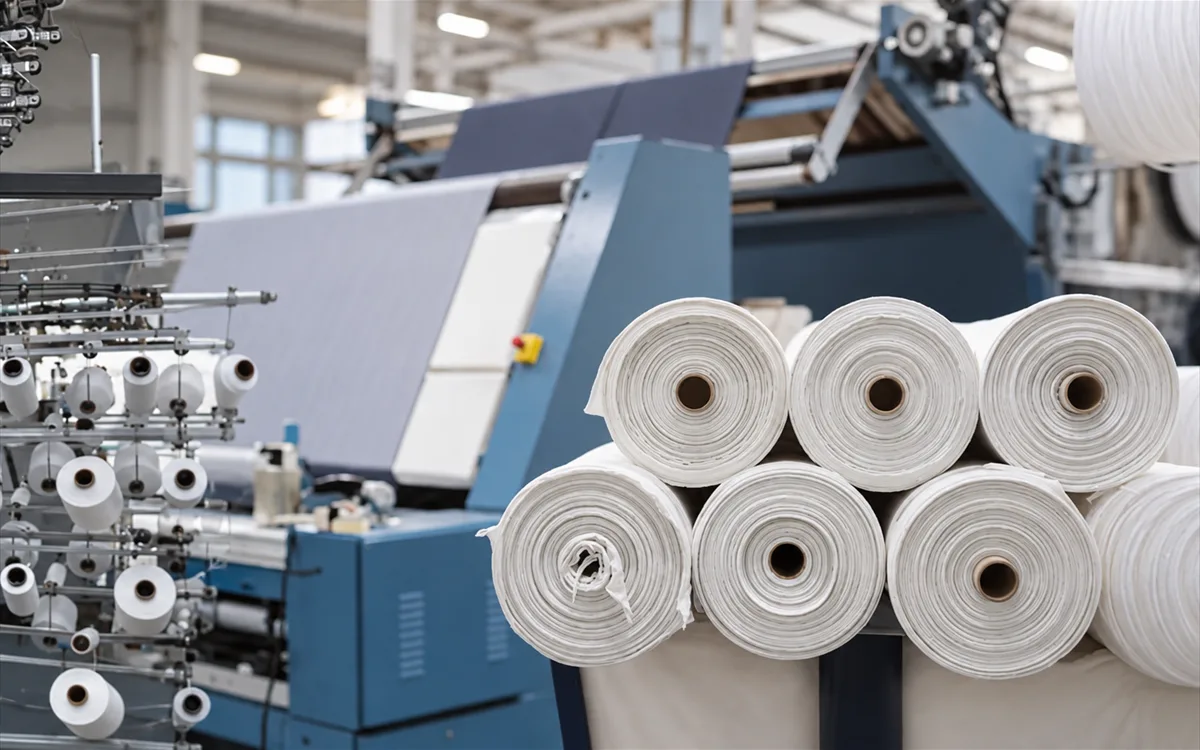
Textiles
Air-jet weaving, spinning and dyeing, where air is the largest utility.
Learn more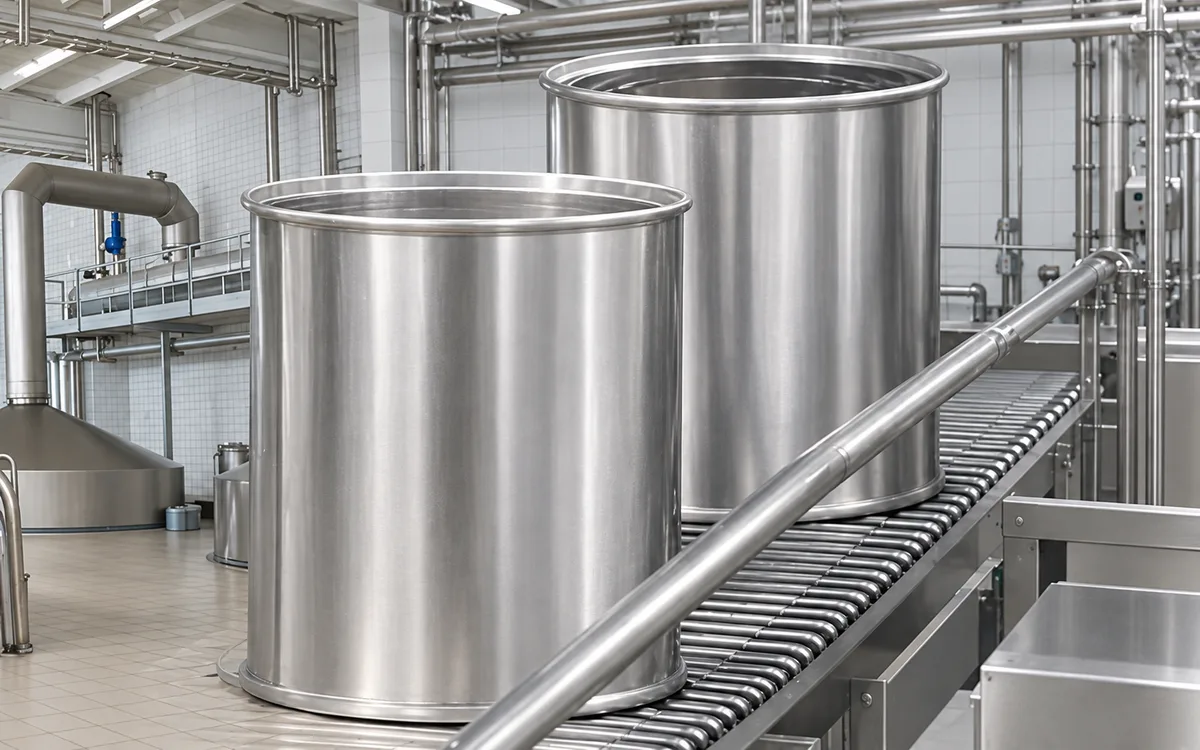
Food and beverage
Class 0 air, documented, for anything that touches product.
Learn more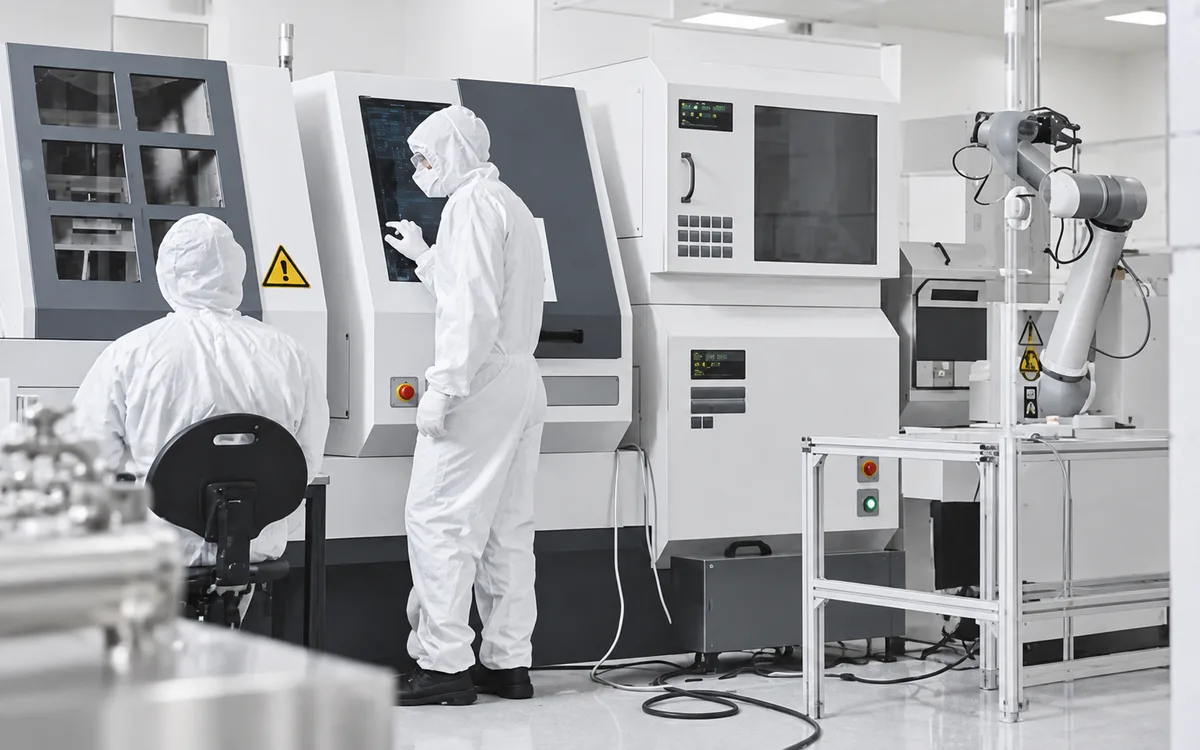
Pharmaceutical
Validated, qualified air systems with full documentation.
Learn more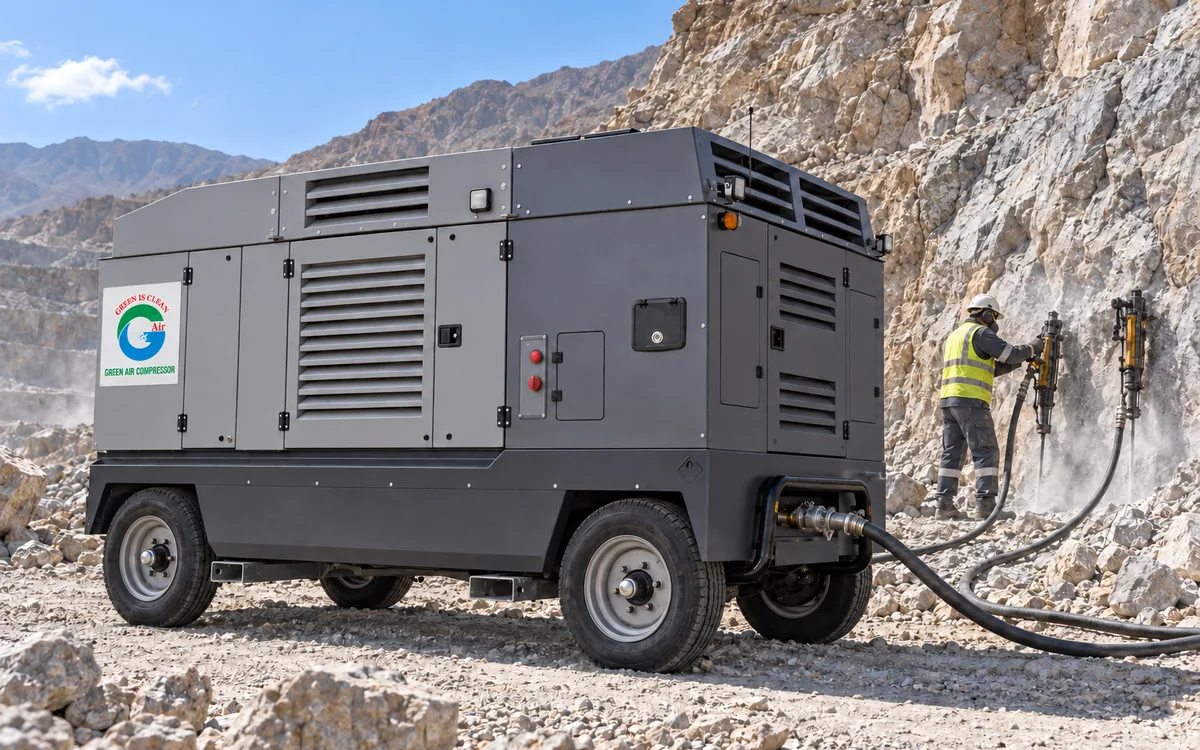
Mining and quarrying
Air and dewatering that survive dust, distance and heat.
Learn moreNot sure which model you need?
Send us your air demand, working pressure and running hours. Our engineers will size the machine and send a written recommendation, no cost, no obligation.