
Mining and quarrying
Air and dewatering that survive dust, distance and heat.
What we supply for this industry
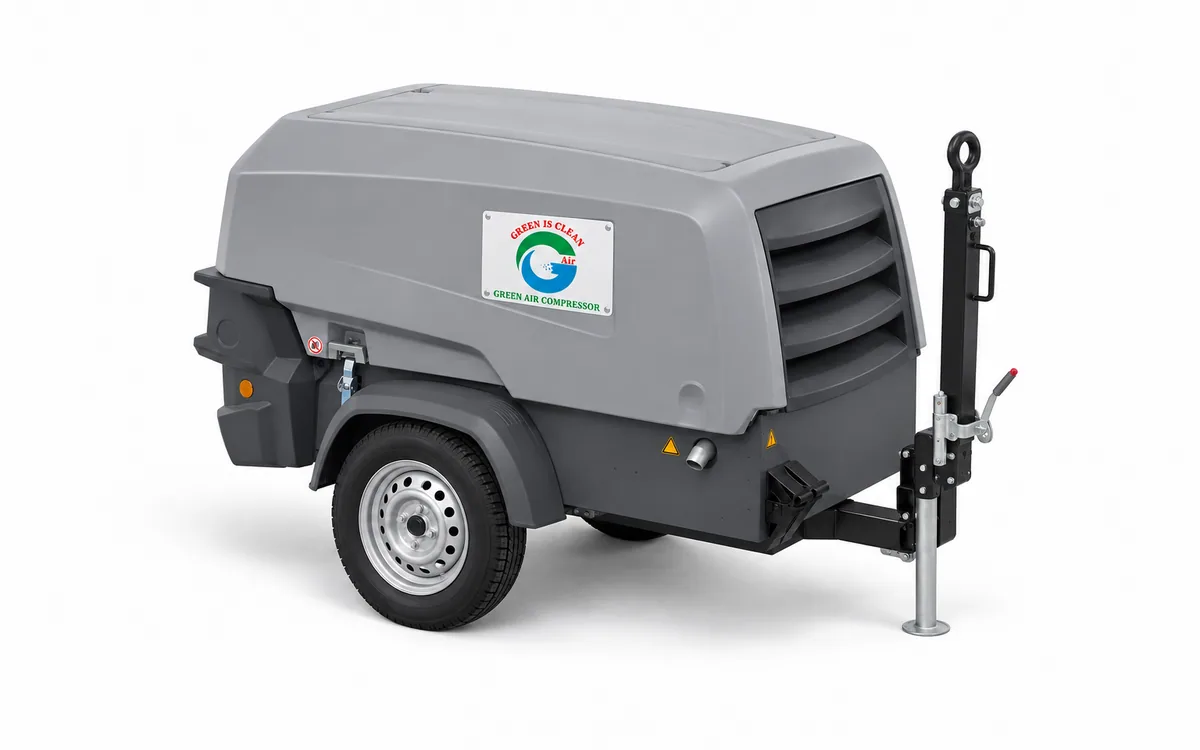
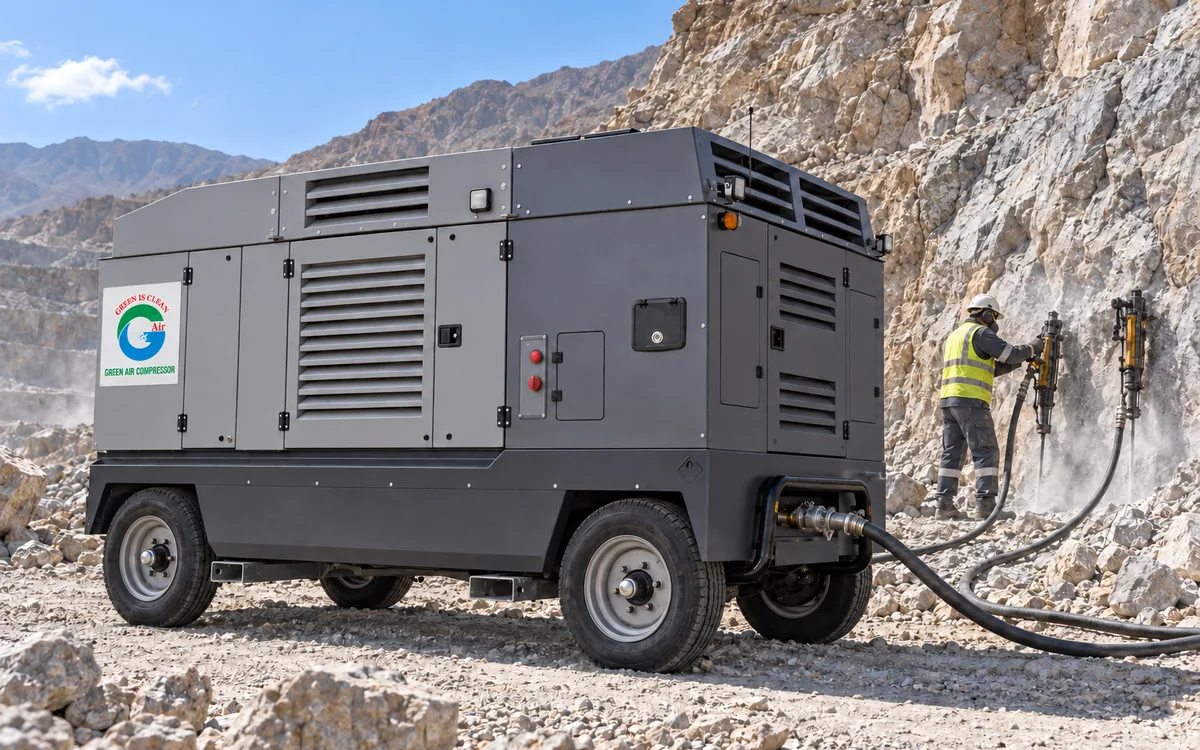
Diesel portable compressors
Towable diesel units for sites with no power supply.
- Free air delivery
- 3.0 – 10.5 m³/min (106 – 371 cfm)
- Working pressure
- 5 – 14 bar g
- Motor power
- 35 – 90 kW
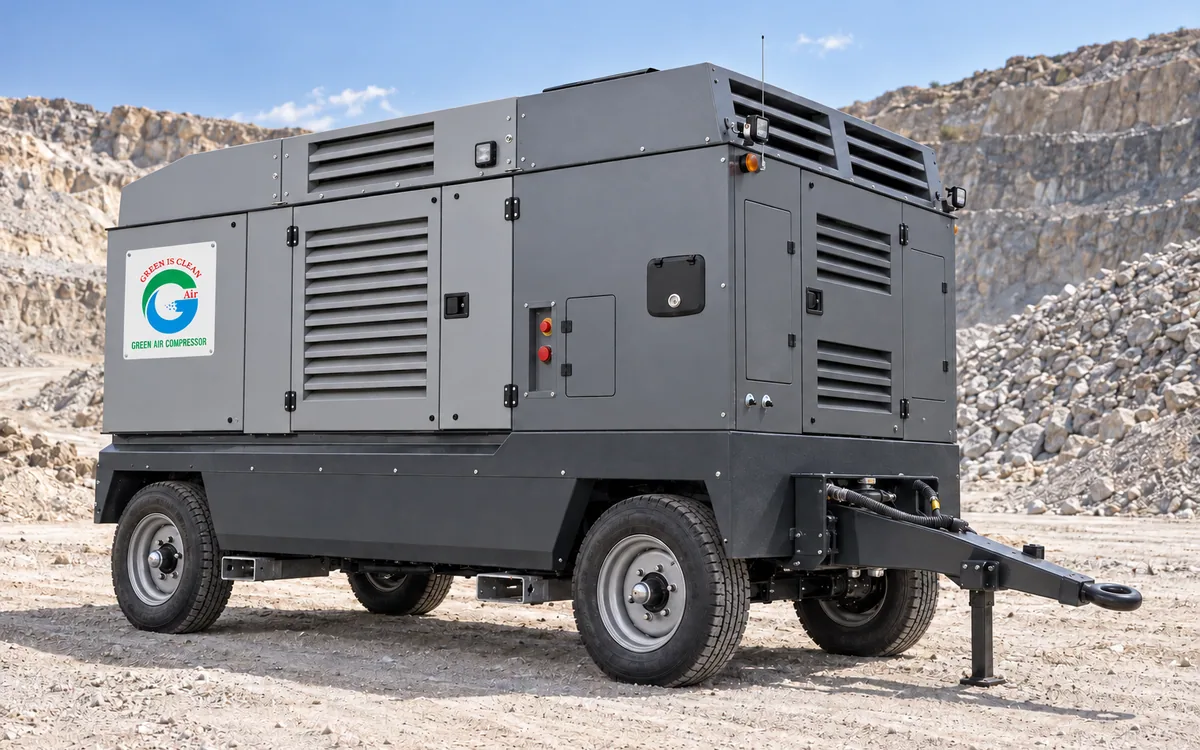
Large portable diesel compressors
650 to 1600 cfm for drilling, blasting and pipeline work.
- Free air delivery
- 11.0 – 27.0 m³/min (388 – 954 cfm)
- Working pressure
- 5 – 24 bar g
- Motor power
- 90 – 224 kW
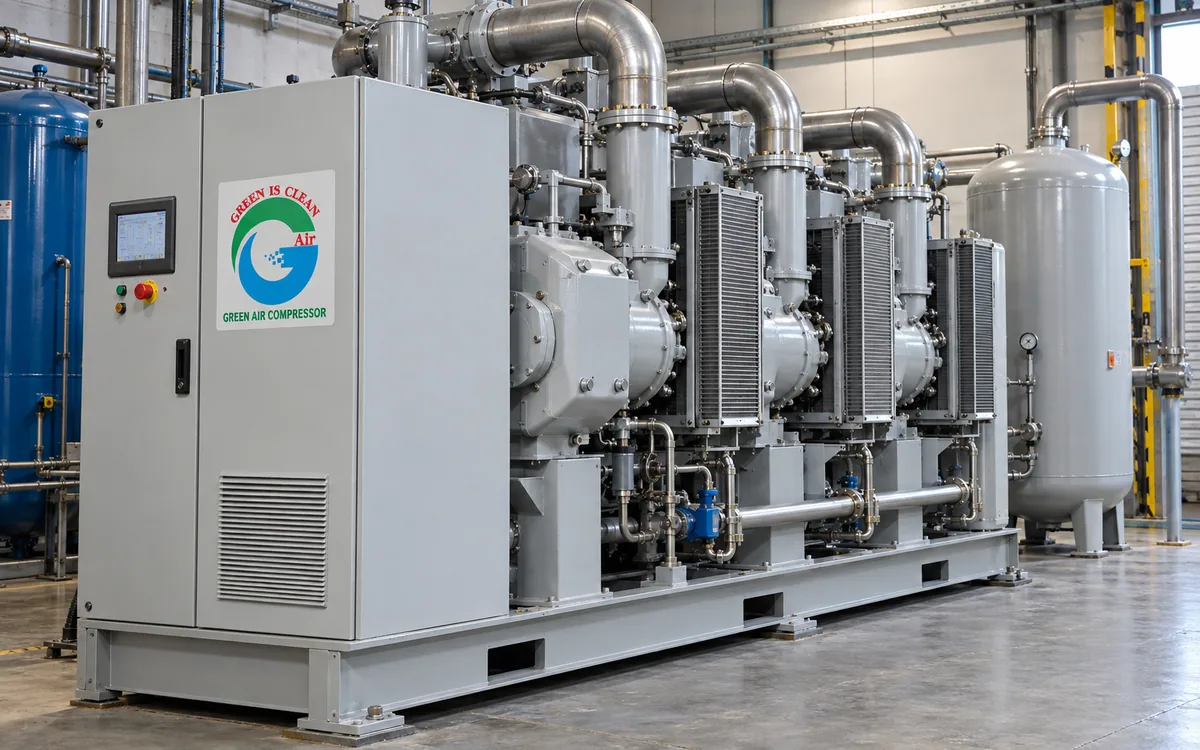
High pressure screw compressors
20 to 35 bar g from a screw machine. 45 to 330 kW.
- Free air delivery
- 2.8 – 43.7 m³/min
- Working pressure
- 20 – 35 bar g
- Motor power
- 45 – 330 kW
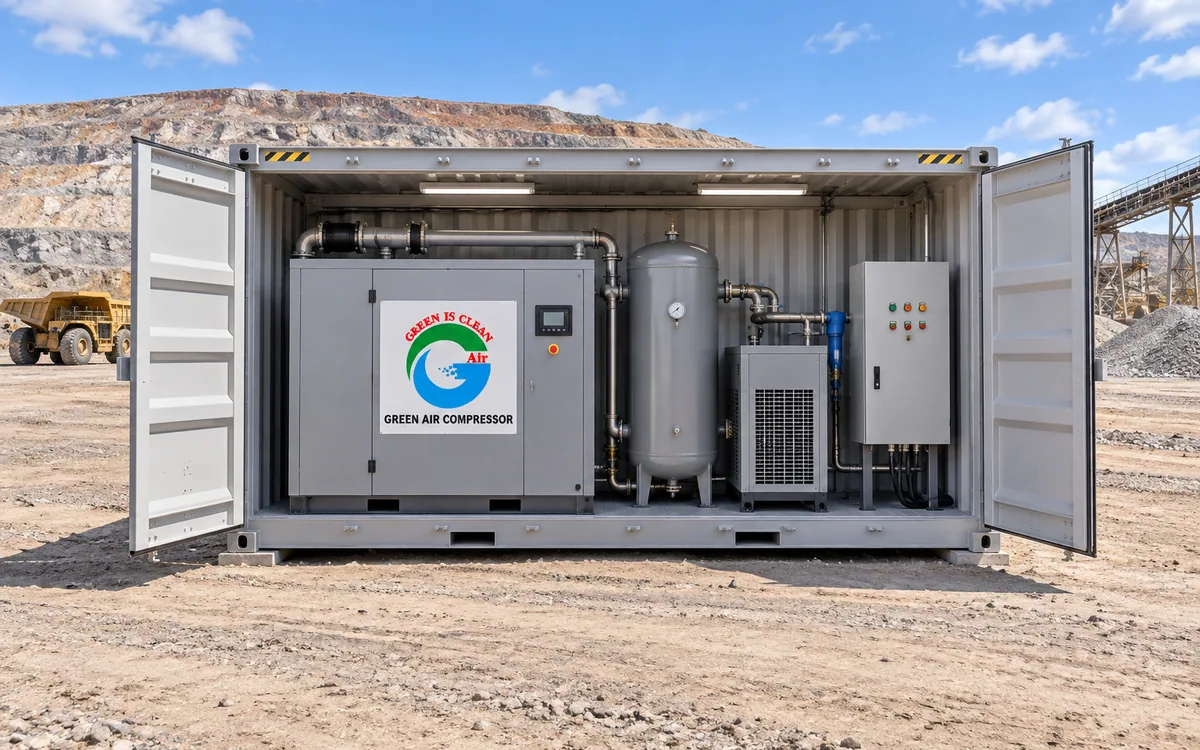
Containerised air compressors
A complete air station inside a shipping container. Ready to run on site.
Learn more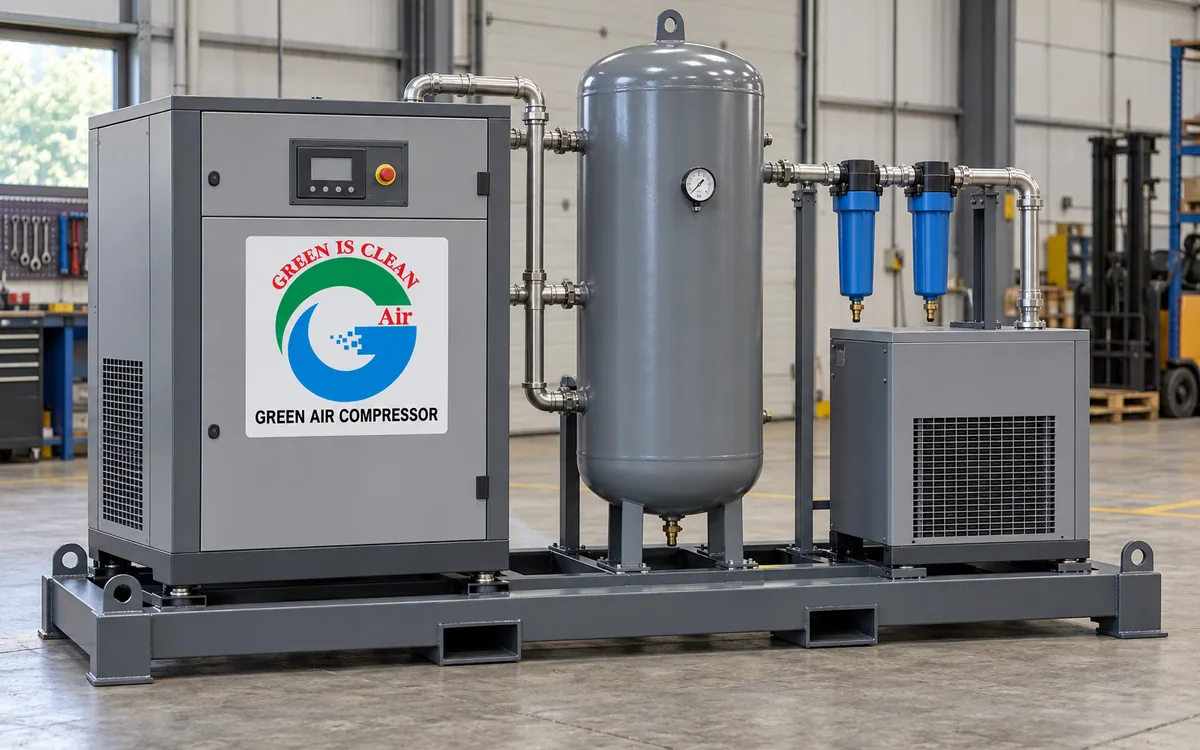
Skid mounted air compressors
The whole air system on one steel frame, piped and wired, ready to bolt down.
Learn more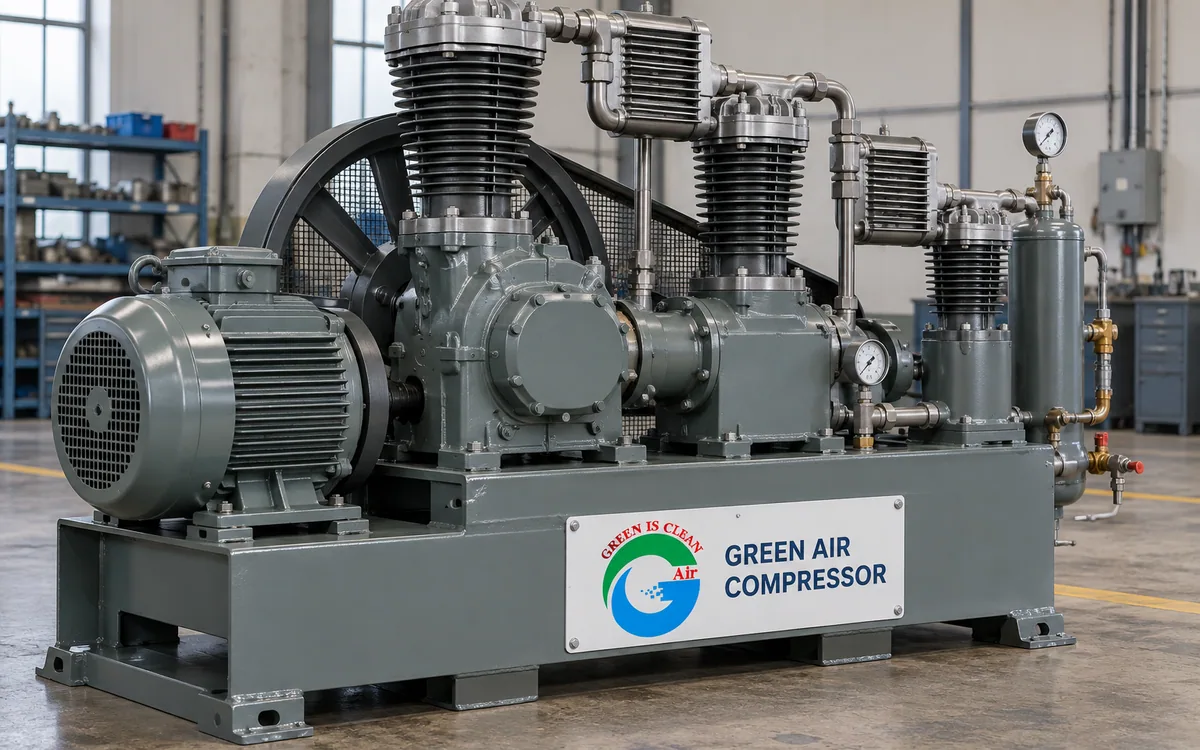
High pressure piston compressors
Multi stage reciprocating machines from 40 to 350 bar g.
- Free air delivery
- 6.5 – 25.0 m³/min (229 – 882 cfm)
- Working pressure
- 40 bar g
- Motor power
- 75 – 250 kW
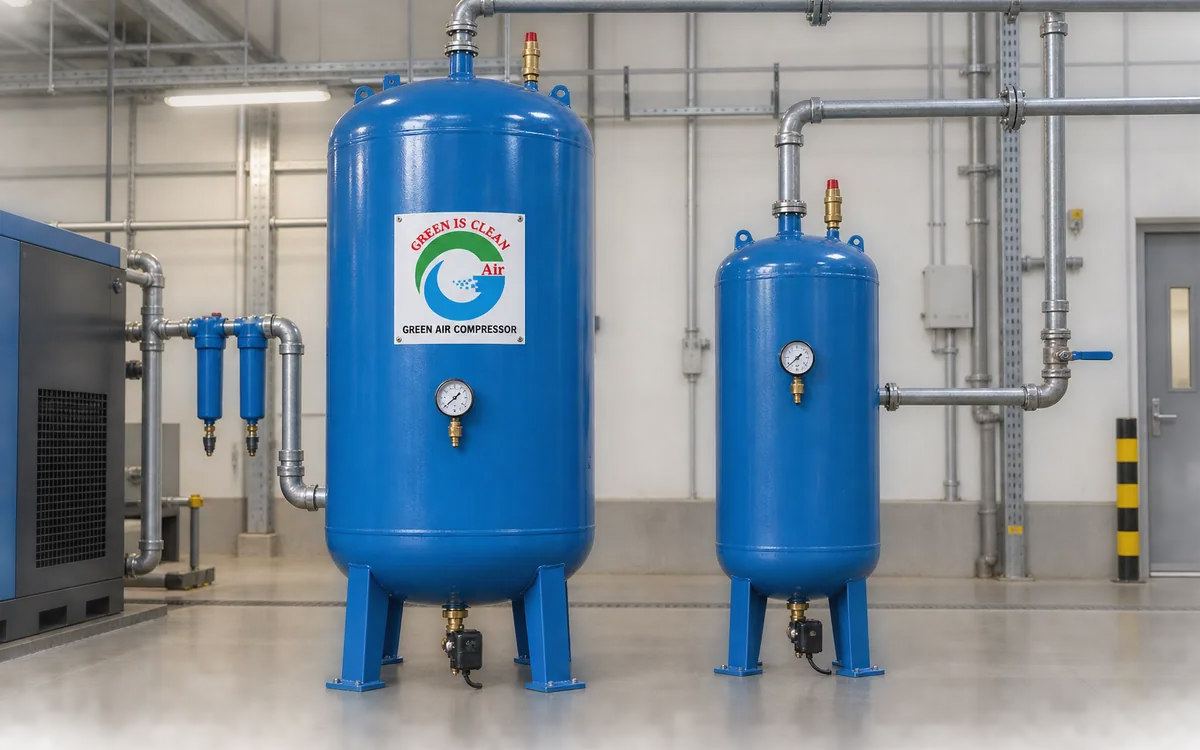
Air receivers and storage tanks
0.3 to 10 m³, carbon steel, stainless and vacuum. 8, 10 and 13 bar g.
- Working pressure
- 1 – 13 bar g
- Weight
- 99 – 1,240 kg
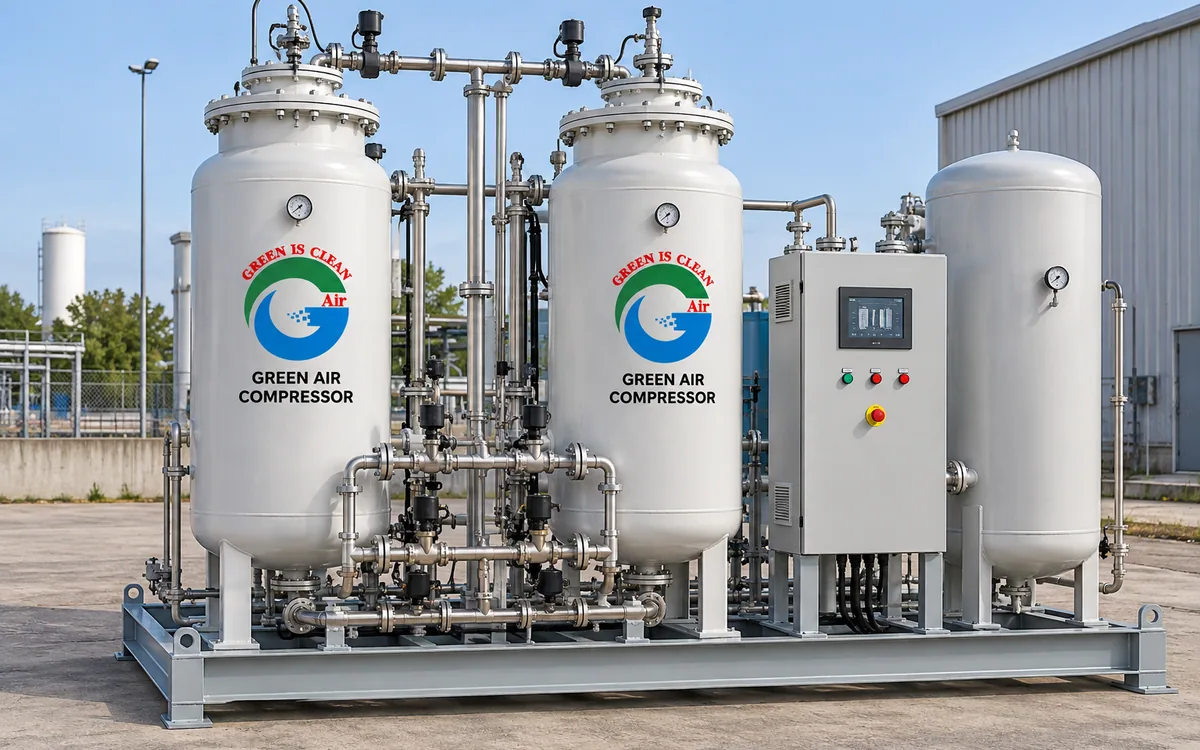
Oxygen generation plants
PSA and VPSA oxygen from your own air, 90 to 95 per cent purity.
- Working pressure
- 4 – 5 bar g
Overview
Mining is hard on equipment in three specific ways: the dust is abrasive and constant, the ambient temperature is high, and the nearest spare part is usually a long way away. Equipment that works well in a factory frequently does not last here.
We specify heavy-duty intake filtration, oversized cooling and on-site parts holding as standard, and we would rather over-specify the filtration than have you replace an airend.
Key benefits
Heavy-duty intake filtration
Multi-stage cyclonic pre-cleaners, because airend life in mining is decided at the intake.
High ambient cooling
Rated to 52 °C so machines do not trip on the hottest days of the year.
Site spares holding
A consignment stock of critical parts held at the mine, not in the capital city.
Dewatering included
High head pumps for shaft drainage supplied and serviced by the same team.
What a mine needs
Air for drilling, for ventilation and for the plant, usually in that order of volume. It is a production input rather than a service, and when it stops the face stops.
Conditions are the specification. Dust, heat, altitude and vibration all reduce what a machine will actually deliver, and a compressor chosen on a catalogue figure will disappoint.
Distance is the other one. A mine is rarely near a parts counter, so what is held on site matters more than what is held in a city.
- Air for drilling, ventilation and plant
- Sized for dust, heat and altitude
- Derating calculated, not ignored
- Intake filtration for mine dust
- Vibration resistant installation
- Portable and fixed plant both supported
- Consignment stock held at the mine
- Standby and rental cover
Keeping it running
We agree a consignment stock of critical parts held at the mine rather than in the capital city, because the transport time is the real downtime.
Service intervals follow the dust rather than the manual. A machine on a haul road does not get the same schedule as one in a workshop.
Telemetry matters more here than anywhere. Knowing which machine needs attention before making a six hour drive is the whole point.
- Consignment stock held at the mine
- Intervals set by the dust, not the manual
- Telemetry to plan long trips
- Fleet servicing in one visit
- Engineers trained for site conditions
- Airend exchange to avoid long repairs
- Rental cover during an overhaul
- Fixed price across the fleet
How we support a mine
Local engineers and local stock in every country we trade in, and a spares list agreed against lead time rather than against usage.
Fleet visits planned together so one trip covers the compressors, the pumps and the tools rather than three separate journeys.
And a realistic derating calculation before purchase, so what is delivered on site matches what was quoted.
- Local engineers and local stock
- Spares agreed against lead time
- One trip for compressors, pumps and tools
- Derating calculated before purchase
- Performance verified on commissioning
- Operator training included
- Out of hours support on a plan
- Annual review of the whole fleet
Frequently asked questions
What makes mining hard on compressors?
Abrasive dust, high ambient temperature and distance from the nearest spare part. Equipment that works well in a factory frequently does not last here.
How important is intake filtration?
It decides airend life. We fit multi-stage cyclonic pre-cleaners as standard because on a mine the intake is where the machine is won or lost.
What ambient rating do I need?
52 °C as a working assumption. A machine rated to 40 °C will spend the hottest months derating and tripping, which is when you need it most.
Should I hold spares on site?
Yes, we agree a consignment stock of critical parts held at the mine rather than in the capital city. The transport time is the real downtime.
Do you supply dewatering as well as air?
Yes, including high head pumps lifting up to 200 metres out of a shaft, serviced by the same team and from the same parts stock.
What compressors suit drilling?
Large portable diesel machines, often two-stage where high pressure is needed for down-the-hole hammers at depth. We size from the rig specification.
How do you service equipment this remote?
Mobile service vans, longer intervals designed into the specification, and telemetry so a developing fault is known before somebody drives out.
What about dust suppression and ventilation air?
Both are blower duties rather than compressor duties. Using compressed air for them is one of the most expensive habits on a mine site.
Is variable speed useful in mining?
On fixed plant, yes: crushing and screening air demand varies through the shift. On drilling rigs the duty is closer to constant.
How do you handle fuel management across a site?
Telemetry logs fuel level against running hours, so consumption that does not match the hours becomes visible immediately.
Related products
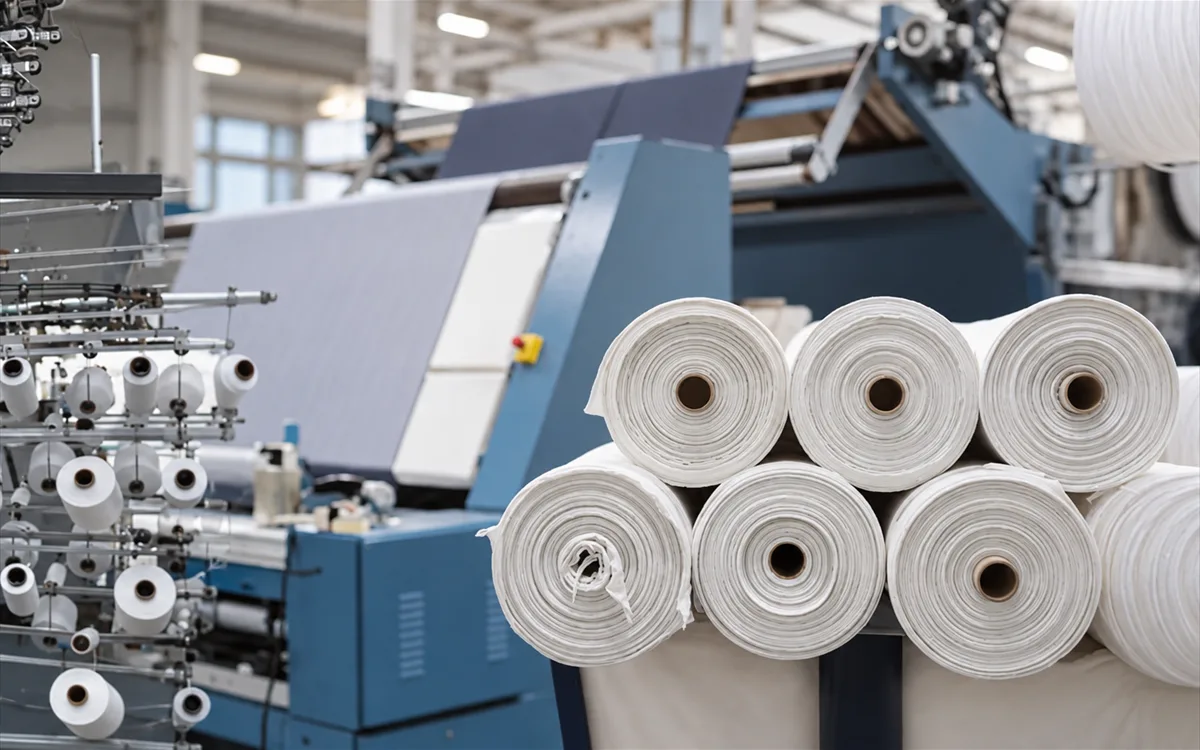
Textiles
Air-jet weaving, spinning and dyeing, where air is the largest utility.
Learn more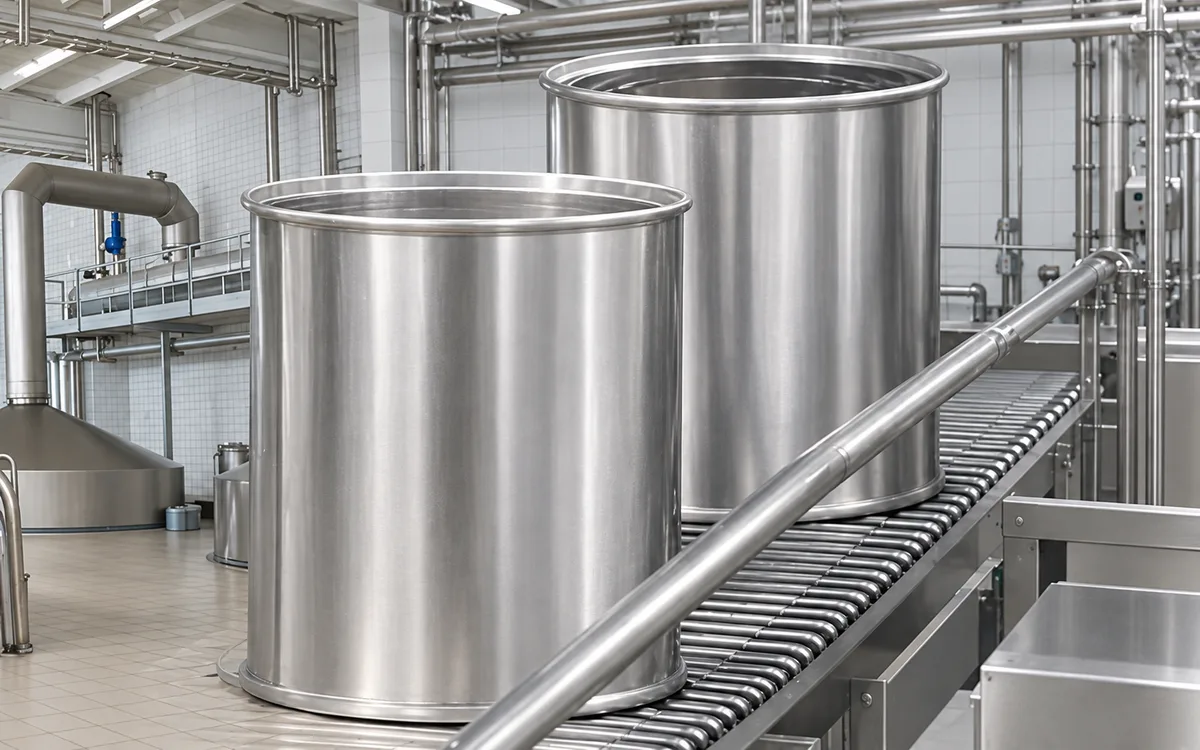
Food and beverage
Class 0 air, documented, for anything that touches product.
Learn more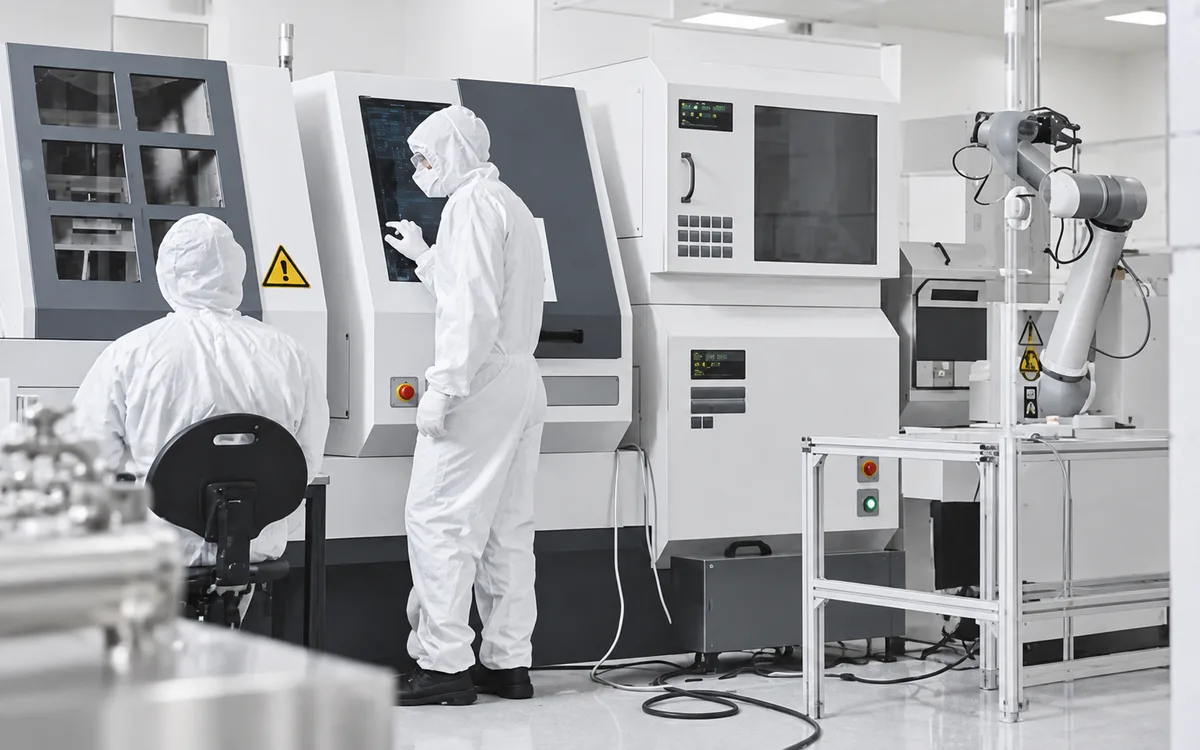
Pharmaceutical
Validated, qualified air systems with full documentation.
Learn more
Construction
Portable air, pumps and tools that arrive when you need them.
Learn moreNot sure which model you need?
Send us your air demand, working pressure and running hours. Our engineers will size the machine and send a written recommendation, no cost, no obligation.