
Vacuum solutions
Dry, oil-sealed and liquid ring vacuum pumps, plus full vacuum service.
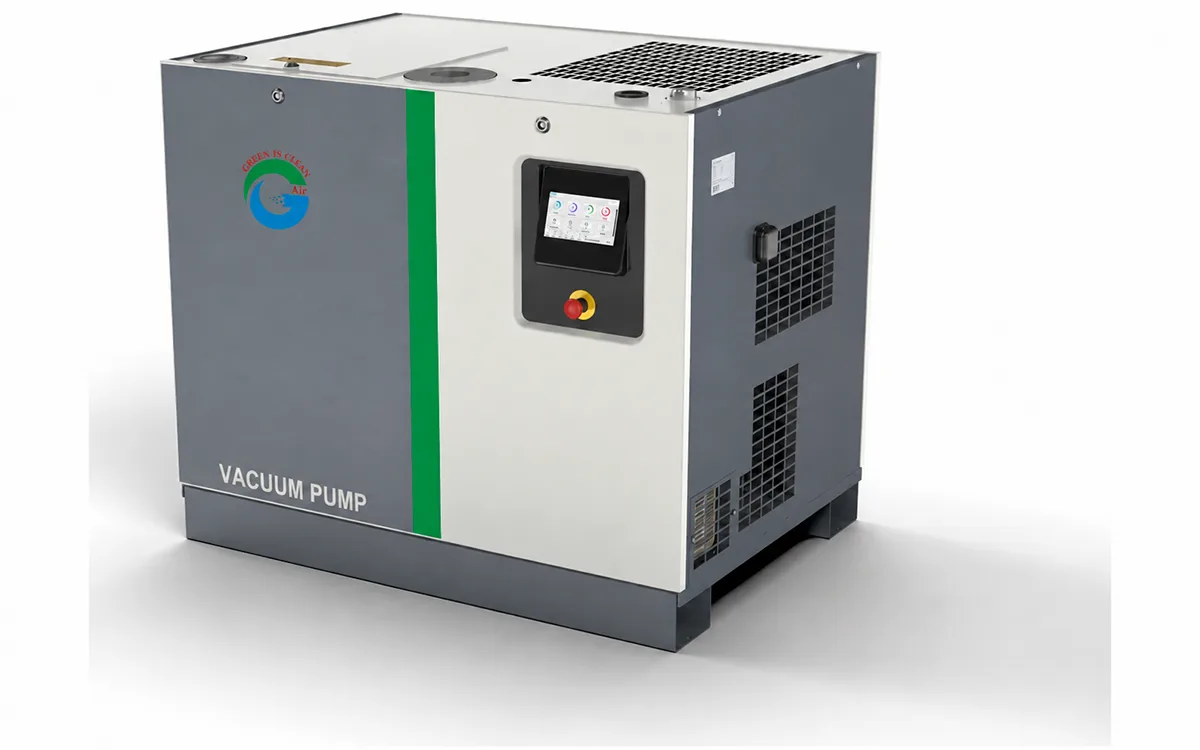
Overview
Vacuum is the utility that gets attention only when it stops working. It is rarely metered, rarely audited, and in many plants the pumps have been running the same way since the line was installed.
There is usually a lot of money in that. Oversized pumps, leaks, the wrong technology for the process and no speed control are all common, and all fixable. We supply the pumps, and we also do the unglamorous work of measuring what the existing system is actually doing.
In this range
Key benefits
Measured before recommended
Ultimate pressure, pump down and vapour load taken on your plant, including on systems we did not supply.
Every pump type, every make
Dry, oil sealed and liquid ring, serviced whoever built them.
Exchange rather than wait
A pump on the shelf so a process is running in days rather than weeks.
Honest when nothing is wrong
A health check that finds nothing gets a report saying so.
What is in this division
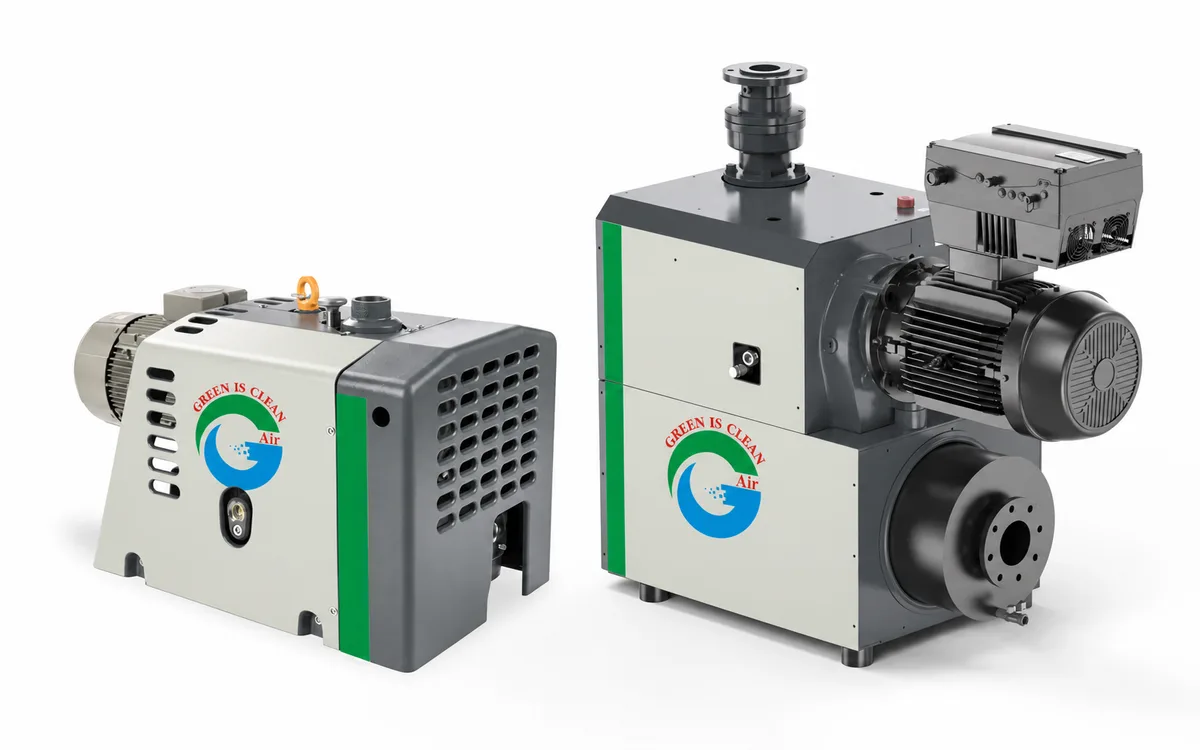
Dry and oil sealed vacuum pumps, liquid ring pumps, boosters, blowers and the service that keeps all of them working.
Vacuum is chosen by the pressure your process needs and by what the gas carries with it. Packaging works at a hundred to two hundred millibar and vacuum drying needs a tenth of a millibar, and specifying deeper vacuum than the process needs is one of the more expensive mistakes in a plant.
We measure before recommending, including on systems we did not supply. The answer to a vacuum problem is nearly always measurable rather than mysterious.
- Dry claw, screw, scroll and vane pumps
- Oil sealed vane, piston and screw pumps
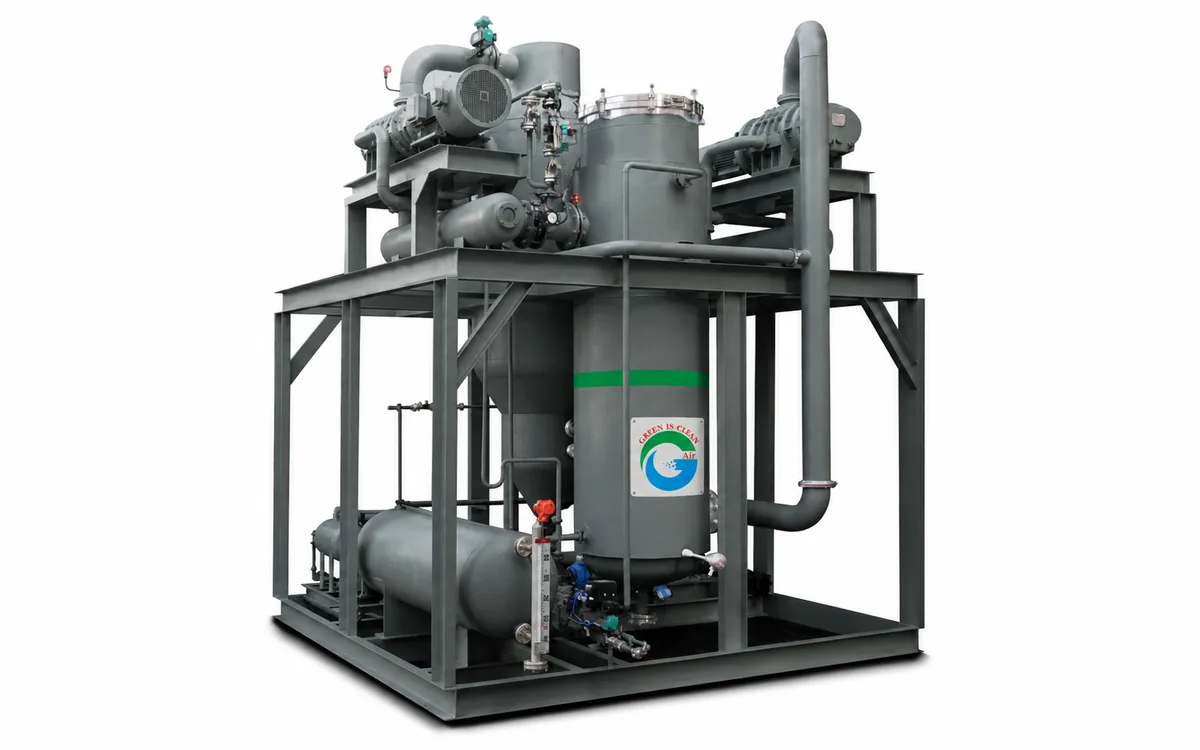
- Liquid ring pumps, fixed and variable speed
- Boosters and side channel blowers
- Service on every type, including other makes
- Measurement before recommendation
- Health checks and consultancy
- Contracts with fixed pricing
Choosing a pump
Ultimate pressure first, then the vapour load, then the gas. Those three in that order settle most selections.
Dry where nothing from the pump may reach the process and where the duty is clean and continuous. Oil sealed where the duty is dirty or difficult and a deep vacuum is needed at a modest price.
Liquid ring where the process carries water, vapour or slugs that would stop anything else. It is the design of last resort and it earns that place.
- Ultimate pressure decided first
- Vapour load measured, not assumed
- Dry for clean continuous duty
- Oil sealed for dirty or difficult duty
- Liquid ring for water, vapour and slugs
- Booster where pump down speed matters
- Five year cost compared, not just purchase
- Honest comparison between types
Datasheets in this range
Two pages each: what the machine is, what it is for, and the measured table. Built from this site, so a sheet can never say something the page does not.
Frequently asked questions
How do I choose between dry, oil-sealed and liquid ring?
By what goes through the pump. Clean and continuous: dry. Clean but budget-driven: oil-sealed. Wet, dirty or carrying condensate: liquid ring, which is almost indifferent to carry-over.
What vacuum level do I actually need?
Packaging works at 100–200 mbar. Vacuum drying and distillation need 0.1 mbar or lower. Specifying deeper vacuum than the process needs is one of the most expensive mistakes in a plant.
How is pumping speed different from ultimate pressure?
Pumping speed is how fast a pump moves gas, ultimate pressure is the deepest vacuum it can reach. A pump can have a fine ultimate figure and still take an hour to pump your vessel down.
Why is my vacuum getting worse?
Usually leaks, the wrong fluid or a blocked filter rather than a worn pump. We measure ultimate pressure, pumping speed, leak rate and power draw before recommending anything.
How much does a vacuum system cost to run?
More than most plants realise, because it is rarely metered. A central system running continuously can be one of the three largest electrical loads on a site, and it is usually oversized.
Do you service other manufacturers' pumps?
Yes, most of the pumps that come through our workshops were supplied by somebody else, and that is entirely fine.
What is a mechanical booster for?
It sits on top of a backing pump and multiplies pumping speed in the range where the backing pump has gone slow. A vessel that took forty minutes to evacuate typically comes down to eight.
Can variable speed be added to a vacuum system?
On liquid ring installations, yes, and it is usually the single biggest saving available: 30–50% less energy than throttling, plus lower sealing water consumption.
How long should a vacuum pump last?
A dry claw pump runs about 20,000 hours between major services on a clean duty. An oil-sealed vane pump depends almost entirely on whether the oil is changed and the right grade is used.
Can you audit our existing vacuum system?
Yes, and the report is yours whether or not you buy anything. Leak testing and pipework assessment usually find the problem long before the pump is at fault.
Related products
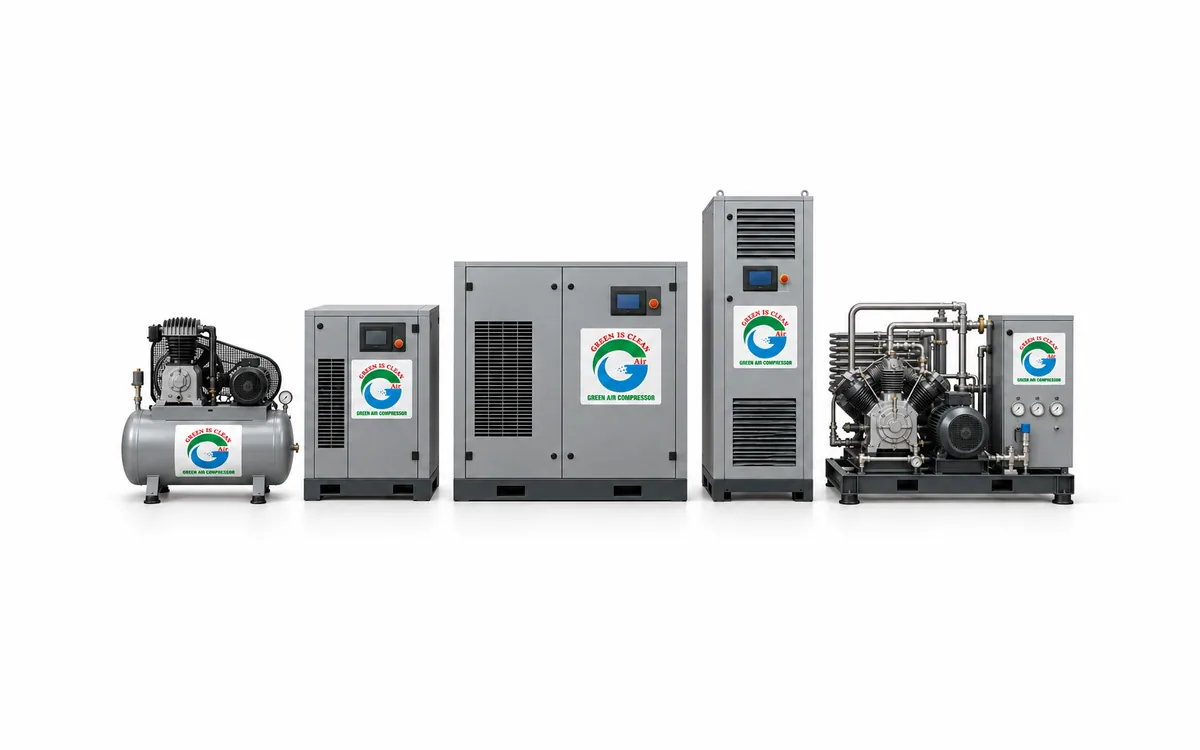
Compressors and air treatment
Screw, oil-free, piston and process compressors, plus everything downstream.
- Free air delivery
- 0.1 – 418.0 m³/min (9 – 882 cfm)
- Working pressure
- 1 – 1,100 bar g
- Motor power
- 1 – 450 kW
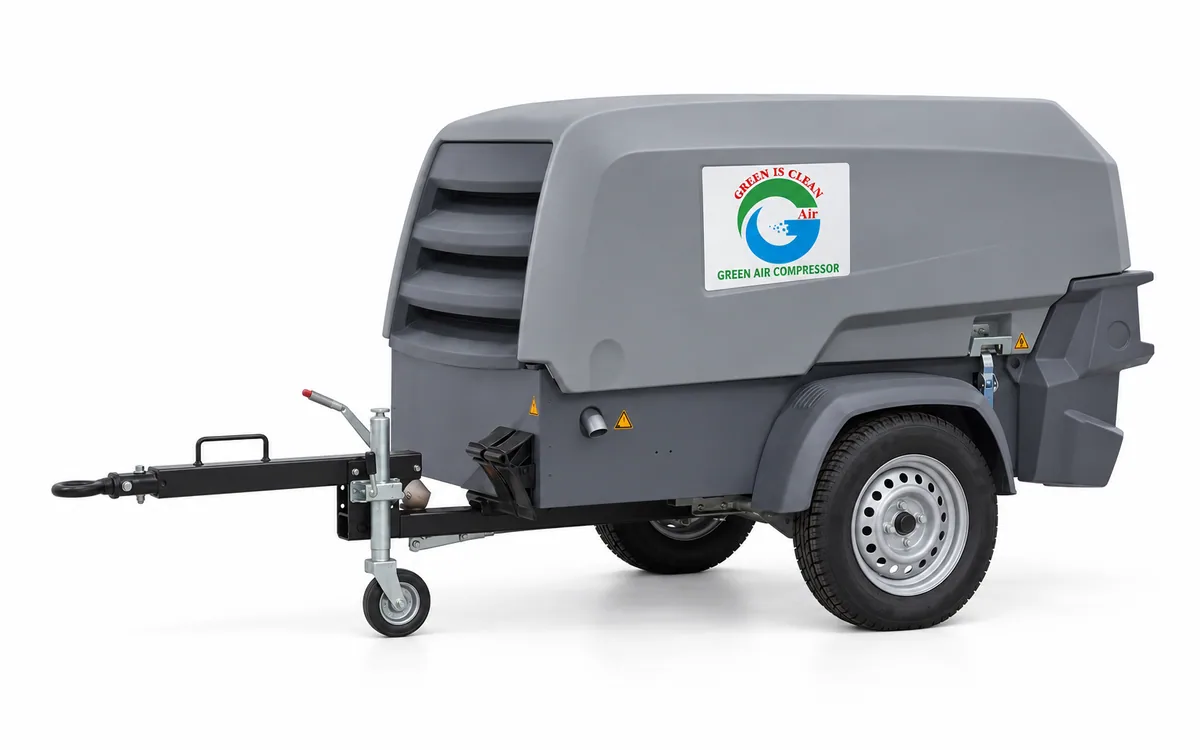
Construction equipment
Portable compressors, dewatering pumps and handheld breaking tools.
- Free air delivery
- 1.5 – 27.0 m³/min (106 – 954 cfm)
- Working pressure
- 5 – 40 bar g
- Motor power
- 30 – 224 kW
Not sure which model you need?
Send us your air demand, working pressure and running hours. Our engineers will size the machine and send a written recommendation, no cost, no obligation.