
Choosing a towable compressor
How to size a site machine without guessing.
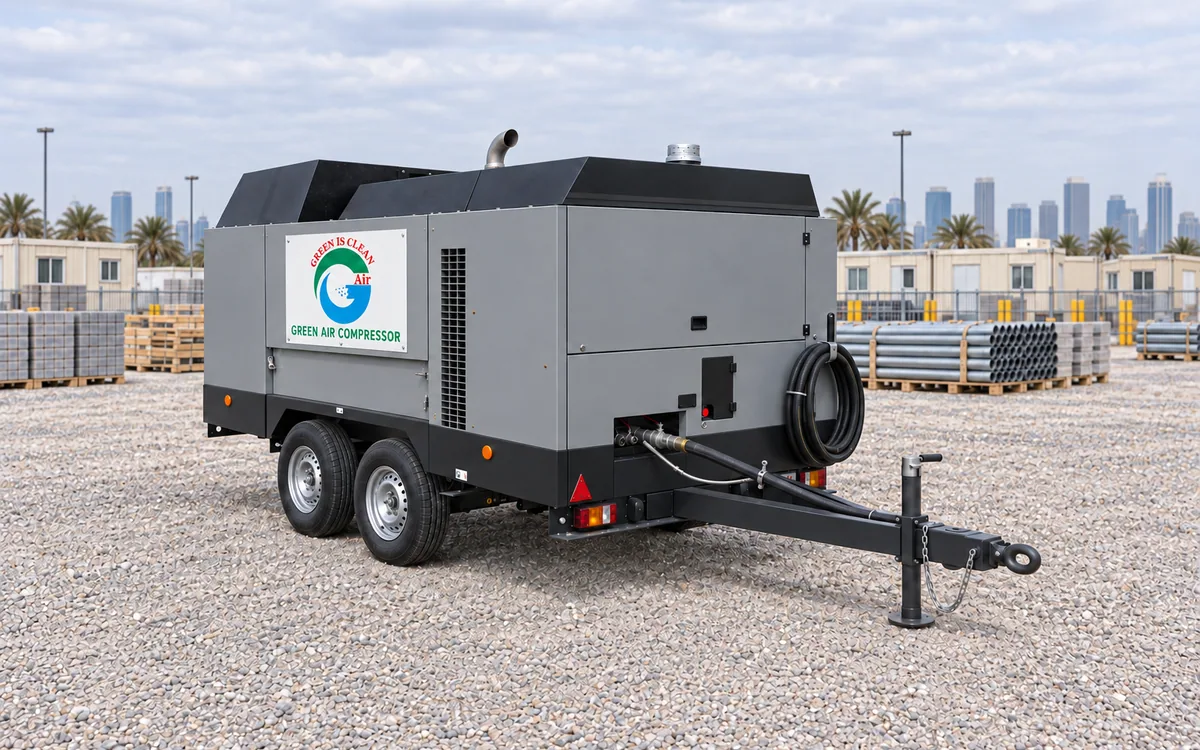
Overview
Sizing a portable compressor is straightforward arithmetic that almost nobody actually does. Add up the air consumption of every tool that will run at the same time, add 20% for hose and coupling losses, then add a further 10% margin for wear as the tools age.
Two medium breakers at roughly 1.7 m³/min each, plus losses, comes to about 4.5 m³/min, which is why the 185 cfm machine is the most common size on construction sites worldwide.
The mistake worth avoiding is buying a bigger machine than you need on the assumption that it is safer. An oversized diesel compressor spends its life lightly loaded, which burns more fuel per unit of air and, over time, glazes the engine bores.
Key benefits
Size from the tool list
Sum the simultaneous tools, add 20% for hoses and 10% for wear. That is the whole calculation.
Hose diameter matters
A 19 mm hose at 30 metres loses meaningful pressure. A 25 mm hose often solves a 'weak compressor' complaint.
Bigger is not safer
An oversized diesel machine runs lightly loaded, wastes fuel and glazes its bores.
Check the pressure, not just the flow
Most tools need 6 bar at the tool, which means about 7 bar at the machine after losses.
How to choose one
Count the tools running at the same time and add twenty five per cent for hose and fitting losses. Two breakers need roughly seven cubic metres a minute.
Diesel where there is no supply, which is most sites. Electric indoors, in tunnels, on night work in residential areas, or wherever exhaust is not allowed.
Check the towing and the permits before the machine. On the larger sizes that is often the long lead item rather than the compressor.
- Tools counted running at the same time
- Twenty five per cent added for losses
- Diesel where there is no power
- Electric indoors and on night work
- Towing weight and licence checked
- Permits arranged early on large units
- Fuel tank sized for a full shift
- Silenced versions for residential areas
Running it on site
Hose size is the most common cause of disappointing performance. Nineteen millimetre at thirty metres drops meaningful pressure and twenty five often fixes it.
Fit a lubricator at the tool on air breakers. Without one the piston and cylinder wear in weeks rather than years.
And log fuel against running hours. Consumption that does not match the hours is the giveaway, and it is visible the same week rather than at the end of the job.
- 25 mm hose on long runs
- Lubricator fitted at the tool
- Fuel logged against running hours
- Intake filter changed on site conditions
- Machine kept level when running
- Serviced on site in one visit
- Kits boxed by interval
- Telemetry for location and hours
Frequently asked questions
What is a towable compressor?
A diesel compressor on a road-legal chassis with a drawbar, so it can be towed to site behind a vehicle and set to work in minutes.
What size do I need?
Count the tools running at the same time and add 25%. Two breakers need roughly 7 m³/min. A single rock drill can need more than four breakers together.
Braked or unbraked?
Unbraked units are lighter and simpler but limited by towing weight rules. Anything above about 750 kg needs overrun brakes, and that is most useful sizes.
What does site-tow versus road-tow mean?
A site-tow chassis has no lights or suspension for public roads. It is dragged around a site. A road-tow chassis is registered and legal on the highway.
How long does it run on a tank?
Typically 8 to 12 hours at full load. Bigger tanks are available where refuelling access is difficult or the machine works nights.
Can it power an aftercooler for breathing air?
Not on its own. Breathing air needs a dedicated filtration package and monitoring, never take breathing air off a site compressor without it.
What about dust and heat?
In this region both are the main killers. Pre-cleaners on the intake and daily radiator cleaning make a bigger difference than anything else you can do.
Does it need an operator licence?
The compressor does not, but the towing vehicle and licence category do. We supply the plated weights so your fleet team can check.
Can I hire instead of buy?
Yes, from a week upwards, with delivery, service and standby cover included. Most contractors hire for peaks and buy for baseload.
What is the resale like?
Strong across Pakistan and the Gulf if the service record is complete. Machines without documented history sell for noticeably less.
Related products
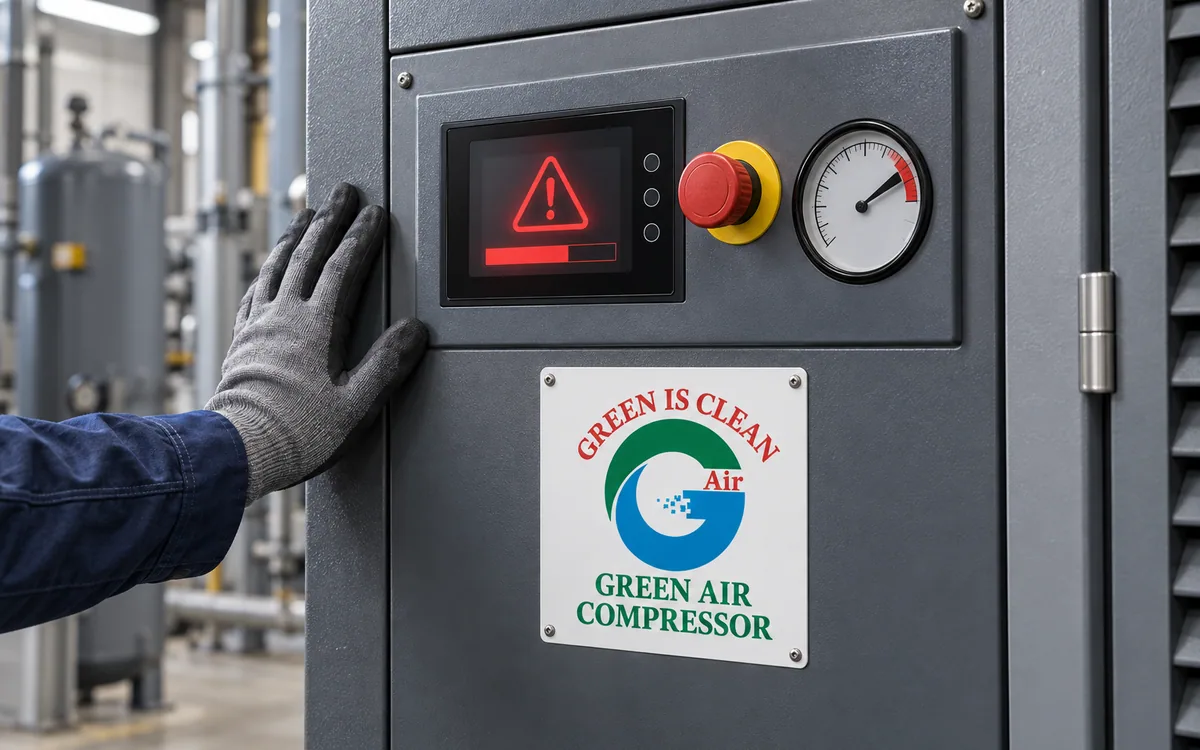
Air compressor troubleshooting
The fault you can see, what usually causes it, and what to check before calling anyone.
Learn more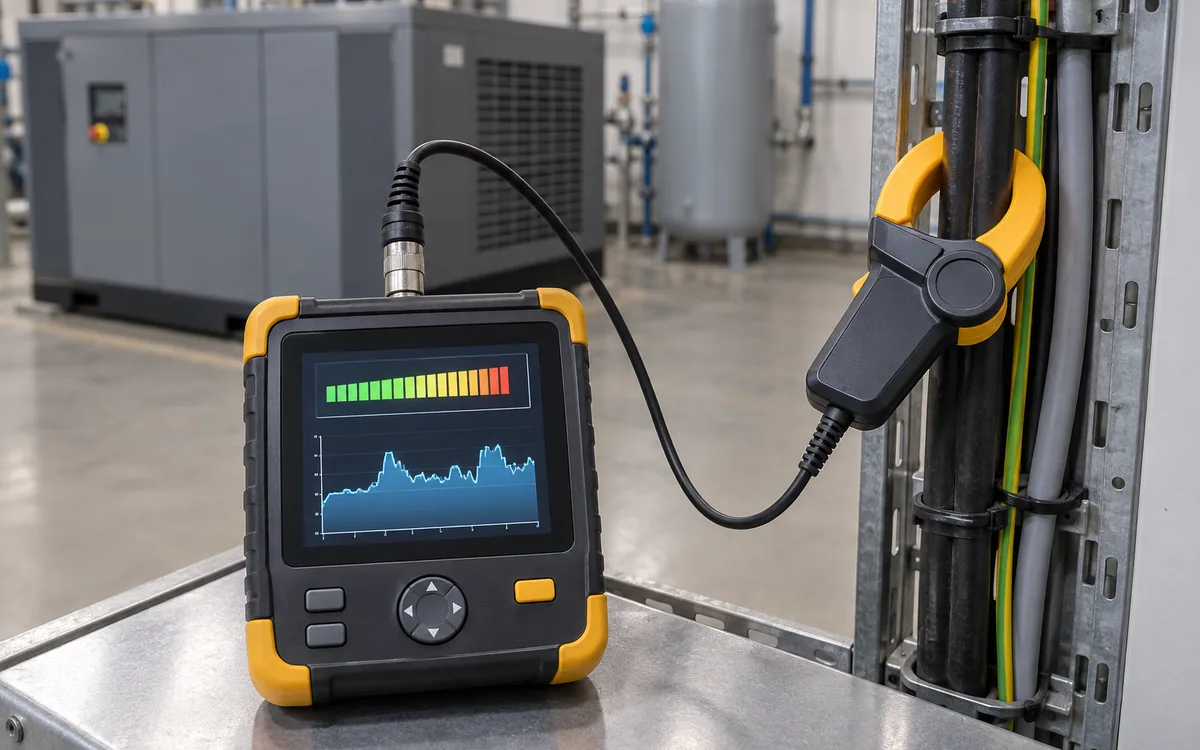
What an air compressor really costs
Why the purchase price is the small number, and what the other two are.
Learn more
What is compressed air?
Why it is called the fourth utility, and why it costs more than you think.
Learn more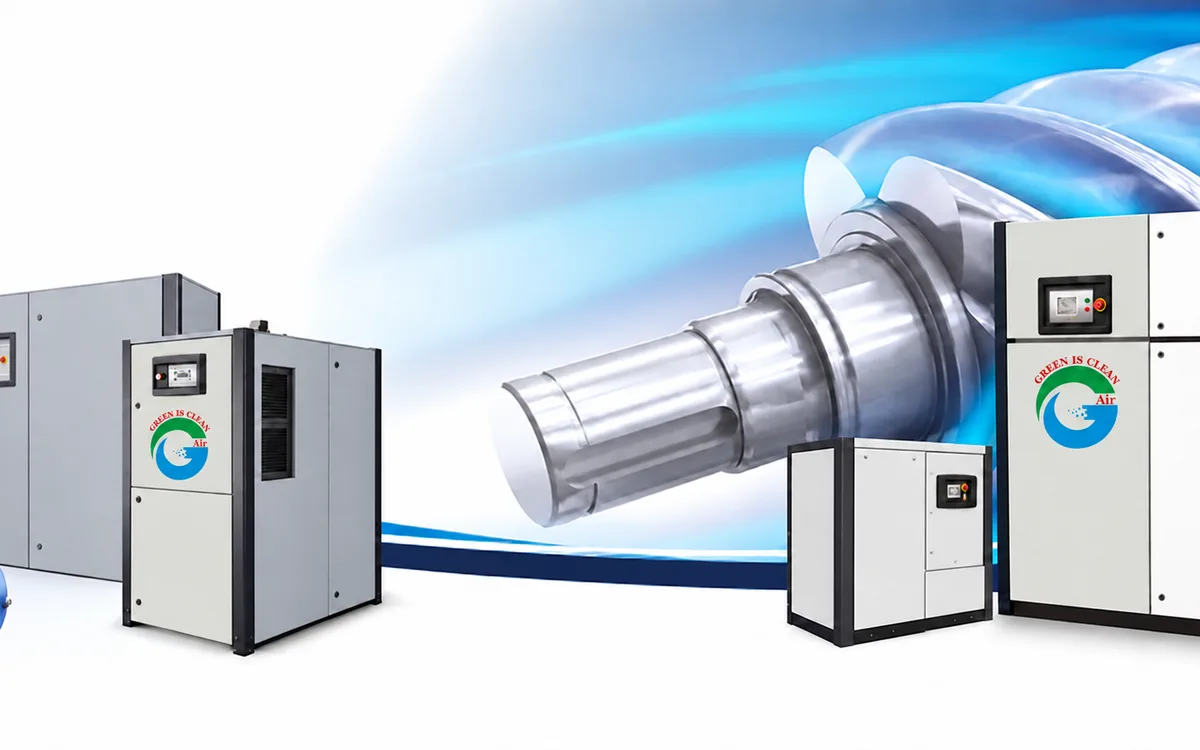
How a rotary screw compressor works
Two rotors, one continuous flow, and why it replaced the piston machine.
Learn moreNot sure which model you need?
Send us your air demand, working pressure and running hours. Our engineers will size the machine and send a written recommendation, no cost, no obligation.