
Electronics
Ultra-clean, dry, stable air for assembly and test.
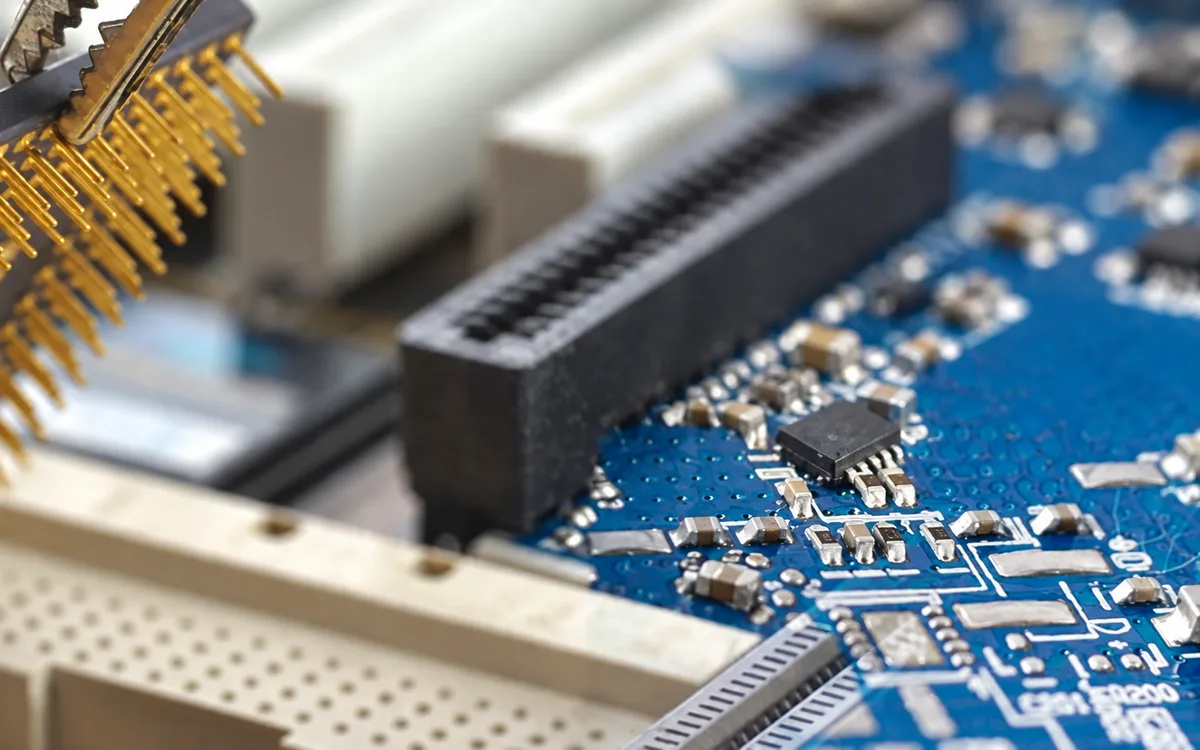
What we supply for this industry
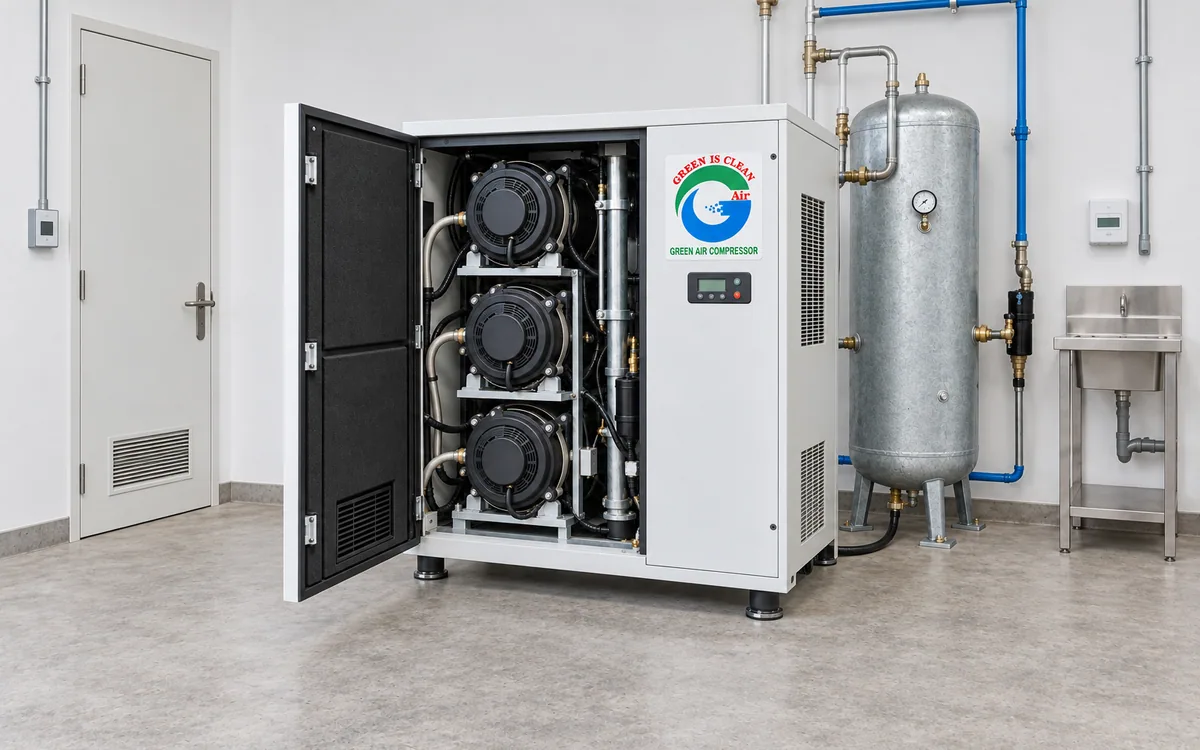
Oil free scroll compressors
Quiet, small, genuinely oil free. 7.5 to 37 kW at 8 bar g.
- Free air delivery
- 0.8 – 4.0 m³/min
- Working pressure
- 8 bar g
- Motor power
- 8 – 37 kW
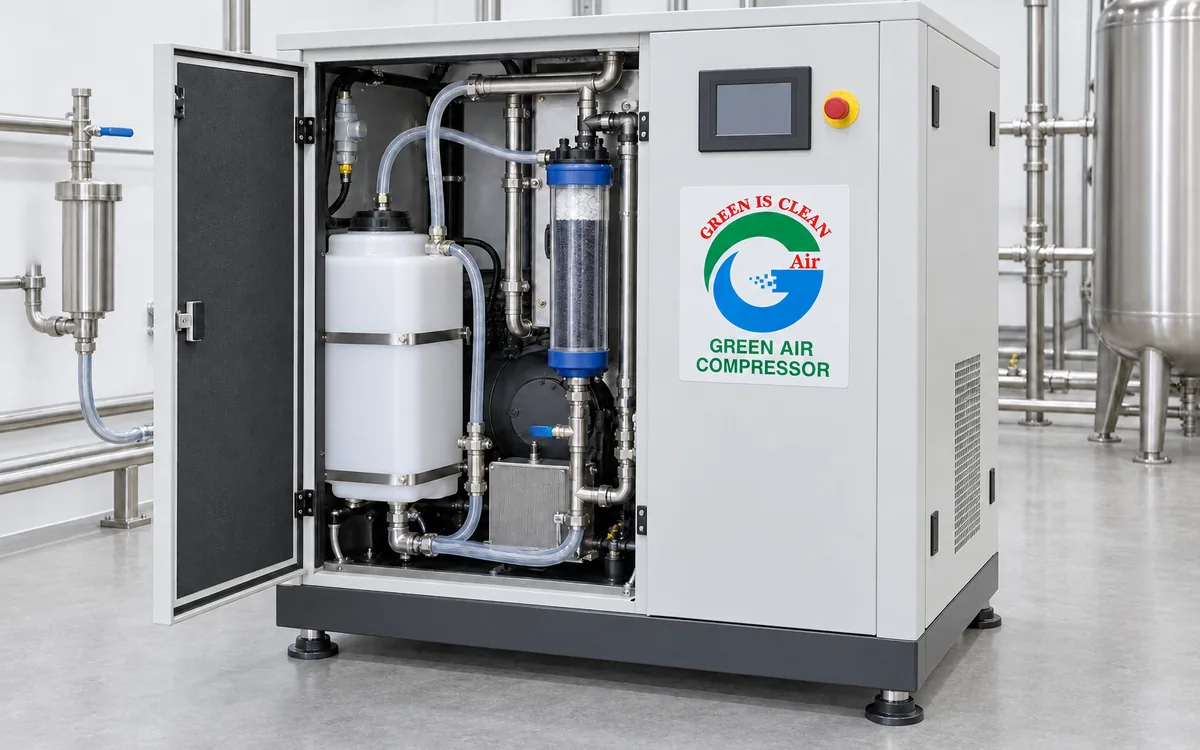
Water lubricated oil free compressors
Water seals and cools the rotors instead of oil. Class 0 air, 5.5 to 160 kW.
- Free air delivery
- 0.3 – 27.0 m³/min
- Working pressure
- 7 – 10 bar g
- Motor power
- 6 – 160 kW
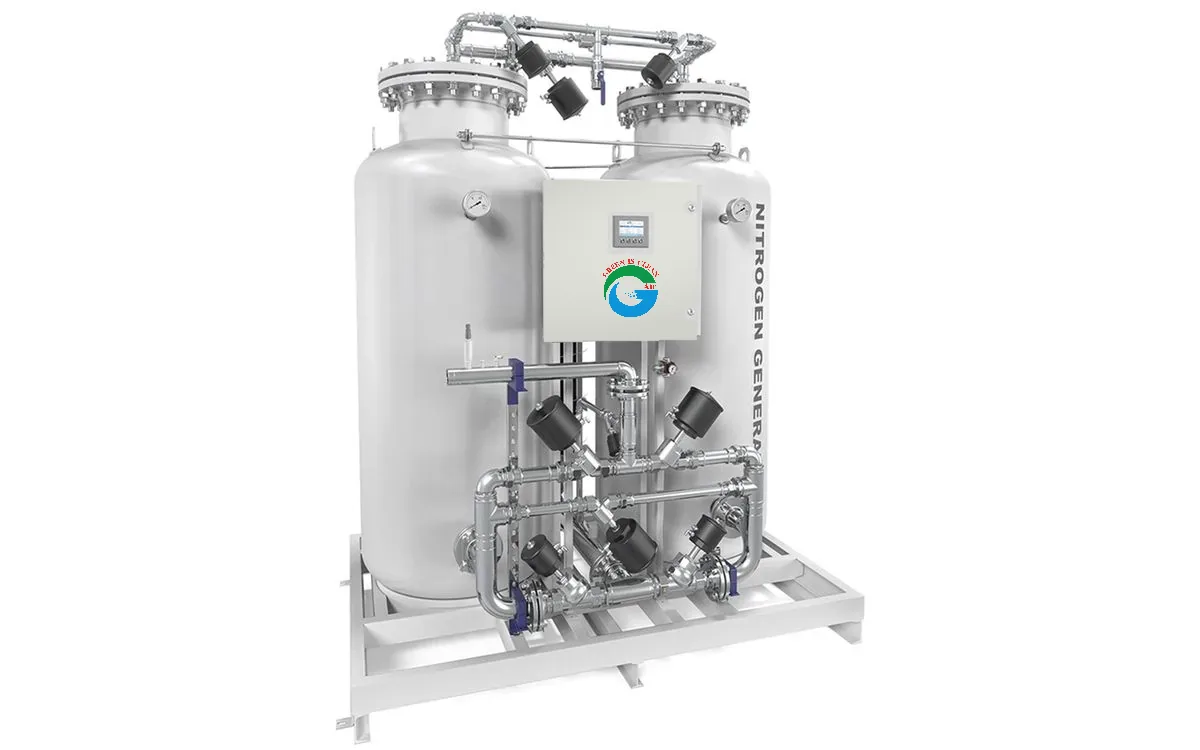
Nitrogen generators
Make your own nitrogen on site and stop paying for cylinders.
- Weight
- 45 – 1,850 kg
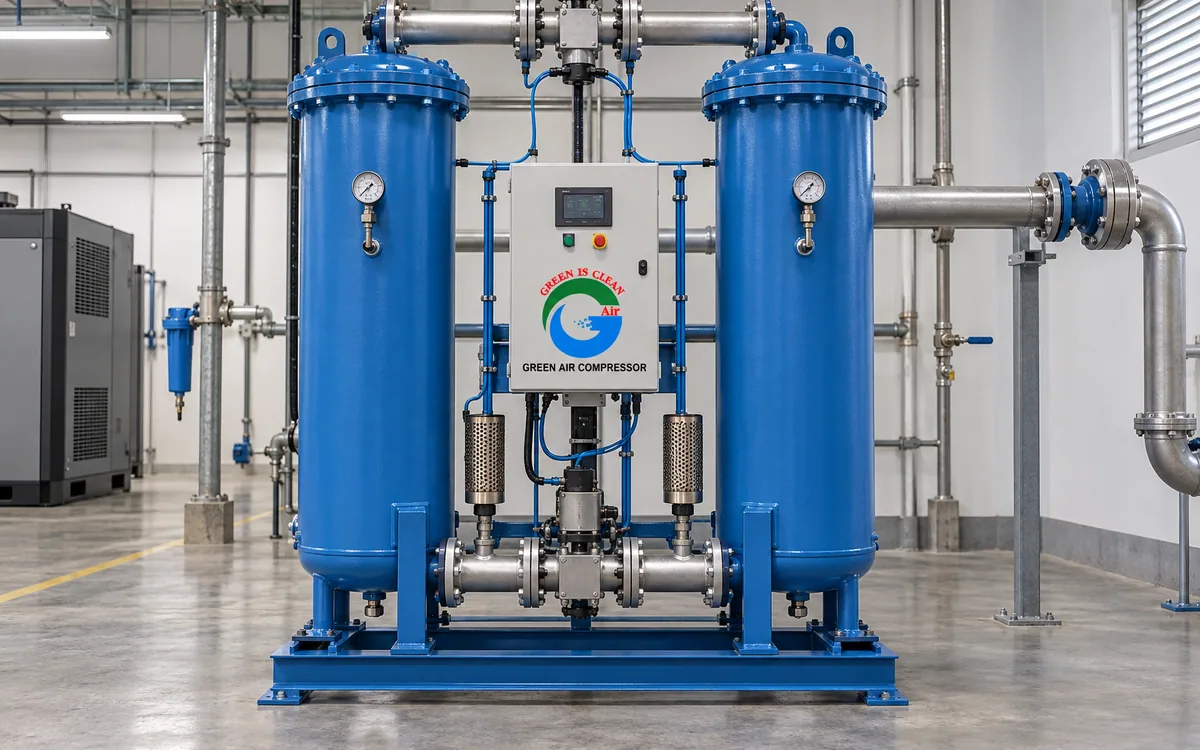
Heatless adsorption dryers
Minus 40 °C dew point with no heater. Simple, reliable, uses purge air.
- Free air delivery
- 1.4 – 80.0 m³/min
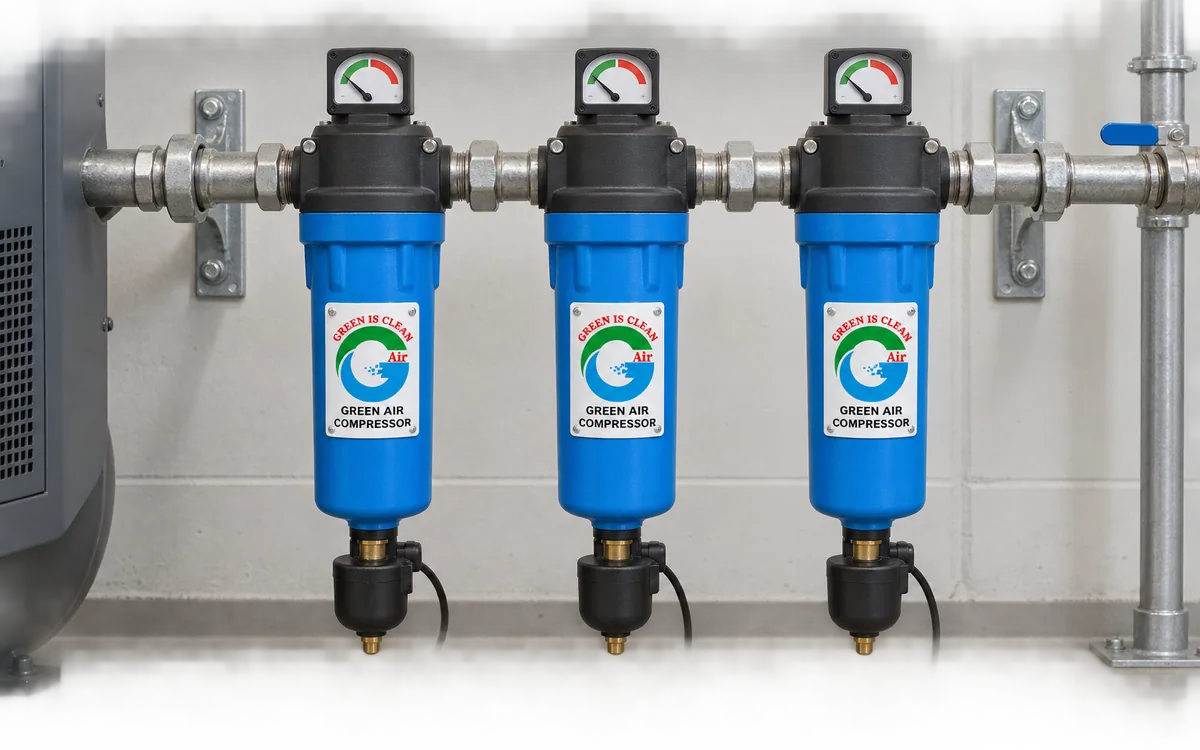
Precision compressed air filters
Particulate, coalescing and activated carbon, to every ISO 8573-1 class.
- Free air delivery
- 1.8 – 80.0 m³/min
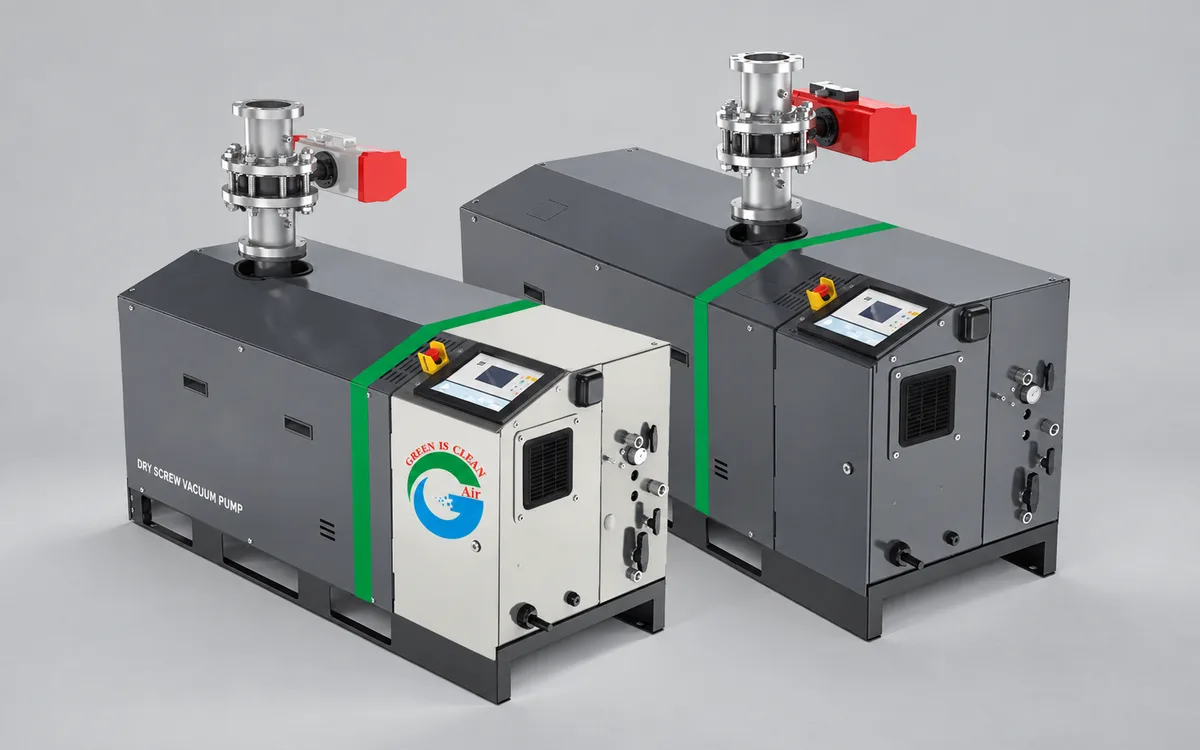
Dry screw vacuum pumps
Deep, dry vacuum that tolerates vapour and process carry-over.
- Working pressure
- 0 – 20 bar g
- Motor power
- 4 – 63 kW
- Weight
- 250 – 2,750 kg
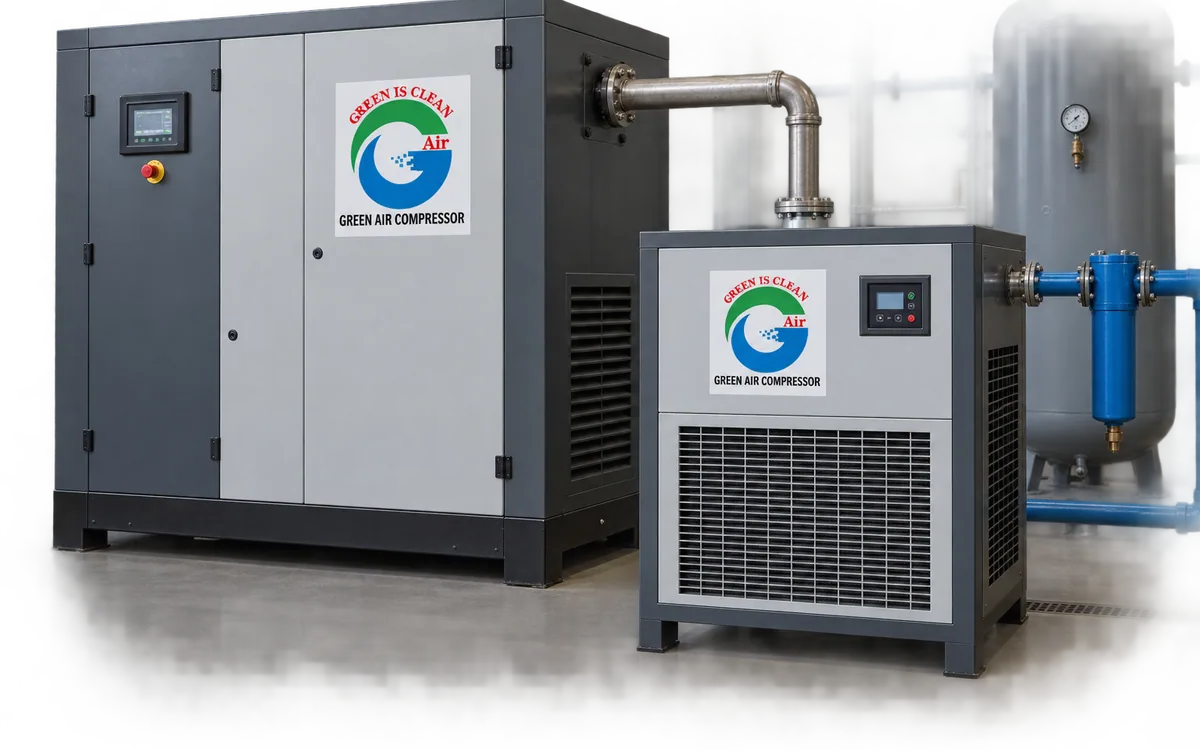
High temperature refrigerated dryers
Takes air straight off the compressor at up to 80 °C, with no pre-cooler.
- Free air delivery
- 1.2 – 65.0 m³/min
- Motor power
- 8 – 355 kW
- Weight
- 40 – 410 kg
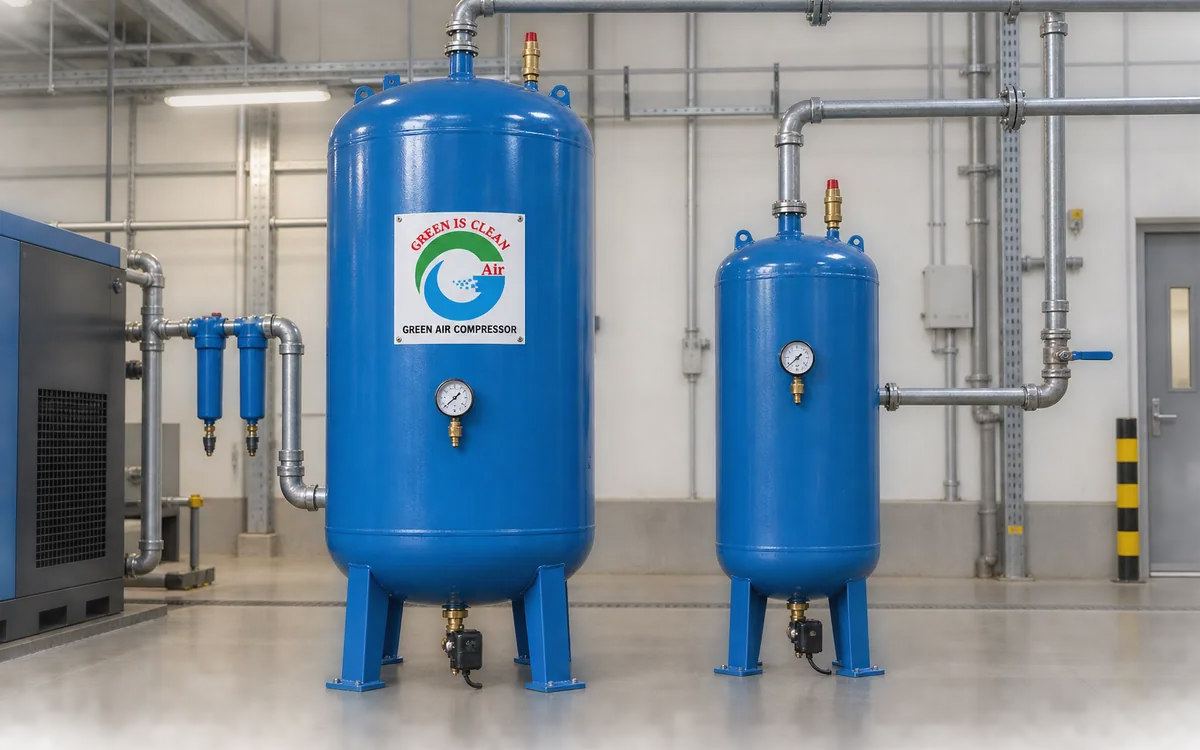
Air receivers and storage tanks
0.3 to 10 m³, carbon steel, stainless and vacuum. 8, 10 and 13 bar g.
- Working pressure
- 1 – 13 bar g
- Weight
- 99 – 1,240 kg
Overview
Electronics manufacturing needs air that is clean, extremely dry and above all consistent. A momentary pressure dip during a pick-and-place cycle or a trace of moisture on a board before reflow is a defect that may not be found until final test.
This is one of the few sectors where we routinely recommend both oil-free compression and desiccant drying as a baseline rather than as an upgrade.
Key benefits
Class 0 and −40 °C dew point
The combination that keeps boards and components clean and dry through the whole process.
Stable pressure
Variable speed control holding ±0.1 bar so pick-and-place cycles are repeatable.
Point-of-use filtration
Final filtration at the machine, because the last few metres of pipe matter.
Nitrogen on site
On-site generation for reflow and wave soldering instead of cylinder deliveries.
What the process needs
Oil free and very dry. Electronics assembly is unforgiving about both, and a single carryover event can affect a great deal of product before anybody notices.
Particle count matters here in a way it does not in general industry, so the filtration is specified with the same care as the compressor.
Static and moisture together are the risk on a line. Dew point is specified at the point of use rather than at the dryer, because the pipework between them matters.
- Certified oil free air
- Dew point specified at the point of use
- Particle filtration specified with care
- Pipework material chosen to suit
- Class 0 certificate supplied
- Sterile and high purity options
- Redundancy where the line cannot stop
- Continuous monitoring available
What goes wrong
Dew point measured at the dryer and assumed at the point of use. A long run of the wrong pipework undoes a good dryer completely.
Filtration in the wrong order, which destroys the expensive element with dirt the cheap one should have caught.
And no measurement. A line running on assumption is a line that will find out the hard way.
- Dew point assumed rather than measured at use
- Pipework undoing a good dryer
- Filtration fitted in the wrong order
- Carbon elements left past their life
- No continuous measurement
- Condensate reaching the line
- Over specification wasting energy
- Records missing when they are needed
How we support a line
Measurement at the point of use rather than at the plant room, and a record that can be produced when it is asked for.
Planned work only, in your windows, with rental cover where a machine has to come out.
And honest advice on specification. Class 0 where the air touches the product, and something sensible everywhere else.
- Measured at the point of use
- Continuous record kept
- Planned work in your windows
- Rental cover during removals
- Specification matched to actual contact
- Pipework advice included
- Local engineers in every market
- Priority response on a plan
Frequently asked questions
What makes electronics air different?
It has to be clean, extremely dry and above all consistent. A momentary pressure dip during a pick-and-place cycle is a defect that may not be found until final test.
What air quality do you recommend?
Class 0 oil-free with −40 °C dew point as a baseline rather than an upgrade. This is one of the few sectors where we recommend both by default.
Why does pressure stability matter so much?
Pick-and-place timing depends on it. Variable speed control holding ±0.1 bar makes cycles repeatable, which shows up directly in placement accuracy.
Do I need point-of-use filtration?
Yes, the last few metres of pipework matter, especially in an older building where the ring main was installed for a different process.
What about nitrogen for reflow?
On-site generation removes cylinder deliveries and is usually cheaper within two years. Purity requirement depends on the solder process, so it is worth checking rather than over-specifying.
How dry does the air need to be for board handling?
Dry enough that no moisture reaches a board before reflow. −40 °C dew point covers essentially all normal conditions.
Is ESD a consideration for compressed air?
Air itself does not generate charge, but blow-off nozzles can. Ionised nozzles are used where static on a board is a concern.
Do you supply the whole utility package?
Yes, compressor, dryer, filtration, nitrogen generation and the pipework, specified together so the quality class is achieved end to end.
How much air does an SMT line use?
Less than most people assume, but at very high quality. That combination often makes a smaller oil-free machine with good treatment the right answer.
What monitoring should I have?
Continuous dew point at minimum, with alarm. In electronics the failure is silent, so monitoring is how you find out before the defects do.
Related products
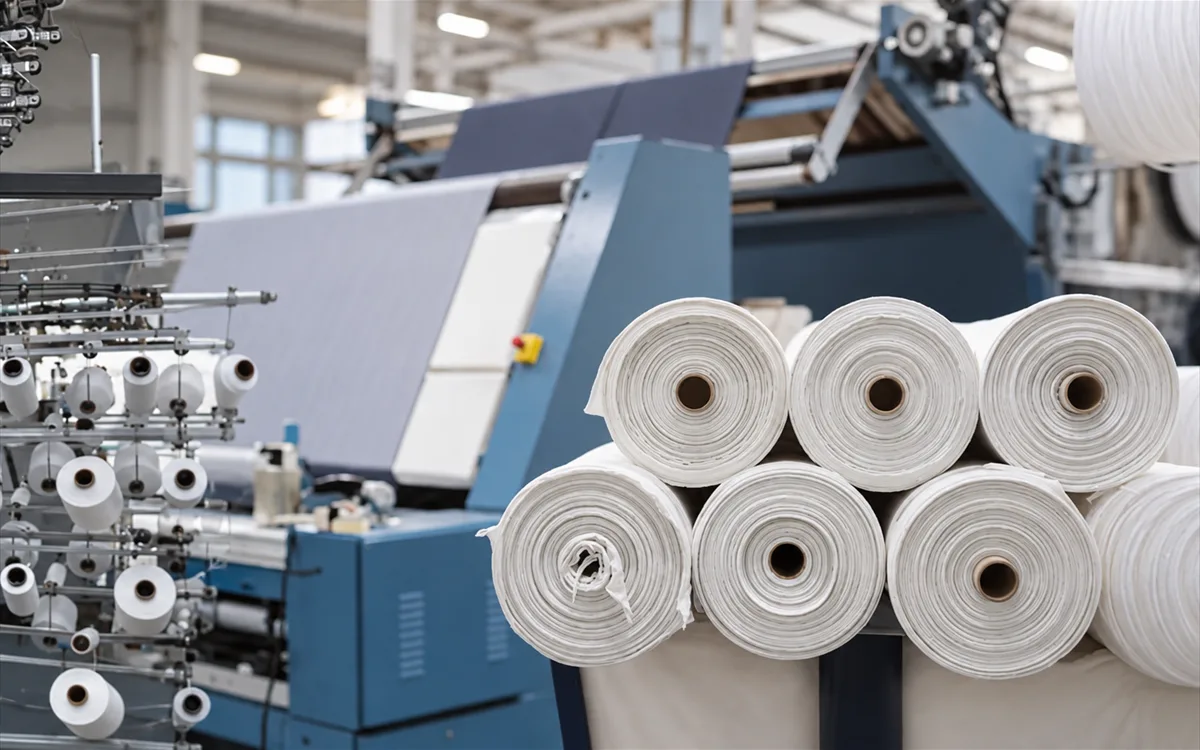
Textiles
Air-jet weaving, spinning and dyeing, where air is the largest utility.
Learn more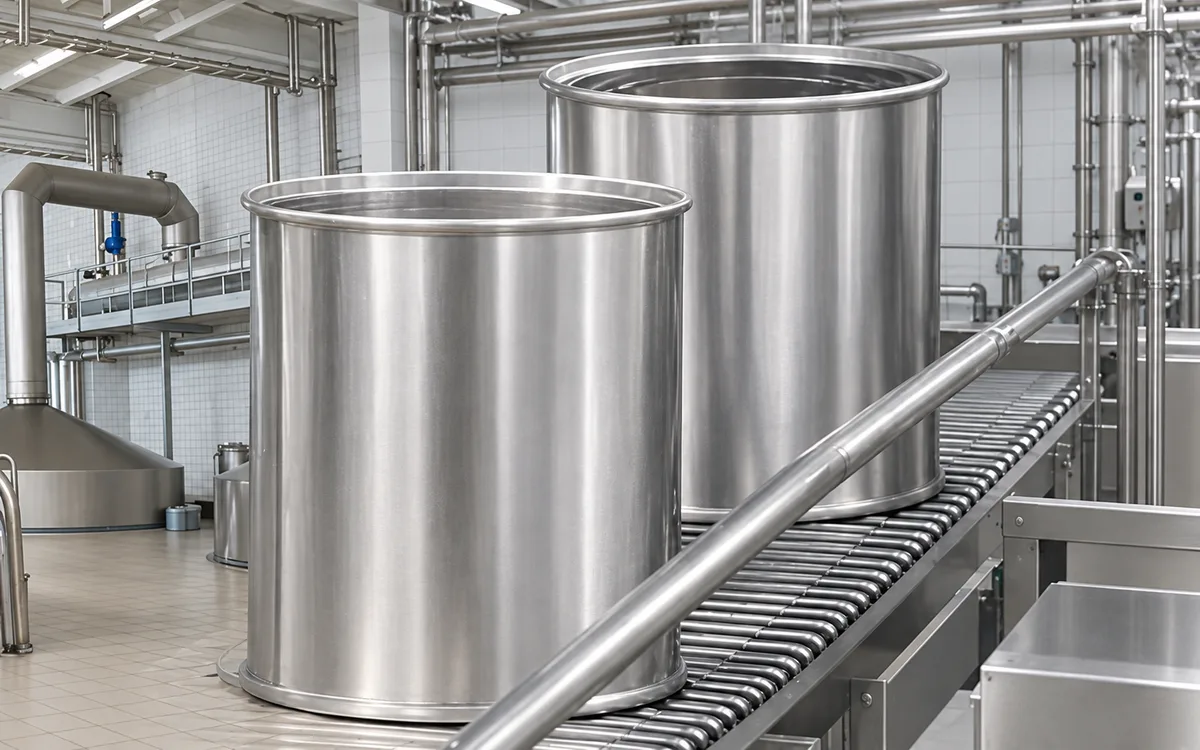
Food and beverage
Class 0 air, documented, for anything that touches product.
Learn more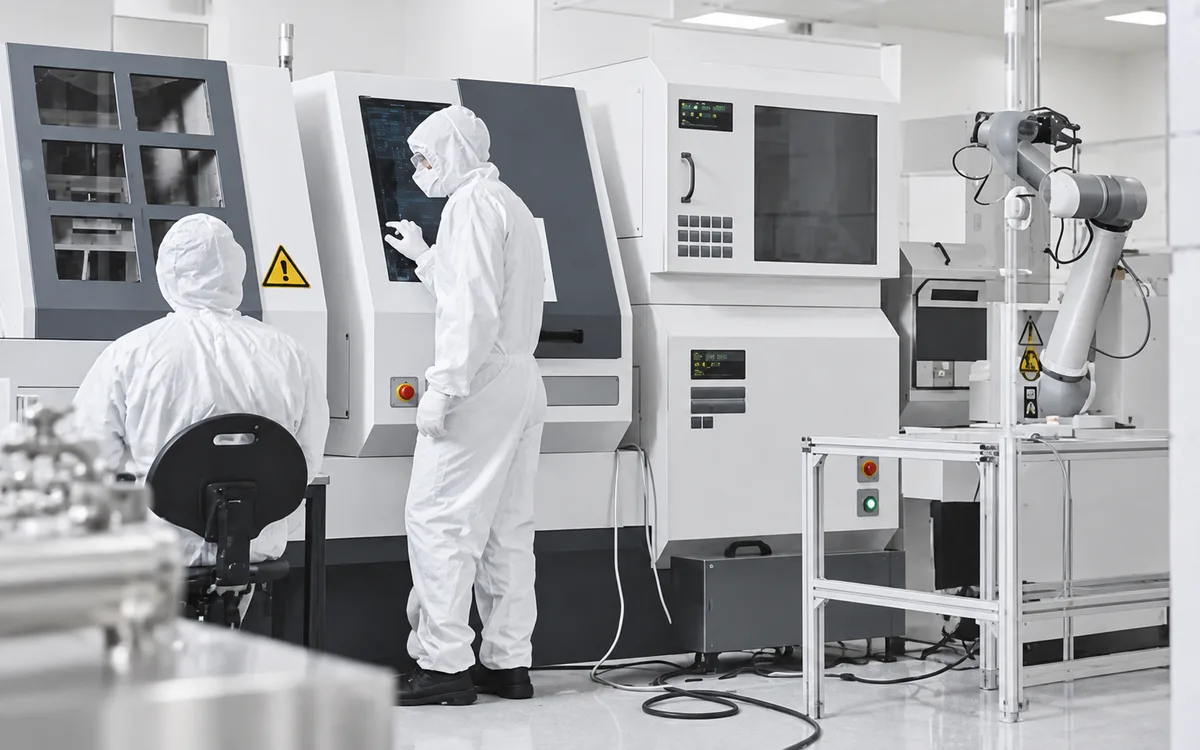
Pharmaceutical
Validated, qualified air systems with full documentation.
Learn more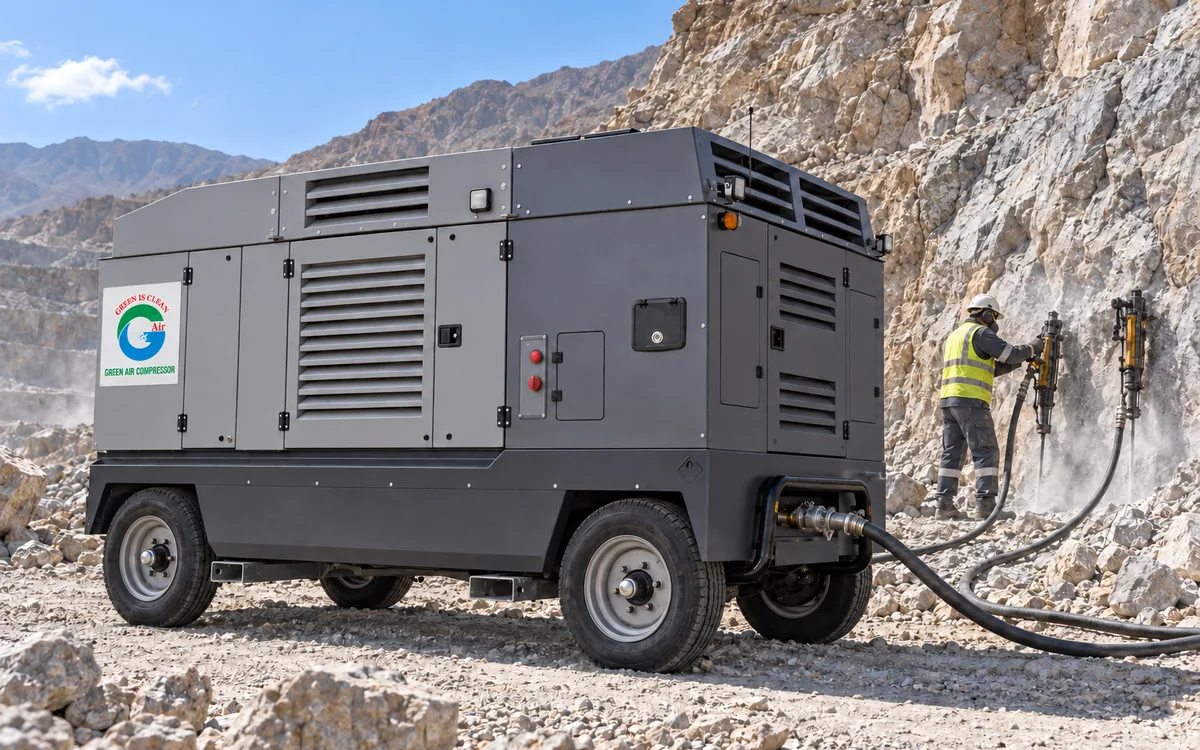
Mining and quarrying
Air and dewatering that survive dust, distance and heat.
Learn moreNot sure which model you need?
Send us your air demand, working pressure and running hours. Our engineers will size the machine and send a written recommendation, no cost, no obligation.