
Knowledge hub
Plain-English guides to compressed air, written for people who buy it.
Overview
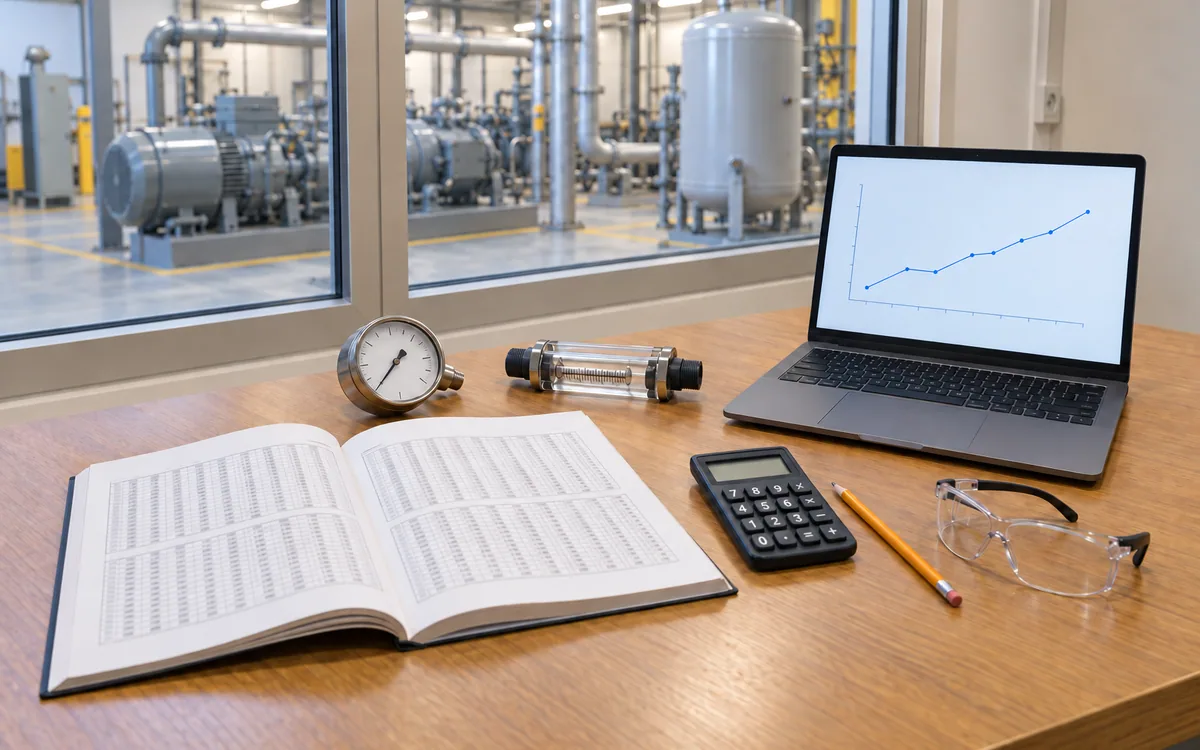
Most compressed air literature is written either for engineers who already know the subject or for marketing purposes. These pages are meant for the person who has to sign the purchase order and would like to understand what they are signing for.
No jargon where a plain word will do, and no claims we would not put in writing.
In this range
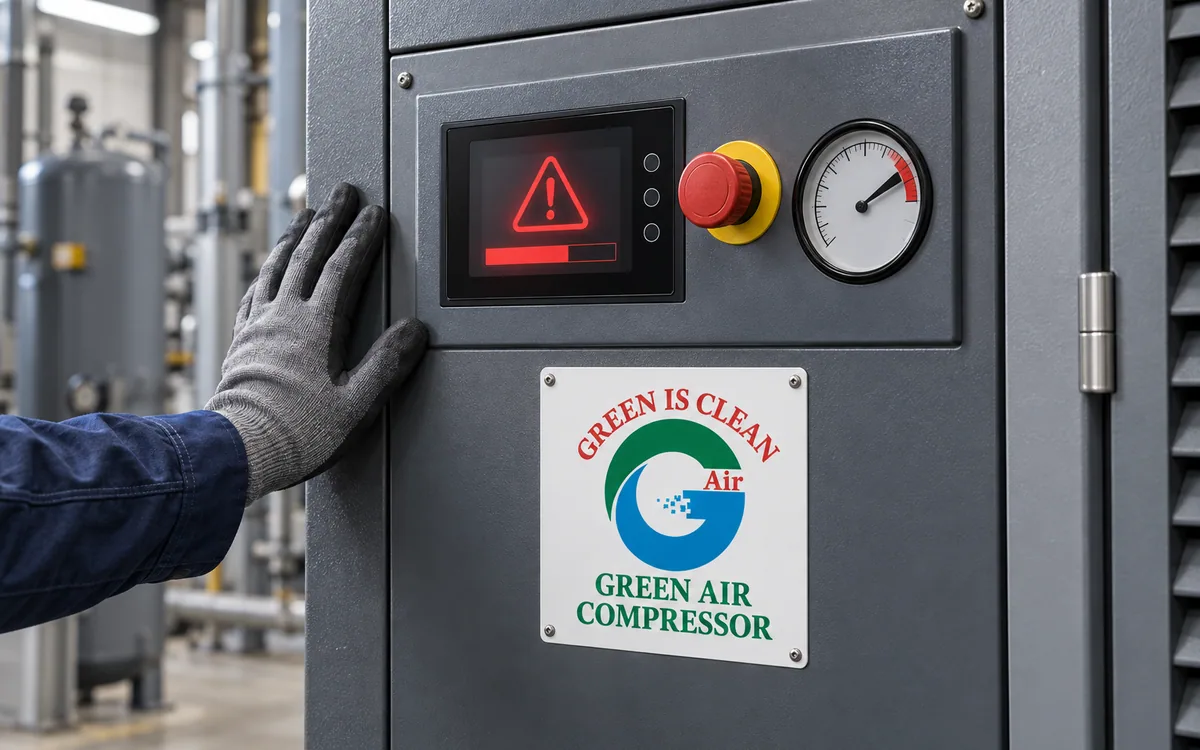
Air compressor troubleshooting
The fault you can see, what usually causes it, and what to check before calling anyone.
Learn more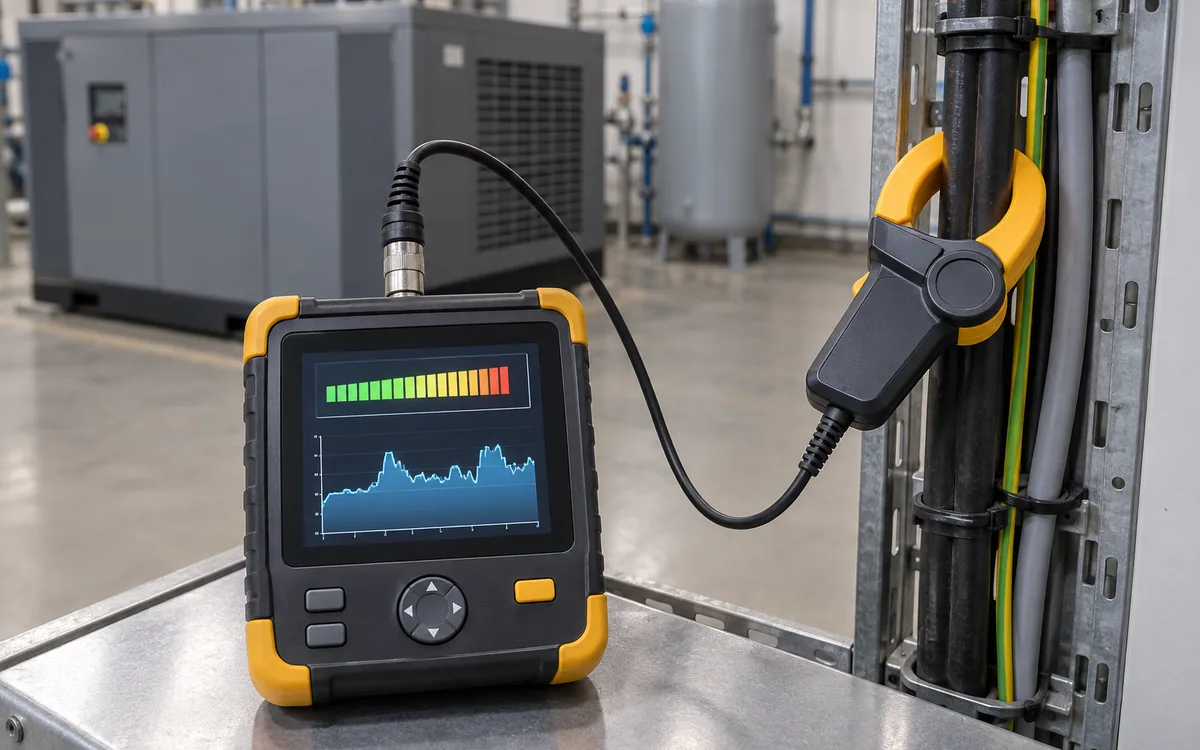
What an air compressor really costs
Why the purchase price is the small number, and what the other two are.
Learn more
What is compressed air?
Why it is called the fourth utility, and why it costs more than you think.
Learn more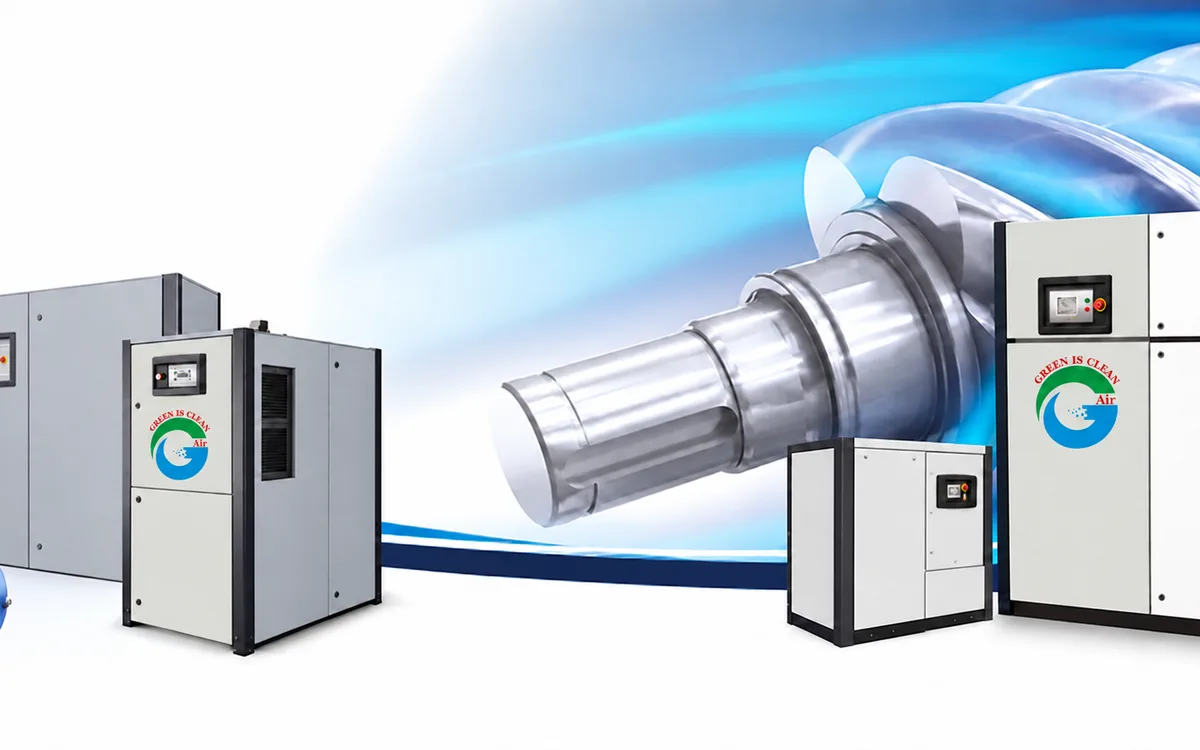
How a rotary screw compressor works
Two rotors, one continuous flow, and why it replaced the piston machine.
Learn more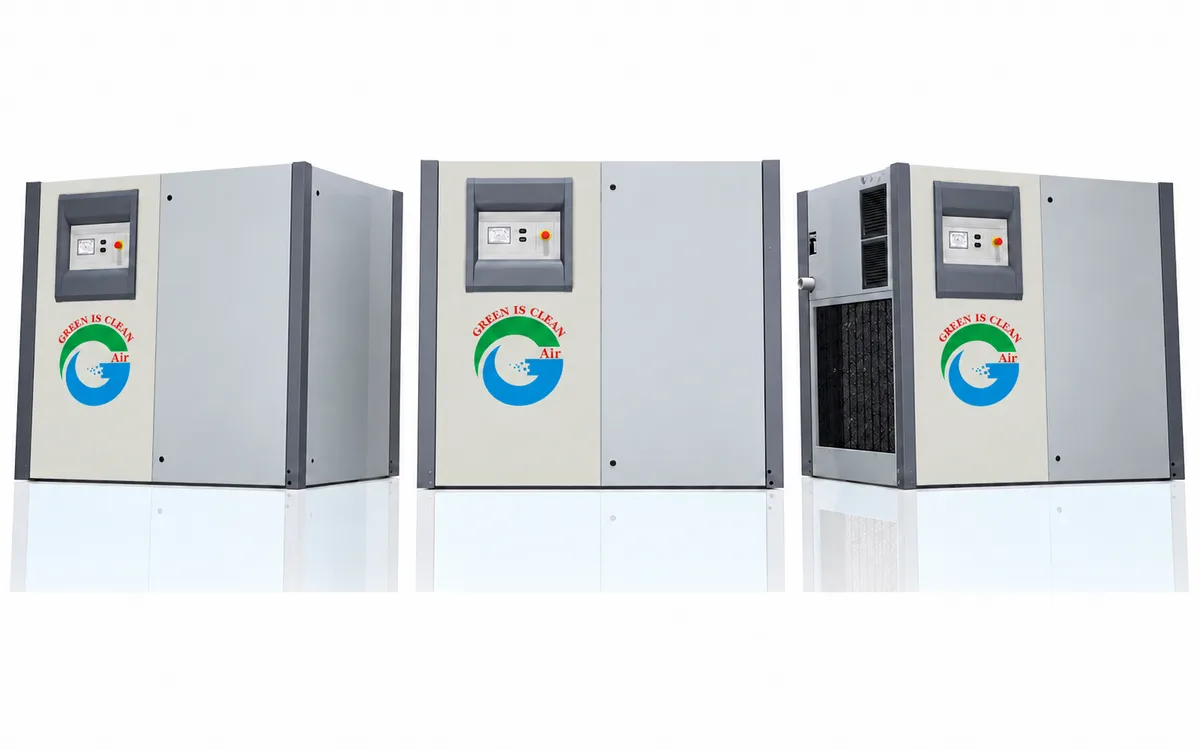
Variable speed compressors explained
What VSD actually saves, and when it saves nothing at all.
Learn more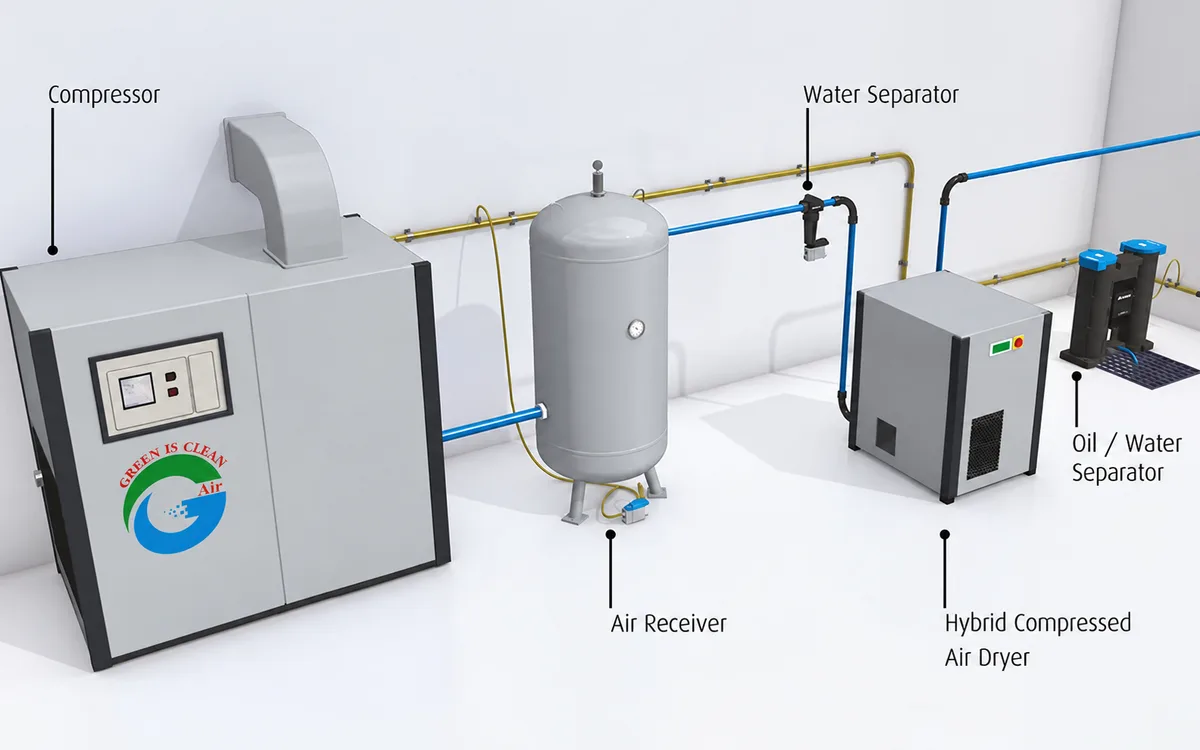
Oil-lubricated compressors: what the oil is doing
Why oil is in there, what it costs you, and when to go oil-free.
Learn more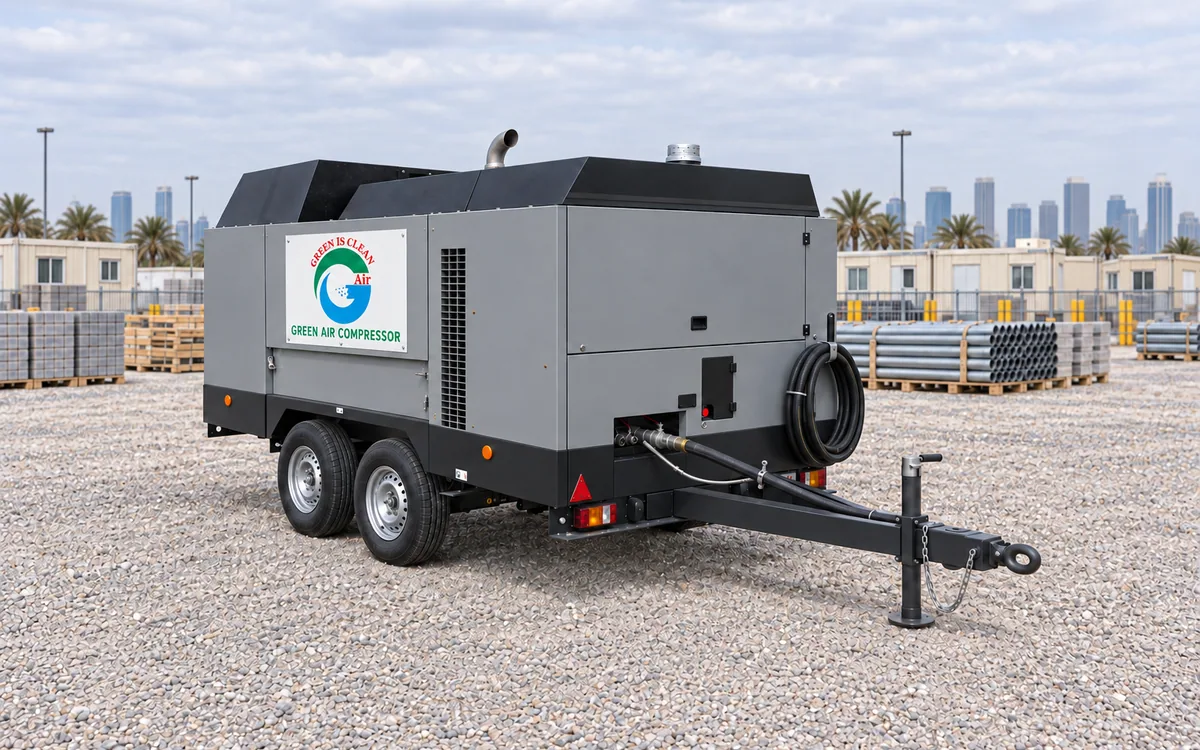
Choosing a towable compressor
How to size a site machine without guessing.
Learn more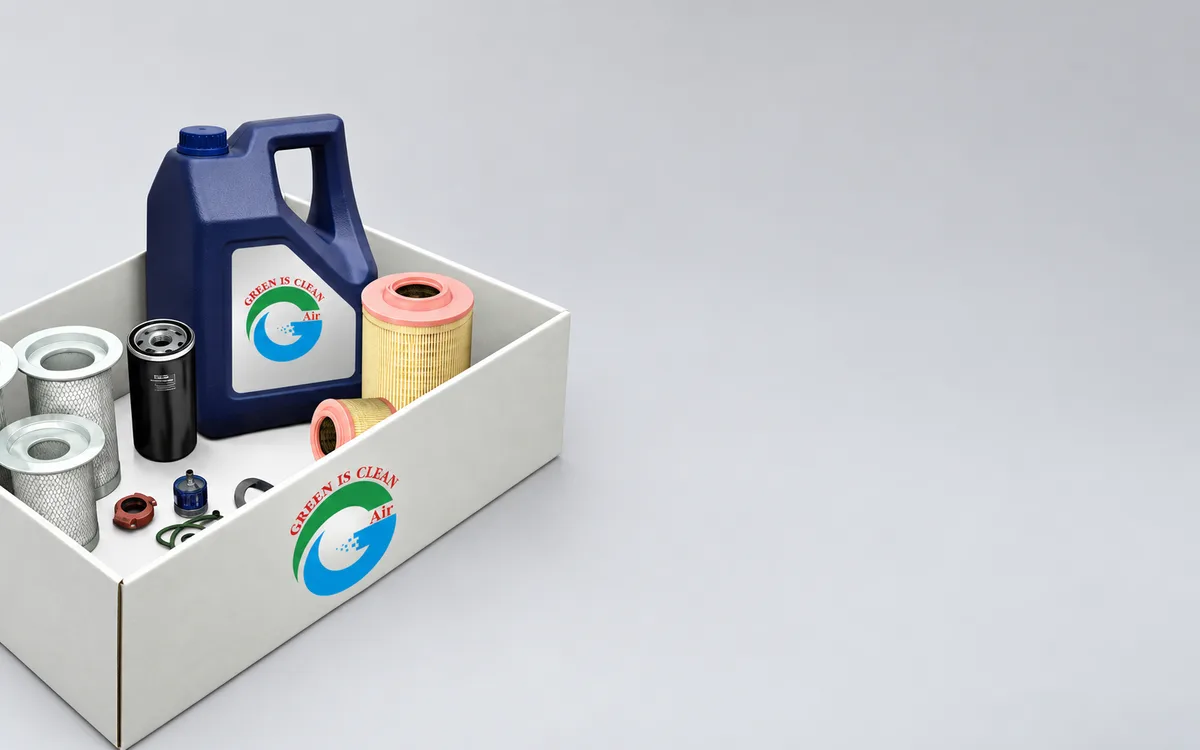
Air compressor oil: why it is not engine oil
What happens when the wrong oil goes in, and how to choose the right one.
Learn more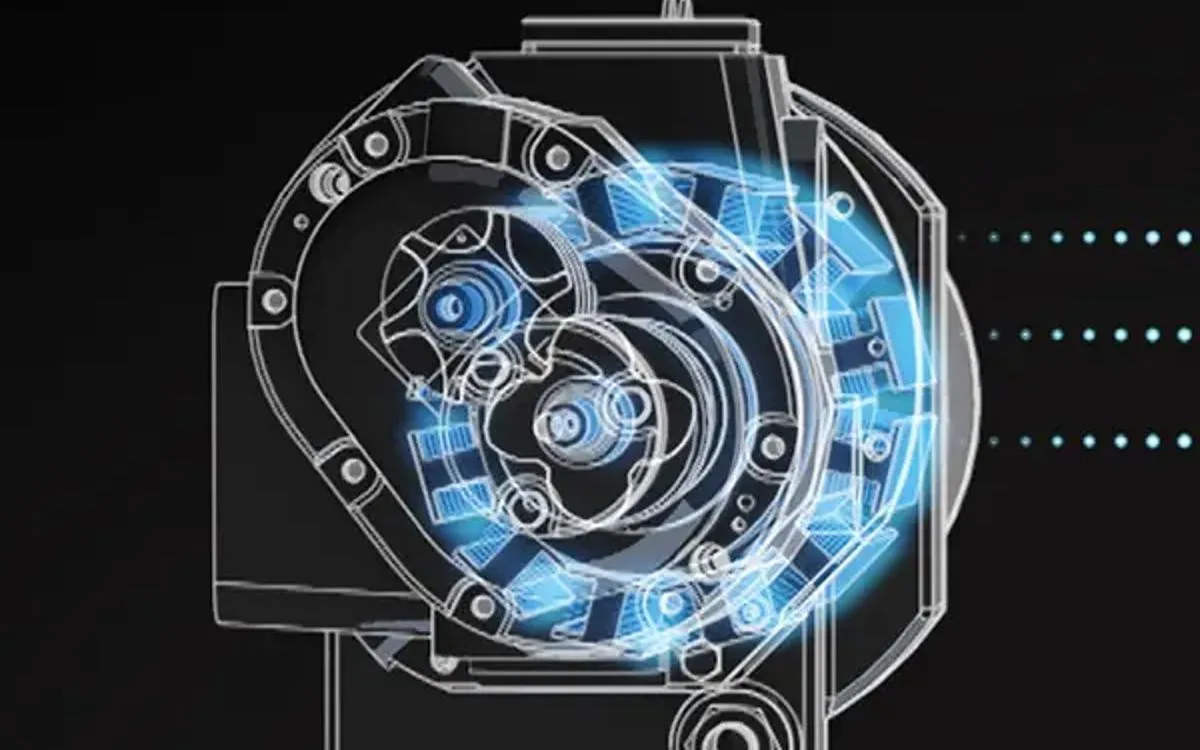
Motor efficiency classes explained
IE2, IE3, IE4 and IES2: what they mean on a quotation.
Learn moreKey benefits
Written for the decision
Plain explanations for the person who has to choose, not for someone who already knows.
Nothing here sells a machine
No article recommends a particular model.
The arithmetic shown
Where a number matters we show how to work it out on your own plant.
Questions answered by engineers
Most of these started as something a customer asked on site.
What is here
Plain explanations of how compressed air works, what it costs, and how to make the decisions that come up when buying or running a compressor.
It is written for the person who has to make the decision rather than for somebody who already knows the answer. No article here is trying to sell a particular machine.
If something you need is not covered, ask us. Most of what is here started as a question somebody put to one of our engineers.
- How compressors and dryers actually work
- What compressed air really costs to make
- How to size and specify sensibly
- Troubleshooting common faults
- Oil, efficiency classes and standards explained
- Written for the decision maker
- No article selling a particular machine
- Questions answered by our engineers
The four things worth knowing
Electricity is around three quarters of what a compressor costs over ten years and the purchase price is often under fifteen per cent. Almost every decision follows from that.
Around a quarter of what a typical plant makes is lost through leaks, and leaks run twenty four hours a day whether the factory does or not.
Every bar of pressure you remove is about seven per cent of the energy. And specific energy measured to ISO 1217 is the only figure that lets you compare two machines honestly.
- Electricity is about 75 per cent of the cost
- A quarter of output typically lost to leaks
- Seven per cent of energy per bar of pressure
- ISO 1217 is the only fair comparison
- Air quality class set by contact, not industry
- Duty cycle matters more than peak flow
- Oil specification is not a detail
- Measurement beats opinion every time
Frequently asked questions
Why is compressed air called the fourth utility?
Because most factories depend on it as much as on electricity, water and gas, and unlike those three, almost nobody meters it.
How efficient is compressed air?
Turning electricity into compressed air and back into work at the tool is only about 10–15% efficient overall. Roughly 85% of what the compressor consumes leaves as heat.
Is compressed air expensive?
Per unit of work delivered, it is the most expensive utility in most plants. That is not an argument against using it, for actuation and intrinsically safe tooling there is no better option, but it is an argument against wasting it.
What is the single biggest waste in a compressed air system?
Leaks. An unaudited plant typically loses 20–30% of everything it compresses, and a 3 mm hole at 7 bar wastes about 1.5 kW continuously.
How do I find leaks without special equipment?
Shut the plant down over a weekend with the compressor running and watch how often it loads. Any loading at all with no production is leakage, and the duty cycle tells you roughly how much.
Why does system pressure matter so much?
Every extra bar costs roughly 7% more energy, permanently. Most plants run one to two bar above what anything on site actually needs.
Should I use compressed air for blowing and cooling?
Almost never. A blower does the same job for roughly one eighth of the energy. Blowing, drying and cooling with compressed air is one of the most expensive habits in industry.
What does specific energy mean?
Kilowatts consumed per cubic metre per minute delivered, measured to ISO 1217. It is the only figure that settles a comparison between two machines, always ask for it at the same pressure.
How do I work out what my air costs per m³?
Take the compressor kW, multiply by running hours and your tariff, then divide by the air actually delivered. Most people are surprised by the answer, which is exactly the point of doing it.
Can you train our maintenance team?
Yes. Operator handover comes with every machine, and we run half-day sessions on leak surveying, pressure setting and reading the controller: usually the cheapest energy project a plant ever does.
Related products
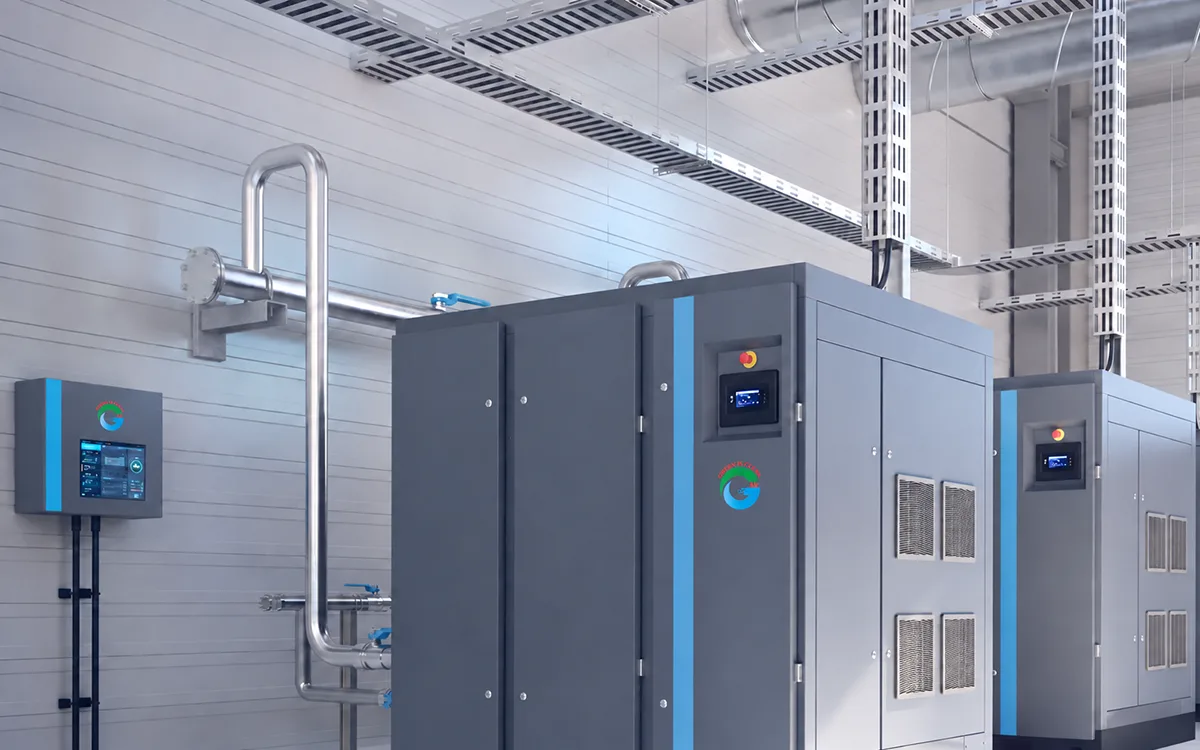
Products
Screw, oil-free, piston and gas compressors, dryers, filters, blowers, receivers and gas generation.
- Free air delivery
- 0.1 – 418.0 m³/min (9 – 954 cfm)
- Working pressure
- 0 – 1,100 bar g
- Motor power
- 1 – 450 kW

Industries and applications
How we specify air for the sectors we work in most.
Learn more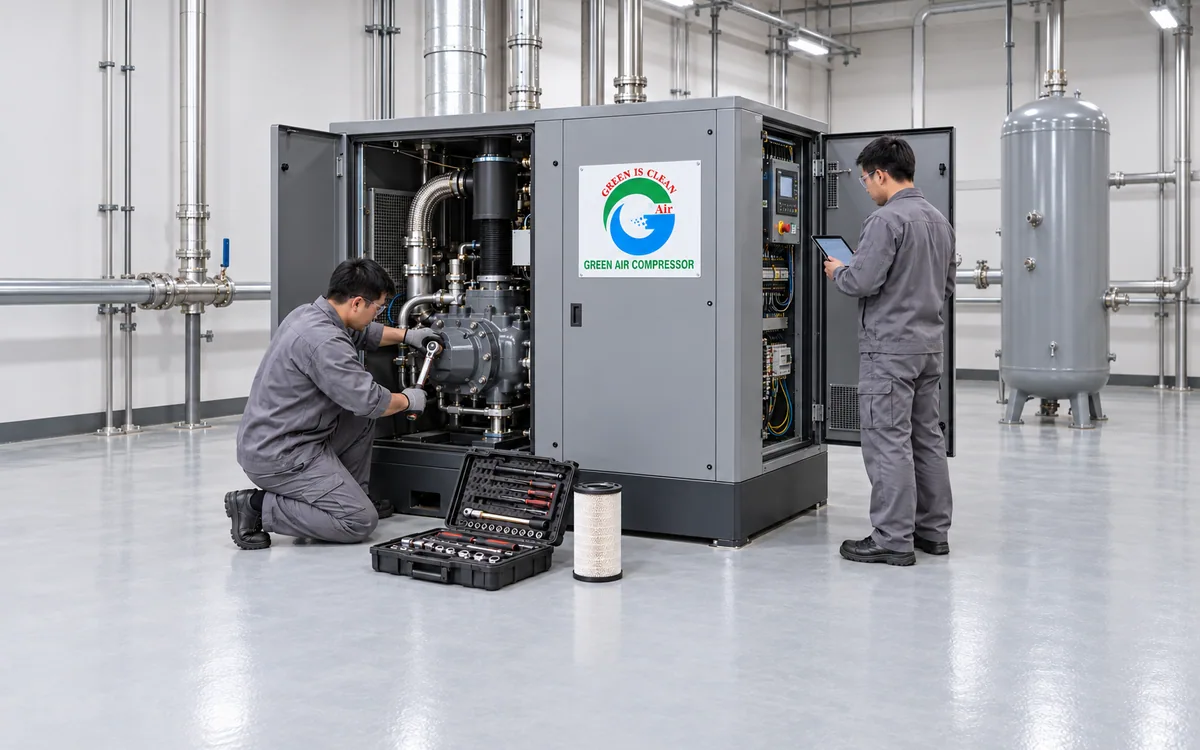
Service and parts
Parts, planned maintenance, airend exchange, rental and 24/7 breakdown cover.
Learn moreNot sure which model you need?
Send us your air demand, working pressure and running hours. Our engineers will size the machine and send a written recommendation, no cost, no obligation.