
Nitrogen compressors
Boosting and circulating nitrogen for blanketing, purging and process.
Technical data
- Free air delivery
- 90 – 3,000 Nm³/h
- Working pressure
- 3 – 160 bar g
- Motor power
- 22 – 250 kW
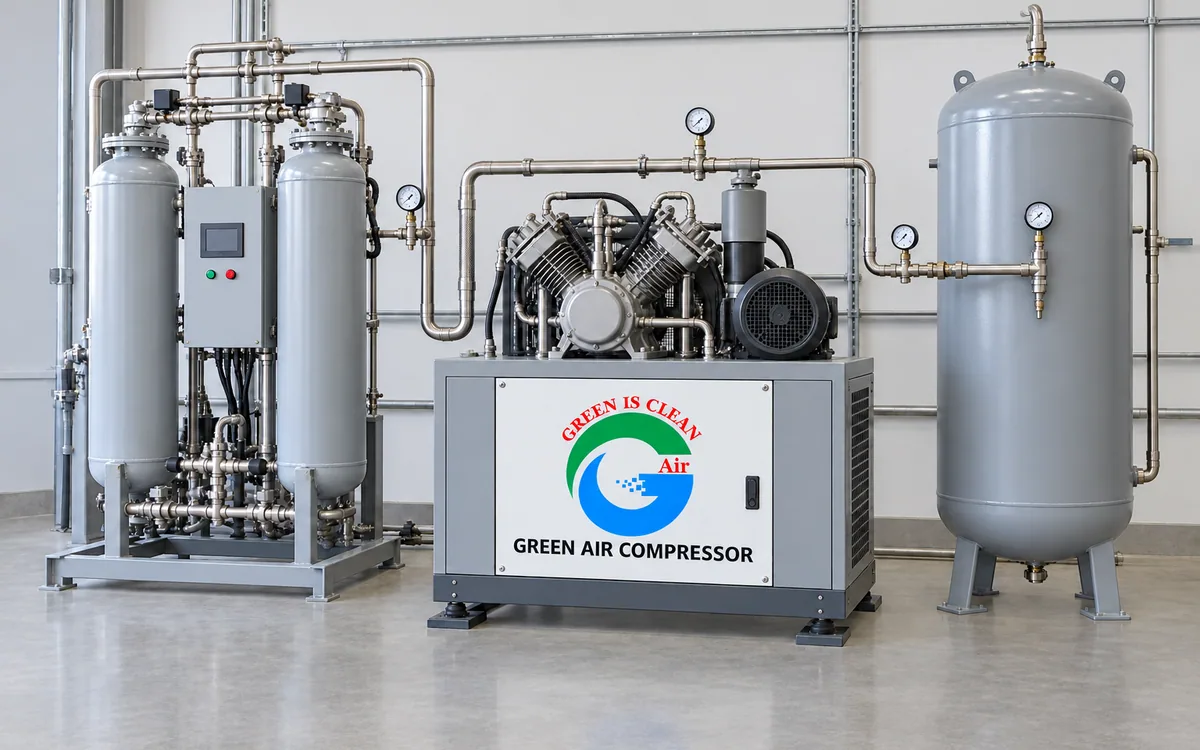
Overview
Nitrogen is usually made on site at a few bar and needed somewhere else at a great deal more — into a laser cutting head at 25 bar, into a moulding process, or into a storage vessel. A nitrogen compressor is what closes that gap.
Because nitrogen is dry, inert and often expensive to make, these machines are built to leak as little as possible. Seal arrangement matters more here than on an air machine, because every gramme that escapes is gas you paid to separate out of the atmosphere.
Key benefits
Oil free gas path
Where the nitrogen touches product, the compression path carries no lubricant at all.
Sealed against loss
Double seals with a buffer where the duty justifies it. Nitrogen that leaks is nitrogen you paid to make.
Matched to your generator
Sized against the generator's actual delivery rather than its nameplate, so the two work as one system.
Screw or reciprocating
Screw for continuous circulating duties, reciprocating where the pressure ratio is high.
Where it sits in the system
A PSA or membrane generator makes nitrogen at around 7 to 10 bar, which suits blanketing and purging directly. Anything that needs more — laser assist, injection moulding, tyre filling, high pressure blanketing — needs a booster after the generator.
Buffer storage between the generator and the compressor is almost always worth the space. It lets the generator run steadily at its best purity instead of chasing a swinging demand, and purity is what you are actually buying.
We size the generator, the buffer and the compressor together. Sized separately they tend not to match, and the symptom is a generator that cannot hold purity at peak demand.
What we need to quote
Gas compressors are not selected from a catalogue. The gas itself decides the materials, the seals and the safety case, and two plants asking for the same machine on paper often need different builds.
Four answers cover most of it: the gas and its composition, the suction pressure and temperature, the discharge pressure required, and the flow. With those we can size the machine and tell you whether it should be a screw, a reciprocating or a centrifugal.
Then the site questions. Area classification, whether the gas is wet or contains hydrogen sulphide, what the local authority requires, and whether the duty can stop. Those decide the seal arrangement and whether you need one machine or two.
- Gas composition and molecular weight
- Suction pressure and temperature
- Discharge pressure required
- Flow, normal and maximum
- Area classification
- Whether the duty can be interrupted
Model range
- 25 bar g
- 90 Nm³/h
- 12 bar g
- 180 Nm³/h
- 40 bar g
- 250 Nm³/h
- 25 bar g
- 340 Nm³/h
- 6 bar g
- 1,200 Nm³/h
- 3 bar g
- 1,200 Nm³/h
- 10 bar g
- 1,100 Nm³/h
- 22 bar g
- 800 Nm³/h
- 150 bar g
- 400 Nm³/h
- 160 bar g
- 600 Nm³/h
- 45 bar g
- 2,300 Nm³/h
- 20 bar g
- 3,000 Nm³/h
Performance to ISO 1217 Annex C at 20 °C inlet, 1 bar(a). Figures are typical and subject to confirmation. Ask us for the certified test report for your selected model.
Frequently asked questions
Do I need a compressor or a bigger generator?
It depends on whether you need more nitrogen or the same nitrogen at higher pressure. They are different problems and we will tell you which one you have.
Does boosting affect purity?
It should not. An oil free gas path and correct seals keep the purity the generator delivered. A machine with the wrong seal arrangement can contaminate it.
How much buffer storage do I need?
Enough to cover your peak draw without the generator chasing it. We size it from your demand profile rather than from a rule of thumb.
What pressure can I get?
Up to 40 bar on a screw or reciprocating booster, and higher on a diaphragm machine. The right type follows from the pressure and the flow together.
Why does leakage matter so much here?
Because every gramme that escapes is gas you paid to separate out of the atmosphere. On an expensive gas the seal arrangement is a commercial decision, not a detail.
Can it run on cylinder nitrogen rather than a generator?
Yes, and it often does on smaller duties. The suction condition changes, so tell us which it is before we size anything.
Is it oil free?
Where the nitrogen touches product, yes, and we specify it that way. On a purely industrial duty an oil lubricated machine with correct filtration may be appropriate and cheaper.
What happens if the generator stops?
Storage covers the gap, and on a critical duty a small cylinder bank with automatic changeover covers longer. That is a system question we answer with the sizing.
How is it controlled?
On downstream pressure, with the generator and the buffer in the loop. Controlling the compressor alone is how a system ends up cycling the generator and losing purity.
Can you supply the generator too?
Yes, and we prefer to. Sizing the generator, the buffer and the compressor together is the only way the three actually match.
Related products
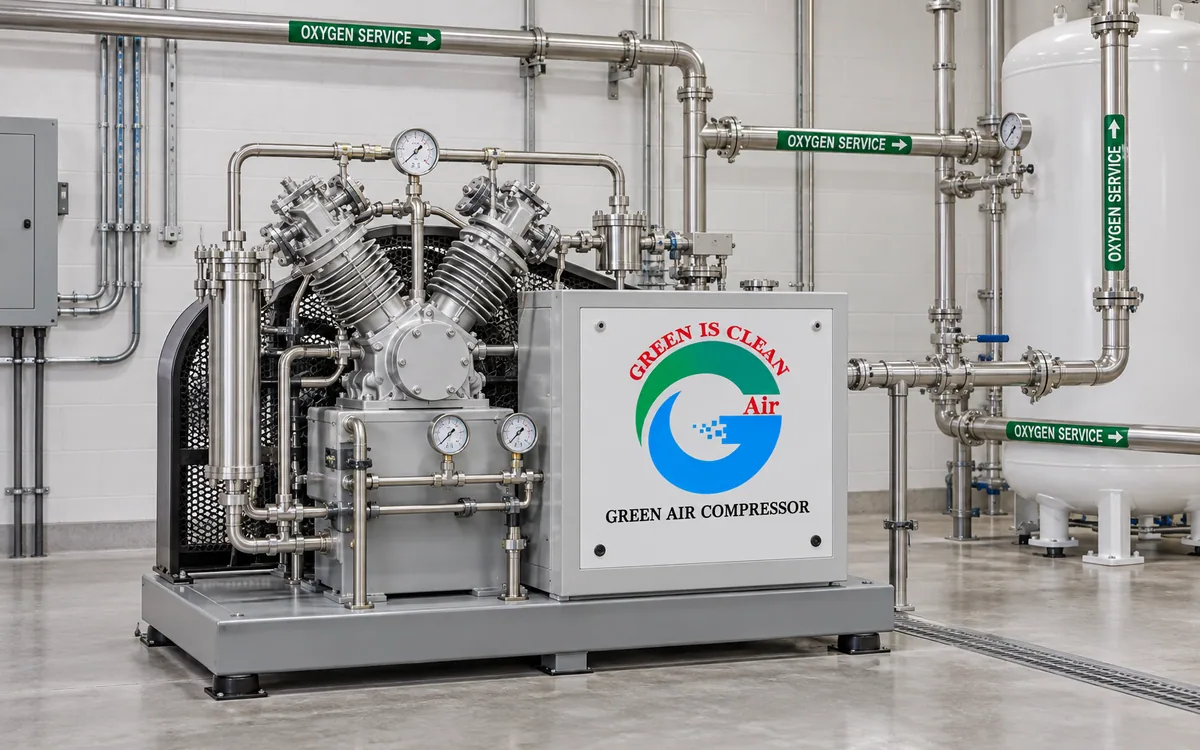
Oxygen compressors
Oil free by necessity, built and cleaned to oxygen service standards.
- Free air delivery
- 30 – 120 Nm³/h
- Working pressure
- 120 – 150 bar g
- Motor power
- 11 – 30 kW
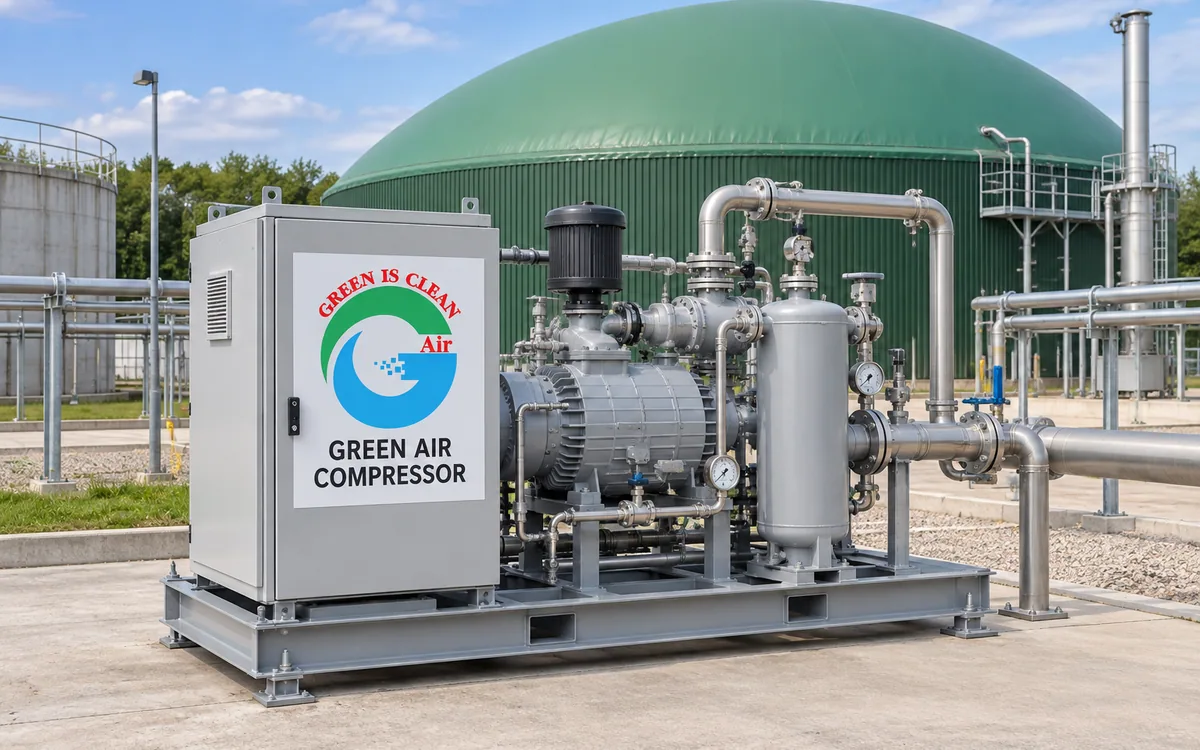
Biogas compressors
Wet, corrosive, variable gas handled without eating the machine.
- Free air delivery
- 50 – 700 Nm³/h
- Working pressure
- 5 – 45 bar g
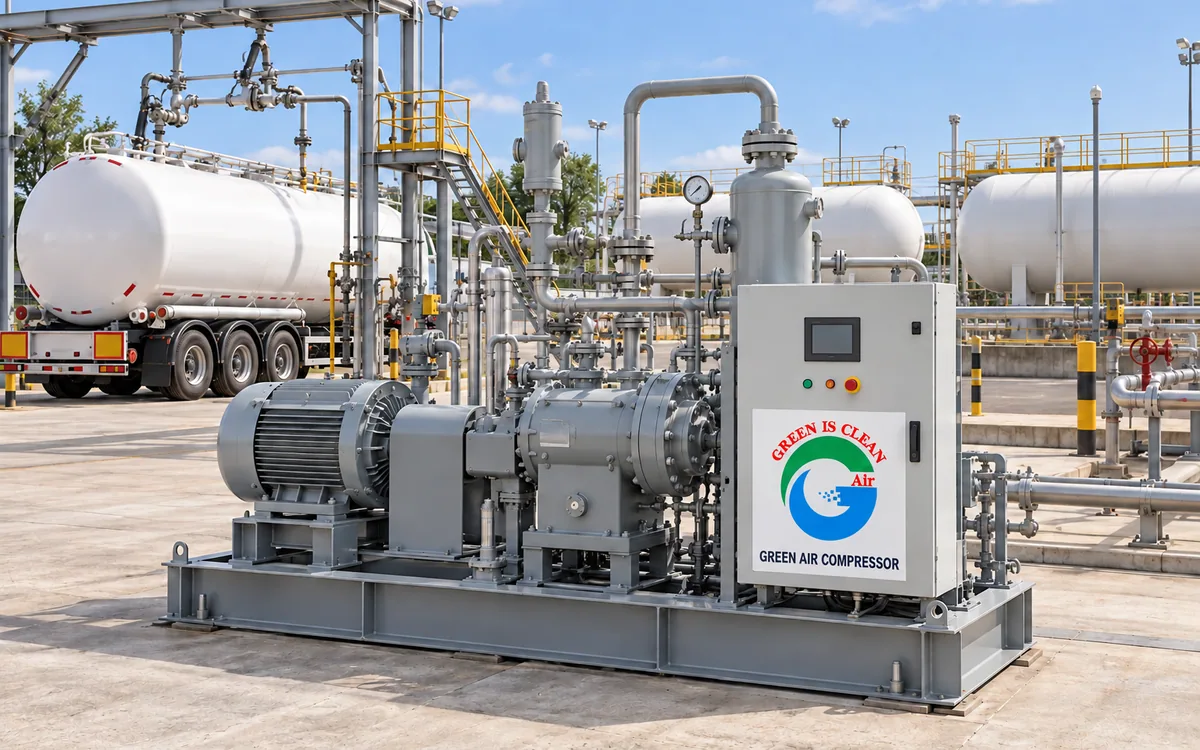
LPG and hydrocarbon gas compressors
Transfer, recovery and vapour handling for propane, butane and mixed gas.
- Working pressure
- 16 bar g
- Motor power
- 4 – 110 kW
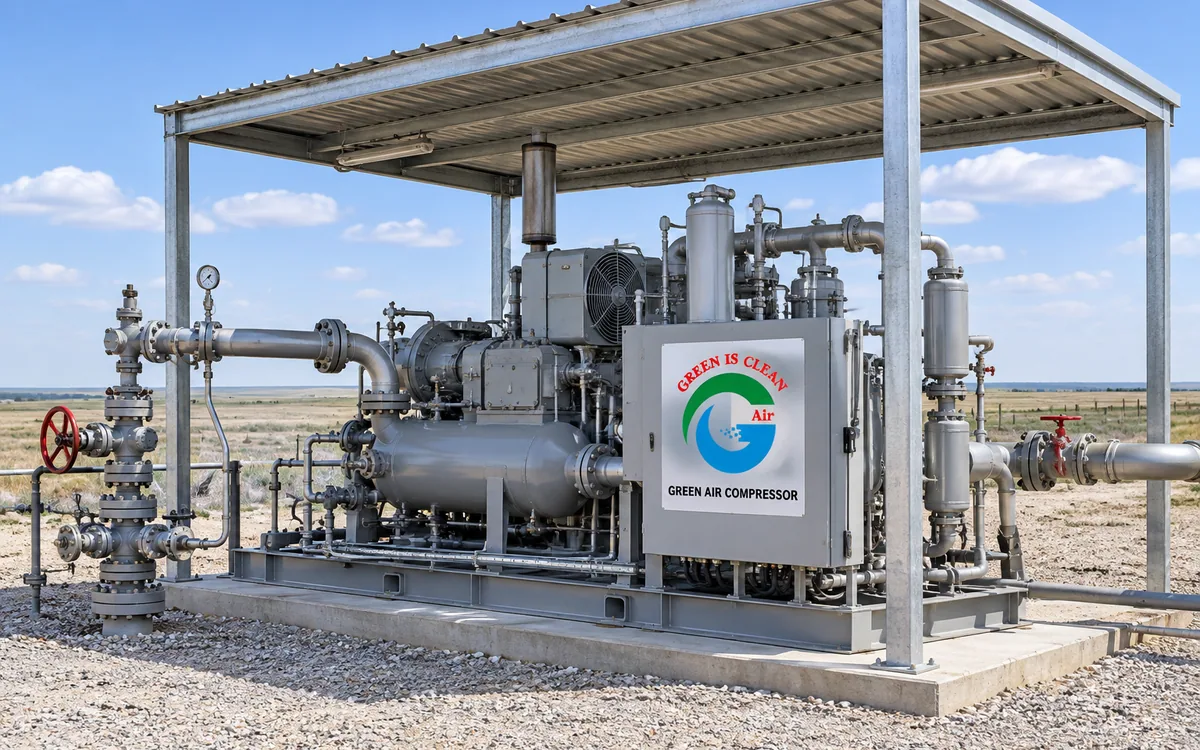
Natural gas compressors
Wellhead, gathering, boosting and fuel gas duties.
- Free air delivery
- 10 – 3,400 Nm³/h
- Working pressure
- 1 – 210 bar g
Not sure which model you need?
Send us your air demand, working pressure and running hours. Our engineers will size the machine and send a written recommendation, no cost, no obligation.