
Air compressor troubleshooting
The fault you can see, what usually causes it, and what to check before calling anyone.
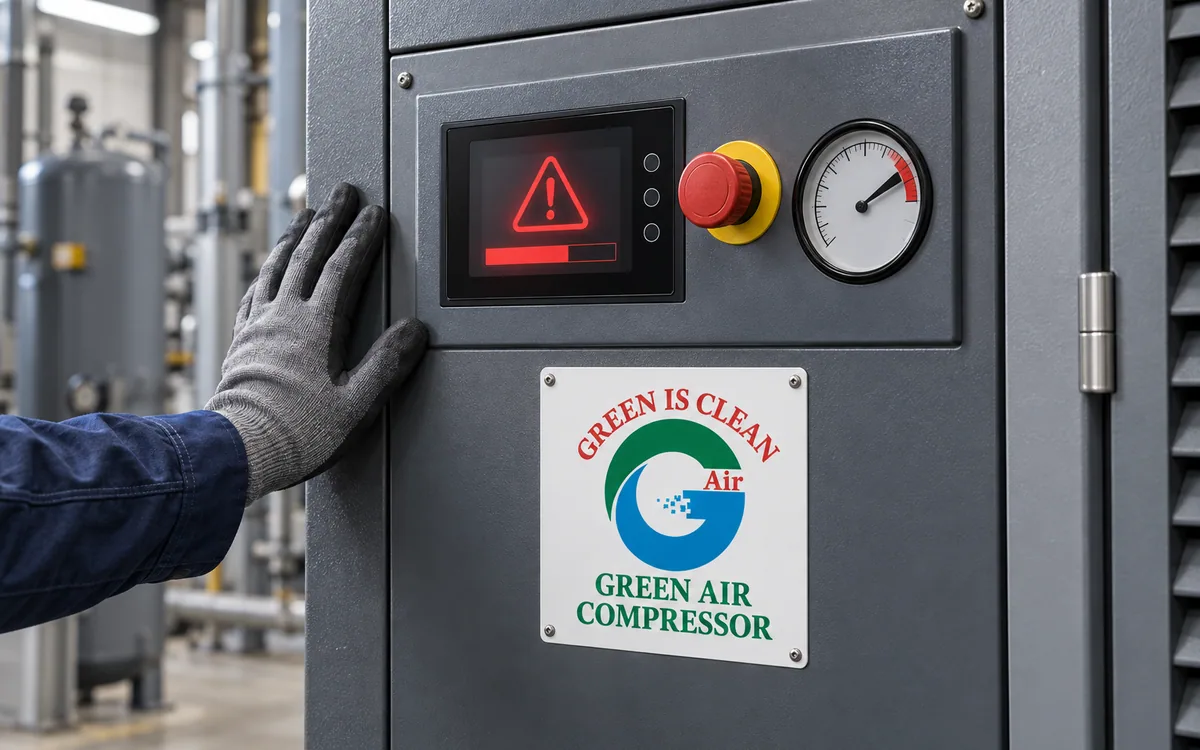
Start with the symptom, not the manual
Most compressor faults announce themselves the same way: less air, more heat, more noise, or oil somewhere it should not be. The cause behind each is usually one of two or three things, and about half of them you can check yourself in ten minutes with no tools.
This page is arranged by what you can observe, because that is what you actually have when the machine misbehaves. Nothing here requires opening the airend. Where a fault does need an engineer, it says so.
The faults we are called to most
Pressure has dropped but the machine runs
Usually not the compressor. Check the system for leaks first, then the separator element and the line filters for restriction. A blocked separator raises energy consumption long before it stops anything.
Machine overheats or trips on temperature
Cooler blocked with dust, oil level low, or ambient temperature above what the machine was specified for. In a dusty plant the cooler is the first thing to look at, and cleaning it is free.
Oil in the air line
Separator element at the end of its life, oil level overfilled, or the scavenge line blocked. Overfilling causes this more often than people expect.
Water in the air line
Almost always the dryer or the drain, not the compressor. Check that the condensate drain is actually discharging before suspecting anything expensive.
Noise or vibration that is new
Bearings, coupling, or something loose in the canopy. New noise is worth investigating early. Bearing failure that is caught early is a service, and caught late is an airend.
Motor will not start
Check the obvious in order: supply, overload relay, emergency stop, pressure switch. A surprising share of call-outs end at a tripped overload.
Work through it in this order
Start downstream, not at the compressor. Most complaints that sound like a compressor fault are a new machine, an open valve or a hose that was changed.
Then check the simple things on the machine itself. Filter differential pressure, oil level, cooler condition and the intake. Those four account for most of what we attend.
Only then look at the machine internally. Going the other way round is how a perfectly good compressor gets opened up.
- Check downstream changes first
- Filter differential pressure
- Oil level and condition
- Cooler and intake condition
- Ambient temperature and ventilation
- Electrical supply and starting current
- Fault history on the controller
- Machine opened last, not first
When to stop and call
A new noise is worth investigating the same day. Bearing failure caught early is a service and caught late is an airend.
Water in the oil, oil in the air, or a discharge temperature that has been climbing for weeks all mean stop rather than continue.
And a machine tripping repeatedly should not be reset repeatedly. Each reset is another start, and starts are what wear a motor.
- A new noise, investigated the same day
- Water in the oil means stop
- Oil carryover means stop
- Rising discharge temperature over weeks
- Repeated trips, never just reset
- Anything electrical left to an engineer
- Fault history read before resetting
- Photograph the nameplate before calling
Frequently asked questions
My compressor runs but pressure keeps falling. Where do I start?
With leaks, not the compressor. In a plant that has never been leak-tested, 20 to 30% of generated air is typically escaping. Only after that is ruled out is it worth suspecting the separator, the line filters or the airend.
How do I tell a leak from a worn airend?
Shut every outlet, let the machine fill the system, then stop it. If pressure falls with nothing running, it is leaking. If it holds but the machine cannot keep up in production, the compressor is the suspect.
The machine is overheating. What do I check first?
The cooler, the oil level and the airflow around the machine, in that order. In a dusty plant a blocked cooler causes more overheating call-outs than everything else combined, and cleaning it costs nothing.
There is oil in my air line. Is the airend finished?
Usually not. Check the oil level first, because overfilling causes this more often than wear does, then the separator element and the scavenge line. An airend that is genuinely passing oil normally shows other symptoms too.
There is water in my air line.
That is a dryer or drain problem far more often than a compressor problem. Confirm the condensate drain is discharging before suspecting anything expensive. A blocked drain is the single most common cause of water downstream.
The motor will not start at all.
Work through supply, overload relay, emergency stop and pressure switch before calling. A meaningful share of emergency call-outs end at a tripped overload that an operator could have reset.
The compressor is noisier than it was.
New noise deserves attention quickly. Bearings, coupling or something loose in the canopy are the usual causes, and a bearing caught early is a service visit while one caught late is an airend replacement.
How much of this should I attempt myself?
Drains, filters, oil level, cooler cleanliness and airflow need no tools and no training. Anything inside the airend or the electrical panel should be left to someone qualified, both for safety and because a wrong diagnosis there is expensive.
What information should I have ready when I call?
The serial number, the hour meter reading, what the machine is doing, and when it last had a service. Those four turn a diagnostic visit into a repair visit.
Is it worth repairing an old compressor at all?
Compare the repair against the ten-year energy cost of both keeping it and replacing it, not against the purchase price alone. An old, inefficient machine can cost more to keep than to replace even when the repair itself is cheap.
Related products
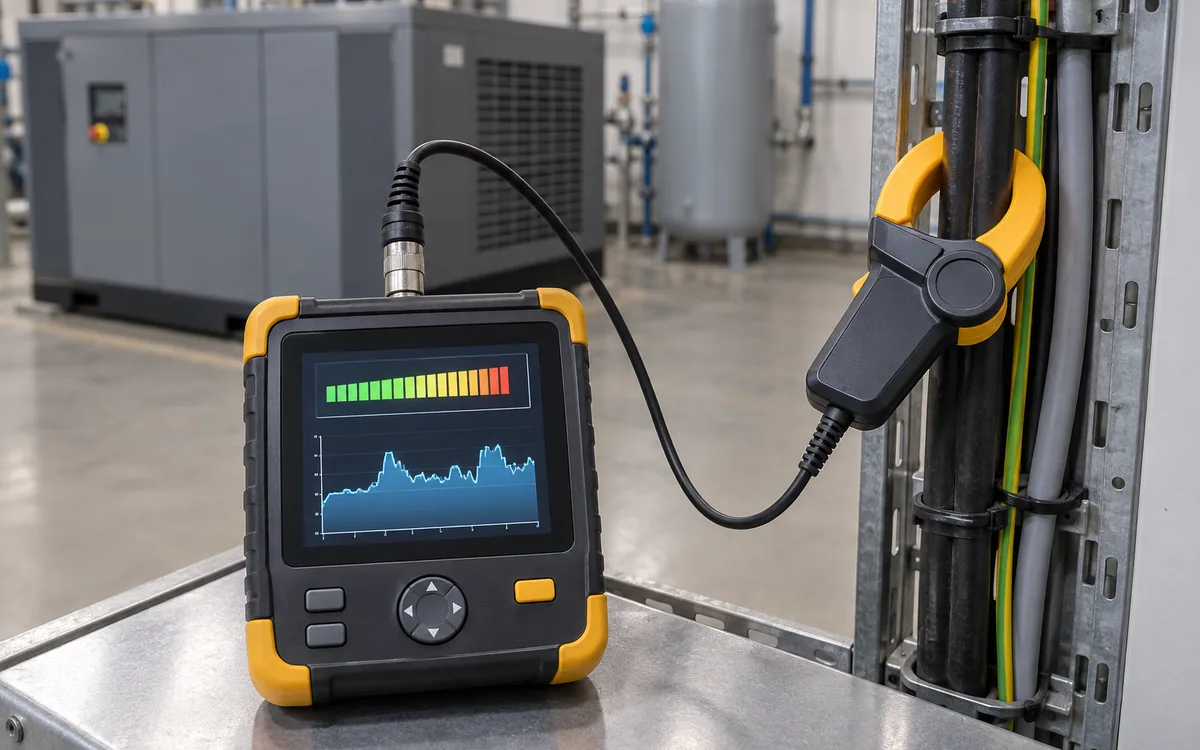
What an air compressor really costs
Why the purchase price is the small number, and what the other two are.
Learn more
What is compressed air?
Why it is called the fourth utility, and why it costs more than you think.
Learn more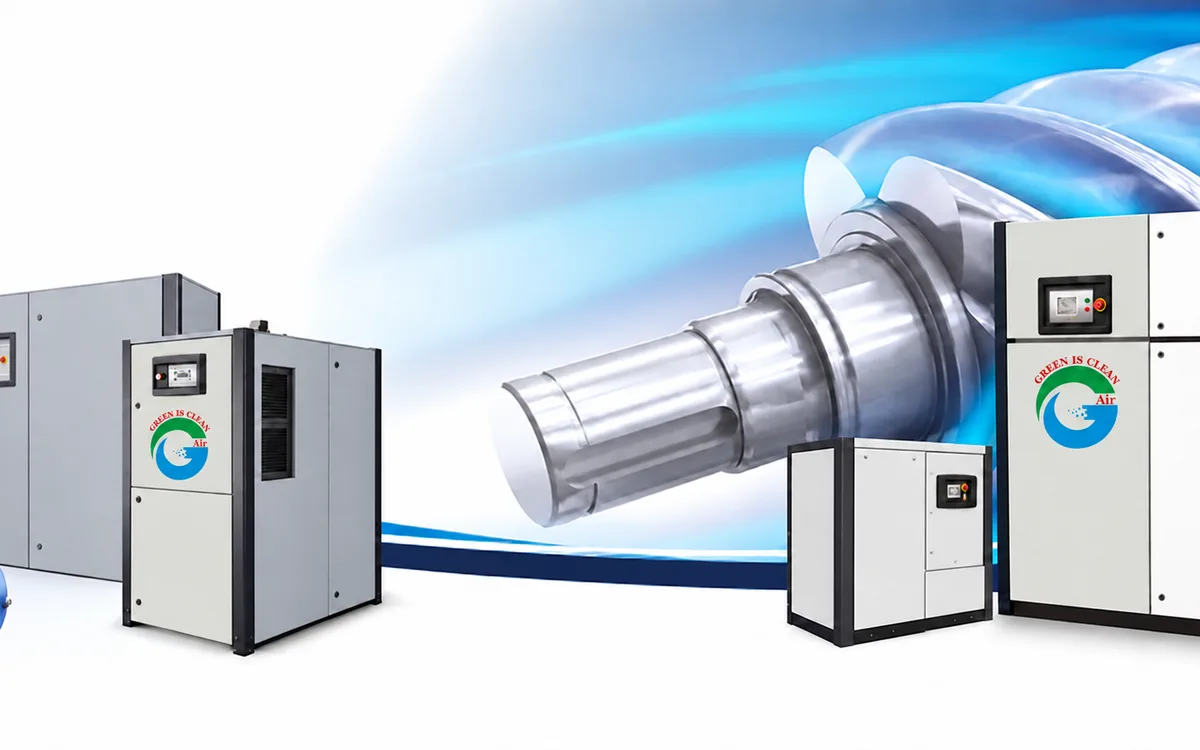
How a rotary screw compressor works
Two rotors, one continuous flow, and why it replaced the piston machine.
Learn more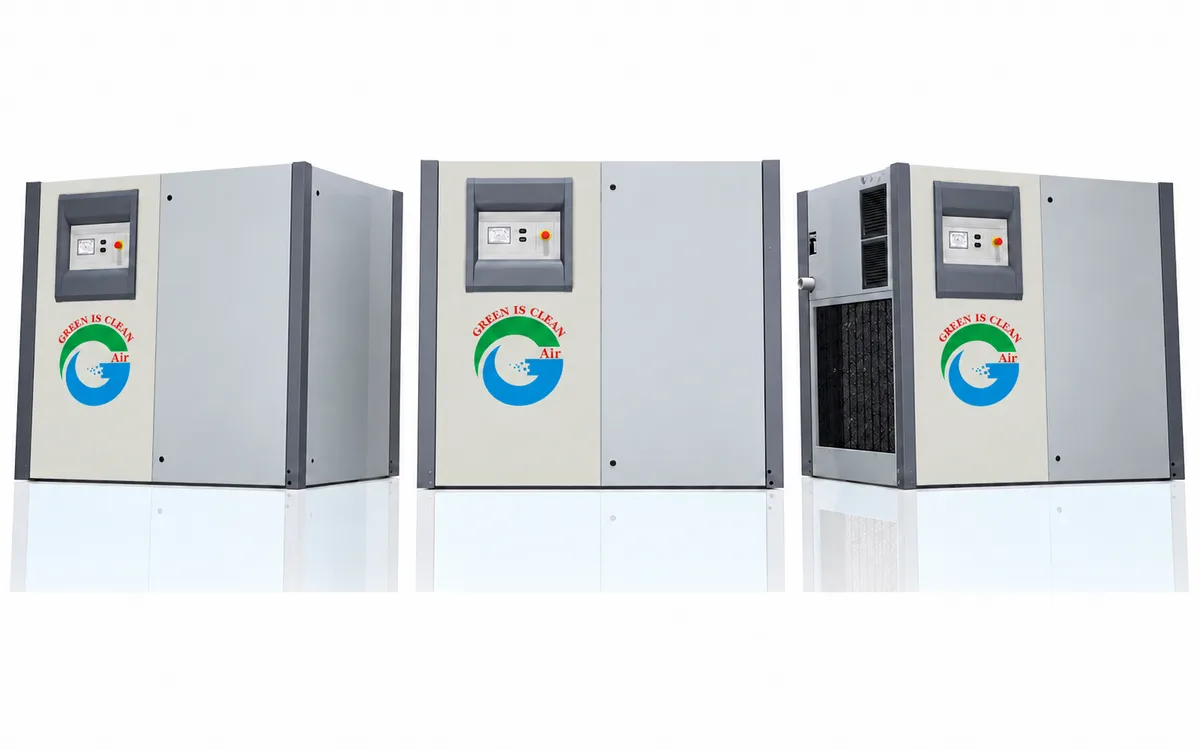
Variable speed compressors explained
What VSD actually saves, and when it saves nothing at all.
Learn moreNot sure which model you need?
Send us your air demand, working pressure and running hours. Our engineers will size the machine and send a written recommendation, no cost, no obligation.