
Motor efficiency classes explained
IE2, IE3, IE4 and IES2: what they mean on a quotation.
Overview
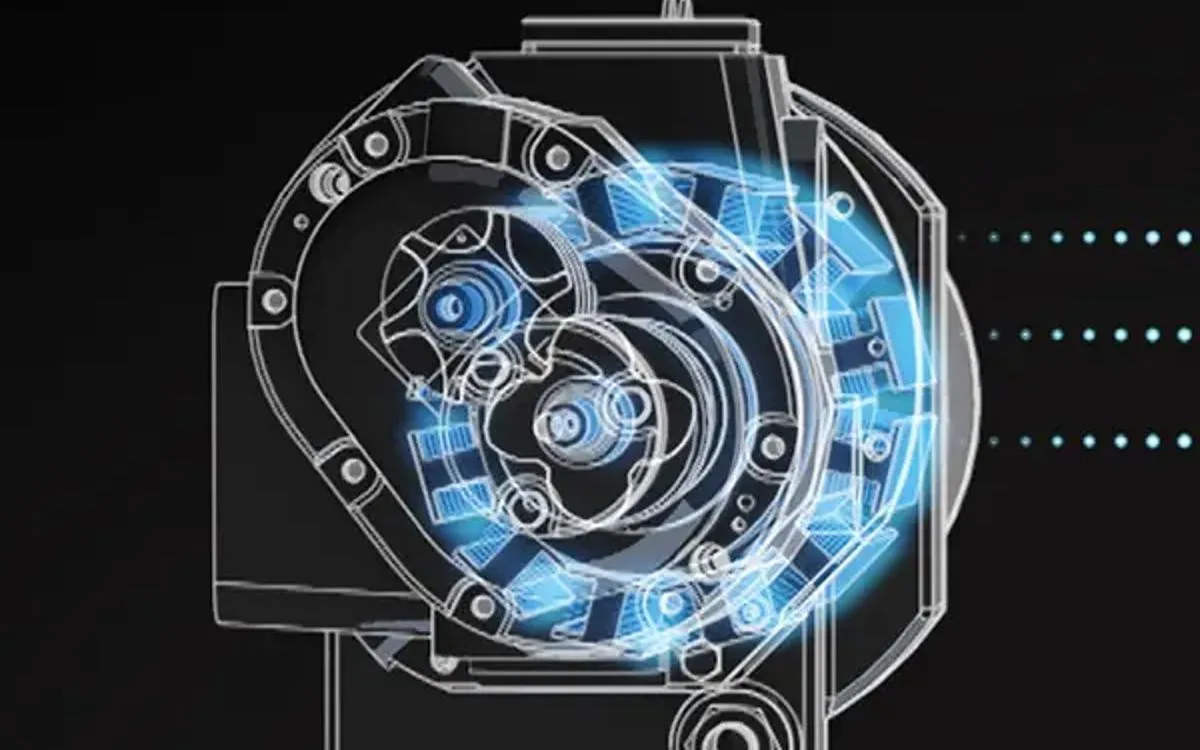
Electric motor efficiency is graded IE1 through IE5, with higher numbers being better. The differences look small, an IE3 motor might be 93% efficient against 91% for an IE2, but on a 75 kW machine running continuously, two percentage points is a meaningful annual sum.
IES2 is a newer and more useful measure. Rather than rating the motor alone, it rates the whole power drive system: motor plus variable speed drive together. This matters because a very efficient motor paired with a poor drive is not an efficient system, and the older rating would not show that.
When comparing quotations, the number that actually matters is neither of these. It is specific energy, kilowatts consumed per cubic metre per minute delivered, measured at your working pressure to ISO 1217. That single figure captures the motor, the drive, the airend and the cooling together.
Key benefits
IE3 is the practical minimum
Mandatory in many markets and the sensible baseline everywhere else.
IE4 pays on continuous duty
Worth the premium on machines running more than about 4,000 hours a year.
IES2 rates the whole system
Motor and drive together, which is what you actually pay to run.
Compare specific energy
kW per m³/min at your pressure, to ISO 1217. This is the only number that settles a comparison.
What the classes mean
IE1 to IE5 rate the motor on its own, with IE5 the most efficient. The differences look small until you multiply them by the hours a compressor motor actually runs.
IES1 and IES2 rate the whole power drive system, motor and drive together, which on a variable speed machine is far more useful than a motor rating alone.
A few percentage points across a motor running eight thousand hours a year is a meaningful annual sum, which is why the classes exist and why regulators keep raising the minimum.
- IE1 to IE5 rate the motor alone
- IE5 is the most efficient class
- IES1 and IES2 rate motor and drive together
- System rating matters on variable speed
- Small percentages times long hours are large
- Minimum classes rise over time
- Stated on the machine documentation
- Compared as part of our quotations
What to do with that
Ask for the class in writing and ask for specific energy measured to ISO 1217 at your working pressure. The second one includes the motor and everything else.
A compliant machine has a higher purchase price and a lower running cost. Over a ten year life the compliant machine is almost always cheaper, and we will show the arithmetic.
And remember the motor is only part of it. A very efficient motor holding a system at a bar more than it needs is still wasting more than the class ever saved.
- Class asked for in writing
- Specific energy to ISO 1217 as well
- Higher purchase, lower running cost
- Ten year arithmetic shown
- Pressure reduction saves more than the class
- Leaks outweigh motor class entirely
- Whole system compared, not just the motor
- Compliance documented with the machine
Frequently asked questions
Which standard actually matters?
ISO 1217 for measuring output and power, and ISO 8573-1 for air quality. If a quotation does not cite ISO 1217 Annex C, the flow figure cannot be compared.
Why does ISO 1217 matter so much?
Because it defines where the measurement is taken, at the machine outlet, including all losses. A figure measured anywhere else flatters the machine.
What is specific power?
Kilowatts consumed per cubic metre per minute delivered. It is the only number that lets you compare two machines fairly, and we quote it on every proposal.
What does IE3 or IE4 mean?
Motor efficiency classes. IE4 motors lose about 20% less than IE3, but on a compressor the airend and control strategy usually matter more than the motor class.
Is there a legal requirement in our region?
The Gulf states apply efficiency labelling to many products and it continues to widen. We track the current position for UAE, Saudi Arabia, Oman, Pakistan and Türkiye.
How do I check a supplier's claim?
Ask for the ISO 1217 test data sheet for the exact model and pressure. Any serious manufacturer has one. Anyone who cannot produce it is estimating.
What about ISO 50001?
That is the energy management system standard. Compressed air is usually the largest single opportunity a plant finds when it implements it.
Do standards cover air quality too?
Yes, ISO 8573-1 classifies particles, water and oil separately. Always quote all three digits, because a single class number is meaningless on its own.
Does an audit have to follow a standard?
It should. We measure to ISO 11011 principles so the findings stand up to scrutiny from your finance team or a certification body.
Will standards-compliant equipment cost more?
The purchase price is higher. The running cost is lower. Over a ten-year life the compliant machine is almost always cheaper, and we show the arithmetic.
Related products
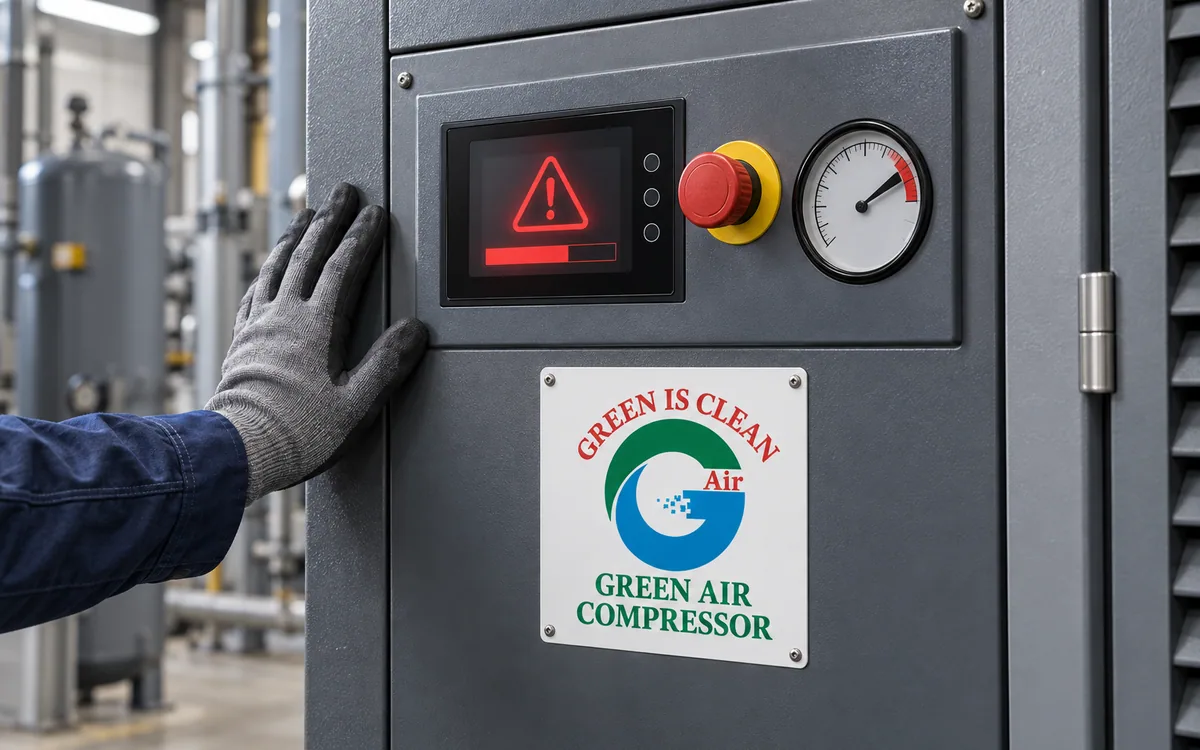
Air compressor troubleshooting
The fault you can see, what usually causes it, and what to check before calling anyone.
Learn more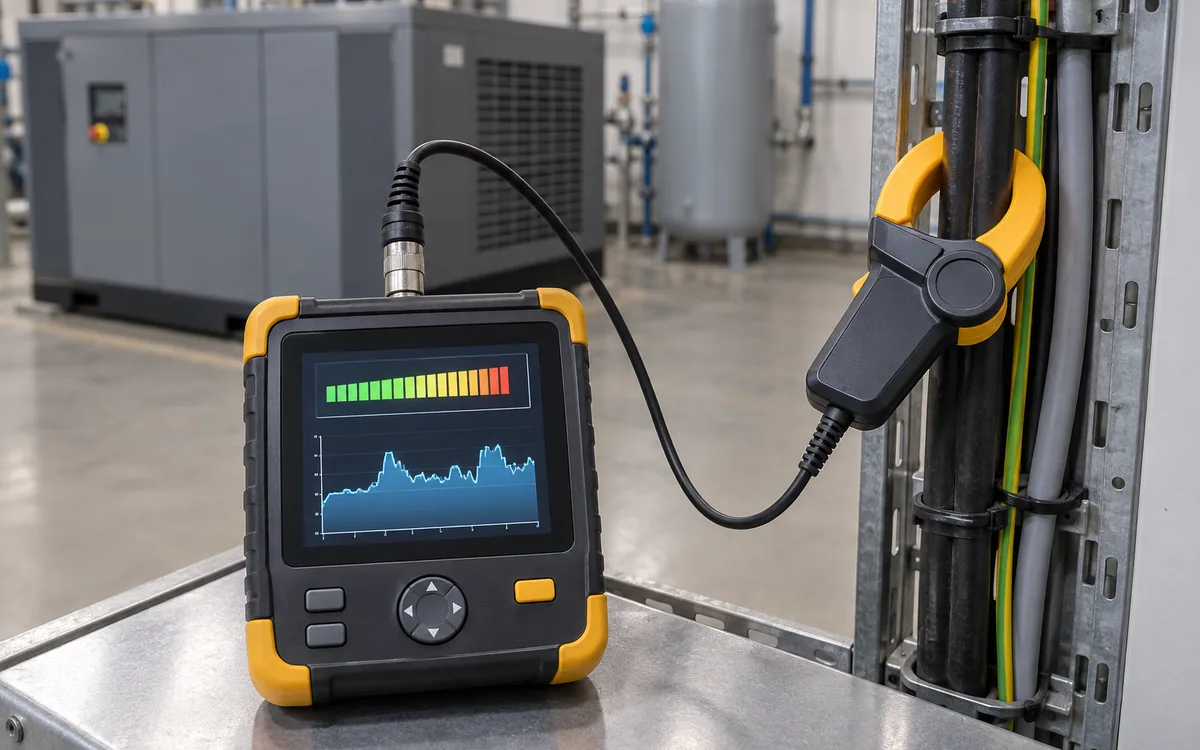
What an air compressor really costs
Why the purchase price is the small number, and what the other two are.
Learn more
What is compressed air?
Why it is called the fourth utility, and why it costs more than you think.
Learn more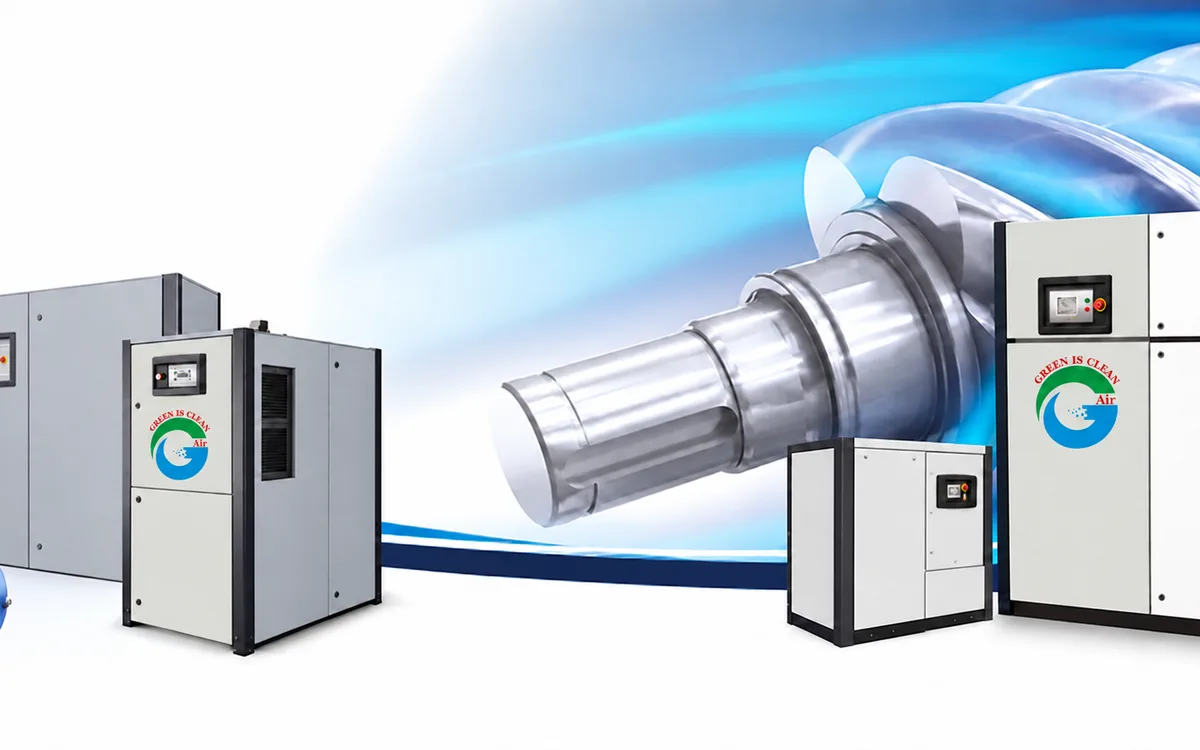
How a rotary screw compressor works
Two rotors, one continuous flow, and why it replaced the piston machine.
Learn moreNot sure which model you need?
Send us your air demand, working pressure and running hours. Our engineers will size the machine and send a written recommendation, no cost, no obligation.