
Piston air compressors
Reciprocating machines for intermittent and high-pressure duties.
Technical data
- Free air delivery
- 0.3 – 1.1 m³/min
- Working pressure
- 10 – 30 bar g
- Motor power
- 2 – 11 kW
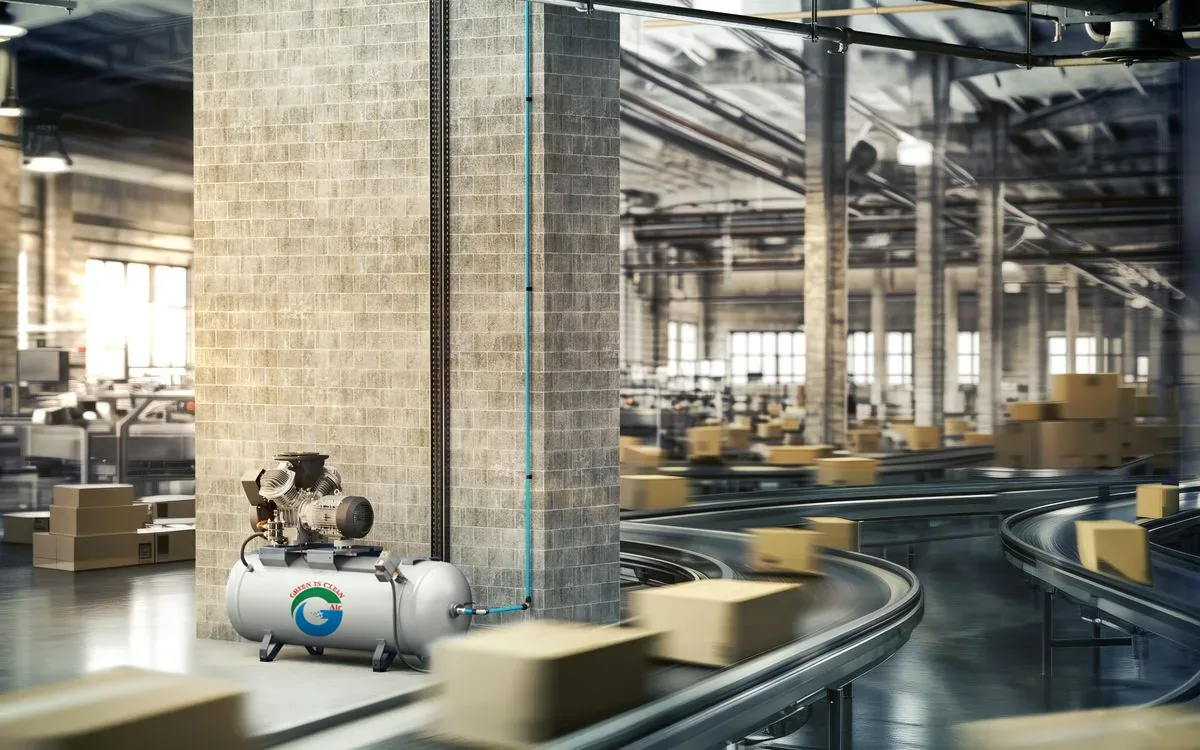
Overview
A piston compressor is the right machine when air is needed occasionally rather than continuously: a tyre bay, a maintenance workshop, a small site. It is cheap to buy and easy to repair anywhere.
The mistake to avoid is buying one for a job that runs all day. Piston machines need a duty cycle of roughly 60 – 70%, and running one flat out will wear it out inside two years. If your air demand is continuous, a small screw machine will cost less over its life.
In this range
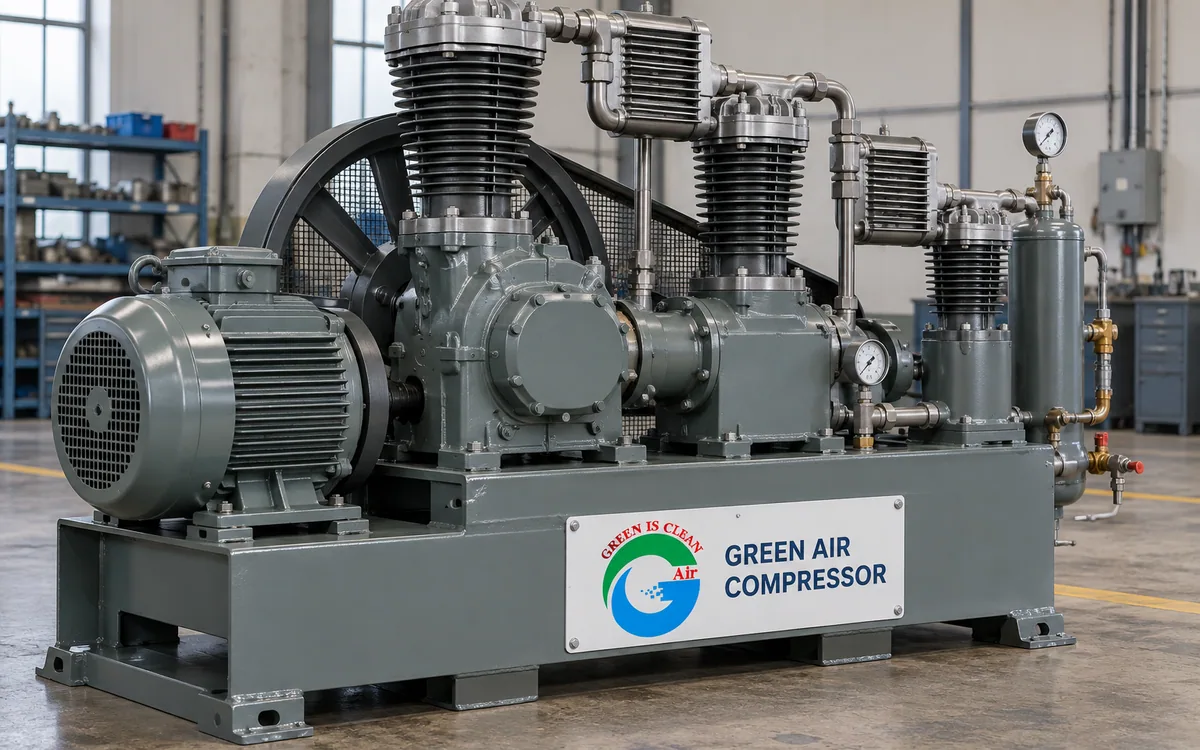
High pressure piston compressors
Multi stage reciprocating machines from 40 to 350 bar g.
- Free air delivery
- 6.5 – 25.0 m³/min (229 – 882 cfm)
- Working pressure
- 40 bar g
- Motor power
- 75 – 250 kW
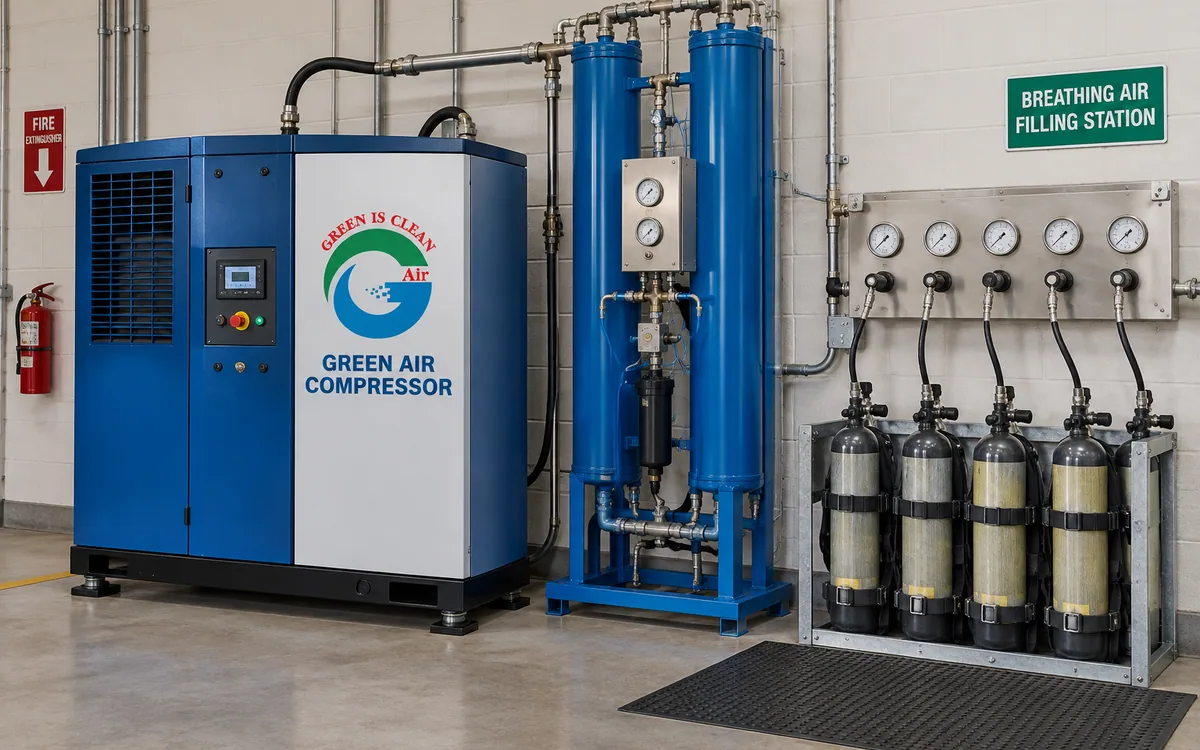
Breathing air compressors
Air for cylinders and airline systems, filtered and tested to breathing standards.
- Free air delivery
- 0.1 – 0.7 m³/min
- Working pressure
- 300 – 330 bar g
- Motor power
- 2 – 15 kW
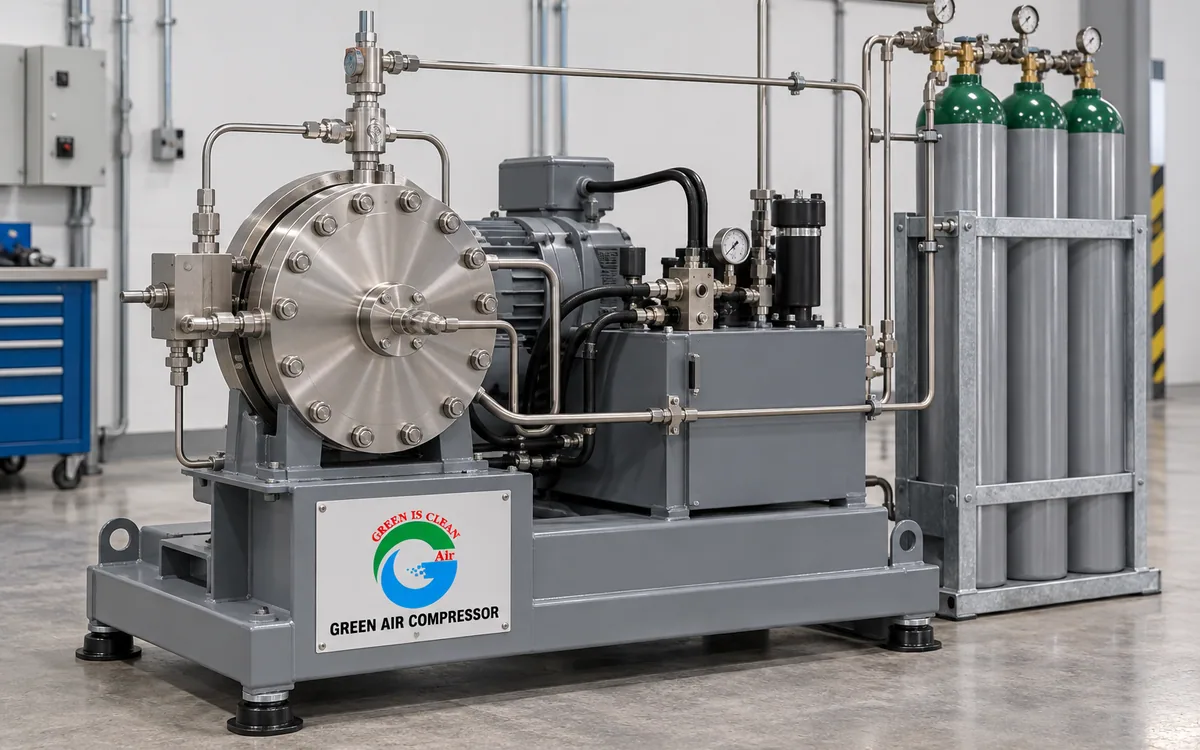
Diaphragm compressors
A sealed membrane between the gas and the machine. No leakage, no contamination.
- Free air delivery
- 1 – 2,000 Nm³/h
- Working pressure
- 500 – 1,000 bar g
- Motor power
- 2 – 200 kW
Key benefits
Low purchase cost
The cheapest way to get compressed air where usage is intermittent.
High pressure available
Two-stage models reach 15 to 30 bar directly, which a single screw stage cannot.
Repairable anywhere
Valves, rings and gaskets are simple parts available in every market we serve.
Oil-free versions
Non-lubricated models for dental, laboratory and light clean duties.
How it is built
A piston moving in a cylinder, which is the oldest and the most direct way to compress air. At small sizes and intermittent use it is still the right answer, and it is the reason these machines have outlived every prediction of their retirement.
The rating that matters is duty cycle. A piston compressor has to rest to shed heat, typically thirty to forty per cent of the time, and running one continuously is the quickest way to ruin it.
Single stage machines suit pressures up to about ten bar. Above that a second stage with cooling between the two keeps the discharge temperature where valves and rings can survive it.
- Single and two stage builds
- Intercooling on two stage machines
- Rated by duty cycle, not continuous running
- Belt or direct drive
- Tank mounted with drain fitted
- Low purchase cost
- Simple to repair anywhere
- Oil lubricated or oil free versions
What the controller does
A pressure switch and an hour meter on the simplest machines, and a proper panel on the larger ones. The job is the same either way, which is to start on low pressure and stop on high.
The important setting is the pressure band. A narrow band makes the machine start too often, and on a piston compressor start count wears the motor more than running hours do.
Larger units add a service countdown, a fault log and thermal protection, and all three are worth having on a machine that is otherwise easy to neglect.
- Pressure switch control with a set band
- Wide band to limit start count
- Hour meter on every machine
- Service countdown on larger units
- Thermal protection on the motor
- Automatic drain option
- Fault log on panel equipped models
- Star delta starting on larger units
Parts and service kits
Valves, rings, the air filter and the oil. Valves are the item that decides output, and a tired valve costs power quietly rather than failing loudly.
Belt tension on belt driven machines is the most neglected item in the workshop. A slipping belt turns electricity into heat and rubber dust instead of air.
These machines are meant to be repaired rather than replaced. Every wear part is available and the intervals are published.
- Valve kits by interval
- Ring and gasket kits
- Air filter and oil on the schedule
- Belt tension checked at every service
- Every wear part available
- Published intervals
- Held in local stock
- Fixed price under a service plan
Model range
- 10 bar
- 0.30 m³/min
- 10 bar
- 0.48 m³/min
- 12 bar
- 0.95 m³/min
- 30 bar
- 1.05 m³/min
Performance to ISO 1217 Annex C at 20 °C inlet, 1 bar(a). Figures are typical and subject to confirmation. Ask us for the certified test report for your selected model.
Datasheets in this range
Two pages each: what the machine is, what it is for, and the measured table. Built from this site, so a sheet can never say something the page does not.
Frequently asked questions
When is a piston compressor the right choice?
When air is needed occasionally rather than continuously: a tyre bay, a maintenance workshop, a small site. It is cheap to buy and repairable anywhere.
What is the duty cycle and why does it matter?
A piston machine needs to rest 30–40% of the time to shed heat. Running one flat out is the single most common reason a piston compressor dies inside two years.
Can it reach higher pressures than a screw?
Yes, two-stage piston machines reach 15 to 30 bar directly, which a single screw stage cannot do: that is why they are still used for high-pressure duties.
How long should one last?
Used within its duty cycle, ten years or more. Used continuously, often less than two. Duty cycle decides it, not the brand.
Are there oil-free piston machines?
Yes: non-lubricated versions for dental, laboratory and light clean duties, where the volumes are small and continuous running is not required.
What maintenance does it need?
Valves, rings, gaskets and oil. All are simple parts available in every market we serve, which is a large part of the appeal.
Why does mine get so hot?
Usually because it is running above its duty cycle, or the intake filter and cooling fins are choked with dust. Both are cheap to fix and both destroy the machine if ignored.
Do I still need a dryer?
Yes, if the air matters. A piston compressor produces the same water as any other, and in this climate that water reaches your tools within days.
Is it worth replacing a piston with a small screw?
If it runs more than a couple of hours a day, yes. The screw costs more up front and less over its life because it is not being destroyed by the duty.
How noisy is it?
Often above 85 dB(A) for an open machine, which needs hearing protection or a separate room. Silenced and canopied versions are available where noise matters.
Related products
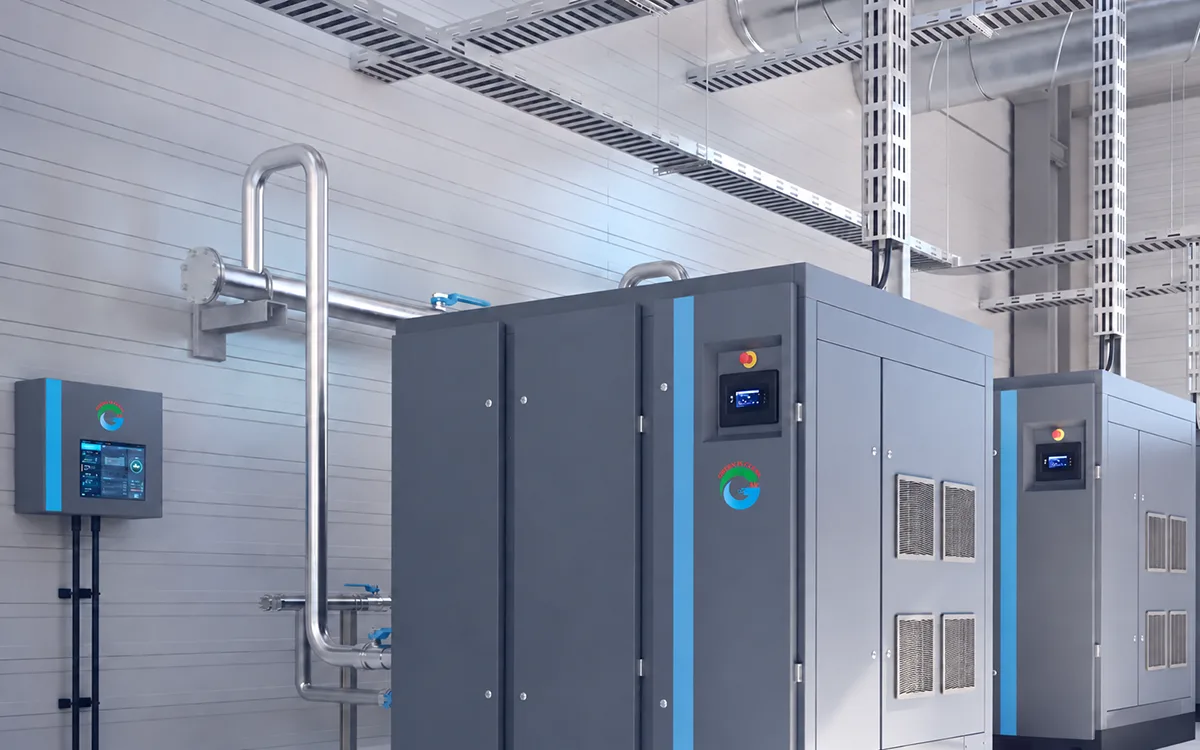
Rotary screw air compressors
The default choice for continuous industrial air, 2.2 to 250 kW.
- Free air delivery
- 0.2 – 109.0 m³/min
- Working pressure
- 2 – 35 bar g
- Motor power
- 2 – 355 kW
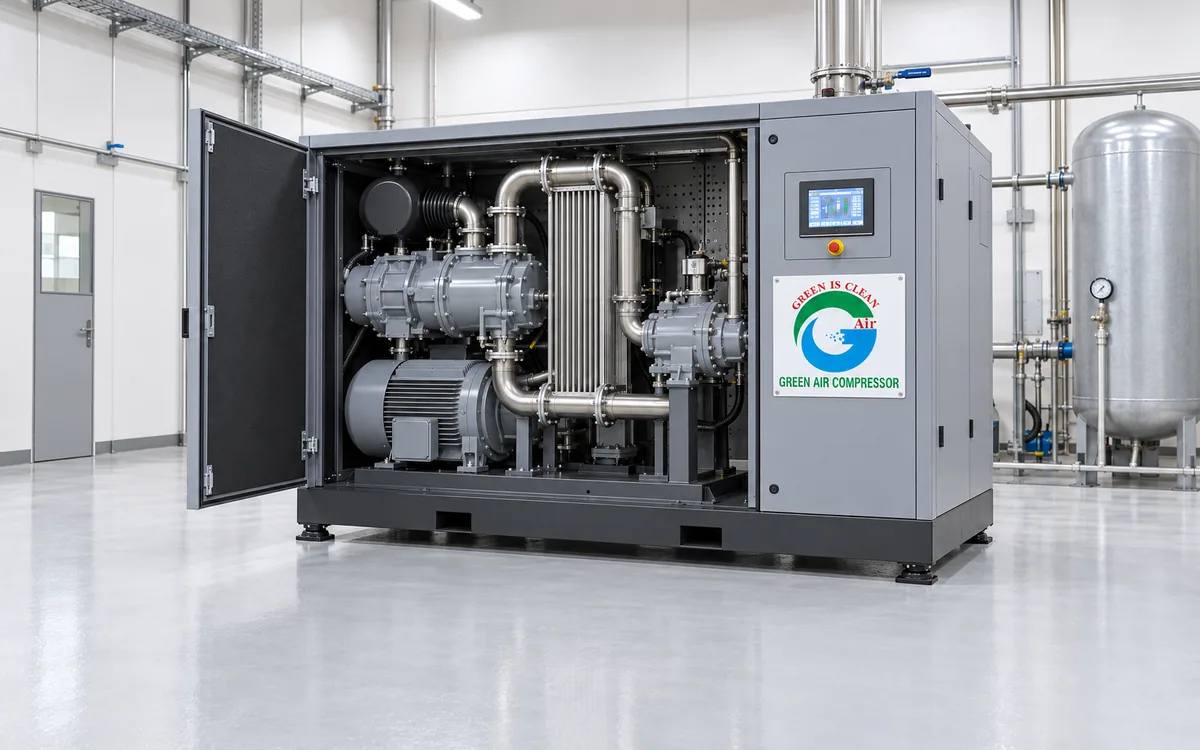
Oil-free air compressors
Certified Class 0 air for food, pharma, electronics and textiles.
- Free air delivery
- 0.3 – 53.3 m³/min
- Working pressure
- 4 – 10 bar g
- Motor power
- 6 – 355 kW
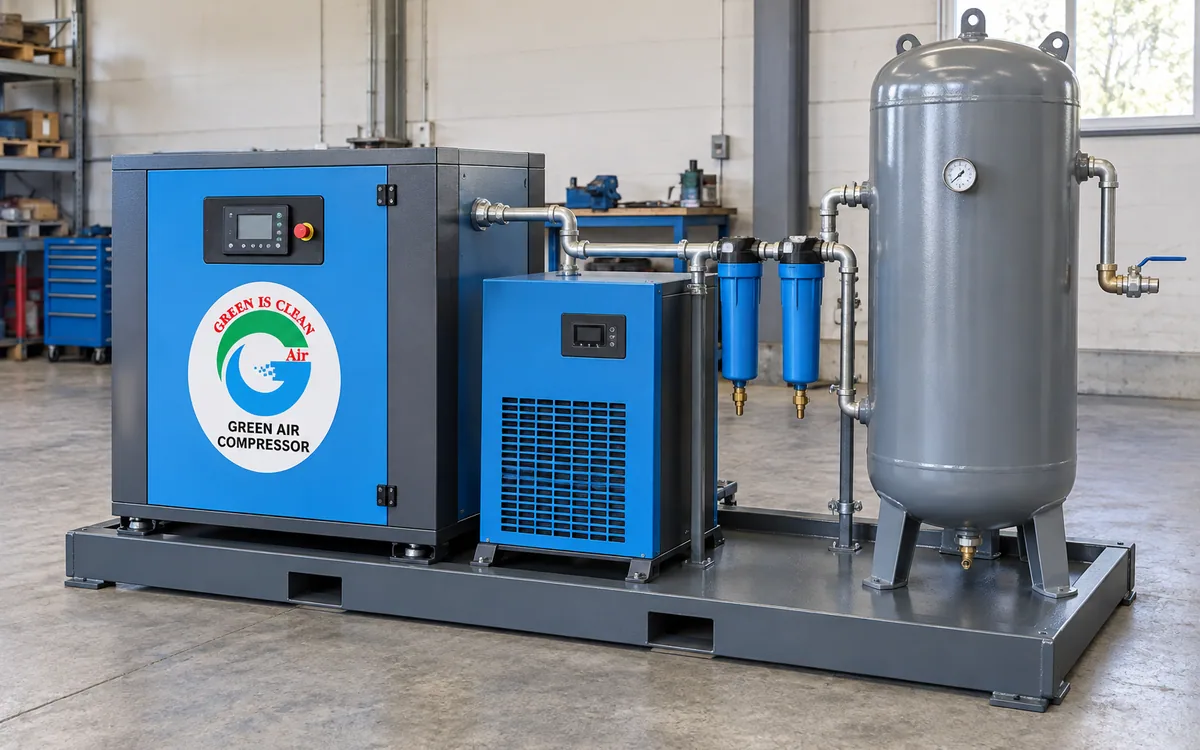
Packaged and integrated air stations
Compressor, dryer, filters and receiver supplied as one item.
- Free air delivery
- 0.3 – 25.0 m³/min (9 – 64 cfm)
- Working pressure
- 7 – 30 bar g
- Motor power
- 4 – 250 kW
Not sure which model you need?
Send us your air demand, working pressure and running hours. Our engineers will size the machine and send a written recommendation, no cost, no obligation.