
Air, nitrogen and oxygen boosters
Raise existing compressed gas to high pressure without contamination.
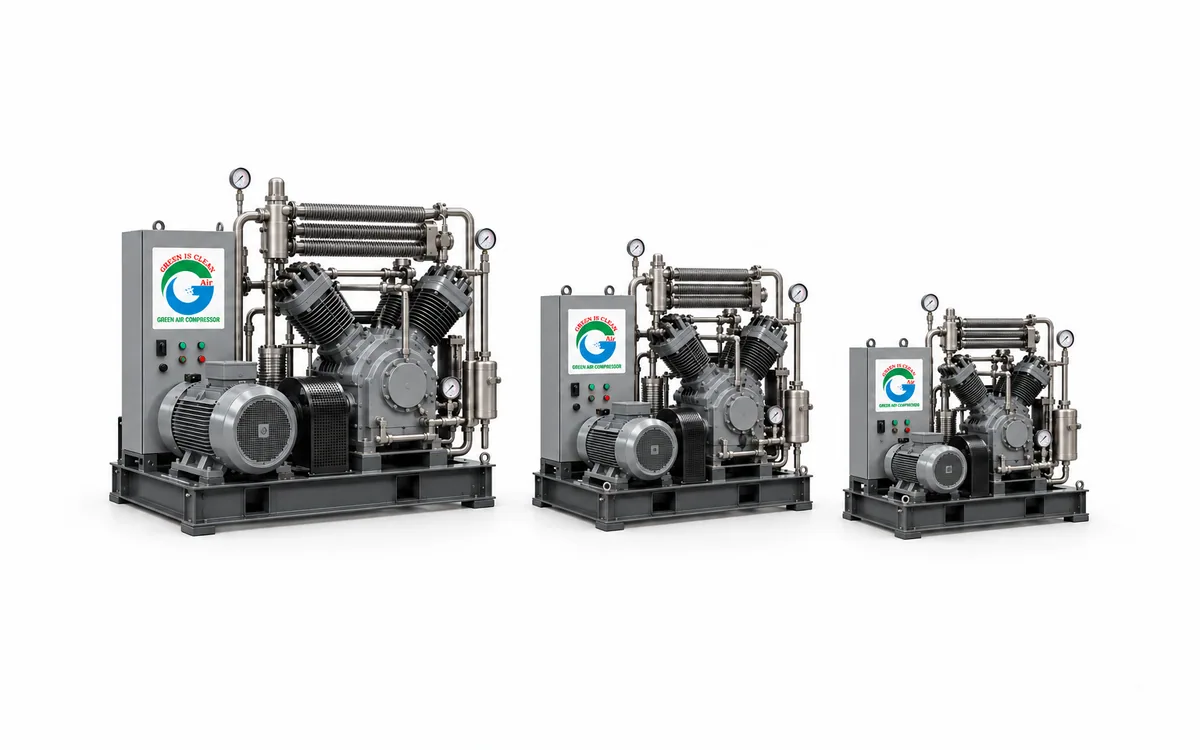
Overview
Boosters take a gas that is already compressed and push it higher. It is a much cheaper way to reach 25 or 40 bar than compressing from atmosphere with a dedicated high pressure machine.
The range covers oil-free rotary and reciprocating boosters for air and nitrogen, plus purpose-built oxygen boosters with oxygen-clean construction and certification.
In this range
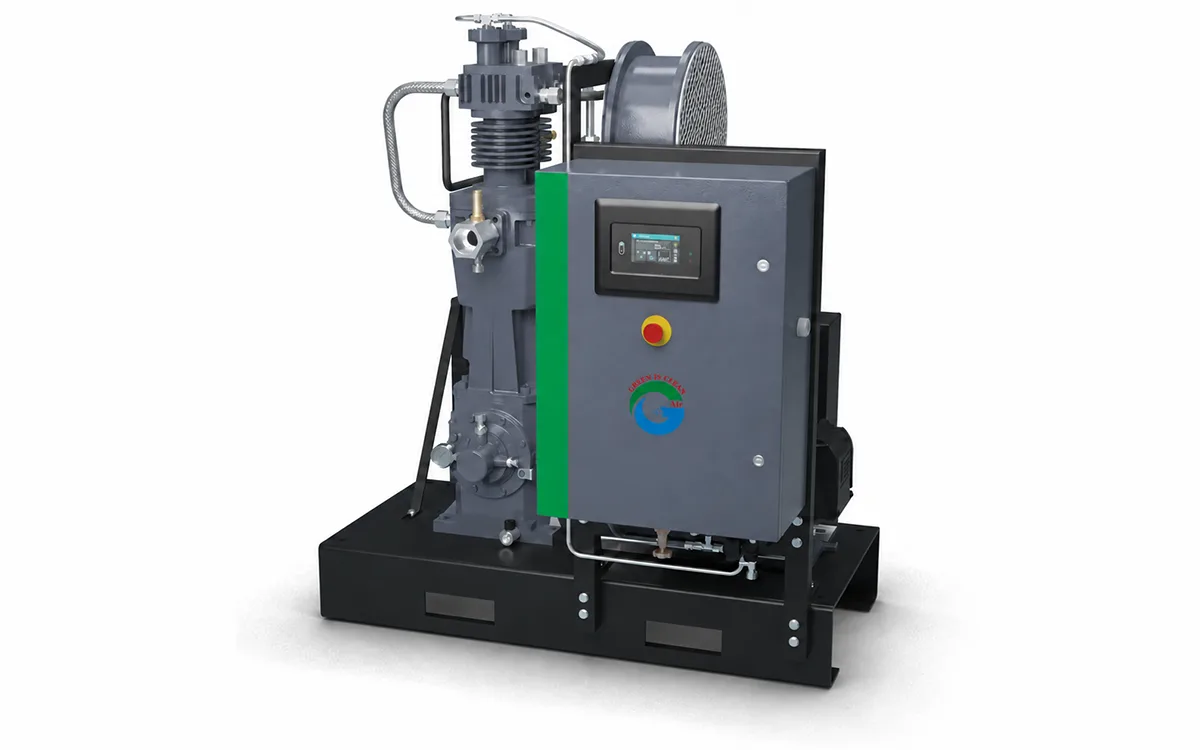
Oil-free air and nitrogen boosters
Take existing plant air or nitrogen up to high pressure, oil-free.
- Free air delivery
- 1.5 – 10.0 m³/min
- Working pressure
- 40 bar g
- Motor power
- 15 – 90 kW
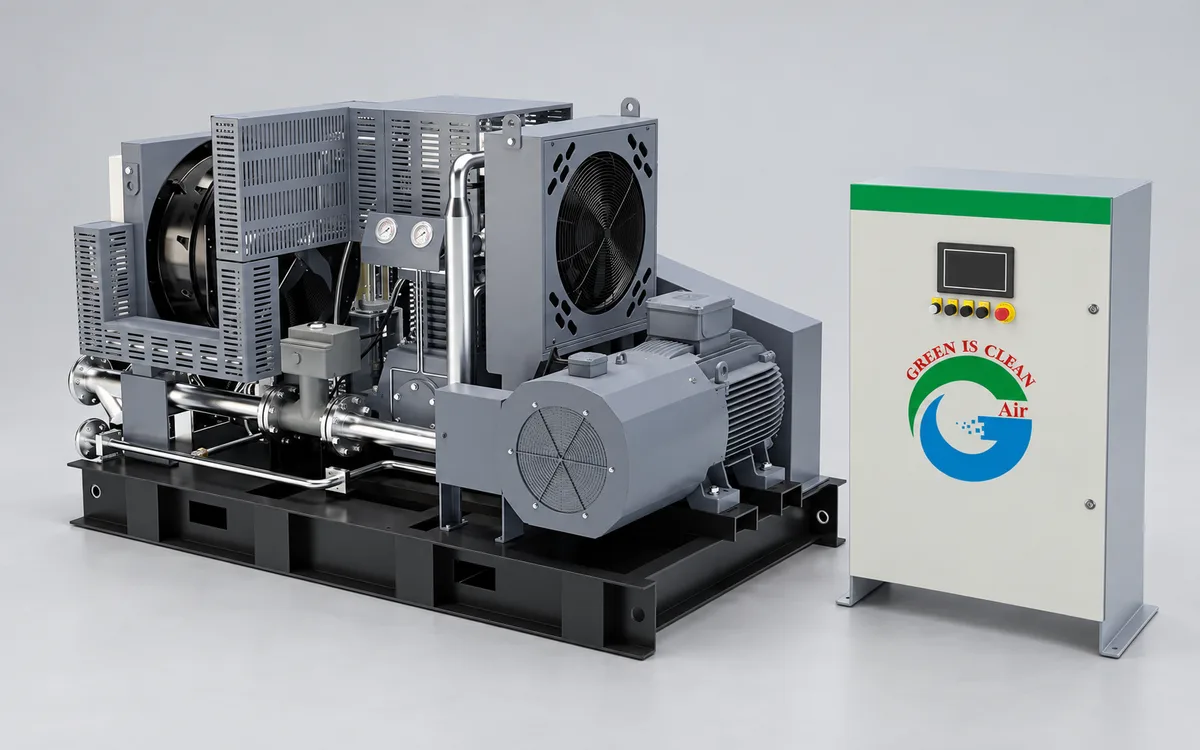
Oxygen boosters
Purpose-built, oxygen-clean boosters for medical and industrial O₂.
- Free air delivery
- 0.6 – 1.2 m³/min
- Working pressure
- 4 – 200 bar g
- Motor power
- 8 – 15 kW
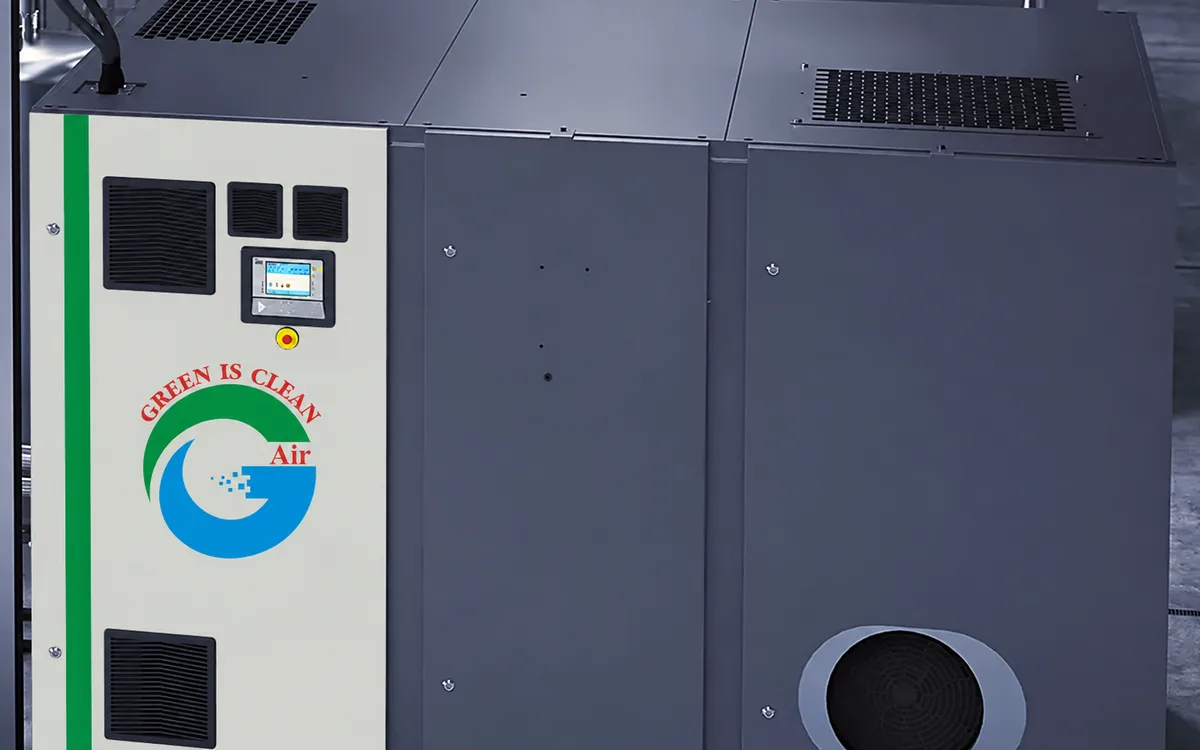
Reciprocating air and nitrogen boosters
Piston boosters, fixed or variable speed, for high pressure duties.
- Free air delivery
- 0.9 – 7.8 m³/min
- Working pressure
- 45 bar g
- Motor power
- 11 – 75 kW
Key benefits
Cheaper than raising the whole system
Boost the part that needs high pressure instead of running everything higher.
Uses the air you already make
No separate high pressure compressor house and no second machine to fuel.
Air, nitrogen or oxygen
Materials, seals and cleaning specified for the gas rather than adapted to it.
Built to be rebuilt
Valves, rings and packings are published items with published intervals.
When you need a booster
When part of your plant needs a higher pressure than the rest. A booster raises air you have already compressed rather than making it again from atmosphere.
That is far cheaper than running the whole system at the higher pressure, which is what a surprising number of plants end up doing.
Typical duties are PET blowing, pipeline testing, laser cutting, and nitrogen or oxygen service for gas companies.
- Raises existing plant air to high pressure
- Cheaper than raising the whole system
- PET blowing and pipeline testing
- Laser cutting and gas service
- Air, nitrogen and oxygen versions
- Piston or screw by duty
- Skid mounted or packaged
- Sized on the boosted duty only
Choosing within the range
Reciprocating boosters reach the highest pressures and are built to be rebuilt, which on a long service life is the cheaper arrangement.
Oxygen service is a different engineering problem entirely. Everything the gas touches has to be compatible, cleaned and certified, and no lubricant can be anywhere near it.
Inlet pressure matters as much as outlet. A booster starved of inlet air runs hot and damages itself, so the supply is part of the specification.
- Reciprocating for the highest pressures
- Built to be rebuilt, not replaced
- Oxygen service cleaned and certified
- Nitrogen materials specified separately
- Inlet supply is part of the specification
- Interstage cooling on every stage
- Relief and isolation to standard
- Performance tested before despatch
Datasheets in this range
Two pages each: what the machine is, what it is for, and the measured table. Built from this site, so a sheet can never say something the page does not.
Frequently asked questions
What does a booster actually do?
It takes gas that is already compressed and pushes it higher: typically from a 7 bar plant network to 25 or 40 bar for blow moulding, testing or cylinder filling.
Why not just use a high pressure compressor?
Because boosting from 7 bar takes a fraction of the power of compressing from atmosphere. If you already have plant air, a booster is much cheaper to run.
Are all your boosters oil-free?
In this range, yes. There is no lubricant in the gas path, which matters for PET blowing, food gas and anything analytical.
Can it boost nitrogen as well as air?
Yes, the same machine family handles compressed air or nitrogen from a generator or a cylinder bank, the selection depends on the gas and the outlet pressure.
Is it rated for continuous duty?
Yes, these are built for constant running rather than intermittent top-up. A booster used as a production machine has to be specified as one.
What is the most common application?
PET bottle blowing by a wide margin, followed by leak and pressure testing rigs and nitrogen boosting for laser cutting.
What inlet pressure does it need?
Typically 7 bar, and the machine is sized around that. Feeding it lower inlet pressure than specified reduces output and makes it work harder.
Rotary or reciprocating?
Reciprocating where the pressure ratio is high and the flow moderate. It handles ratios a rotary machine cannot. We select from your outlet pressure and required flow.
Do I need extra air treatment before it?
Yes, whatever reaches the booster is compressed further, so filtration and drying upstream matter more, not less.
How is it controlled?
Fixed speed with unloading, or variable speed where demand is intermittent, a blow moulding line changing bottle format through the day is the classic case for variable speed.
Related products
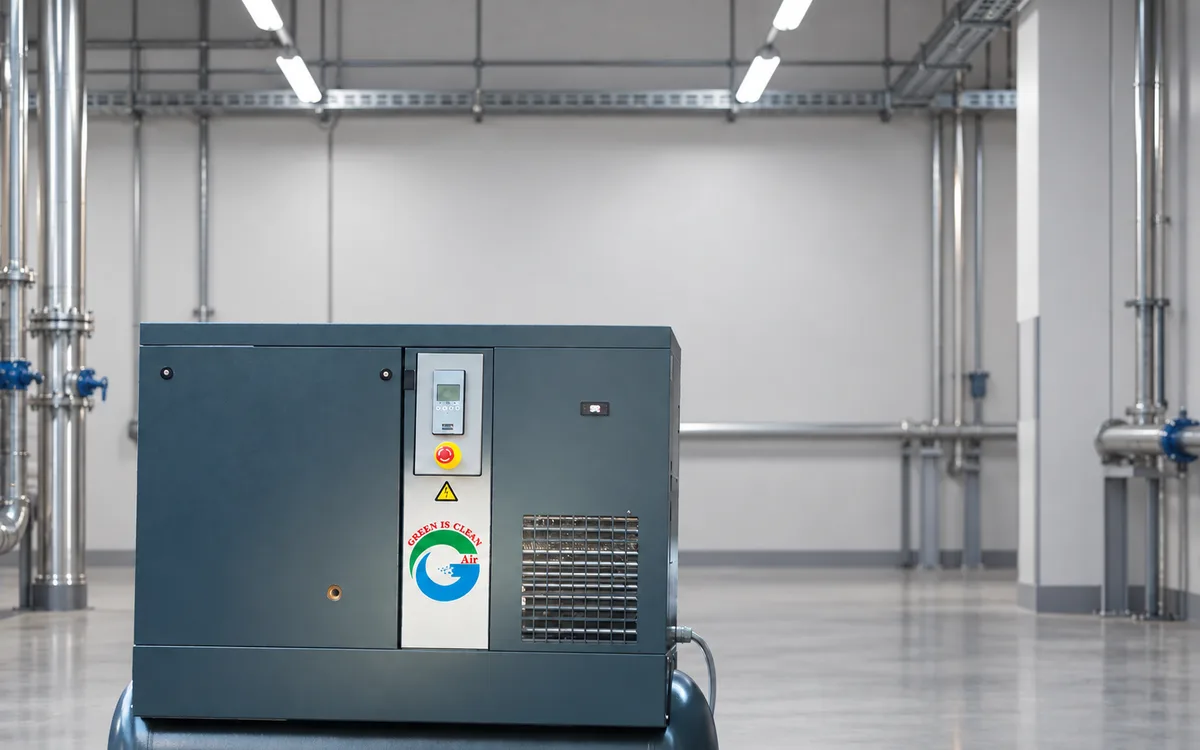
Air compressors
Rotary screw, oil-free and piston compressors from 2.2 to 355 kW.
- Free air delivery
- 0.1 – 109.0 m³/min (9 – 882 cfm)
- Working pressure
- 2 – 1,000 bar g
- Motor power
- 2 – 355 kW
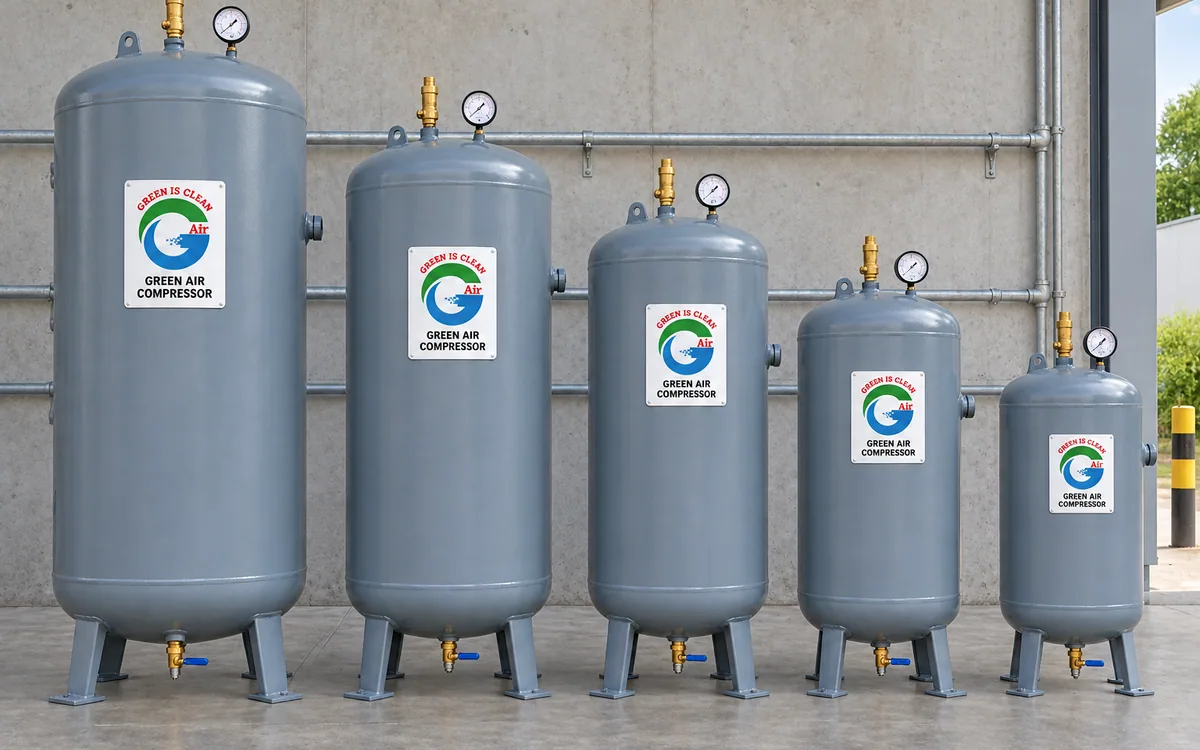
Air receivers and tanks
Storage, separation and the vessel that stops your compressor short cycling.
- Working pressure
- 1 – 13 bar g
- Weight
- 99 – 1,240 kg
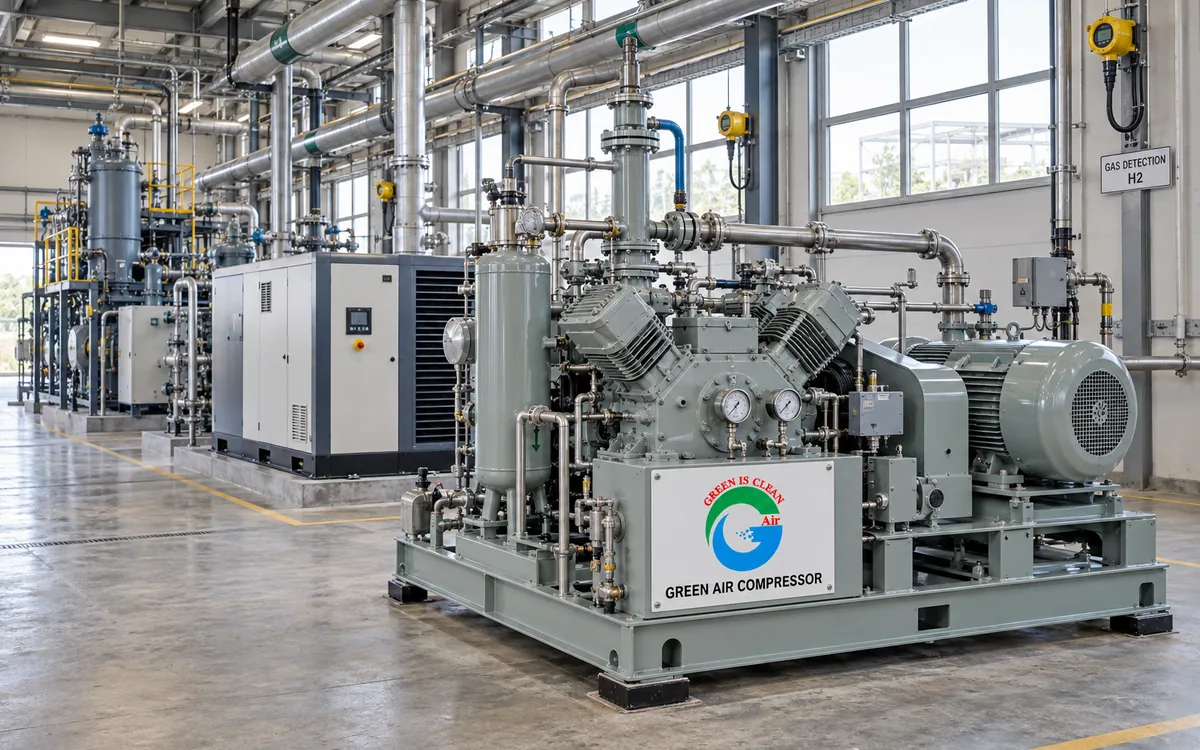
Gas compressors
Nitrogen, oxygen, biogas, LPG, natural gas, ammonia, argon and boil off gas.
- Free air delivery
- 10 – 3,500 Nm³/h
- Working pressure
- 1 – 210 bar g
- Motor power
- 4 – 250 kW
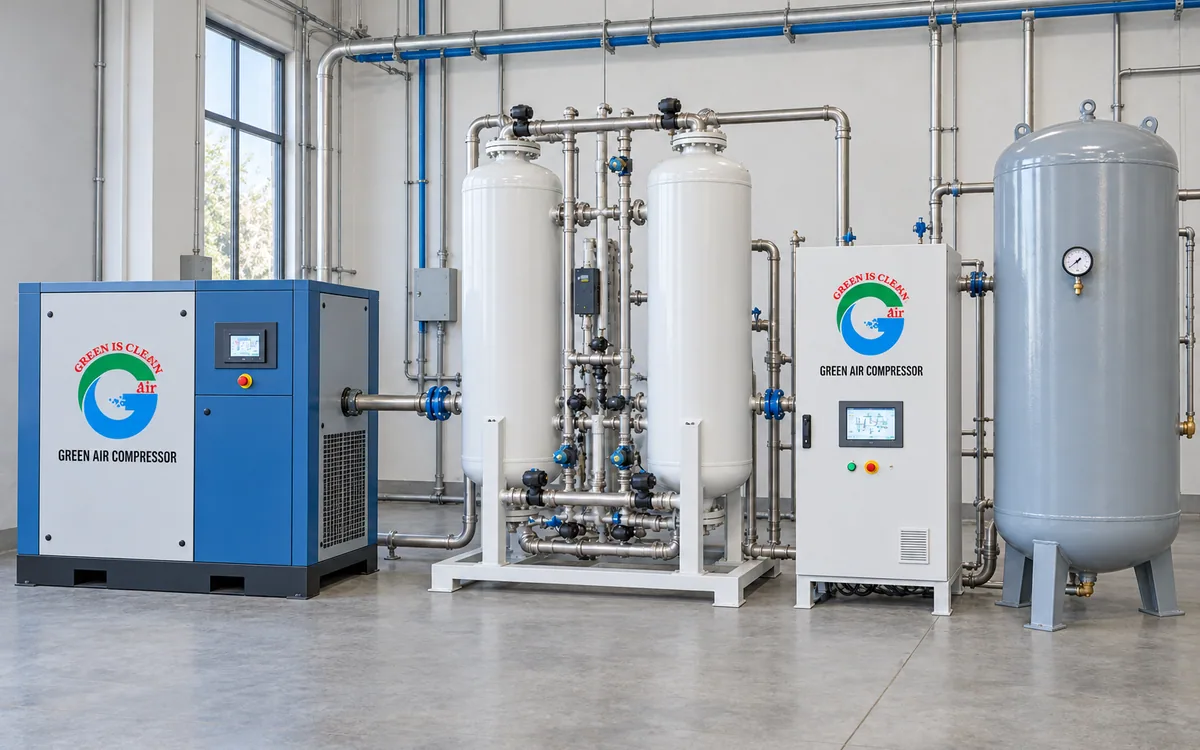
Oxygen and hydrogen generation
Making the gas on site instead of paying for cylinders and deliveries.
- Working pressure
- 4 – 5 bar g
Not sure which model you need?
Send us your air demand, working pressure and running hours. Our engineers will size the machine and send a written recommendation, no cost, no obligation.