
Gas compressors
Nitrogen, oxygen, biogas, LPG, natural gas, ammonia, argon and boil off gas.
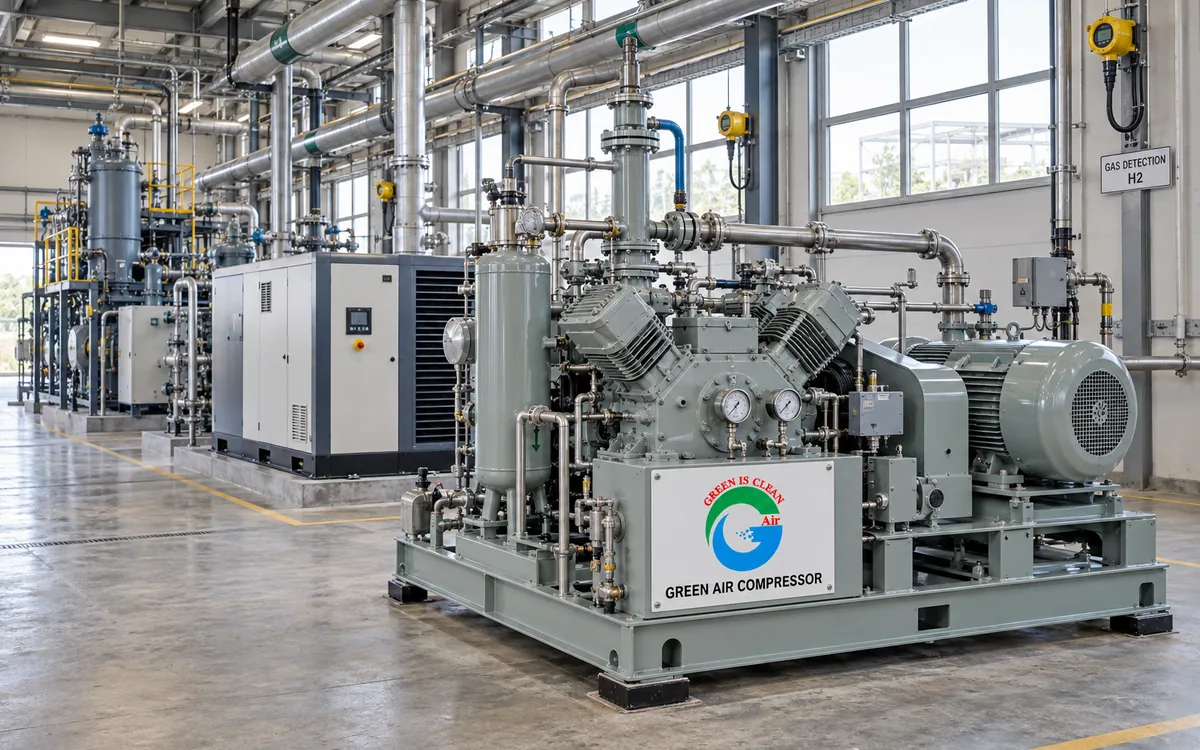
Overview
Air is one gas among many, and the machines that compress the others are selected differently. The gas decides the materials, the seals and the safety case long before anyone looks at flow and pressure.
We supply screw, reciprocating, centrifugal and diaphragm machines across these duties, and we say which type your duty wants rather than offering the one we happen to hold.
In this range
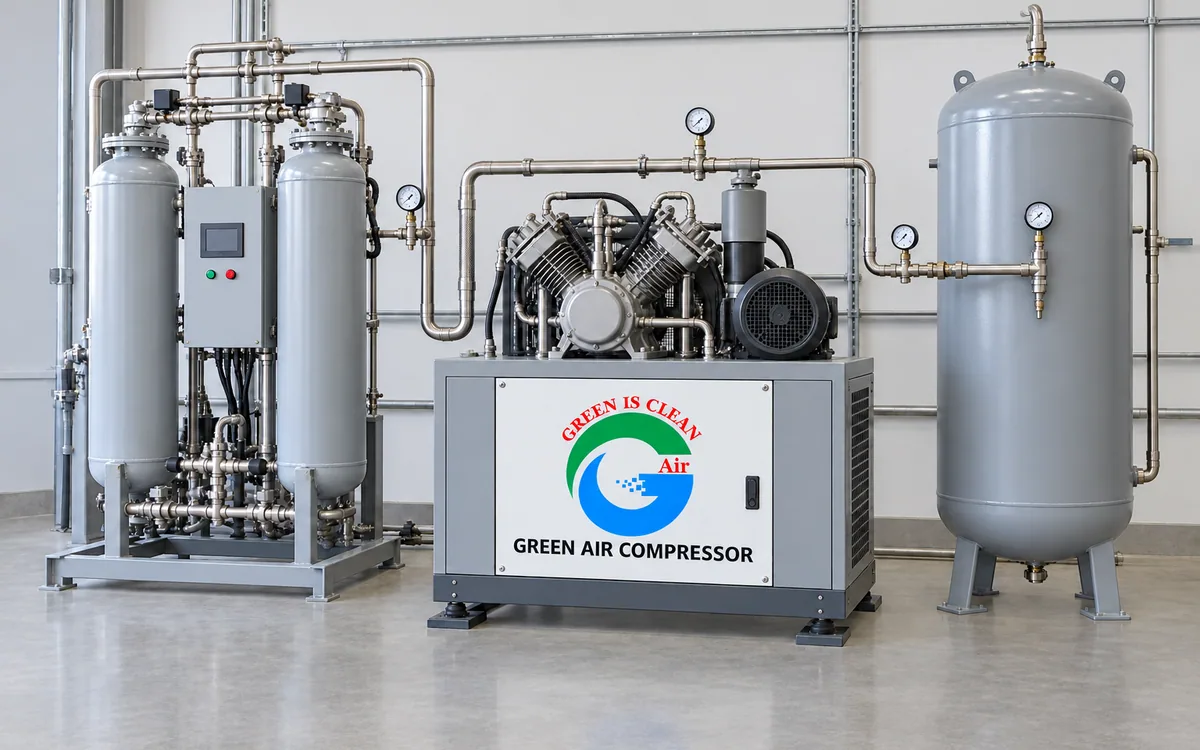
Nitrogen compressors
Boosting and circulating nitrogen for blanketing, purging and process.
- Free air delivery
- 90 – 3,000 Nm³/h
- Working pressure
- 3 – 160 bar g
- Motor power
- 22 – 250 kW
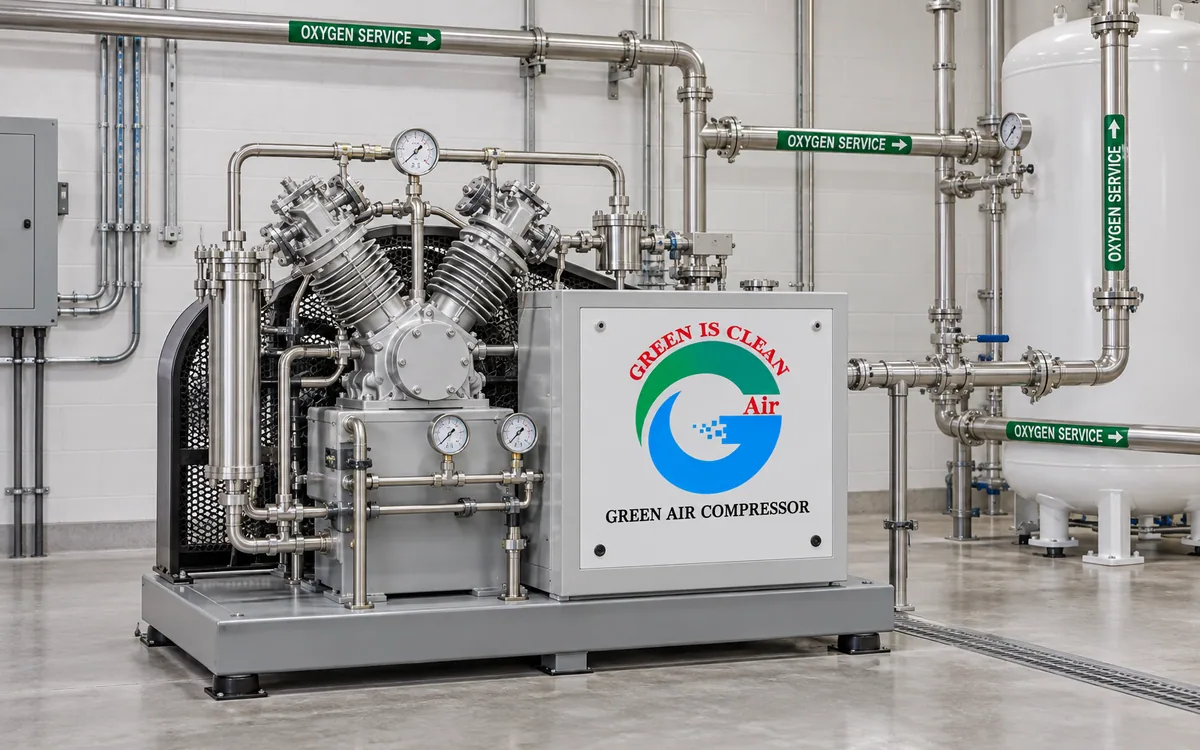
Oxygen compressors
Oil free by necessity, built and cleaned to oxygen service standards.
- Free air delivery
- 30 – 120 Nm³/h
- Working pressure
- 120 – 150 bar g
- Motor power
- 11 – 30 kW
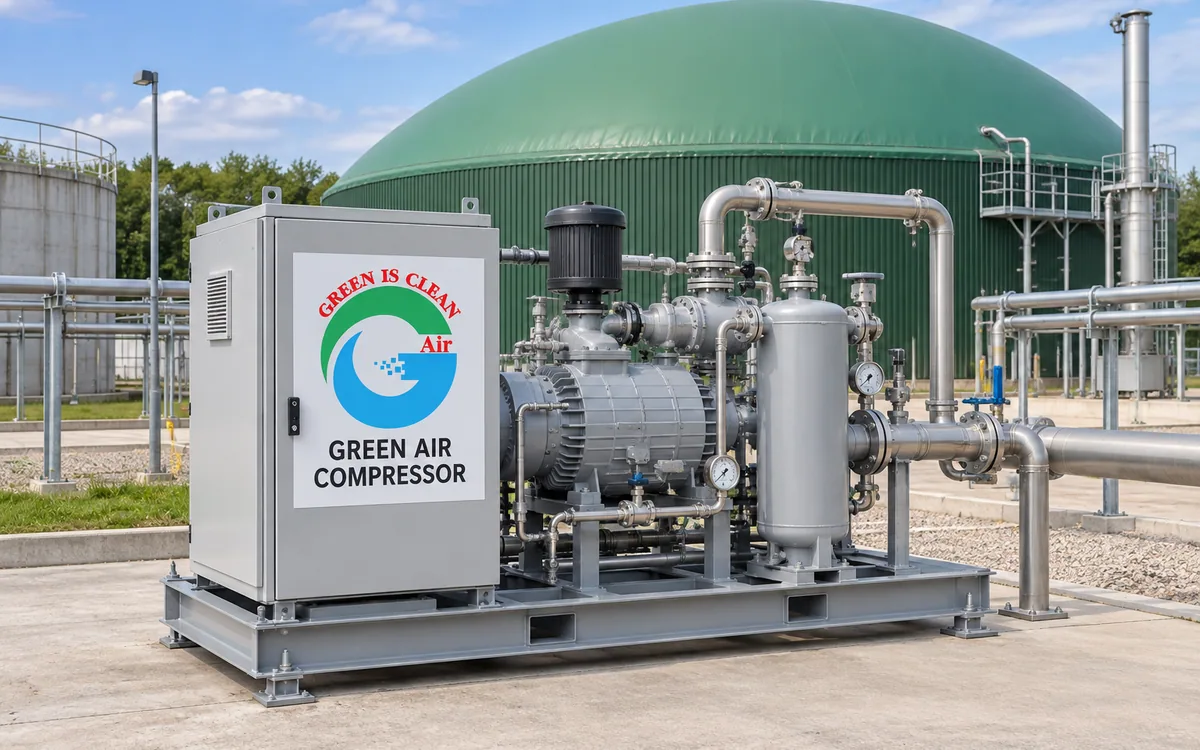
Biogas compressors
Wet, corrosive, variable gas handled without eating the machine.
- Free air delivery
- 50 – 700 Nm³/h
- Working pressure
- 5 – 45 bar g
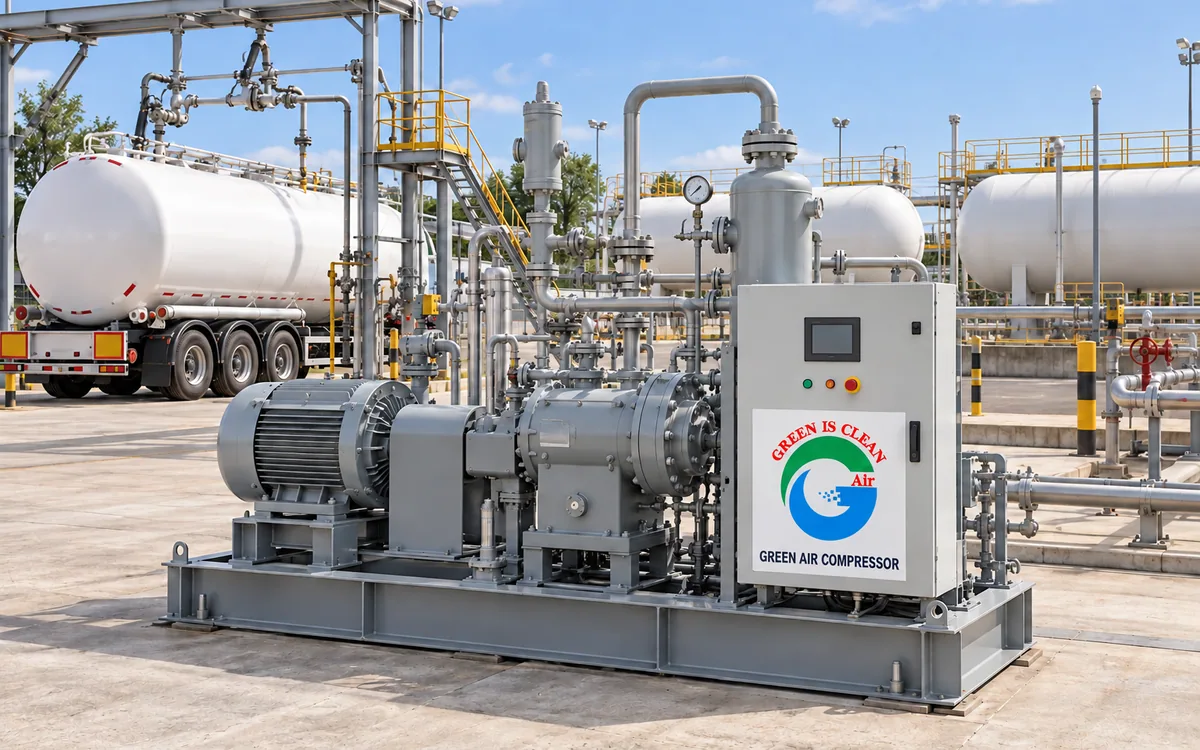
LPG and hydrocarbon gas compressors
Transfer, recovery and vapour handling for propane, butane and mixed gas.
- Working pressure
- 16 bar g
- Motor power
- 4 – 110 kW
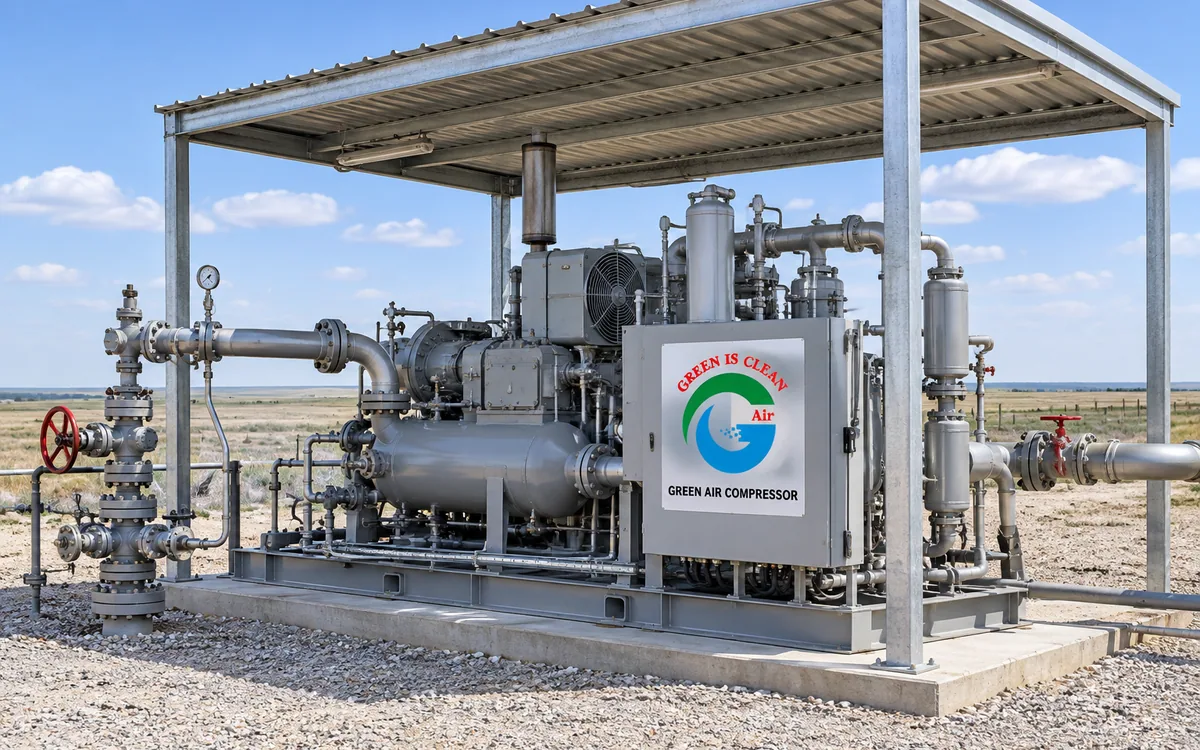
Natural gas compressors
Wellhead, gathering, boosting and fuel gas duties.
- Free air delivery
- 10 – 3,400 Nm³/h
- Working pressure
- 1 – 210 bar g
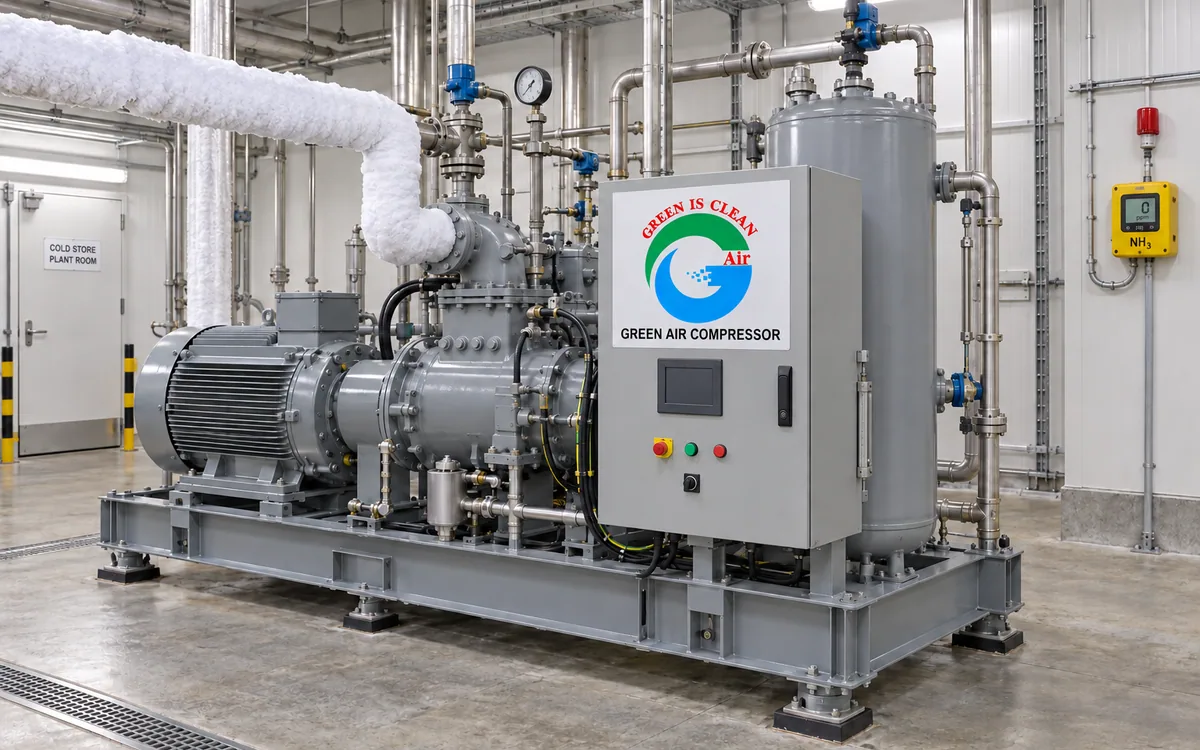
Ammonia compressors
Refrigeration and process duty on a gas that attacks the wrong materials.
- Free air delivery
- 100 – 3,500 Nm³/h
- Working pressure
- 16 – 40 bar g
- Motor power
- 6 – 75 kW
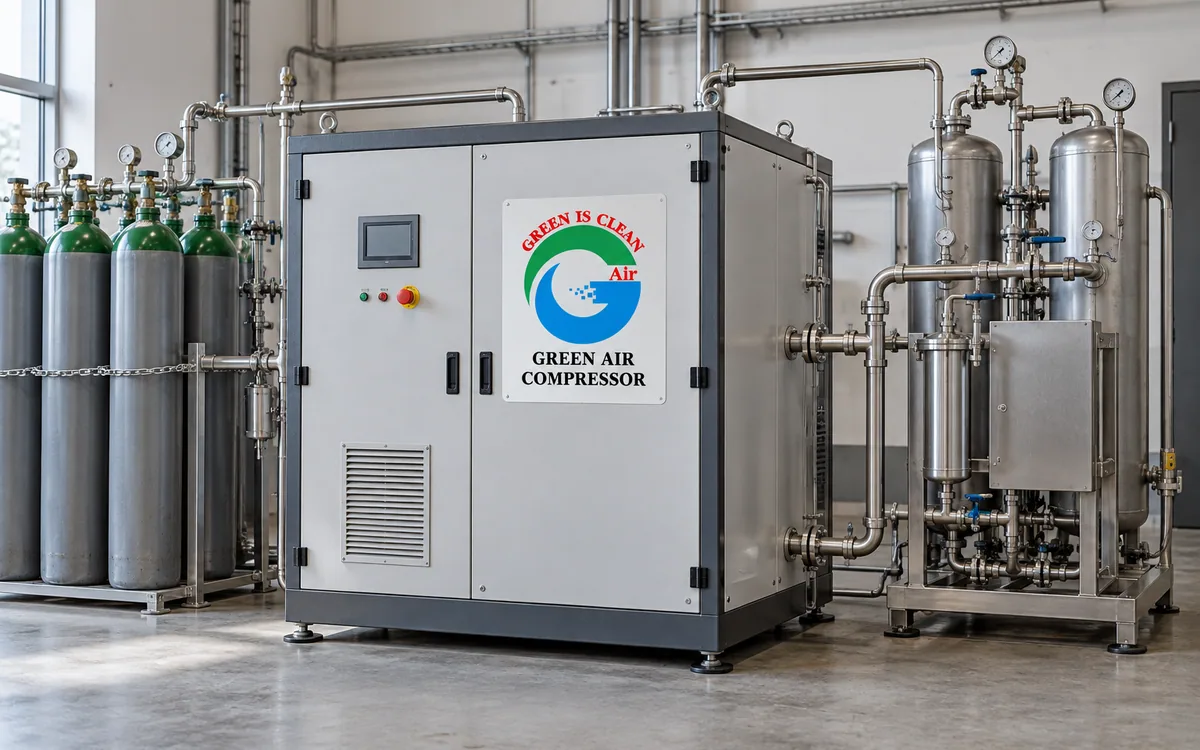
Argon and special gas compressors
Recovering and boosting expensive gases without losing them.
Learn more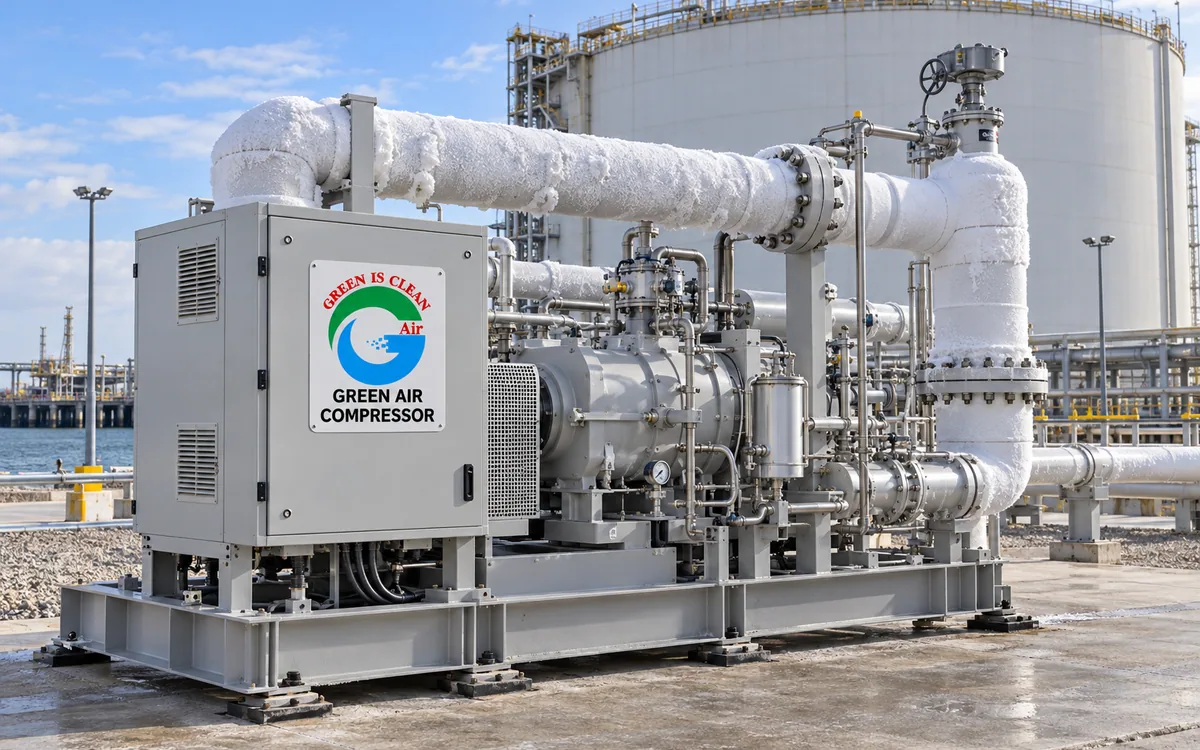
Boil off gas compressors
Recovering what evaporates from a cryogenic tank instead of venting it.
Learn moreHow a gas machine is selected
From the gas analysis first. Molecular weight sets how much pressure ratio each stage can achieve, and corrosive components set what the machine can be made of. Two plants asking for the same duty on paper often need different machines.
Then the conditions: suction pressure and temperature, discharge pressure, and the flow at both normal and maximum. Those four numbers usually settle whether it is a screw, a reciprocating or a centrifugal machine.
Then the site. Area classification decides the driver and the instrumentation, and whether the duty can be interrupted decides whether you need one machine or two. None of this is a catalogue selection and we do not pretend otherwise.
- Gas composition decides materials and seals
- Molecular weight decides the staging
- Suction and discharge decide the machine type
- Area classification decides the driver
- Duty continuity decides single or duplex
- Documented to the regulator's standard
Datasheets in this range
Two pages each: what the machine is, what it is for, and the measured table. Built from this site, so a sheet can never say something the page does not.
Frequently asked questions
Why can I not just use an air compressor?
Because the gas decides what the machine can be made of. Ammonia attacks copper, wet biogas makes acid, oxygen will ignite a trace of oil, and hydrogen leaks through joints that hold air perfectly well.
Screw, reciprocating or centrifugal?
It follows from the pressure ratio and the flow. High ratio and modest flow is reciprocating, continuous duty with wet gas is screw, high flow at modest ratio is centrifugal.
What do you need from me to quote?
The gas composition, the suction pressure and temperature, the discharge pressure and the flow. Then the area classification and whether the duty can be interrupted.
Why are there no model tables on these pages?
Because there is no such thing as a catalogue selection for a gas machine. Publishing one would invite you to pick a model before anyone has seen a gas analysis.
How long does a gas compressor take to deliver?
Longer than an air machine, because it is built to your conditions rather than picked from stock. We give a programme with the quotation rather than a stock lead time.
Who certifies it?
That depends on the gas, the site and the country. We build and document to the standard your regulator requires and say which that is before the order.
Can you service it locally?
Yes. Our engineers are in Pakistan, the UAE, Saudi Arabia, Oman and Türkiye, and parts for these machines are held rather than shipped on demand.
What if the gas analysis changes later?
Tell us the range the plant will actually see rather than one sample. A machine selected on a single analysis can be well off its curve on another.
Do I need one machine or two?
It depends on whether the duty can stop. Where it cannot, two machines with automatic changeover cost less than an unplanned shutdown, and we will say so.
Can you handle the whole package?
Yes: separation upstream, the machine, cooling, the control system and the safety instrumentation, engineered together rather than bought separately and joined up on site.
Related products
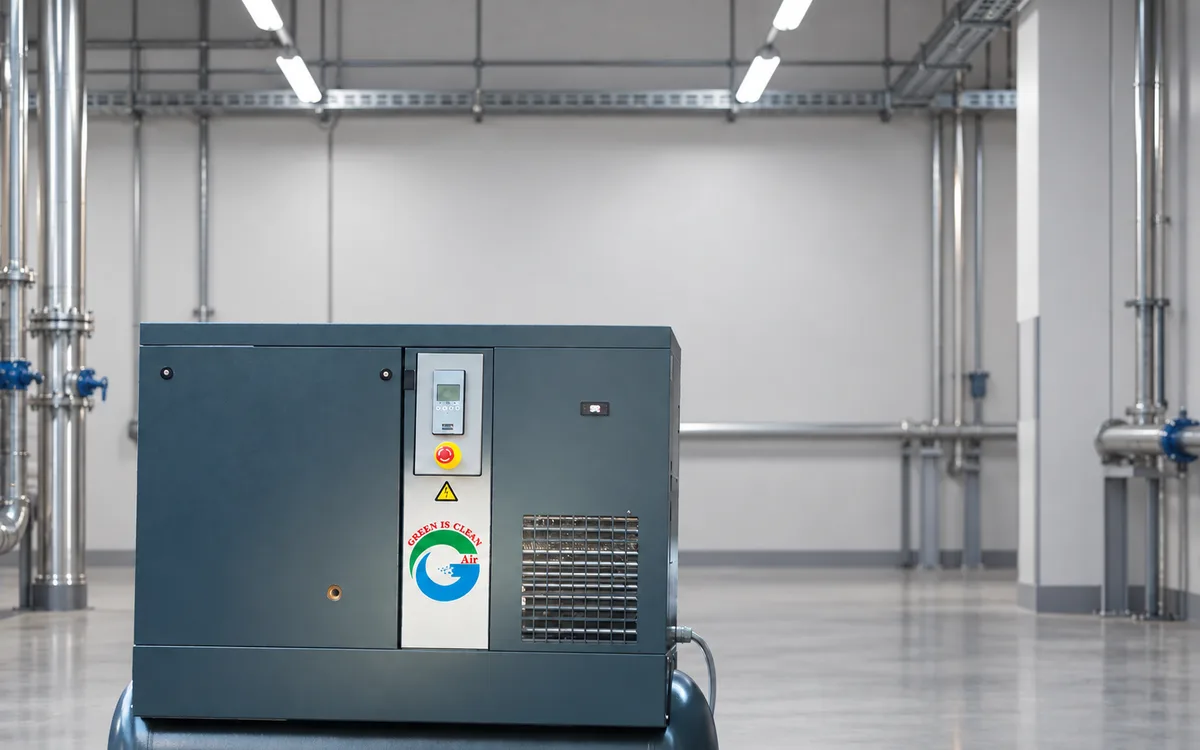
Air compressors
Rotary screw, oil-free and piston compressors from 2.2 to 355 kW.
- Free air delivery
- 0.1 – 109.0 m³/min (9 – 882 cfm)
- Working pressure
- 2 – 1,000 bar g
- Motor power
- 2 – 355 kW
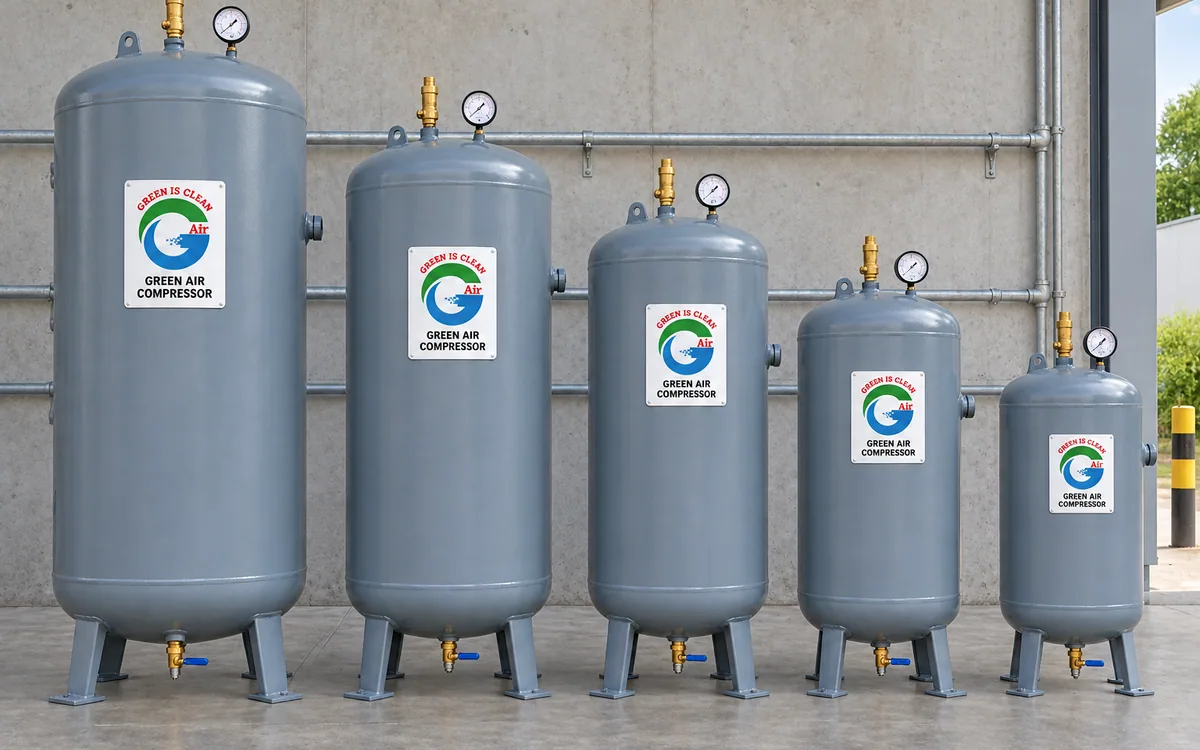
Air receivers and tanks
Storage, separation and the vessel that stops your compressor short cycling.
- Working pressure
- 1 – 13 bar g
- Weight
- 99 – 1,240 kg
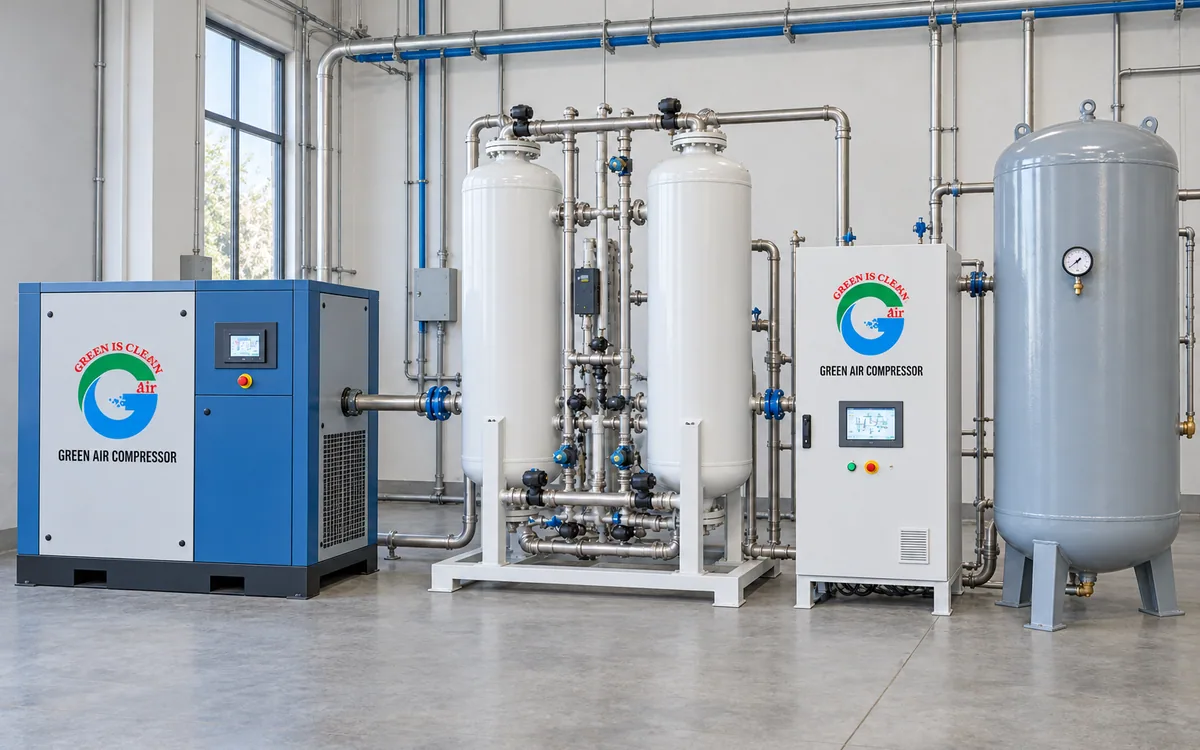
Oxygen and hydrogen generation
Making the gas on site instead of paying for cylinders and deliveries.
- Working pressure
- 4 – 5 bar g
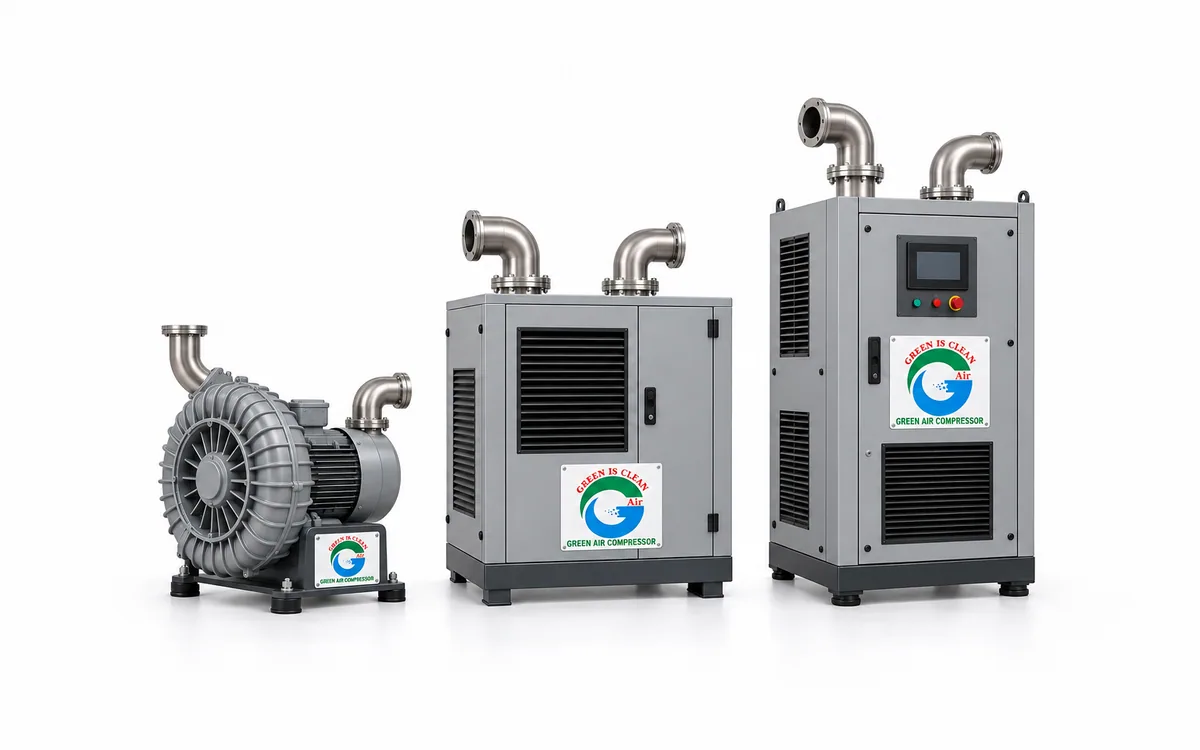
Air blowers
High-volume, low-pressure air for aeration and conveying.
- Free air delivery
- 12.6 – 418.0 m³/min
- Working pressure
- 1 – 1,100 bar g
- Motor power
- 22 – 450 kW
Not sure which model you need?
Send us your air demand, working pressure and running hours. Our engineers will size the machine and send a written recommendation, no cost, no obligation.