
Oil-free air and nitrogen boosters
Take existing plant air or nitrogen up to high pressure, oil-free.
Technical data
- Free air delivery
- 1.5 – 10.0 m³/min
- Working pressure
- 40 bar g
- Motor power
- 15 – 90 kW
- Weight
- 850 – 2,700 kg
- Noise level
- 78 – 84 dB(A)
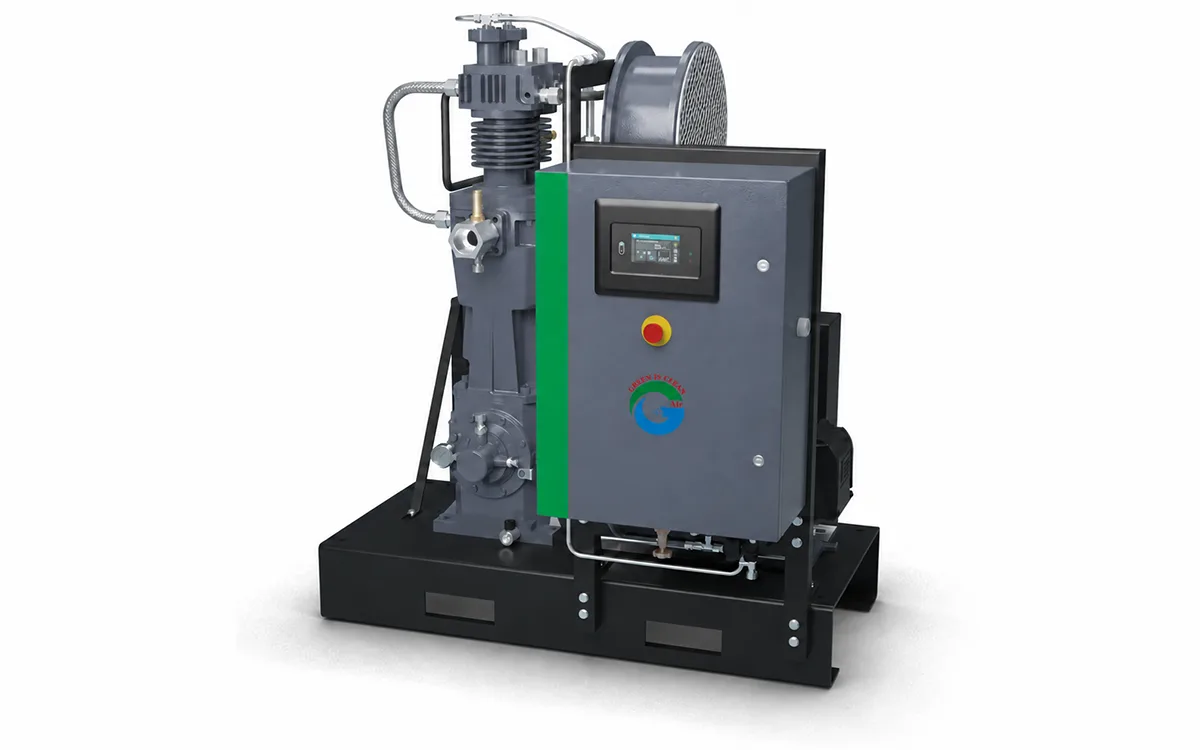
Overview
A booster takes gas that is already compressed and raises it further, typically from a 7 bar plant network up to 40 bar for PET bottle blowing, leak testing or gas cylinder filling.
Because the air arriving is already compressed, a booster is far more efficient than a separate high-pressure compressor starting from atmosphere. All Green Air boosters in this range are oil-free, so the delivered gas is not contaminated on its way up.
Key benefits
Uses air you already made
Boosting from 7 bar to 40 bar needs a fraction of the power of compressing from atmosphere.
Oil-free throughout
No lubricant in the gas path, which matters for PET, food gas and analytical use.
Air or nitrogen
The same machine family handles compressed air or nitrogen from a generator or a cylinder bank.
Continuous rating
Built for constant duty, not for intermittent top-up.
How it is built
A booster takes air you have already compressed and raises it again. That means it starts with a supply at pressure rather than at atmosphere, which is why it can reach forty bar from a plant ring main without a separate high pressure compressor house.
The cylinders are built for the duty rather than adapted from a standard compressor. Valves, rings and cooling are all specified for the higher discharge temperature that a second stage of compression creates.
Nitrogen service changes the material list, not the machine. Seals and valve materials are chosen for the gas, and the machine is cleaned and certified for it before it ships.
- Boosts existing plant air to high pressure
- No separate high pressure compressor house
- Cylinders and valves built for the duty
- Air or nitrogen service
- Materials certified for the gas supplied
- Intercooling between stages
- Air cooled or water cooled
- Skid mounted or packaged
What the controller does
Inlet and discharge pressure are both watched, because a booster starved of inlet air will run hot and damage itself long before anything downstream notices.
It holds the discharge pressure you set and stops on the receiver rather than cycling against a valve, which is what keeps valve and ring life where it should be.
Discharge temperature is alarmed and trended. On a booster that is the reading that predicts a valve problem, usually several weeks before it becomes one.
- Inlet and discharge pressure monitored
- Low inlet pressure protection
- Discharge temperature alarmed and trended
- Receiver pressure control rather than valve cycling
- Running hours and service countdown
- Fault history kept on the machine
- Volt free contacts for plant alarms
- Automatic restart after a power failure
Parts and service kits
Valves and rings are the scheduled items on any booster and they are what the running cost is made of. Both are changed on hours, not on symptoms.
A booster that has lost valve condition keeps delivering air, just less of it and at more power. Nothing tells you except the flow at pressure and the discharge temperature, which is why both are on the service report.
Kits are quoted against the serial number and the gas, because a nitrogen machine and an air machine of the same model do not take the same seals.
- Valve kits by interval
- Ring and seal kits by interval
- Different kits for air and nitrogen service
- Flow and temperature recorded at every service
- Confirmed against your serial number
- Held in local stock
- Fixed price under a service plan
- Exchange cylinder heads available
Model range
- up to 40 bar g
- 1.5 m³/min
- Noise level
- 78 dB(A)
- Weight
- 850 kg
- Dimensions L x W x H
- 1,600 × 900 × 1,400 mm
- up to 40 bar g
- 3.2 m³/min
- Noise level
- 80 dB(A)
- Weight
- 1,250 kg
- Dimensions L x W x H
- 1,900 × 1,000 × 1,500 mm
- up to 40 bar g
- 6.0 m³/min
- Noise level
- 82 dB(A)
- Weight
- 1,900 kg
- Dimensions L x W x H
- 2,300 × 1,200 × 1,700 mm
- up to 40 bar g
- 10.0 m³/min
- Noise level
- 84 dB(A)
- Weight
- 2,700 kg
- Dimensions L x W x H
- 2,700 × 1,400 × 1,900 mm
FAD measured to ISO 1217 Edition 4, Annex C and E at 1 bar a intake, 20°C, 0% humidity. Noise measured to ISO 2151 in free field conditions, tolerance ± 3 dB(A). Water-cooled versions of every model are available. Ask us for their sheet.
Frequently asked questions
What does a booster do?
It takes existing compressed air or nitrogen and raises it to a higher pressure, typically from 7 bar up to 40 bar or beyond, for the few applications that need it.
Why not just run the whole plant higher?
Because raising system pressure by one bar costs about 7% of your total air energy. Boosting only the point that needs it is far cheaper.
What are the common applications?
PET blowing, laser cutting assist gas, leak and pressure testing, nitrogen for blanketing, and gas injection in moulding.
Oil-free or lubricated?
For nitrogen blanketing, food and pharmaceutical work, oil-free. For general high-pressure duties a lubricated booster with proper filtration is usually adequate.
What inlet pressure does it need?
It works from your existing system pressure, and output falls if inlet drops. Sizing has to allow for the worst inlet condition, not the best.
Can it boost nitrogen from a generator?
Yes, that is a very common pairing: an on-site nitrogen generator at low pressure with a booster to fill cylinders or feed a process.
How much maintenance does it need?
Valve and piston ring service at set intervals. High-pressure reciprocating machines need more attention than a screw compressor, and that has to be planned for.
What about heat and cooling?
Multiple stages with intercooling. High-pressure compression makes a great deal of heat, and cooling capacity governs how hard you can run.
Does the discharge need treatment?
Yes. Boosting concentrates any moisture, so a high-pressure dryer and filtration are usually necessary rather than optional.
How do I size one?
By required outlet pressure, flow at that pressure, and available inlet pressure. Give us those three and the gas, and we will size it properly.
Related products
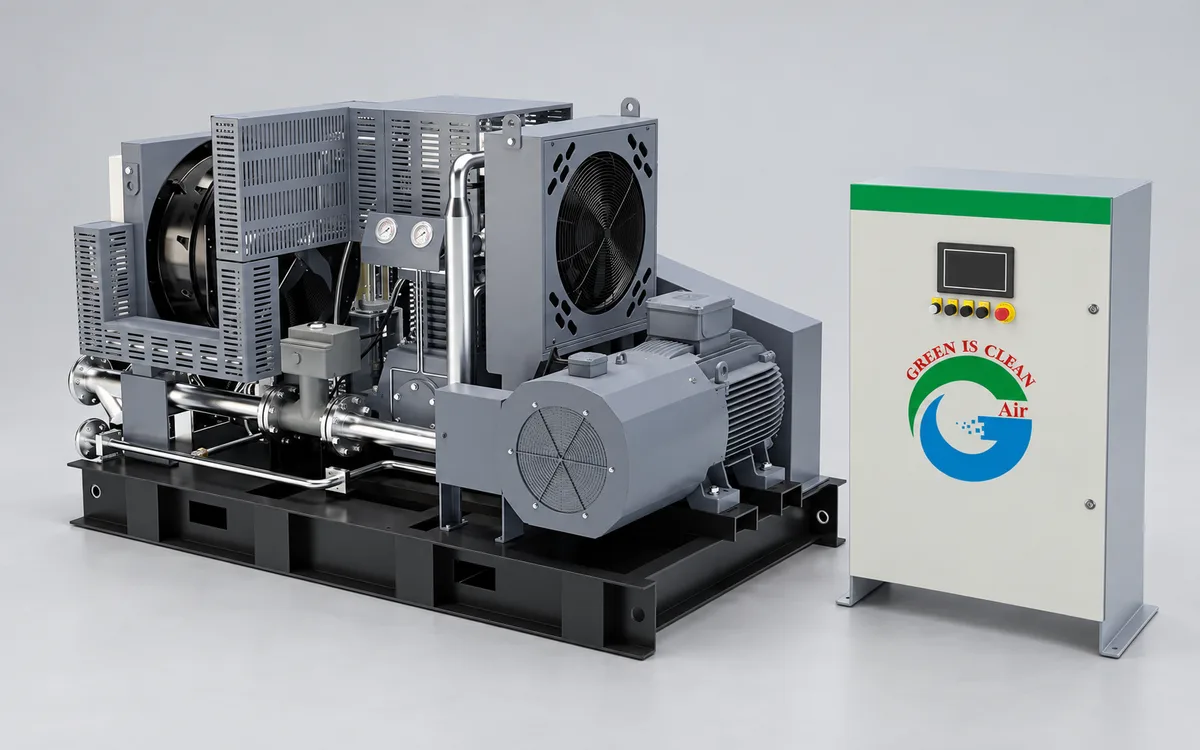
Oxygen boosters
Purpose-built, oxygen-clean boosters for medical and industrial O₂.
- Free air delivery
- 0.6 – 1.2 m³/min
- Working pressure
- 4 – 200 bar g
- Motor power
- 8 – 15 kW
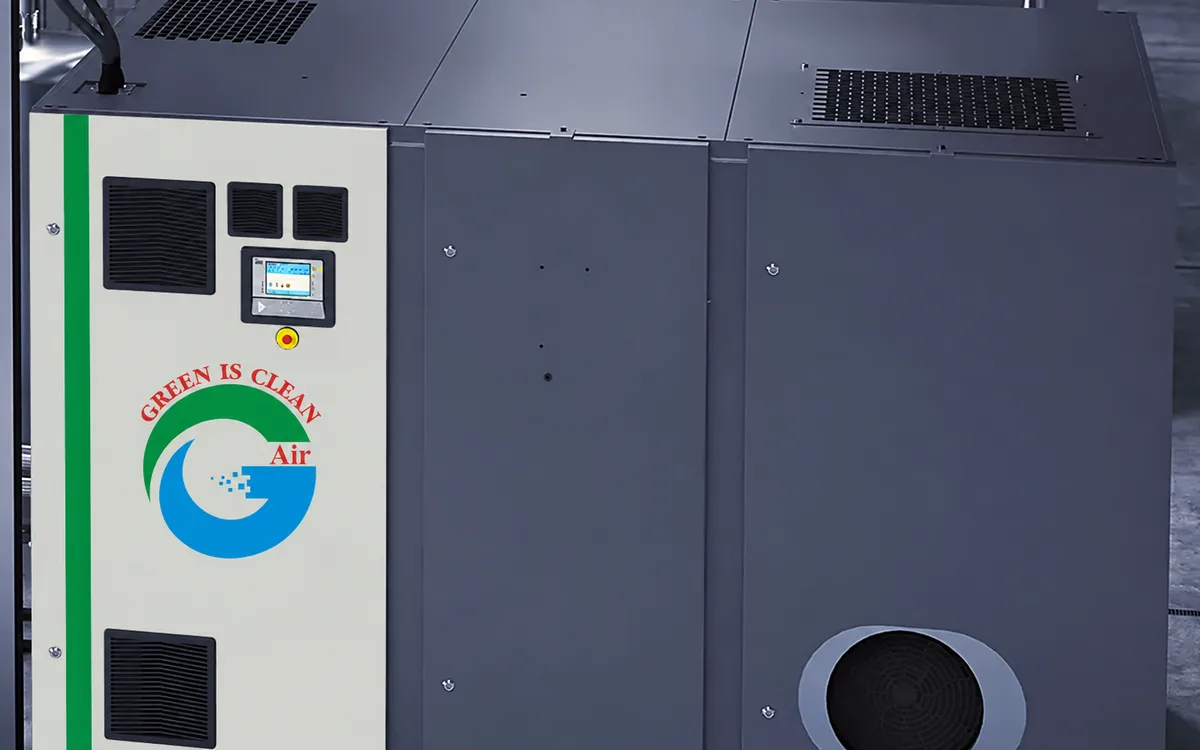
Reciprocating air and nitrogen boosters
Piston boosters, fixed or variable speed, for high pressure duties.
- Free air delivery
- 0.9 – 7.8 m³/min
- Working pressure
- 45 bar g
- Motor power
- 11 – 75 kW
Not sure which model you need?
Send us your air demand, working pressure and running hours. Our engineers will size the machine and send a written recommendation, no cost, no obligation.