
Oxygen boosters
Purpose-built, oxygen-clean boosters for medical and industrial O₂.
Technical data
- Free air delivery
- 0.6 – 1.2 m³/min
- Working pressure
- 4 – 200 bar g
- Motor power
- 8 – 15 kW
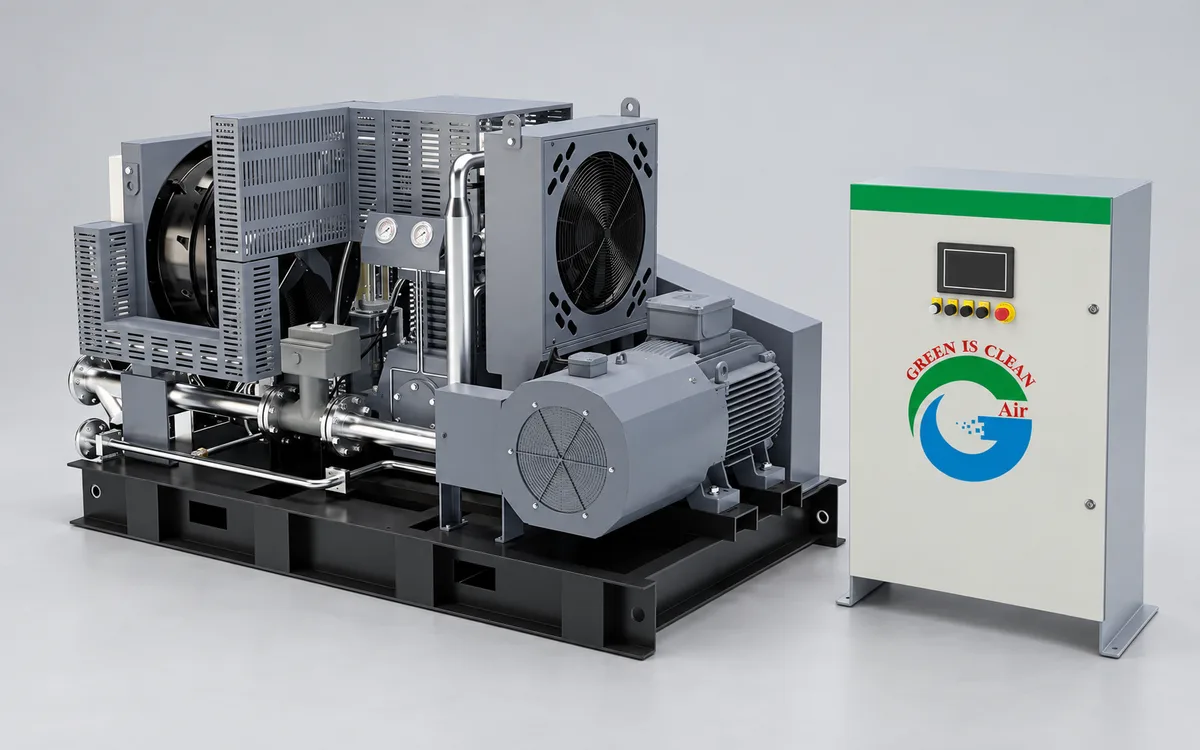
Overview
Oxygen is not just another gas. Materials that are perfectly safe in air can ignite in a high-pressure oxygen stream, so an oxygen booster has to be built and cleaned to a completely different standard.
Green Air oxygen boosters use oxygen-compatible materials throughout, are degreased and cleaned for oxygen service, and are tested and certified before dispatch. They are used to fill medical cylinders and to feed industrial oxygen processes from an on-site generator.
Key benefits
Oxygen-clean build
Every wetted component is oxygen-compatible, degreased and cleaned to recognised oxygen service standards.
Certified and documented
Material certificates, cleaning certificates and test records supplied with the machine.
Cylinder filling ready
Designed for hospital and industrial cylinder filling from a PSA or VPSA oxygen generator.
Safety instrumented
Over-temperature, over-pressure and leak detection interlocks as standard.
How it is built
Oxygen service is a different engineering problem from air. Everything the gas touches has to be compatible with it, cleaned to oxygen standards, and free of any hydrocarbon, because in oxygen a trace of oil is a fire rather than a contaminant.
The machine is oil free by design, not oil free by filtration. There is no lubricant in the gas path at any point and no filter standing between a lubricant and your process.
Cleaning and certification are part of the supply. The machine arrives cleaned for oxygen service with the documentation that a gas company or a hospital estates department will ask for.
- Oil free gas path with no lubricant at any point
- Materials selected for oxygen compatibility
- Cleaned and certified for oxygen service
- Documentation supplied with the machine
- Intercooling between stages
- Relief and isolation to the applicable standard
- Air cooled or water cooled
- Skid mounted or packaged
What the controller does
Safety interlocks come first on an oxygen machine. Inlet pressure, discharge pressure and temperature all have limits, and the machine stops on them rather than trying to ride through.
Discharge temperature is the reading to watch, and it is trended rather than merely alarmed. Heat is the hazard in oxygen service and a rising trend is dealt with before it reaches a limit.
Every stop and every alarm is logged. On regulated gas work that record is part of the system, not a convenience.
- Safety interlocks on pressure and temperature
- Machine stops on limit rather than riding through
- Discharge temperature trended, not just alarmed
- Every stop and alarm logged
- Running hours and service countdown
- Volt free contacts for plant alarms
- Remote monitoring available
- Manual reset after a safety stop
Parts and service kits
Every part that touches the gas is supplied cleaned for oxygen service and sealed. A part cleaned for air service is not the same part, whatever the number on it says.
Valves, rings and seals are changed strictly on hours. On oxygen work there is no argument for stretching an interval to see how it goes.
We reissue the cleanliness certification after any work that opens the gas path, because your auditor will ask for the current document.
- Parts supplied cleaned and sealed for oxygen
- Valve, ring and seal kits by interval
- Intervals kept strictly, no extensions
- Cleanliness certification reissued after works
- Work carried out by trained engineers only
- Confirmed against your serial number
- Held in stock, not on a lead time
- Fixed price under a service plan
Model range
- 4 → 150 bar
- 0.55 m³/min
- 4 → 200 bar
- 1.20 m³/min
Performance to ISO 1217 Annex C at 20 °C inlet, 1 bar(a). Figures are typical and subject to confirmation. Ask us for the certified test report for your selected model.
Frequently asked questions
Why can't I use a normal booster for oxygen?
Because materials that are perfectly safe in air can ignite in a high-pressure oxygen stream. An oxygen booster is built and cleaned to a completely different standard.
What does oxygen-clean mean?
Every wetted component is oxygen-compatible, fully degreased and cleaned to recognised oxygen service standards, with the cleaning certified in writing.
What pressures do these reach?
4 bar inlet to 150 bar on the 7.5 kW machine and 200 bar on the 15 kW, which covers medical and industrial cylinder filling.
Can it fill hospital cylinders?
Yes: that is one of the main applications, usually fed from an on-site PSA or VPSA oxygen generator.
What safety systems are fitted?
Over-temperature, over-pressure and leak detection interlocks as standard. On oxygen service these are not options.
What documentation comes with it?
Material certificates, cleaning certificates and test records, supplied with the machine because they will be asked for at commissioning and at audit.
Who can service it?
Only engineers trained in oxygen service, using oxygen-clean tools and lubricants. Using ordinary workshop grease on an oxygen machine is genuinely dangerous.
How is it different mechanically?
Non-lubricated construction throughout the gas path, specific alloy selection, and controlled gas velocities to avoid ignition from particle impact.
Can it be used for other gases?
It can, but the reverse is not true: a machine used on oxygen must not then be used on hydrocarbon-bearing gas without full re-cleaning.
What maintenance does it need?
Scheduled valve and seal service using only oxygen-approved parts and lubricants, with re-certification of cleanliness after any intervention in the gas path.
Related products
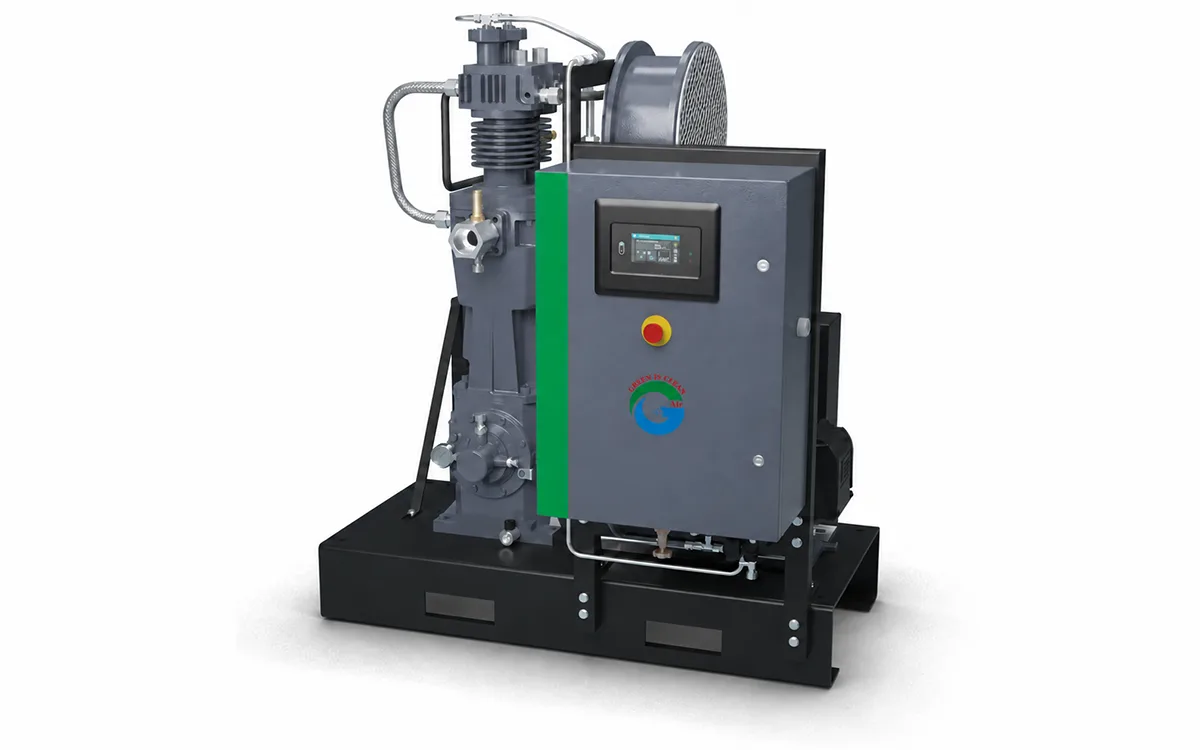
Oil-free air and nitrogen boosters
Take existing plant air or nitrogen up to high pressure, oil-free.
- Free air delivery
- 1.5 – 10.0 m³/min
- Working pressure
- 40 bar g
- Motor power
- 15 – 90 kW
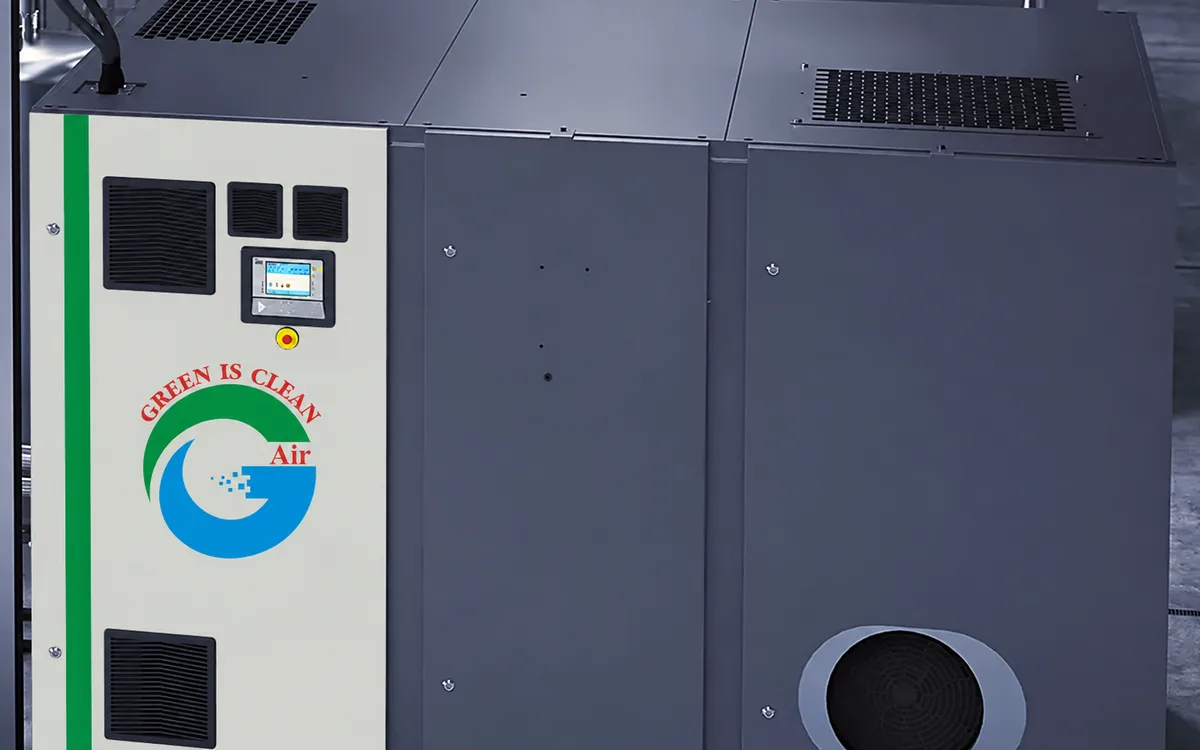
Reciprocating air and nitrogen boosters
Piston boosters, fixed or variable speed, for high pressure duties.
- Free air delivery
- 0.9 – 7.8 m³/min
- Working pressure
- 45 bar g
- Motor power
- 11 – 75 kW
Not sure which model you need?
Send us your air demand, working pressure and running hours. Our engineers will size the machine and send a written recommendation, no cost, no obligation.