
Vacuum system health check
Measure what your system is actually doing before you spend money.
Overview
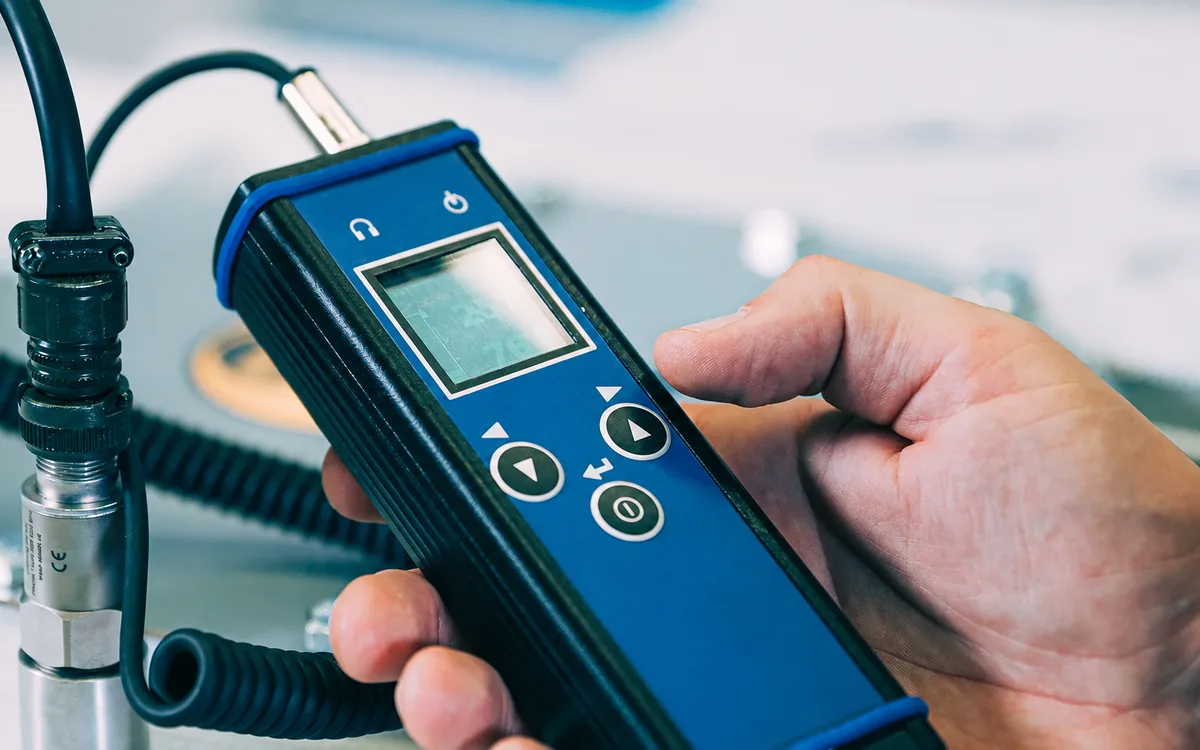
Most vacuum problems are not pump problems. Leaks, undersized pipework, blocked filters and the wrong fluid account for the majority of complaints about poor vacuum, and replacing the pump fixes none of them.
A health check measures ultimate pressure, pumping speed, leak rate and power draw across the system, and comes back with a written report and a prioritised list: usually starting with something that costs very little to fix.
Key benefits
Find the real problem
Leak testing and pipework assessment, not just a look at the pump.
Written report
Measured figures, prioritised actions and expected savings for each.
Energy figures included
Power draw per unit of vacuum, benchmarked against what the system should achieve.
No obligation
The report is yours whether or not you buy anything from us.
What we measure
Leak testing, pump down curves, system volume and the vapour load. The answer to a vacuum problem is nearly always measurable rather than mysterious.
Most systems that are slow to pump down are leaking rather than under pumped, and buying a bigger pump is the expensive way to find that out.
We measure the system as well as the pump. A pump in perfect condition on a leaking system will still disappoint everybody.
- Leak testing across the system
- Pump down curve measured
- System volume calculated
- Vapour load assessed
- Pump tested separately from the system
- Ultimate pressure verified
- Report in plain language
- No obligation to buy anything
What you get
A report that says what the system is doing now, what it should be doing, and what the difference is costing in time or in energy.
Every recommendation carries a number so you can decide what is worth doing rather than being handed a shopping list.
If the answer is that nothing needs doing, that is what the report will say.
- Current performance against expected
- Cost of the gap quantified
- Every recommendation costed separately
- You decide what is worth doing
- Honest report when nothing is wrong
- Written in plain language
- Photographs and readings included
- Follow up measurement after any work
When to have one
When pump down times have grown, when ultimate pressure is not what it was, or before buying a larger pump.
Also before a process validation or an audit, because a measured baseline is far easier to defend than an assertion.
And after a plant change. New pipework, a new vessel or a new process all change the vacuum system whether anybody intended it or not.
- Pump down times growing
- Ultimate pressure not what it was
- Before buying a larger pump
- Before a validation or an audit
- After any change to the plant
- After a pump repair or exchange
- Annually on a critical process
- As part of a service contract
Frequently asked questions
What is a vacuum health check?
A measured assessment of every pump on site (ultimate vacuum, temperature, power, oil condition and noise), compared against what each should achieve.
Why is it worth doing?
Because pumps degrade quietly. A pump reaching only half its rated vacuum still runs, still draws full power, and is quietly slowing your process.
What does it cost?
For most plants we do the first check free, because it usually finds enough to pay for whatever comes next. If it does not, you have lost nothing.
How long does it take?
Half a day for a small plant, one to two days for a larger site. Most measurements are taken with the pumps running normally.
Do we have to stop production?
Rarely, ultimate vacuum measurement needs a short isolation on each pump, which we plan around your operations.
What do we get at the end?
A report per pump with the readings, the rating it should meet, our findings, and a ranked list of what to do. With costs against each item.
What do you usually find?
Contaminated oil, leaking inlet lines, blocked filters and pumps running well outside their best range. All four are common and all four are fixable.
Will it just be a sales list?
No, many of the findings cost you nothing to act on, a valve left open, a filter to clean, a setpoint to change. Those go in the report too.
Does it cover system leaks?
Yes, and system leaks are often the real problem. A perfect pump on a leaking system will never reach the vacuum you need.
How often should we repeat it?
Annually for most plants, or after any significant process change. Trends between checks are more useful than any single measurement.
Related products
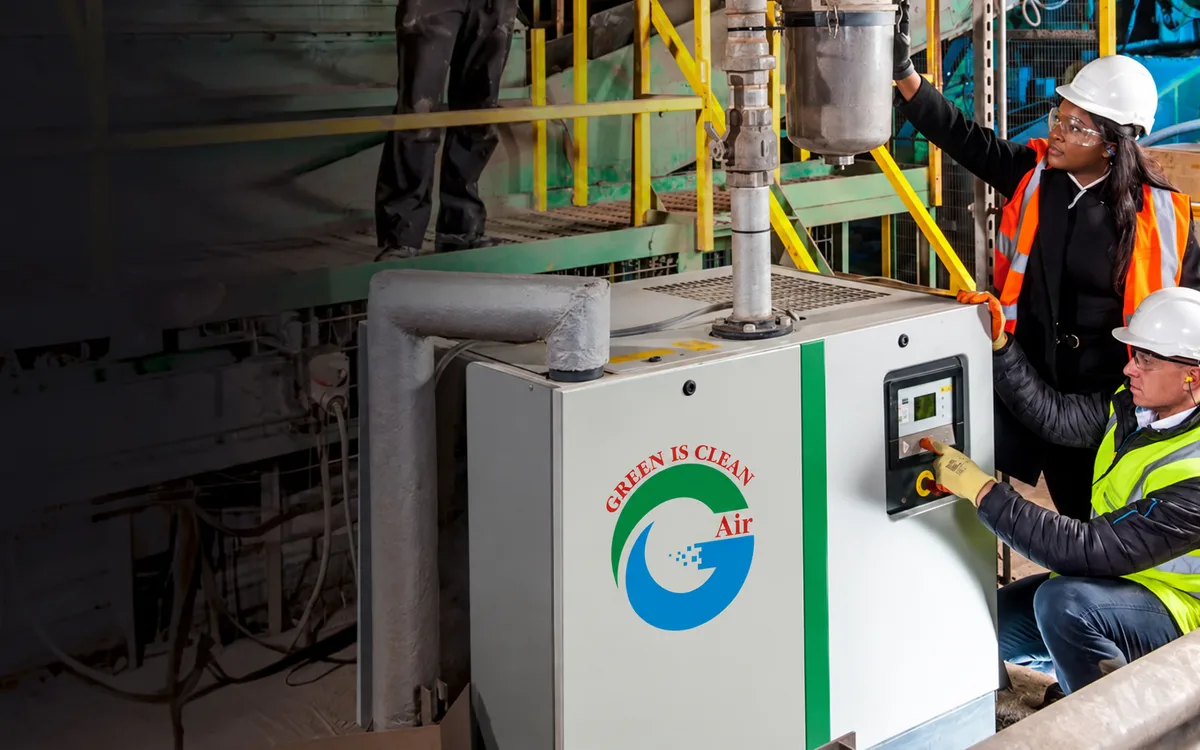
Vacuum pump repair and overhaul
Workshop rebuild with test certificate, or exchange from stock.
Learn more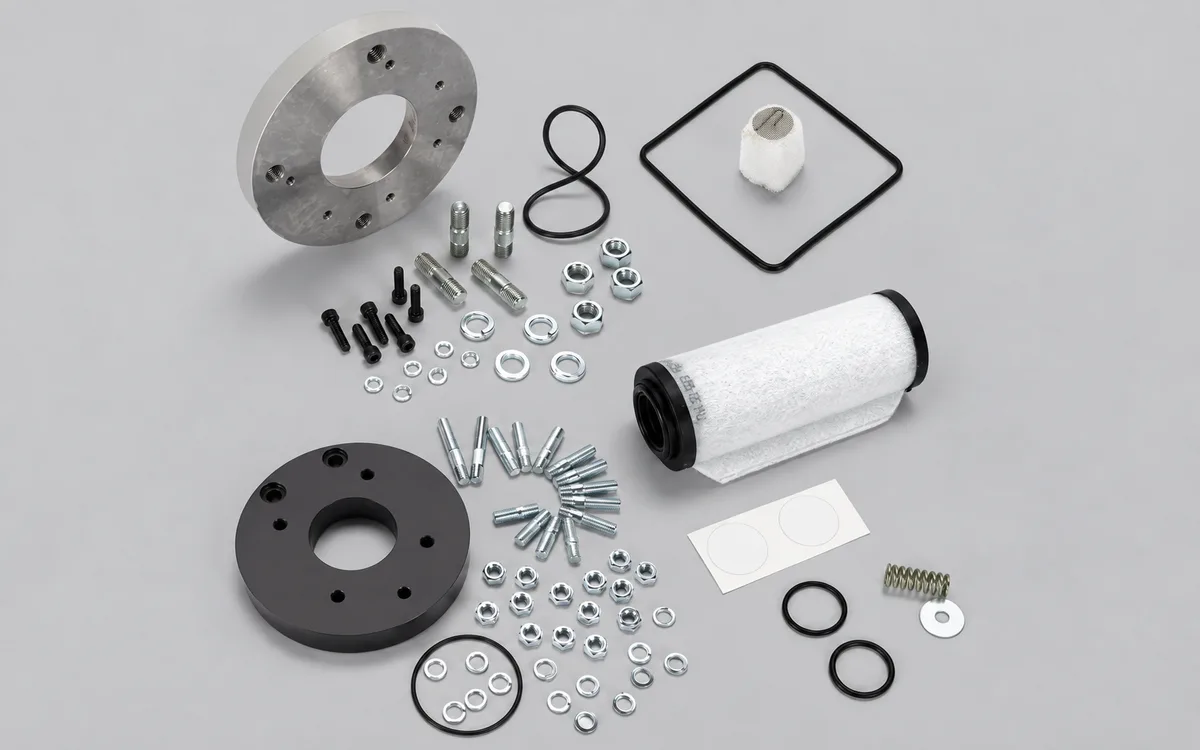
Vacuum pump parts
Genuine vanes, seals, bearings and service kits held in stock.
Learn more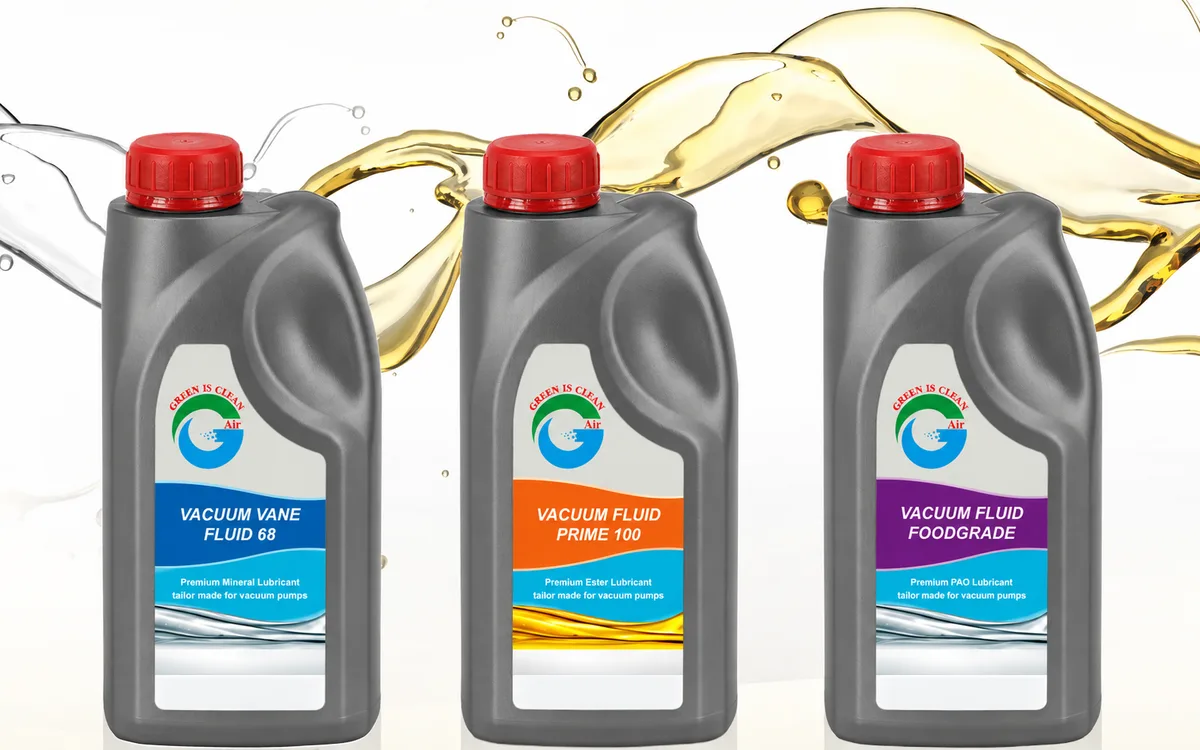
Vacuum pump oil
Mineral, synthetic and chemical-resistant fluids, correctly matched.
Learn more
Vacuum pump service contracts
Planned maintenance at a fixed annual cost.
Learn moreNot sure which model you need?
Send us your air demand, working pressure and running hours. Our engineers will size the machine and send a written recommendation, no cost, no obligation.