
Vacuum consultancy services
Independent advice on system design, sizing and energy.
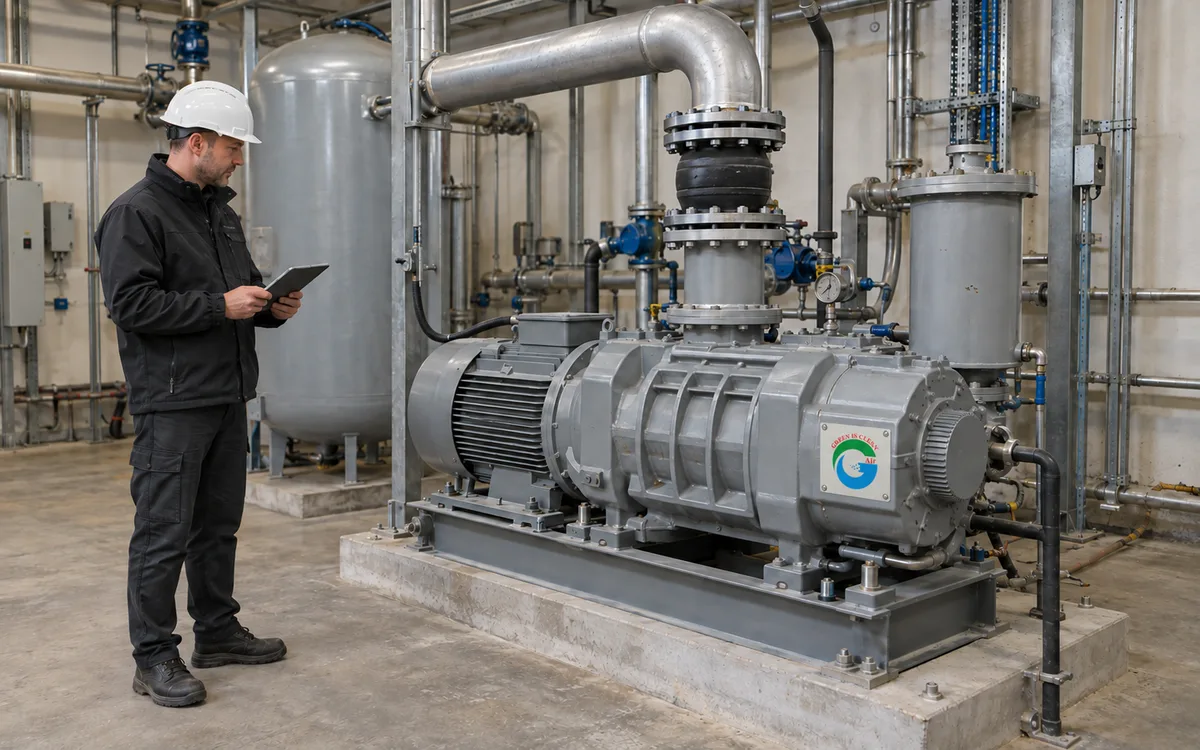
Overview
New vacuum systems are frequently oversized, because sizing from a worst-case calculation is safer for the person doing the calculation. The plant then pays for that safety margin in electricity for the next fifteen years.
Our consultancy work covers system design, pump selection, pipework sizing and energy assessment on both new projects and existing installations: including installations of other manufacturers' equipment.
Key benefits
Sized from measurement
Where an existing system is being replaced, we measure it first.
Whole-system view
Pipework, leaks and control included, not only the pump.
Vendor-neutral assessment
We will tell you if your existing equipment should be kept.
Written deliverable
Calculations, drawings and recommendations you can put out to tender.
What we do
We size, we specify and we troubleshoot vacuum systems, including ones we did not supply. The measurement matters more than the badge on the pump.
Most of the work is either a system that never quite worked or one that has slowly stopped working, and those are different problems with different answers.
We work with your process people rather than around them. They know the process better than we ever will, and we bring the vacuum knowledge and the instruments.
- Sizing and specification for new systems
- Troubleshooting on existing ones
- Works on systems we did not supply
- Measurement before opinion
- Your process knowledge plus our vacuum knowledge
- Independent of any particular pump
- Written report with the readings
- No obligation to buy anything
Common findings
Specifying a deeper vacuum than the process needs is one of the most expensive mistakes in a plant. Packaging works at a hundred to two hundred millibar and vacuum drying needs a tenth of a millibar, and confusing the two costs a great deal.
Undersized pipework is the second. A pump connected through a long narrow line cannot deliver what its curve says it will.
And leaks. A system that pumps down slowly is usually leaking rather than under pumped, and a bigger pump simply pulls harder on the same hole.
- Vacuum deeper than the process needs
- Pipework undersized for the pump
- Leaks mistaken for lack of capacity
- Wrong pump type for the vapour load
- Pumps running far from their duty point
- Oil or seal material wrong for the process
- No measurement anywhere in the system
- Findings quantified, not asserted
How a project runs
It starts with measurement on your plant rather than with a proposal. Anything else is guesswork wearing a suit.
You get a report with the readings, the findings and a costed list of what could be done, and you decide what is worth doing.
If we recommend equipment we will also say what it will achieve and how we will prove it afterwards.
- Measurement first, proposal second
- Readings included in the report
- Every recommendation costed
- You decide what is worth doing
- Performance stated before you commit
- Measured again after the work
- Written in plain language
- Independent advice where we do not supply
Frequently asked questions
What does vacuum consultancy cover?
System design, technology selection, energy assessment, troubleshooting a process that will not hold vacuum, and independent advice on what to buy.
When would we need it?
New plant design, a process that has never worked properly, rising energy cost, or when two suppliers have given you contradictory advice.
Are you independent when you advise?
We sell equipment, so we say so plainly. What we will not do is recommend a technology that does not fit because it is the one we happen to stock.
Can you find why our process will not hold vacuum?
Yes. Leak testing, pump-down curves, system volume checks and vapour load calculation. The answer is nearly always measurable rather than mysterious.
Do you help with centralising systems?
Yes, and it is often the single biggest improvement available. One correctly sized central system usually beats twenty small pumps on energy, noise and maintenance together.
What about energy assessment?
We log the pumps, calculate the specific energy, and show where the waste is. Vacuum is often the second largest electrical load after compressed air and rarely gets looked at.
Can you write a specification for tender?
Yes, and we will write one anybody can bid against, not one that only we can meet. That is what makes the tender worth running.
Do you work with our engineers?
Always, they know the process better than we ever will. We bring the vacuum knowledge and the measurements.
What does it cost?
Quoted per project, and credited against the order where the work leads to equipment we supply. We say that up front rather than after.
How do we start?
With a conversation and a site visit. Most problems become clear once someone measures rather than assumes.
Related products
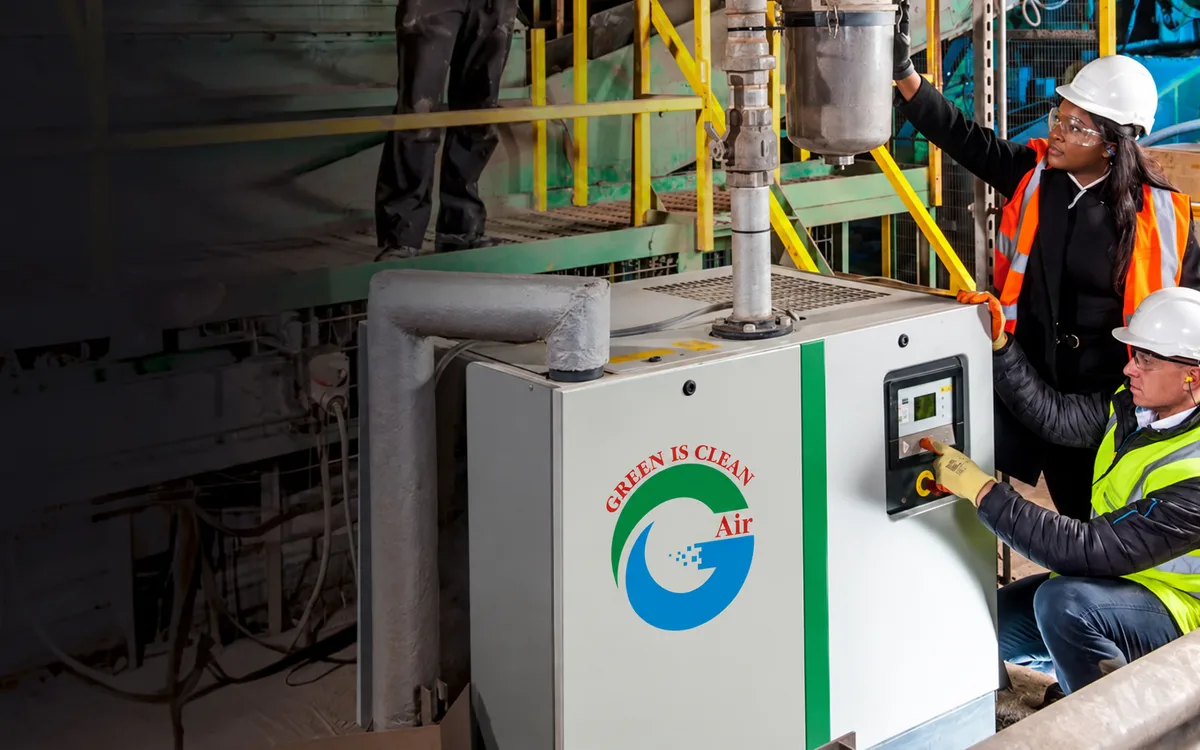
Vacuum pump repair and overhaul
Workshop rebuild with test certificate, or exchange from stock.
Learn more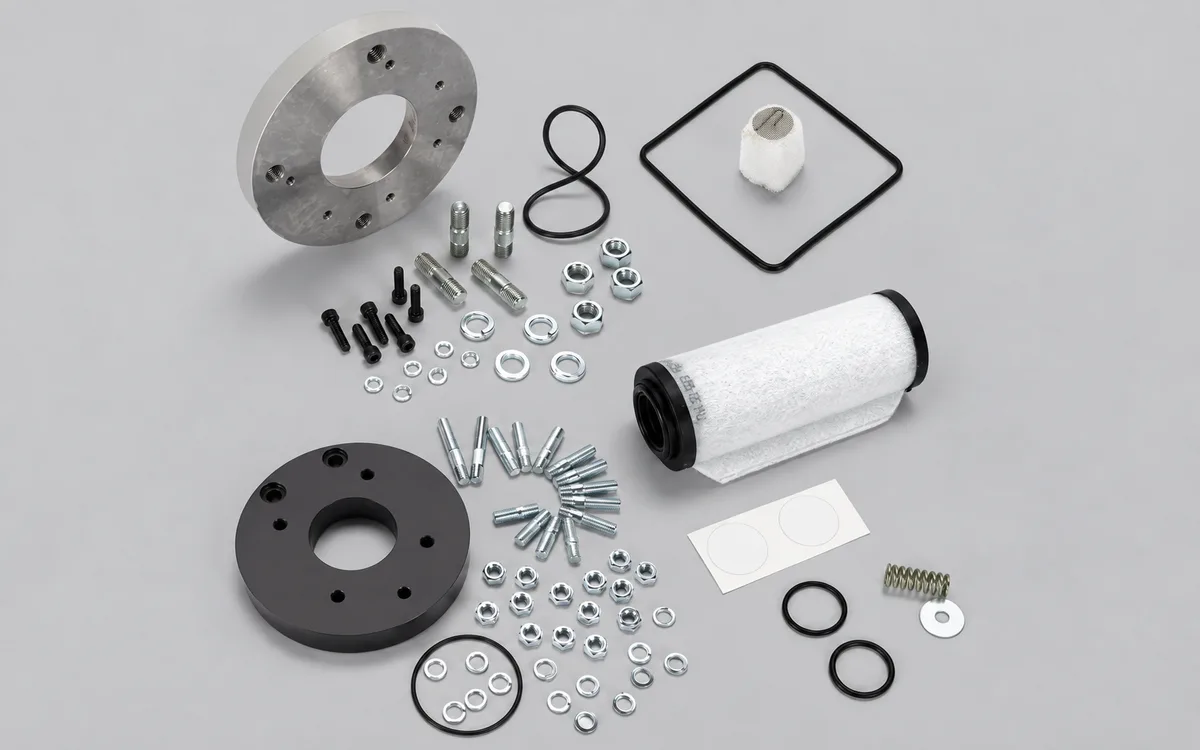
Vacuum pump parts
Genuine vanes, seals, bearings and service kits held in stock.
Learn more
Vacuum pump oil
Mineral, synthetic and chemical-resistant fluids, correctly matched.
Learn more
Vacuum pump service contracts
Planned maintenance at a fixed annual cost.
Learn moreNot sure which model you need?
Send us your air demand, working pressure and running hours. Our engineers will size the machine and send a written recommendation, no cost, no obligation.