
Air compressor filters
Intake, oil, separator and line filters correctly specified.
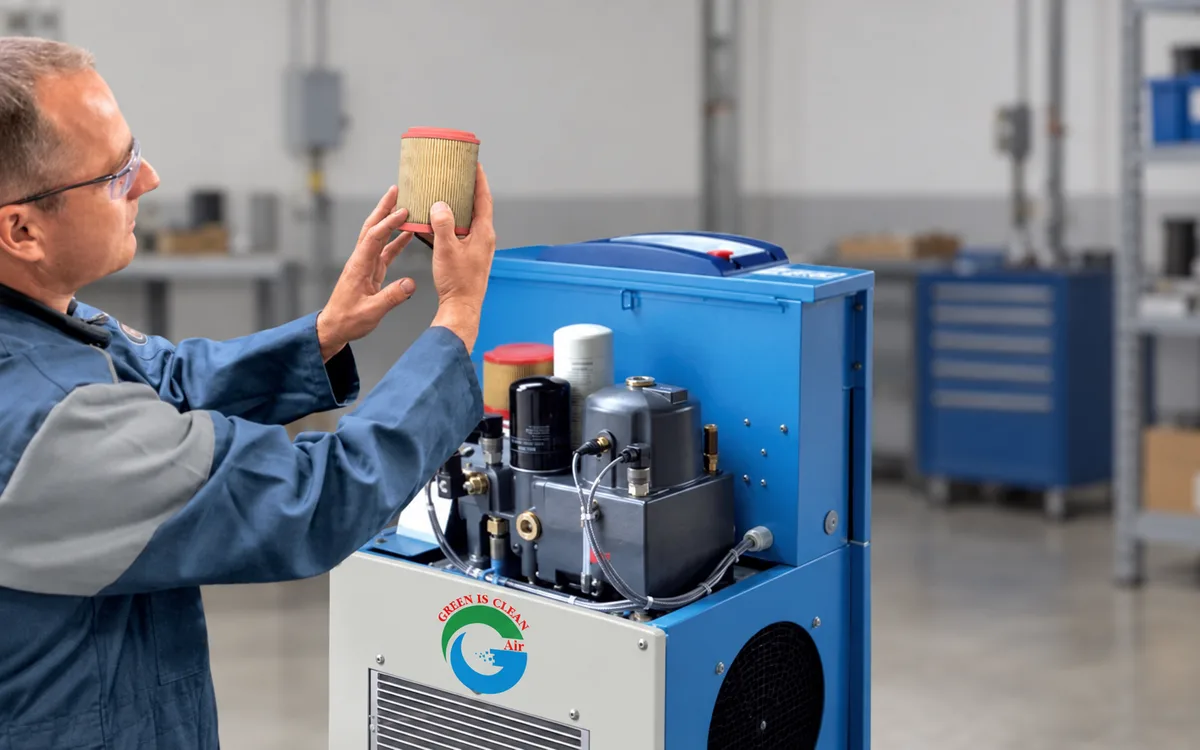
Four filters, four jobs
Four different filters do four different jobs on a compressor installation, and the failure mode of each one is different. Skipping the intake filter destroys the airend. Skipping the separator ruins the oil and the downstream filters. Skipping the line filter contaminates your product.
We supply all four, matched to the machine and to the air quality your process requires, and we will happily tell you when a filter you have been buying is not actually necessary.
What you get
Intake filtration
Two-stage where the site is dusty. The cheapest protection an airend will ever get.
Correct separator grade
Right element for the oil and the flow, which controls both carry-over and pressure drop.
Line filters to ISO class
Specified against ISO 8573-1 for your process, not to the highest available grade.
Change on differential pressure
Gauges supplied so elements are changed when blocked, not on a guess.
Which filter does what
General purpose filters remove bulk liquid and coarse particles. Coalescing filters take oil aerosol down to hundredths of a milligram. Carbon filters remove oil vapour and odour.
They go in that order. Coarse, then fine, then carbon, because the other way round destroys the expensive element with dirt the cheap one should have caught.
Each stage costs pressure and therefore energy, so filtering further than your process needs is money spent every hour for nothing.
- General purpose for bulk liquid and coarse dirt
- Coalescing for oil aerosol
- Carbon for oil vapour and odour
- Fitted coarse to fine, carbon last
- Every stage costs pressure and energy
- Specified to your ISO 8573-1 class
- Elements for other makes supplied
- Food and pharmaceutical grades available
When to change them
On the differential pressure gauge, not on the calendar. If there is no gauge, fit one, because it is the cheapest instrument in the plant room.
A carbon element is the exception. It has no visible warning at all, it simply stops adsorbing, so it goes on time regardless of what a gauge says.
Filters that look identical can flow very differently. One that restricts the inlet by two tenths of a bar costs more in a year than the element did.
- Changed on differential pressure
- Carbon changed on time, not on pressure
- Gauge fitted where one is missing
- Genuine elements to the tested pressure drop
- Pressure drop recorded at every service
- Changed with the compressor service
- Held in local stock
- Usage reviewed to cut the cost
What we supply
Elements for our own housings and for other manufacturers', which on a plant that has grown over twenty years is usually what is actually needed.
Send a photograph of the housing label and we will identify the element. That service is free and it is faster than anyone reading a catalogue.
Where consumption is regular we hold stock against a call off so the elements are there on the day of the service rather than ordered after it.
- Elements for other makes identified and supplied
- Photograph of the label is enough to identify
- Call off stock for regular usage
- Held in every country we trade in
- Certified grades where an audit requires it
- Delivered with the service visit
- Priced from a published list
- Annual agreement available
Frequently asked questions
Which filters does a compressor have?
An intake filter, an oil filter, an oil separator, and then line filters downstream. Each does a completely different job and none substitutes for another.
How often should they change?
Intake and oil filters typically every 2,000 hours, separators every 4,000 to 8,000. In dusty conditions the intake filter may need it far sooner.
Can I just blow the intake filter clean?
Please do not. Compressed air blows holes through the media that you cannot see, and every particle then goes straight into the airend.
What does a blocked filter actually cost?
About 0.5 bar of pressure drop, which is roughly 3.5% of your compressed air energy: several times the price of the element every year.
How do I know a line filter needs changing?
By the differential pressure gauge, not the calendar. If there is no gauge, fit one. It is the cheapest instrument in the plant room.
What is the difference between grades?
General purpose removes bulk liquid and coarse particles. Coalescing takes oil aerosol down to 0.01 mg/m³. Carbon removes oil vapour and odour.
Should I fit the finest filter available?
No, every stage costs pressure drop, so fit what the application needs and no more. Over-filtering is a permanent energy charge for no benefit.
Do filters need draining?
The bowls do, and an automatic drain is worth having. A filter sitting full of condensate stops filtering and starts carrying liquid downstream.
Are cheap elements a false economy?
Usually, the media grade and the seal are what matter, and a poor element that collapses can send debris straight into the machine it was protecting.
Can you manage the changes for us?
Yes. That is what a service contract does. Elements are on the van, the dates are scheduled and the records are kept for your audits.
Related products
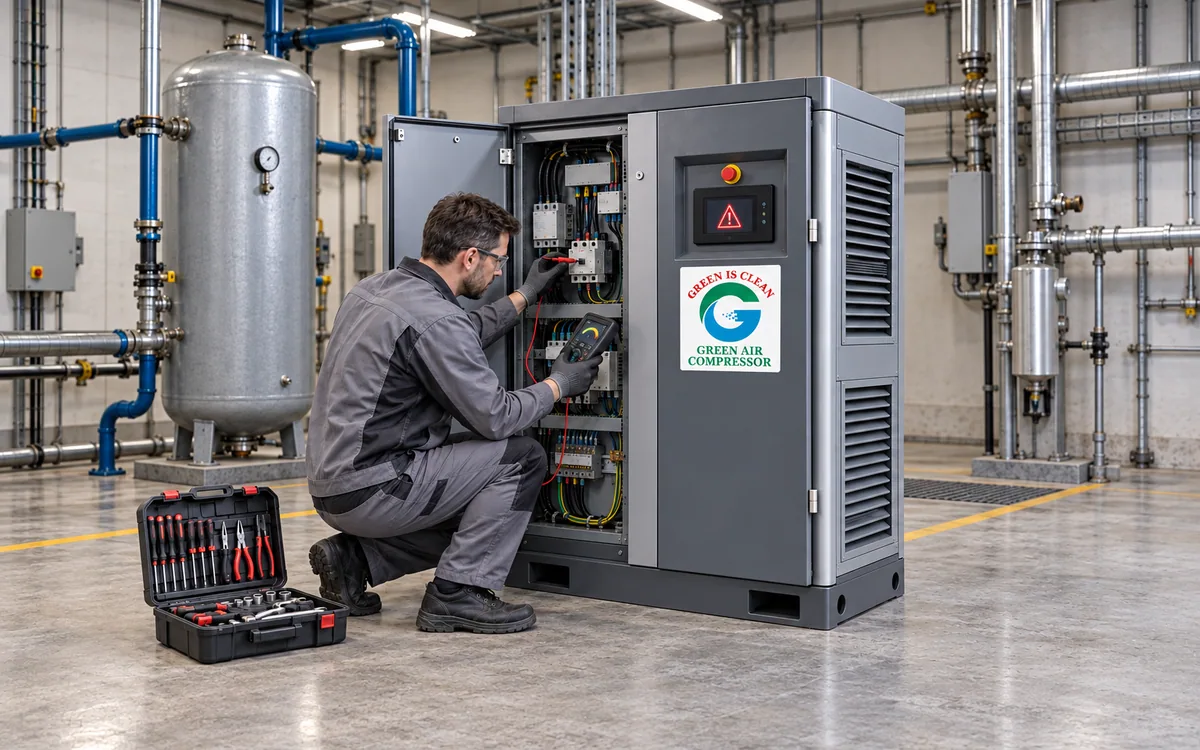
Air compressor repair
A machine that has stopped, and the fastest honest route to getting it running.
Learn more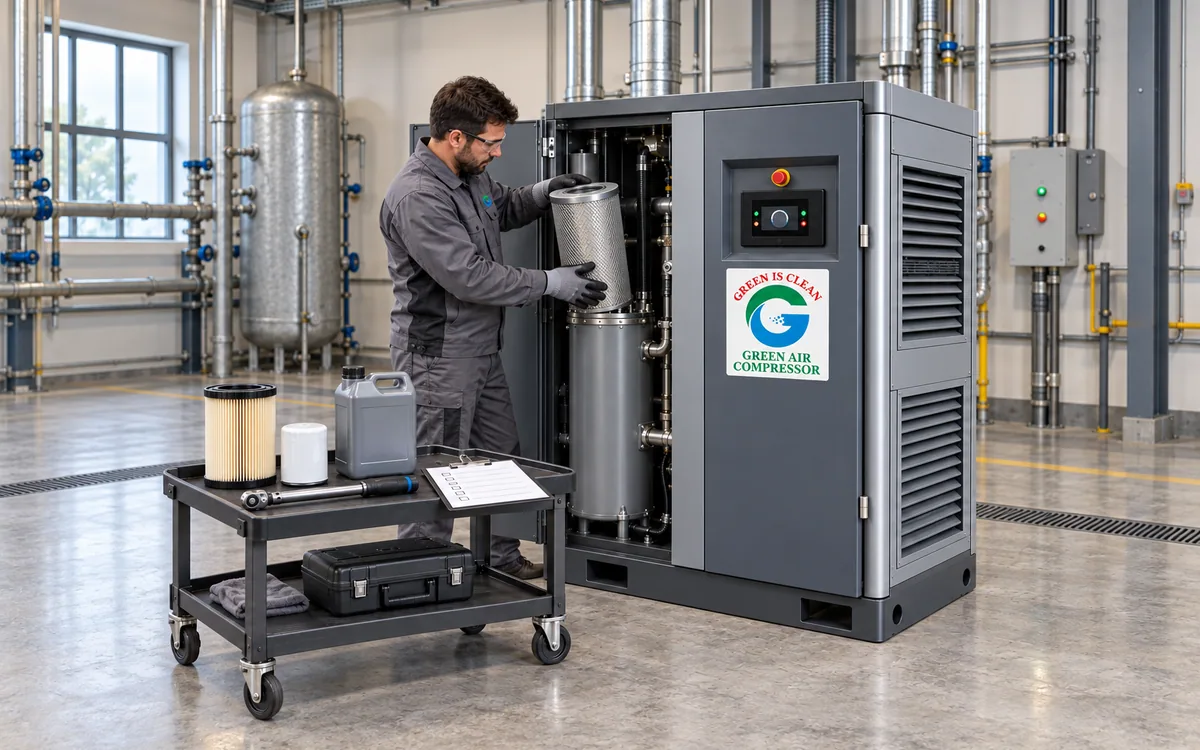
Air compressor maintenance
Planned work that keeps the machine off the breakdown list and the energy bill flat.
Learn more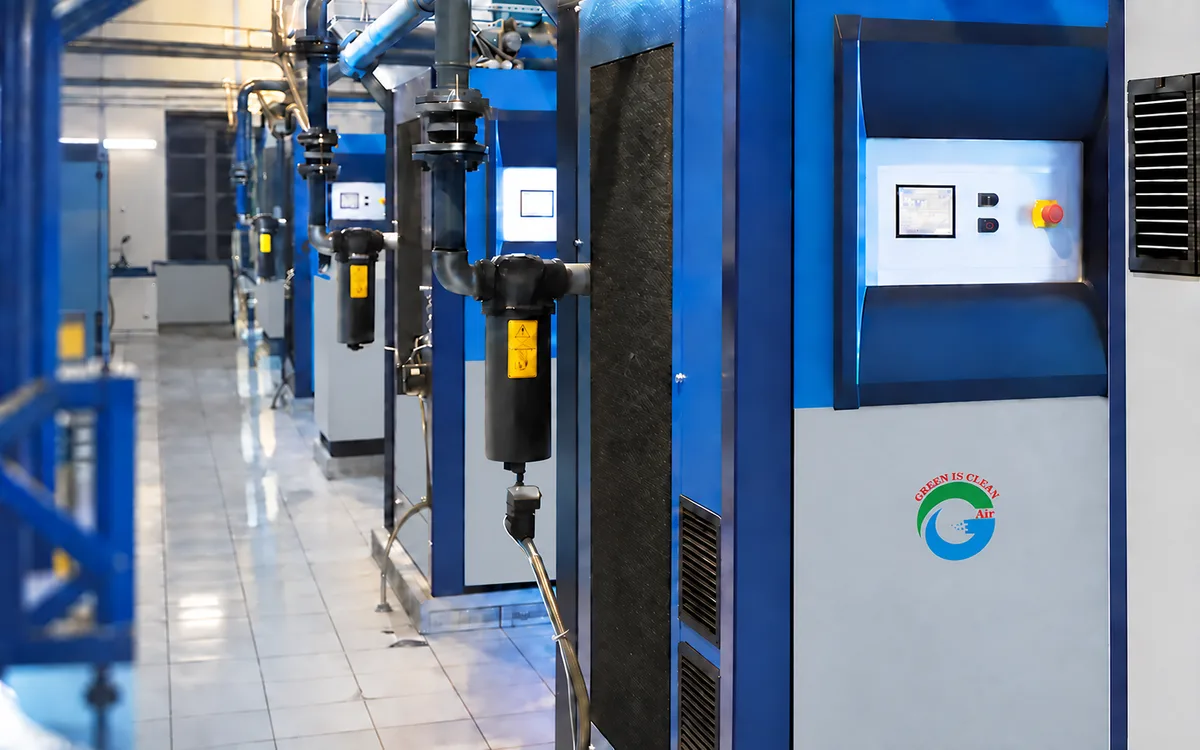
Air compressor parts
Genuine filters, separators, oil, valves and kits from local stock.
Learn more
Airend replacement and exchange
Rebuilt airends from stock, fitted in a day.
Learn moreNot sure which model you need?
Send us your air demand, working pressure and running hours. Our engineers will size the machine and send a written recommendation, no cost, no obligation.