
Oil-free turbo blowers with variable speed
High-efficiency turbo blowers for continuous aeration duty.
Technical data
- Free air delivery
- 32.0 – 135.0 m³/min
- Working pressure
- 1 – 1 bar g
- Motor power
- 50 – 200 kW
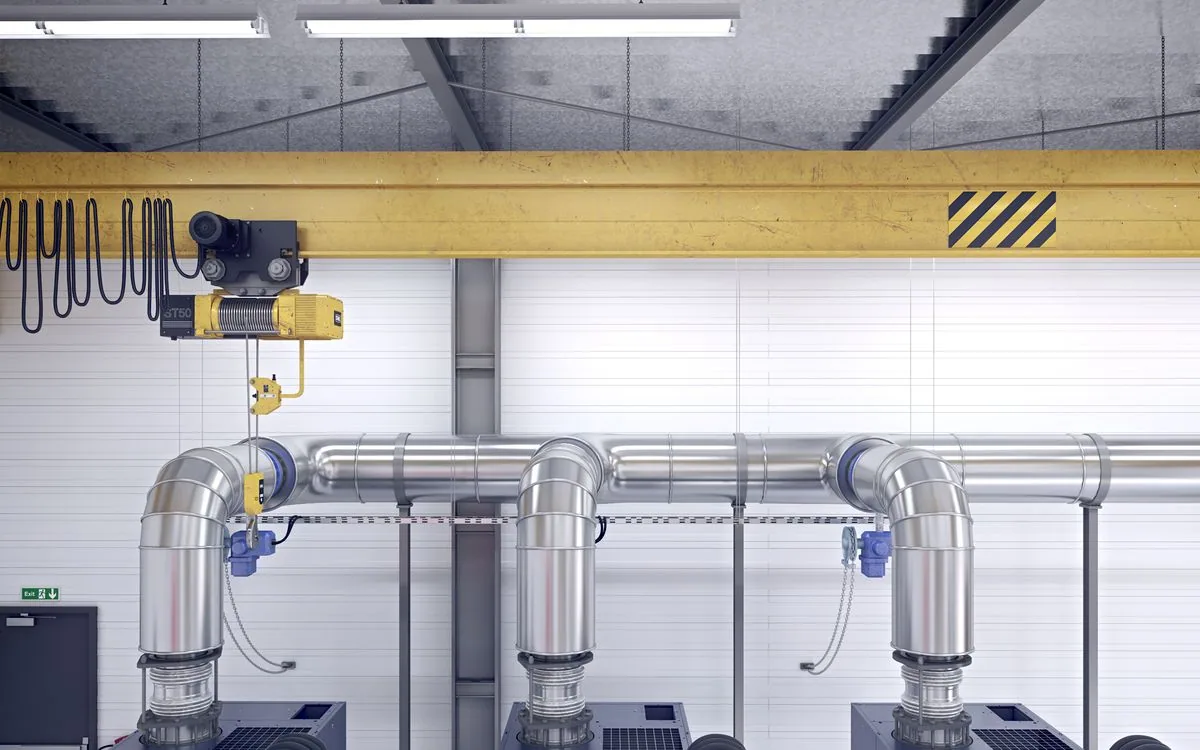
Overview
On a wastewater plant, aeration is usually the single largest electricity consumer, often more than half the site total. A few percent of blower efficiency is therefore worth a great deal more than it sounds.
Turbo blowers with high-speed permanent magnet motors and air-foil bearings hold high efficiency across a wide turndown, which matters because aeration demand changes constantly with the incoming load.
Key benefits
Efficient across the range
Holds efficiency from about 45% to 100% flow instead of peaking at one point.
No bearing maintenance
Air-foil bearings run without contact and without oil.
Quiet installation
Typically under 80 dB(A) at one metre in a standard enclosure.
Fits existing plants
Replaces lobe blowers on the same footprint and duct connections in most retrofits.
How it is built
A high speed impeller driven directly by a variable speed motor, with no gearbox and in most cases no oil anywhere in the machine. Fewer parts turning means fewer parts to maintain.
Air bearings or magnetic bearings carry the shaft. There is no contact at running speed, so there is nothing to wear and no lubrication system to service.
Because the whole machine is designed around variable speed, efficiency holds across a wide turndown rather than only at the design point. On a wastewater plant that turndown is most of the saving.
- Direct drive with no gearbox
- Air or magnetic bearings with no contact at speed
- No lubrication system to service
- Efficiency held across wide turndown
- Low noise and low vibration
- Compact footprint
- Integrated variable speed drive
- Suitable for continuous duty
What the controller does
The drive and the control are one system. The blower follows the dissolved oxygen or pressure signal from the process directly, which is what removes the wasted air a fixed speed machine throws away.
Flow, pressure, power and specific power are all on the screen. Specific power is the number a wastewater plant should be managing, and here it can simply be read.
Surge is handled by the control rather than by an operator. The machine keeps itself off the surge line at every speed.
- Follows the process signal directly
- Specific power shown on screen
- Surge protection at every speed
- Sequencing across several machines
- Wide turndown without blow off
- Remote monitoring as standard
- Fault history kept on the machine
- Volt free contacts for plant alarms
Parts and service kits
The service list on a turbo blower is short by design. Inlet filters, the drive cabinet filter and a control check, and very little else.
There are no bearings to change on schedule and no oil to replace. That is the reason these machines are chosen for continuous duty, and it is worth checking in any cost comparison.
We record flow, pressure and specific power at every visit so the efficiency the machine was bought for can be shown to still be there.
- Inlet filter elements by interval
- Drive cabinet filter on the schedule
- No oil changes and no bearing replacement
- Control and sensor check at every visit
- Specific power recorded at every service
- Software kept up to date
- Held in local stock
- Fixed price under a service plan
Model range
- 0.7 bar
- 32 m³/min
- 0.9 bar
- 72 m³/min
- 1.0 bar
- 135 m³/min
Performance to ISO 1217 Annex C at 20 °C inlet, 1 bar(a). Figures are typical and subject to confirmation. Ask us for the certified test report for your selected model.
Frequently asked questions
What makes a turbo blower different?
A high-speed impeller driven directly by a variable-speed motor, usually on air or magnetic bearings, with no gearbox and no lubrication in the air path.
Why choose one?
Efficiency and turndown. A turbo blower holds good efficiency across a wide flow range, which is exactly what a varying aeration load needs.
What is an air bearing?
A bearing that runs on a film of air rather than oil. There is no metal contact at speed, no lubricant, and nothing to change at a service interval.
How much can it save against an old blower?
Frequently 20–35% replacing an old positive displacement machine on aeration, before any control improvements are counted.
Is maintenance really that low?
Air filters and a periodic check on most units. There is no oil, no belts and no gearbox, so scheduled work is genuinely minimal.
What is the turndown range?
Typically 45–100% of rated flow while holding efficiency. That range is what removes the need for multiple staged machines on many sites.
Is it noisy?
Much quieter than a roots blower. The noise is higher-frequency and easier to attenuate. Packaged units are usually acceptable in an open plant room.
What about our power supply?
It needs a stable supply for the drive. Where the grid is weak, and that is a real issue in parts of our region, we assess it before committing to the technology.
How long do the bearings last?
Design lives are very long because there is no contact at speed. Start-stop cycles matter more than running hours, so control strategy affects bearing life.
Is it right for every application?
No, for high pressure or dirty gas a positive displacement machine is still the correct answer, and we will say so.
Related products
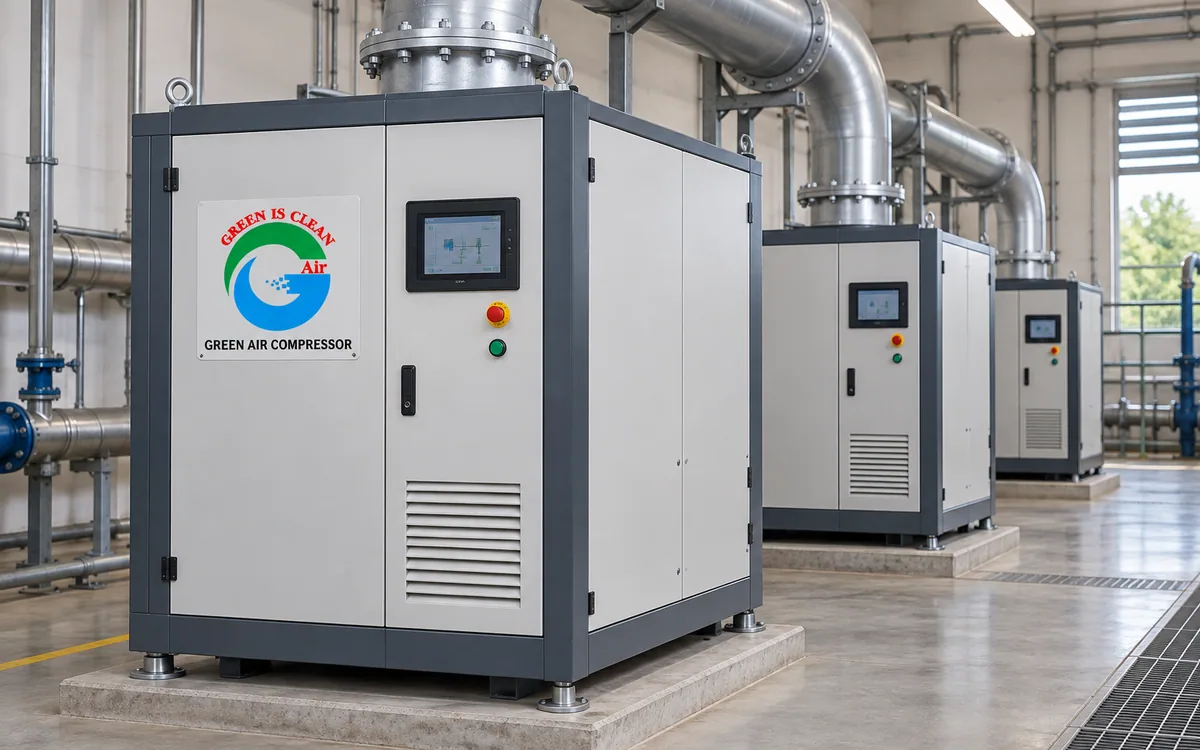
Magnetic levitation blowers
The impeller floats on a magnetic field. 37 to 350 kW, no bearings to wear.
- Free air delivery
- 25.0 – 388.0 m³/min
- Motor power
- 37 – 350 kW
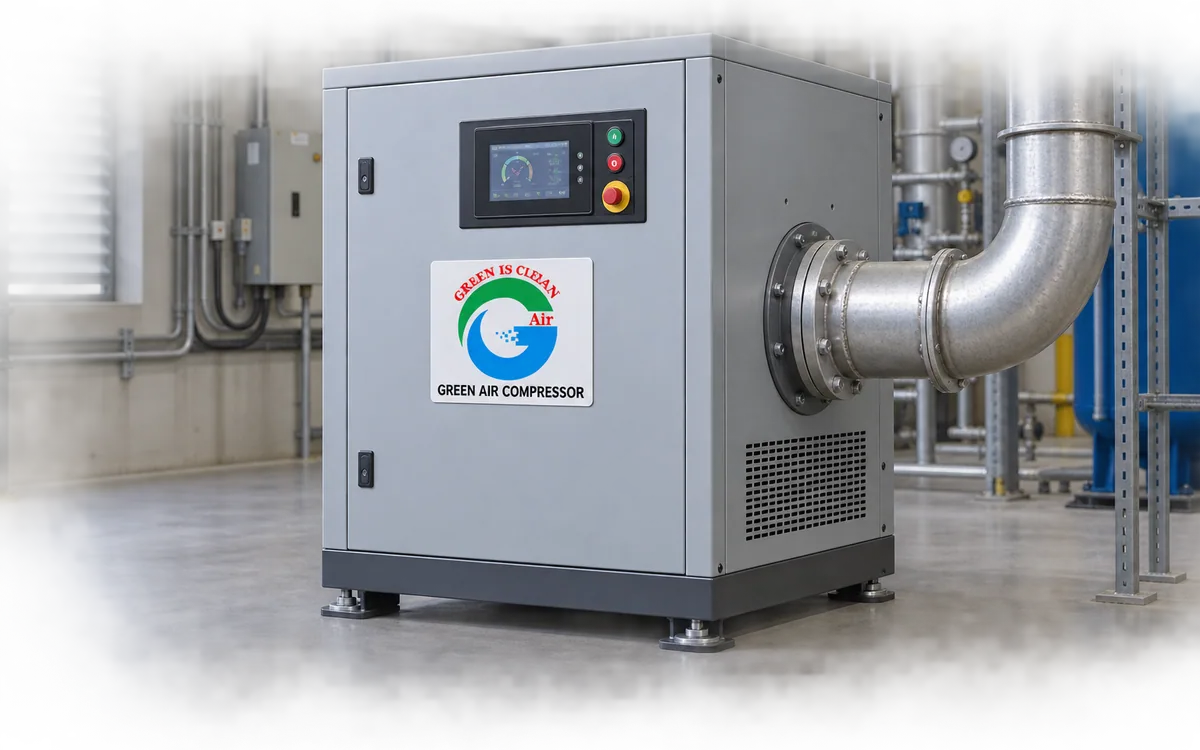
Air suspension blowers
Air bearings instead of magnetic ones. 22 to 450 kW, oil free and quiet.
- Free air delivery
- 17.0 – 418.0 m³/min
- Motor power
- 22 – 450 kW
- Weight
- 525 – 2,550 kg
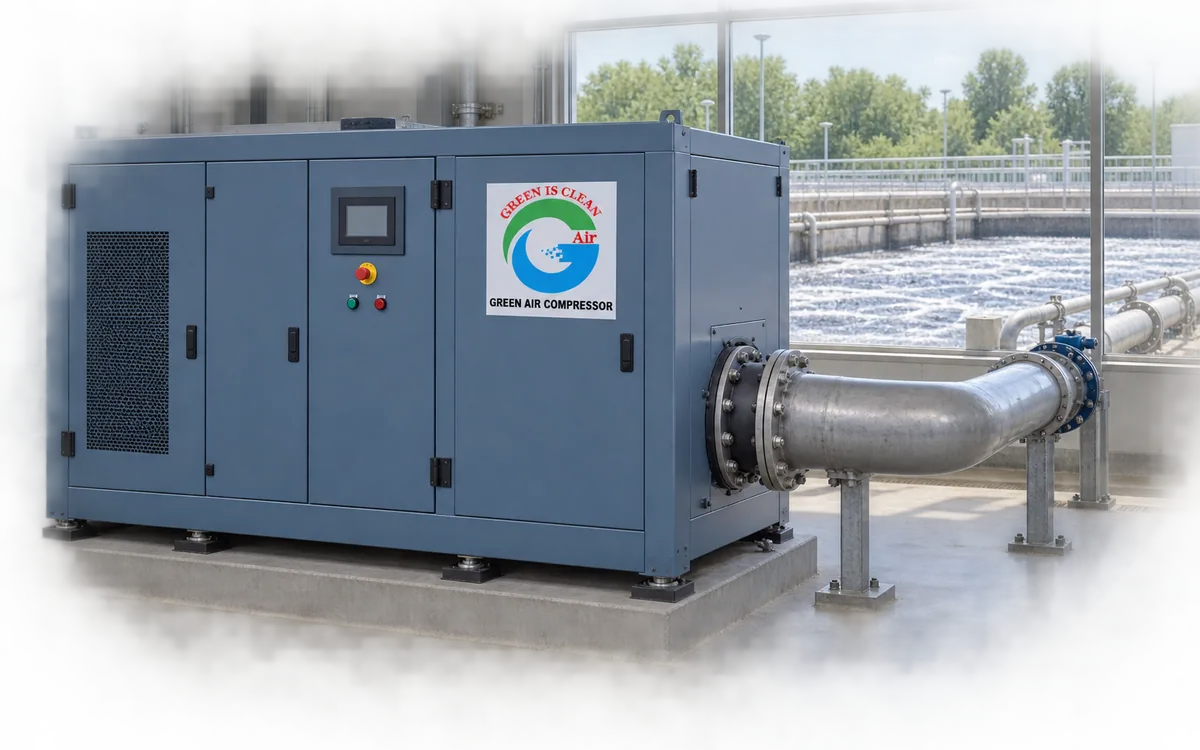
Oil free screw blowers
Screw compression at blower pressures. Up to 1.5 bar g, 22 to 180 kW.
- Free air delivery
- 15.0 – 98.0 m³/min
- Motor power
- 22 – 180 kW
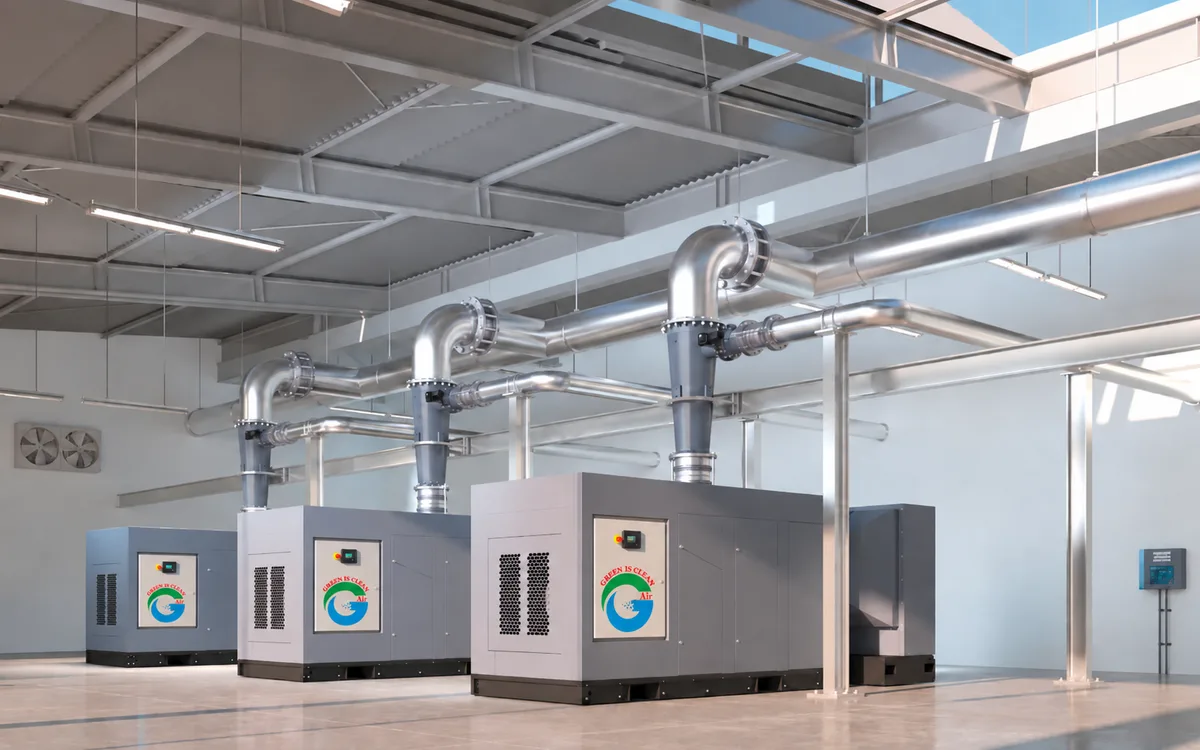
Single-stage centrifugal blowers
High-volume, low-pressure air for aeration and drying.
- Free air delivery
- 12.6 – 160.0 m³/min
- Working pressure
- 1,100 bar g
- Motor power
- 22 – 250 kW
Not sure which model you need?
Send us your air demand, working pressure and running hours. Our engineers will size the machine and send a written recommendation, no cost, no obligation.