
Magnetic levitation blowers
The impeller floats on a magnetic field. 37 to 350 kW, no bearings to wear.
Technical data
- Free air delivery
- 25.0 – 388.0 m³/min
- Motor power
- 37 – 350 kW
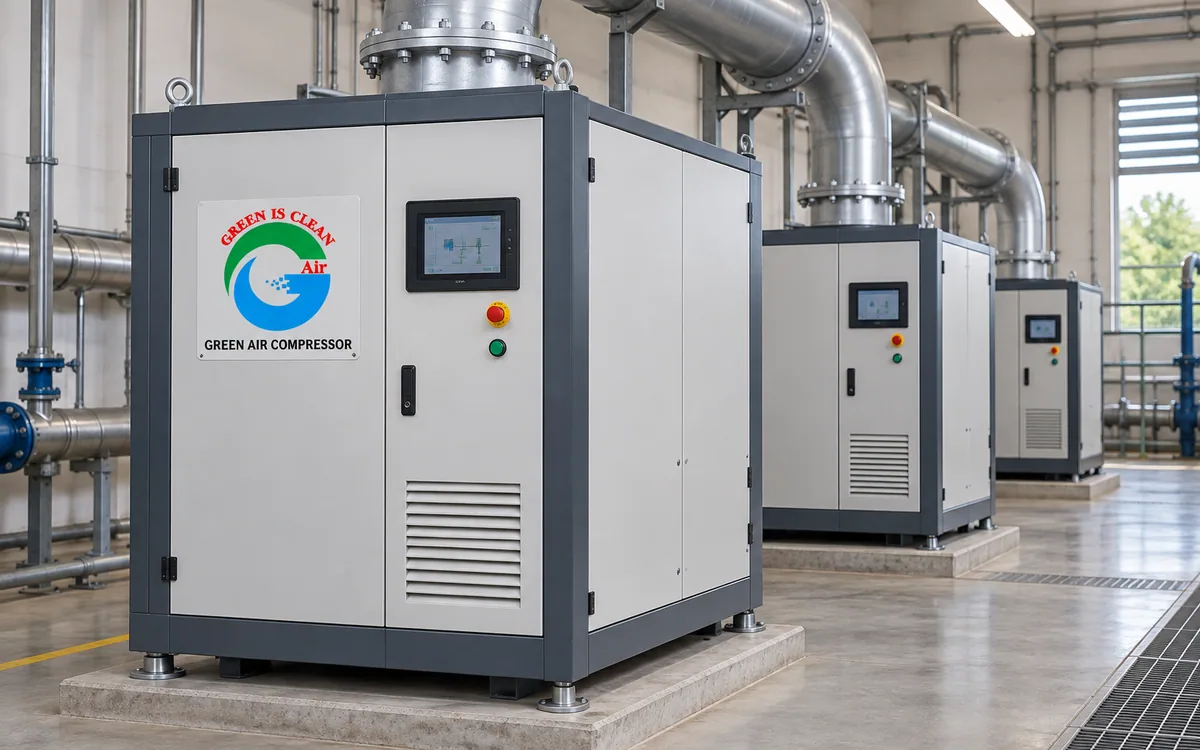
Overview
A magnetic bearing holds the shaft in the air. There is no metal touching metal anywhere in the rotating assembly, which means no bearing oil, no bearing wear and no bearing replacement for the life of the machine.
It also means the shaft can turn very fast, and a blower that turns fast can drive the impeller directly with no gearbox in between. Between the gearbox that is not there and the bearings that are not there, a magnetic levitation blower typically uses twenty to thirty per cent less energy than the multi stage blower it replaces.
Key benefits
Twenty to thirty per cent less energy
No gearbox losses, no bearing losses, and a direct drive high speed motor. Measured against the roots blower it usually replaces.
No oil at all
No lubrication system, no oil changes, no oil to leak into a process or a treatment tank.
Turndown to about 45 per cent
Speed control across a wide range without the surge problems a geared machine has at low flow.
Around 80 dB(A)
Substantially quieter than a roots blower, and without its characteristic pulsation.
What is not in the machine
No gearbox. A conventional high speed blower needs one to get from motor speed to impeller speed, and it costs three to five per cent of the power plus an oil system to maintain.
No bearings in the conventional sense. Magnetic bearings hold the shaft centred using position sensors and electromagnets, correcting thousands of times a second. There is no contact, so there is nothing to wear out and nothing to lubricate.
No oil system at all, which in wastewater treatment and in food plants removes an entire contamination risk along with its maintenance. The practical result is that the routine service on these machines is an air filter and a check of the control system.
- Direct drive, no gearbox
- Magnetic bearings, no contact and no wear
- No lubrication system anywhere
- Touchdown bearings for safe coast down
- Speed control from about 45 to 100 per cent
- Around 80 dB(A)
- Service is an air filter and a controls check
- 37 to 350 kW
Reading the table
Blowers are selected on boost rather than on pressure ratio, so the table gives flow against boost in kilopascals at each installed power. One bar is a hundred kilopascals, and most aeration duties sit between 50 and 80.
Flows are given at one atmosphere and 20 °C. At the ambient temperatures and altitudes the machines actually run at, the mass flow differs, and we correct for your site conditions when we size rather than quoting the table figure.
If your duty is not on the table it is almost certainly still available. The published points are the common ones, not the limits of the range.
Model range
- 50 kPa
- 41 m³/min
- 70 kPa
- 31 m³/min
- 90 kPa
- 25 m³/min
- 50 kPa
- 50 m³/min
- 70 kPa
- 37 m³/min
- 90 kPa
- 30 m³/min
- 50 kPa
- 61 m³/min
- 70 kPa
- 46 m³/min
- 90 kPa
- 37 m³/min
- 50 kPa
- 83 m³/min
- 70 kPa
- 62 m³/min
- 90 kPa
- 51 m³/min
- 50 kPa
- 100 m³/min
- 70 kPa
- 75 m³/min
- 90 kPa
- 61 m³/min
- 50 kPa
- 122 m³/min
- 70 kPa
- 91 m³/min
- 90 kPa
- 74 m³/min
- 50 kPa
- 146 m³/min
- 70 kPa
- 110 m³/min
- 90 kPa
- 89 m³/min
- 50 kPa
- 177 m³/min
- 70 kPa
- 133 m³/min
- 90 kPa
- 108 m³/min
- 50 kPa
- 205 m³/min
- 70 kPa
- 154 m³/min
- 90 kPa
- 125 m³/min
- 50 kPa
- 222 m³/min
- 70 kPa
- 166 m³/min
- 90 kPa
- 135 m³/min
- 50 kPa
- 244 m³/min
- 70 kPa
- 183 m³/min
- 90 kPa
- 149 m³/min
- 50 kPa
- 277 m³/min
- 70 kPa
- 208 m³/min
- 90 kPa
- 169 m³/min
- 50 kPa
- 310 m³/min
- 70 kPa
- 233 m³/min
- 90 kPa
- 189 m³/min
- 50 kPa
- 333 m³/min
- 70 kPa
- 249 m³/min
- 90 kPa
- 203 m³/min
- 50 kPa
- 349 m³/min
- 70 kPa
- 261 m³/min
- 90 kPa
- 213 m³/min
- 50 kPa
- 388 m³/min
- 70 kPa
- 291 m³/min
- 90 kPa
- 237 m³/min
Performance to ISO 1217 Annex C at 20 °C inlet, 1 bar(a). Figures are typical and subject to confirmation. Ask us for the certified test report for your selected model.
Frequently asked questions
What happens in a power cut?
Touchdown bearings take the shaft as it coasts down. They are rated for a defined number of events and are a replaceable item, not a failure.
How does it compare with a roots blower?
Twenty to thirty per cent less energy, much quieter, no oil and no pulsation. It costs more to buy and repays it in a wastewater plant inside about three years.
Does it need special foundations?
No. There is almost no vibration because nothing is touching, so a level floor is sufficient.
What is the routine maintenance?
An air filter and a check of the control system. There is no gearbox, no oil and no bearing replacement interval.
How far can it turn down?
To about 45 per cent of full flow, without the surge problems a geared machine has at low flow. Speed control is continuous across that range.
How do I read the flow table?
Flow is given against boost in kilopascals at each installed power. One bar is a hundred kilopascals, and most aeration duties sit between 50 and 80.
Are the table figures what I will actually get?
They are at one atmosphere and 20 °C. At your site's temperature and altitude the mass flow differs, and we correct for that when sizing.
Is the control system complicated?
It manages the bearings thousands of times a second, but the operator interface is a screen with pressure, flow and speed. Diagnostics are logged rather than displayed constantly.
What if the bearing electronics fail?
The machine coasts down onto the touchdown bearings and stops safely. The electronics are a stocked item and replaceable without opening the rotating assembly.
Is it worth it on a small plant?
Below about 37 kW the savings are smaller and a screw blower is often the better value. We size both and show the comparison rather than defaulting to the newest technology.
Related products
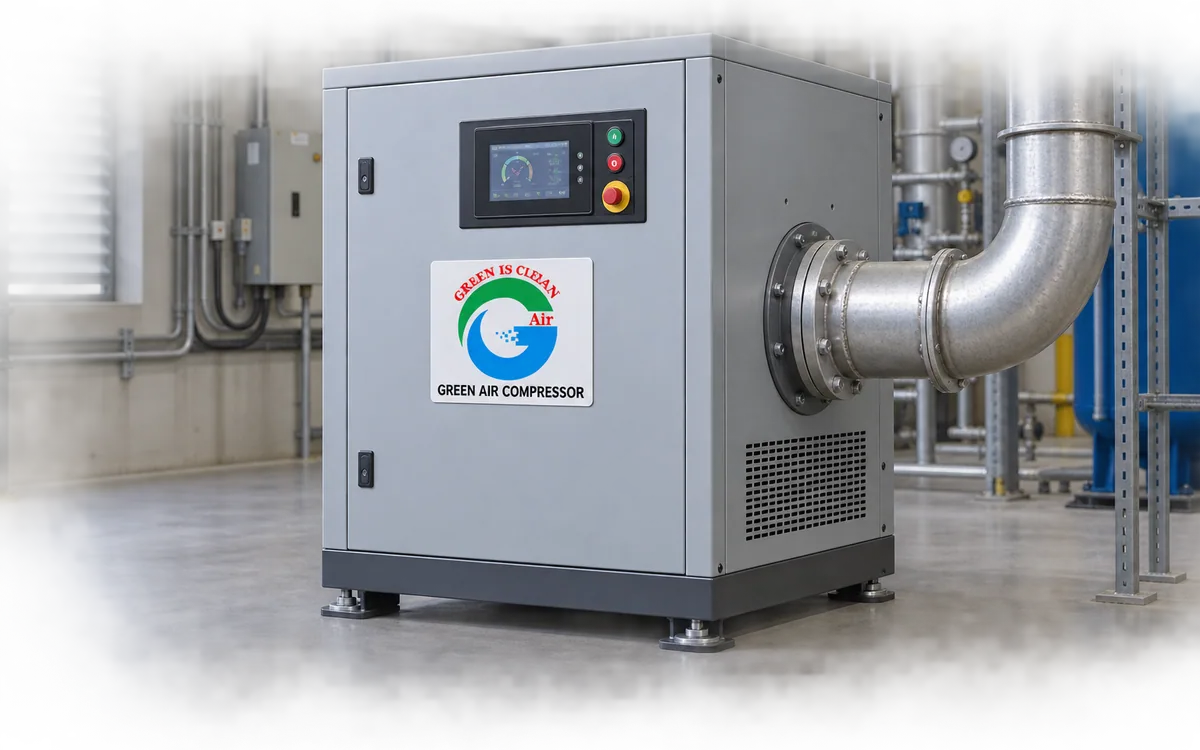
Air suspension blowers
Air bearings instead of magnetic ones. 22 to 450 kW, oil free and quiet.
- Free air delivery
- 17.0 – 418.0 m³/min
- Motor power
- 22 – 450 kW
- Weight
- 525 – 2,550 kg
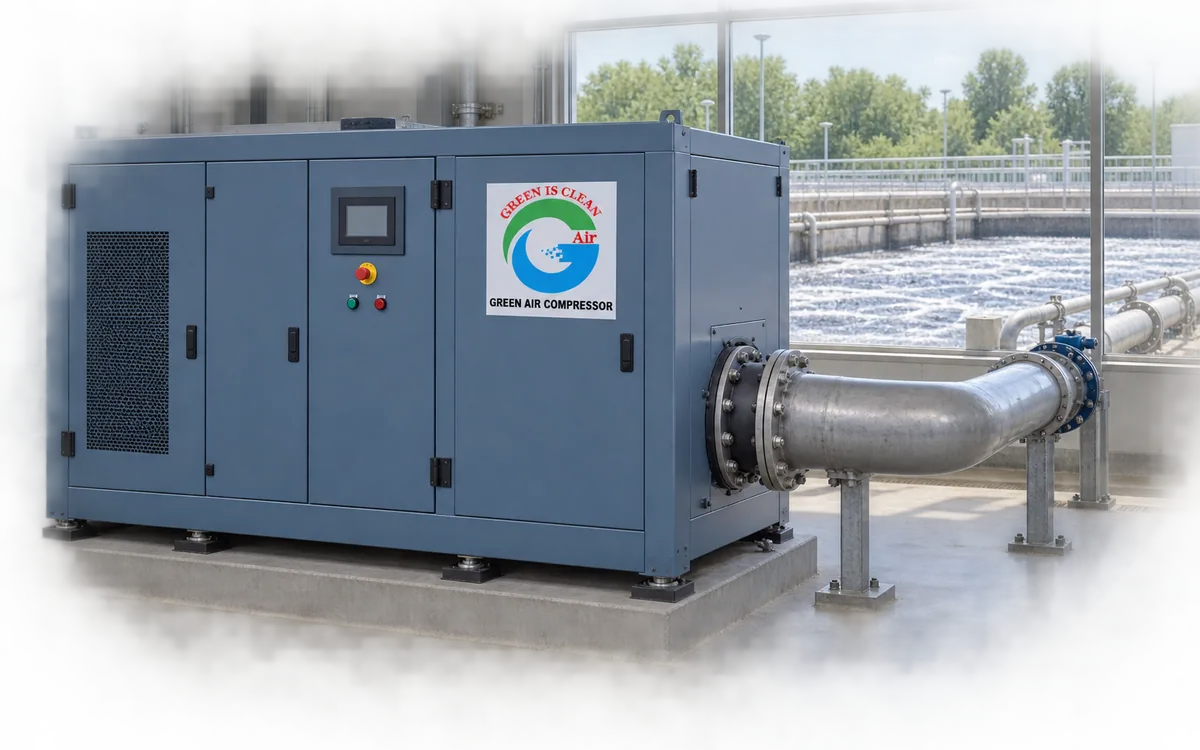
Oil free screw blowers
Screw compression at blower pressures. Up to 1.5 bar g, 22 to 180 kW.
- Free air delivery
- 15.0 – 98.0 m³/min
- Motor power
- 22 – 180 kW
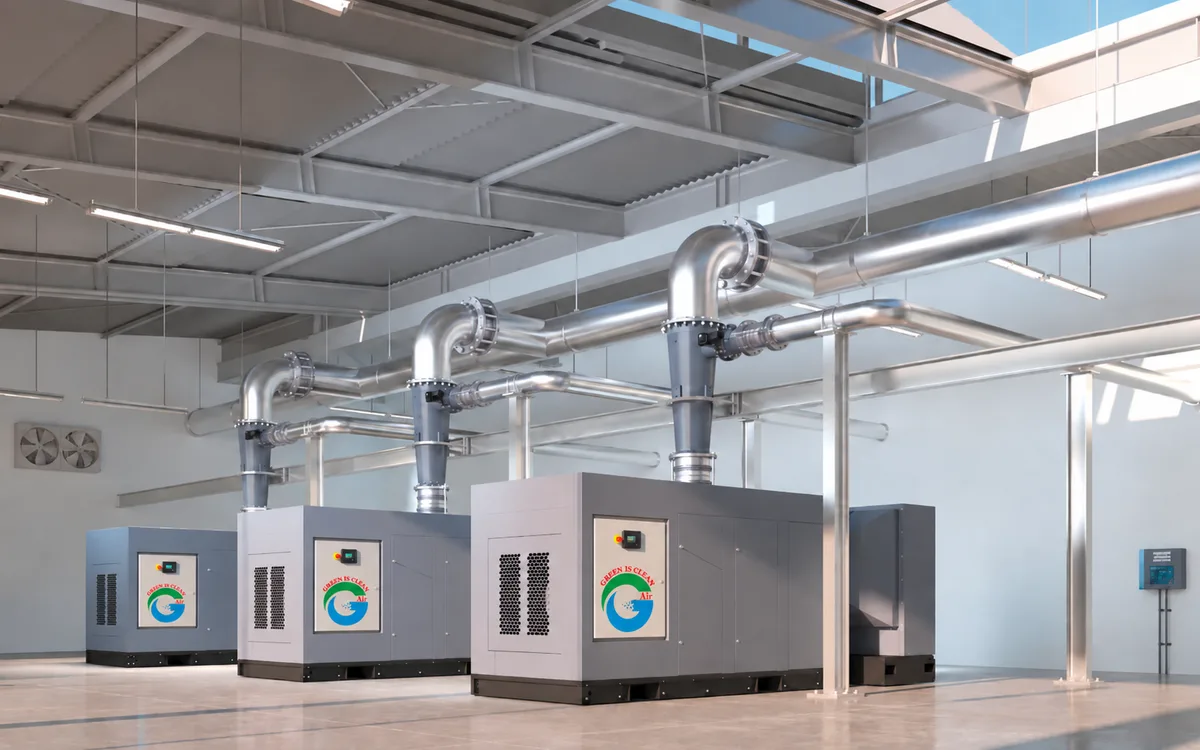
Single-stage centrifugal blowers
High-volume, low-pressure air for aeration and drying.
- Free air delivery
- 12.6 – 160.0 m³/min
- Working pressure
- 1,100 bar g
- Motor power
- 22 – 250 kW
Oil-free turbo blowers with variable speed
High-efficiency turbo blowers for continuous aeration duty.
- Free air delivery
- 32.0 – 135.0 m³/min
- Working pressure
- 1 – 1 bar g
- Motor power
- 50 – 200 kW
Not sure which model you need?
Send us your air demand, working pressure and running hours. Our engineers will size the machine and send a written recommendation, no cost, no obligation.