
Boil off gas compressors
Recovering what evaporates from a cryogenic tank instead of venting it.
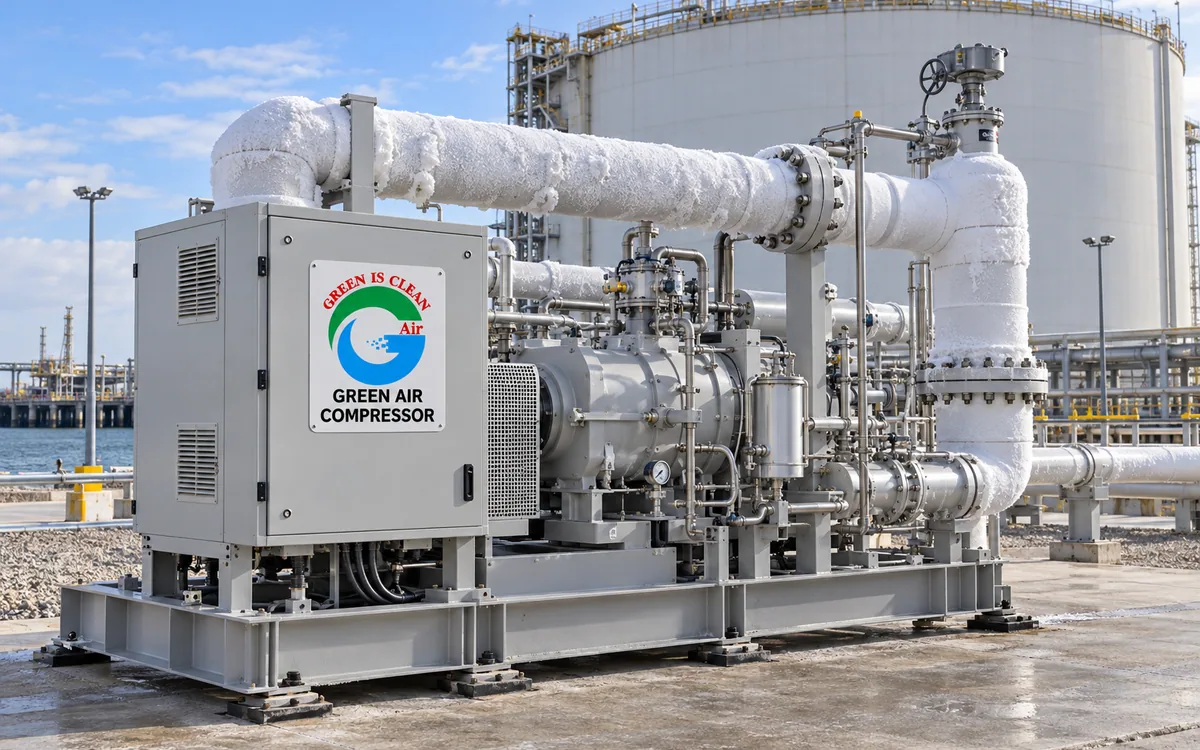
Overview
Every cryogenic storage tank boils off. Heat leaks in no matter how good the insulation, liquid becomes vapour, and the pressure rises until something lets it out. Venting that gas is a direct loss and, for LNG, an emissions problem as well.
A boil off gas compressor takes that vapour and puts it back to work: reliquefied, sent to a fuel gas system, or returned to the pipeline. On a terminal of any size it is not an efficiency measure, it is part of the plant.
Key benefits
Handles very cold gas
Suction temperatures well below ambient, with materials and clearances selected for them rather than adapted.
Loss becomes fuel or product
Gas that would be flared or vented is returned to the system. The payback is the gas itself.
Follows a varying boil off rate
Boil off changes with ambient, tank level and ship movements. The machine is selected across that range.
Built to terminal documentation standards
Materials, testing and records to the standard a terminal operator and their regulator require.
What makes it a different machine
The gas arrives cold — for LNG, around minus 140 degrees. Steel that is perfectly sound at ambient becomes brittle at that temperature, so the material selection is governed by low temperature toughness rather than by strength.
Clearances are the second issue. A machine assembled at workshop temperature and run at minus 140 has moved, and the running clearances have to be correct cold rather than correct on the bench.
Third, the duty varies. Boil off rate rises with ambient temperature, with tank level and with any movement of the liquid. A machine sized for the average will be wrong most of the time, so selection is across the range.
- Low temperature materials throughout
- Clearances set for cold running
- Selected across the real boil off range
- Returns gas to fuel, reliquefaction or pipeline
- Reduces flaring and venting
- Documented to terminal standards
What we need to quote
Gas compressors are not selected from a catalogue. The gas itself decides the materials, the seals and the safety case, and two plants asking for the same machine on paper often need different builds.
Four answers cover most of it: the gas and its composition, the suction pressure and temperature, the discharge pressure required, and the flow. With those we can size the machine and tell you whether it should be a screw, a reciprocating or a centrifugal.
Then the site questions. Area classification, whether the gas is wet or contains hydrogen sulphide, what the local authority requires, and whether the duty can stop. Those decide the seal arrangement and whether you need one machine or two.
- Gas composition and molecular weight
- Suction pressure and temperature
- Discharge pressure required
- Flow, normal and maximum
- Area classification
- Whether the duty can be interrupted
Frequently asked questions
How much gas does a tank boil off?
Typically a fraction of a per cent of the contents a day, but that fraction is a great deal of gas on a terminal sized tank, and it rises in summer.
Where does the recovered gas go?
Reliquefaction, the fuel gas system or back to the pipeline, depending on the terminal. That destination changes the machine, so it is settled first.
Can a standard gas compressor do this?
No. The suction temperature governs the materials and the clearances, and a machine built for ambient gas will not survive it.
Why do the materials matter so much?
Because steel that is perfectly sound at ambient becomes brittle at minus 140 degrees. Selection is governed by low temperature toughness rather than by strength.
What about the running clearances?
A machine assembled at workshop temperature has moved by the time it is cold. Clearances are set to be correct cold, not correct on the bench.
How variable is the boil off rate?
Very. It rises with ambient temperature, with tank level and with any movement of the liquid, so we select across the range rather than at the average.
Does it reduce flaring?
That is much of the point. Gas that would have been flared or vented is returned to the system, which is both revenue and a lower emissions figure.
What documentation is required?
Terminal operators and their regulators set it. Materials, testing and records are produced to that standard and the standard is agreed before design.
Can it be used for LNG bunkering?
Yes, and it is a growing duty. The vessel movement makes the boil off rate less predictable, which is accounted for in the selection.
How is it maintained?
On a documented schedule, with the cold end inspected on its own interval. Parts are held rather than ordered, because a stopped BOG machine means gas being vented.
Related products
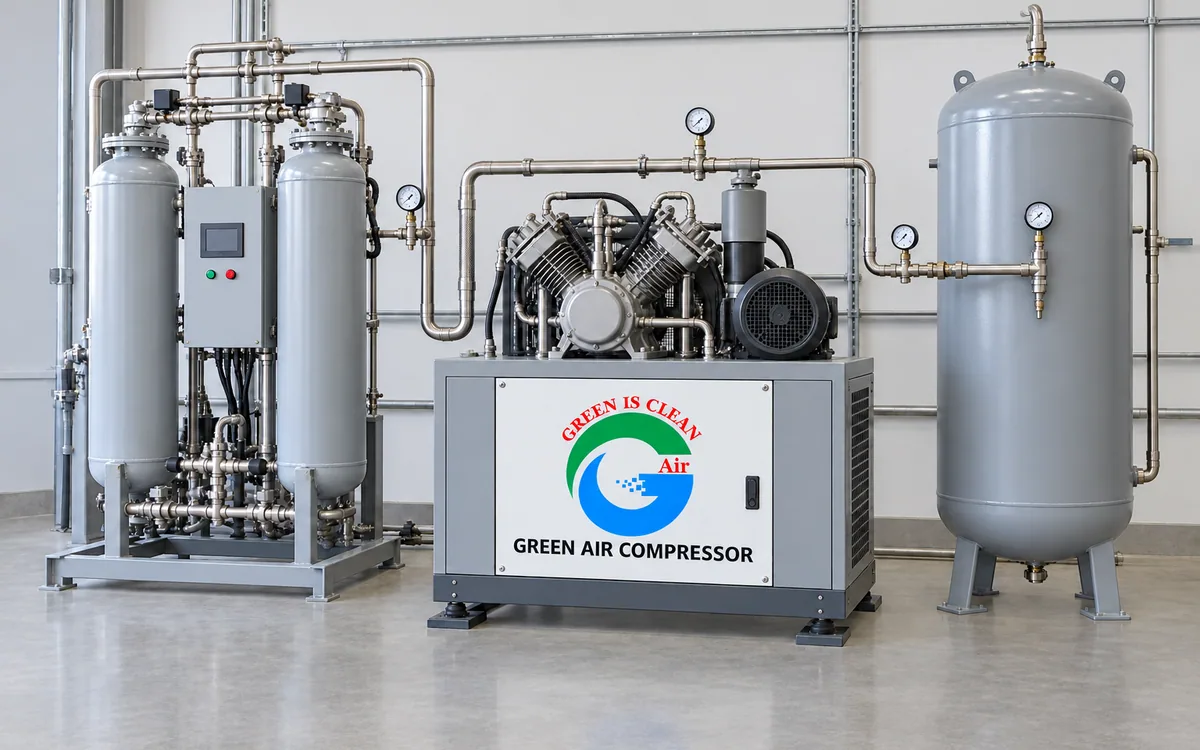
Nitrogen compressors
Boosting and circulating nitrogen for blanketing, purging and process.
- Free air delivery
- 90 – 3,000 Nm³/h
- Working pressure
- 3 – 160 bar g
- Motor power
- 22 – 250 kW
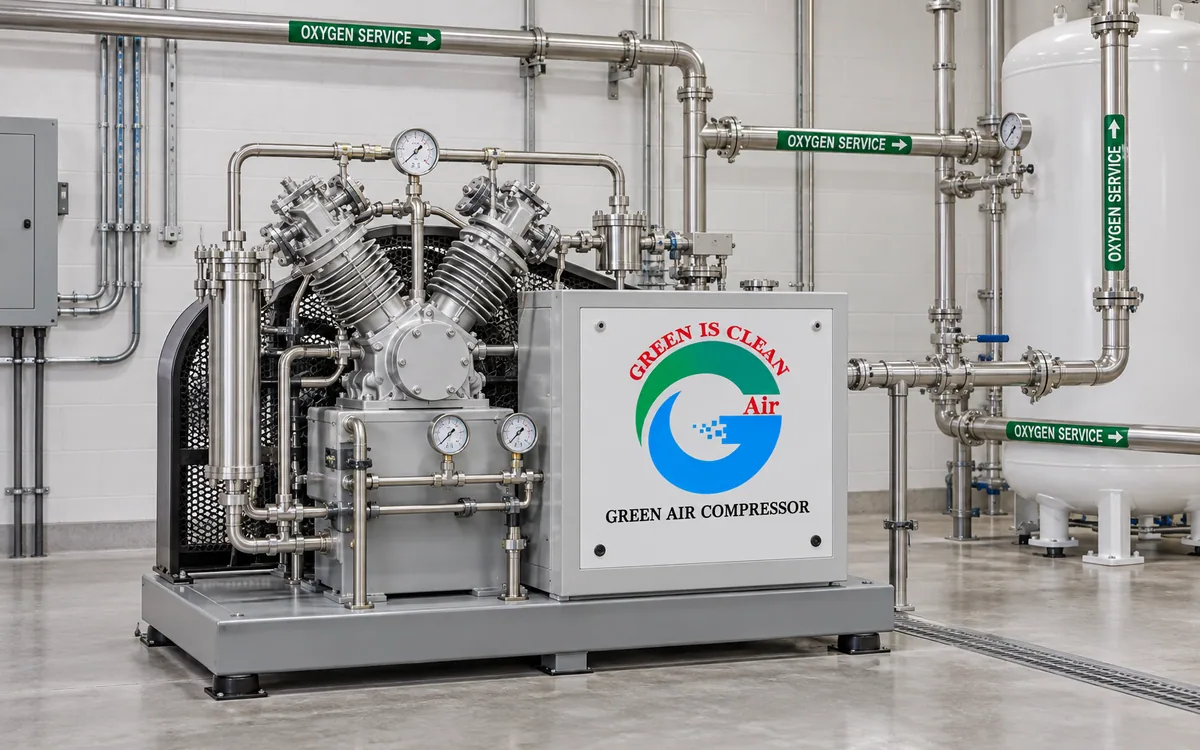
Oxygen compressors
Oil free by necessity, built and cleaned to oxygen service standards.
- Free air delivery
- 30 – 120 Nm³/h
- Working pressure
- 120 – 150 bar g
- Motor power
- 11 – 30 kW
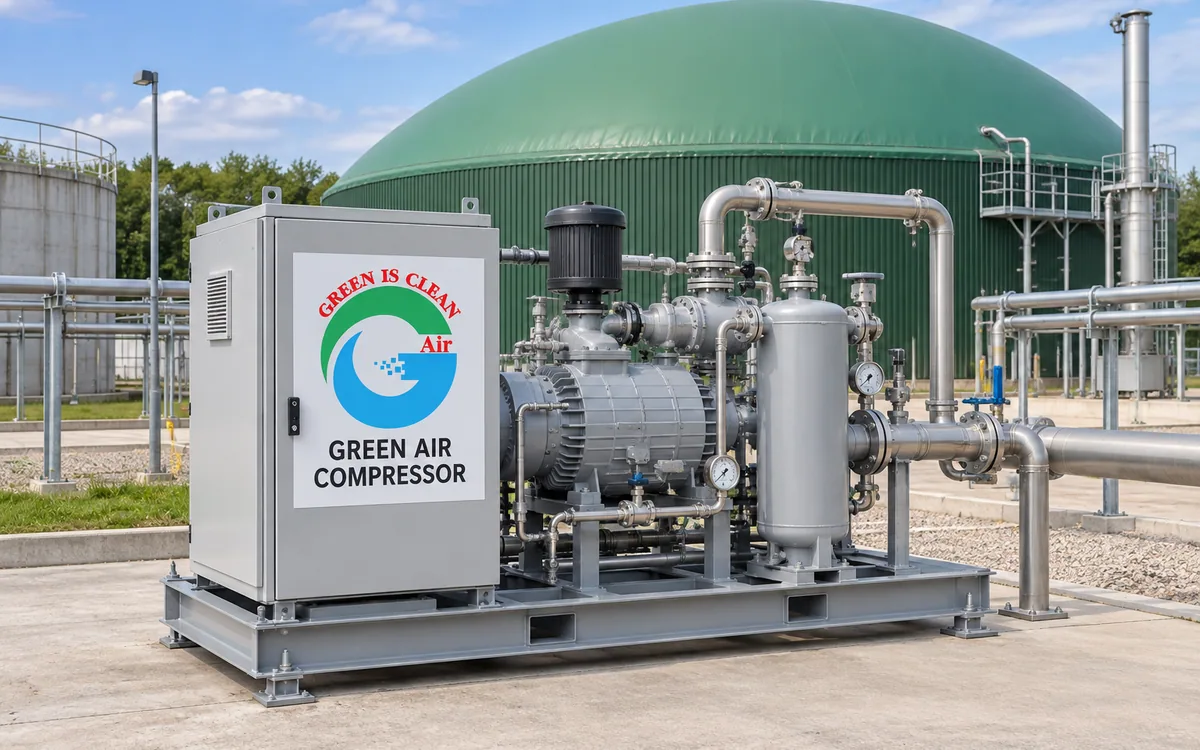
Biogas compressors
Wet, corrosive, variable gas handled without eating the machine.
- Free air delivery
- 50 – 700 Nm³/h
- Working pressure
- 5 – 45 bar g
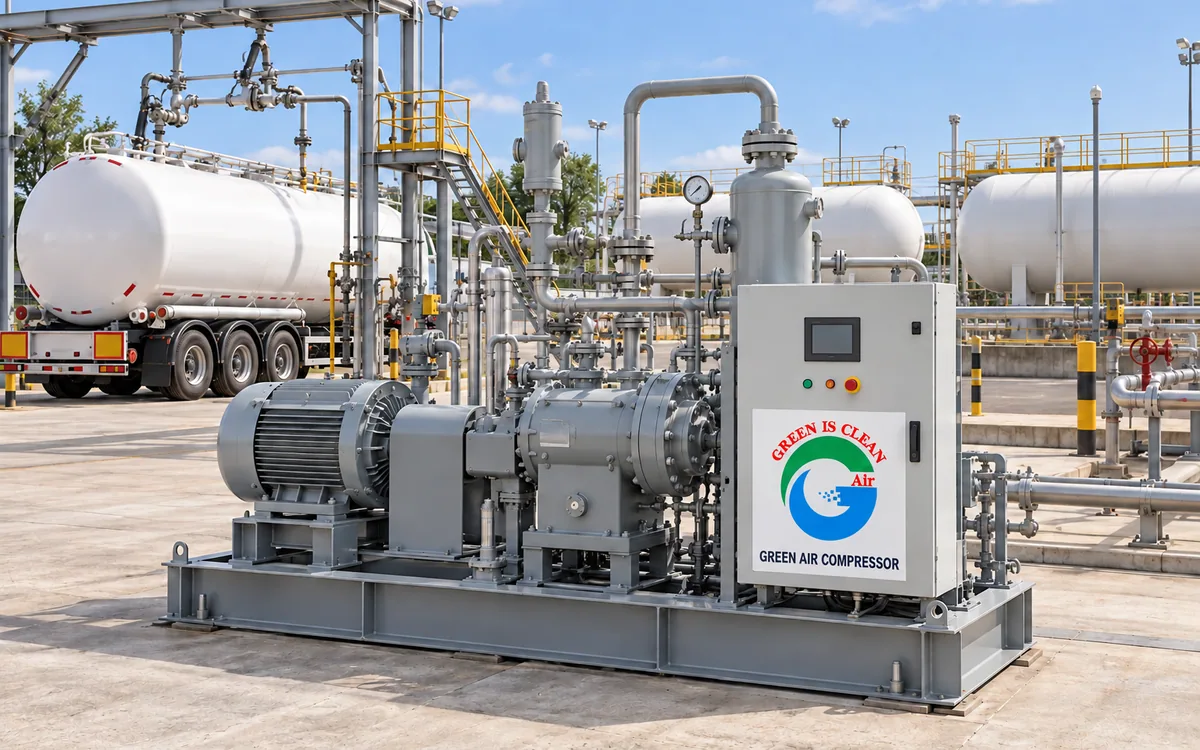
LPG and hydrocarbon gas compressors
Transfer, recovery and vapour handling for propane, butane and mixed gas.
- Working pressure
- 16 bar g
- Motor power
- 4 – 110 kW
Not sure which model you need?
Send us your air demand, working pressure and running hours. Our engineers will size the machine and send a written recommendation, no cost, no obligation.