
Process air and gas equipment
Centrifugal machines, expanders, heat pumps and process gas compressors.
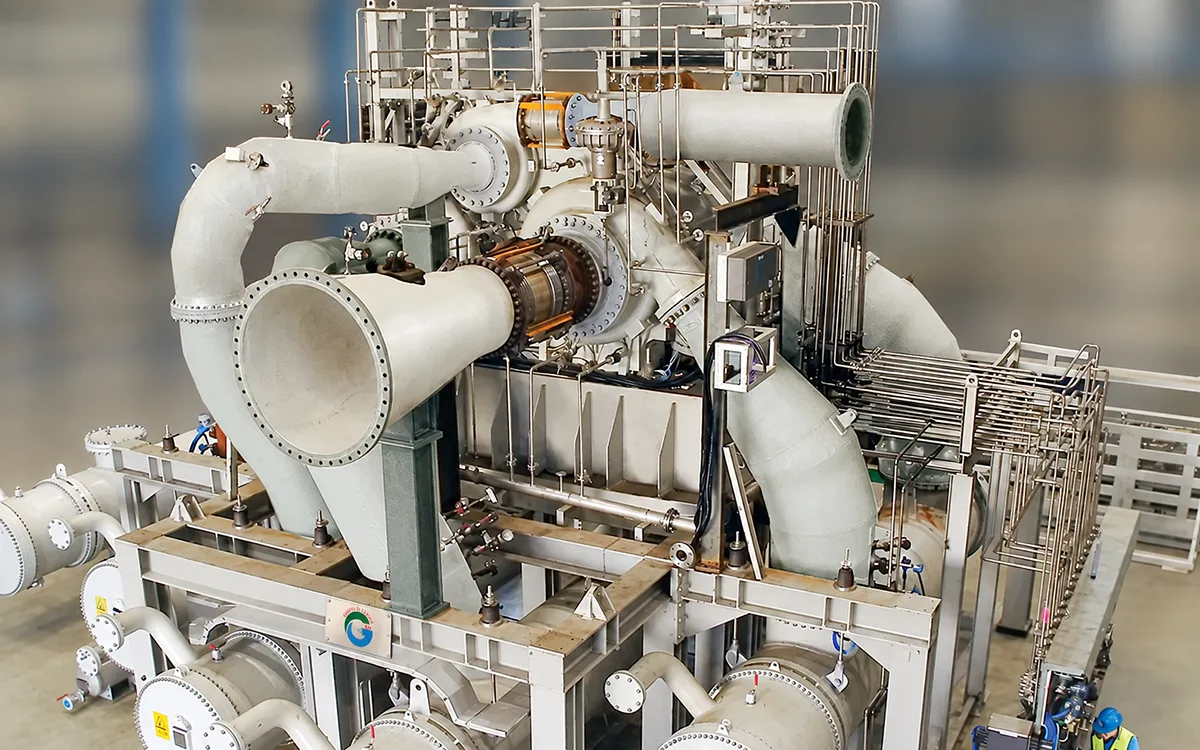
Overview
These are engineered machines rather than catalogue products. Each one is selected around a specific duty: gas composition, flow, pressure, cooling medium and site conditions.
If your requirement is a process gas duty rather than plant air, this is where it starts. Send us the process data sheet and we will come back with a selection and a budget figure.
In this range
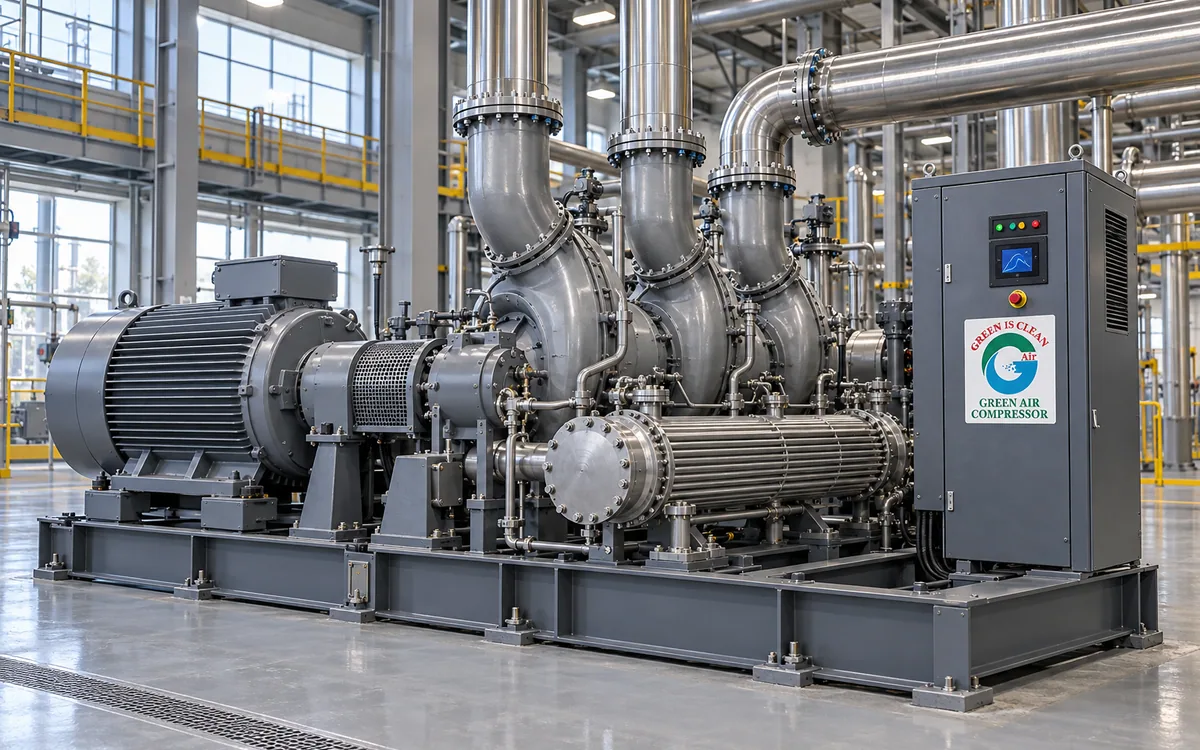
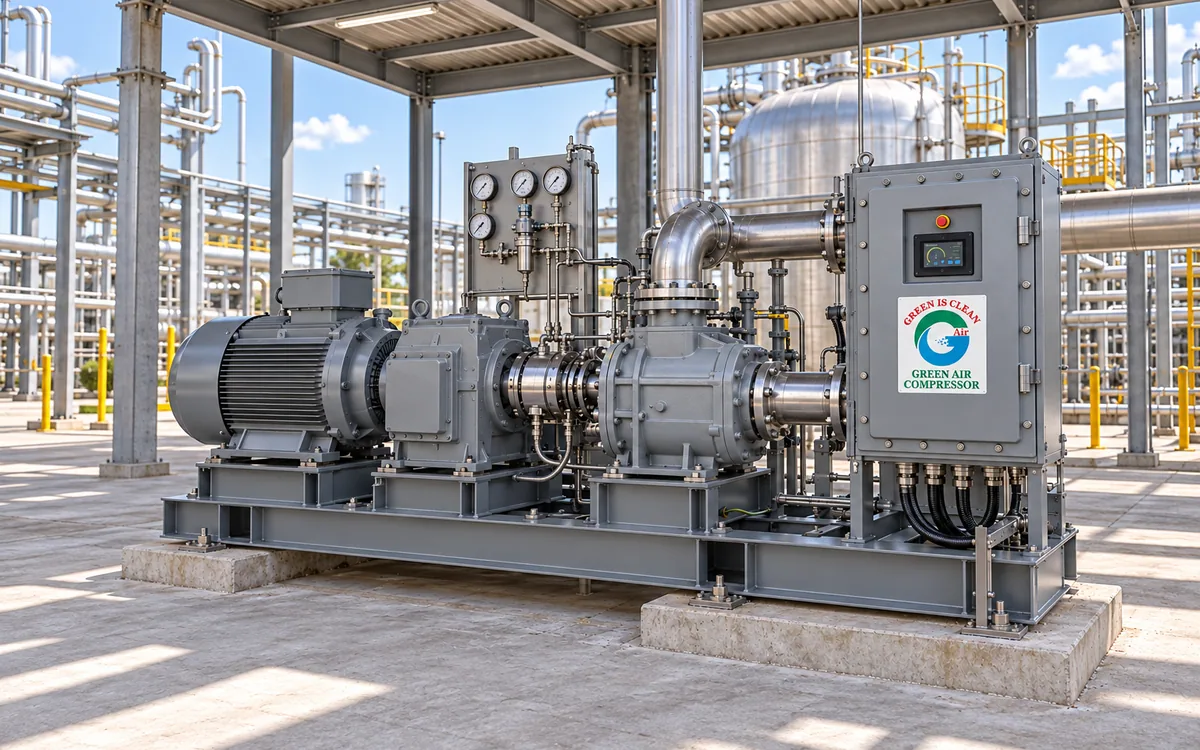
Key benefits
Specified for the named gas
Materials, seals, lubricant and containment all follow the gas rather than a standard build.
Sealing designed to the requirement
Where leakage cannot be tolerated, the shaft seal is engineered as carefully as the compression.
Approved before it is built
Drawing and specification issued for approval, so what you sign is a design.
Tested before it ships
Factory acceptance testing available, and worth doing on a critical duty.
What makes process duty different
Air is one gas and it is forgiving. Anything else is not, and the materials, seals, lubricants and containment all change with it.
Sealing is usually the engineering problem. Where leakage cannot be tolerated the shaft seal arrangement is specified as carefully as the compression itself.
Certification follows the application rather than the machine, and it has to be right before anything is built rather than sorted out afterwards.
- Materials selected for the named gas
- Sealing specified to the leakage requirement
- Lubricant compatibility assessed
- Certification agreed before build
- Screw, centrifugal and reciprocating types
- Skid mounted with full instrumentation
- Performance tested before despatch
- Interlocks with your plant designed in
How a project runs
It starts with the gas, the flow, the pressures and the temperatures, and with what happens when the process upstream or downstream misbehaves.
A general arrangement and a specification are issued for approval before anything is built, so what you approve is a design rather than an intention.
Factory acceptance testing is available and on a critical duty it is worth doing, because finding a problem in a workshop is very much cheaper than finding it on your plant.
- Gas, flow, pressures and temperatures first
- Upset conditions designed for
- Drawing and specification issued for approval
- Factory acceptance testing available
- Delivered as a tested unit
- Commissioning by our own team
- As built documentation supplied
- Spares agreed at handover
Datasheets in this range
Two pages each: what the machine is, what it is for, and the measured table. Built from this site, so a sheet can never say something the page does not.
Frequently asked questions
How is this different from a plant air compressor?
These are engineered machines selected around one specific duty (gas composition, flow, pressure, cooling medium and site conditions), rather than picked from a catalogue.
When does a centrifugal machine make sense?
Above roughly 300 kW of continuous duty. It accelerates air with a high-speed impeller rather than trapping it, and it is oil-free by design because there is no oil in the gas path.
What is an expander for?
Recovering energy wherever you currently drop gas pressure across a control valve. The shaft power drives a generator or another compressor instead of being destroyed.
How does an industrial heat pump help me?
It lifts low-grade waste heat (cooling water at 35 °C, condensate, exhaust), to a useful temperature, delivering three to five units of heat per unit of electricity.
Can you compress gases other than air?
Yes, but it is a different engineering problem. Sealing, materials, safety classification and control all change with the gas, so we specify from your gas composition.
Do you supply ATEX-classified packages?
Yes, ATEX and IECEx classified machines are available for hazardous areas: biogas, hydrogen-rich streams and petrochemical process gas.
What do you need from me to quote?
The process data sheet: gas composition, flow, inlet and outlet pressure, temperatures, cooling medium and site ambient. From that we return a selection and a budget figure.
Is the package supplied complete?
Yes, skid, cooler, separator, instrumentation and control supplied and tested as one unit, so site interfaces are minimal.
How long does this kind of project take?
Considerably longer than a catalogue compressor. Engineering, manufacture and testing all take time, so we issue a dated programme with the proposal.
Who maintains it afterwards?
Our service organisation, with the spares scaling agreed at commissioning. On engineered machines the maintenance plan is part of the design, not an afterthought.
Related products
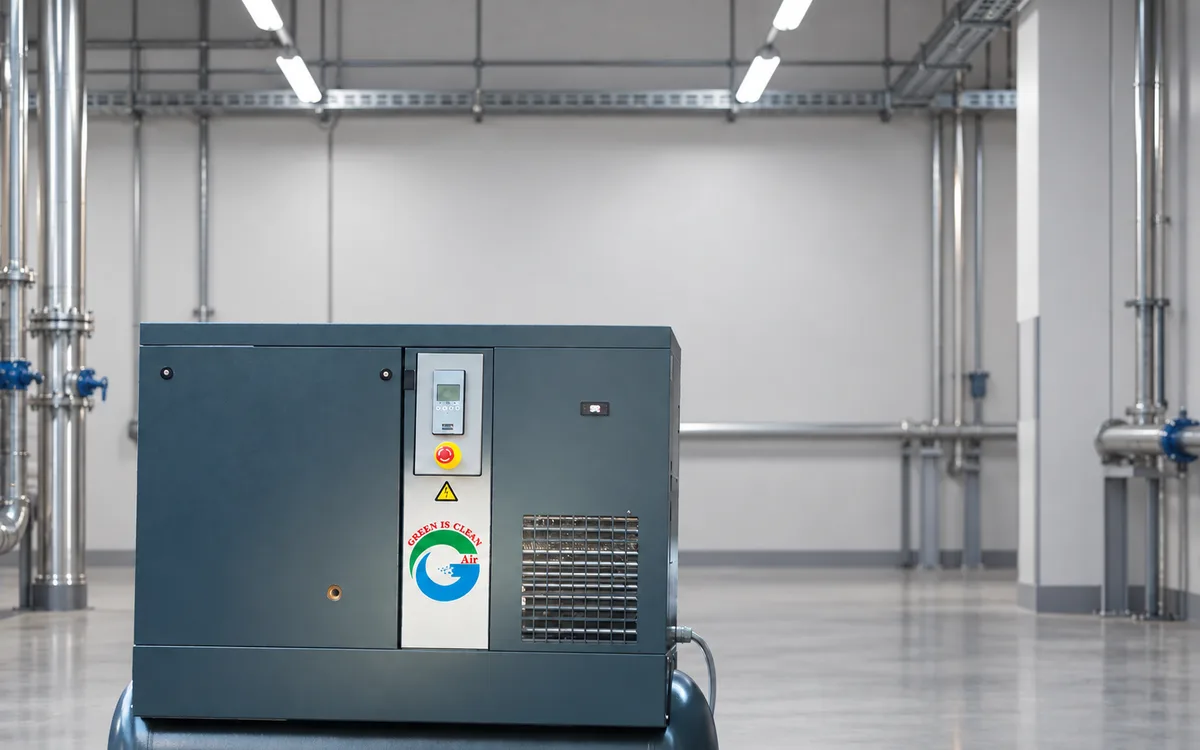
Air compressors
Rotary screw, oil-free and piston compressors from 2.2 to 355 kW.
- Free air delivery
- 0.1 – 109.0 m³/min (9 – 882 cfm)
- Working pressure
- 2 – 1,000 bar g
- Motor power
- 2 – 355 kW
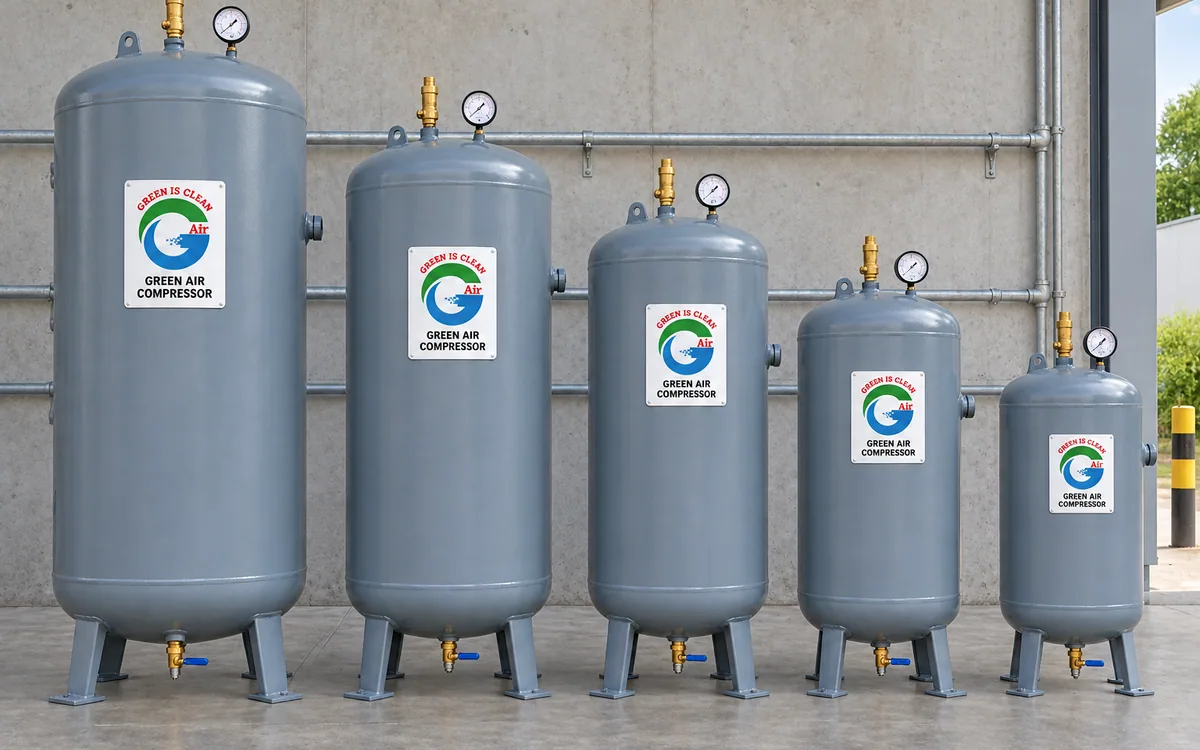
Air receivers and tanks
Storage, separation and the vessel that stops your compressor short cycling.
- Working pressure
- 1 – 13 bar g
- Weight
- 99 – 1,240 kg
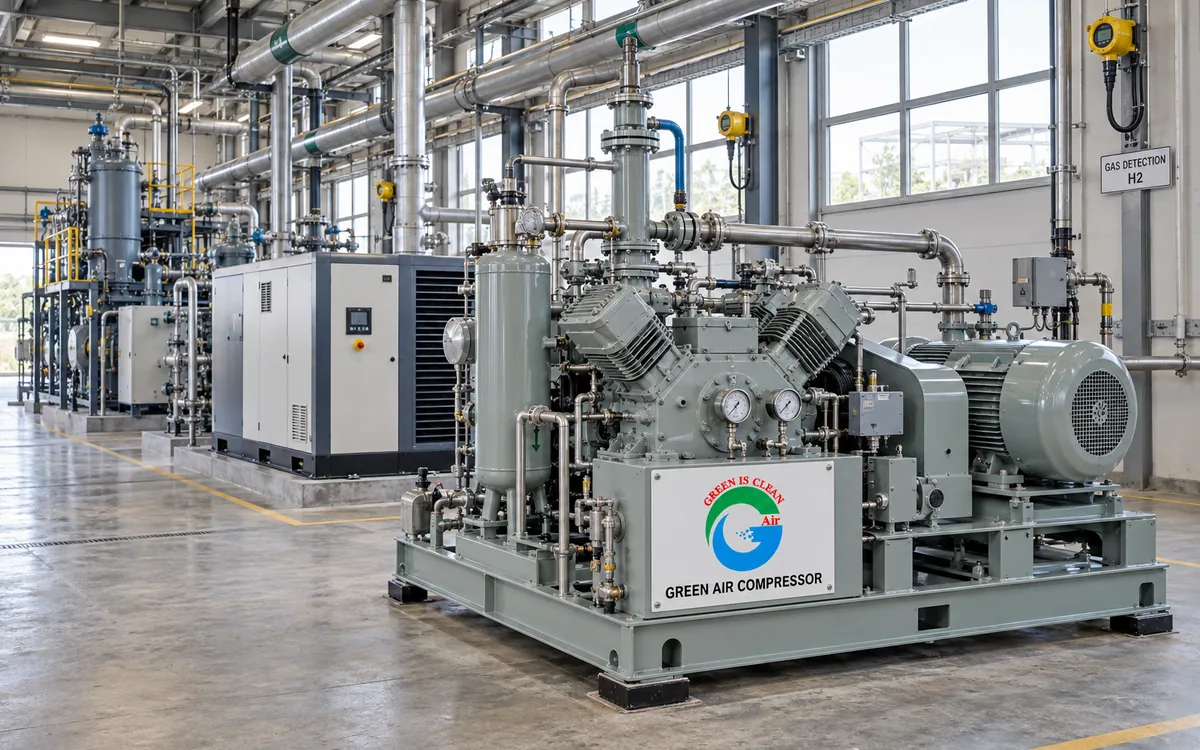
Gas compressors
Nitrogen, oxygen, biogas, LPG, natural gas, ammonia, argon and boil off gas.
- Free air delivery
- 10 – 3,500 Nm³/h
- Working pressure
- 1 – 210 bar g
- Motor power
- 4 – 250 kW
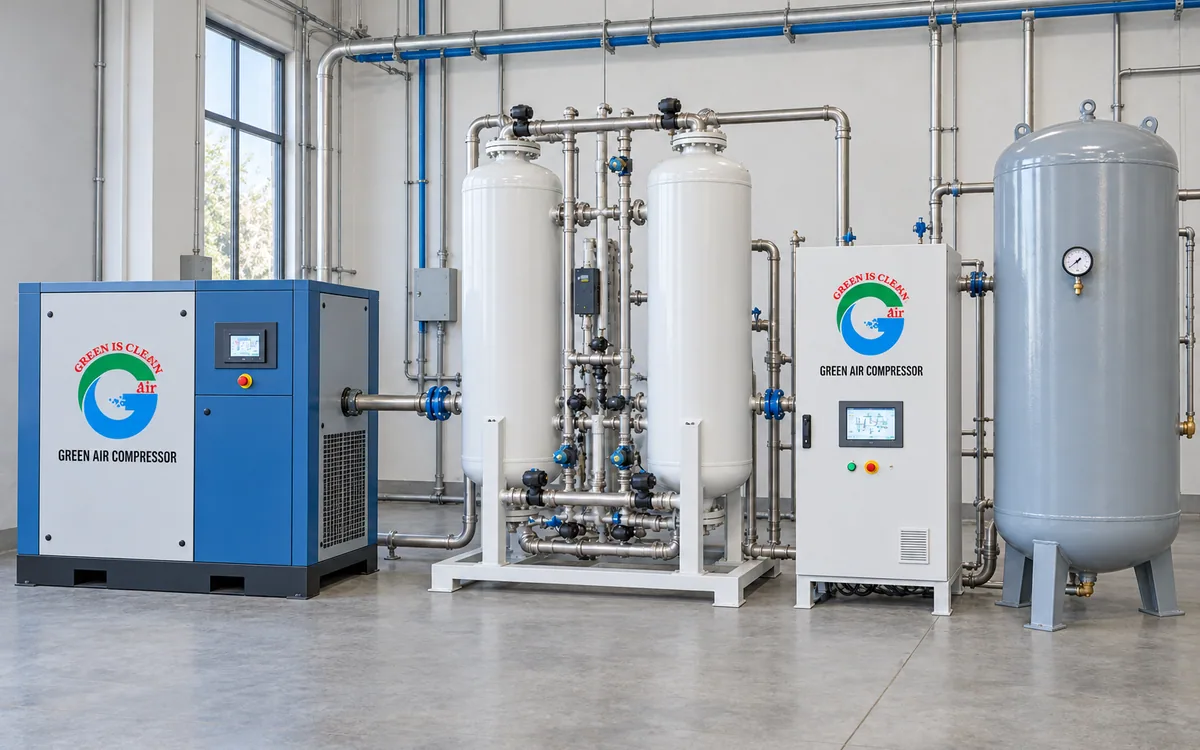
Oxygen and hydrogen generation
Making the gas on site instead of paying for cylinders and deliveries.
- Working pressure
- 4 – 5 bar g
Not sure which model you need?
Send us your air demand, working pressure and running hours. Our engineers will size the machine and send a written recommendation, no cost, no obligation.