
Condensate management
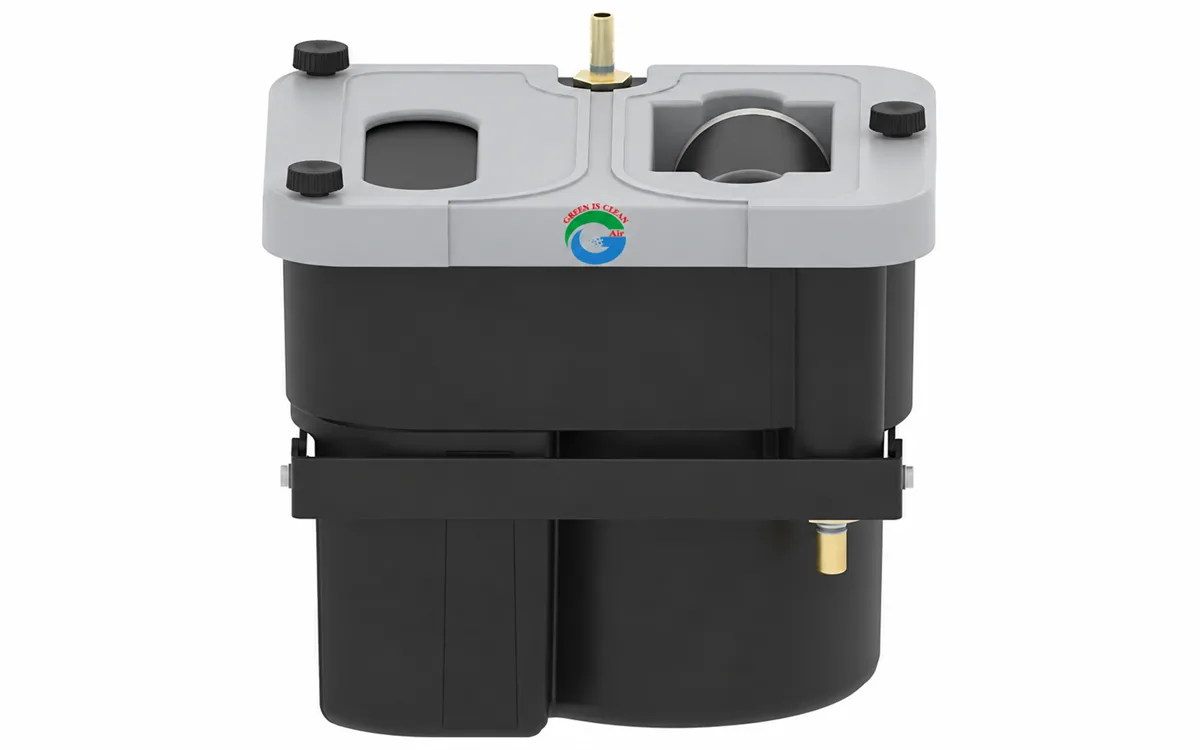
Zero-loss drains and oil-water separators for legal, clean disposal.
Overview
A 30 kW compressor in a humid climate can produce over a hundred litres of condensate a day. From a lubricated machine that liquid contains oil, and putting it down a drain is illegal in every market we operate in.
There are two parts to handling it properly: drains that remove the water without blowing away compressed air, and a separator that takes the oil out before the water is discharged.
Key benefits
Zero air loss drains
Level-sensing drains open only when there is water. A timer drain typically wastes 2 – 4% of your total compressor output.
Legal discharge
Oil-water separators bring residual oil below 10 ppm, meeting local discharge limits.
Cheap to run
Filter cartridge replacement once or twice a year, far less than tankering condensate away.
Fault alarm
Volt-free contact so a blocked drain is noticed before water reaches the ring main.
How it works
Every compressor makes water, and in a humid climate it makes a great deal of it. That water arrives carrying oil, and what leaves your site has to be clean enough to discharge legally.
A separator splits the oil from the water using a coalescing media and an adsorption stage. What comes out of it goes to drain and the oil is retained for proper disposal.
Drains are the other half. A timed drain either wastes compressed air or leaves water behind, and a zero loss drain does neither, which is why the payback on replacing timers is usually short.
- Oil water separation before discharge
- Zero loss drains instead of timed drains
- No compressed air wasted at the drain
- Discharge quality suitable for regulation
- Sized to the compressor and the humidity
- Retained oil disposed of properly
- Alarm on drain failure
- Retrofits to existing plant
Why it matters
Discharging oily condensate is an offence in most of the countries we trade in, and it is the kind of thing an inspector looks for because it is easy to find.
A timed drain on a large compressor can waste several per cent of everything the machine makes. That is a real number and it runs twenty four hours a day.
Water left in the system is worse than either. It reaches the point of use, it reaches the product, and it rusts the ring main from the inside out.
- Legal discharge in every market we serve
- Timed drains waste air continuously
- Water at the point of use ruins product
- Ring main protected from internal corrosion
- Payback usually under a year
- Sized for your climate and running hours
- Disposal of retained oil arranged
- Advice given before the quotation
Parts and service
Separator media and drain service. Both are inexpensive and both are neglected until something visible goes wrong.
Media has a capacity rather than a life. We size the interval against the oil carryover your machines actually produce, not against a general figure.
We service drains on the same visit as the compressor, and we check that they are actually operating rather than assuming it.
- Separator media changed on capacity
- Interval sized to your oil carryover
- Drains tested, not assumed
- Serviced with the compressor
- Retained oil collected for disposal
- Discharge sampling available
- Held in local stock
- Fixed price under a service plan
Frequently asked questions
How much condensate does a compressor actually make?
A 30 kW machine in a humid climate can produce over a hundred litres a day. It has to go somewhere, and in most plants nobody has decided where.
Can I just put it down the drain?
Not from a lubricated compressor. That liquid contains oil and discharging it is illegal in every market we operate in: an oil-water separator brings it below 10 ppm first.
What is wrong with a timer drain?
It opens whether there is water there or not, and every time it opens with no water it blows away compressed air. Timer drains typically waste 2–4% of a plant's total output.
What does a zero-loss drain do differently?
It senses the liquid level and opens only when there is water to remove. No air escapes, which is why it pays for itself quickly on any machine above about 15 kW.
How much does an oil-water separator cost to run?
One or two filter cartridge changes a year. That is far cheaper than tankering condensate away, which is the alternative on sites that take the rules seriously.
How do I know my drain has failed?
Water reaching the ring main is the late symptom. Fit drains with a volt-free fault contact and you find out before the water does any damage.
Where should drains be fitted?
At the aftercooler, the receiver, the dryer and every low point in the pipework. A single drain at the compressor is not enough for a distributed system.
Does an oil-free compressor still need this?
It needs drains, but not an oil-water separator. The condensate is clean water, so there is nothing to separate and nothing to declare.
Do drains need maintenance?
Yes, and they are the item most often forgotten. A blocked drain is the single most common cause of water downstream, and clearing one takes minutes.
What do the local regulations require?
Discharge limits differ by country but all of Pakistan, the UAE, Saudi Arabia, Oman and Türkiye restrict oil in effluent. We specify to the limit that applies where the machine is installed.
Related products
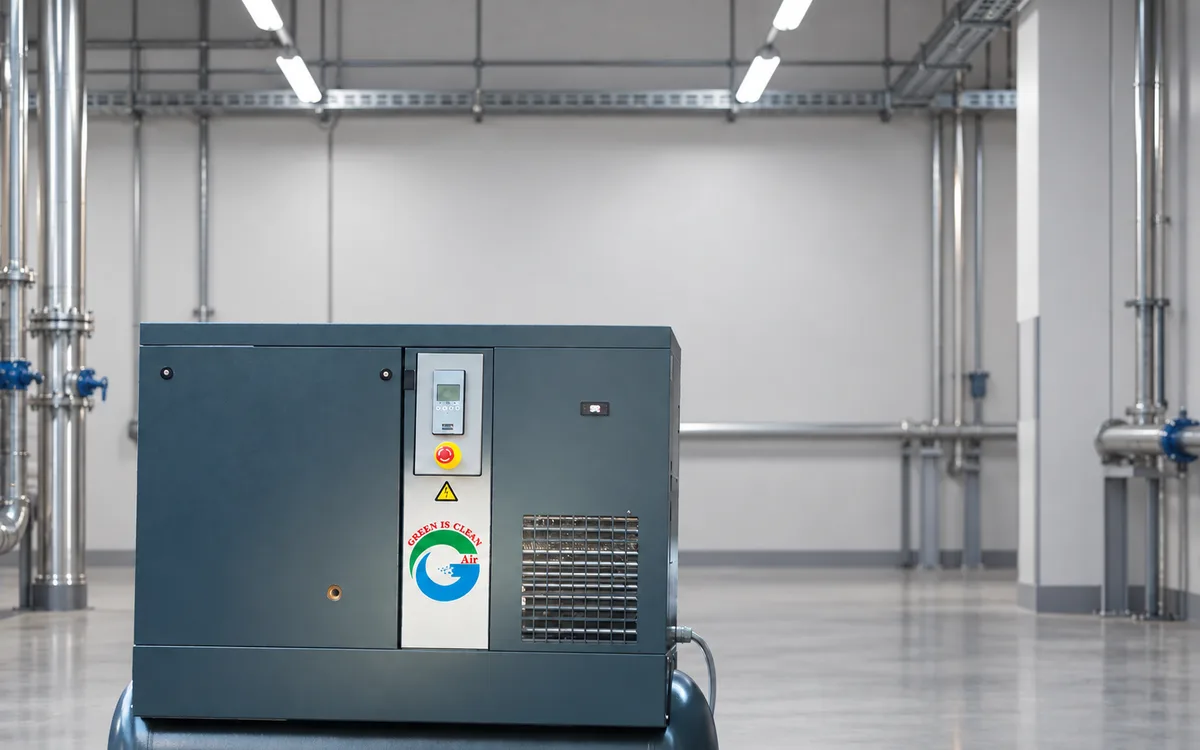
Air compressors
Rotary screw, oil-free and piston compressors from 2.2 to 355 kW.
- Free air delivery
- 0.1 – 109.0 m³/min (9 – 882 cfm)
- Working pressure
- 2 – 1,000 bar g
- Motor power
- 2 – 355 kW
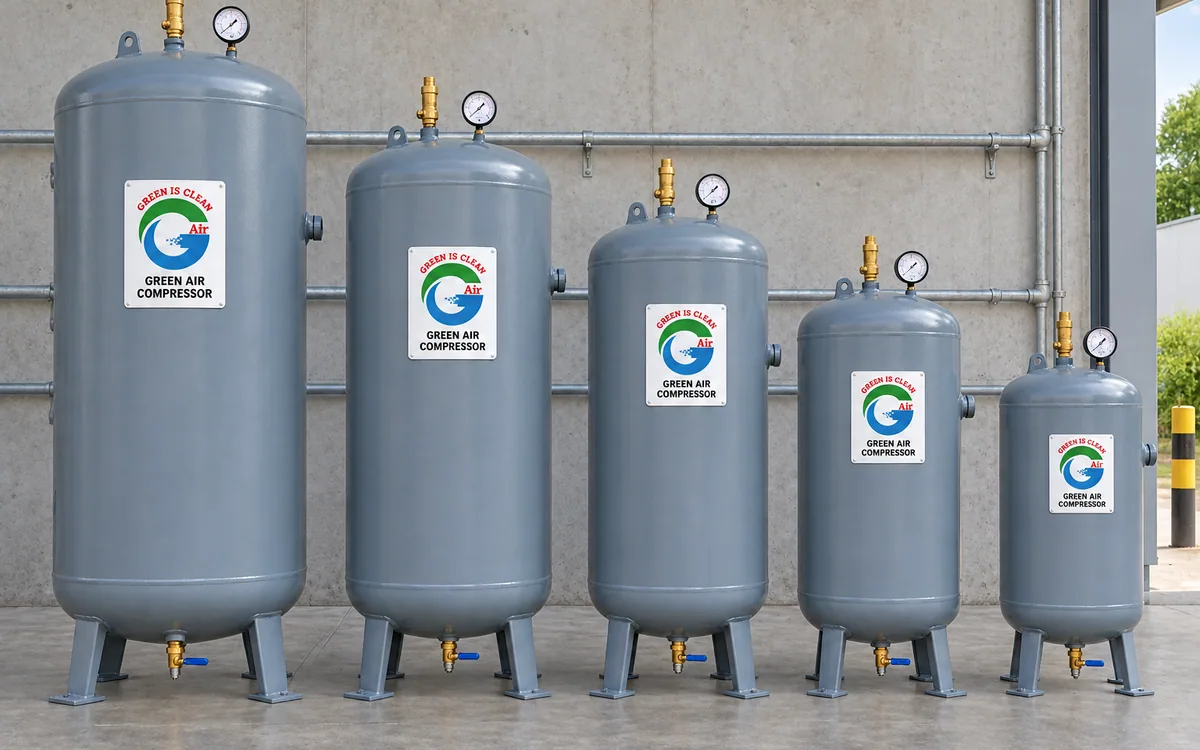
Air receivers and tanks
Storage, separation and the vessel that stops your compressor short cycling.
- Working pressure
- 1 – 13 bar g
- Weight
- 99 – 1,240 kg
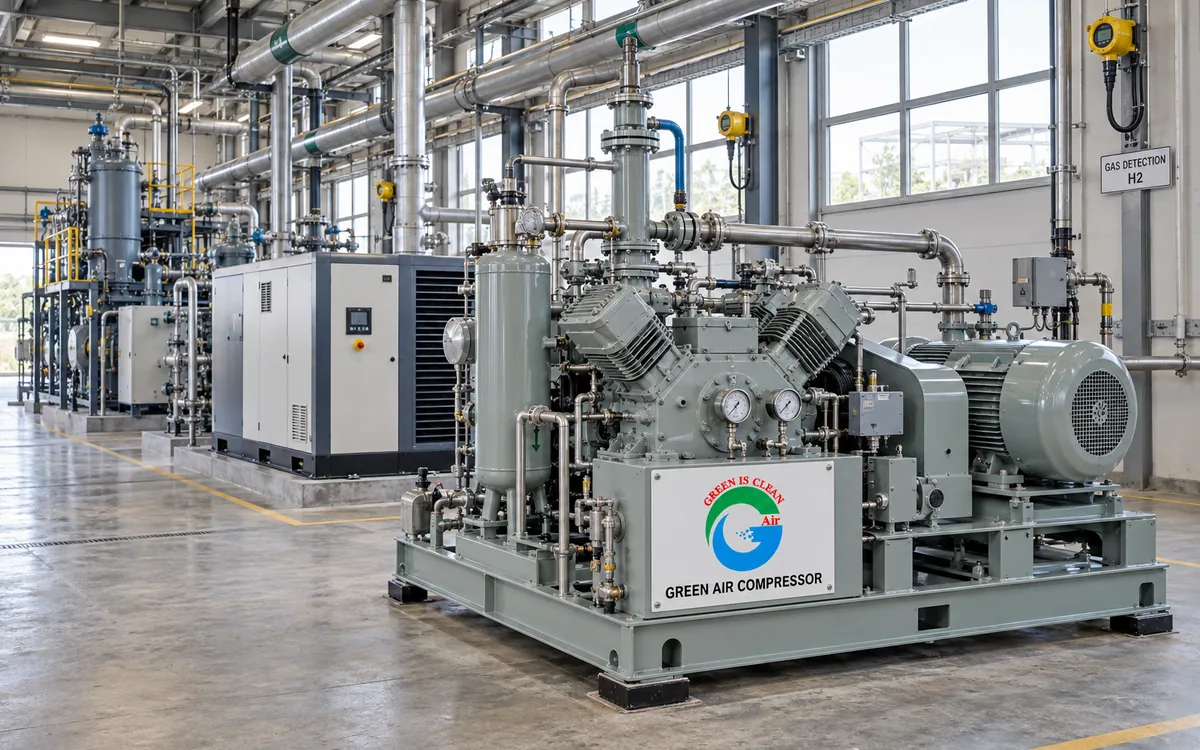
Gas compressors
Nitrogen, oxygen, biogas, LPG, natural gas, ammonia, argon and boil off gas.
- Free air delivery
- 10 – 3,500 Nm³/h
- Working pressure
- 1 – 210 bar g
- Motor power
- 4 – 250 kW
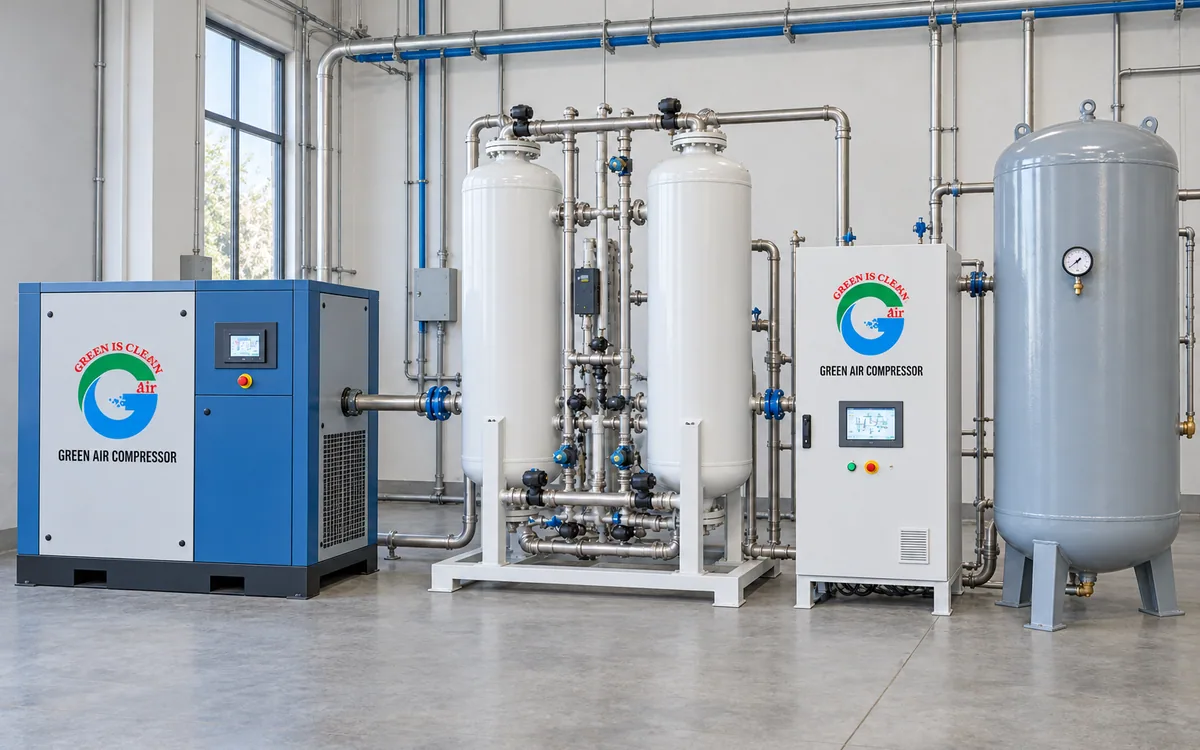
Oxygen and hydrogen generation
Making the gas on site instead of paying for cylinders and deliveries.
- Working pressure
- 4 – 5 bar g
Not sure which model you need?
Send us your air demand, working pressure and running hours. Our engineers will size the machine and send a written recommendation, no cost, no obligation.