
Air blowers
High-volume, low-pressure air for aeration and conveying.
Overview
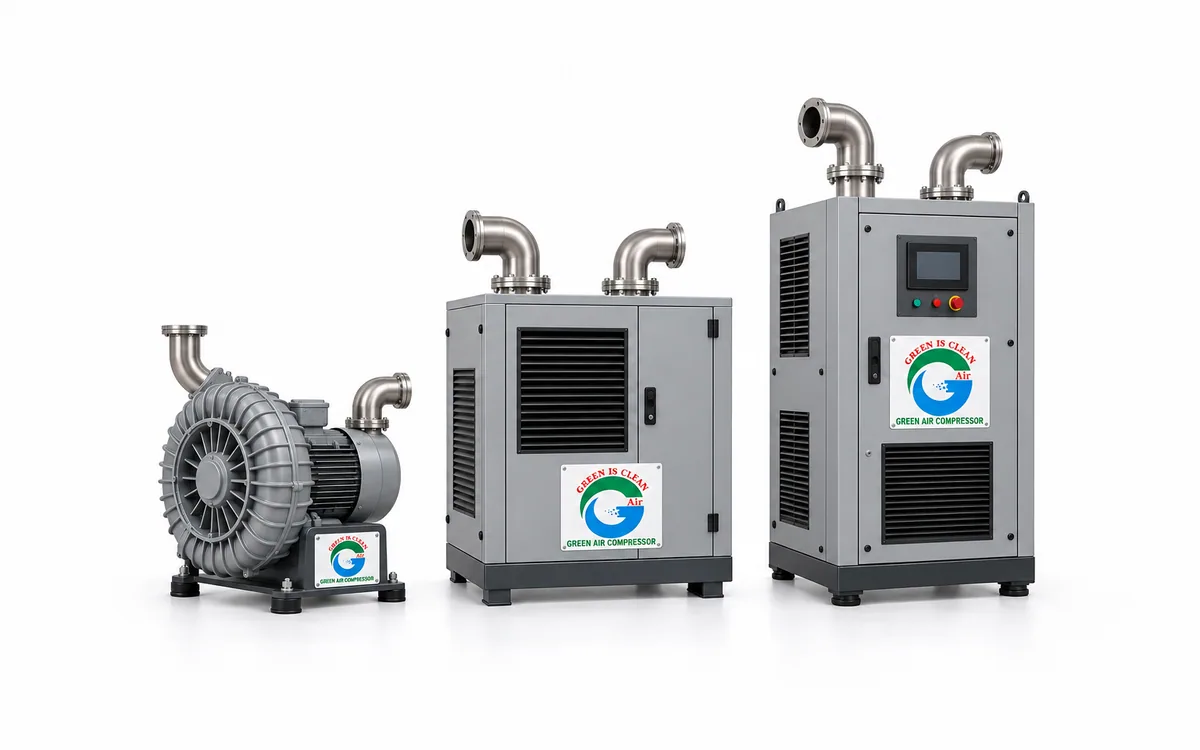
Blowers occupy the range between a fan and a compressor: large volumes at a pressure below about one bar. Wastewater aeration, pneumatic conveying and drying lines all sit here.
Using a compressor for a blower duty is one of the more expensive mistakes in industrial utilities, and it is common. If your application needs volume rather than pressure, this is the right page.
In this range
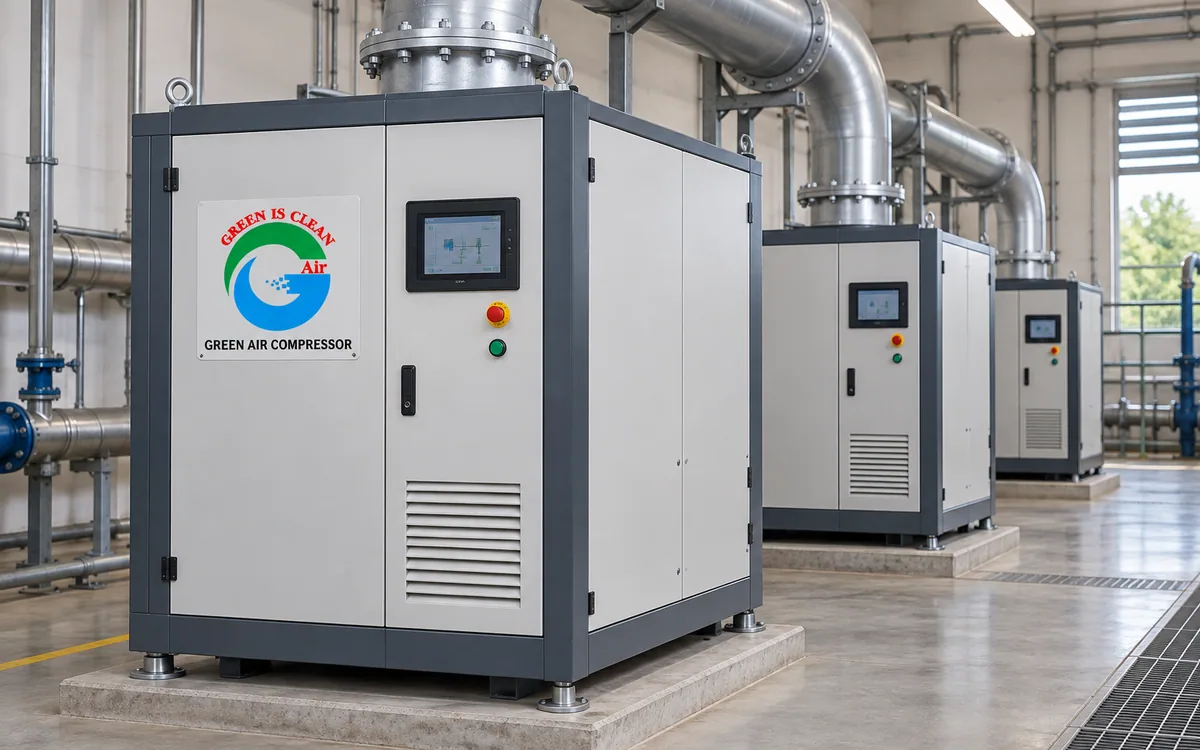
Magnetic levitation blowers
The impeller floats on a magnetic field. 37 to 350 kW, no bearings to wear.
- Free air delivery
- 25.0 – 388.0 m³/min
- Motor power
- 37 – 350 kW
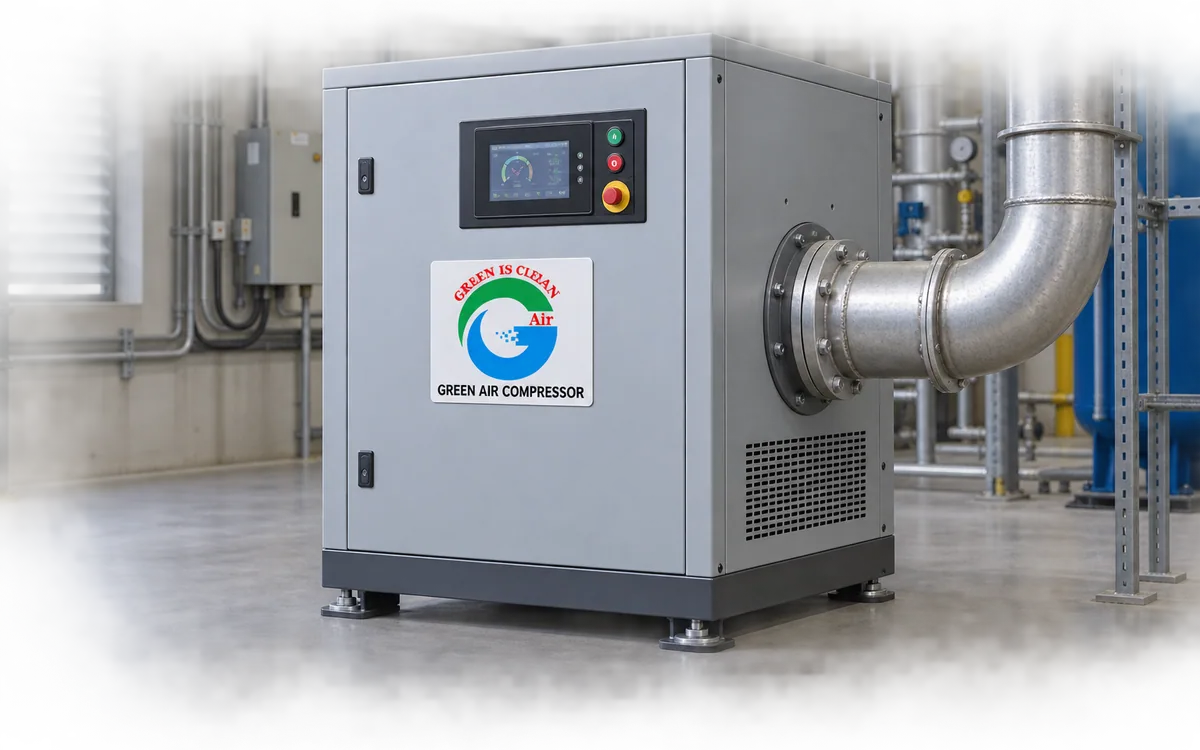
Air suspension blowers
Air bearings instead of magnetic ones. 22 to 450 kW, oil free and quiet.
- Free air delivery
- 17.0 – 418.0 m³/min
- Motor power
- 22 – 450 kW
- Weight
- 525 – 2,550 kg
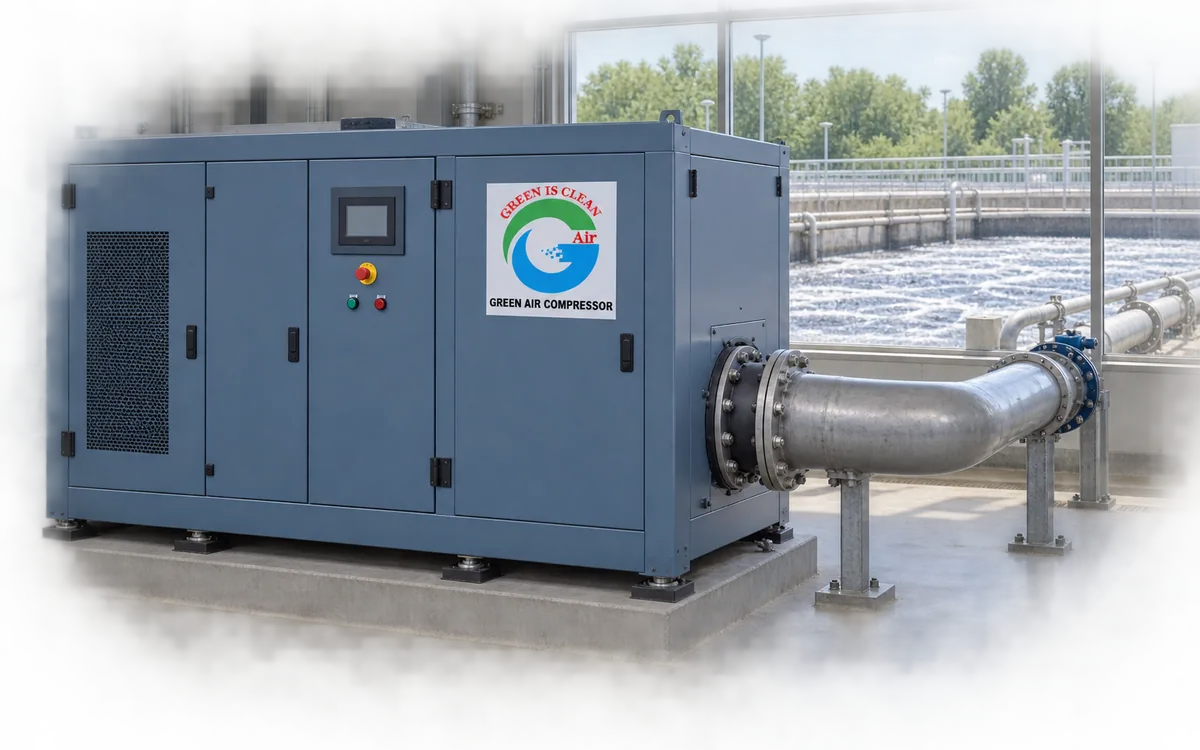
Oil free screw blowers
Screw compression at blower pressures. Up to 1.5 bar g, 22 to 180 kW.
- Free air delivery
- 15.0 – 98.0 m³/min
- Motor power
- 22 – 180 kW
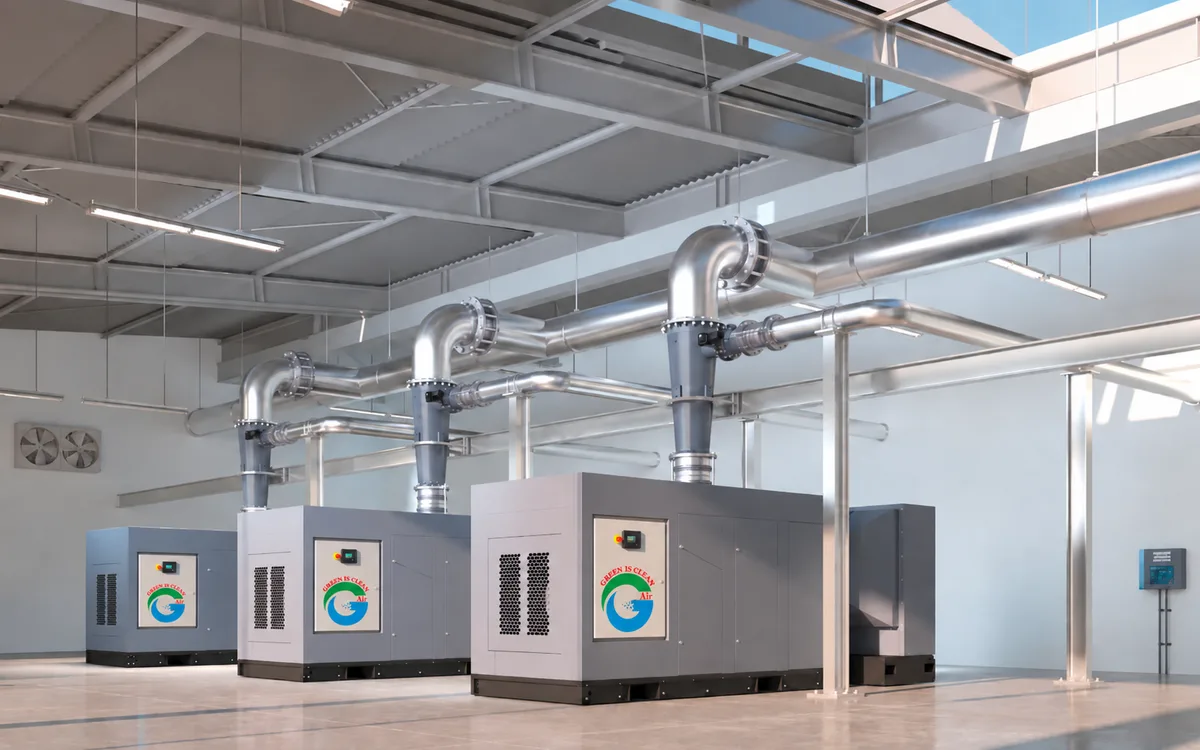
Single-stage centrifugal blowers
High-volume, low-pressure air for aeration and drying.
- Free air delivery
- 12.6 – 160.0 m³/min
- Working pressure
- 1,100 bar g
- Motor power
- 22 – 250 kW
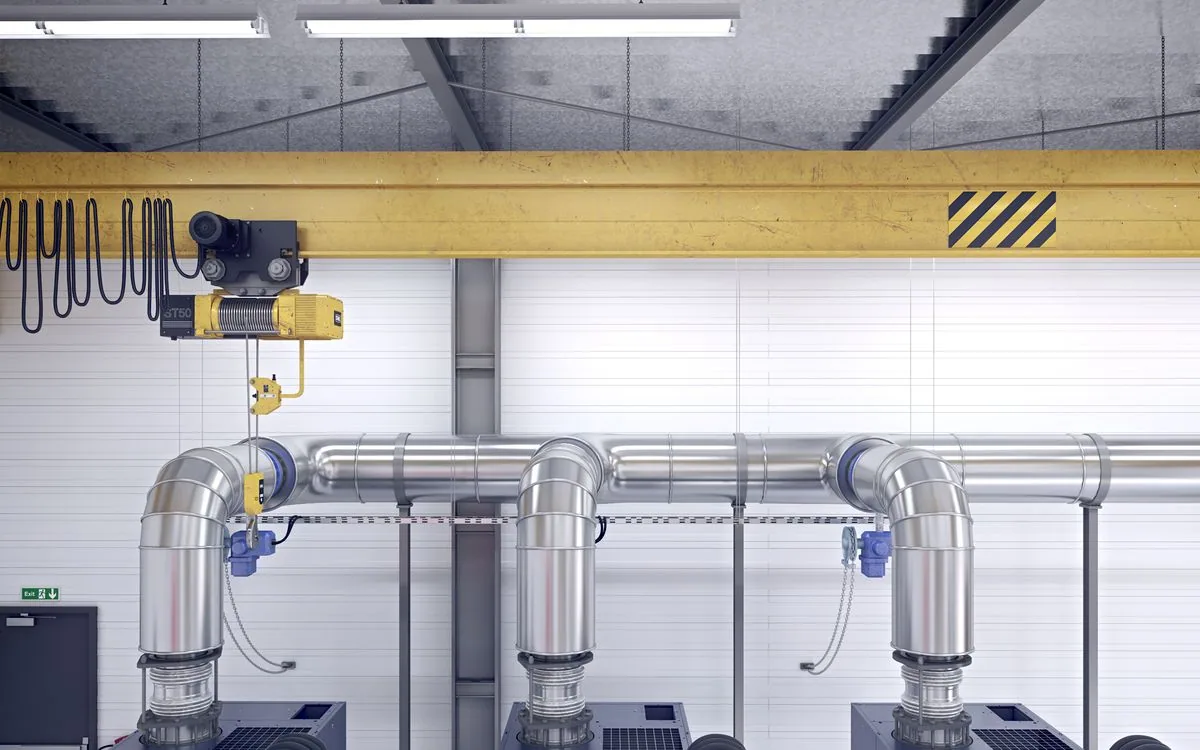
Oil-free turbo blowers with variable speed
High-efficiency turbo blowers for continuous aeration duty.
- Free air delivery
- 32.0 – 135.0 m³/min
- Working pressure
- 1 – 1 bar g
- Motor power
- 50 – 200 kW
Key benefits
The right machine for the duty
Volume at low pressure, without paying to compress air far beyond what the process needs.
Speed instead of throttling
Variable speed or guide vanes follow demand. A throttle valve simply wastes it quietly.
Specific power compared
Power per unit of air delivered, which is the only fair comparison between two blowers.
Oil free by design
No oil in the air stream and no filtration stage to pay for.
Blower or compressor
The difference is pressure. A blower moves a large volume at under about one bar and a compressor moves a smaller volume at seven or more.
Using a compressor for a blower duty is one of the more expensive mistakes in industry, because you pay to compress air far beyond what the process ever needed.
If your process wants volume at low pressure, for aeration, conveying, drying or cooling, it wants a blower.
- Blower for volume at low pressure
- Compressor for smaller volume at high pressure
- Aeration, conveying, drying and cooling
- Using a compressor here wastes a great deal
- Positive displacement or centrifugal
- Turbo blowers for continuous duty
- Variable speed follows the process
- Sized on the actual duty point
Choosing within the range
Side channel for small light duties, positive displacement for a fixed volume against a varying pressure, centrifugal and turbo for large continuous flows.
Turndown is the question that decides it on a wastewater plant. A turbo blower following a dissolved oxygen signal saves most of what a fixed speed machine throws away.
Whatever the type, avoid throttling. Speed control or guide vanes save energy and a throttle valve simply wastes it more quietly.
- Side channel for small light duties
- Positive displacement for fixed volume
- Turbo for large continuous flows
- Turndown decides it on wastewater
- Speed control rather than throttling
- Specific power compared, not just power
- Surge protection on centrifugal designs
- Sized on the actual duty point
Datasheets in this range
Two pages each: what the machine is, what it is for, and the measured table. Built from this site, so a sheet can never say something the page does not.
Frequently asked questions
What is the difference between a blower and a compressor?
Pressure. A blower moves a large volume at under about one bar. A compressor moves a smaller volume at seven or more. Using a compressor for a blower duty is one of the more expensive mistakes in industrial utilities.
How do I know which one my application needs?
If you need volume rather than pressure (aeration, conveying, drying, bottle blow-off), it is a blower duty. If you need to drive a cylinder or a tool, it is compressed air.
How much can I save by switching?
Blowing and cooling with compressed air costs roughly eight times what a blower costs to do the same job. On a continuous drying line that difference is very large.
What pressures do blowers cover?
Typically 0.3 to 1.0 bar. Above that you are into low-pressure compressor territory and the selection changes.
Why are aeration blowers such a big electrical load?
Because they run continuously and aeration is usually the largest single consumer on a wastewater plant: often more than half the site total.
Do blowers need variable speed?
On aeration, yes. Demand changes hour by hour with the incoming load, and throttling a fixed-speed blower wastes most of the potential saving.
How much maintenance do they need?
Very little on air-foil or magnetic bearing machines, no contact bearings, no gearbox on direct drive, no oil changes. Bearings are the only scheduled item.
Is the air oil-free?
On magnetic and air-foil bearing designs, yes. There is no lubricant anywhere in the air stream, which matters on food and packaging duties.
Can a turbo blower replace my existing lobe blowers?
In most retrofits yes, on the same footprint and duct connections, and usually with a substantial energy reduction.
How noisy are they?
Typically under 80 dB(A) at one metre in a standard enclosure, which is considerably quieter than the lobe blowers they usually replace.
Related products
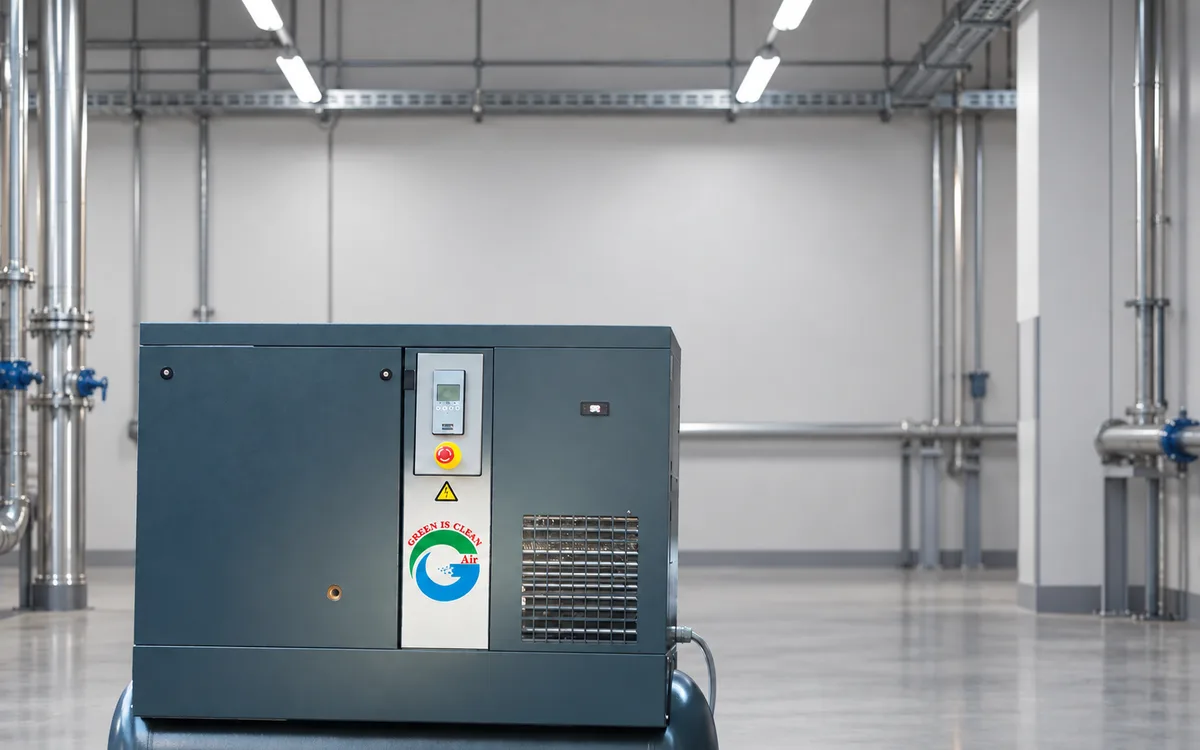
Air compressors
Rotary screw, oil-free and piston compressors from 2.2 to 355 kW.
- Free air delivery
- 0.1 – 109.0 m³/min (9 – 882 cfm)
- Working pressure
- 2 – 1,000 bar g
- Motor power
- 2 – 355 kW
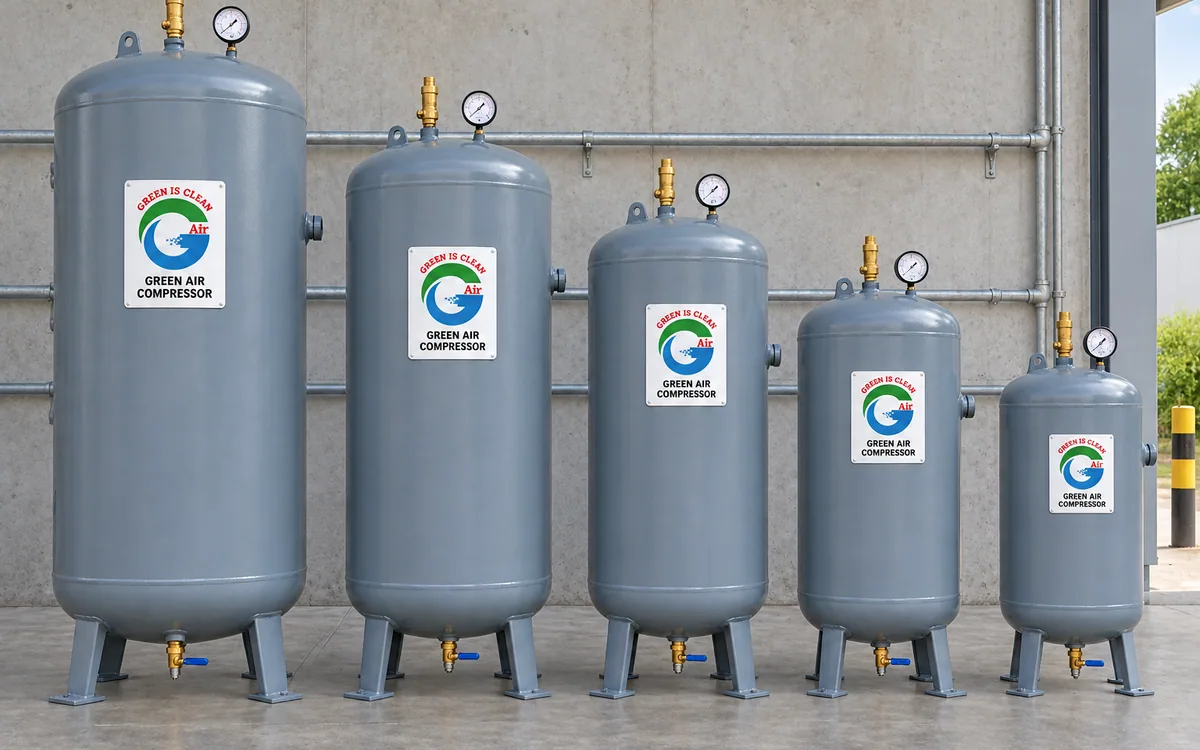
Air receivers and tanks
Storage, separation and the vessel that stops your compressor short cycling.
- Working pressure
- 1 – 13 bar g
- Weight
- 99 – 1,240 kg
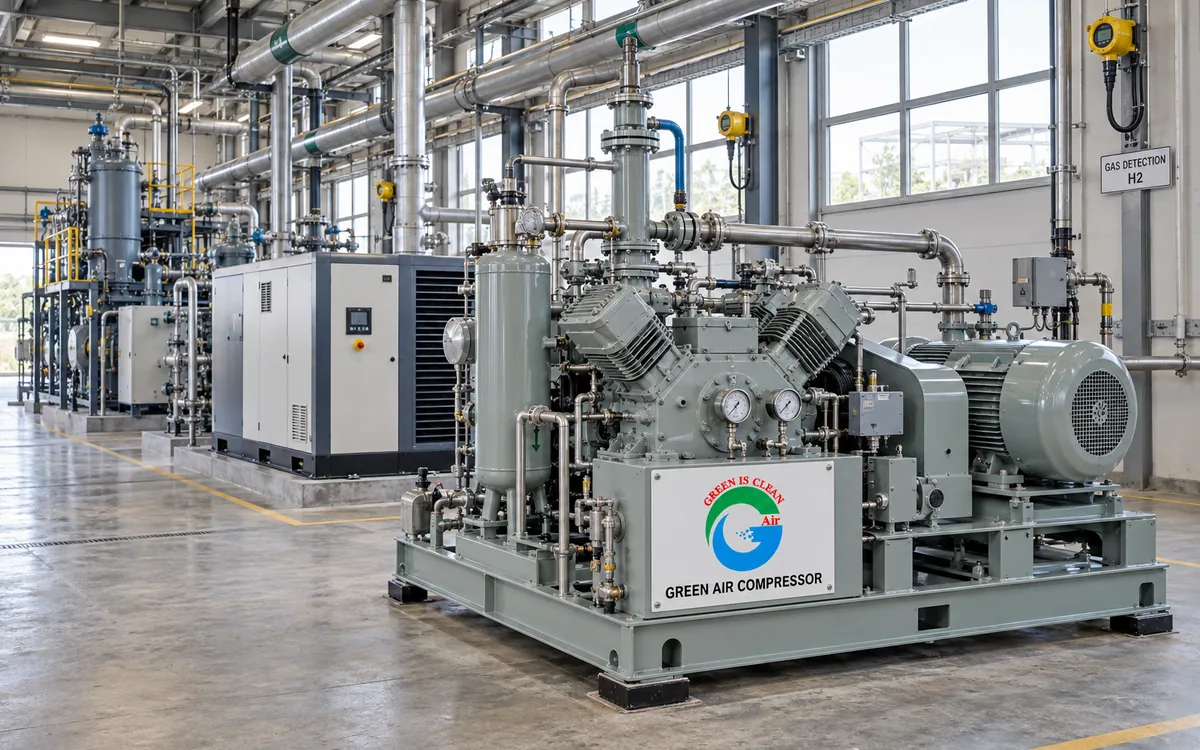
Gas compressors
Nitrogen, oxygen, biogas, LPG, natural gas, ammonia, argon and boil off gas.
- Free air delivery
- 10 – 3,500 Nm³/h
- Working pressure
- 1 – 210 bar g
- Motor power
- 4 – 250 kW
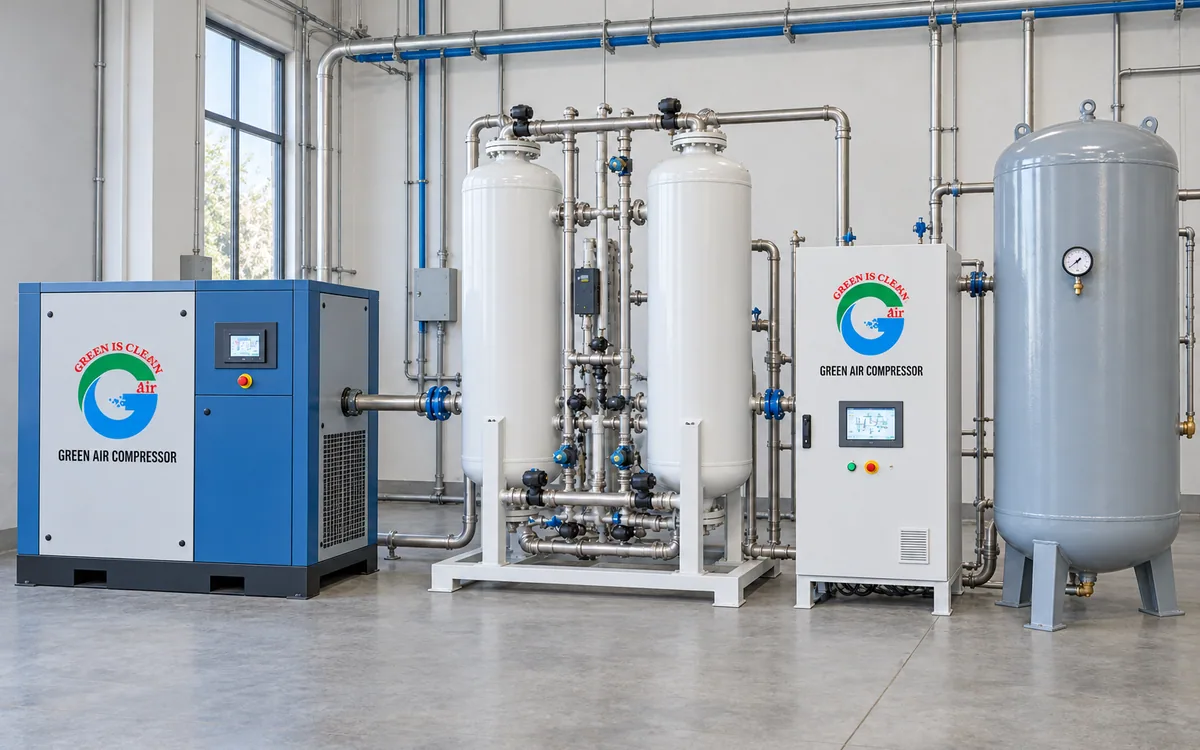
Oxygen and hydrogen generation
Making the gas on site instead of paying for cylinders and deliveries.
- Working pressure
- 4 – 5 bar g
Not sure which model you need?
Send us your air demand, working pressure and running hours. Our engineers will size the machine and send a written recommendation, no cost, no obligation.