
Oil free screw blowers
Screw compression at blower pressures. Up to 1.5 bar g, 22 to 180 kW.
Technical data
- Free air delivery
- 15.0 – 98.0 m³/min
- Motor power
- 22 – 180 kW
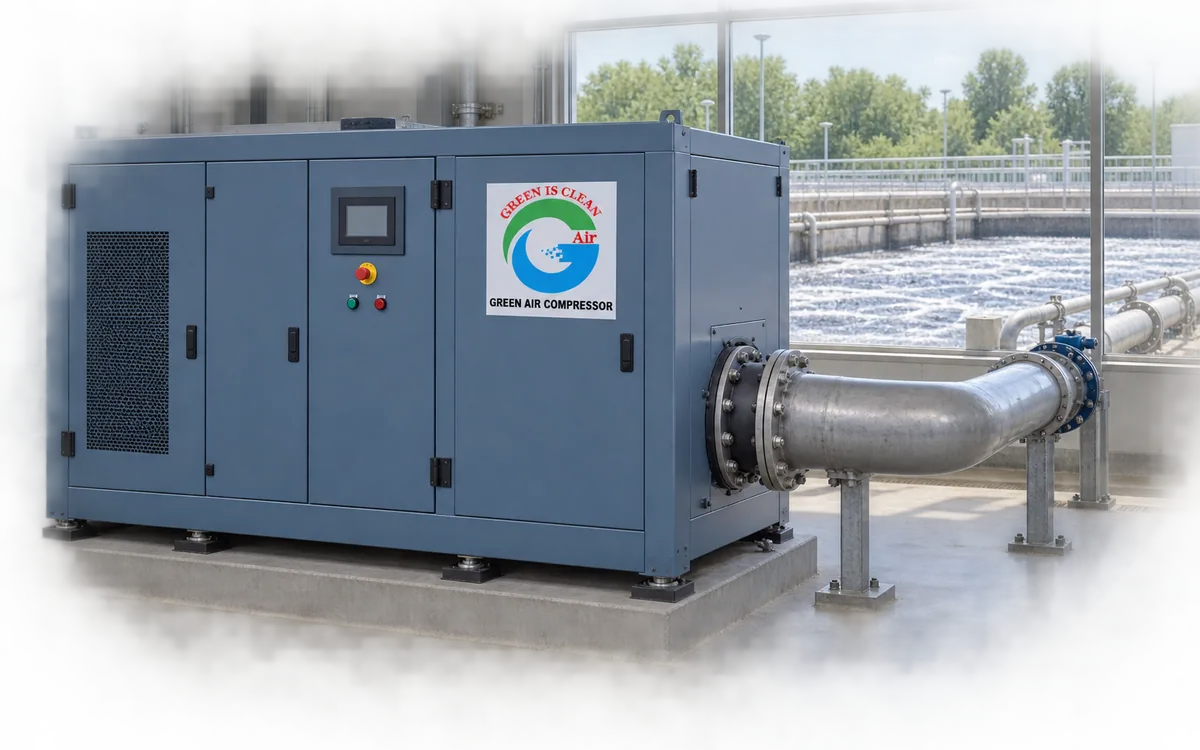
Overview
Between the pressure a roots blower is efficient at and the pressure a compressor starts at, there is a band from roughly 0.5 to 1.5 bar where neither is a good answer. A roots blower is working hard there and a compressor is barely working at all.
A screw blower fills it. It uses a screw airend with internal compression — the air is actually squeezed inside the machine rather than pushed out against the discharge — which at those pressures is twenty to thirty five per cent more efficient than a roots blower doing the same duty.
Key benefits
Twenty to thirty five per cent less energy
Against a roots blower at the same duty. Internal compression is the reason.
Oil free air path
Timed rotors that never touch. Nothing in the air to reach the process or the tank.
No pulsation
Continuous compression rather than displacement, so no pulsation dampers and no noise from them.
Up to 1.5 bar g
The band where a roots blower struggles and a compressor is oversized.
Why internal compression matters at low pressure
A roots blower does not compress air inside itself. It moves a pocket of air to the discharge and the air in the discharge line pushes back into it — the compression happens abruptly, at the outlet, and abrupt compression is inefficient and noisy.
A screw blower squeezes the air progressively as it travels along the rotors, so by the time it reaches the discharge it is already at pressure. That is smoother, quieter and measurably less work.
The higher the pressure, the bigger the difference. At 0.3 bar there is little in it. At 1.0 bar and above, the screw blower is well ahead, which is why the changeover point in most aeration plants sits around there.
- Internal compression, not displacement
- Advantage grows with pressure
- Oil free timed rotors
- No pulsation dampers needed
- Variable speed across the range
- 22 to 180 kW
Model range
- 40 kPa
- 25 m³/min
- 60 kPa
- 16 m³/min
- 80 kPa
- 15 m³/min
- 60 kPa
- 25 m³/min
- 80 kPa
- 21 m³/min
- 100 kPa
- 15 m³/min
- 40 kPa
- 36 m³/min
- 80 kPa
- 25 m³/min
- 100 kPa
- 21 m³/min
- 120 kPa
- 16 m³/min
- 150 kPa
- 15 m³/min
- 60 kPa
- 36 m³/min
- 100 kPa
- 25 m³/min
- 120 kPa
- 24 m³/min
- 40 kPa
- 58 m³/min
- 60 kPa
- 43 m³/min
- 150 kPa
- 24 m³/min
- 60 kPa
- 58 m³/min
- 80 kPa
- 49 m³/min
- 100 kPa
- 42 m³/min
- 120 kPa
- 34 m³/min
- 40 kPa
- 89 m³/min
- 60 kPa
- 76 m³/min
- 80 kPa
- 58 m³/min
- 100 kPa
- 56 m³/min
- 120 kPa
- 47 m³/min
- 150 kPa
- 34 m³/min
- 40 kPa
- 98 m³/min
- 60 kPa
- 88 m³/min
- 80 kPa
- 75 m³/min
- 100 kPa
- 64 m³/min
- 120 kPa
- 56 m³/min
- 150 kPa
- 48 m³/min
- 80 kPa
- 88 m³/min
- 100 kPa
- 75 m³/min
- 120 kPa
- 64 m³/min
- 150 kPa
- 56 m³/min
- 120 kPa
- 86 m³/min
- 150 kPa
- 63 m³/min
- 120 kPa
- 90 m³/min
Performance to ISO 1217 Annex C at 20 °C inlet, 1 bar(a). Figures are typical and subject to confirmation. Ask us for the certified test report for your selected model.
Frequently asked questions
When should I choose this over a roots blower?
Above about 0.7 bar g and on continuous duty. Below that, and on intermittent duty, a roots blower is cheaper and the energy saving will not repay the difference.
And over a magnetic levitation blower?
Screw blowers go higher in pressure; magnetic levitation machines go higher in flow at low pressure. Tell us the duty and the answer is usually clear cut.
Is it genuinely oil free?
In the air path, yes. The rotors are timed by gears which run in oil, but that oil is sealed away from the air and never reaches it.
What is internal compression?
The air is squeezed progressively along the rotors so it reaches the discharge already at pressure. A roots blower compresses abruptly at the outlet, which is inefficient and noisy.
How much energy does it save?
Twenty to thirty five per cent against a roots blower at the same duty, and the advantage grows with pressure.
Does it need pulsation dampers?
No, and that is a real saving in cost, space and noise. Compression is continuous rather than displacement, so there is no pulse to damp.
What maximum pressure does it reach?
Up to about 1.5 bar g. Above that you are into compressor territory and we would size a low pressure screw compressor instead.
Can it be variable speed?
Yes, and on a wastewater aeration duty it should be. The dissolved oxygen demand swings through the day and a fixed speed blower simply wastes the difference.
What is the routine maintenance?
Air filter, gear oil at its interval and a drive belt check where one is fitted. It is simpler than a compressor of the same power.
Can it replace a roots blower in the same footprint?
Usually, and often with a smaller machine because roots blowers are frequently installed oversized. We check the actual duty point rather than the nameplate.
Related products
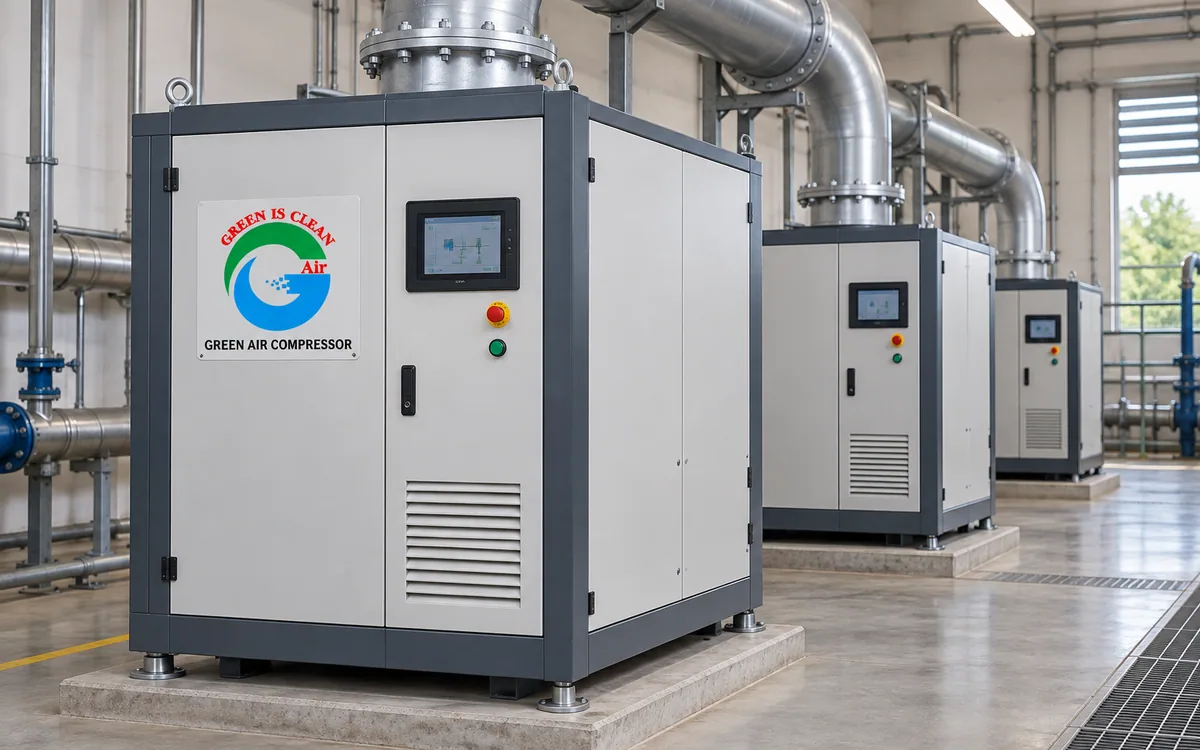
Magnetic levitation blowers
The impeller floats on a magnetic field. 37 to 350 kW, no bearings to wear.
- Free air delivery
- 25.0 – 388.0 m³/min
- Motor power
- 37 – 350 kW
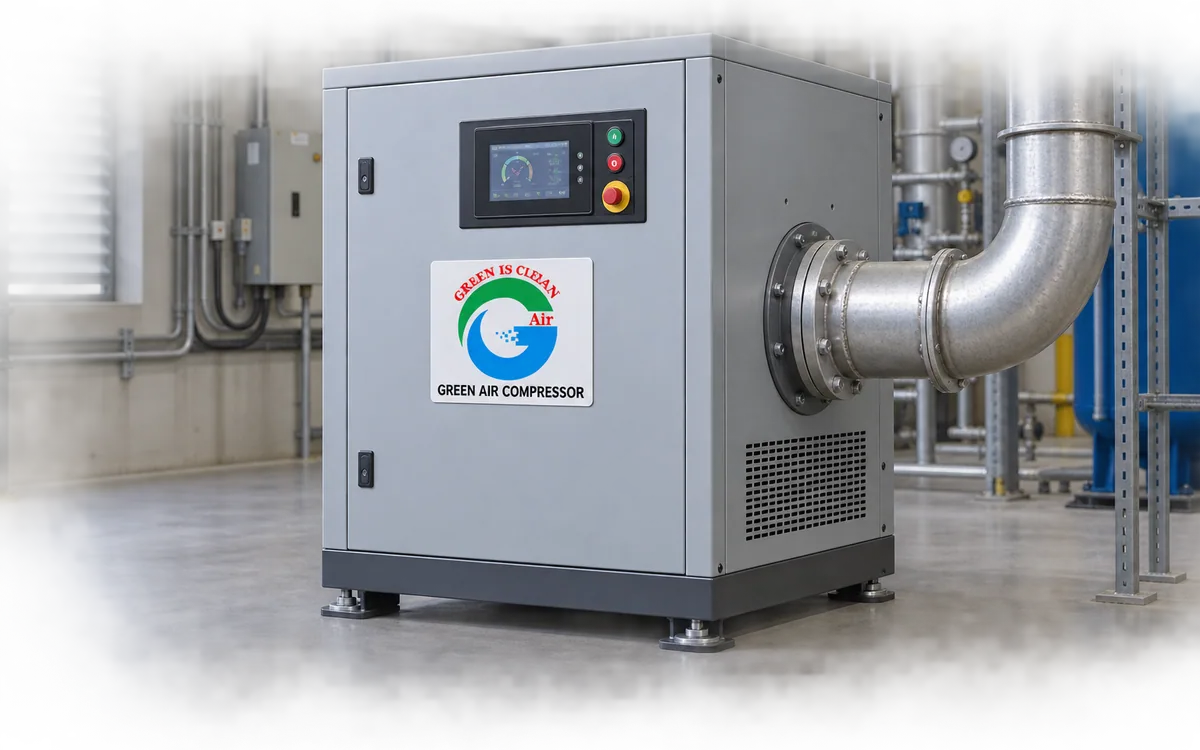
Air suspension blowers
Air bearings instead of magnetic ones. 22 to 450 kW, oil free and quiet.
- Free air delivery
- 17.0 – 418.0 m³/min
- Motor power
- 22 – 450 kW
- Weight
- 525 – 2,550 kg
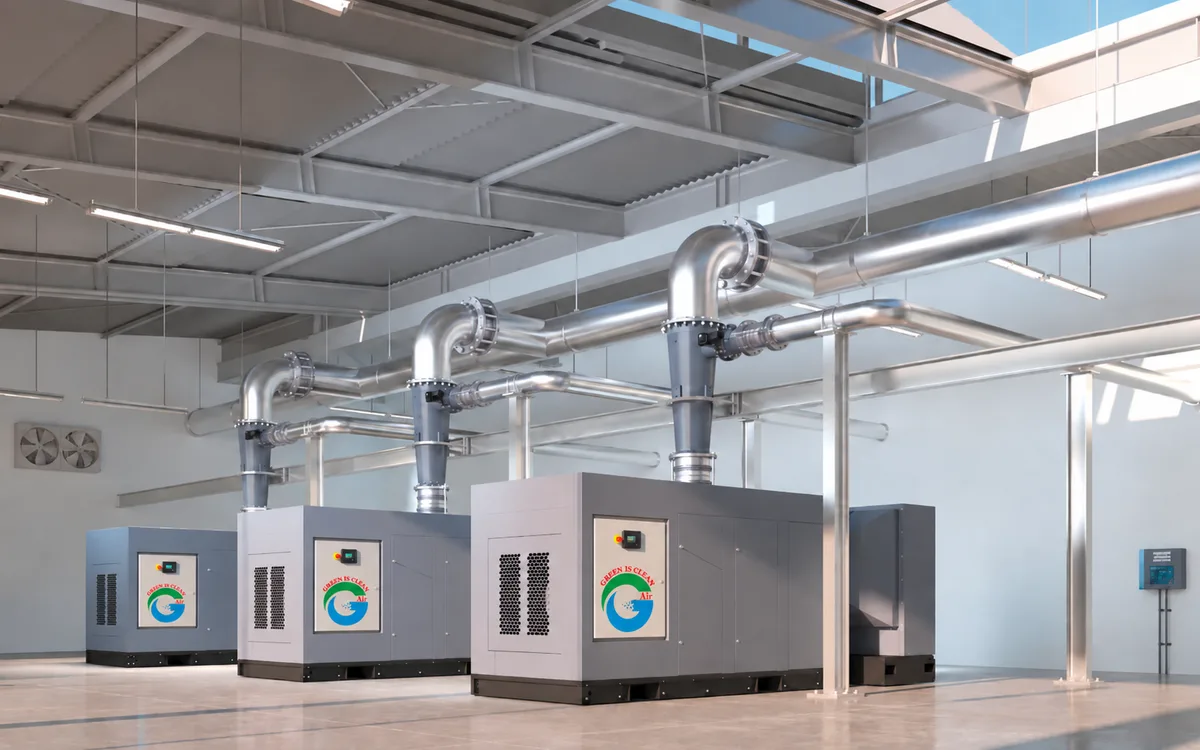
Single-stage centrifugal blowers
High-volume, low-pressure air for aeration and drying.
- Free air delivery
- 12.6 – 160.0 m³/min
- Working pressure
- 1,100 bar g
- Motor power
- 22 – 250 kW
Oil-free turbo blowers with variable speed
High-efficiency turbo blowers for continuous aeration duty.
- Free air delivery
- 32.0 – 135.0 m³/min
- Working pressure
- 1 – 1 bar g
- Motor power
- 50 – 200 kW
Not sure which model you need?
Send us your air demand, working pressure and running hours. Our engineers will size the machine and send a written recommendation, no cost, no obligation.