
Oil-sealed screw vacuum pumps
High capacity and deep vacuum for demanding chemical duty.
Technical data
- Working pressure
- 0 bar g
- Motor power
- 11 – 22 kW
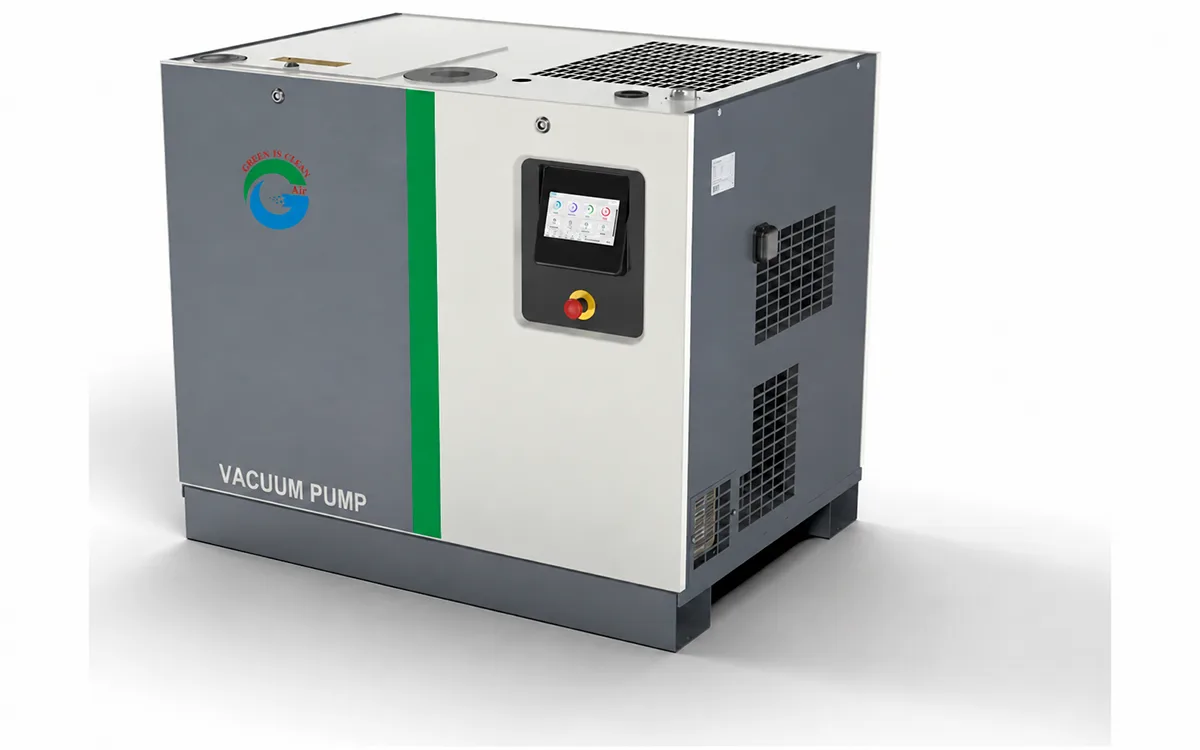
Overview
An oil-sealed screw pump combines the high throughput of a screw geometry with the sealing and cooling of an oil circuit. The result is high pumping speed at deep vacuum, in a package that is compact for its capacity.
It is chosen where a dry screw pump cannot handle the process chemistry, or where the required combination of speed and ultimate pressure is beyond a vane pump.
Key benefits
High speed, deep vacuum
Large throughput while holding a low ultimate pressure.
Oil cooling handles heat
Circulated oil removes the heat of compression on demanding continuous duties.
Chemical duty versions
Material and oil selection matched to aggressive process streams.
Compact for its capacity
Smaller footprint than an equivalent rotary piston installation.
How it is built
Screw rotors sealed and cooled by oil, which combines the vapour tolerance of a screw with the deep vacuum an oil seal gives. It is the answer on processes that are both wet and demanding.
The oil circuit is separate from the gas path far enough to keep the process clean while still doing the sealing job, and it is filtered and cooled as a system rather than as an afterthought.
These are continuous duty machines. They are specified where a plant cannot stop, and they are built and serviced on that basis.
- Screw rotors sealed and cooled by oil
- Vapour tolerance with deep vacuum
- Filtered and cooled oil circuit
- Built for continuous duty
- Corrosion resistant versions available
- Air cooled or water cooled
- Variable speed available
- Long intervals between overhauls
Controls and monitoring
Vacuum level, motor load, oil temperature, oil condition and the filter condition. On a continuous duty pump all five are trended rather than merely displayed.
Oil temperature control is what protects the pump on a condensable duty. Running warm enough to keep the process vapour from condensing is the whole trick.
Alarms on every one of those readings, with contacts for the plant system and remote monitoring as standard.
- Five readings trended, not just displayed
- Oil temperature controlled for condensable duty
- Oil and filter condition monitored
- Variable speed follows the process
- Alarms on every monitored reading
- Remote monitoring as standard
- Volt free contacts for plant alarms
- Fault history kept on the pump
Parts and service
Filters, seals and the scheduled wear items, quoted against the serial number and the process. Two identical pumps on different duties do not take the same interval.
A vacuum pump rarely fails without warning. Ultimate pressure drifting, a longer pump down time and a rising temperature all appear first, which is why those three are measured at every visit.
We test after service rather than simply finishing. The pump down curve and the ultimate pressure achieved go on the report, so you know what you have rather than what was intended.
- Filter and seal kits by interval
- Intervals set by the process, not the calendar
- Ultimate pressure tested after every service
- Pump down curve recorded
- Confirmed against your serial number
- Held in local stock
- Workshop overhaul where testing is needed
- Fixed price under a service plan
Model range
- 0.01 mbar abs
- 300 m³/h
- 0.01 mbar abs
- 750 m³/h
Performance to ISO 1217 Annex C at 20 °C inlet, 1 bar(a). Figures are typical and subject to confirmation. Ask us for the certified test report for your selected model.
Frequently asked questions
What is an oil-sealed screw vacuum pump?
A screw pump where oil seals the rotor clearances, cools the gas and lubricates: giving deeper vacuum than a dry screw of the same size.
What vacuum does it reach?
Typically down to around 0.01 mbar, with high pumping speed maintained across a wide pressure range.
Why choose it over a dry screw?
Lower purchase cost, better tolerance of some vapours, and very good pumping speed. The trade is oil management and exhaust filtration.
Where is it commonly used?
Large chamber evacuation, industrial drying, degassing and processes where high throughput matters more than absolute cleanliness.
How is the oil handled?
Circulated, filtered, cooled and separated from the exhaust. Oil condition monitoring is the single most useful thing you can do for one of these.
Does it need an exhaust filter?
Yes, always. Oil mist in the exhaust is both an environmental issue and a loss of the oil you paid for.
Can it handle condensables?
Some, with gas ballast and correct oil temperature. Heavy condensable loads still need a condenser or knockout ahead of the pump.
What maintenance does it need?
Oil and filter changes, separator elements, seals and bearings on schedule. It is more like servicing a screw compressor than a small vacuum pump.
How does the cost compare with dry screw?
Cheaper to buy, more to run once oil, filters and disposal are counted. Over five to ten years the gap narrows considerably.
Which should we specify?
Depends on the process. If contamination is not a concern and throughput is, this is often the better value, and we will show the comparison.
Related products
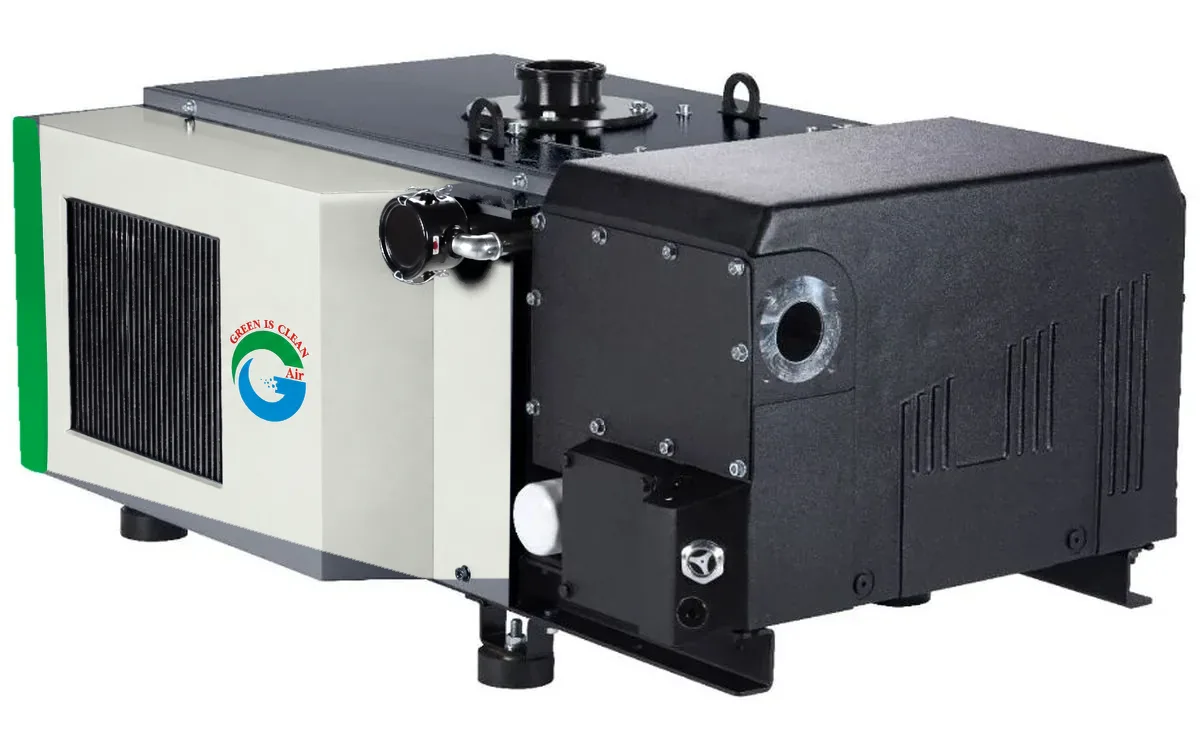
Oil-sealed rotary vane pumps
The workhorse vacuum pump, deep vacuum at low cost.
- Working pressure
- 1 bar g
- Motor power
- 8 – 19 kW
- Weight
- 385 – 1,000 kg
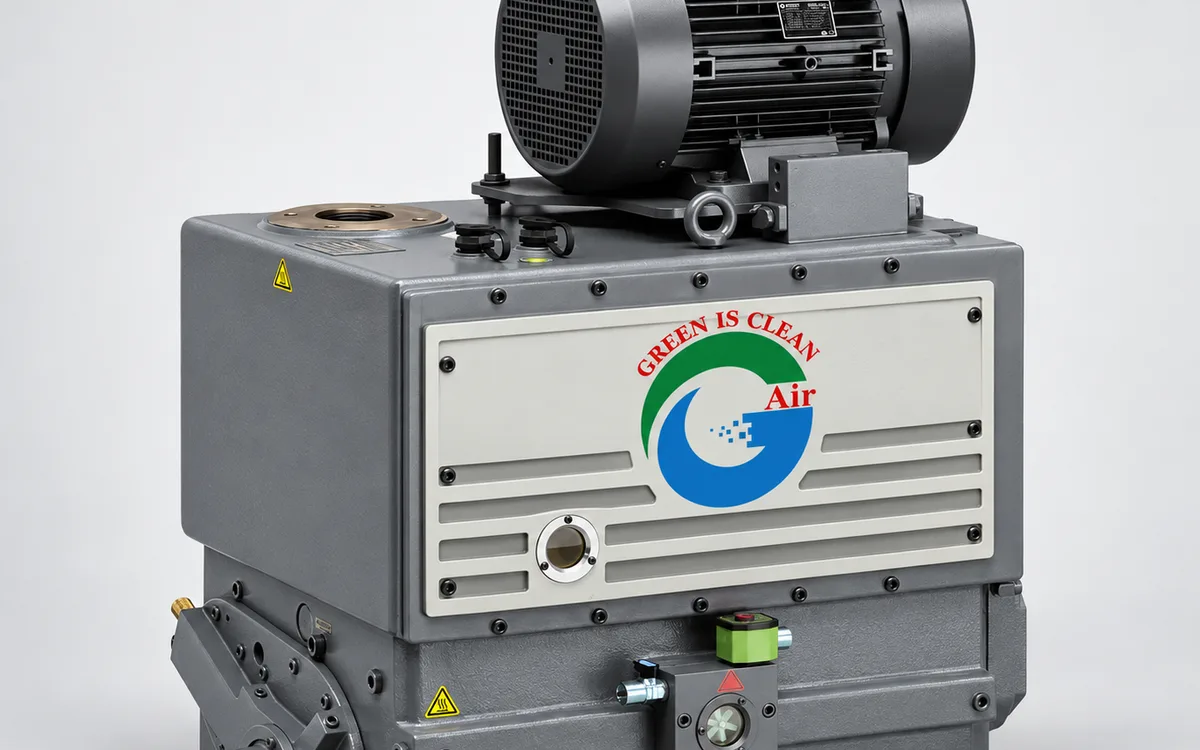
Oil-sealed rotary piston pumps
Heavy, tolerant pumps for dirty and demanding process duty.
- Working pressure
- 10 – 1,000 bar g
- Motor power
- 3 – 90 kW
- Weight
- 180 – 1,053 kg
Not sure which model you need?
Send us your air demand, working pressure and running hours. Our engineers will size the machine and send a written recommendation, no cost, no obligation.