
Industrial manufacturing
General factory air, specified from measurement rather than habit.
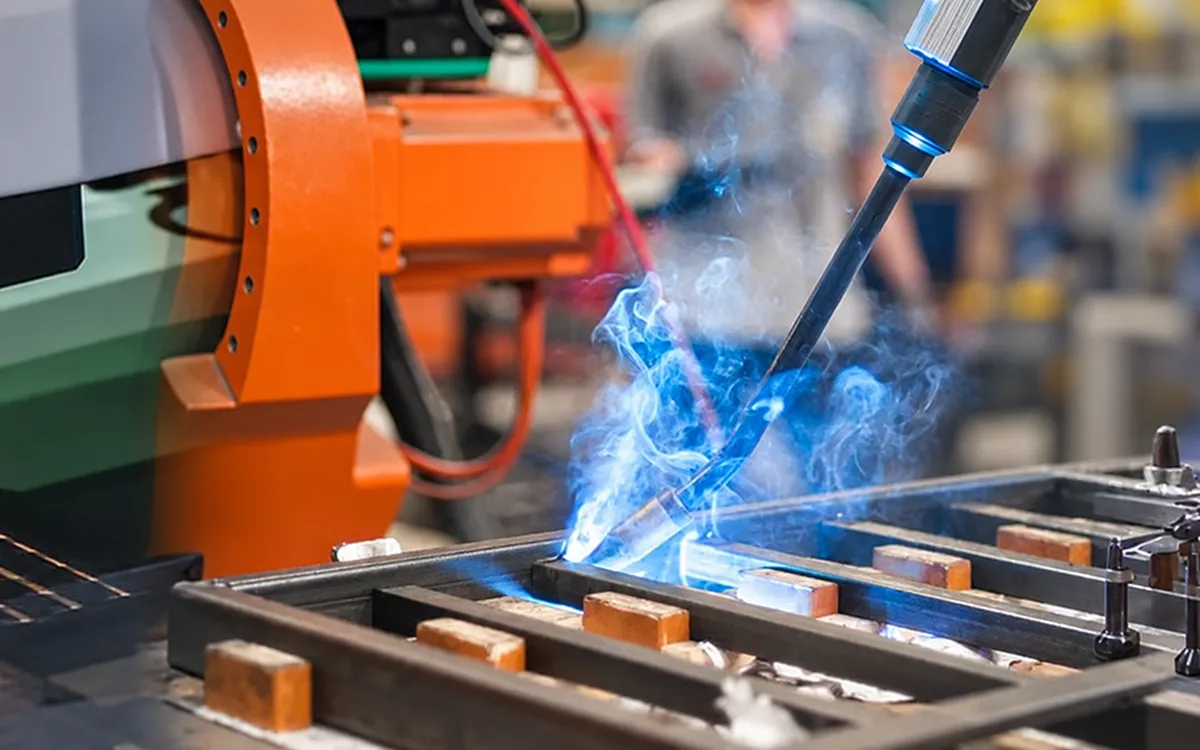
What we supply for this industry
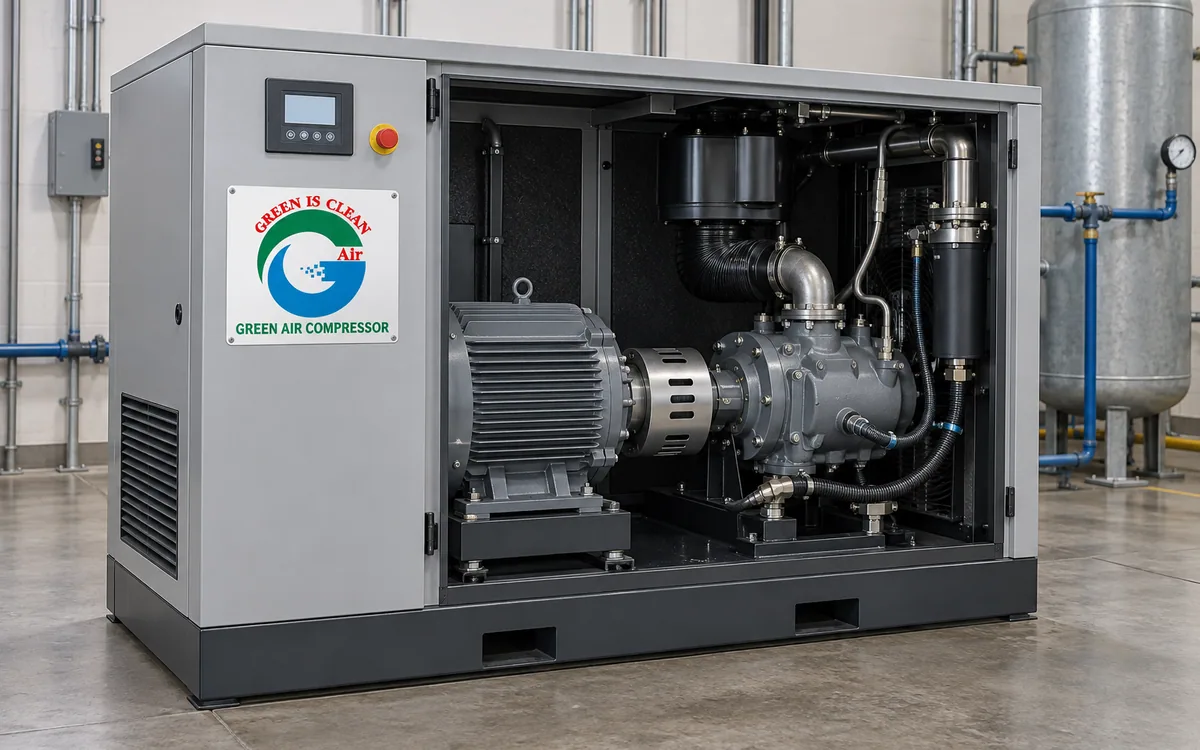
Direct driven screw compressors
Motor coupled straight to the airend. 55 to 250 kW, nothing to slip.
- Free air delivery
- 7.8 – 43.0 m³/min
- Working pressure
- 7 – 13 bar g
- Motor power
- 55 – 250 kW
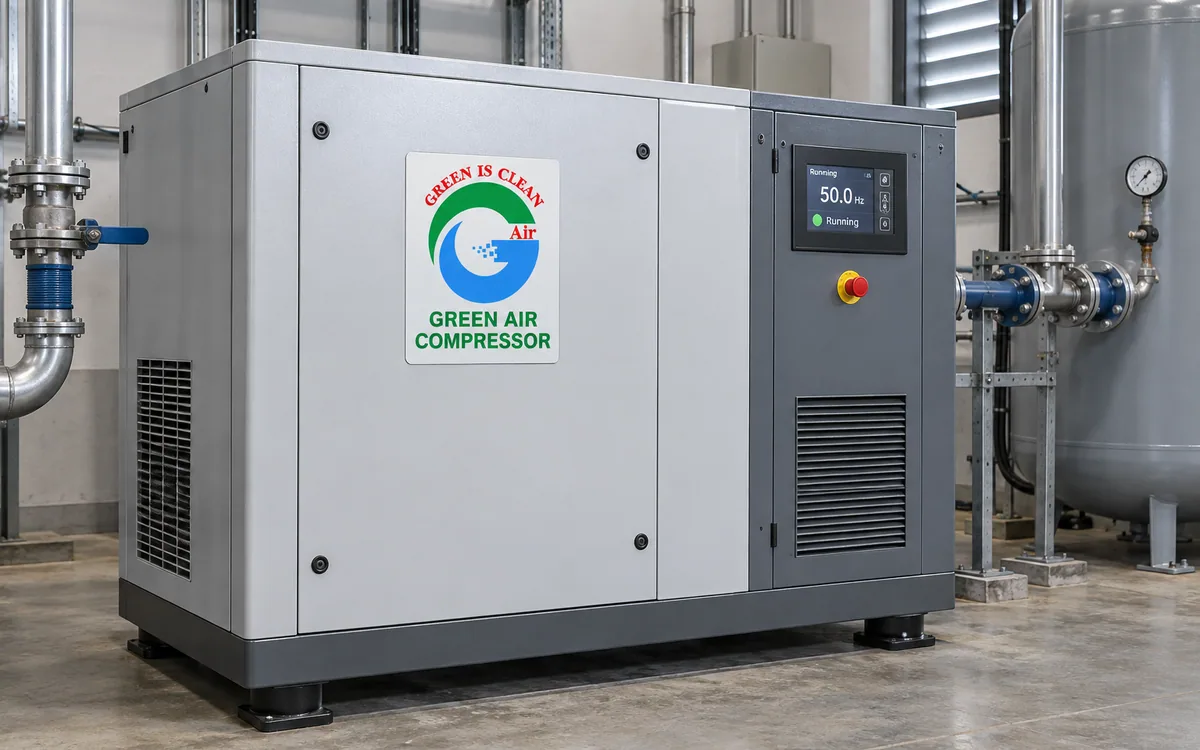
Variable speed screw compressors
The motor follows the demand. 7.5 to 280 kW, 8 to 13 bar g.
- Free air delivery
- 0.3 – 50.0 m³/min
- Working pressure
- 8 – 13 bar g
- Motor power
- 8 – 280 kW
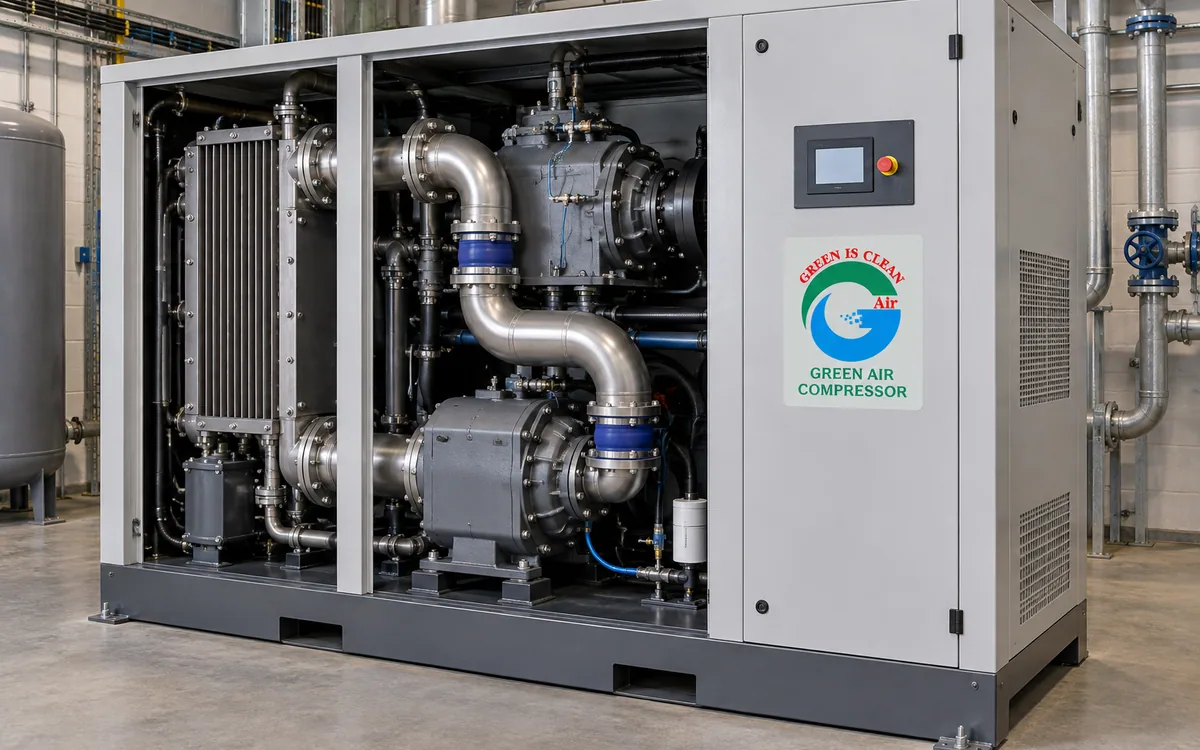
Two stage screw compressors
Compression in two steps. 45 to 500 hp, 4.5 to 12.5 bar g.
- Free air delivery
- 6.6 – 101.3 m³/min
- Working pressure
- 5 – 13 bar g
- Motor power
- 45 – 355 kW
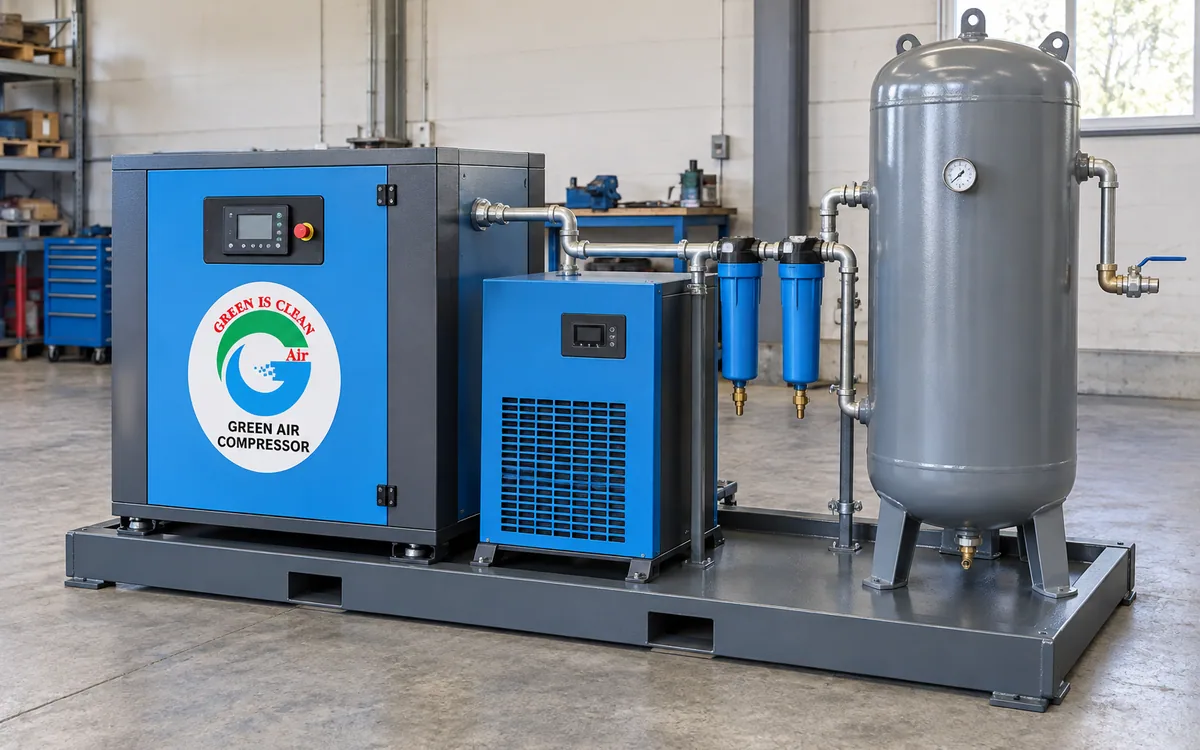
Packaged and integrated air stations
Compressor, dryer, filters and receiver supplied as one item.
- Free air delivery
- 0.3 – 25.0 m³/min (9 – 64 cfm)
- Working pressure
- 7 – 30 bar g
- Motor power
- 4 – 250 kW
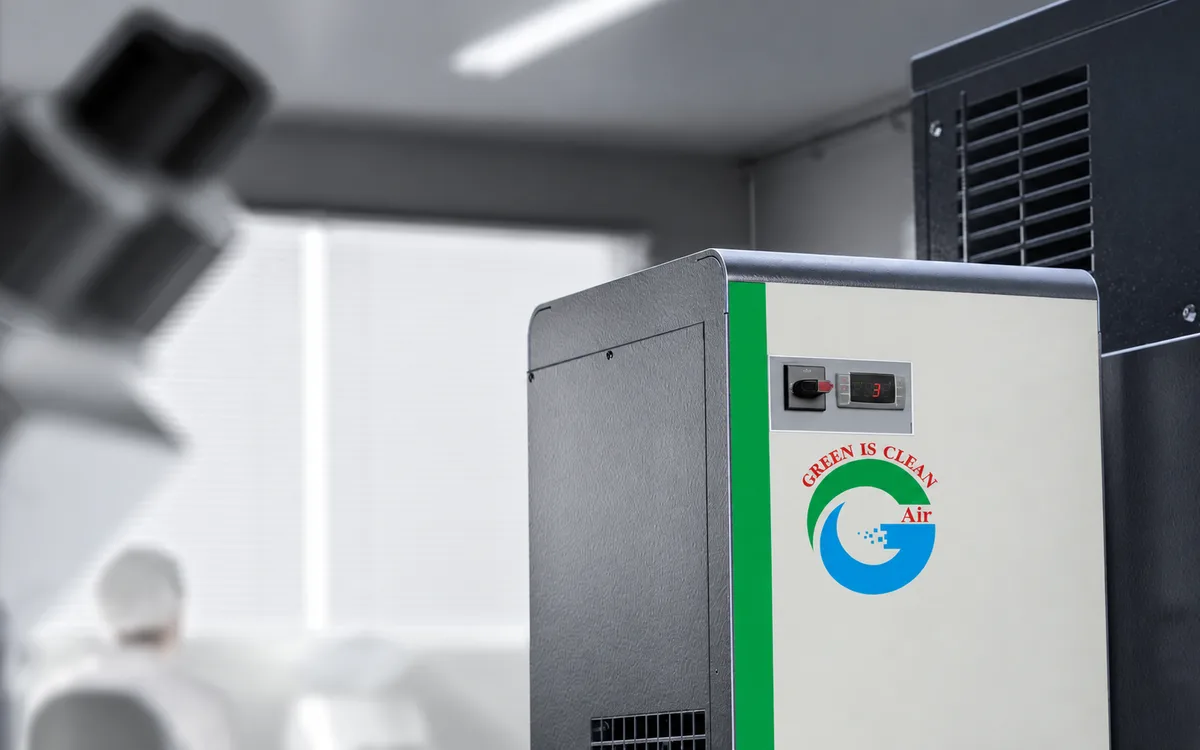
Refrigerant air dryers
The standard, low-cost way to reach a +3 °C pressure dew point.
- Free air delivery
- 10.0 – 383.3 m³/min
- Working pressure
- 13 – 16 bar g
- Motor power
- 1 – 32 kW
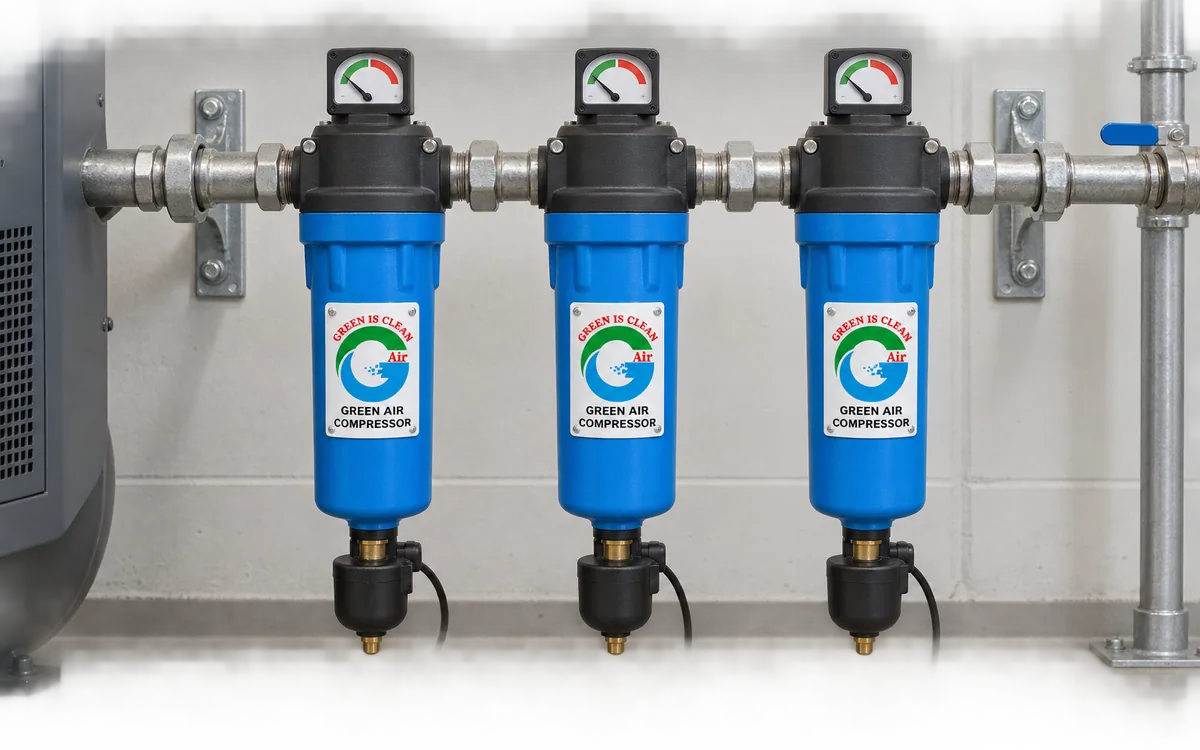
Precision compressed air filters
Particulate, coalescing and activated carbon, to every ISO 8573-1 class.
- Free air delivery
- 1.8 – 80.0 m³/min
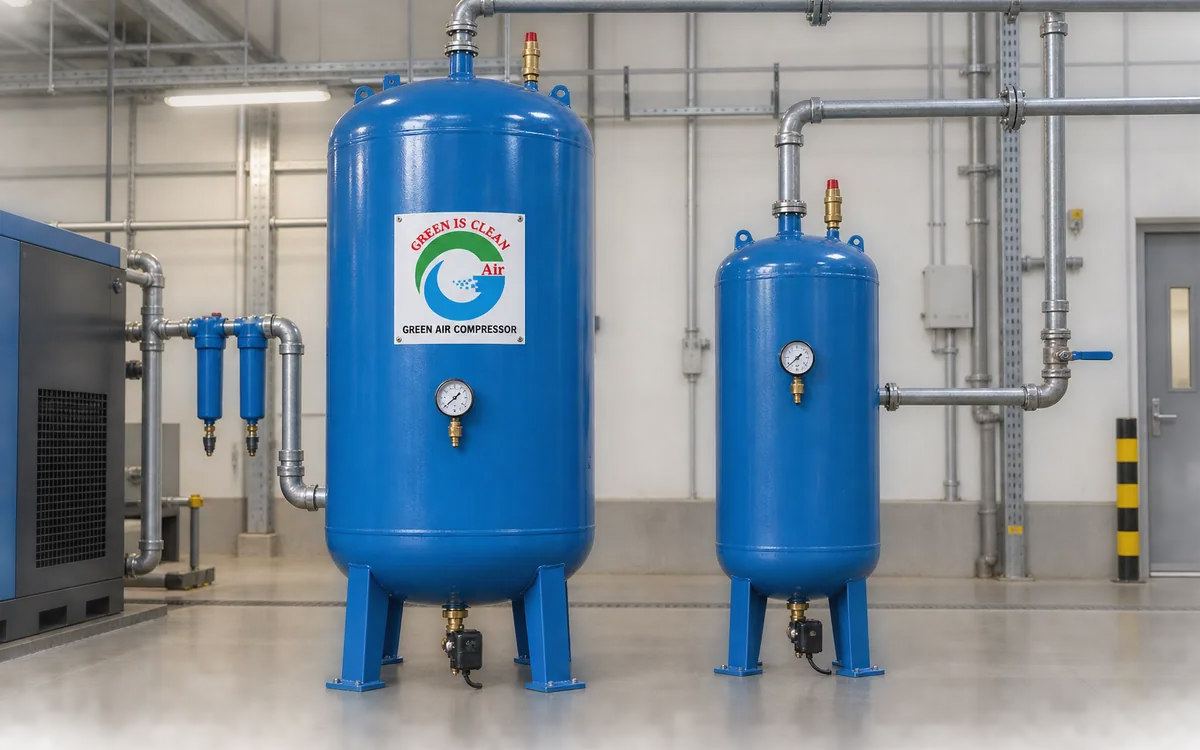
Air receivers and storage tanks
0.3 to 10 m³, carbon steel, stainless and vacuum. 8, 10 and 13 bar g.
- Working pressure
- 1 – 13 bar g
- Weight
- 99 – 1,240 kg
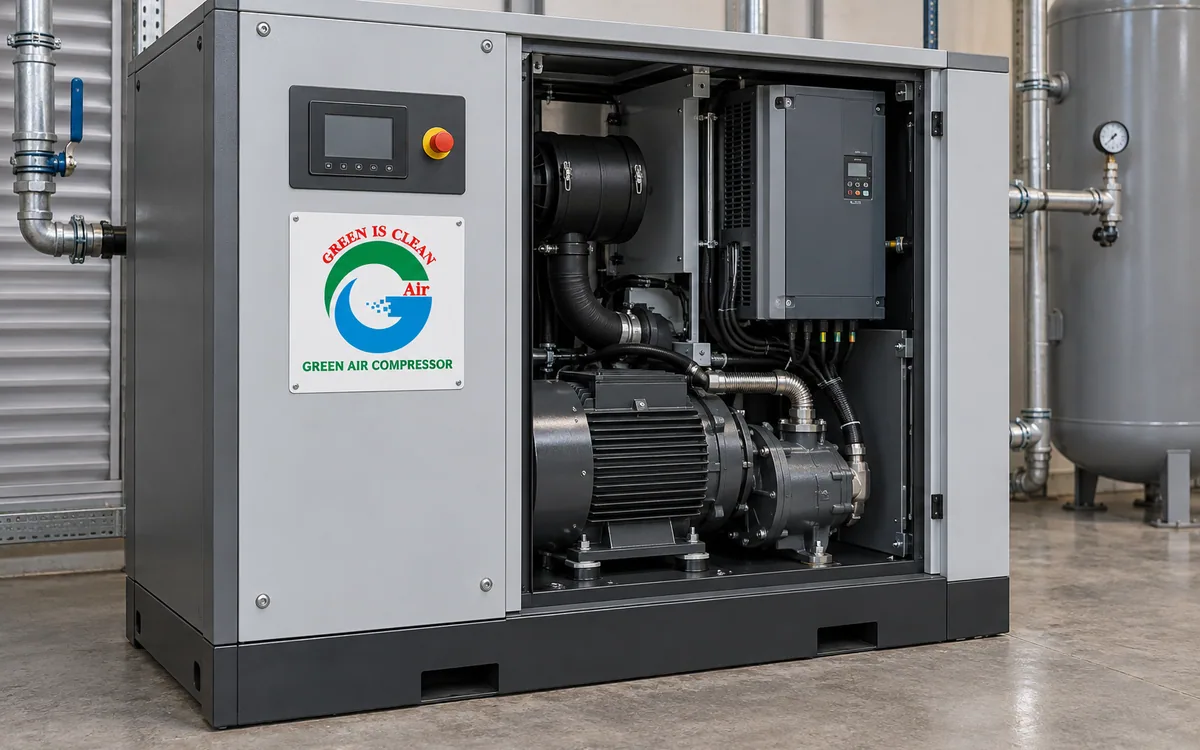
Permanent magnet screw compressors
IE4 and IE5 class motors with variable speed built in. 20 to 500 hp.
- Free air delivery
- 0.3 – 109.0 m³/min
- Working pressure
- 7 – 30 bar g
- Motor power
- 8 – 55 kW
Overview
General manufacturing is where the largest and most easily recovered savings usually sit, precisely because nobody has ever looked. The compressor was sized when the factory opened, machines have been added and removed since, and the system pressure has crept upward every time somebody complained.
A week of data logging normally shows a plant running well above the pressure it needs, with substantial leakage and a compressor that spends much of its time unloaded.
Key benefits
Audit before quotation
Data loggers for a week so the recommendation is based on measurement.
Right-sized, not oversized
Sizing from actual demand normally results in a smaller machine than the customer expected.
Leak survey included
Ultrasonic survey with tagged leaks and estimated cost per leak.
Sequenced plant room
Base load plus variable speed trim, controlled so machines are not fighting each other.
What a factory needs
Reliable air at a stable pressure, because almost everything on a modern line touches it somewhere. When the air wavers, the line wavers.
Demand in a factory almost always swings with the shift pattern and the product mix, which is why a variable speed trim machine alongside fixed speed base load machines is usually the right arrangement.
Air quality follows what the air touches. Most of a factory needs class 3.4.3 and the small part that touches product needs better, so specifying the whole plant to the highest class wastes money every hour.
- Stable pressure across the whole plant
- Variable speed trimming a fixed base load
- Sequencing across the plant room
- Air quality matched to what the air touches
- Heat recovery where hot water is used
- Redundancy where the line cannot stop
- Storage sized to smooth the demand
- Monitoring on every machine
Where factories lose money
Pressure set higher than anything actually needs, usually because of one machine that was fixed years ago. Every bar is about seven per cent of the energy.
Leaks, which typically account for around a quarter of everything the plant makes and which run through the night whether the factory does or not.
Unloaded running. A machine idling makes no air and still draws power, and across a plant room that is usually where the largest single saving is hiding.
- System pressure higher than needed
- Leaks running twenty four hours a day
- Unloaded running across several machines
- Filters left past their pressure drop
- Hot recirculated intake air
- Timed drains wasting air
- No measurement anywhere in the system
- Night and weekend running unreviewed
How we support a plant
An audit that measures rather than guesses, with every finding costed so you can decide what is worth doing.
Servicing planned around your shift pattern, with rental cover where a machine has to come out during production.
And a controller across the plant room, which is usually what makes a pressure reduction safe and therefore possible.
- Audit with every finding costed
- Measured again after the work
- Servicing planned around shifts
- Rental cover during removals
- Plant room controller for pressure reduction
- Monitoring on every machine
- Local engineers and stock
- Fixed price service plans
Frequently asked questions
Why do general factories have the biggest savings available?
Because nobody has ever looked. The compressor was sized when the plant opened, machines have come and gone, and system pressure has crept up every time somebody complained.
What does an audit typically find?
20–30% leakage, a system running one to two bar above what anything needs, and a compressor spending much of the day unloaded.
How long does an audit take?
A week of data logging plus a leak survey. You get a written report with measured figures and a prioritised list, whether or not you buy anything.
Will I end up being sold a bigger machine?
Usually the opposite. Sizing from measured demand rather than nameplate totals normally produces a smaller machine than the customer expected.
What is the cheapest thing I can do first?
Fix leaks and drop the pressure. Both cost almost nothing and together they typically save more than replacing the compressor would.
How should a plant room be arranged?
Base load on a fixed-speed machine, trim on a variable speed machine, sequenced so they are not fighting each other and the lead rotates.
What air quality does general manufacturing need?
Typically ISO 8573-1 3.4.3: enough to protect tools and cylinders. Specifying food or pharma grade air across a machine shop is money spent on a risk you do not have.
Do I need standby capacity?
Work out what an hour of stopped production costs. Once that number is written down, a second machine or a rental agreement usually justifies itself.
How do I compare supplier quotations?
On specific energy at your working pressure, measured to ISO 1217, plus the service plan task list. Purchase price is a small share of the ten-year cost.
Can you tag and quantify our leaks?
Yes, ultrasonic survey with each leak tagged and an estimated cost per leak, so the maintenance team can work down the list by value.
Related products
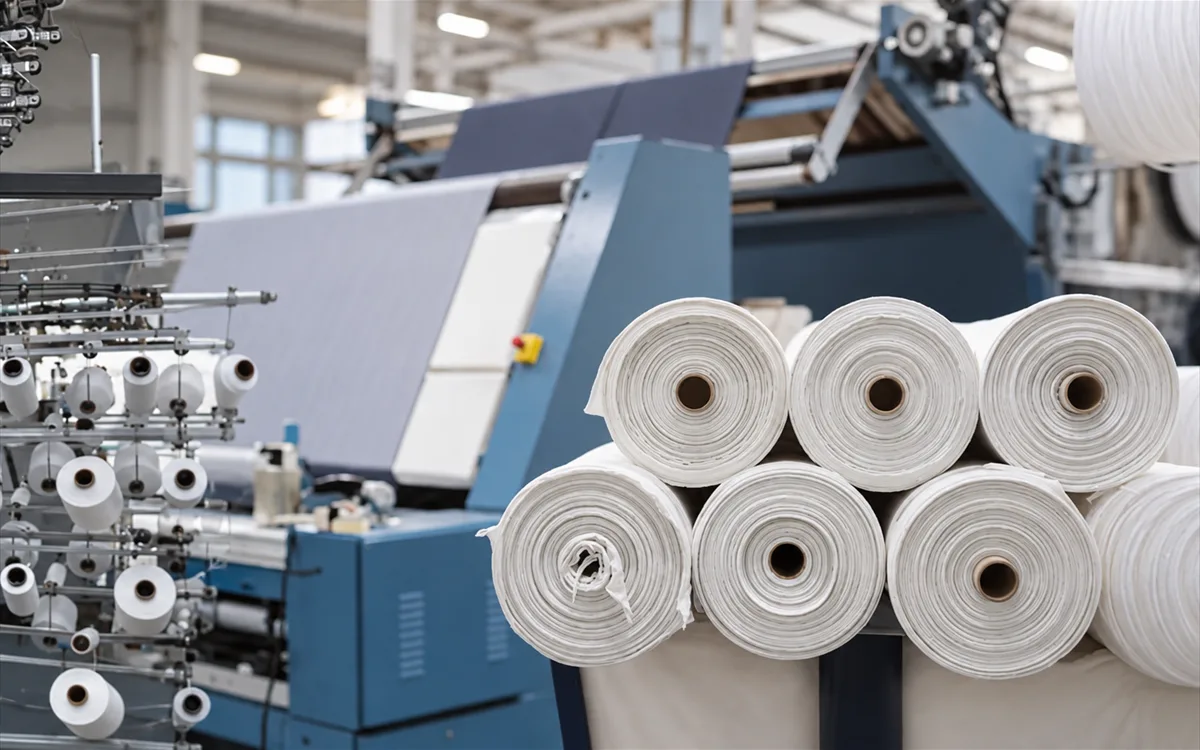
Textiles
Air-jet weaving, spinning and dyeing, where air is the largest utility.
Learn more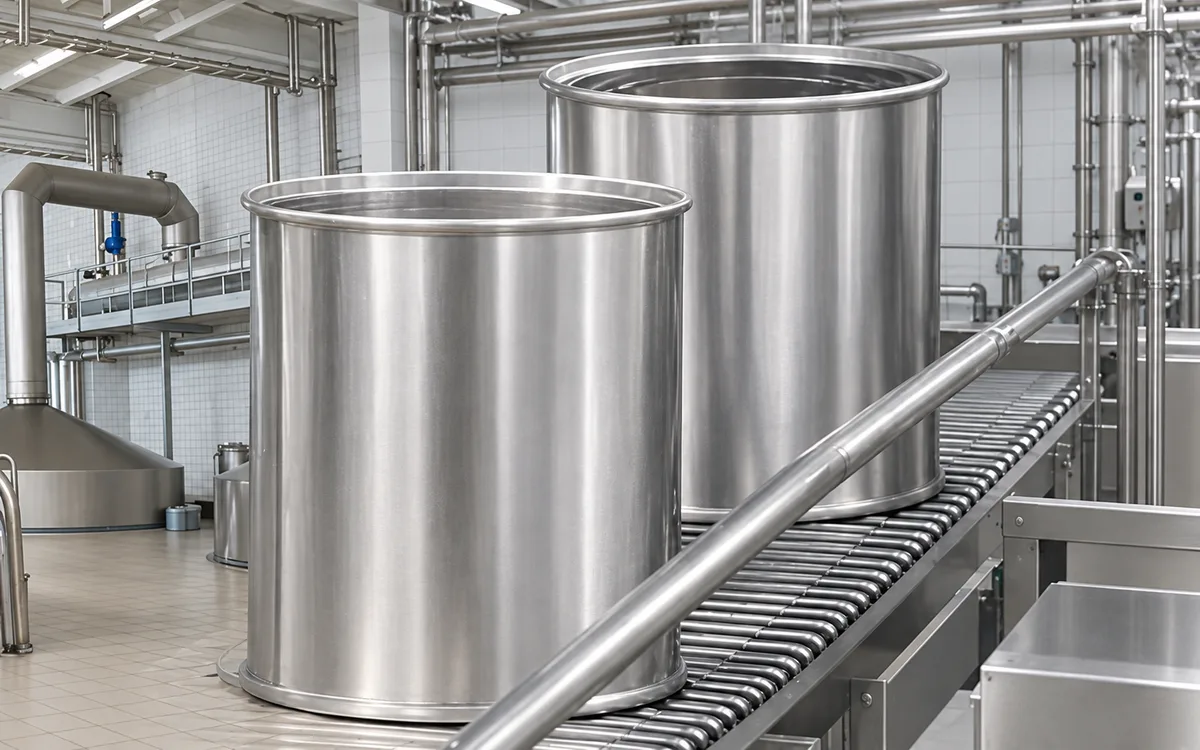
Food and beverage
Class 0 air, documented, for anything that touches product.
Learn more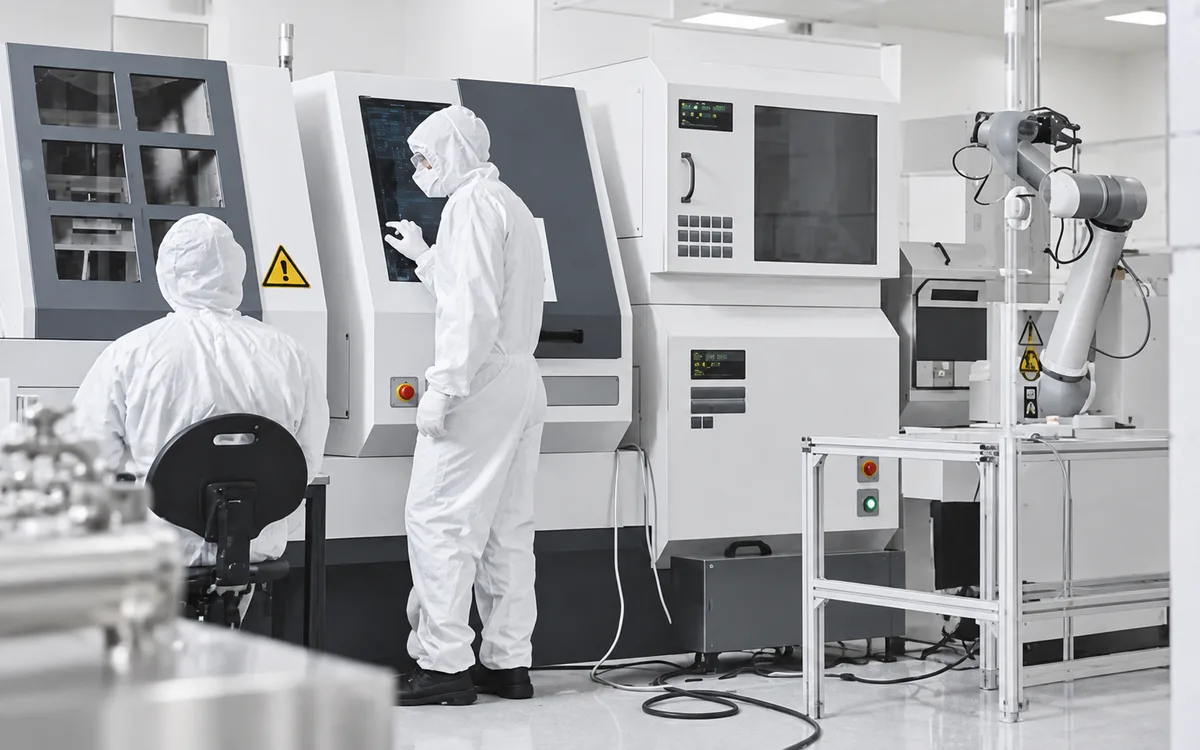
Pharmaceutical
Validated, qualified air systems with full documentation.
Learn more
Mining and quarrying
Air and dewatering that survive dust, distance and heat.
Learn moreNot sure which model you need?
Send us your air demand, working pressure and running hours. Our engineers will size the machine and send a written recommendation, no cost, no obligation.