
Single-stage centrifugal blowers
High-volume, low-pressure air for aeration and drying.
Technical data
- Free air delivery
- 12.6 – 160.0 m³/min
- Working pressure
- 1,100 bar g
- Motor power
- 22 – 250 kW
- Weight
- 760 – 4,600 kg
- Noise level
- 72 – 81 dB(A)
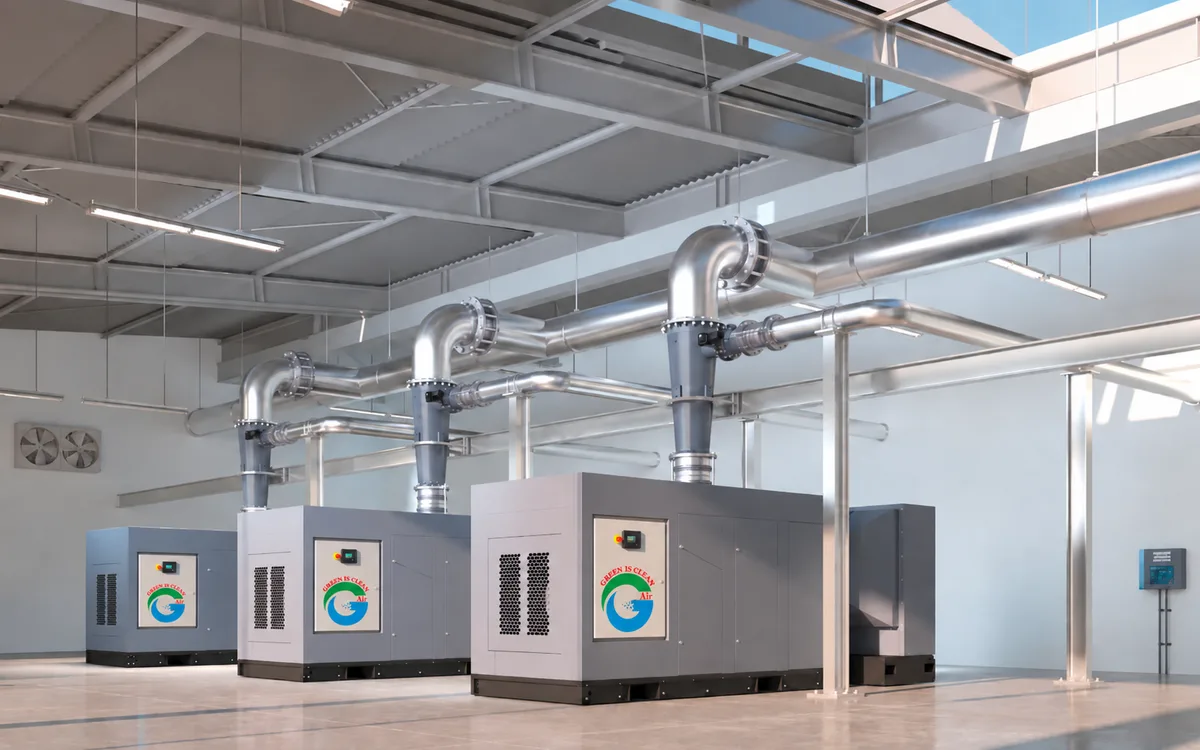
Overview
Not every process needs high pressure. Aerating a wastewater basin, conveying grain or drying a bottle line needs a large volume of air at well under one bar, and a compressor is the wrong machine for that job.
A single-stage centrifugal blower moves that volume efficiently. With magnetic or air-foil bearings there is no oil and no contact wear, which is why they are the standard choice on large aeration plants where they run continuously for years.
Key benefits
Right machine for low pressure
Efficient in the 0.3 – 1.0 bar band where a screw compressor is wasteful.
Oil-free by design
Magnetic or air-foil bearings mean no lubricant anywhere in the air stream.
Variable speed as standard
Aeration demand changes hour by hour. The blower follows it instead of throttling.
Very low maintenance
No contact bearings, no gearbox on direct-drive versions, no oil changes.
How it is built
A blower moves a large volume of air at a low pressure, which is a completely different job from a compressor and is done with an impeller rather than a screw or a piston.
The impeller and the volute are matched to a duty point. That is why a blower has to be selected for your flow and pressure rather than bought by motor size, and why a blower running away from its duty point wastes a great deal of power.
There is no oil in the air stream on this design, so the air delivered is clean without any filtration stage to pay for in pressure drop.
- Impeller and volute matched to your duty
- High volume at low pressure
- No oil in the air stream
- Direct drive, no belts to tension
- Quiet running with low vibration
- Inlet filtration and silencing included
- Variable speed available
- Suitable for continuous duty
What the controller does
The control question on a blower is how to follow demand without throwing away air. Inlet guide vanes and variable speed both do it efficiently. Blow off does it wastefully and is the last resort.
Flow, discharge pressure and motor power are all shown, so the power per unit of air delivered can be read directly rather than inferred.
Surge protection matters on this design. The controller keeps the machine away from the surge line rather than relying on the operator to know where it is.
- Inlet guide vane or variable speed control
- Blow off used only as a last resort
- Flow, pressure and power on one screen
- Surge protection built in
- Sequencing across several blowers
- Service countdown in hours
- Volt free contacts for plant alarms
- Remote monitoring available
Parts and service kits
Inlet filters, bearings and couplings are the scheduled items. Inlet filters are cheap and they protect an impeller that is not.
Bearings are changed on hours, and vibration is recorded at every service so the trend exists before anyone needs it.
We record flow, pressure and power at every service. On a blower those three numbers together are the only honest statement of whether it is still efficient.
- Inlet filter elements by interval
- Bearing service on hours
- Coupling inspection and replacement
- Vibration recorded at every service
- Flow, pressure and power recorded
- Impeller inspection on schedule
- Confirmed against your serial number
- Fixed price under a service plan
Model range
- 1,100 mbar g
- 12.6 m³/min (756 m³/h)
- Noise level
- 72 dB(A)
- Weight
- 760 kg
- Dimensions L x W x H
- 1,600 × 1,000 × 1,500 mm
- 1,100 mbar g
- 23.0 m³/min (1,380 m³/h)
- Noise level
- 73 dB(A)
- Weight
- 1,100 kg
- Dimensions L x W x H
- 1,900 × 1,200 × 1,700 mm
- 1,100 mbar g
- 45.0 m³/min (2,700 m³/h)
- Noise level
- 75 dB(A)
- Weight
- 1,850 kg
- Dimensions L x W x H
- 2,300 × 1,500 × 2,000 mm
- 1,100 mbar g
- 72.0 m³/min (4,320 m³/h)
- Noise level
- 77 dB(A)
- Weight
- 2,600 kg
- Dimensions L x W x H
- 2,700 × 1,700 × 2,200 mm
- 1,100 mbar g
- 105 m³/min (6,300 m³/h)
- Noise level
- 79 dB(A)
- Weight
- 3,400 kg
- Dimensions L x W x H
- 3,100 × 1,900 × 2,400 mm
- 1,100 mbar g
- 160 m³/min (9,600 m³/h)
- Noise level
- 81 dB(A)
- Weight
- 4,600 kg
- Dimensions L x W x H
- 3,600 × 2,100 × 2,600 mm
FAD measured to ISO 1217 Edition 4, Annex C and E at 1 bar a intake, 20°C, 0% humidity. Noise measured to ISO 2151 in free field conditions, tolerance ± 3 dB(A). Water-cooled versions of every model are available. Ask us for their sheet.
Frequently asked questions
What is a blower rather than a compressor?
A blower moves large volumes at low pressure: typically under 1 bar gauge. Above that you are into compressor territory and different machines.
Where are they used?
Wastewater aeration, pneumatic conveying, combustion air, drying and cooling, anywhere you need a lot of air but very little pressure.
Why not use a compressor for this?
Because compressing to 7 bar and throttling back to 0.5 wastes most of the energy. Matching the machine to the pressure is where the savings are.
How is flow controlled?
Variable speed, or inlet guide vanes on larger machines. Throttling a blower is possible but wasteful, and on aeration duty it is the commonest fault we find.
Are they oil-free?
In the air path, yes. Lubrication is confined to the bearings and gearbox, so nothing reaches the process air.
How noisy are they?
Loud at the inlet without treatment. Silencers and acoustic housing are standard on installed plant, not an optional extra.
What maintenance do they need?
Bearings, filters and lubrication, with vibration monitoring on larger units. Far less than a positive displacement machine of the same duty.
What is surge on a blower?
The same phenomenon as on a centrifugal compressor: flow reversal at low demand. The control system must keep the machine clear of it at all times.
How do I size one?
By flow at the actual site conditions and the true system pressure, including diffuser and pipe losses. Sizing on paper pressure is why so many blowers run throttled.
What saving is available on an aeration plant?
Frequently 20–30%, from correct sizing and speed control together. Aeration is usually the largest electricity user on a wastewater site.
Related products
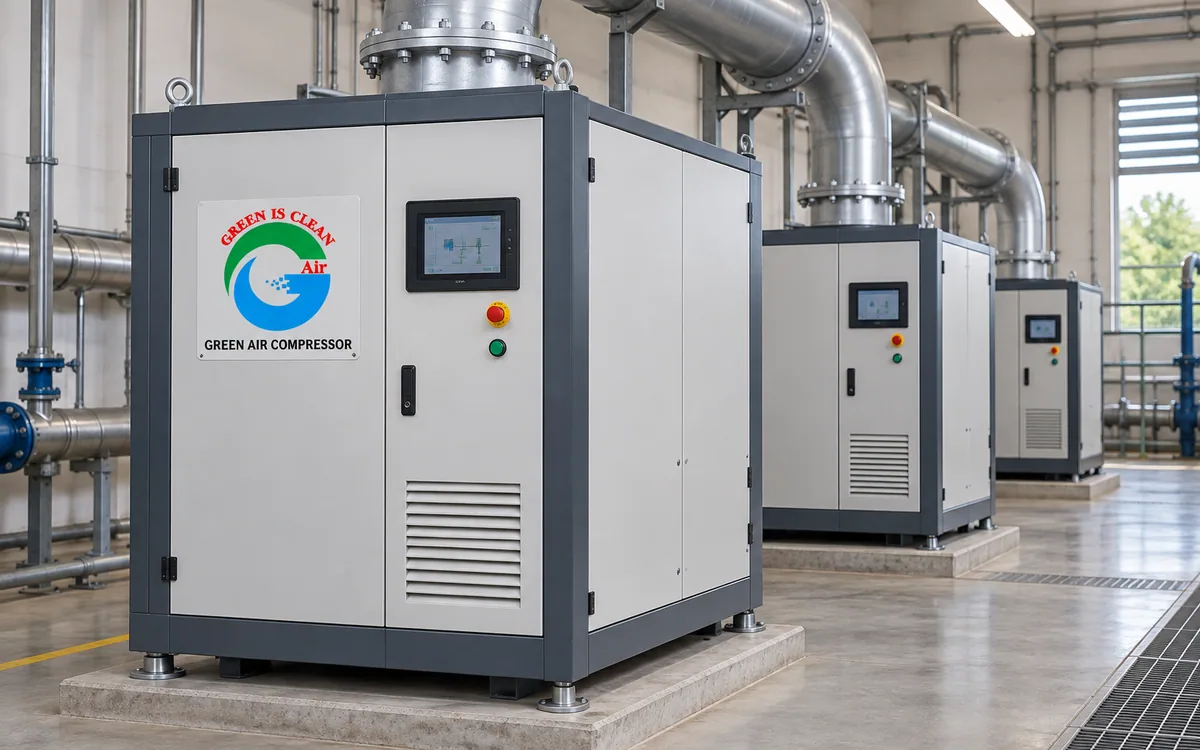
Magnetic levitation blowers
The impeller floats on a magnetic field. 37 to 350 kW, no bearings to wear.
- Free air delivery
- 25.0 – 388.0 m³/min
- Motor power
- 37 – 350 kW
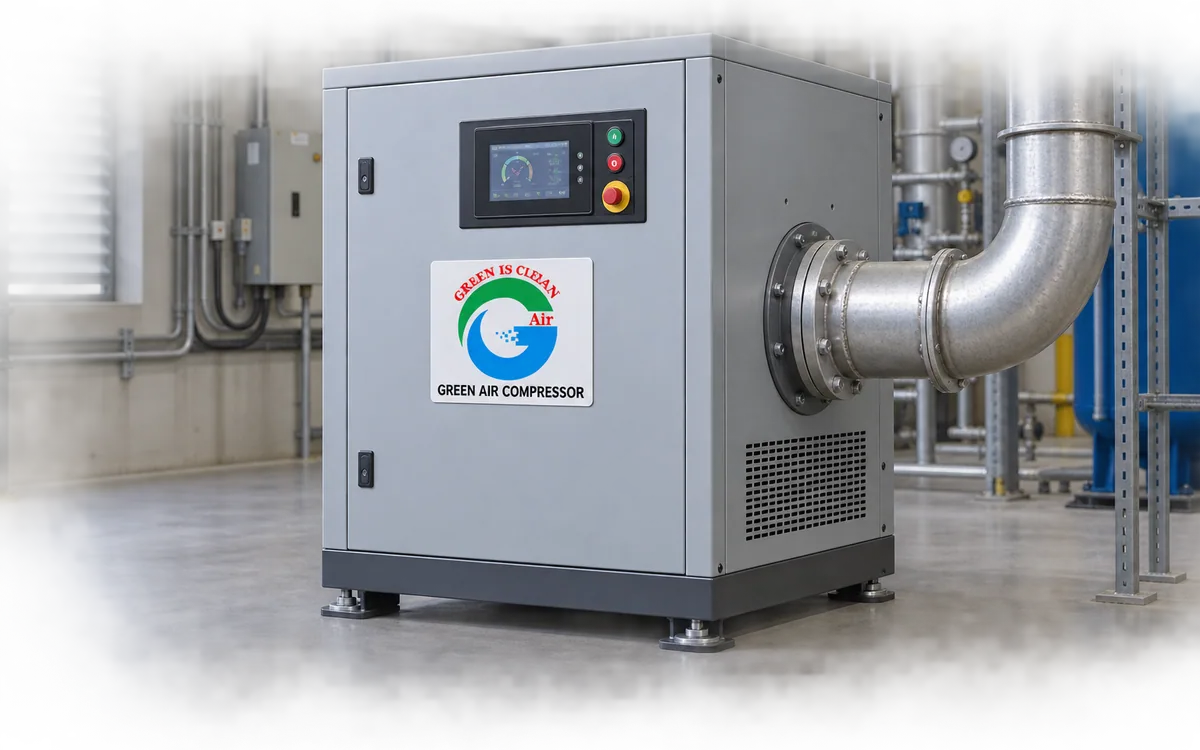
Air suspension blowers
Air bearings instead of magnetic ones. 22 to 450 kW, oil free and quiet.
- Free air delivery
- 17.0 – 418.0 m³/min
- Motor power
- 22 – 450 kW
- Weight
- 525 – 2,550 kg
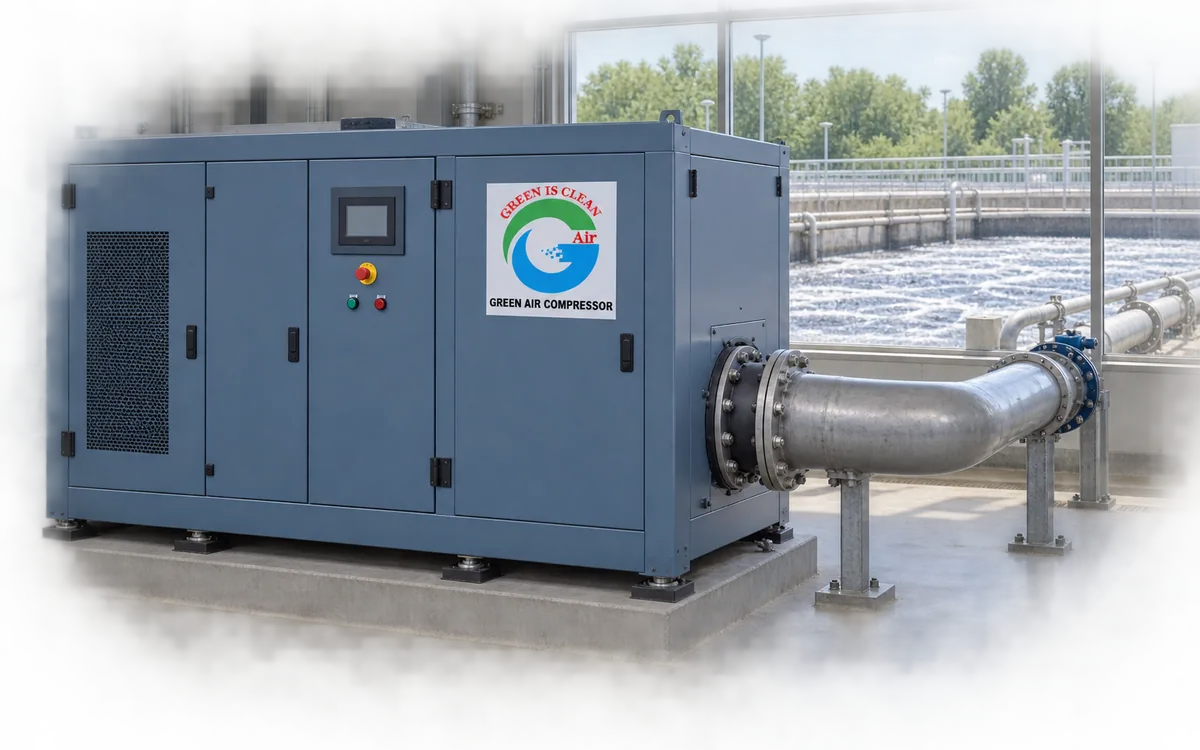
Oil free screw blowers
Screw compression at blower pressures. Up to 1.5 bar g, 22 to 180 kW.
- Free air delivery
- 15.0 – 98.0 m³/min
- Motor power
- 22 – 180 kW
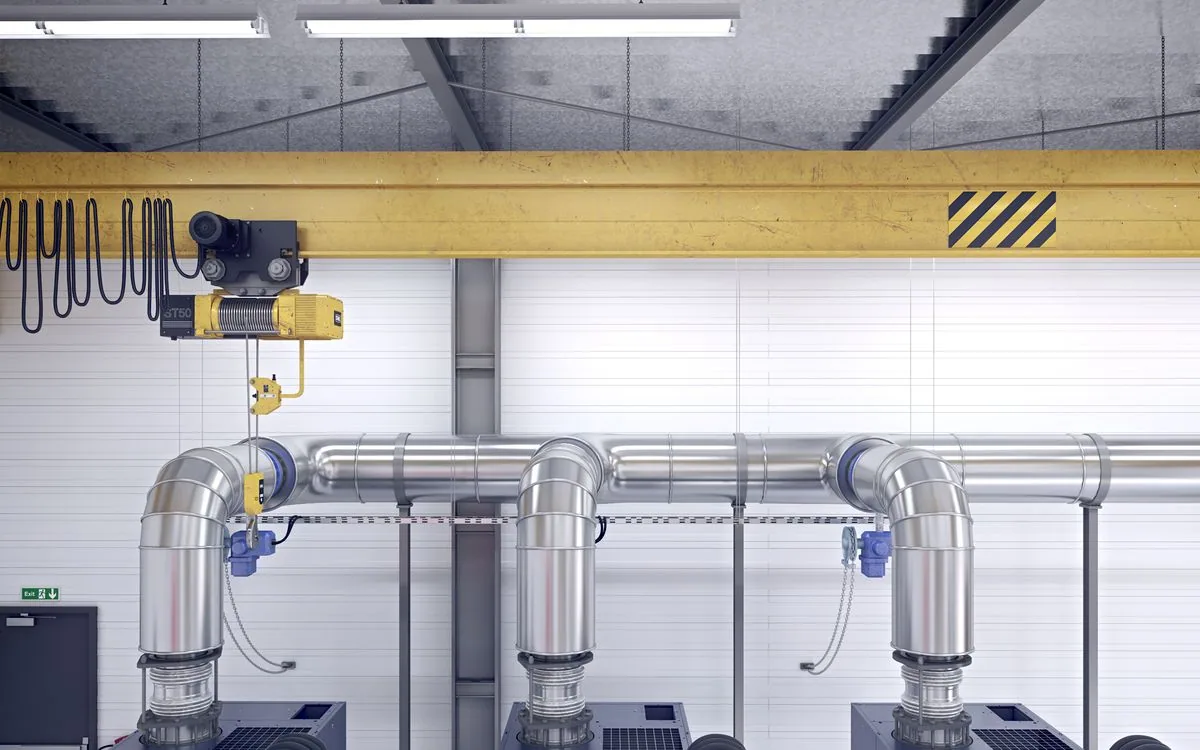
Oil-free turbo blowers with variable speed
High-efficiency turbo blowers for continuous aeration duty.
- Free air delivery
- 32.0 – 135.0 m³/min
- Working pressure
- 1 – 1 bar g
- Motor power
- 50 – 200 kW
Not sure which model you need?
Send us your air demand, working pressure and running hours. Our engineers will size the machine and send a written recommendation, no cost, no obligation.