
What is compressed air?
Why it is called the fourth utility, and why it costs more than you think.
Overview
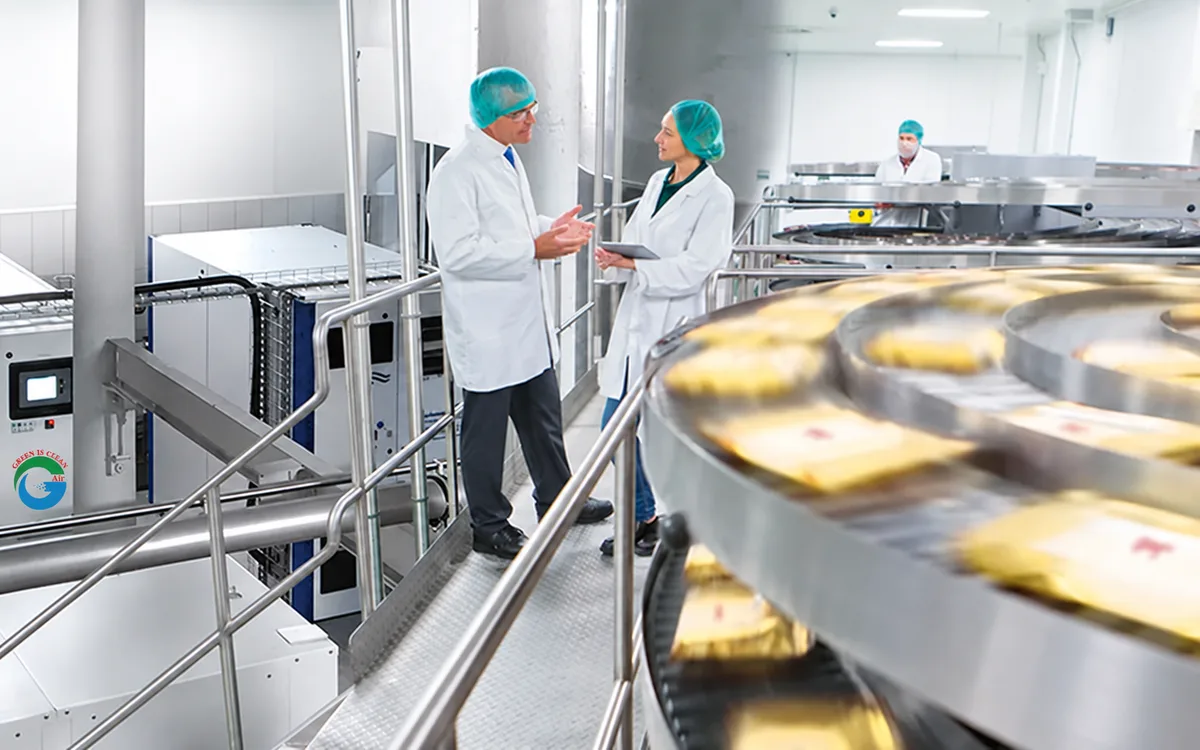
Compressed air is simply ordinary air squeezed into a smaller volume. Squeezing it stores energy, and releasing it does work: driving a cylinder, spinning a tool, blowing a bottle into shape. It is safe, it cannot catch fire, and it does not electrocute anybody, which is why factories have used it for over a century.
It is also, by a large margin, the most expensive utility in most plants. Turning electricity into compressed air and then back into mechanical work is only about 10 to 15% efficient overall. Roughly 85% of the electricity your compressor consumes ends up as heat, not as useful work at the tool.
That is not an argument against using compressed air. For many jobs there is no better option. It is an argument for not wasting it. A leak on a compressed air line is far more expensive than the same size leak on a water line, and most plants have dozens of them.
Key benefits
Where the cost actually goes
Over ten years, electricity is typically 75 – 80% of the total cost of owning a compressor. Purchase price is often under 15%.
Leaks are the biggest single waste
An unaudited plant typically loses 20 – 30% of everything it compresses through leaks.
Pressure costs money
Every extra bar of system pressure adds around 7% to the energy bill, permanently.
Heat can be recovered
Most of the energy comes out as heat. On many sites that heat has a genuine use.
Where it is used
Almost everywhere in a modern plant. Driving cylinders and actuators, running tools, blowing bottles into shape, moving powder along a pipe, holding parts on a jig and drying what has just been washed.
It is popular because it is safe, simple and does not care about being wet or dirty in the way electricity does. Air can be stored, and a tool that stalls does not burn out.
It is also the most expensive utility in most factories per unit of useful work, which is precisely why it is worth understanding.
- Cylinders, actuators and tools
- Bottle blowing and packaging
- Powder and material conveying
- Clamping, holding and ejection
- Drying, cooling and cleaning
- Safe in wet and hazardous areas
- Stores easily in a receiver
- The most expensive utility per unit of work
What to remember
It is not free, even though it feels like it. Every cubic metre was paid for in electricity and most of that energy became heat rather than work.
It is worth measuring. A plant that does not know its flow, its pressure and its power is guessing at its third largest energy cost.
And it is worth treating. Water and oil in the line cost far more in downstream damage than the dryer and filters ever cost to buy.
- Every cubic metre was paid for in electricity
- Most of the input energy leaves as heat
- Worth recovering where hot water is used
- Flow, pressure and power worth measuring
- Water in the line damages everything downstream
- Air quality chosen by what it touches
- Leaks are the largest avoidable loss
- Pressure is the easiest saving to make
Frequently asked questions
What is compressed air in simple terms?
Ordinary air squeezed into a smaller volume. Squeezing stores energy. Releasing it does work: driving a cylinder, spinning a tool, blowing a bottle into shape.
Why do factories use it at all?
It is safe, it cannot catch fire, it does not electrocute anybody and it is easy to distribute. For actuation and intrinsically safe tooling there is still no better option.
How efficient is it really?
About 10–15% overall from electricity to work at the tool. Roughly 85% of what the compressor consumes leaves as heat rather than useful output.
Why is it called the fourth utility?
Because plants depend on it like electricity, water and gas, and unlike those three, almost nobody meters it.
Where does the money actually go?
Over ten years electricity is typically 75–80% of the total cost of a compressor. Purchase price is often under 15%.
How big a problem are leaks?
The biggest single one. An unaudited plant loses 20–30% of everything it compresses, and a 3 mm hole at 7 bar wastes about 1.5 kW continuously.
What does one bar of pressure cost me?
Roughly 7% of your compressed air energy, permanently. Most plants run one to two bar above what anything on site actually needs.
Can I work out my cost per cubic metre?
Yes: compressor kW × running hours × tariff, divided by air actually delivered. Most people are surprised by the answer, which is the point of doing it.
Should I ever use it for blowing or cooling?
Almost never. A blower does the same job for roughly one eighth of the energy. It is one of the most expensive habits in industry.
What is the single best first step?
Measure. A week of logging plus a leak walk costs nothing and almost always finds savings larger than any equipment purchase would deliver.
Related products
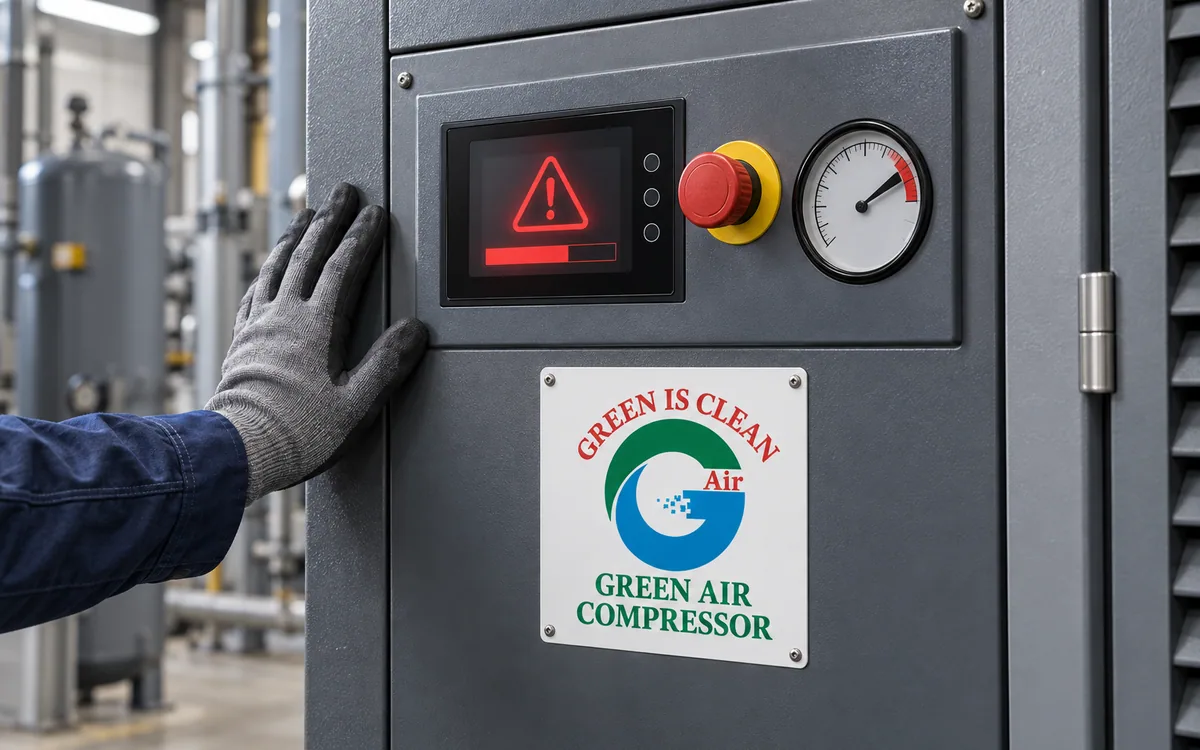
Air compressor troubleshooting
The fault you can see, what usually causes it, and what to check before calling anyone.
Learn more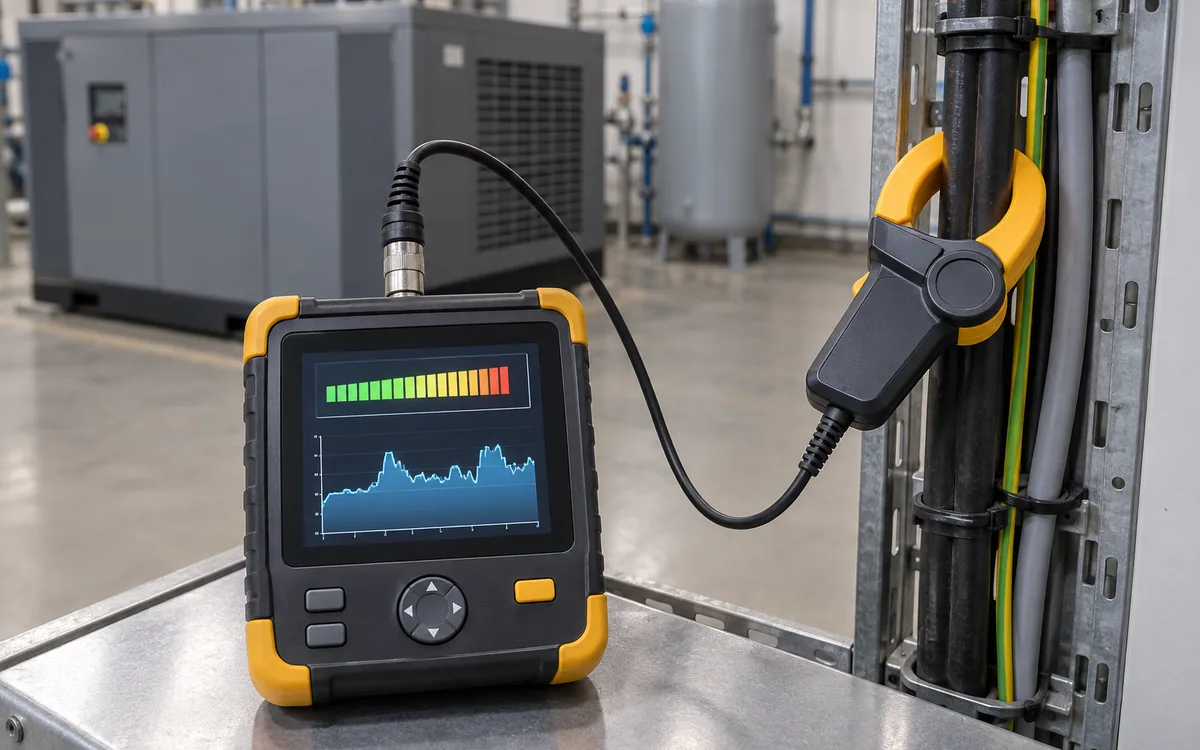
What an air compressor really costs
Why the purchase price is the small number, and what the other two are.
Learn more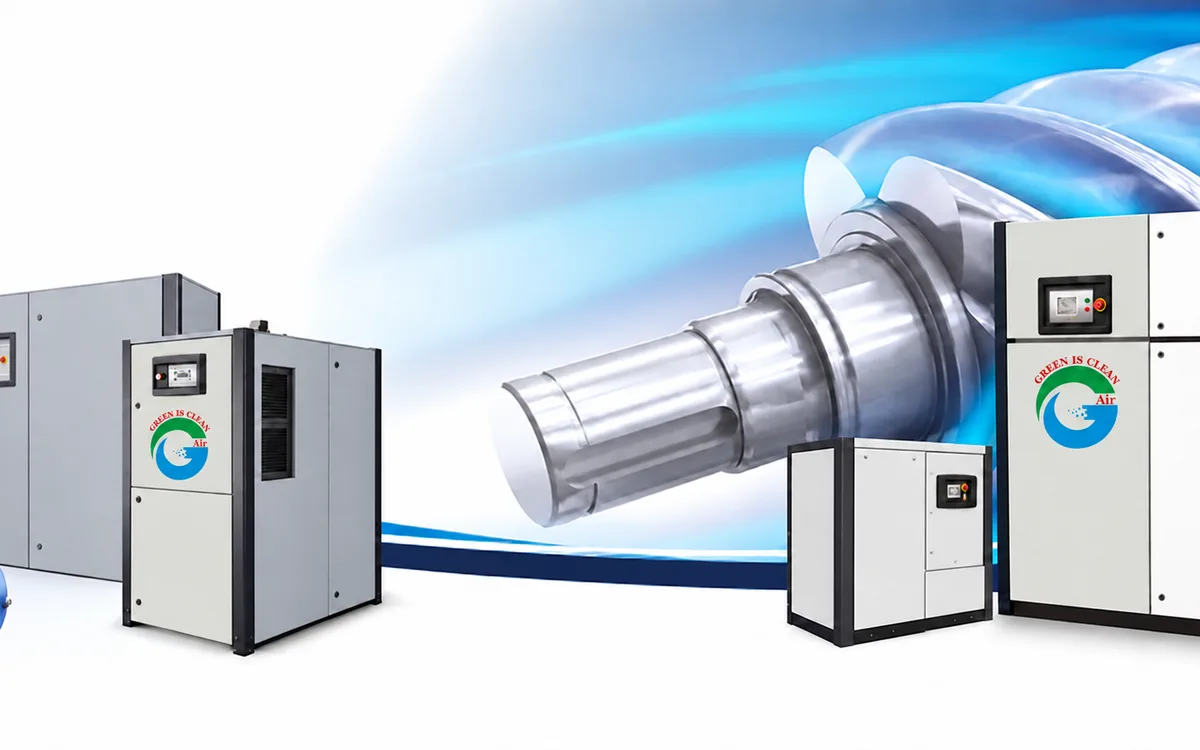
How a rotary screw compressor works
Two rotors, one continuous flow, and why it replaced the piston machine.
Learn more
Variable speed compressors explained
What VSD actually saves, and when it saves nothing at all.
Learn moreNot sure which model you need?
Send us your air demand, working pressure and running hours. Our engineers will size the machine and send a written recommendation, no cost, no obligation.