
Oil-sealed vacuum pumps
Vane, piston and screw pumps sealed and cooled by oil.
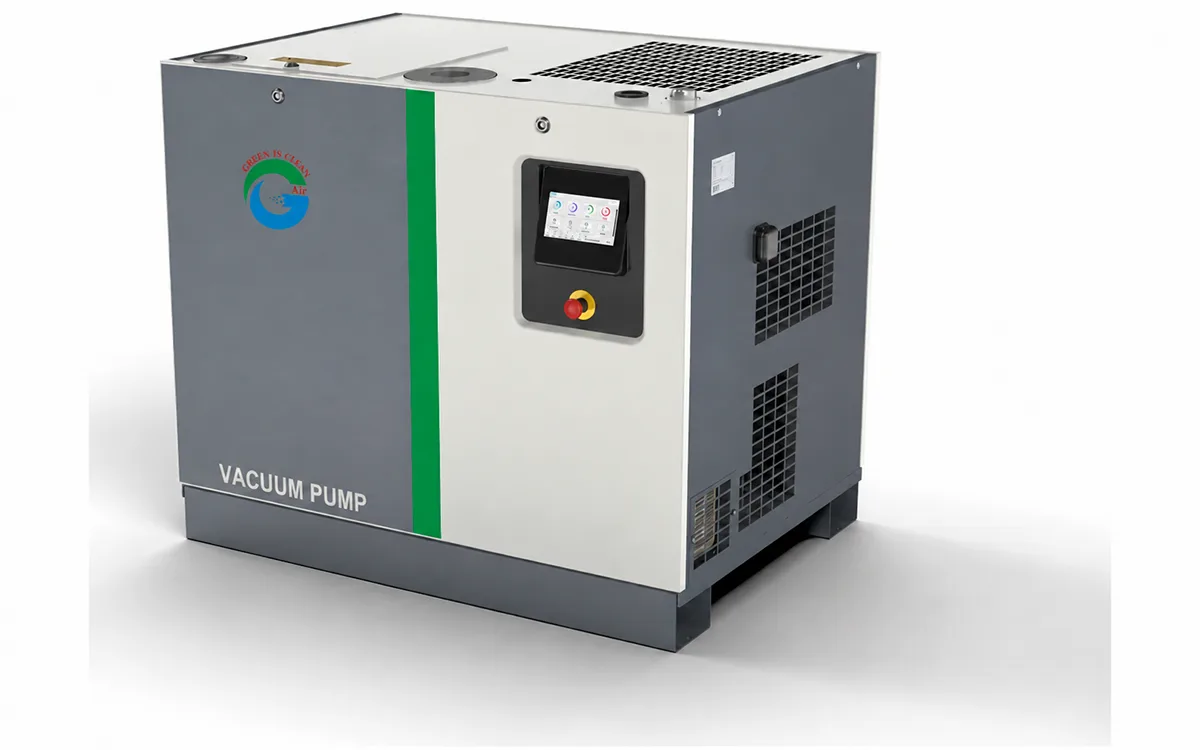
Overview
Oil does three jobs in these pumps: it seals the clearances, it lubricates and it carries away heat. That gets you deep vacuum from a compact, comparatively inexpensive machine.
The oil is also the limitation. It must be changed, it must be filtered on the exhaust, and aggressive process vapours will degrade it. For clean duties, it remains the most cost-effective technology available.
In this range
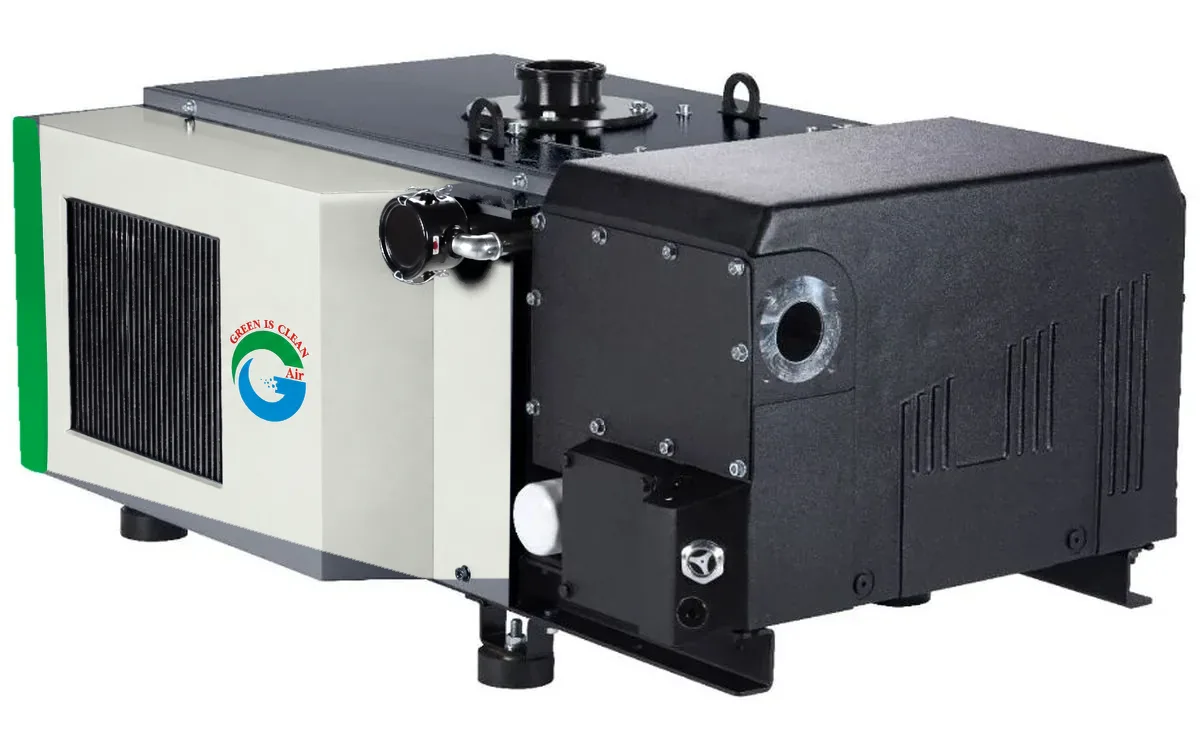
Oil-sealed rotary vane pumps
The workhorse vacuum pump, deep vacuum at low cost.
- Working pressure
- 1 bar g
- Motor power
- 8 – 19 kW
- Weight
- 385 – 1,000 kg
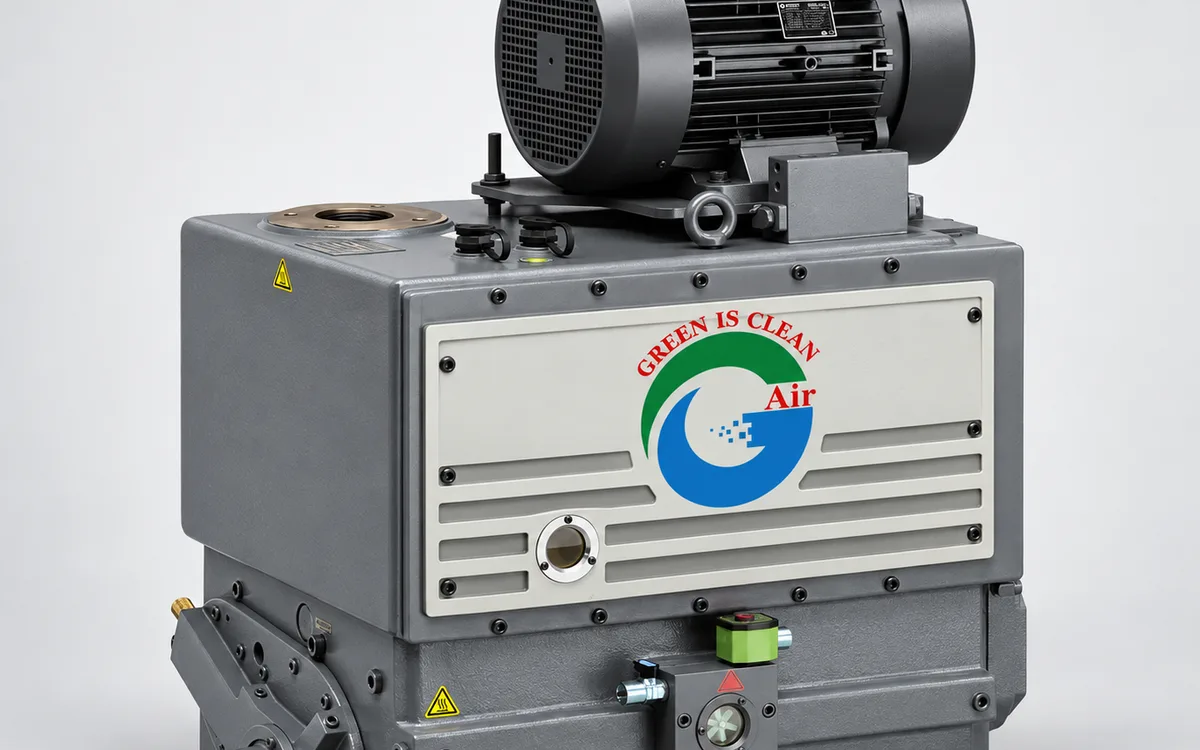
Oil-sealed rotary piston pumps
Heavy, tolerant pumps for dirty and demanding process duty.
- Working pressure
- 10 – 1,000 bar g
- Motor power
- 3 – 90 kW
- Weight
- 180 – 1,053 kg
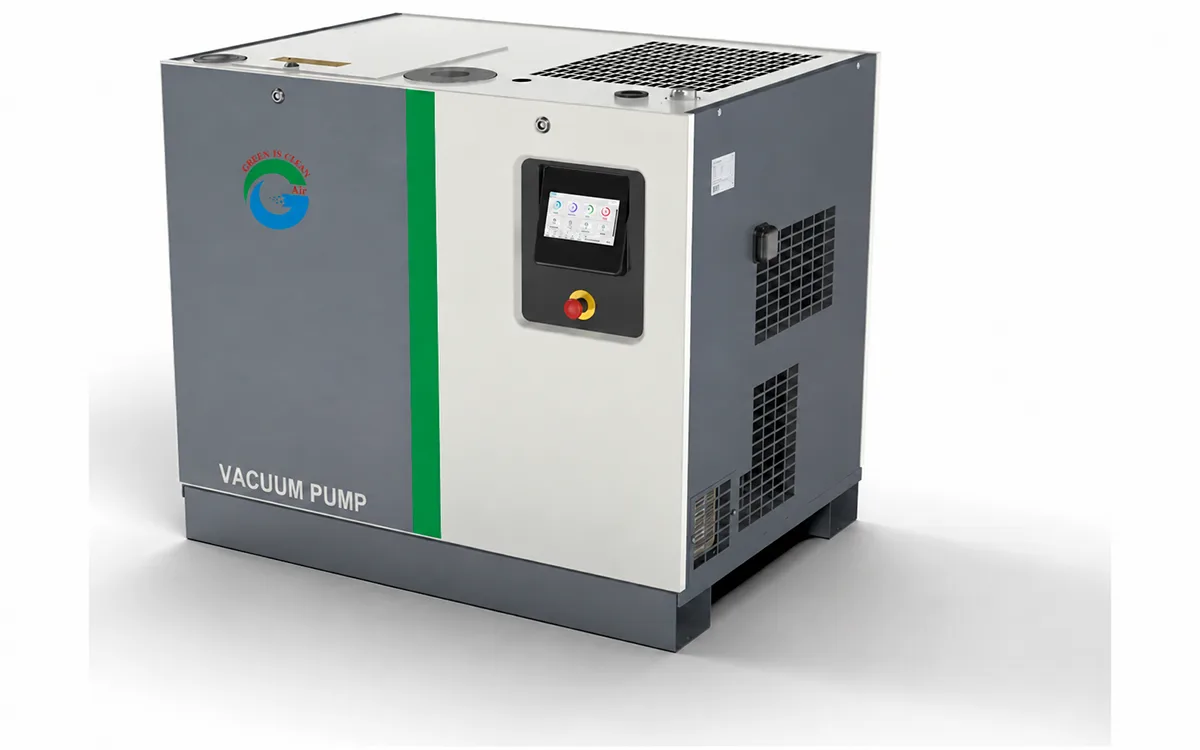
Oil-sealed screw vacuum pumps
High capacity and deep vacuum for demanding chemical duty.
- Working pressure
- 0 bar g
- Motor power
- 11 – 22 kW
Key benefits
Deep vacuum at modest cost
Oil seals, lubricates and cools at once, which is why this design is still standard.
Tolerant of difficult duty
Dirty and heavy processes that would finish a dry pump in months.
Gas ballast for vapour
Water kept out of the oil on wet processes rather than destroying the pump quietly.
Built to be overhauled
Rebuilt many times over a working life rather than replaced.
Why oil sealed
Oil seals the clearances, lubricates the moving parts and carries the heat away, all at once. That is why this design reaches a deep vacuum at a modest purchase price.
It is the most tolerant arrangement there is on dirty and difficult processes, which is why oil sealed pumps are still standard on a great deal of industrial work.
The cost is an oil circuit to look after, an exhaust mist filter and used oil to dispose of. All three are manageable and all three are the whole of the maintenance.
- Oil seals, lubricates and cools
- Deep vacuum at modest purchase price
- Tolerant of dirty and difficult duty
- Oil circuit and mist filter to maintain
- Gas ballast for vapour handling
- Vane, piston and screw types
- Built to be overhauled
- Long life when the oil is right
Choosing the type
Rotary vane for general duty at low cost. Rotary piston where the process is dirty or the duty is heavy and a heavier machine will last longer.
Oil sealed screw where the process is wet and demanding and both vapour tolerance and deep vacuum are needed together.
The oil is part of the choice. Vacuum pump oil is selected for vapour pressure first, and the wrong oil limits the ultimate vacuum before anything else fails.
- Rotary vane for general duty
- Rotary piston for dirty or heavy duty
- Oil sealed screw for wet demanding work
- Oil selected for vapour pressure
- Gas ballast where vapour is present
- Mist filter sized for the duty
- Used oil collected and disposed of
- Honest comparison against dry pumps
Datasheets in this range
Two pages each: what the machine is, what it is for, and the measured table. Built from this site, so a sheet can never say something the page does not.
Frequently asked questions
What does oil-sealed mean?
Oil fills the clearances inside the pump, sealing them so the machine can reach a far deeper vacuum than the same geometry could dry.
Which types are oil-sealed?
Rotary vane, rotary piston and oil-sealed screw pumps. Each suits a different combination of vacuum level, throughput and process cleanliness.
What is the main advantage?
Deep vacuum at low purchase cost. For many industrial processes this remains the most economical way to reach the required pressure.
And the main drawback?
The oil. It must be changed, filtered, disposed of, and kept out of your process and your exhaust. That is the whole cost of ownership argument.
How do I keep one healthy?
Watch the oil. Colour, level and condition tell you nearly everything, and almost every failure we attend traces back to oil that was left too long.
What is gas ballast and when do I use it?
A controlled air admission that carries vapour out with the exhaust. Use it on any process with moisture, and use it before the oil goes milky rather than after.
Do I need an exhaust filter?
Yes, it keeps oil mist out of the workroom and returns the oil to the pump instead of losing it into the air.
How long do they last?
Many years with clean oil. These are simple, robust machines and it is the maintenance regime, not the design, that decides their life.
When should I switch to dry?
When product contamination matters, when oil disposal is a burden, or when the exhaust must be clean. Otherwise these pumps are still a sound choice.
Can you service other brands?
Yes, all the major makes, including oil analysis and a written condition report rather than just a change and a bill.
Related products
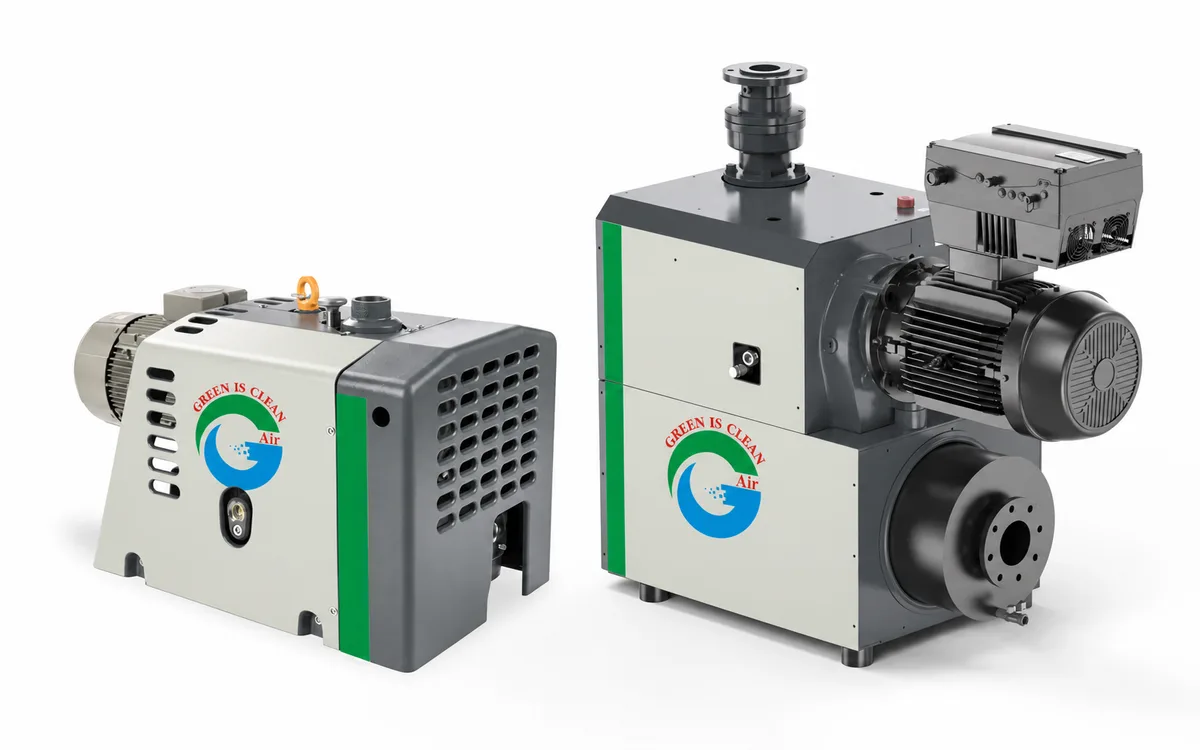
Dry vacuum pumps
Claw, screw, scroll, vane and booster pumps with no oil in the chamber.
- Free air delivery
- 42 – 59 cfm
- Working pressure
- 0 – 450 bar g
- Motor power
- 0 – 63 kW
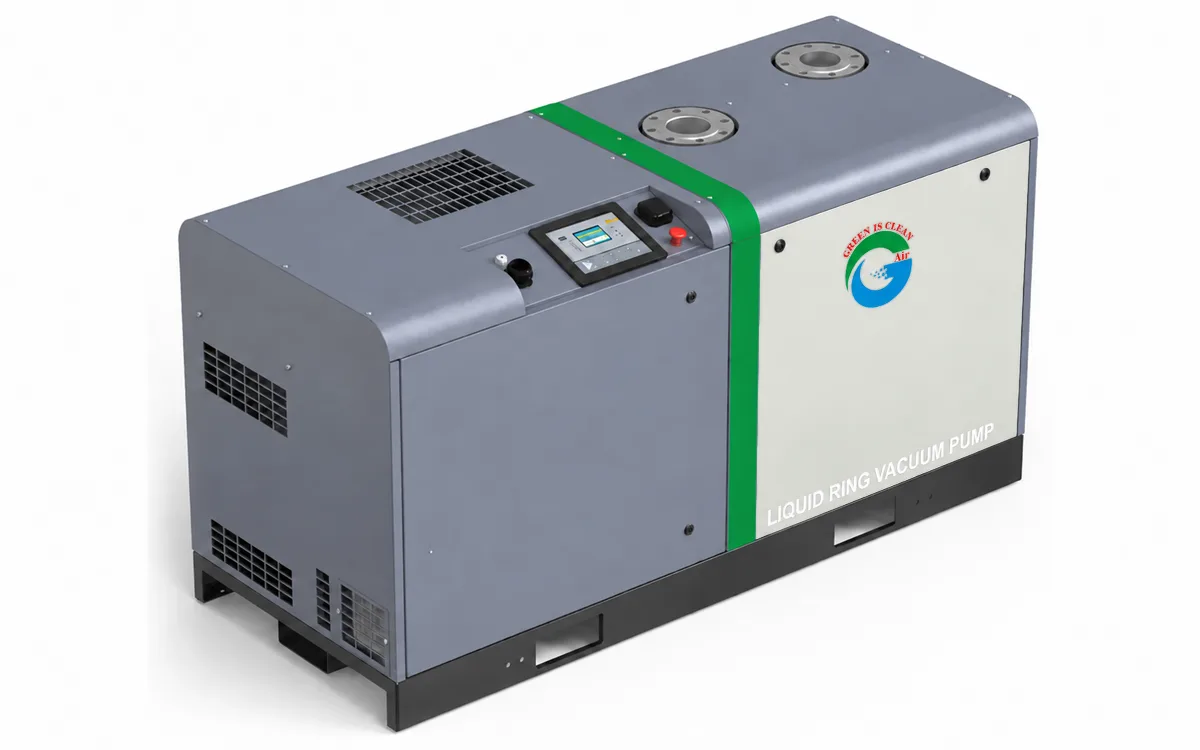
Liquid ring vacuum pumps
For wet, dirty and vapour-laden processes that destroy other pumps.
- Working pressure
- 33 – 160 bar g
- Motor power
- 2 – 447 kW
- Weight
- 37 – 8,930 kg
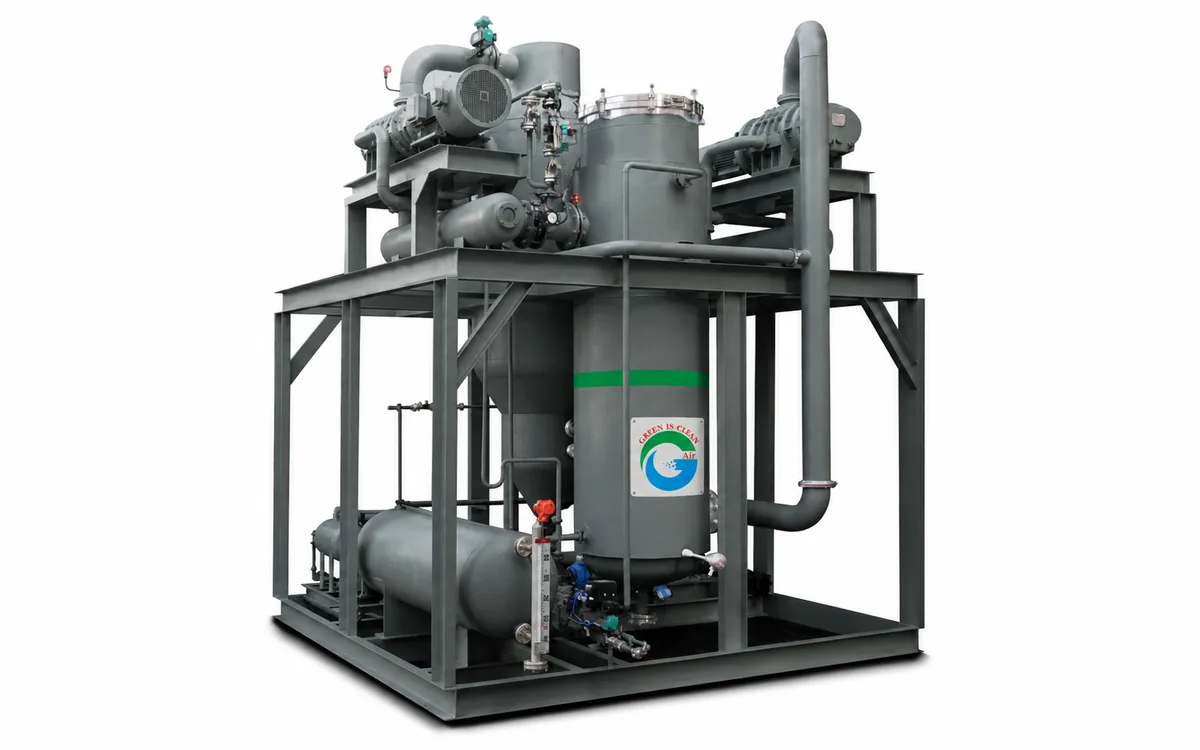
Mechanical vapour recompression
Reuse evaporator vapour instead of condensing it away.
Learn more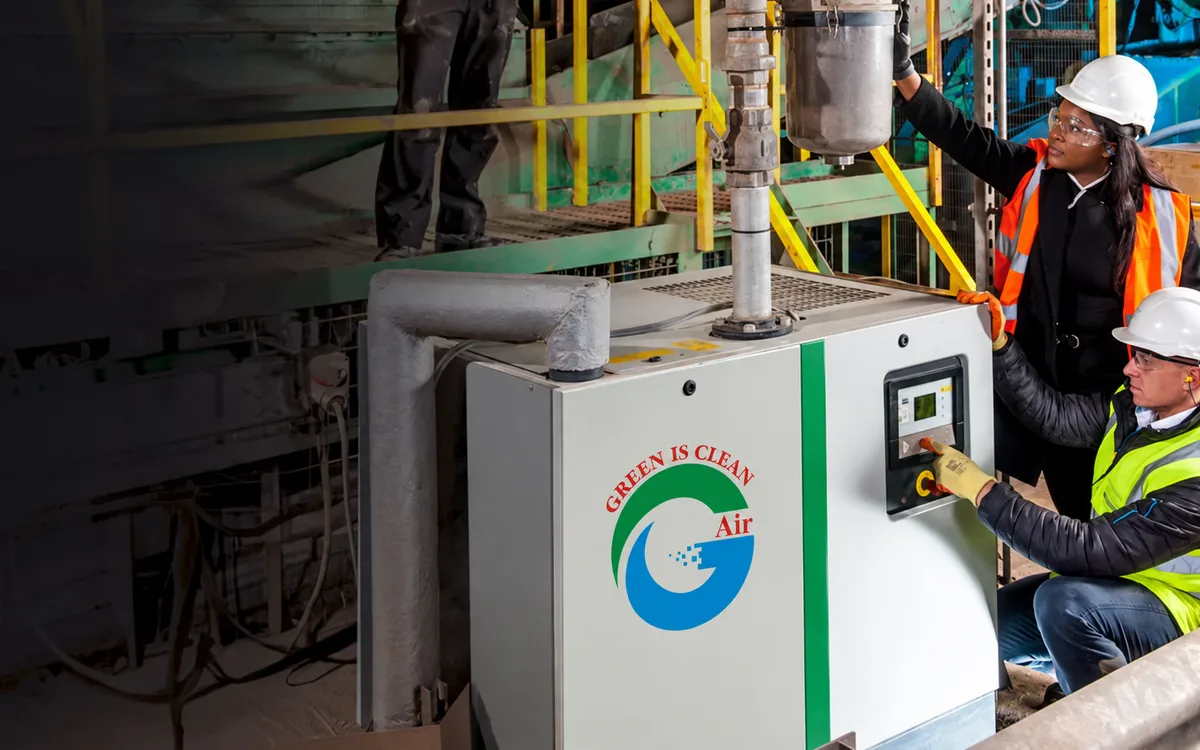
Vacuum pump service
Repair, parts, oil, contracts, health checks and monitoring.
Learn moreNot sure which model you need?
Send us your air demand, working pressure and running hours. Our engineers will size the machine and send a written recommendation, no cost, no obligation.