
Pressure equipment inspection
Statutory receiver and safety valve inspection, documented.
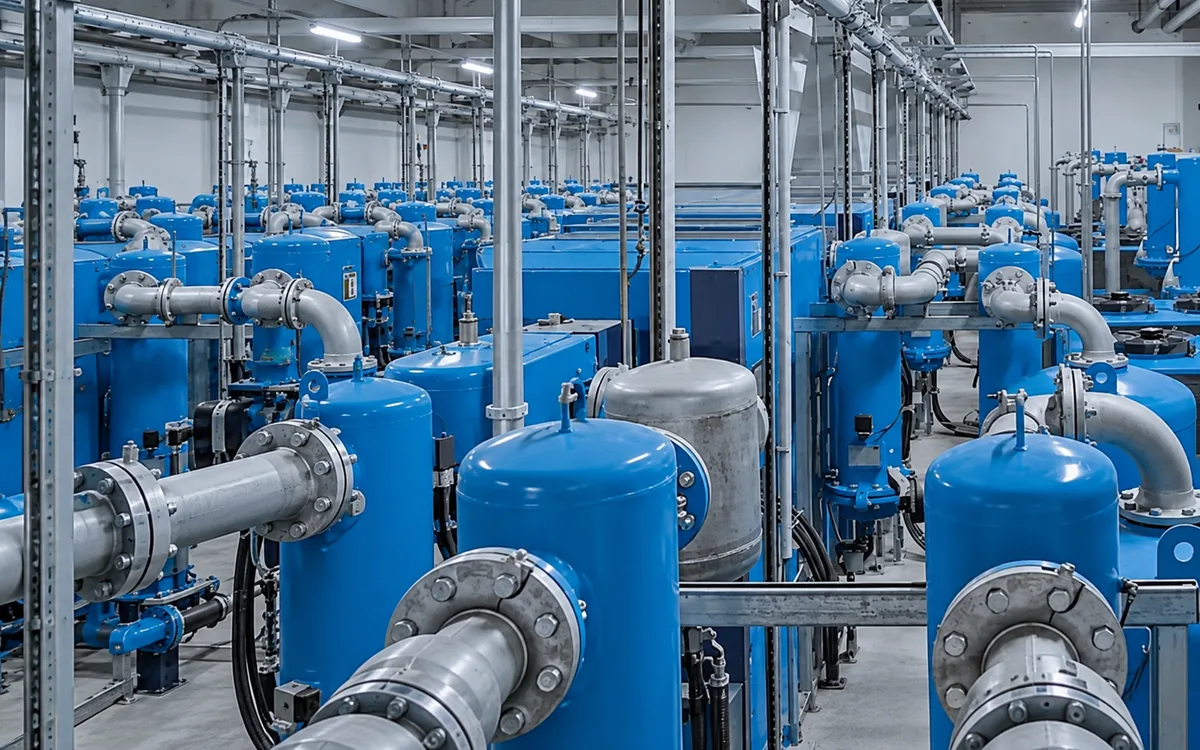
Overview
An air receiver is a pressure vessel and every market we operate in requires it to be inspected periodically by a competent person. Insurers ask for the certificate, and after an incident it is the first document requested.
We arrange and document statutory inspection of receivers, safety valves and pressure accessories, and keep the certificates so they are available when someone asks for them.
Key benefits
Meets local requirements
Inspection to the regulations that apply in Pakistan, Saudi Arabia, the UAE, Oman and Türkiye respectively.
Safety valve testing
Set pressure verified and certified, or the valve replaced.
Certificates retained
We keep copies, so a lost certificate is not your problem.
Reminders before expiry
You are told before the inspection is due, not after it has lapsed.
What has to be inspected
Air receivers, and in most of the countries we trade in that is a legal requirement with a stated interval rather than a recommendation.
The vessel is examined internally and externally, the safety valve is tested, and the certificate is issued against the vessel's own identification.
Separators, dryers and filter housings are pressure vessels too, and they are inspected on the same visit rather than being remembered separately.
- Air receivers examined inside and out
- Safety valves tested and certified
- Separators and housings inspected too
- Certificate issued against the vessel number
- Legal interval tracked for you
- Reminder sent before it expires
- Done with the compressor service
- Valid in the country of operation
Keeping it valid
We keep the expiry dates and tell you before they run out. An expired certificate found by an inspector is a stoppage, and it is entirely avoidable.
Where a vessel fails, we say so plainly and we explain what the options are. A vessel that has thinned is not something to negotiate about.
Records are kept against the vessel rather than against the site, so a machine that moves keeps its history.
- Expiry dates tracked and flagged early
- Reminder before the certificate lapses
- Plain answer where a vessel fails
- Options explained with costs
- History kept against the vessel
- Records travel with a relocated machine
- Copies issued for your quality system
- Included in the service plan
What it costs
It is priced per vessel and quoted in advance, and on a plan it is included so nothing is forgotten between renewals.
Doing it with the service visit costs less than a separate trip, which is the practical reason to put it on the same schedule.
Where a vessel needs work we quote before doing it. Nobody should discover the cost of a repair on the invoice.
- Priced per vessel and quoted in advance
- Included in the service plan
- Cheaper on the same visit as the service
- Repairs quoted before the work
- No charge for reminders or record keeping
- Multi site pricing available
- Certificates issued the same week
- Annual agreement available
Frequently asked questions
Why does a receiver need inspecting?
Because it is a pressure vessel. Internal corrosion is invisible from outside, and a failed vessel is one of the few genuinely dangerous events in a plant room.
How often is inspection required?
Commonly every two years externally and every four to six internally, but the interval is set by local regulation. We confirm the requirement for your country.
What is actually checked?
Wall thickness, internal corrosion, welds, safety valve operation, gauges and the nameplate data. All of it goes on a certificate.
What causes vessels to corrode?
Condensate sitting in the bottom. A drain that has failed or been valved off is behind most of the vessels we condemn.
Do safety valves need testing too?
Yes, and they are the item most often overlooked. A valve that has never lifted in ten years cannot be assumed to lift when it must.
What happens if a vessel fails inspection?
It is taken out of service. Depending on the finding it may be repairable, but a thin shell is replaced. No repair is worth the risk.
Will this be accepted by my insurer?
Yes. We issue a certificate to the applicable standard with the inspector's details, which is what insurers and auditors ask for.
How long does it take?
An external inspection is a couple of hours. An internal needs the vessel emptied, isolated and opened, so allow most of a day.
Can it be done during a shutdown?
That is the ideal time, and we plan around your maintenance window so no separate production stop is needed.
Do you inspect other people's equipment?
Yes, regardless of who supplied it, and we report what we find without reference to whose machine it is.
Related products
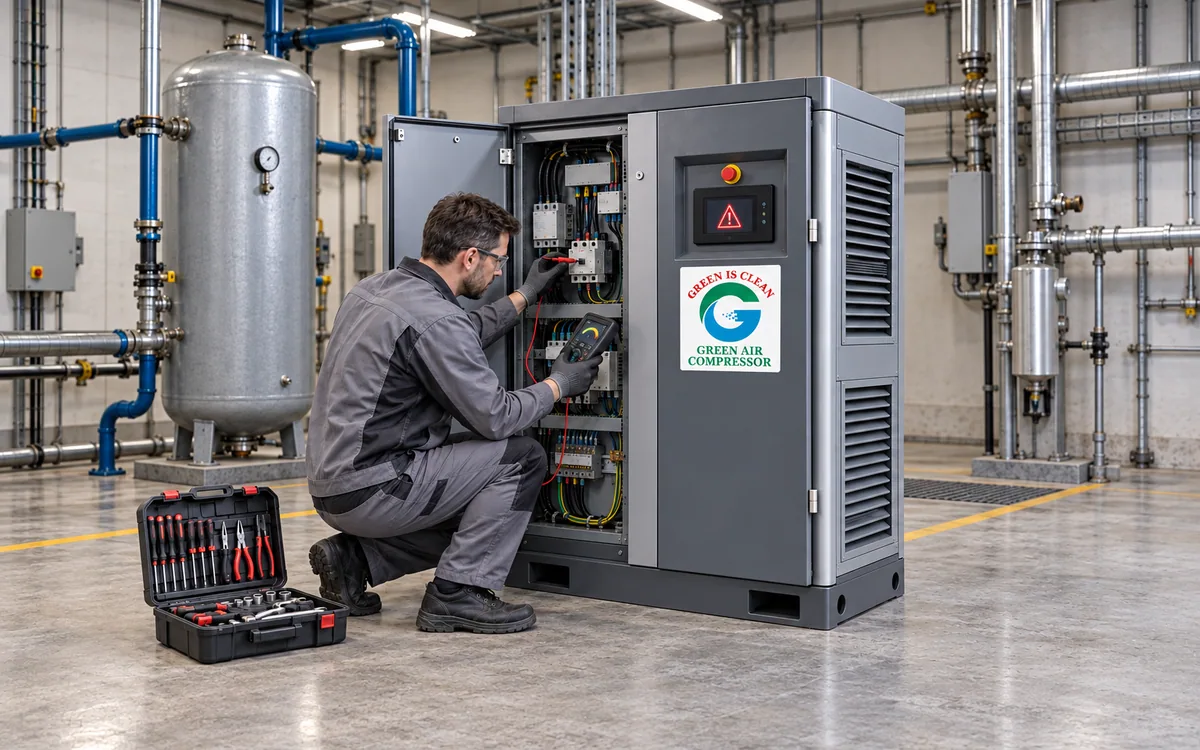
Air compressor repair
A machine that has stopped, and the fastest honest route to getting it running.
Learn more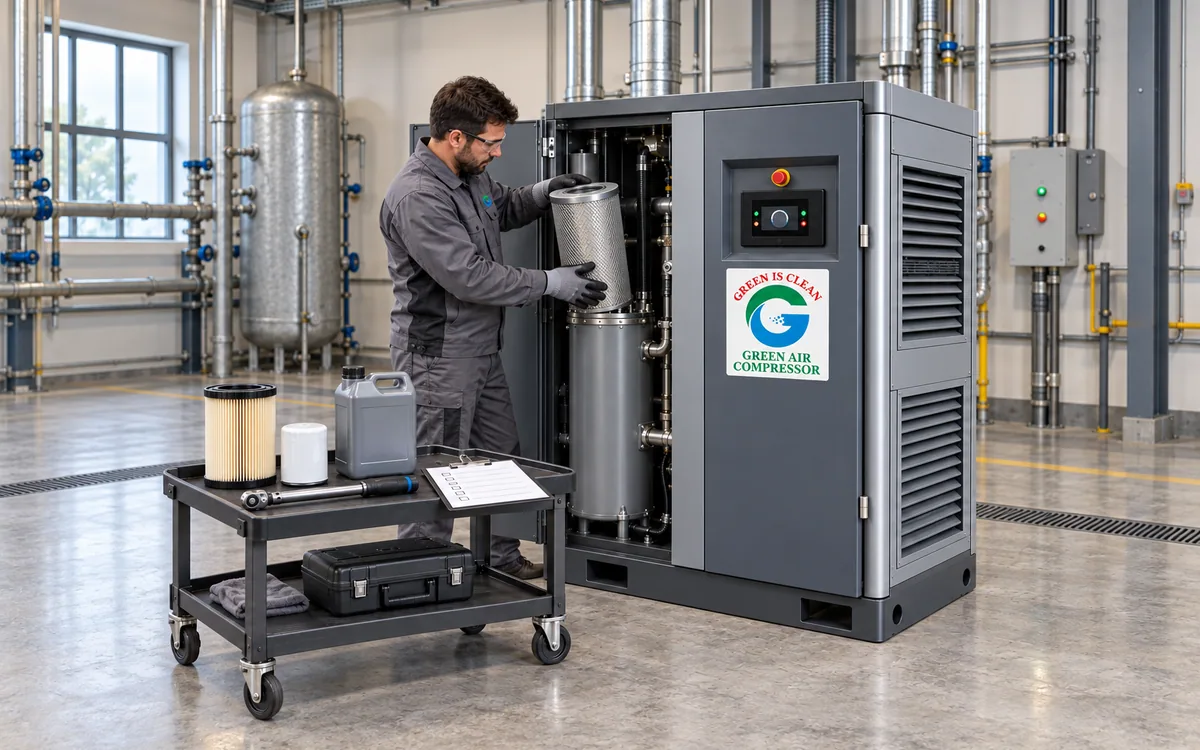
Air compressor maintenance
Planned work that keeps the machine off the breakdown list and the energy bill flat.
Learn more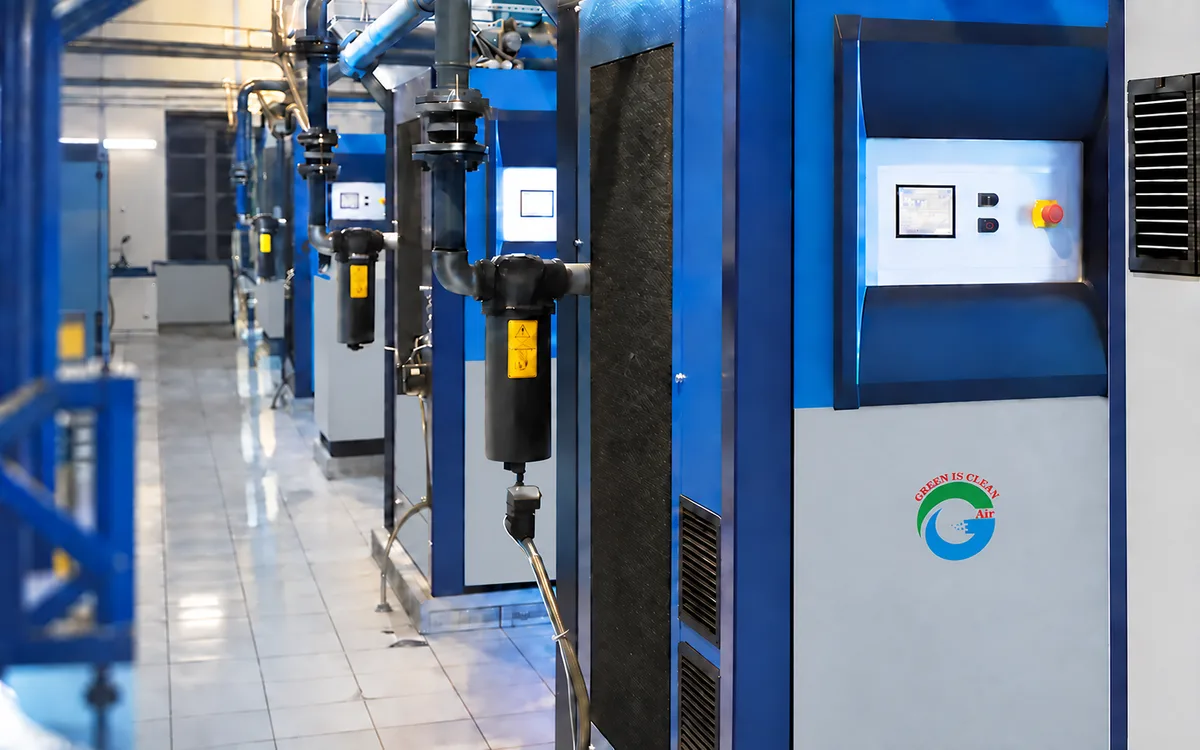
Air compressor parts
Genuine filters, separators, oil, valves and kits from local stock.
Learn more
Air compressor filters
Intake, oil, separator and line filters correctly specified.
Learn moreNot sure which model you need?
Send us your air demand, working pressure and running hours. Our engineers will size the machine and send a written recommendation, no cost, no obligation.