
Vacuum pump oil
Mineral, synthetic and chemical-resistant fluids, correctly matched.
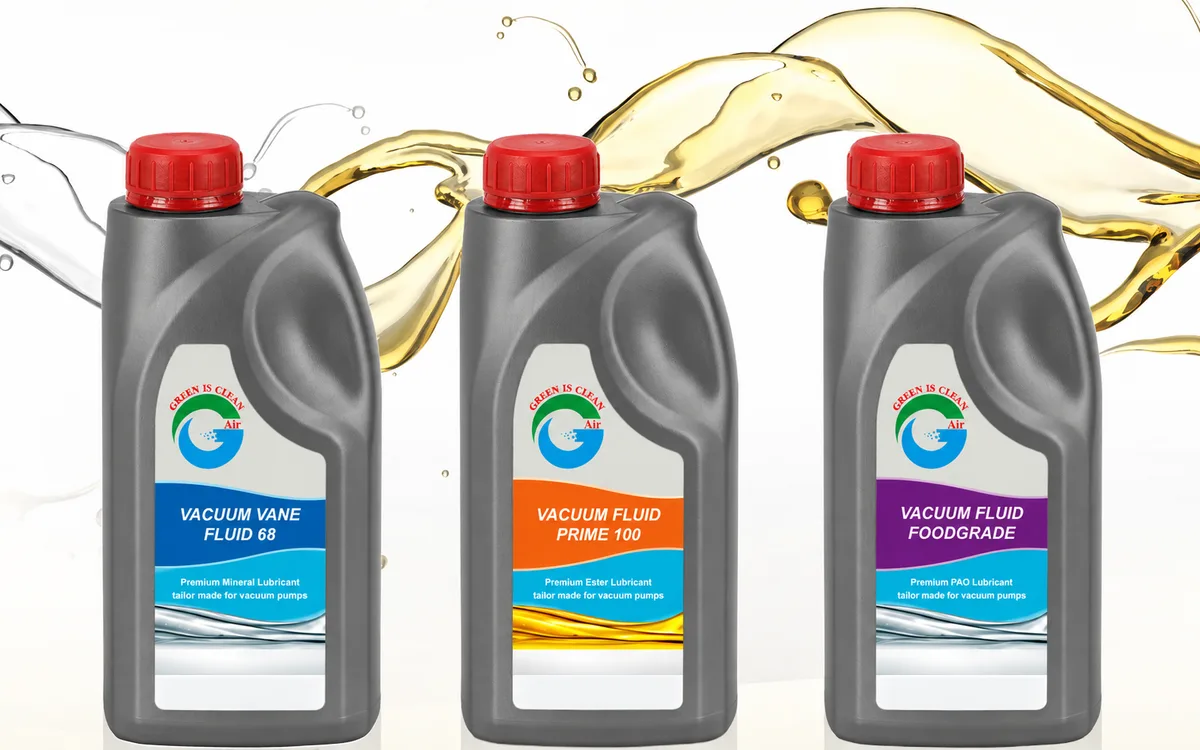
Overview
Vacuum pump oil is not lubricating oil with a different label. It is formulated to have an extremely low vapour pressure, because ordinary oil would simply evaporate into the vacuum it is supposed to be creating.
Using the wrong fluid is one of the most common reasons a pump cannot reach its rated ultimate pressure. We supply mineral, synthetic and chemically resistant grades and will tell you which one your process actually needs.
Key benefits
Low vapour pressure
Formulated so the fluid does not limit the vacuum the pump can reach.
Grade matched to the process
Mineral for clean duty, synthetic for high temperature, PFPE for oxygen and aggressive chemistry.
Longer intervals
Synthetic grades typically triple the oil change interval on hot duties.
Disposal advice
Guidance on legal disposal of used fluid in each market we serve.
Why it is not engine oil
Vacuum pump oil is chosen for its vapour pressure above everything else. An oil that evaporates at working vacuum will limit the ultimate pressure no matter how good the pump is.
It also has to resist whatever the process brings with it. Solvents thin it, water emulsifies it and acids attack it, and each of those needs a different answer.
Mineral, semi synthetic and fully synthetic all have a place. Which one you need depends on the process, not on the price.
- Chosen for vapour pressure first
- Wrong oil limits ultimate vacuum
- Resistance matched to the process
- Mineral, semi synthetic and synthetic supplied
- Solvent, water and acid duties all different
- Specification supplied with every drum
- Food grade available where needed
- Advice given before the order
What the oil tells you
Milky oil means water is condensing in the pump, and the pump is being destroyed while somebody looks at it. Run with gas ballast open, change the oil and deal with the source.
Dark oil means heat or oxidation. Thin oil means solvent carry over. Each of those points at something upstream rather than at the pump.
Oil analysis makes all of that a measurement instead of an opinion, and on an expensive pump it is worth doing at every change.
- Milky means water, act immediately
- Dark means heat or oxidation
- Thin means solvent carry over
- The oil points upstream, not at the pump
- Analysis available at every change
- Gas ballast use explained
- Change interval set by the process
- Findings reported in plain language
Supply and disposal
Held in local stock in every country we trade in, in the sizes that suit a service rather than only in bulk.
Used oil from a process duty is not ordinary waste oil. We collect it and dispose of it properly rather than leaving that problem on your site.
Where usage is regular we set up a call off so the oil arrives with the service rather than being ordered afterwards.
- Held in local stock in service sizes
- Used oil collected and disposed of properly
- Disposal documentation supplied
- Call off for regular usage
- Delivered with the service visit
- Bulk pricing where usage justifies it
- Correct grade confirmed before despatch
- Annual agreement available
Frequently asked questions
Why is the oil so important?
In an oil-sealed pump the oil seals, lubricates and cools. Its condition is the single best indicator of the health of the whole machine.
Can I use hydraulic or engine oil?
No. Vacuum pump oil has a very low vapour pressure, which ordinary oils do not. Using the wrong oil directly limits the vacuum you can reach.
Mineral or synthetic?
Mineral for general duty, synthetic for high temperature, long intervals or aggressive processes. Synthetic costs more per litre and usually less per hour.
Are there special oils for chemicals?
Yes, fluorinated oils for oxygen and aggressive chemistry, and specific grades for solvents. Tell us the process, because the wrong oil here is dangerous, not just inefficient.
How often should it be changed?
Every 500 to 3,000 hours depending on process. Wet or dirty duty is at the short end and no calendar substitutes for looking at it.
What does milky oil mean?
Water contamination. Open the gas ballast, change the oil, and find the source. This is a fault being announced, not a cosmetic issue.
What does dark oil mean?
Heat and oxidation, or process contamination. Either way the oil has stopped protecting the pump and is now carrying wear debris around it.
Should we do oil analysis?
On critical pumps, yes. It shows water, wear metals and oxidation long before anything is audible, and it is inexpensive.
How do we dispose of used oil?
As classified waste. We collect it under a disposal note as part of the service visit, which also keeps your environmental record clean.
Can changing oil grade extend intervals?
Often yes, and on a hot plant room in this region it usually does. We will run the comparison for your pump rather than generalise.
Related products

Vacuum pump repair and overhaul
Workshop rebuild with test certificate, or exchange from stock.
Learn more
Vacuum pump parts
Genuine vanes, seals, bearings and service kits held in stock.
Learn more
Vacuum pump service contracts
Planned maintenance at a fixed annual cost.
Learn more
Vacuum system health check
Measure what your system is actually doing before you spend money.
Learn moreNot sure which model you need?
Send us your air demand, working pressure and running hours. Our engineers will size the machine and send a written recommendation, no cost, no obligation.