
Liquid ring vacuum pumps
For wet, dirty and vapour-laden processes that destroy other pumps.
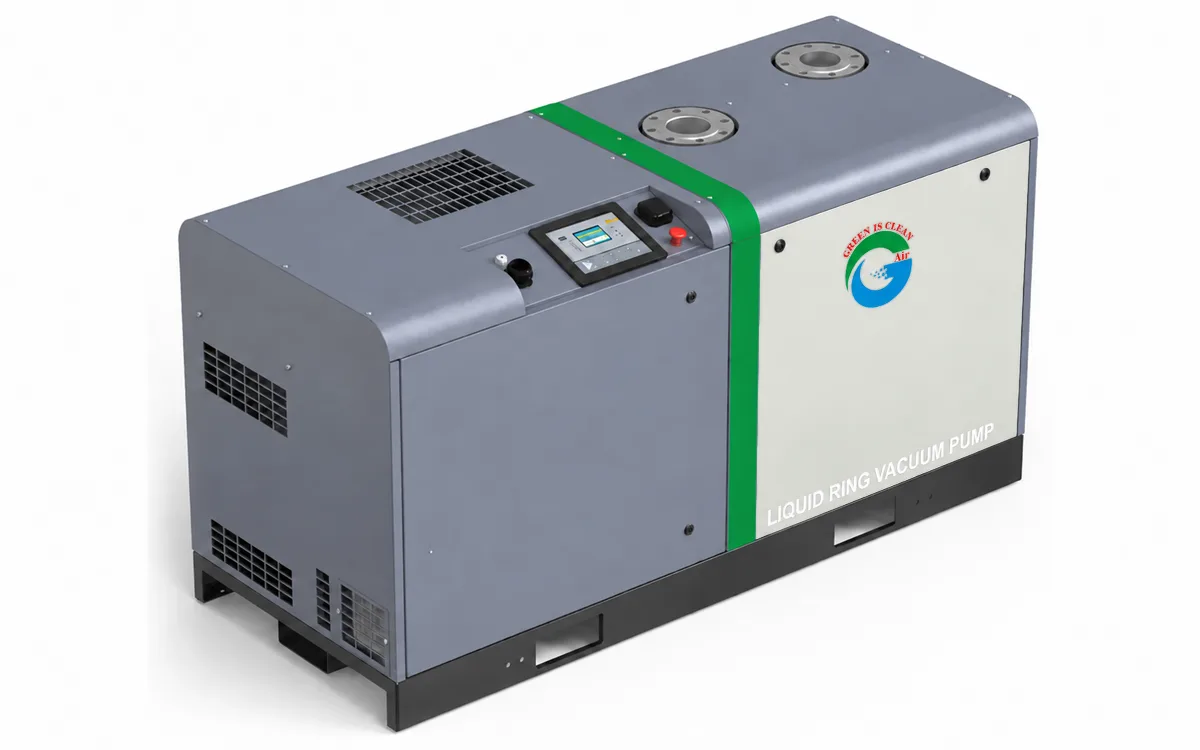
Overview
A liquid ring pump uses a spinning ring of water or process liquid as its sealing and compressing element. Because that element is a liquid, the pump is almost indifferent to carry-over, condensate and dirt.
It is the standard vacuum technology in paper, sugar, chemical and power generation for exactly that reason.
In this range
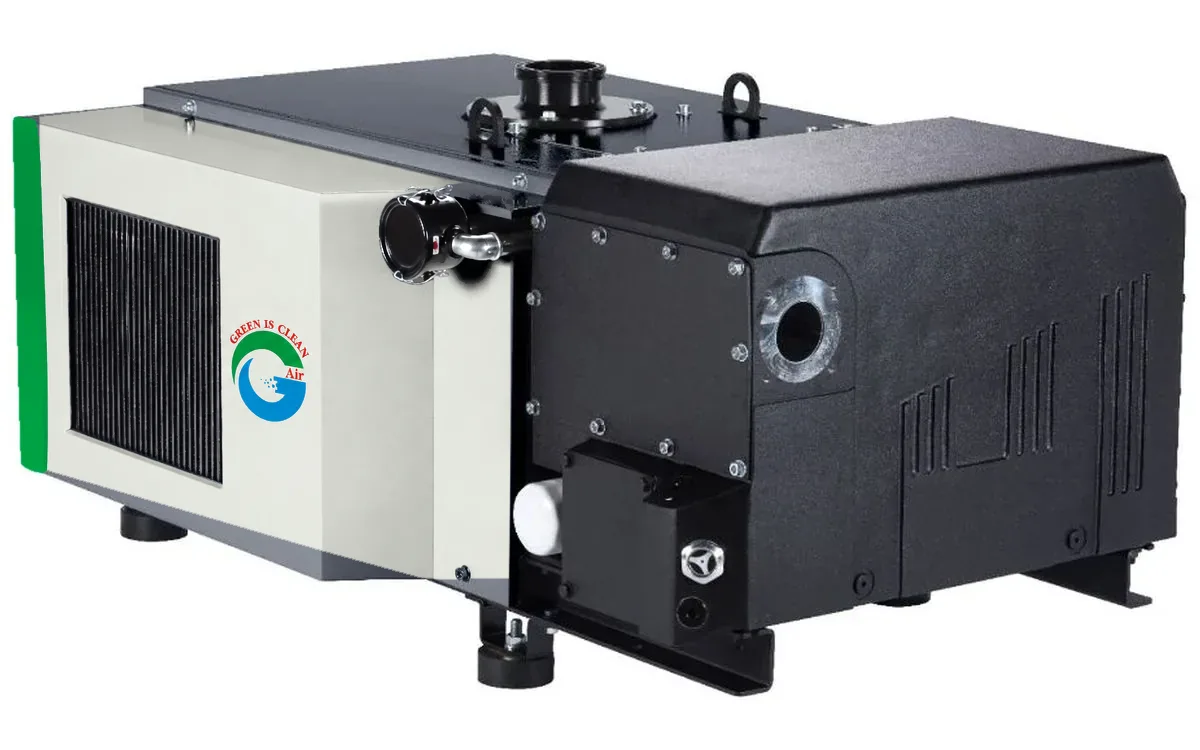
Fixed speed liquid ring vacuum pumps
The pump that does not mind if your process is wet and dirty.
- Working pressure
- 33 – 160 bar g
- Motor power
- 2 – 447 kW
- Weight
- 37 – 8,930 kg
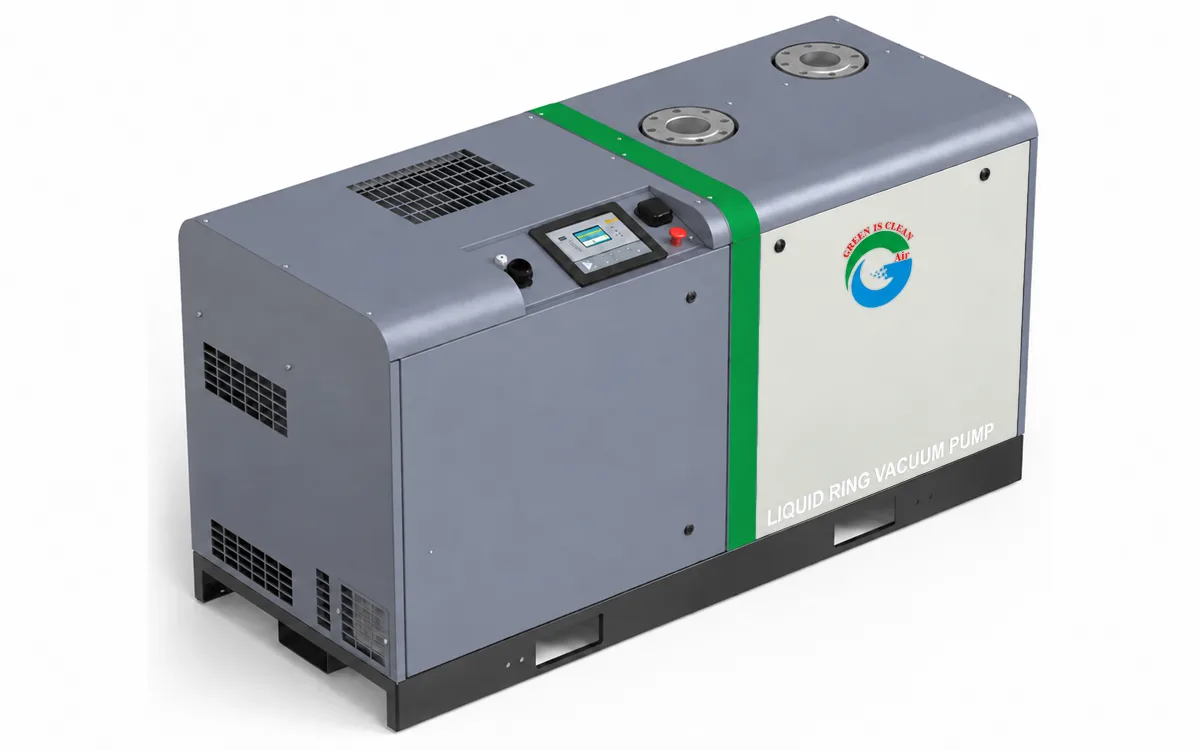
Variable speed liquid ring vacuum pumps
The same tolerance, with the energy waste taken out.
- Working pressure
- 130 bar g
- Motor power
- 4 – 22 kW
- Weight
- 110 – 340 kg
Key benefits
Swallows what stops others
Water, vapour and slugs pass through rather than damaging anything.
No dry contact anywhere
Nothing rubs, so there is very little to wear.
Variable speed cuts water too
The water saving usually matches the electricity saving.
Materials for the process
The whole wetted path specified on corrosive duty, not just the impeller.
Why liquid ring
A ring of liquid does the sealing and the compressing, so the pumping element is a liquid rather than a machined part. That is why it swallows water, vapour and slugs that stop a dry pump.
There is no dry rubbing contact anywhere and the gas is cooled and washed as it passes through, which makes this the design of last resort on processes nothing else will take.
The cost is water. A fixed speed liquid ring pump uses the same water and the same power all day, which is what variable speed and recovery systems exist to address.
- Liquid ring seals and compresses
- Swallows water, vapour and slugs
- No dry contact anywhere
- Gas cooled and washed in passing
- Water use is the running cost
- Once through, partial or closed recovery
- Corrosion resistant materials available
- Fixed and variable speed versions
Cutting the running cost
Variable speed lets the pump follow the process instead of holding full vacuum all day, and the water saving usually turns out to be as large as the electricity saving.
A recovery system reuses the seal liquid rather than sending it to drain. Partial and closed systems both exist and which suits depends on the process and the water cost.
Seal liquid temperature matters more than people expect. Warmer liquid raises the achievable pressure, so the cooling is part of the performance rather than a comfort.
- Variable speed follows the process
- Water saving as large as the power saving
- Partial or closed recovery systems
- Seal liquid temperature affects performance
- Cooling designed as part of the system
- Water quality protects the pump
- Both savings measured, not claimed
- Retrofit to existing installations
Datasheets in this range
Two pages each: what the machine is, what it is for, and the measured table. Built from this site, so a sheet can never say something the page does not.
Frequently asked questions
How does a liquid ring pump work?
An off-centre impeller spins a ring of liquid, usually water, inside the casing. The moving liquid forms the sealing and compression surface.
What makes it different?
There is no dry rubbing contact and no oil. Because the gas is cooled and washed by the liquid, it copes with things that destroy other pumps.
What can it handle that others cannot?
Wet, dirty, corrosive and vapour-laden gas. If your process carries slugs of liquid or condensable vapour, this is usually the right technology.
What vacuum does it reach?
Limited by the vapour pressure of the service liquid: about 33 mbar with water at 20 °C. Colder water gives deeper vacuum, warmer water less.
Why does water temperature matter so much?
Because the water boils in the pump if the vacuum approaches its vapour pressure. A rise of a few degrees can visibly lose you vacuum.
How much water does it use?
Once-through systems use a lot. Partial or full recirculation with a heat exchanger cuts that dramatically and is normal on new installations.
Can it use something other than water?
Yes, oil or a process-compatible liquid where water would react or contaminate. The choice affects both vacuum level and materials.
What maintenance does it need?
Very little mechanically: seals, bearings and impeller clearance. The real maintenance is water quality, because scale and fouling do the damage.
Is it efficient?
Less efficient than dry technologies in energy terms. You accept that in exchange for tolerating gas that would wreck anything else.
Where is it most used?
Paper, sugar, food, chemical processing, power station condenser evacuation and anywhere the gas is genuinely wet.
Related products
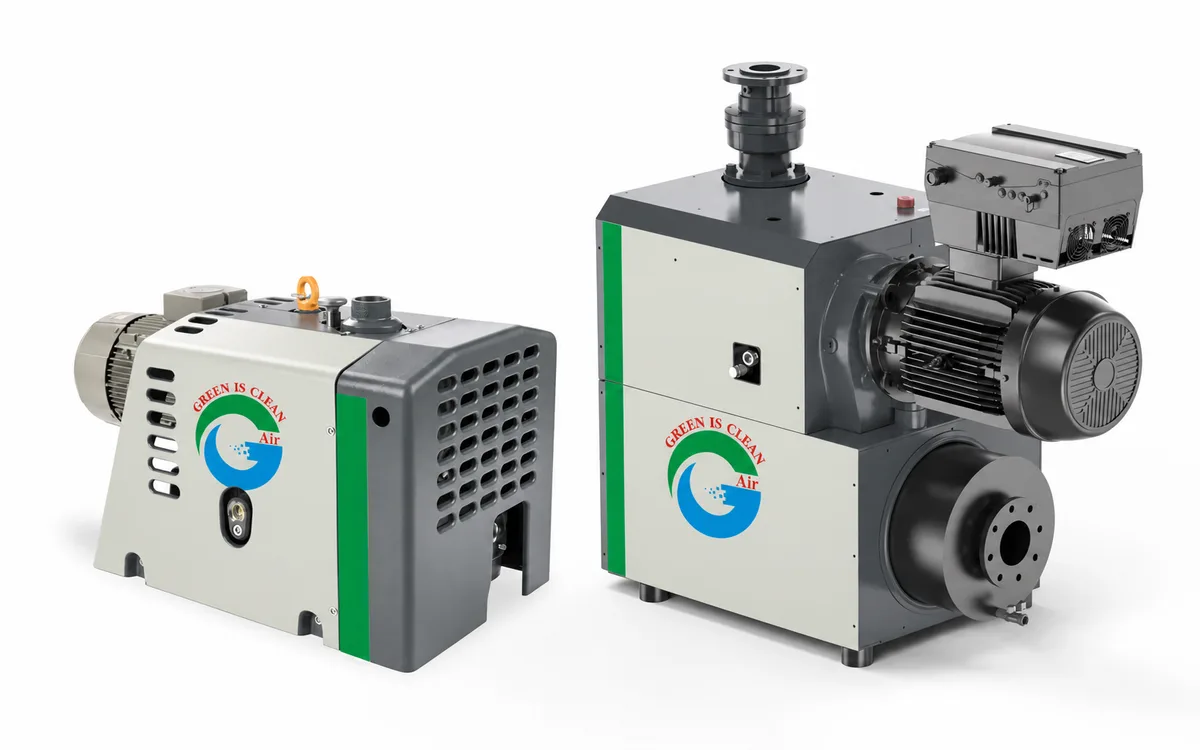
Dry vacuum pumps
Claw, screw, scroll, vane and booster pumps with no oil in the chamber.
- Free air delivery
- 42 – 59 cfm
- Working pressure
- 0 – 450 bar g
- Motor power
- 0 – 63 kW
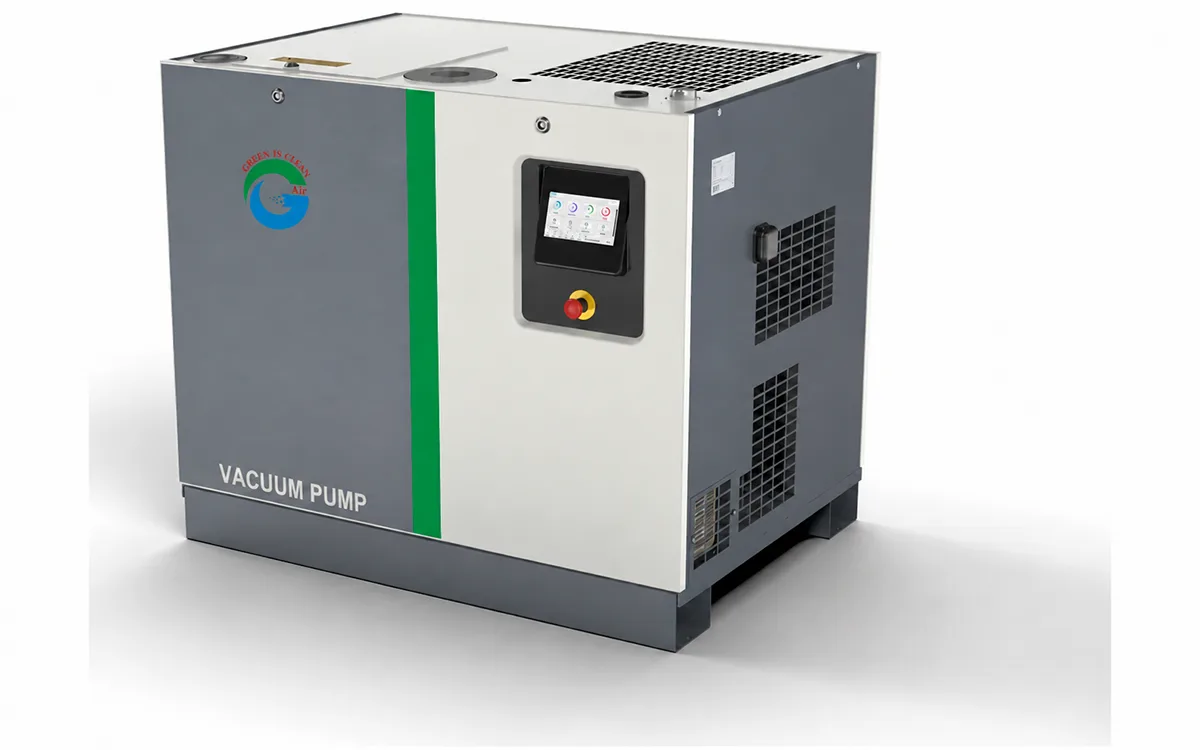
Oil-sealed vacuum pumps
Vane, piston and screw pumps sealed and cooled by oil.
- Working pressure
- 0 – 1,000 bar g
- Motor power
- 3 – 90 kW
- Weight
- 180 – 1,053 kg
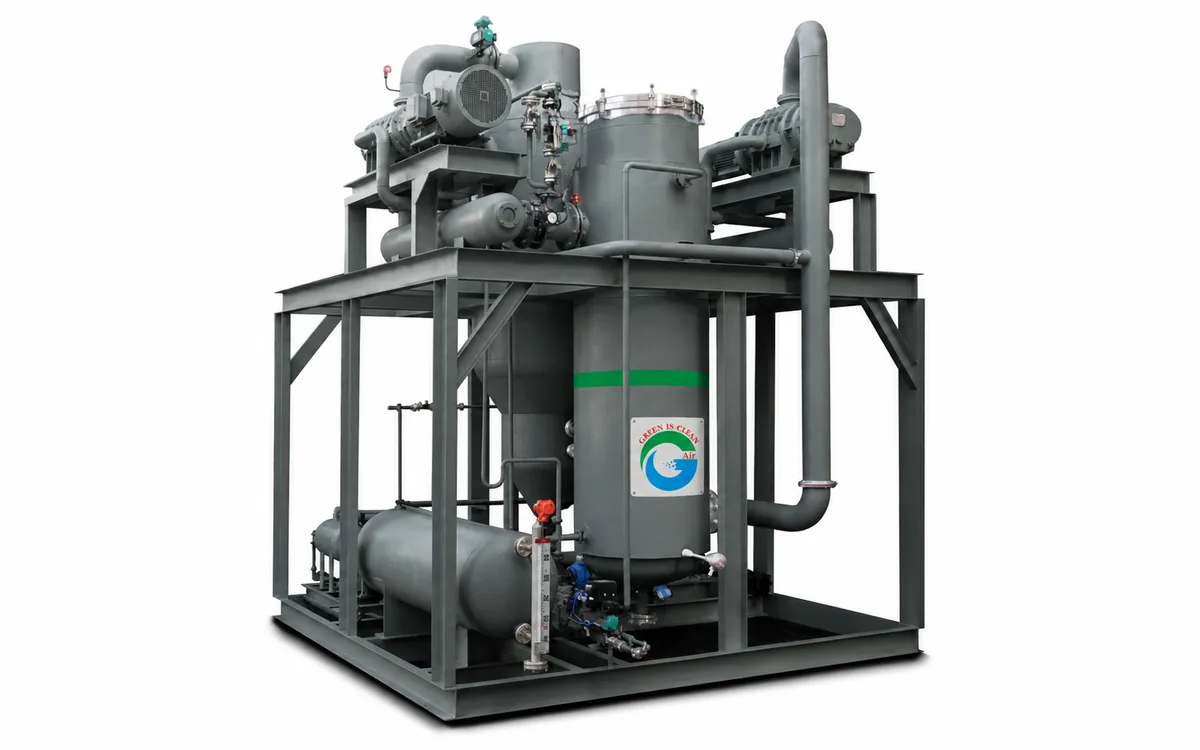
Mechanical vapour recompression
Reuse evaporator vapour instead of condensing it away.
Learn more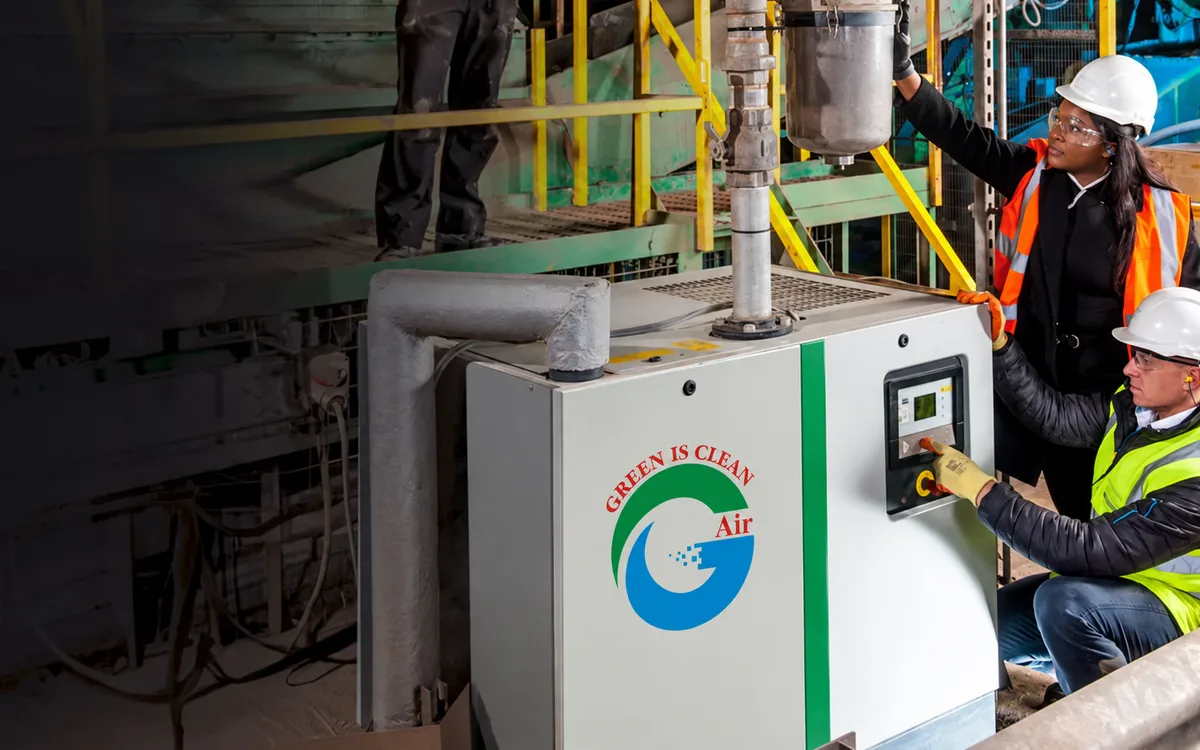
Vacuum pump service
Repair, parts, oil, contracts, health checks and monitoring.
Learn moreNot sure which model you need?
Send us your air demand, working pressure and running hours. Our engineers will size the machine and send a written recommendation, no cost, no obligation.