
Dry scroll vacuum pumps
Quiet, clean pumps for laboratories and analytical instruments.
Technical data
- Free air delivery
- 42 – 59 cfm
- Working pressure
- 2 bar g
- Motor power
- 2 – 2 kW
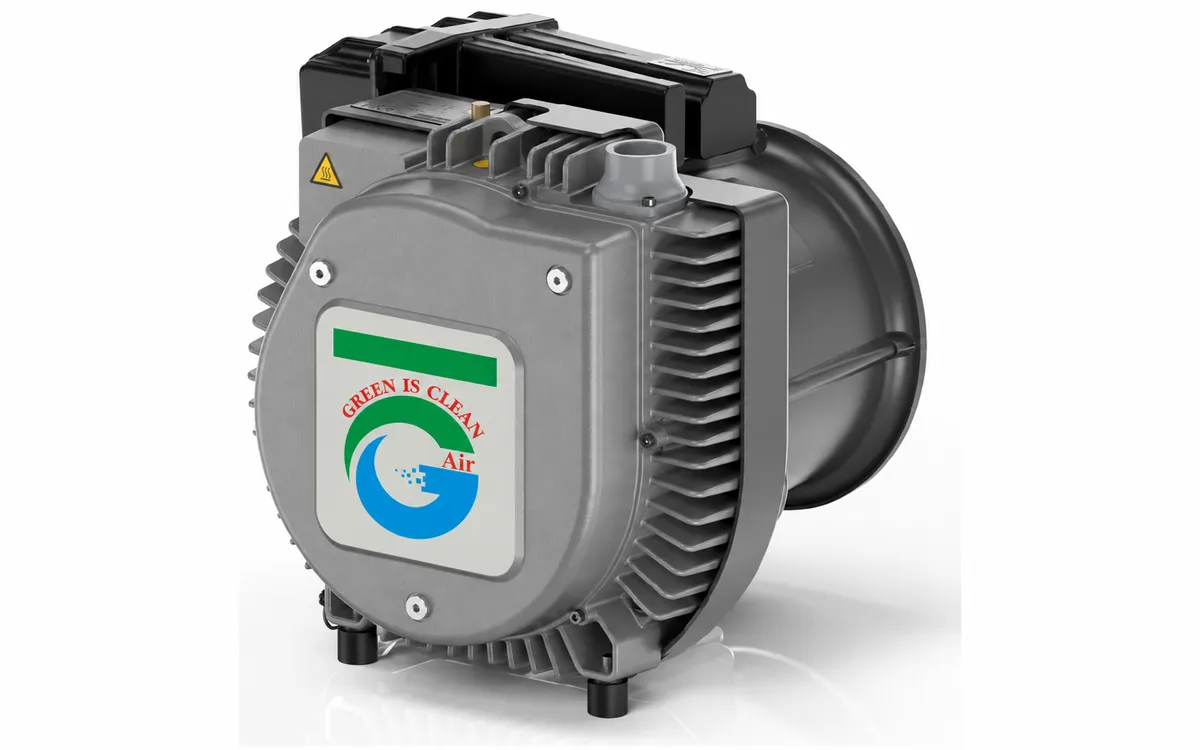
Overview
Two spiral scrolls, one fixed and one orbiting, trap gas and push it towards the centre. There is a single tip seal and no metal-to-metal contact, so the pump is quiet and produces genuinely clean vacuum.
That makes it the standard choice for analytical instruments, R&D benches and anywhere a laboratory needs vacuum without an oil mist filter above it.
Key benefits
Quiet enough for a lab bench
Typically under 52 dB(A). You can hold a conversation next to it.
Hydrocarbon free
No oil anywhere, so no backstreaming into the instrument.
One consumable
The tip seal, changed roughly every 15,000 hours.
Compact and light
Bench or trolley mountable, movable by one person.
How it is built
One spiral orbits inside another, trapping gas and carrying it inward to the outlet. There is a tip seal between them and that seal is the wearing part.
The design is quiet, compact and completely oil free, which is why it is the usual choice for laboratories and for analytical instruments.
Tip seal replacement is a planned job with a published interval, and it restores the pump rather than patching it.
- Orbiting scroll with a tip seal
- Completely oil free
- Quiet and compact
- Suits laboratory and analytical work
- Tip seal replacement restores performance
- Air cooled
- Low vibration
- Clean ultimate vacuum
Controls and monitoring
Vacuum level, hours and temperature, with hours tracked against tip seal life because that is the item the schedule is built around.
A rising ultimate pressure is the sign the seal is reaching its end. Measured rather than guessed, it makes the replacement a planned job.
Alarms are simple on this design and that suits where it is used. Loss of vacuum and over temperature, with contacts for the instrument or the plant.
- Vacuum level and running hours
- Hours tracked against tip seal life
- Ultimate pressure measured, not guessed
- Over temperature alarm
- Contacts for instrument or plant systems
- Service countdown in hours
- Fault history kept on the pump
- Automatic restart after a power failure
Parts and service
Filters, seals and the scheduled wear items, quoted against the serial number and the process. Two identical pumps on different duties do not take the same interval.
A vacuum pump rarely fails without warning. Ultimate pressure drifting, a longer pump down time and a rising temperature all appear first, which is why those three are measured at every visit.
We test after service rather than simply finishing. The pump down curve and the ultimate pressure achieved go on the report, so you know what you have rather than what was intended.
- Filter and seal kits by interval
- Intervals set by the process, not the calendar
- Ultimate pressure tested after every service
- Pump down curve recorded
- Confirmed against your serial number
- Held in local stock
- Workshop overhaul where testing is needed
- Fixed price under a service plan
Model range
- 1.5 mbar
- 72 m³/h (42 cfm)
- 1.5 mbar
- 86 m³/h (51 cfm)
- 1.5 mbar
- 100 m³/h (59 cfm)
Performance to ISO 1217 Annex C at 20 °C inlet, 1 bar(a). Figures are typical and subject to confirmation. Ask us for the certified test report for your selected model.
Frequently asked questions
How does a scroll pump work?
One fixed and one orbiting spiral trap gas and compress it inwards towards the centre. Smooth, continuous and completely dry.
What is it used for?
Laboratory and analytical work, backing turbomolecular pumps, medical equipment and clean applications where any oil at all is unacceptable.
What vacuum does it reach?
Typically around 0.01 to 0.1 mbar, which makes it a genuinely deep-vacuum dry pump in a small package.
Why choose it over a rotary vane?
No oil, no mist, no oil disposal and no risk of backstreaming into a clean system. In a laboratory that usually settles the question.
Is it quiet?
Very. No pulsation and hardly any vibration. It is one of very few vacuum pumps genuinely comfortable to sit next to all day.
What wears?
The tip seals, and they are a planned replacement item. Seal life is measured in thousands of hours and the change is straightforward.
Can it handle vapour?
Light vapour loads yes, with the correct configuration. Heavy condensables or particulates need a trap ahead of the pump, without exception.
Is it suitable for continuous duty?
Yes, within its rating. What shortens life is running against a leak that keeps it at high inlet pressure for long periods.
How much air does it move?
Modest flow compared with a claw or screw pump. It is chosen for cleanliness and vacuum level, not for volume.
What are the main mistakes?
Undersizing for the chamber volume and letting particulates reach the scrolls. A trap and correct sizing avoid nearly every problem we see.
Related products
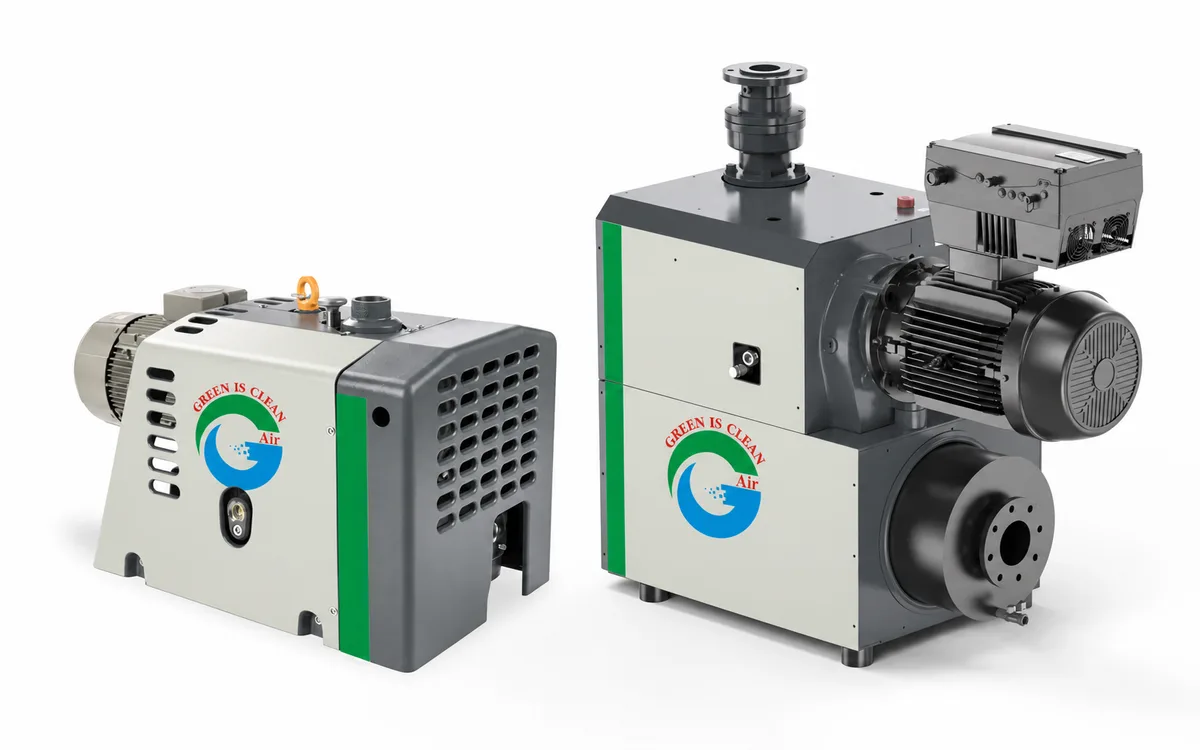
Dry claw vacuum pumps
Contact-free claw rotors for continuous, oil-free rough vacuum.
- Working pressure
- 20 – 450 bar g
- Motor power
- 1 – 25 kW
- Weight
- 7 – 950 kg
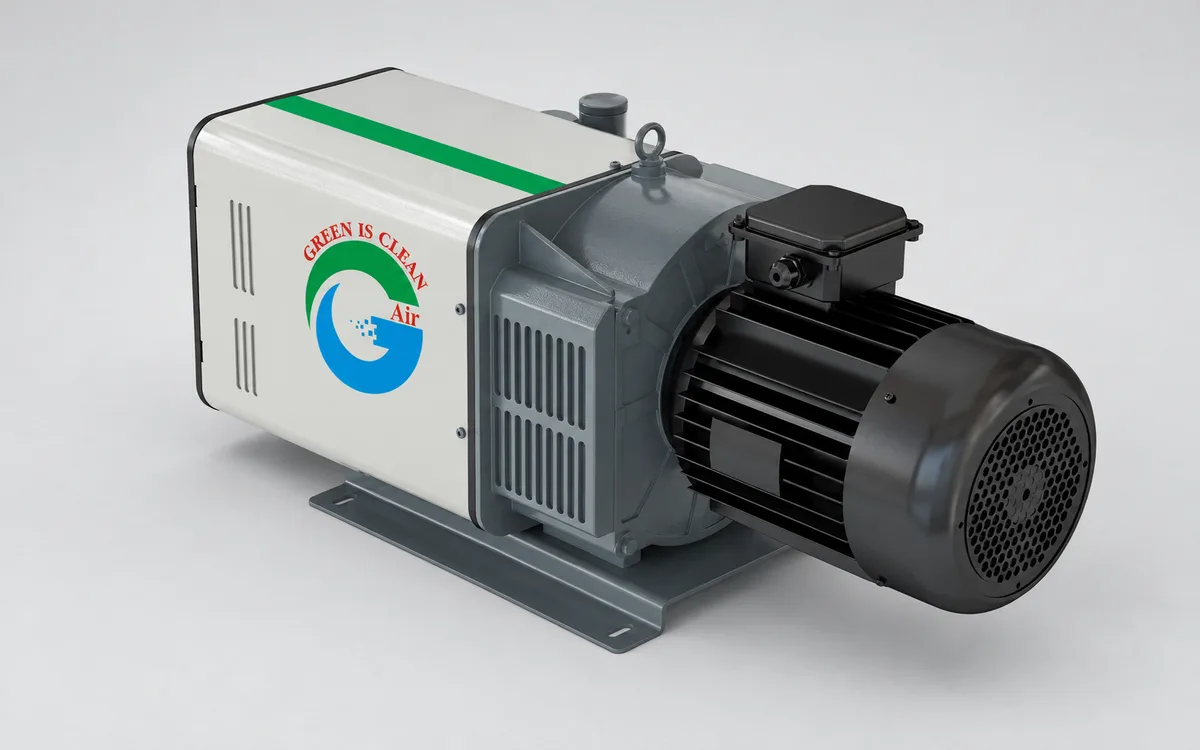
Dry rotary vane vacuum pumps
Simple, compact oil-free pumps for light and intermittent duty.
- Working pressure
- 100 – 150 bar g
- Motor power
- 0 – 8 kW
- Weight
- 5 – 140 kg
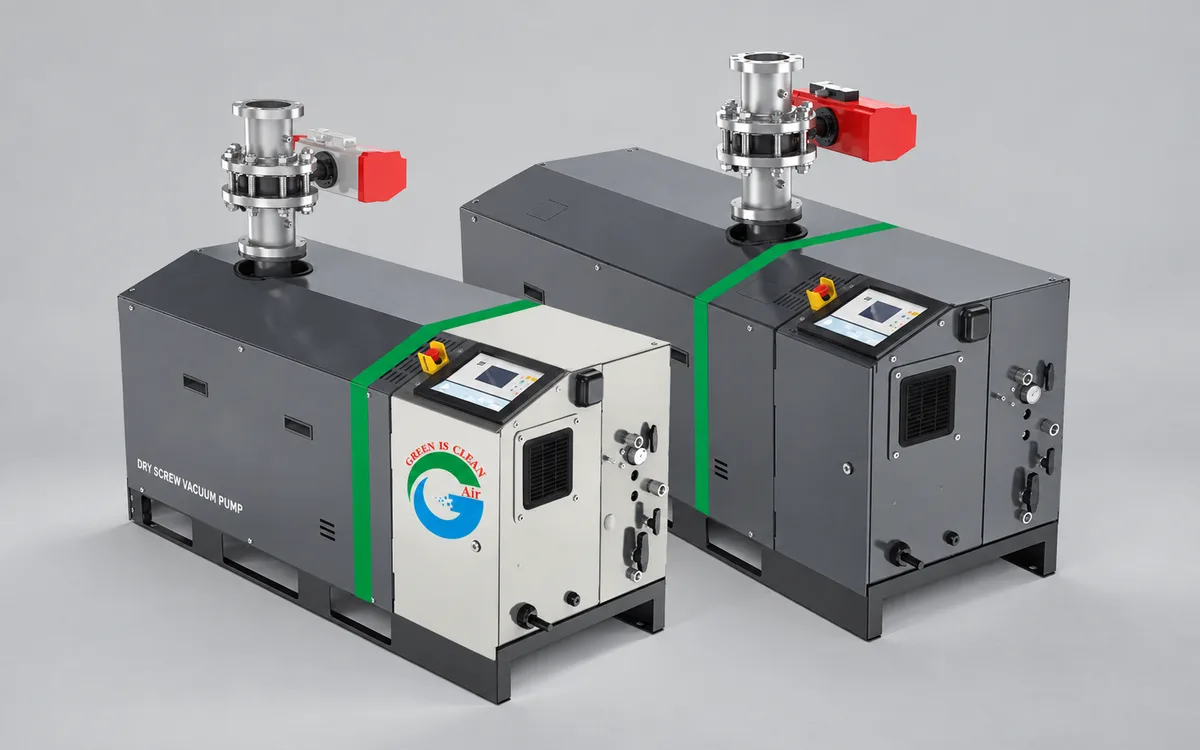
Dry screw vacuum pumps
Deep, dry vacuum that tolerates vapour and process carry-over.
- Working pressure
- 0 – 20 bar g
- Motor power
- 4 – 63 kW
- Weight
- 250 – 2,750 kg
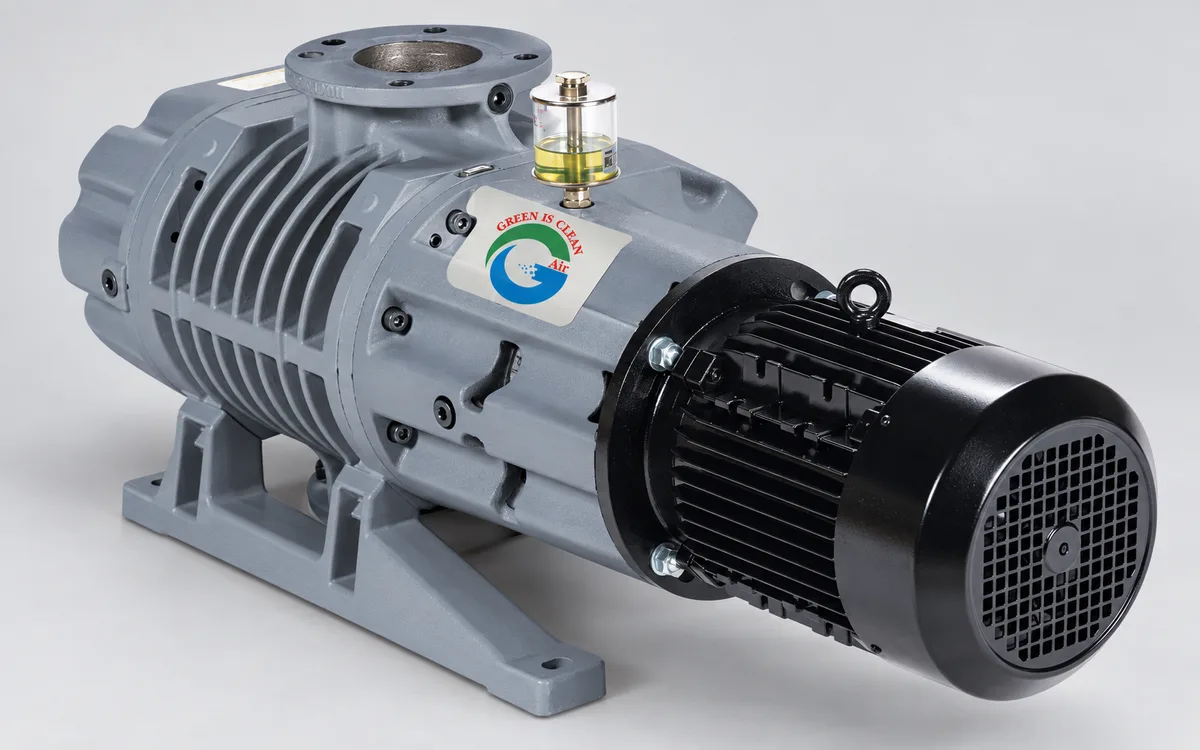
Mechanical booster pumps
Roots boosters that multiply the speed of a backing pump.
- Working pressure
- 20 – 85 bar g
- Motor power
- 2 – 19 kW
- Weight
- 146 – 825 kg
Not sure which model you need?
Send us your air demand, working pressure and running hours. Our engineers will size the machine and send a written recommendation, no cost, no obligation.