
Truck mounted air compressors
A compressor and its power on a vehicle chassis, for service fleets and utilities.
Technical data
- Free air delivery
- 7.1 – 13.6 m³/min
- Working pressure
- 10 – 25 bar g
- Motor power
- 23 – 42 kW
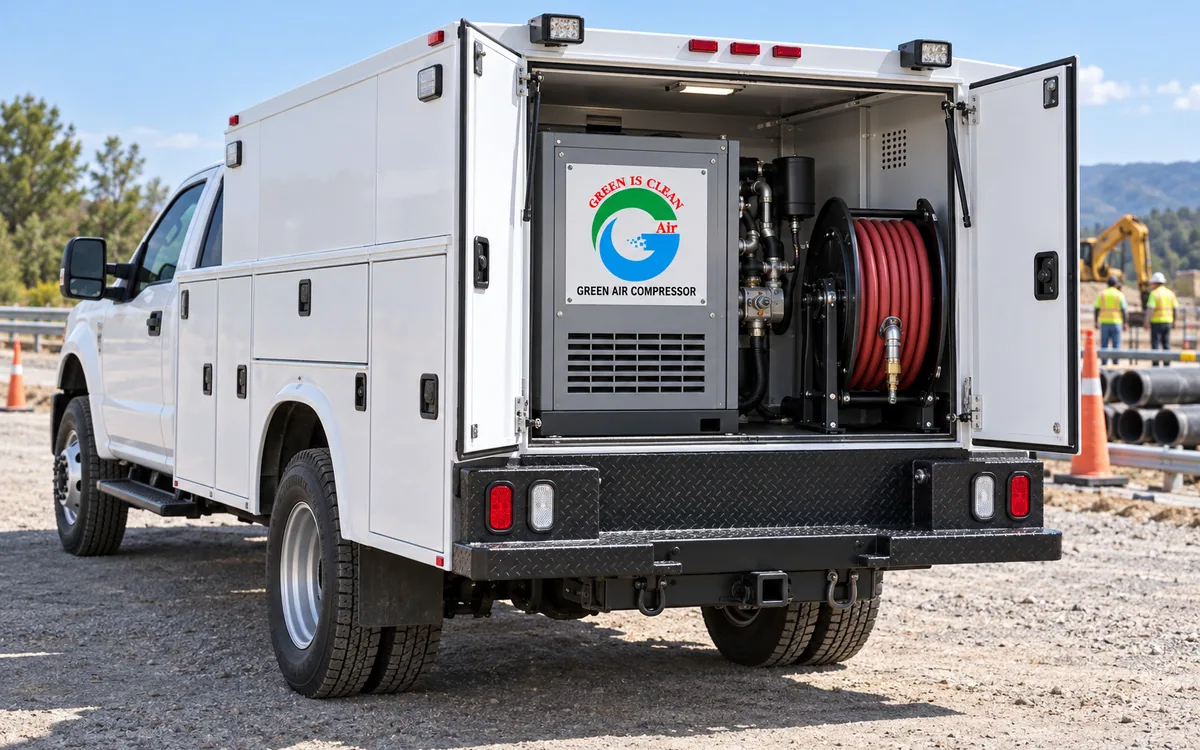
Overview
A service truck that has to carry its own air is a different specification from a towed compressor. It has to be compact, it has to be driven off the vehicle or by its own engine within the body, and it has to start reliably after standing for three days in the sun.
These are packages built onto the chassis: compressor, receiver, controls and the pipework to the reels, arranged so the crew can work from the vehicle without unloading anything.
Key benefits
No trailer to tow
One vehicle, one driver, one licence. For a utility crew that is the whole argument.
Ready on arrival
Air available from the reel within a minute of stopping. Nothing is unloaded and nothing is set up.
Chassis engine or standalone
Driven off the vehicle's power take off, or by its own engine inside the body, depending on the duty.
Built for the route
Dust filtration, high ambient rating and a battery arrangement chosen for how the vehicle is actually used.
Choosing the drive
A power take off drive uses the vehicle engine and saves weight, space and a second thing to maintain. It requires the engine to run while air is being made, which is fine for intermittent tool work and poor for long continuous duties.
A separate engine inside the body costs weight and service but runs independently, so the vehicle can be switched off and the compressor left working. For crews that stay in one place for hours, that is usually the right choice.
Electric drive from a site supply is the third option and it is growing, particularly for municipal work where noise and emissions in a residential street have become the deciding factor.
- Power take off drive from the vehicle engine
- Separate diesel engine inside the body
- Electric drive from a site supply
- Receiver and hose reels integrated
- Dust filtration for the route
- Controls at working height
Model range
- 10 bar g
- 8.0 m³/min
- 10 bar g
- 9.5 m³/min
- 10 bar g
- 11.0 m³/min
- 10 bar g
- 12.0 m³/min
- 10 bar g
- 13.6 m³/min
- 15 bar g
- 7.5 m³/min
- 15 bar g
- 9.0 m³/min
- 15 bar g
- 10.5 m³/min
- 15 bar g
- 11.7 m³/min
- 15 bar g
- 13.2 m³/min
- 20 bar g
- 7.3 m³/min
- 20 bar g
- 8.7 m³/min
- 20 bar g
- 10.1 m³/min
- 20 bar g
- 11.4 m³/min
- 20 bar g
- 12.8 m³/min
- 25 bar g
- 7.1 m³/min
- 25 bar g
- 8.5 m³/min
- 25 bar g
- 9.8 m³/min
- 25 bar g
- 11.1 m³/min
Performance to ISO 1217 Annex C at 20 °C inlet, 1 bar(a). Figures are typical and subject to confirmation. Ask us for the certified test report for your selected model.
Frequently asked questions
Can it run with the vehicle switched off?
Only if it has its own engine or an electric supply. A power take off drive needs the vehicle engine running.
What flow can a truck mounted unit give?
It depends on the chassis and the drive. Tell us the tools the crew uses and how many run at once, and we will size it from that rather than from a catalogue figure.
Is it noisier than a towed compressor?
Usually quieter, because the body encloses it. Where the work is in residential streets we specify the low noise build or an electric drive.
How is it mounted?
On the chassis behind the cab or inside the body, with the receiver and hose reels arranged so the crew works from the vehicle without unloading anything.
Does it affect the payload?
Yes, and it is accounted for at the design stage. We give the installed weight and the axle loading before the body is built, not after.
Can it be retrofitted to an existing truck?
Often, yes, depending on the chassis and the power take off available. We survey the vehicle before quoting rather than assuming.
What about starting after standing for days?
That is what the battery arrangement and the cold start provisions are for. It is specified for how the vehicle is actually used, including how long it stands.
Is dust a problem on unsealed roads?
It is the main one. Inlet filtration is sized for the route rather than for a standard figure, and the filter is reachable without unloading the body.
How is it serviced?
On the same schedule as any compressor of that size, and our engineers come to the depot rather than the vehicle being taken off the road twice.
Electric drive instead of diesel?
Growing, particularly for municipal work where noise and emissions in a residential street have become the deciding factor. It needs a site supply, which is the limitation.
Related products
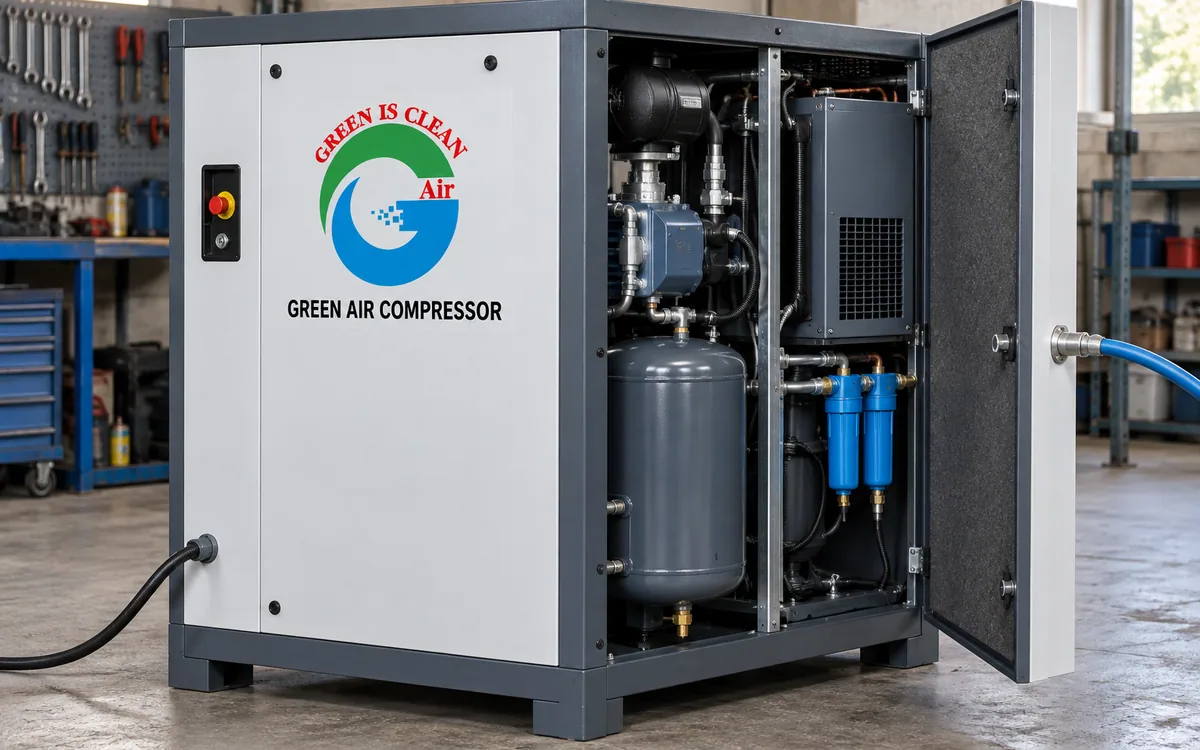
Four in one integrated compressors
Compressor, dryer, filters and receiver in one cabinet. 4 to 18 kW.
- Free air delivery
- 0.3 – 3.0 m³/min
- Working pressure
- 7 – 13 bar g
- Motor power
- 4 – 18 kW
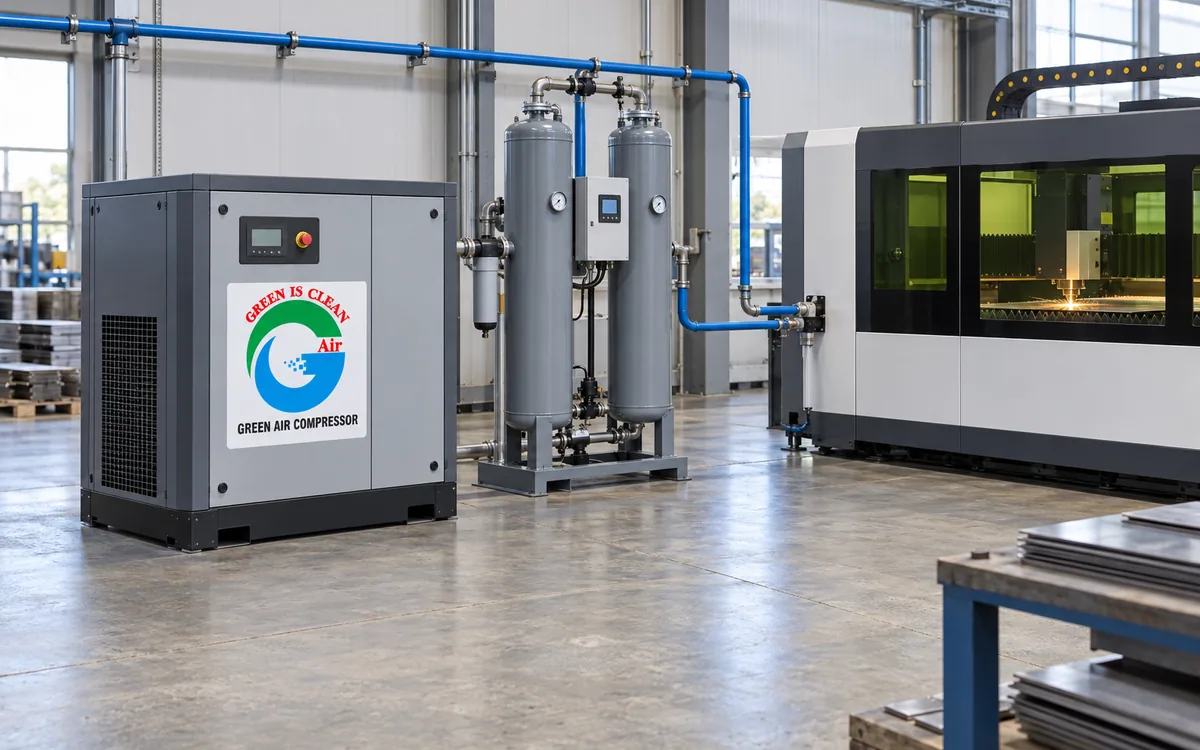
Laser cutting air compressors
Clean dry air at 13 to 16 bar, specified for the cutting head rather than the plant.
- Free air delivery
- 8.5 – 25.0 m³/min
- Working pressure
- 20 – 30 bar g
- Motor power
- 90 – 250 kW
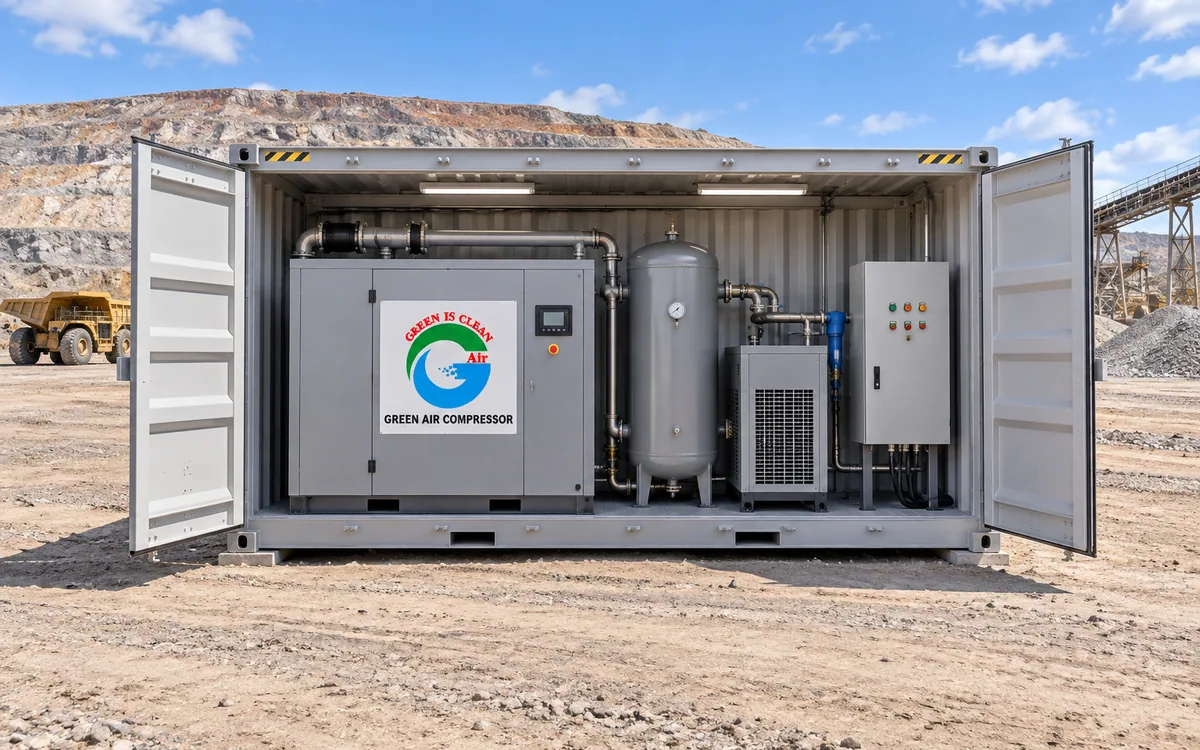
Containerised air compressors
A complete air station inside a shipping container. Ready to run on site.
Learn more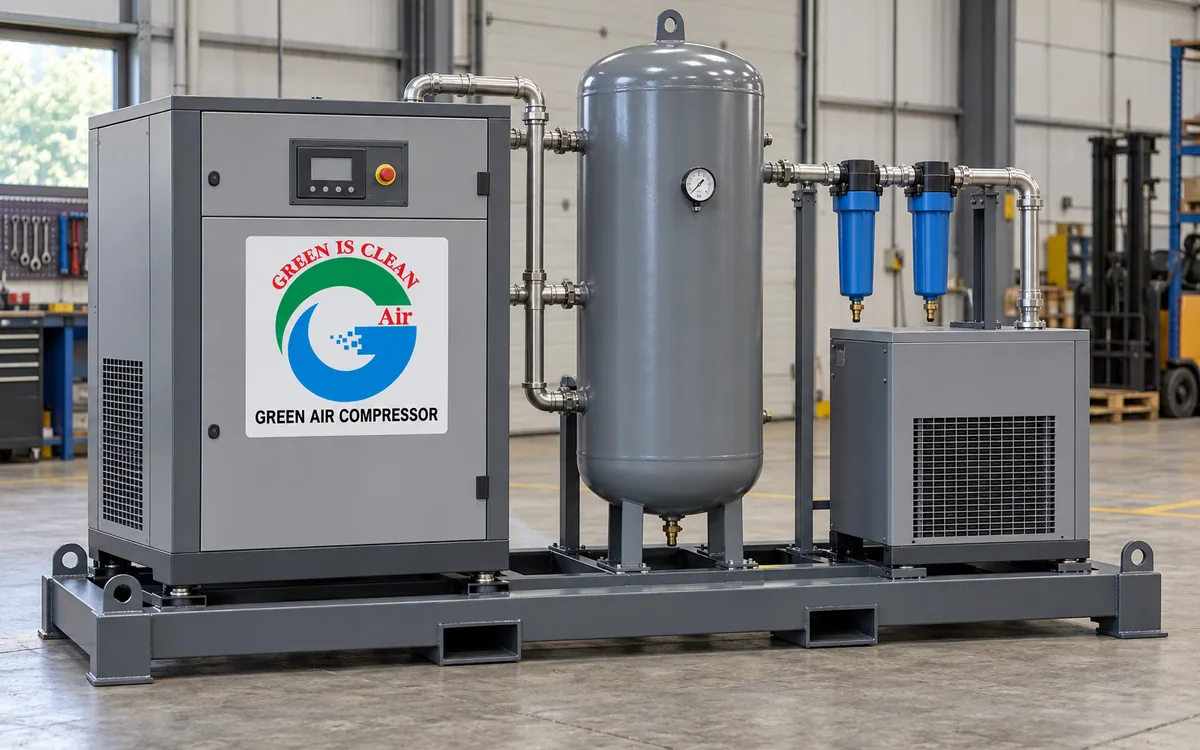
Skid mounted air compressors
The whole air system on one steel frame, piped and wired, ready to bolt down.
Learn moreNot sure which model you need?
Send us your air demand, working pressure and running hours. Our engineers will size the machine and send a written recommendation, no cost, no obligation.