
General industry
Workshops, facilities and everything that does not fit a category.
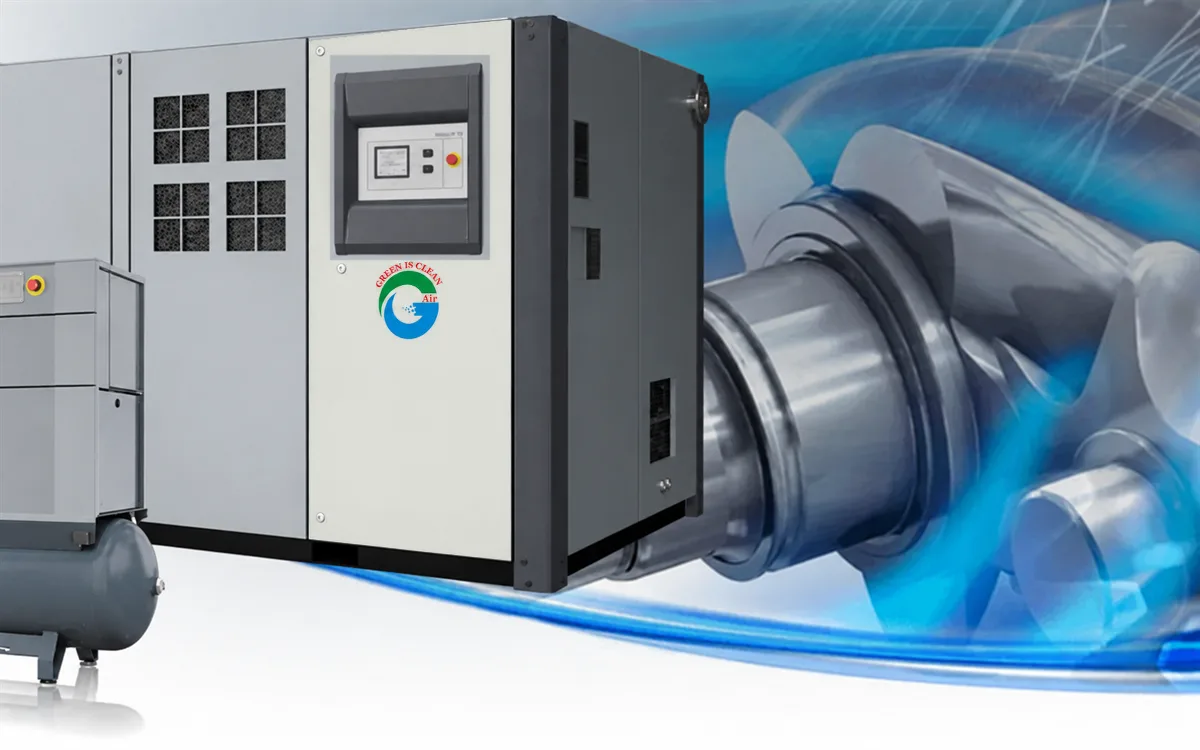
What we supply for this industry
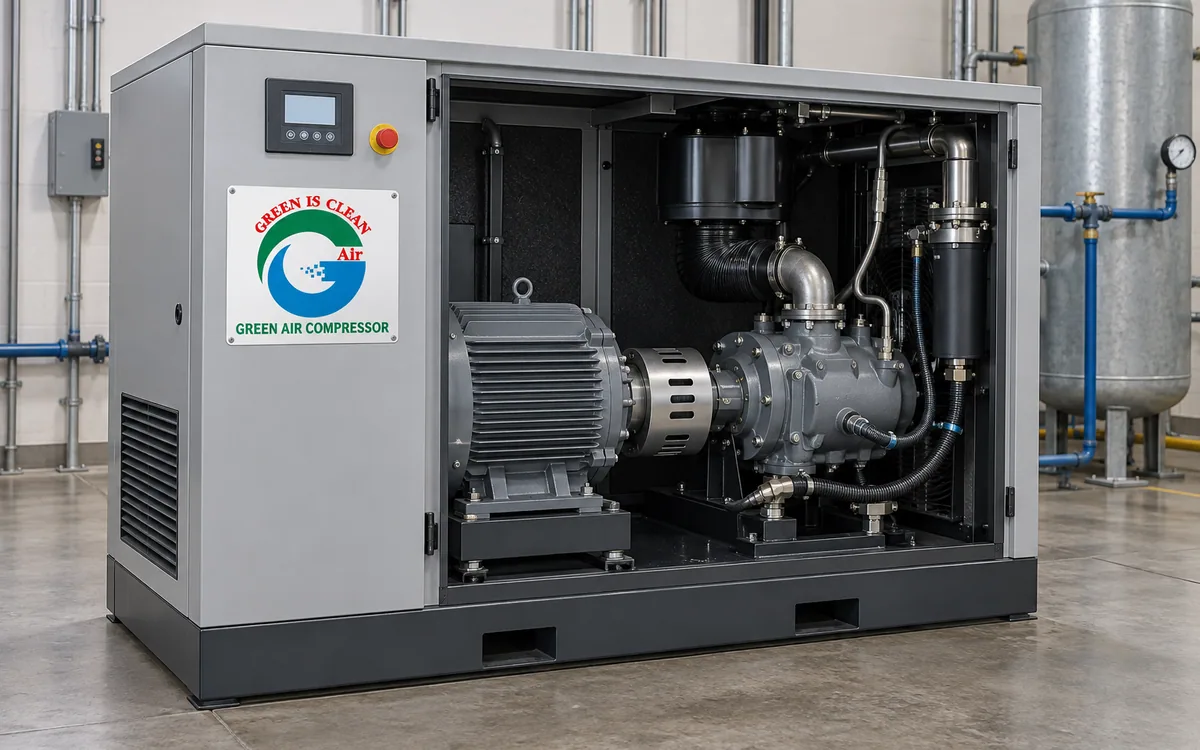
Direct driven screw compressors
Motor coupled straight to the airend. 55 to 250 kW, nothing to slip.
- Free air delivery
- 7.8 – 43.0 m³/min
- Working pressure
- 7 – 13 bar g
- Motor power
- 55 – 250 kW
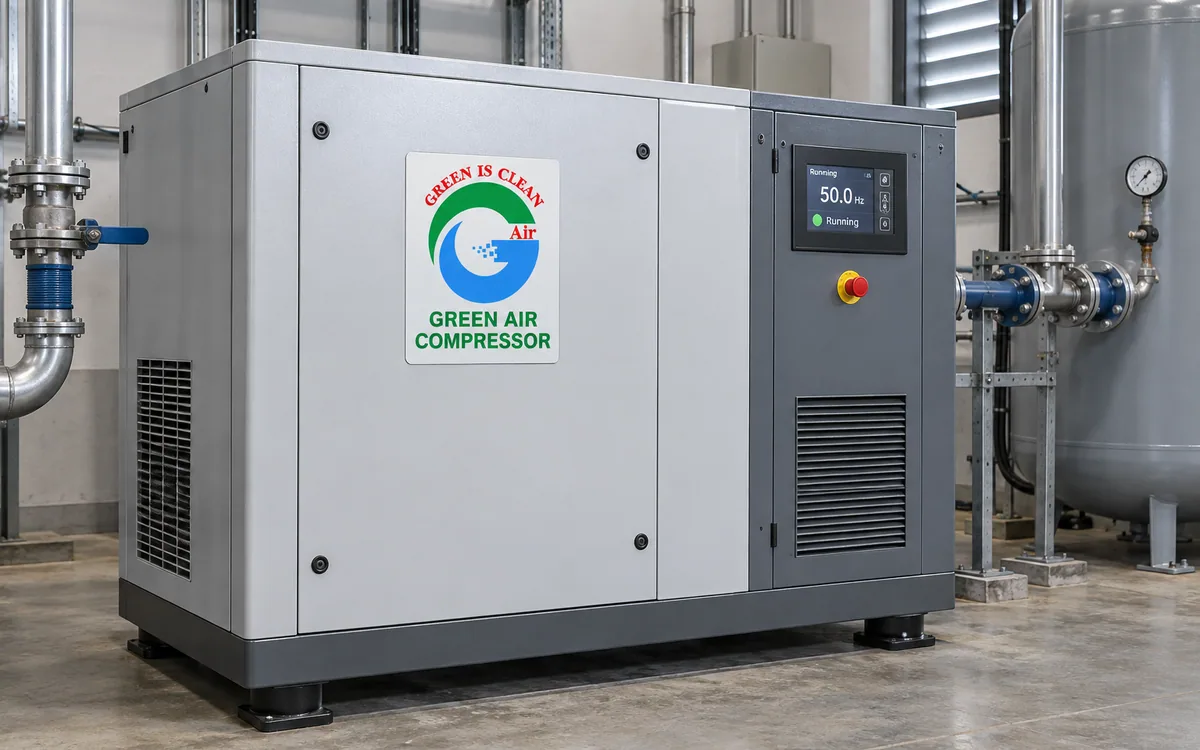
Variable speed screw compressors
The motor follows the demand. 7.5 to 280 kW, 8 to 13 bar g.
- Free air delivery
- 0.3 – 50.0 m³/min
- Working pressure
- 8 – 13 bar g
- Motor power
- 8 – 280 kW
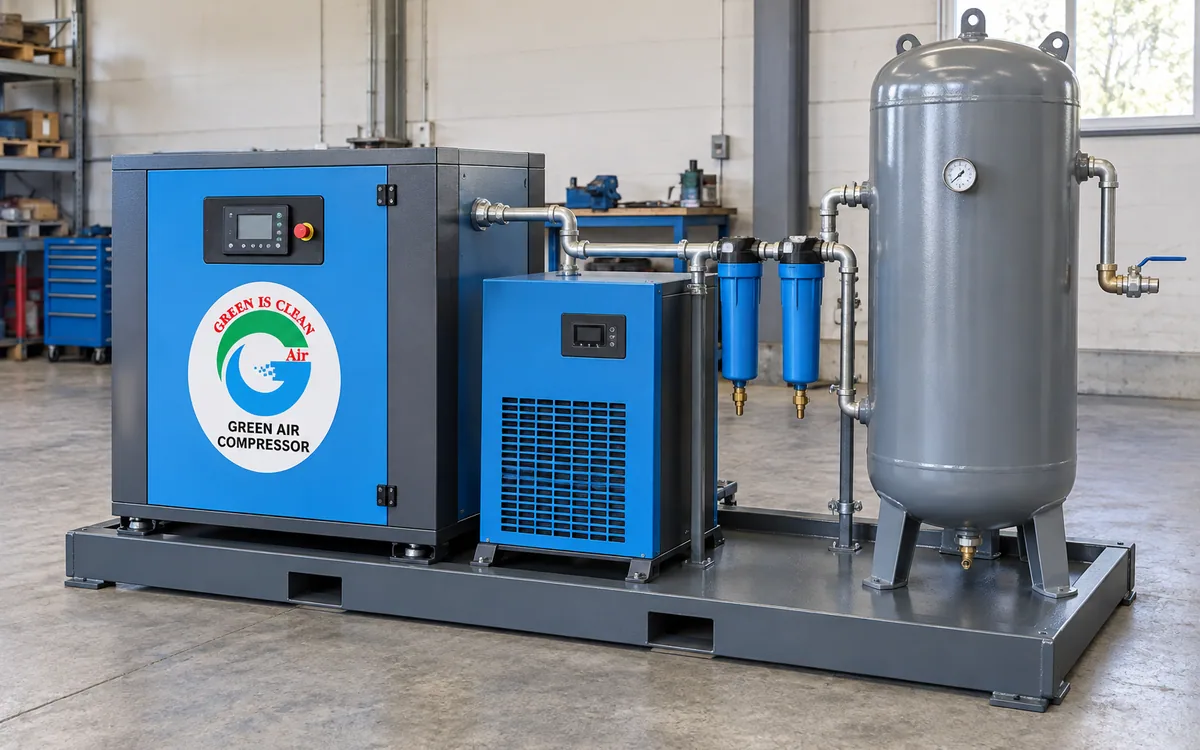
Packaged and integrated air stations
Compressor, dryer, filters and receiver supplied as one item.
- Free air delivery
- 0.3 – 25.0 m³/min (9 – 64 cfm)
- Working pressure
- 7 – 30 bar g
- Motor power
- 4 – 250 kW
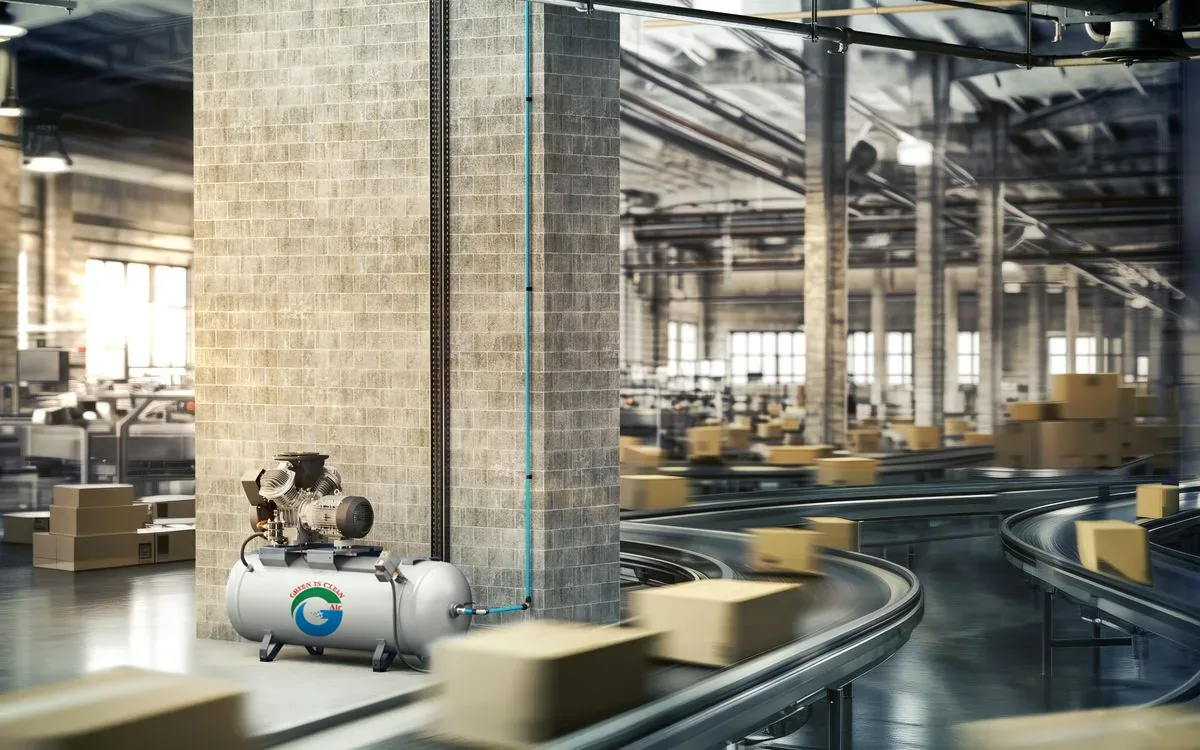
Piston air compressors
Reciprocating machines for intermittent and high-pressure duties.
- Free air delivery
- 0.1 – 25.0 m³/min (229 – 882 cfm)
- Working pressure
- 10 – 1,000 bar g
- Motor power
- 2 – 250 kW
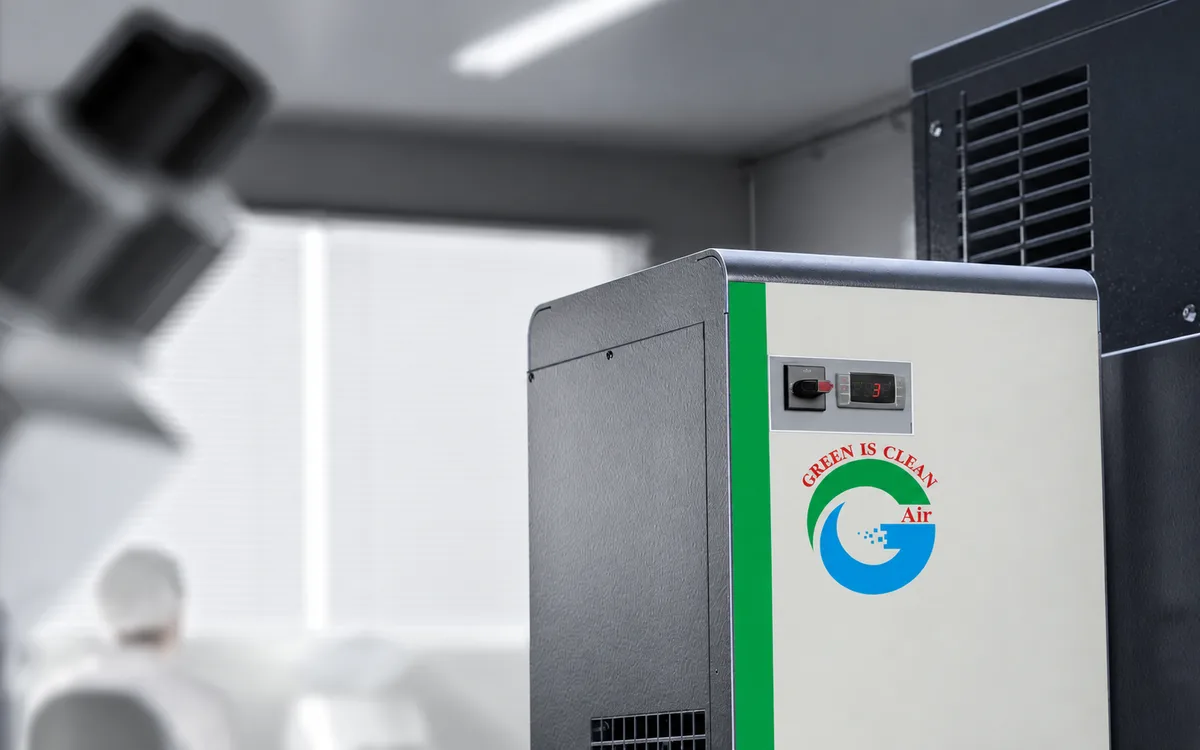
Refrigerant air dryers
The standard, low-cost way to reach a +3 °C pressure dew point.
- Free air delivery
- 10.0 – 383.3 m³/min
- Working pressure
- 13 – 16 bar g
- Motor power
- 1 – 32 kW
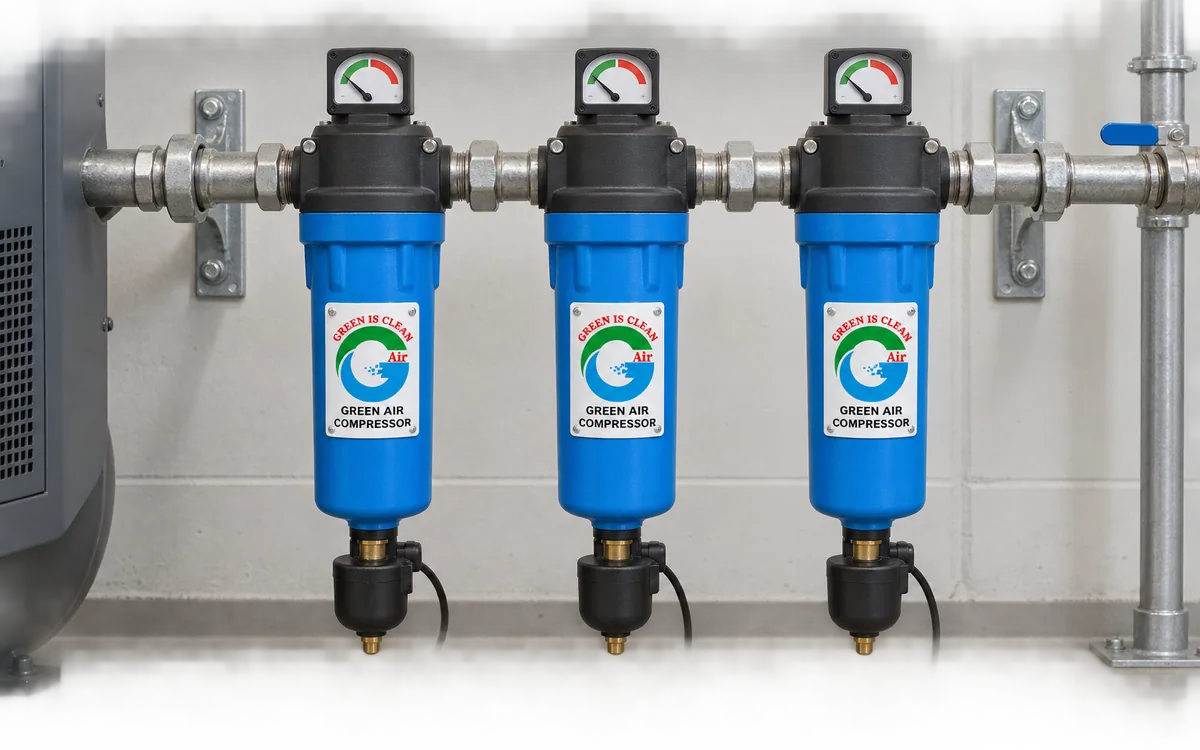
Precision compressed air filters
Particulate, coalescing and activated carbon, to every ISO 8573-1 class.
- Free air delivery
- 1.8 – 80.0 m³/min
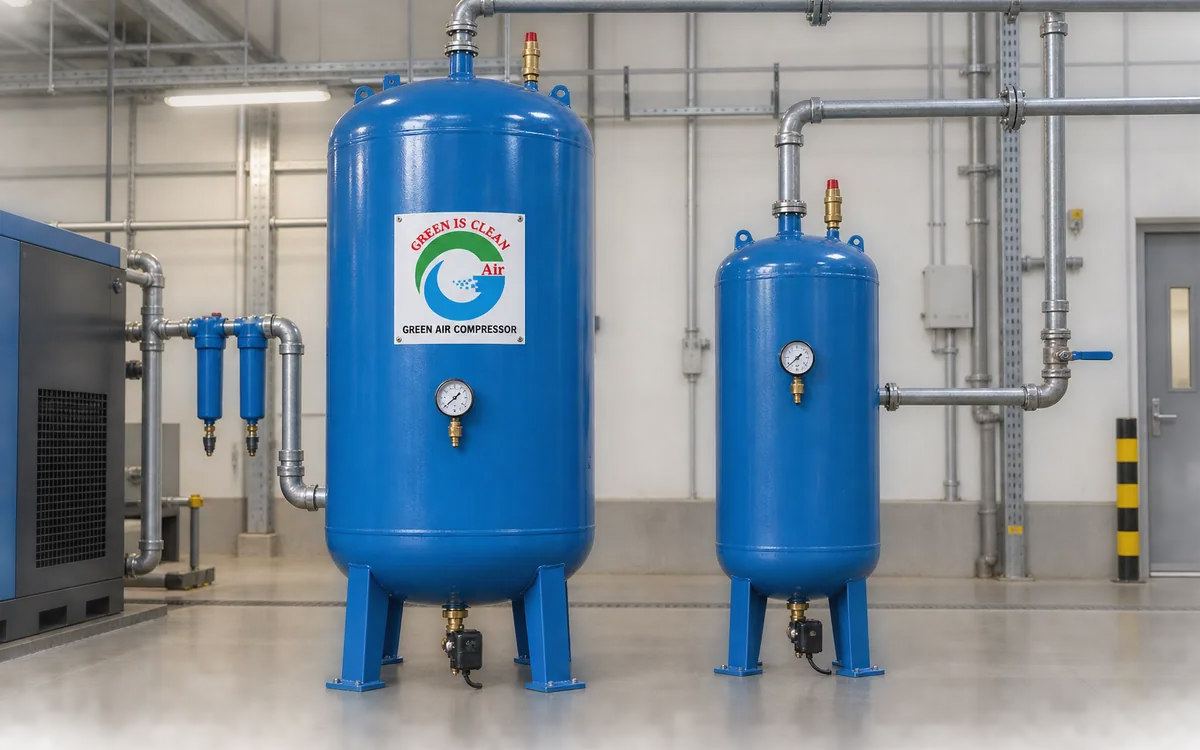
Air receivers and storage tanks
0.3 to 10 m³, carbon steel, stainless and vacuum. 8, 10 and 13 bar g.
- Working pressure
- 1 – 13 bar g
- Weight
- 99 – 1,240 kg
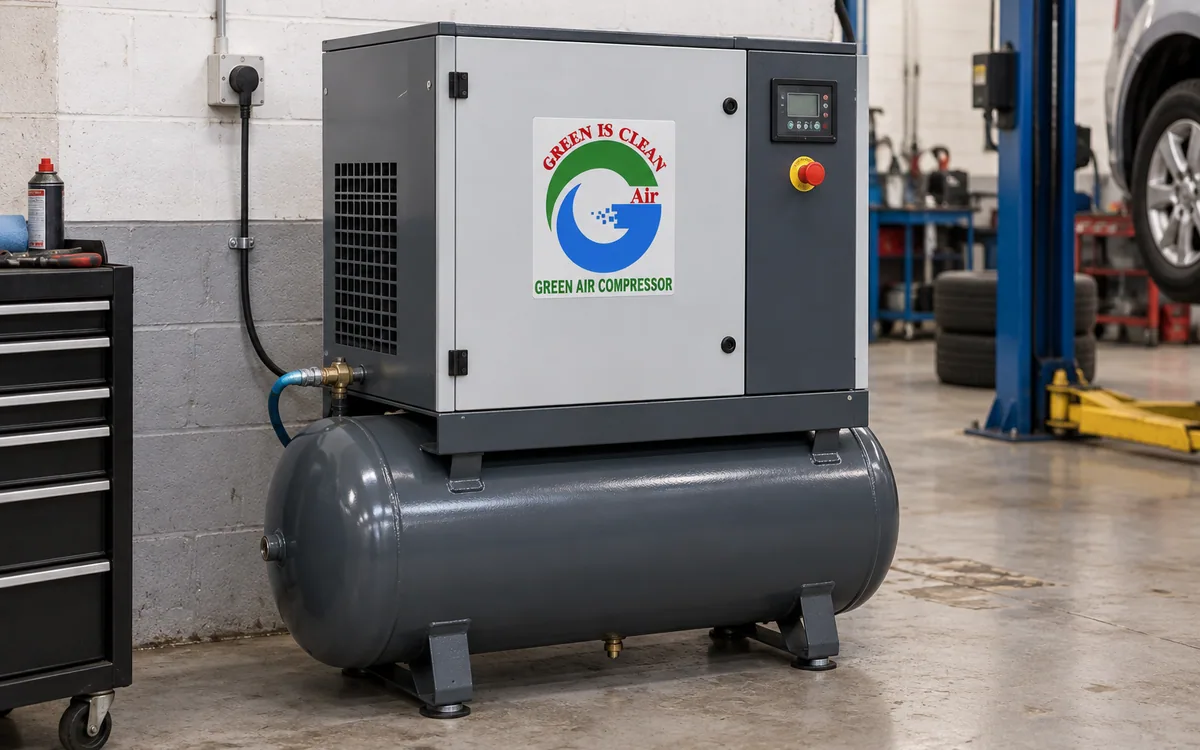
Single phase screw compressors
Screw air where there is no three phase supply. 2.2 to 7.5 kW.
Learn moreOverview
Most compressed air in the world is used in places that are not a category on anybody's website: a maintenance workshop, a bus depot, a hospital plant room, a packaging shed behind a warehouse.
These installations tend to be simple, and the right advice is usually to keep them that way, a correctly sized machine, a dryer, decent filtration, and a service plan.
Key benefits
Simple is usually right
Small installations rarely benefit from complexity. We will say so.
Complete package
Compressor, receiver, dryer, filters and pipework quoted as one job.
Installed and commissioned
Delivered, connected, tested and handed over working.
Affordable service plan
Fixed annual cost sized for a single-machine installation.
What most plants actually need
Reliable air at a sensible pressure, dried enough that nothing rusts, and filtered to the class the process really needs rather than to the highest class available.
For most workshops and general factories that is a rotary screw compressor, a refrigerant dryer and two stages of filtration. It is not complicated and it should not be made so.
The mistakes are consistent. Pressure set too high, leaks ignored, filters left past their life, and nothing measured anywhere.
- Rotary screw, refrigerant dryer, two filter stages
- ISO 8573-1 class 3.4.3 suits most work
- Pressure set to what the tools need
- Receiver sized to smooth the demand
- Condensate handled legally
- Variable speed where demand swings
- Monitoring included from the start
- Nothing specified that is not needed
Getting the size right
Count what runs at the same time rather than adding up everything on the site, and allow for the leaks you already have rather than the ones you wish you had.
Tell us what the air is driving if you do not know the demand figure. Sizing from tools is more reliable than sizing from a guess at cubic feet a minute.
Oversizing costs money every hour and undersizing costs production. We would rather measure for a week than guess on either side.
- Count what runs at the same time
- Sized from tools where demand is unknown
- Existing leaks allowed for honestly
- Measurement offered before purchase
- Oversizing costs energy every hour
- Undersizing costs production
- Future expansion discussed
- Written sizing supplied with the quotation
How we support a plant
Local engineers and local parts in every country we trade in, which for a small plant is worth more than any feature on a datasheet.
A service plan with a fixed annual price so the compressor is a budget line rather than a surprise.
And a straight answer when something does not need doing. That is the whole basis of a long relationship in this trade.
- Local engineers and parts everywhere we trade
- Fixed annual price on a plan
- Straight answer when nothing needs doing
- Identification service for other makes
- Rental cover during a repair
- Operator training on handover
- Leak surveys available
- Used and rebuilt machines where budget is tight
Frequently asked questions
My site is small. Is any of this relevant?
The principles are, the complexity is not. A correctly sized machine, a dryer, decent filtration and a service plan is the whole answer for most small installations.
What is the most common mistake in a small plant?
Buying a piston compressor for a continuous duty. It is cheaper on the day and considerably more expensive within two years.
Do I need all the monitoring and auditing?
No, on a single small machine the sensible package is a properly specified installation and a fixed-price annual service, not a data logging programme.
Can you supply everything as one job?
Yes: compressor, receiver, dryer, filters and pipework quoted, delivered, installed, commissioned and handed over working, as one quotation.
How much does a service plan cost for one machine?
Far less than people expect, and it is fixed annually. The alternative is an unplanned failure at the worst possible moment.
Do I need three-phase power?
For anything above about 3 kW, yes. Below that single-phase options exist, though the running cost per unit of air is higher.
What size receiver for a small workshop?
Six to ten litres per cfm. For a typical 10 hp machine that is around a 500 litre receiver.
Should I put the compressor in its own room?
Not necessarily: modern canopied screw machines are quiet enough for a workshop. Ventilation matters far more than a separate room does.
What if my usage grows?
Sequencing is built into our machines, so adding a second unit later is straightforward rather than a rebuild of the plant room.
Who do I call when it stops?
The same local office that installed it, which holds the parts. On a single-machine site that is the part of the offer that actually matters.
Related products
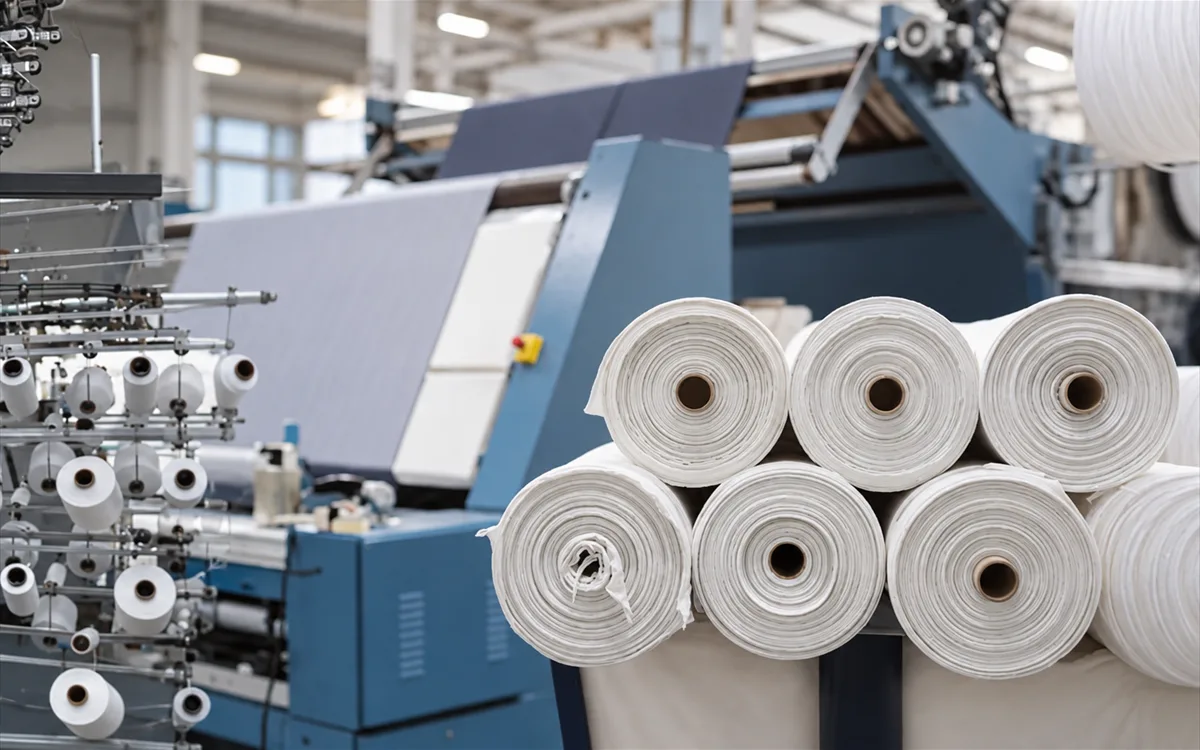
Textiles
Air-jet weaving, spinning and dyeing, where air is the largest utility.
Learn more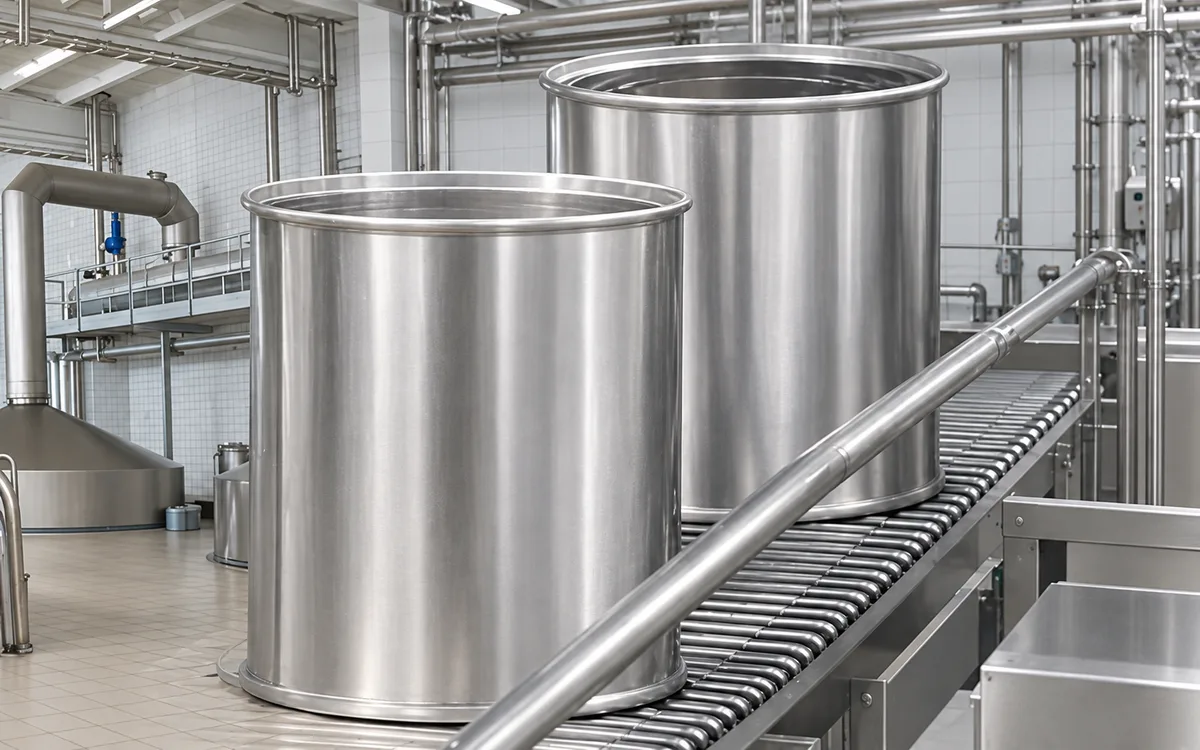
Food and beverage
Class 0 air, documented, for anything that touches product.
Learn more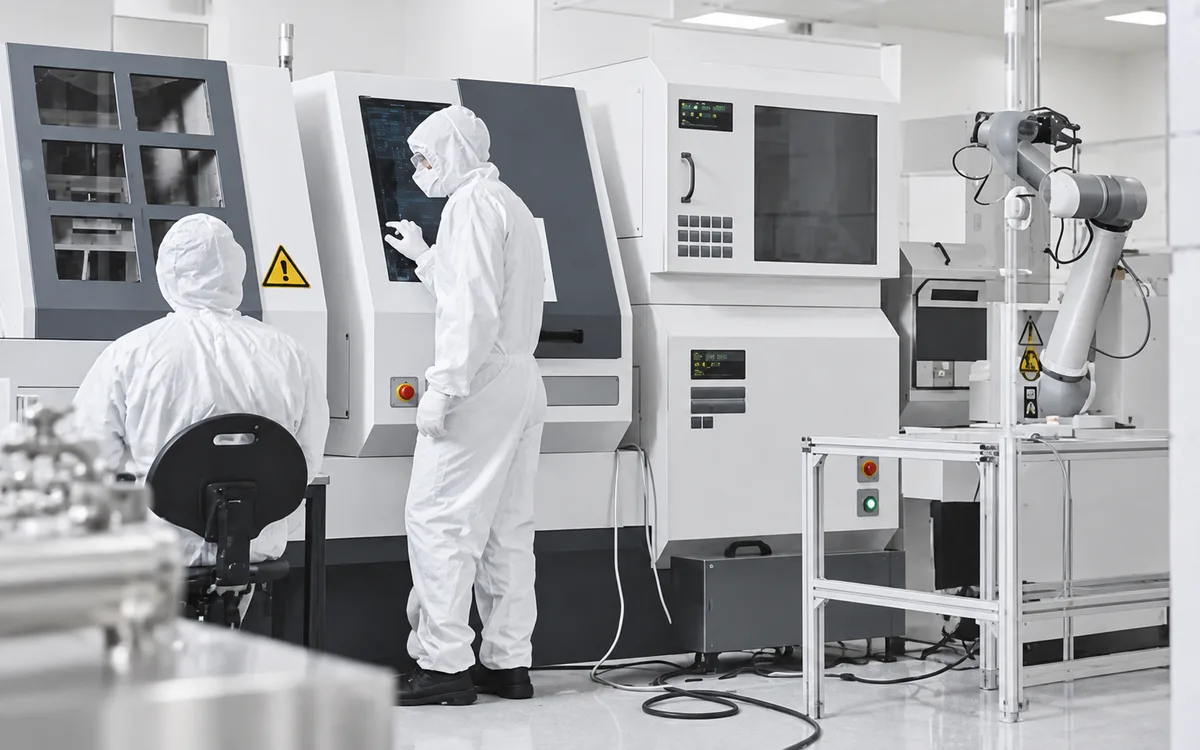
Pharmaceutical
Validated, qualified air systems with full documentation.
Learn more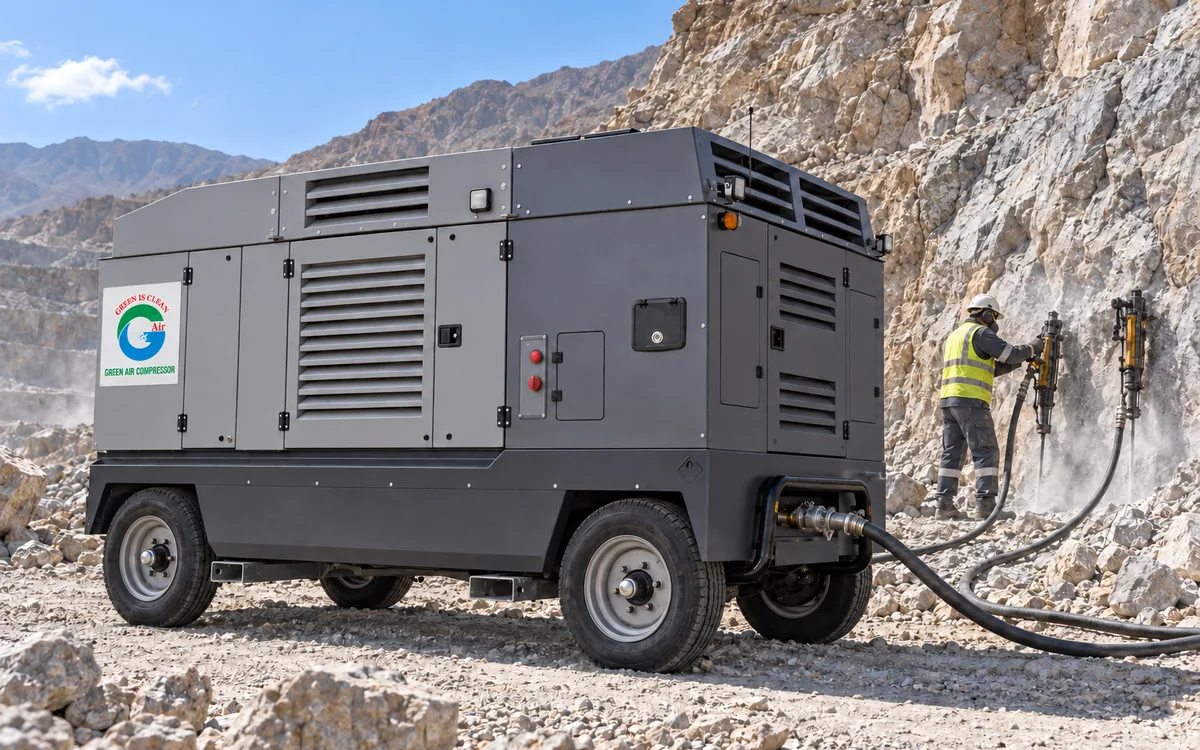
Mining and quarrying
Air and dewatering that survive dust, distance and heat.
Learn moreNot sure which model you need?
Send us your air demand, working pressure and running hours. Our engineers will size the machine and send a written recommendation, no cost, no obligation.