
Water and wastewater
Aeration is the largest electricity bill on the works. This is where it is decided.
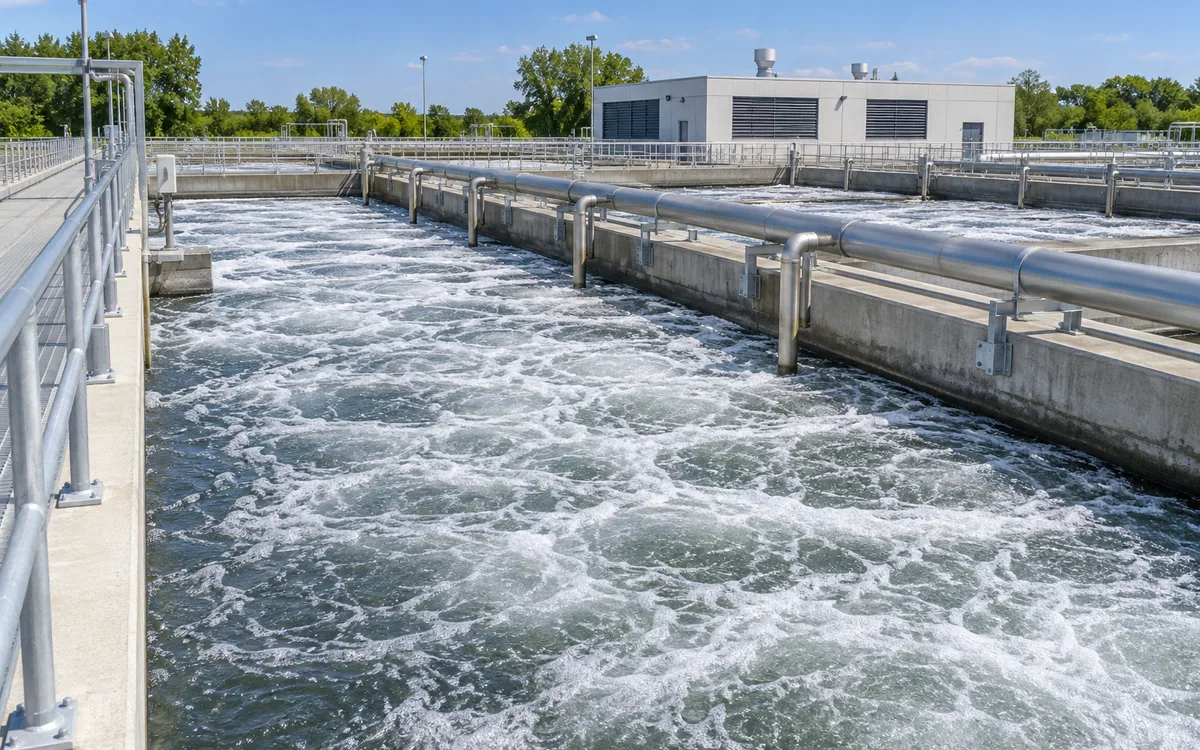
What we supply for this industry
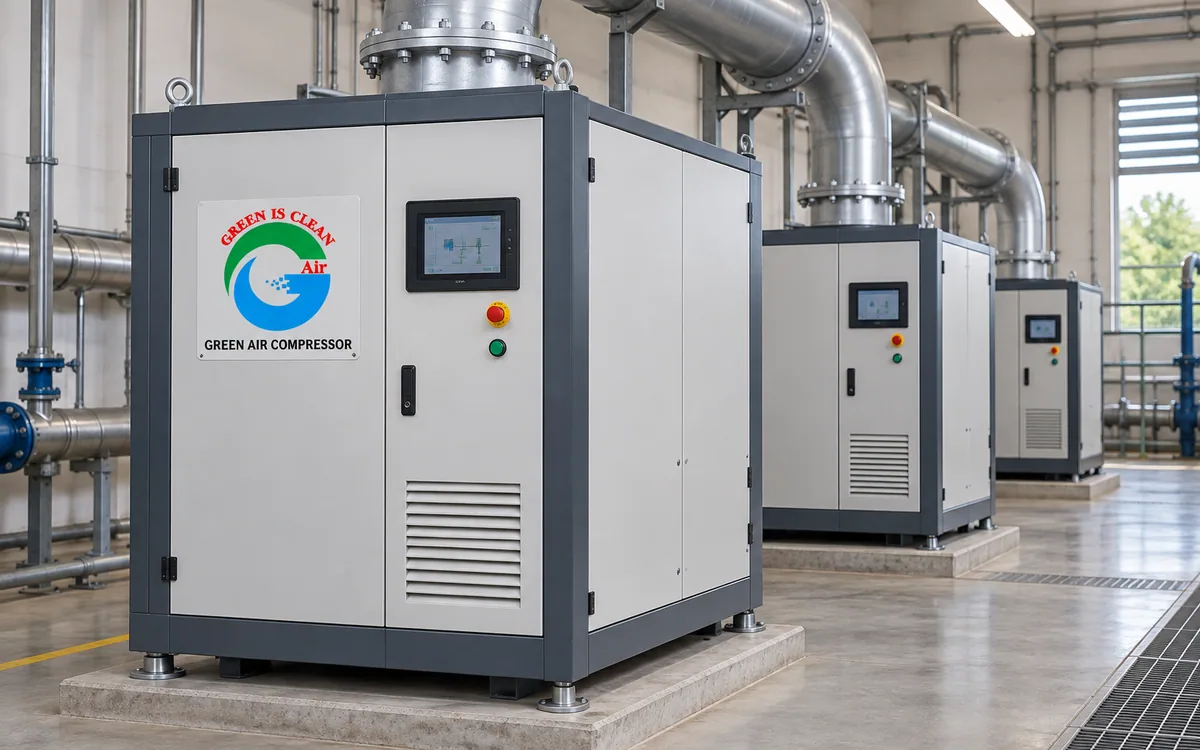
Magnetic levitation blowers
The impeller floats on a magnetic field. 37 to 350 kW, no bearings to wear.
- Free air delivery
- 25.0 – 388.0 m³/min
- Motor power
- 37 – 350 kW
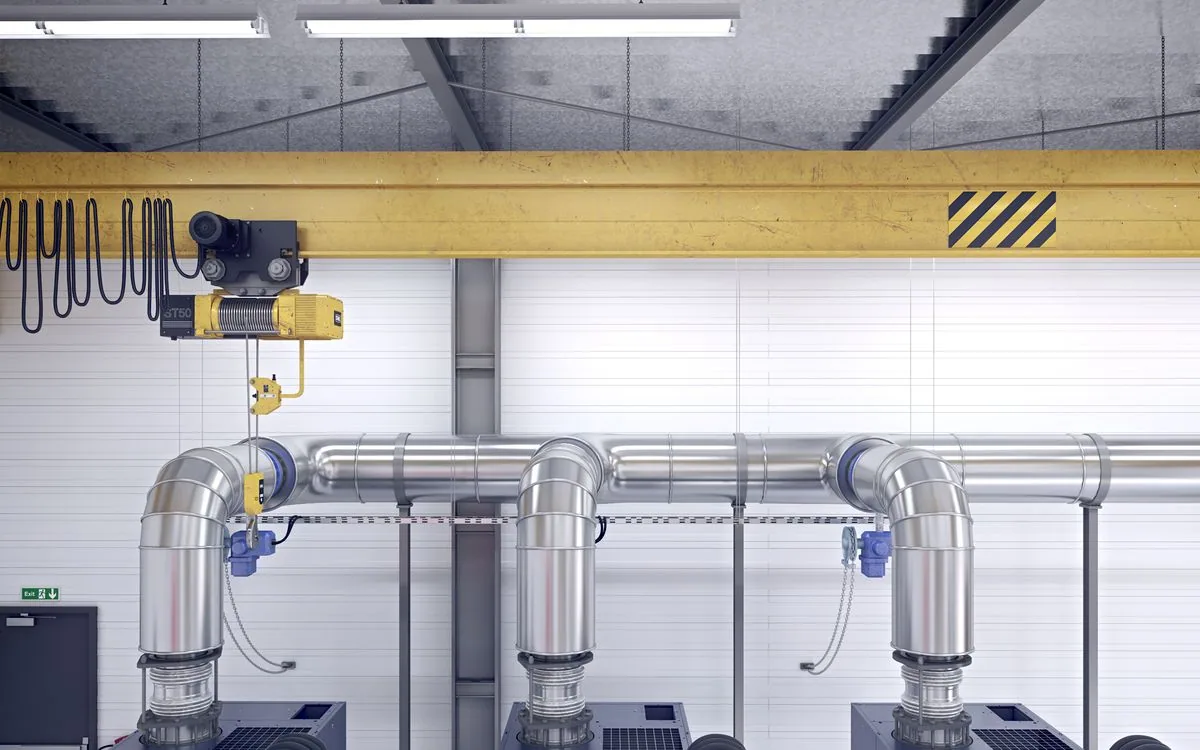
Oil-free turbo blowers with variable speed
High-efficiency turbo blowers for continuous aeration duty.
- Free air delivery
- 32.0 – 135.0 m³/min
- Working pressure
- 1 – 1 bar g
- Motor power
- 50 – 200 kW
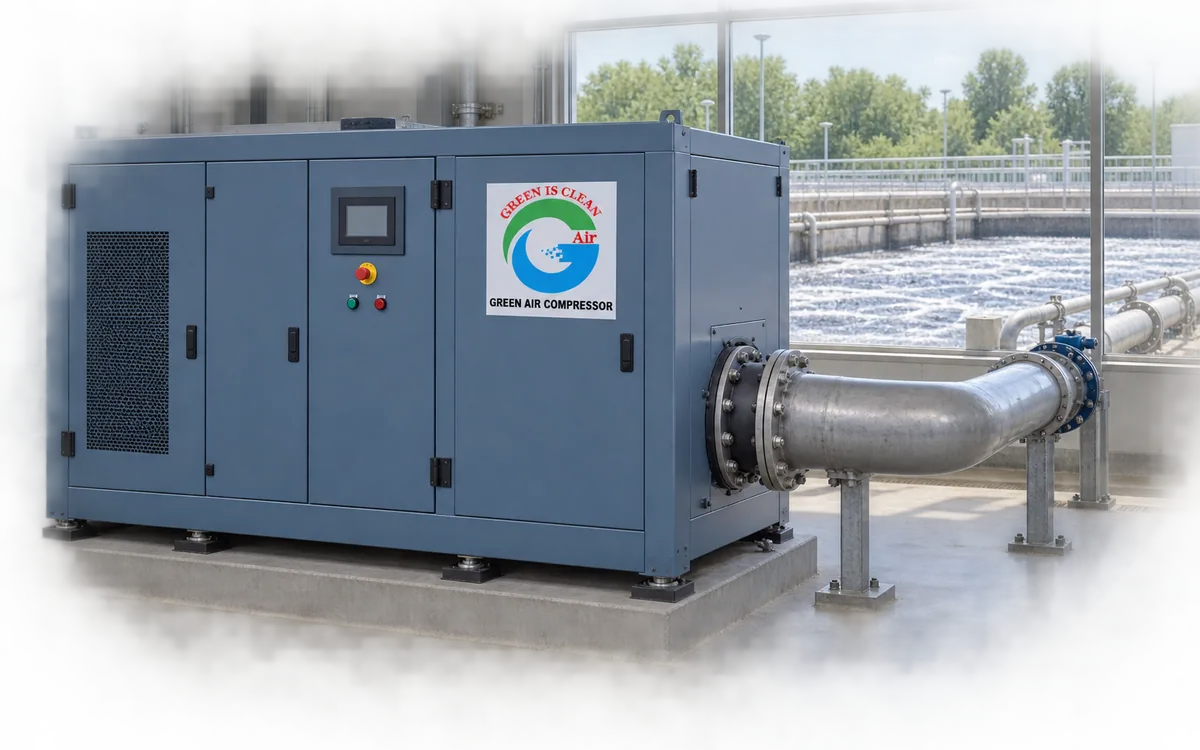
Oil free screw blowers
Screw compression at blower pressures. Up to 1.5 bar g, 22 to 180 kW.
- Free air delivery
- 15.0 – 98.0 m³/min
- Motor power
- 22 – 180 kW
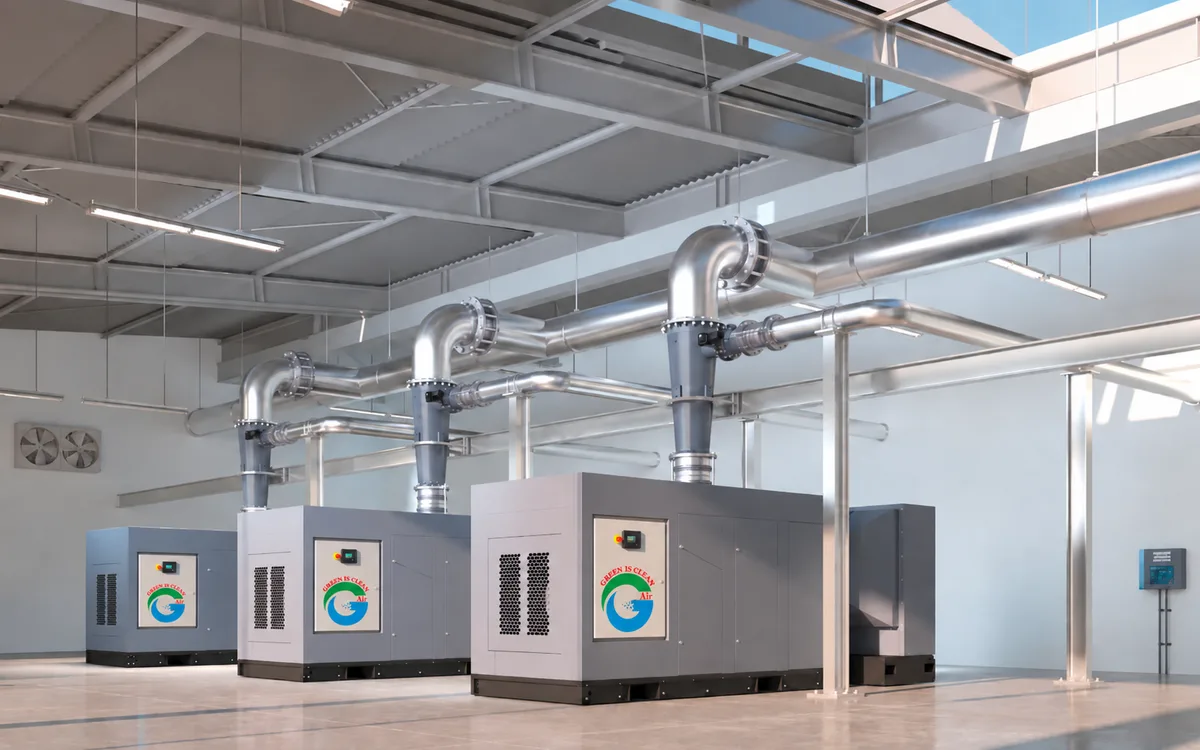
Single-stage centrifugal blowers
High-volume, low-pressure air for aeration and drying.
- Free air delivery
- 12.6 – 160.0 m³/min
- Working pressure
- 1,100 bar g
- Motor power
- 22 – 250 kW
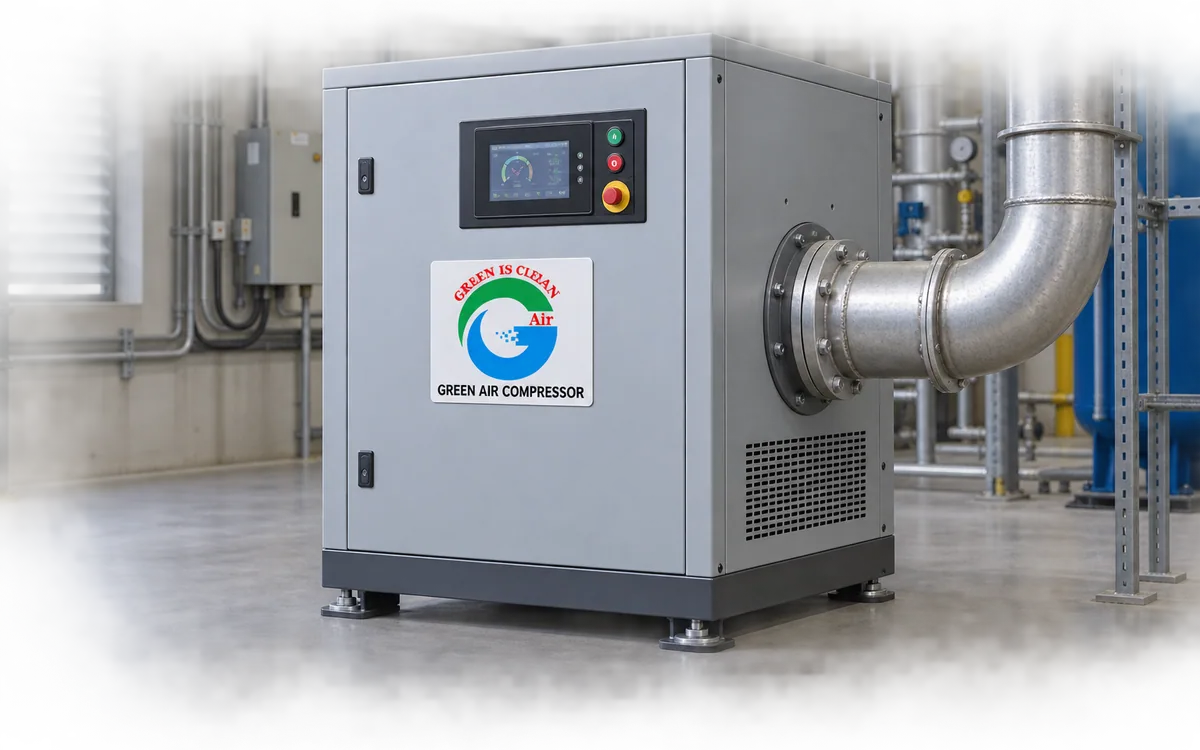
Air suspension blowers
Air bearings instead of magnetic ones. 22 to 450 kW, oil free and quiet.
- Free air delivery
- 17.0 – 418.0 m³/min
- Motor power
- 22 – 450 kW
- Weight
- 525 – 2,550 kg
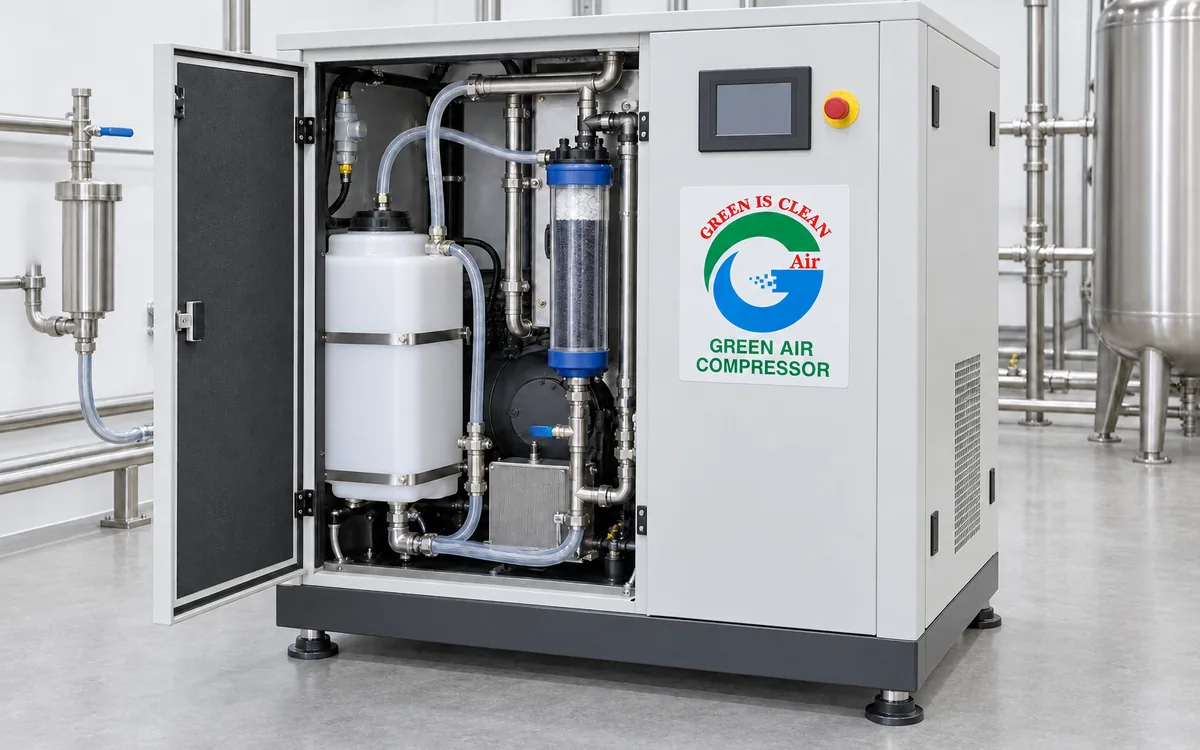
Water lubricated oil free compressors
Water seals and cools the rotors instead of oil. Class 0 air, 5.5 to 160 kW.
- Free air delivery
- 0.3 – 27.0 m³/min
- Working pressure
- 7 – 10 bar g
- Motor power
- 6 – 160 kW
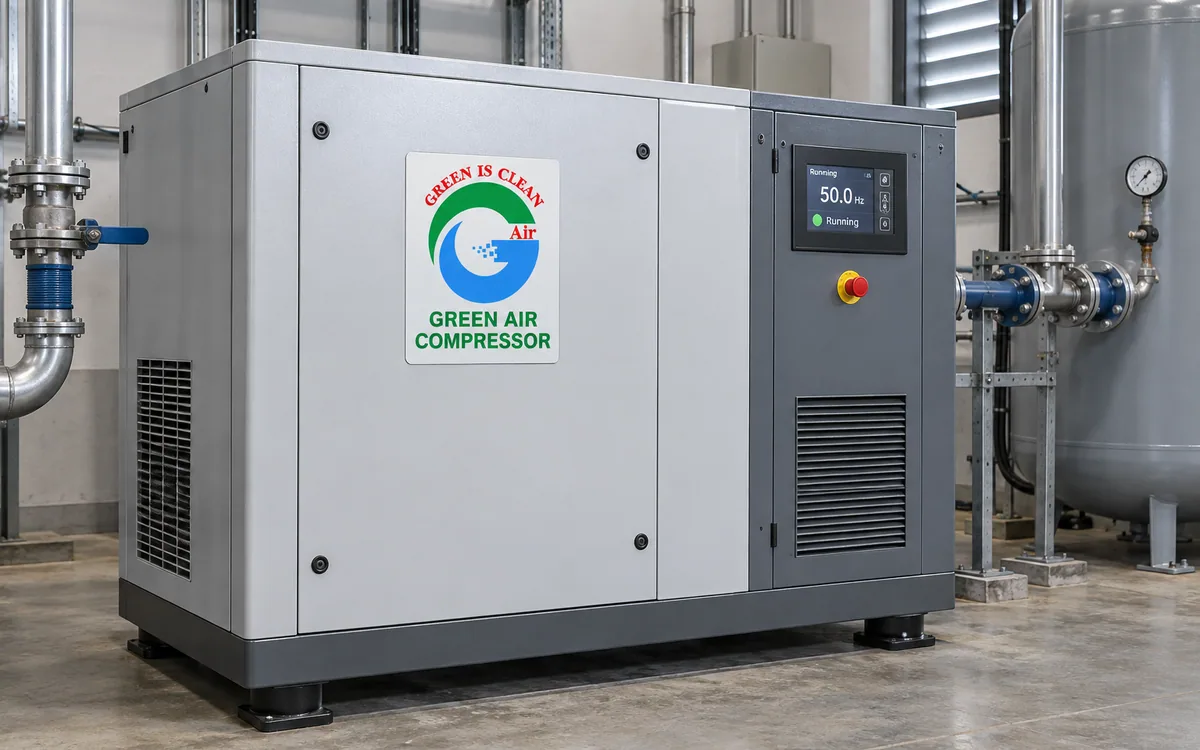
Variable speed screw compressors
The motor follows the demand. 7.5 to 280 kW, 8 to 13 bar g.
- Free air delivery
- 0.3 – 50.0 m³/min
- Working pressure
- 8 – 13 bar g
- Motor power
- 8 – 280 kW
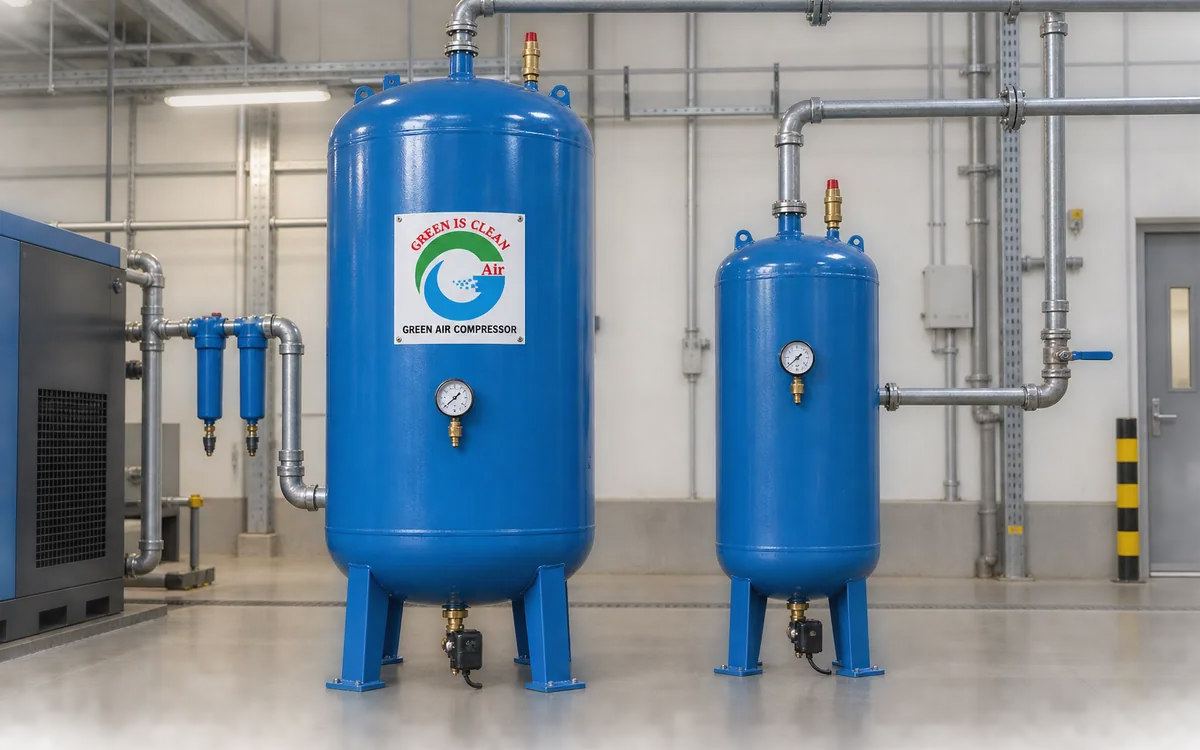
Air receivers and storage tanks
0.3 to 6 m³, carbon steel and vacuum vessels. 8, 10 and 13 bar g.
- Working pressure
- 1 – 13 bar g
- Weight
- 99 – 1,240 kg
Overview
On most treatment works the blowers draw more electricity than everything else on the site put together. They run every hour of every day, they are sized on a design case that may arrive twice a year, and between those two facts sits the largest controllable cost the works has.
The machine matters less than what it is asked to do. A blower that follows the oxygen demand costs a fraction of one that is sized for the peak and throttled or blown off for the rest of the year. Getting that right is worth more than any single equipment choice on the plant.
Key benefits
Aeration is where the bill is
Typically half or more of a works' electricity goes through the blowers, so a saving here is larger than anything else available.
Follows the oxygen demand
Speed control across the range rather than throttling the inlet or blowing air away that has already been paid for.
No oil near the water
Nothing to reach an aeration basin or a sludge stream, and no oily condensate to account for.
Built for continuous duty
These machines never stop, so service access and spares availability decide the whole-life cost, not the purchase price.
Where the electricity goes
Aeration is usually between half and two thirds of the electricity a treatment works consumes. Everything else — pumps, screens, dewatering, lighting, the building — shares what is left.
The reason it costs so much is that the blower has to push air to the bottom of the basin against the head of water above the diffusers, continuously, whether the incoming load justifies it or not. A works sized for a design flow that arrives on a wet Tuesday in February spends the rest of the year making more air than it needs.
That is why dissolved oxygen control pays for itself faster than almost anything else on a treatment plant. Measuring the oxygen in the basin and letting the blower speed answer it turns a fixed cost into a variable one.
- Half to two thirds of site electricity
- Runs every hour of the year
- Sized on a peak that rarely arrives
- Dissolved oxygen control pays quickly
- Speed control beats throttling
- Blowing off is paying twice
- Diffuser condition changes the duty
- Standby strategy affects the bill
What a blower has to survive here
The air a blower draws on a treatment works is humid, and on the sludge side it carries hydrogen sulphide. Both shorten the life of anything they touch, and both are worth designing around rather than discovering.
Ambient temperature matters more than people expect. A blower house that reaches 50 °C in summer derates every machine in it, and a machine chosen on the catalogue figure will be short of air exactly when the process needs it most.
Then there is the plain fact that these machines do not stop. A compressor in a factory has nights and weekends; an aeration blower has neither. Service access, spares on the shelf and a standby arrangement are not refinements here, they are the specification.
- Humid intake air as standard
- Hydrogen sulphide on the sludge side
- Blower houses run hot in summer
- Derating checked at site temperature
- Continuous duty, no natural downtime
- Standby machine or N+1 arrangement
- Service access designed in
- Spares held locally, not shipped
Choosing between the blower types
A roots or lobe blower is simple, cheap to buy and the least efficient of the options. On a small works with a flat load it can still be the right answer, and we will say so.
A screw blower is more efficient than a roots machine and tolerates a wide pressure range. It has a gearbox and an oil system, which means a service schedule and a contamination risk to manage, but it is a sound choice on mid sized plant.
A turbo or magnetic levitation machine is the most efficient of the three and has neither gearbox nor oil. On a works where the blowers run all year the difference in electricity usually outweighs the difference in price within a few years — but on a small or intermittent duty it may not, and that is a calculation rather than an opinion.
- Roots or lobe: simplest, least efficient
- Screw: efficient, has oil and a gearbox
- Turbo and maglev: most efficient, no oil
- Payback depends on running hours
- Turndown range decides part load cost
- Noise matters in a populated area
- Footprint matters in a retrofit
- We size against your actual duty
Frequently asked questions
How much of our electricity is really the blowers?
On most treatment works, between half and two thirds. It is worth metering rather than assuming, because the answer decides whether an aeration project is the first thing you do or the fifth.
Do we need magnetic levitation, or is a screw blower enough?
It depends on running hours and turndown. Where the blowers run continuously the efficiency difference usually pays for itself; on a small works with an intermittent duty it often does not. We work it out against your figures rather than recommending by default.
What about hydrogen sulphide on the sludge side?
It is corrosive and it finds its way into the intake. We specify the intake position and the filtration around it, and on a sludge duty we will say where materials need to change.
Related products
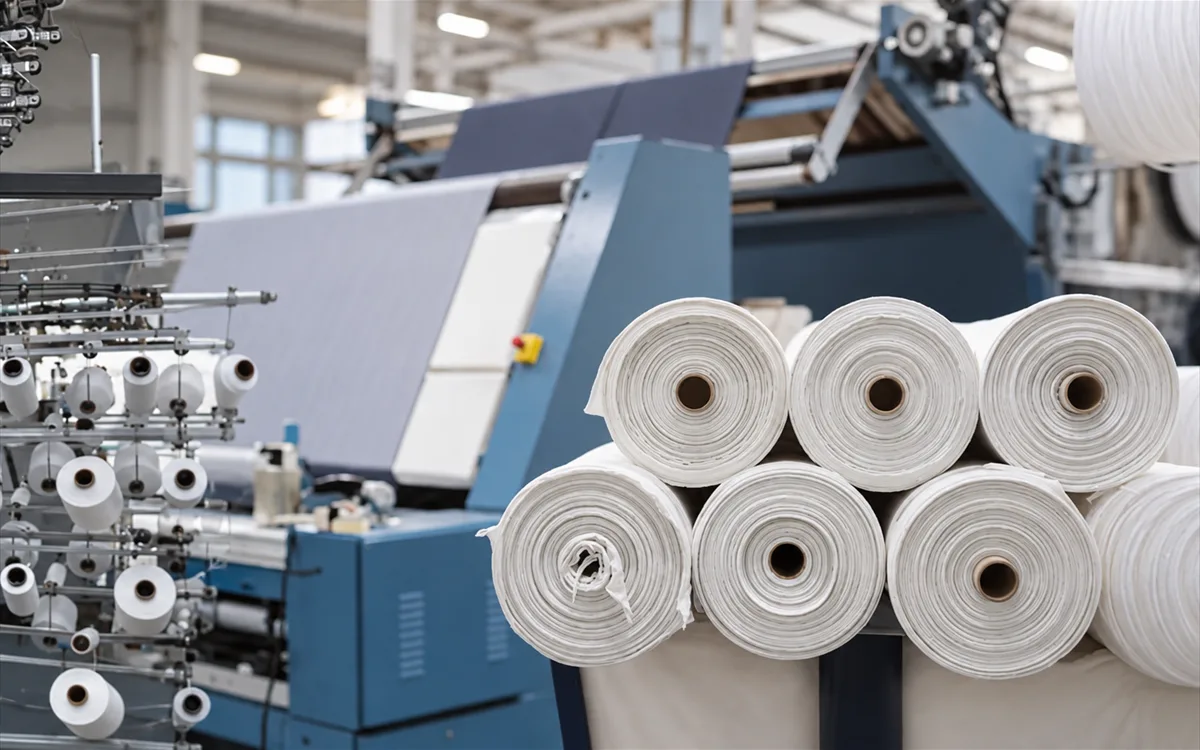
Textiles
Air-jet weaving, spinning and dyeing, where air is the largest utility.
Learn more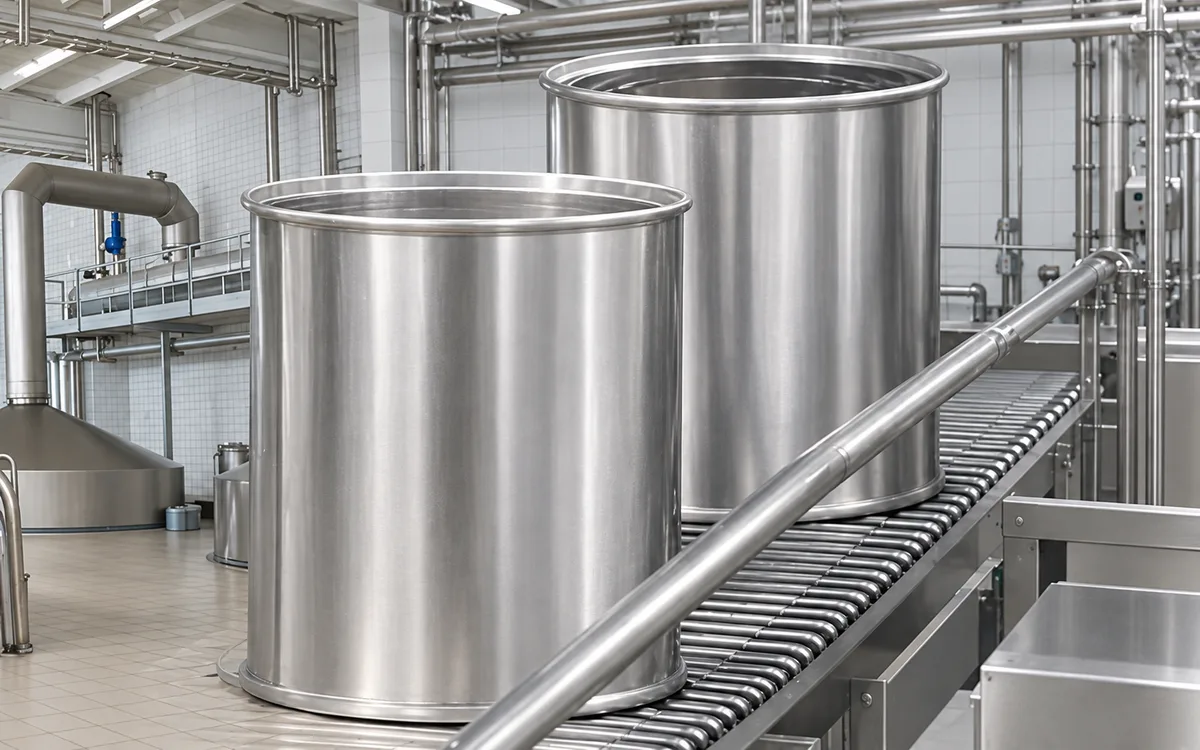
Food and beverage
Class 0 air, documented, for anything that touches product.
Learn more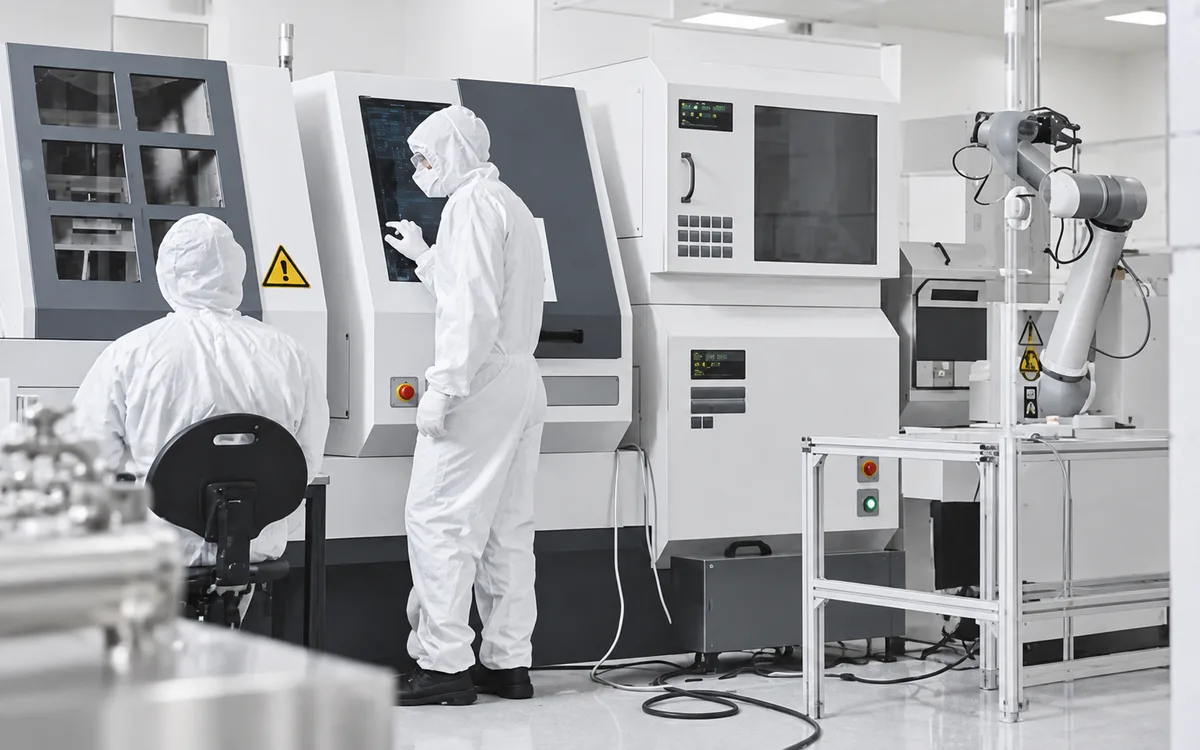
Pharmaceutical
Validated, qualified air systems with full documentation.
Learn more
Mining and quarrying
Air and dewatering that survive dust, distance and heat.
Learn moreNot sure which model you need?
Send us your air demand, working pressure and running hours. Our engineers will size the machine and send a written recommendation, no cost, no obligation.